Category Archives: Philosophy
2016 Photo Calendar
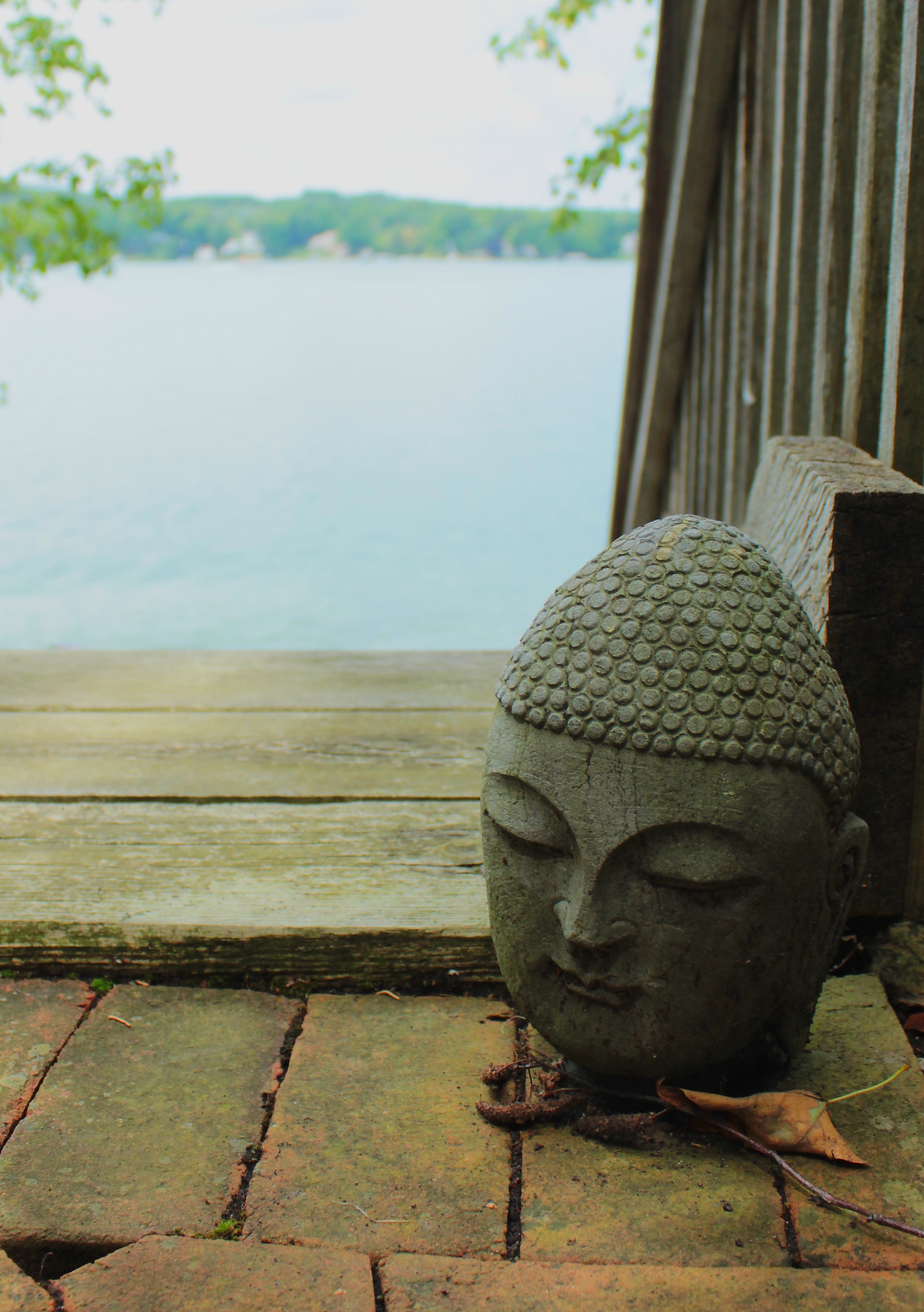
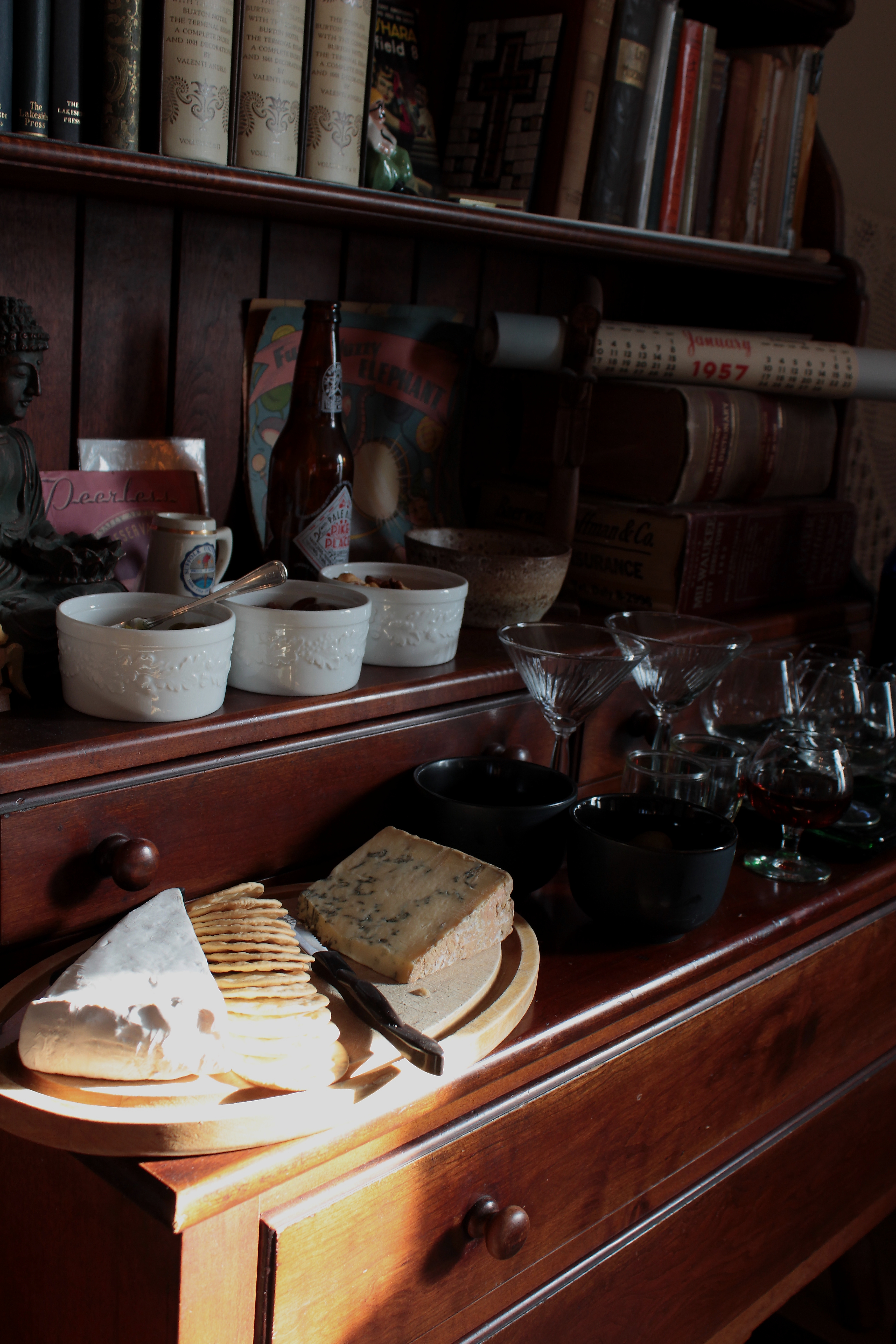
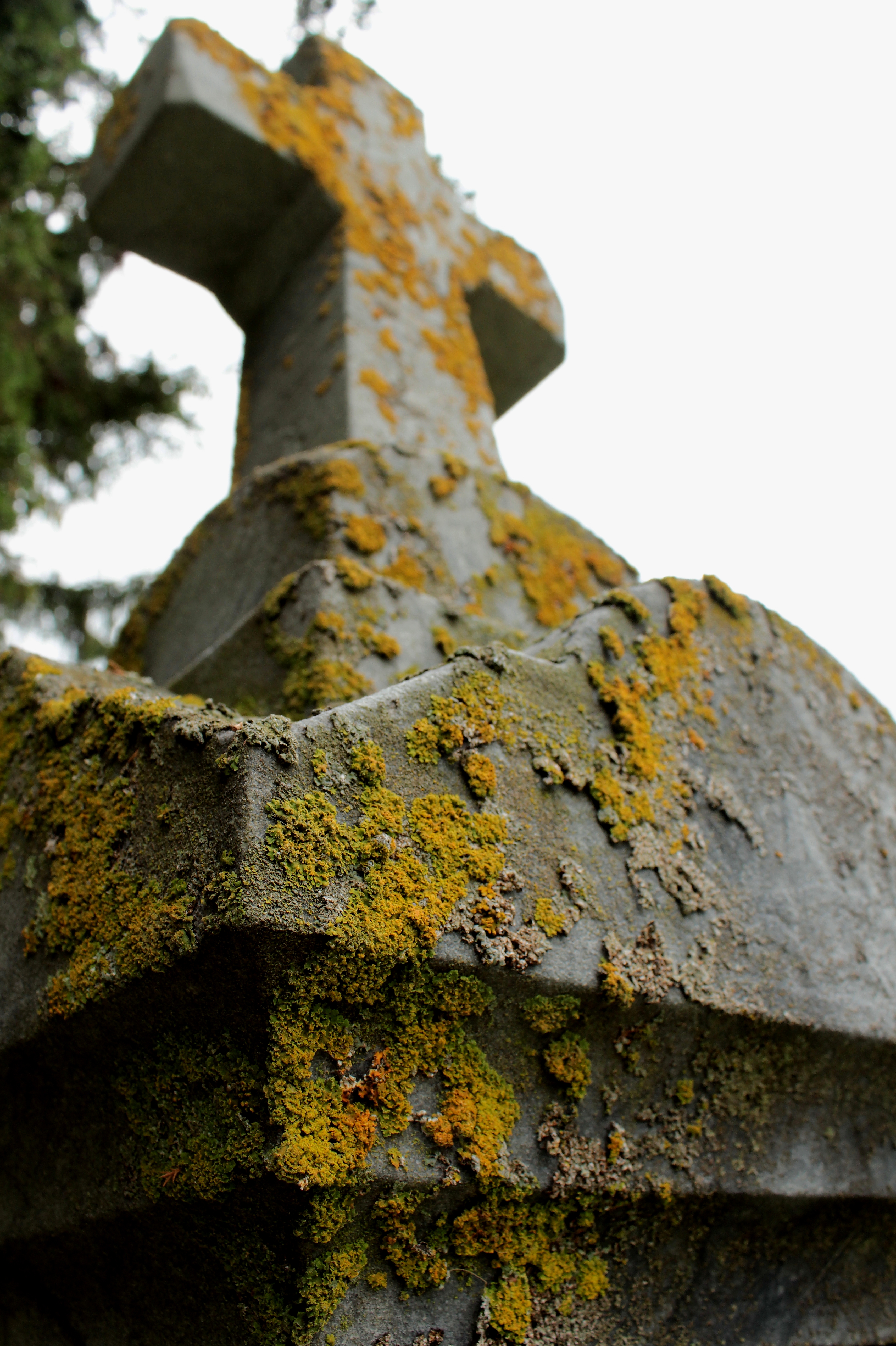
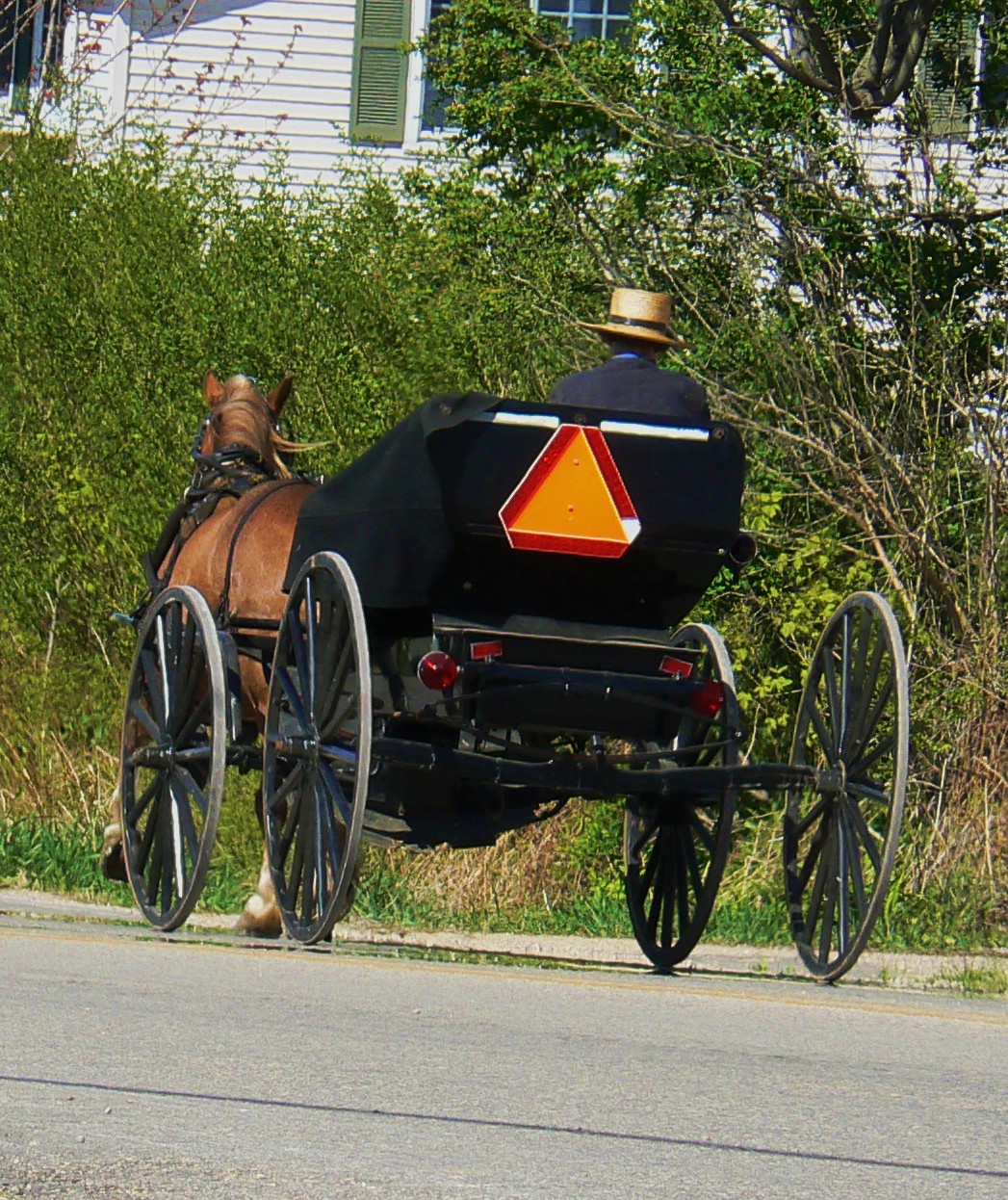
As a positive-thinking person, I am sad to hear so many people saying that 2016 was a bad year. So, I decided to go back through my photos of the year and pick just one from each month to remind myself what I was focusing on and maybe get an idea why it wasn’t so terrible, horrible, no-good and very bad after all. Here are my monthly picks:
January –
February –
March –
April – 
May – 
June – 
July –
August – 
September – 
October –
November –
December – 
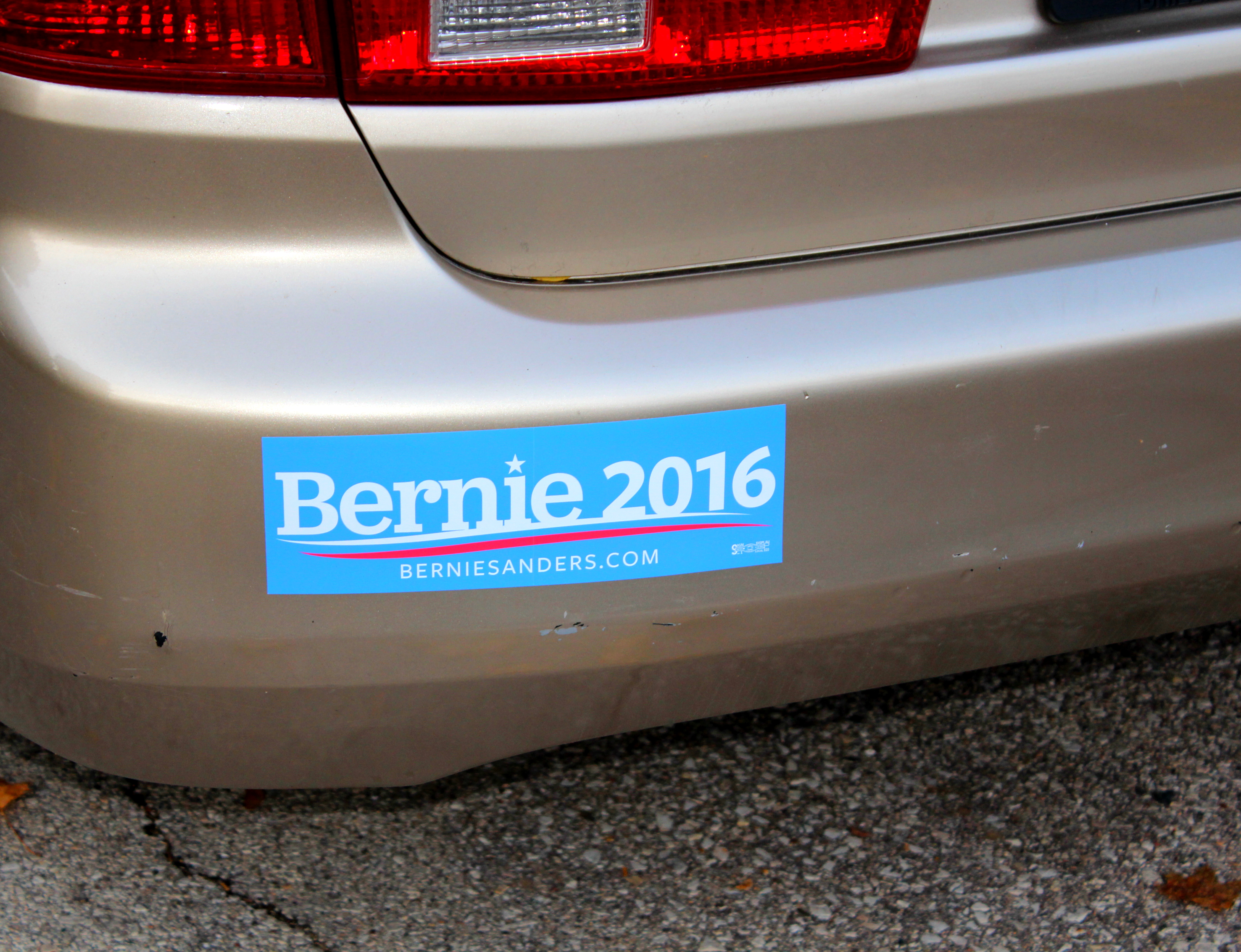
I don’t want to say that the year was without disappointment. At the beginning of 2016, I was also campaigning for Bernie Sanders by phone and door-to-door.
On the last day of November, I suffered two losses that hit me very hard: my boss resigned and a dear pet died. I guess my point is that perspective is still up to me. Where I give my heart, where I direct my eyes, where I train my efforts and thoughts is still up to me. And no system can take that away.
May all beings be happy in 2017; may all beings be free from suffering in 2017. Thank you for visiting my blog!
Armageddon and the Art of French Cooking
This article is featured in the December issue of The BeZine.
“Truth is ugly. We possess art lest we perish of the truth.” – Nietzsche
Civilization kills. We are living in apocalyptic times. The Anthropocene is here; humans are dominating and destroying the Earth. Like all civilizations in history, though, ours will fall back into the dust, and Earth will absorb it in some fashion. I get angry with humans because of this. Our arrogance and hubris and stupidity is truly abhorrent. I would wash my hands from all association with my species if I could, but for two things: music and food. I am willing to forgive everything for Puccini and Marcona almonds sauteed in butter and thyme.
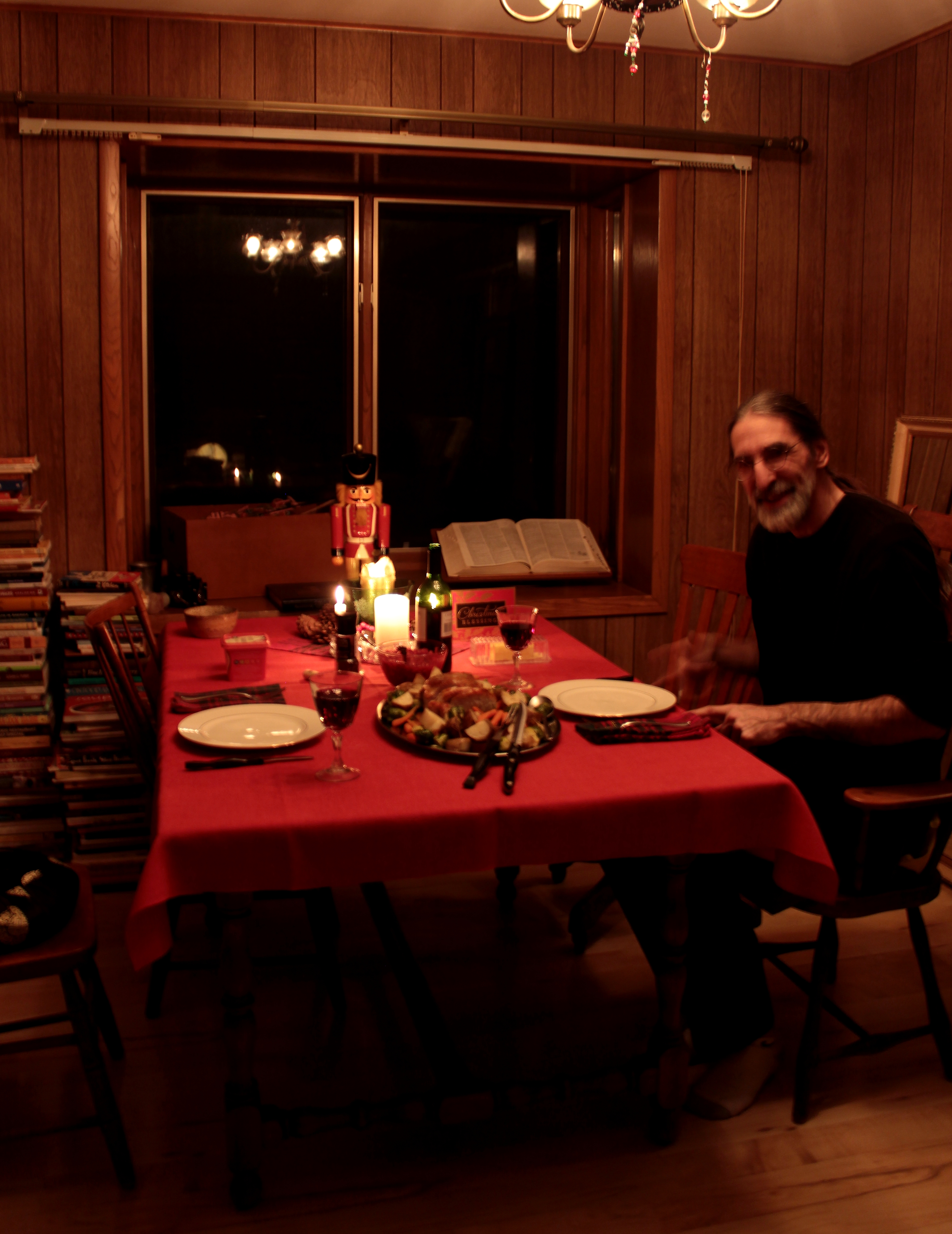
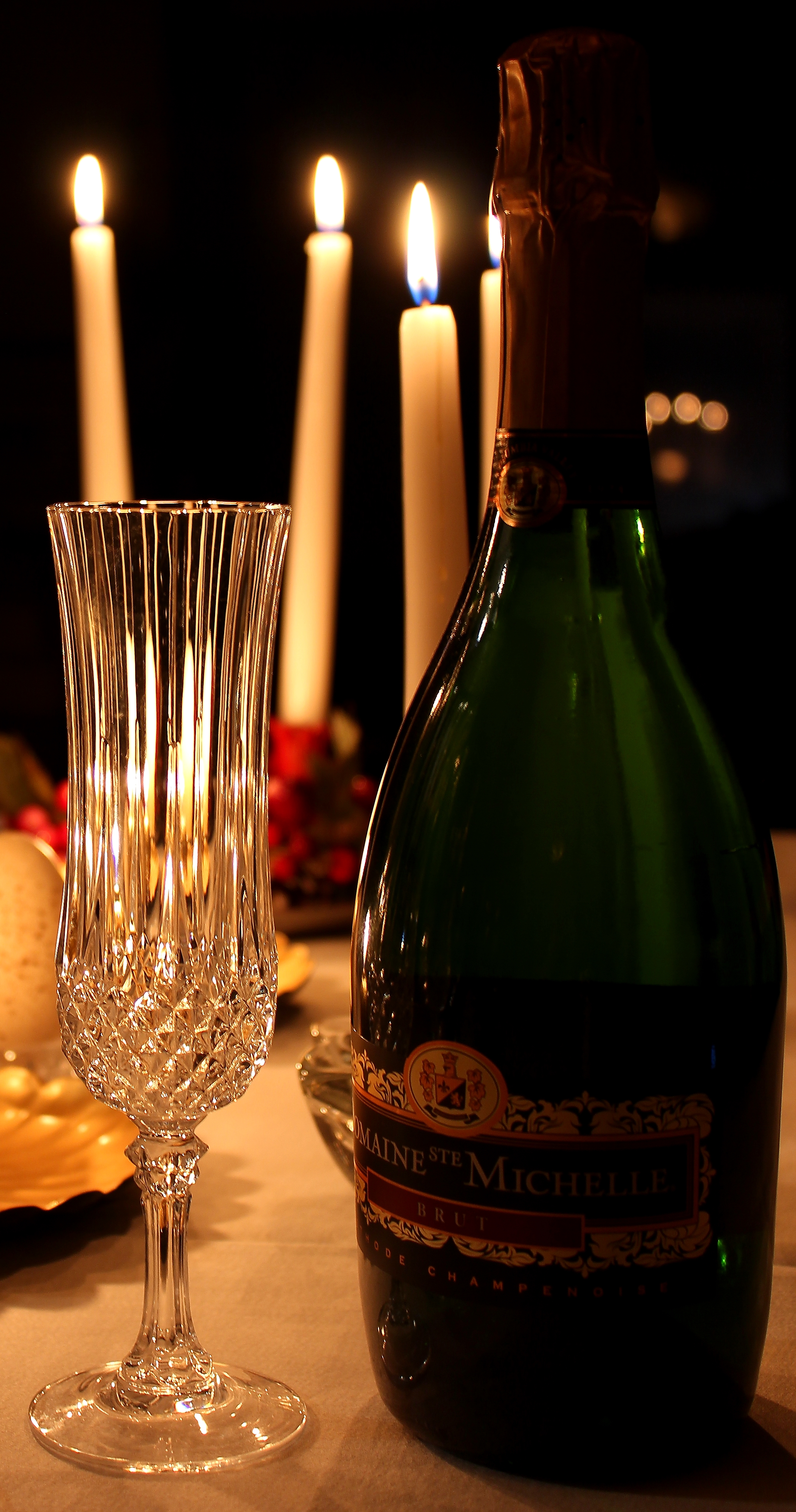
Perhaps it is nothing but hedonism to feel that my pleasure in a fine meal at La Reve on Tuesday might bring me back from the brink of utter despair. The “Holiday Train” event in the village late that afternoon had created horrific traffic congestion with black-clad pedestrians pushing strollers into the dark streets while some pop Christmas frenzy blared over a loudspeaker. I felt truly Scroogeish; humans are complete humbug. But then the ambiance of a Parisian bistro — chattering guests and tremulous accordion melodies — and the buttery oak in the Chardonnay spread its warmth over that cold, post-Truth fear surrounding my heart. I asked Irene, our Asian-American server, about how the chef prepared the pumpkin soup. We talked about how roasting brings out the deeper flavors of vegetables and stock bones and what items on the menu were gluten-free. By the time I had savored my way through triple-cream brie, salmon, lamb and chocolate caramel, I was ready to admit atonement of the human race was possible.
The next day, however, my thoughts turned dark again. How could I justify the expense of that meal, even though almost half of the cost to me was covered by a gift certificate? How had the animals invested in that meal been treated? How far had the ingredients traveled on fossil fuels to get to my plate? My awareness of suffering may have been dulled for a time, but it was not erased. I may have been treated quite well, but was I healed?
Healing. In Western culture, it’s about fixing pathology. In Eastern culture, it’s about making whole. Awareness is about opening up to understand the whole, the complete Oneness of the Universe. “Life is suffering” is the first noble Truth in Buddhism. Suffering is in the Oneness. Arising from the awareness of suffering are two responses (at least): Fear and Compassion.
I experience my fear for the human race and my compassion for it as well, blended contrapuntally. To recognize that only as thoughts criss-crossing my brain might drive me mad. To see that reflected in a complex pairing of wine and cheese or in the first act duet of Mimi and Rudolfo in La Boheme saves me from perishing from the ugly truth. I will never comprehend the Truth, although I live it every day. Making, enjoying, or experiencing Art is as close as I may ever come to holding the Whole in my heart. I believe that those who practice Meditation seek to do the same, while sparing the harm caused in producing Art.
May we all find a way to happiness, a way not to perish from the Truth, a way to be at peace with the Whole.
Text and photographs © Priscilla Galasso, 2016. All rights reserved.
Dream What You Will and Will What You Dream
(This article is featured in this month’s issue of The BeZine. See the issue here.)
I took a quiz recently to test my Bible knowledge. I used to be a bona fide college campus ministry staff worker. I studied my Bible…religiously. So, I wondered how much I’d retained after having dropped the Christian label 6 years ago. I got one question wrong: “In a list of the 9 fruits of the Holy Spirit, which one is NOT in the basket? Kindness, Peace, Forbearance, or Hope?” Turns out it’s Hope.
“Hope is a mannequin. Love is a battlefield,” sings Bobby McFerrin’s voice in my head.
Hope is a deceitful kind of thing. It sounds like a marvelous, Puritanical virtue. I think it’s a slippery slope. Hope is passive. “I hope it won’t rain.” There’s nothing you can really do about it, one way or the other. You’re stating a wish, a sort of desire or thought without any teeth. “I hope my insurance will cover this.” You’re placing the burden of responsibility or action on something, someone other than yourself. “I hope in the future.” You’re making present moment decisions while not being present in the moment.
On the other hand, I think Will has gotten a bum rap, as in “the willful child”, “not my Will but Yours be done”, “keep your servant from willful sins”, etc. I much prefer Ralph Waldo Emerson preaching Self-Reliance to that doctrinal negation of determination. I think it’s important to know what you want, what you like and why. At the same time, I think it’s very important not to get attached to those things. Some people will defend their desires because they feel that their identities are shaped by them, and they want them to be. In a Universe of impermanence, that can be problematic. What if the thing you desire is altogether unattainable? Or even unapproachable? Your identity becomes “the person who is not going to get what they want – ever”. Sounds like a life of frustration and suffering to me.
To be able to say that I think this thing is good, that I want to use my energy and resources to practice and promote this thing, while I acknowledge that much of the success of this thing remains out of my control, is Self-Reliance. Furthermore, I no longer believe that the success of this thing is in the control of a supernatural power. And I’m OK with that. I don’t need to have a guarantee that this thing will succeed eventually in order for me to feel my efforts are worthwhile. I can have a moral conviction of the value of this thing without supernatural endorsement.
I suppose I should mention that my philosophical transformation began after my husband died. My identity was shaken. I lost Faith; I lost Hope. “How very sad!” I hear you cry. Let me add that I was then asked repeatedly by a dear friend, “What do you want?” “Who do you want to be?” and I eventually found myself. I became aware of delusions and habits of thought that I’d never examined before. I discovered my will, my values, my feelings and my ability to accept change, adapt, and practice living gracefully and gratefully. I know good things intuitively, and I have learned that I am trustworthy.
And I believe that everyone else could say the same. See, I do believe in something.
Faith Means Making Choices
This article appears in the July issue of The Be Zine. To see the whole blogazine, click HERE.
Faith.
“Firm belief in something for which there is no proof.” Merriam-Webster
We all act on faith. Each of us, every day. We make decisions based on ideas and concepts for which we have no proof. We take action based on insufficient evidence about the cause and the effect. This is unavoidable. When are we ever going to have all the information about anything? The more we learn, the more we realize how little we know. The more we experience and the more we learn of others’ experiences, the more we realize that possible experiences and conclusions are infinite. None of us is ever in possession of “all the facts”. We are all guessing.
Similarly, we all have delusions. We all look through various lenses, have particular blind spots, and wear custom-made blinders for one reason or another. Sometimes these serve as coping mechanisms to protect us from overwhelming stimuli. Sometimes these simply magnify our ignorance.
Let’s try on an example.
I have to make a decision about how to commute to work in the morning. I have been told that taking the freeway is the fastest route. After all, the speed limit on that road is 55 mph. However, it’s always under construction in the summer. But is speed the best value to consider? Maybe I should not burn fossil fuels and ride my bicycle instead. I will then arrive at work sweaty and tired. There is a bus, but buses are full of germs. But my friend takes the bus, and I could ride with him and chat…And so on.
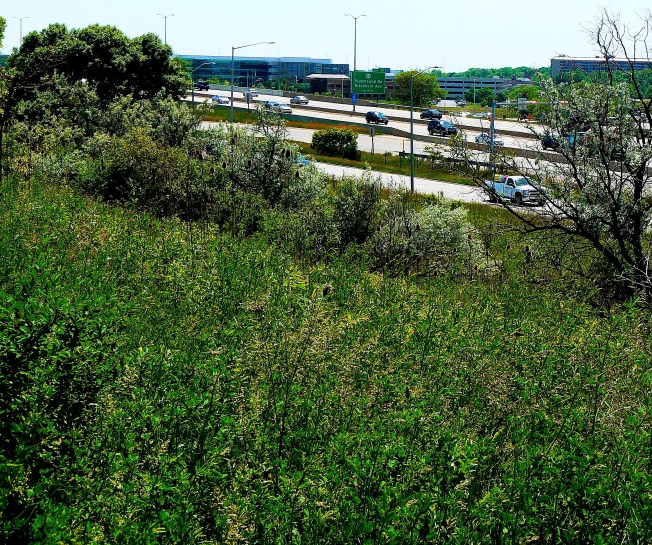
The point is, there are a number of ways to get to work and a number of reasons to justify each one. Those reasons may be weighted by experience, by social influence, by practice, by value and by preference. We each make our choices, our decisions, based on incomplete data and bias, but the point is WE MAKE CHOICES. And that is our great freedom, a right of autonomy.
We have the opportunity to make new choices at any time, although they will also be based on incomplete data and bias even when they are made in an attempt to incorporate new information. The dynamic of deciding and re-deciding is perhaps the greatest activity of life for our species. It’s what our big brains are for. But it is a process that does not have a product. We will never get it all figured out. Dogma is unsupportable in the long run, even if it seems beneficial in the short term. We will never, ever arrive at what is absolutely “right”. Perhaps a better pursuit is simply what is “better”.
Where faith turns into action or behavior, we make moral judgments. Based on your beliefs in the moment, you chose what to do. Was that action beneficial? Did it cause harm? If you decide the action was harmful or that acting in that way did not help you to be the person you want to be, you can choose a different action…AND you can choose to change the beliefs that justified your action. A flexible framework allows a lot more options.
Back to our commute example. What if…
Believing that getting to work quickly was the most professional, responsible thing to do, I set off on the freeway. Soon afterward, I ran into road construction. Flag operators stopped my car. The minutes ticked by. I got frustrated, angry, eventually enraged, and I expressed this state of mind by shouting a curse at the flag man and punching the accelerator as I was allowed to move forward. In the process, I rear-ended a car in front of me. Now I have caused insult to the construction worker on the scene, injury to the car and possibly the person ahead of me, and acted like a person I do not wish to become. I can decide to be more careful not to act in anger in the future, and I can decide that getting to work quickly is not an important value so that I’m less likely to feel frustrated when I can’t fulfill that value. I can examine my beliefs and thoughts as well as my actions and make changes in both in order to practice non-harmful behavior more effectively.
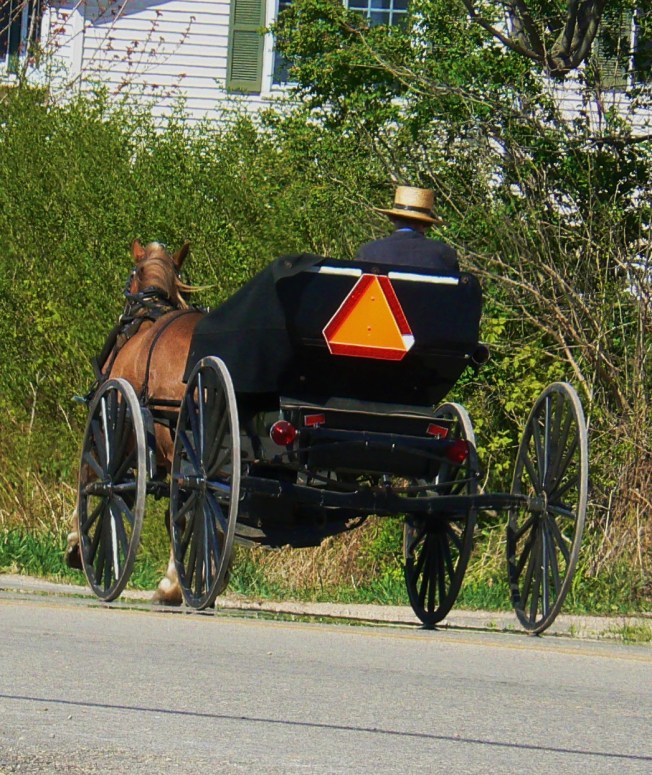
This is a simple example. My real life is much more complex. At one point, it involved decisions I made about raising teens to adulthood while my husband was dying of a chronic illness. I realized that acting on my faith sometimes caused me to harm them and to become someone I didn’t want to be. So, not only did I stop the behaviors, I stopped believing the underlying principles that motivated them. I kept wondering if I was “losing my faith”, a phrase that sounded so negative and irresponsible. What I was actually doing was evolving my faith and my self. That, I think, is a very positive and responsible practice. I intend to practice striving for “better” and doing less harm. That’s my new choice, my new faith.
Text and photographs © Priscilla Galasso, 2016. All rights reserved.
Small World
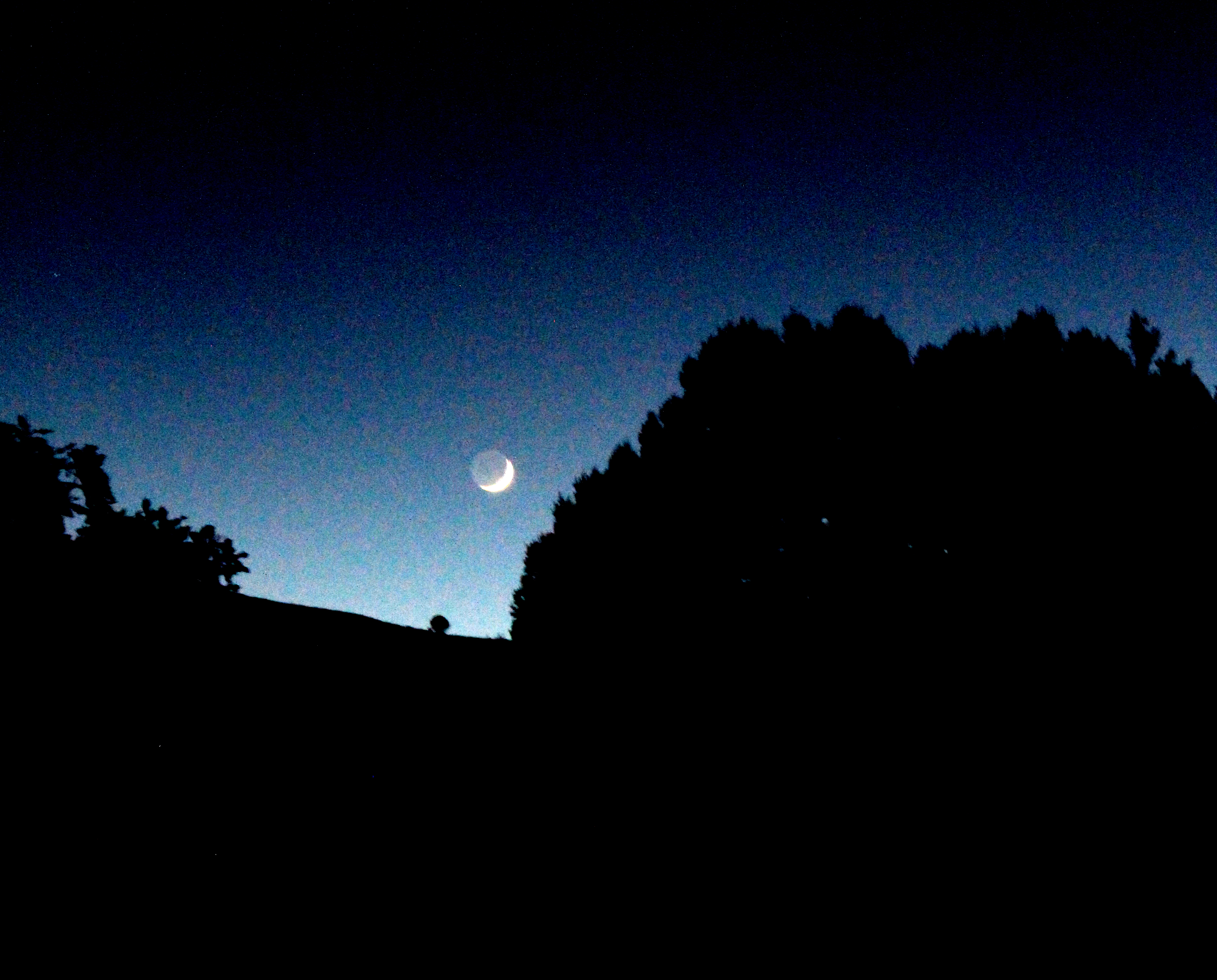
“There is just one moon…
…and one golden sun…
…and a smile means friendship to everyone…
…though the oceans are wide…
…and the mountains divide…
…it’s a small world after all.”
My thought is that since it’s a small world, we ought to stop competing over it and start respecting it and each other. Stop playing Tug of War; join hands, stick together, and play nicely. Children figure this out. Why can’t adults?
Weekly Photo Challenge: In Respect To Numbers
Do numbers even exist in Nature? I don’t think so. They are human concepts, to which humans have attached meaning. In Nature, things simply are as they are. For example, there’s a tall flowering plant growing in the woodlands and by the freeways, blooming with pink to purple flowers in profusion right now. Is it Wild Phlox or is it Dame’s Rocket? The two look very much alike. Wild Phlox, however, has 5 petals on each flower. It is a native wildflower. Dame’s Rocket has 4 petals to a flower, and it is an invasive species. One is celebrated, the other ripped out at the roots in great handfuls and left to wither in the sun.
We make a lot of judgments based on numbers. What’s your SAT score? Your credit score? Your cholesterol level?
Does it matter? We live; we make choices; we die. I think numbers are immaterial. I think character is everything. A growing thing, no matter the number of its parts, is alive. It deserves respect.
Weekly Photo Challenge: Spare Me!
“…Inasmuch as ye have done it unto one of these, the least of my Brethren, ye have done it unto Me.” Here’s an opportunity for some deep questions: Who are “the least”? Who are “Brethren”? How do you treat them? And who is “Me”? There can be many answers to these questions, and they all help us to understand what is meant by kindness and mercy. At this stage in my life, I am trying to expand my concepts of Brethren and Me, to be more inclusive, more at One with all kinds of beings. Here are some of my new friends:
Spare
All That Matters
(this is a featured article in this month’s issue of The Be Zine. Click here to see the whole thing.)
Once upon a time, there were a bunch of Big Brains who decided that living things (which they rarely called ‘living beings’) needed to be neatly organized. Grouping things together based on similarity was important to them for some reason. So they made up categories and named them Kingdom, Phylum, Class, Order, Family, Genus, Species, in succession from broad to specific. Then they had to remember these categories, so they memorized “Kindly Professors Cannot Often Fail Good Students” – apropos of nothing much. (Personally, I think “Kindly People Courageously Offer Fauna/Flora General Sympathy” might make better sense.)
Meanwhile, some other Big Brains decided that everything in the Universe was made by one Creator and that He gave humans dominion over all the other animal species on Earth and gave every plant for human use. That made them feel they were Most Important among the creatures on the planet. They felt very comfortable with that and valued themselves, and those that looked and acted most like them, very highly.
As for those creatures who were terribly different from them, well, they were kind of “icky”.
Well, these Big Brains were very clever. They prospered and multiplied (and divided and conjugated and came up with quantum physics). They learned how to make a Big Impact on the Earth, making things they liked out of the raw materials Earth had. And every year, there were more of them. They liked to be comfortable, so they tried to eliminate things that bothered them. Like locusts.
And dandelions. 
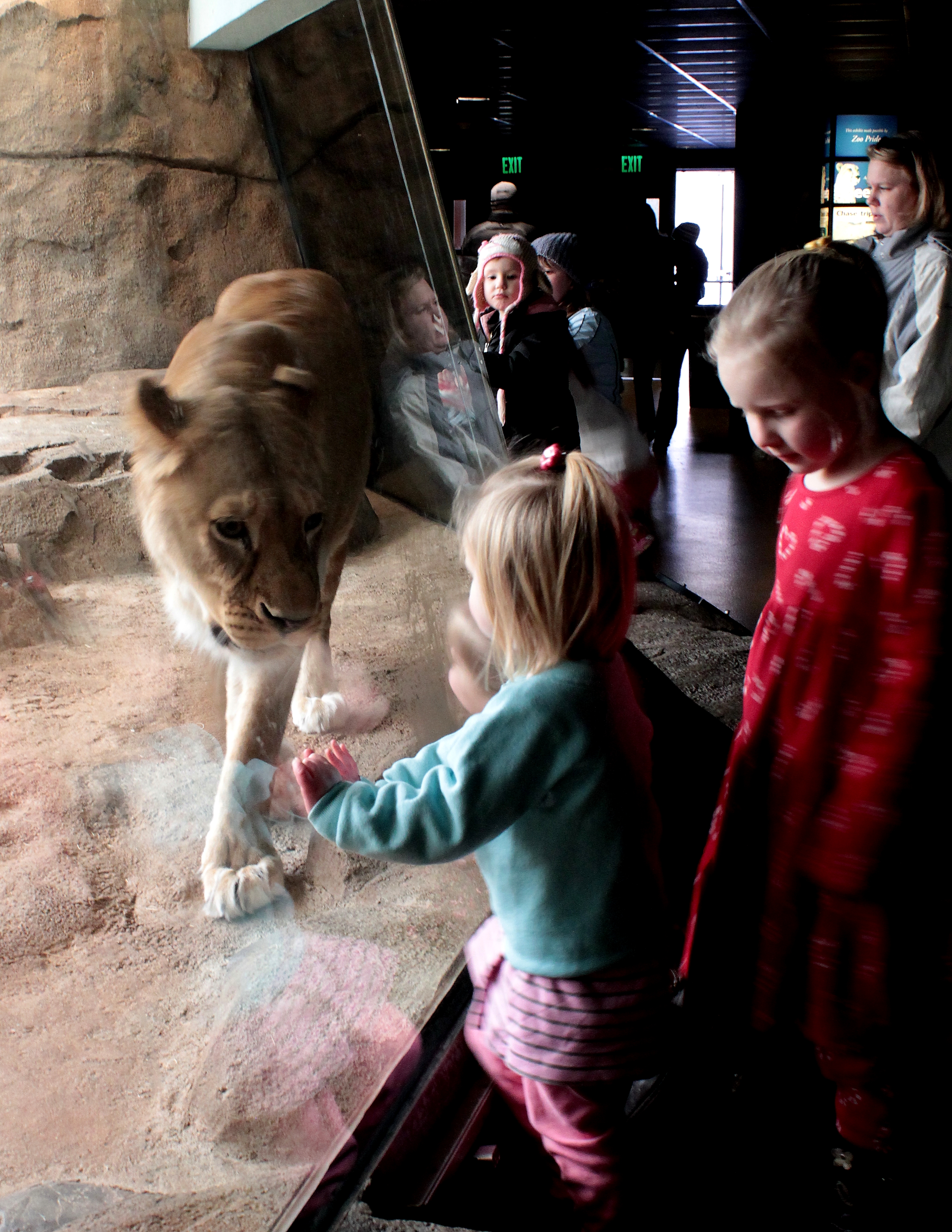
They liked to be powerful, so they claimed victories over other living things that had power. Like lions.
And giant sequoias.
Gradually, they noticed that some of the other living things (or Living Beings) were disappearing completely.
Some people thought that was a shame, especially if the thing was useful or furry or had a face.
Others noticed that when one type of thing was gone, things began to change for the rest as well.
A few Big Brains began to ask some really Tough Questions about why things on the Earth were changing so quickly and whether the Big Impact of humans had anything to do with it.
I can’t tell you the ending of this story. Perhaps the Big Brains will disappear like so many other Living Beings did,
and Earth will go on without them.
Perhaps the Big Brains will become less numerous, less dominant, and Earth will go on with them.
Perhaps something altogether different will happen. It doesn’t really matter how I tell the story.
What does matter?
Well, here on Earth, ‘matter’ can also mean every Living Being
and every non-Living Thing.
What we Big Brains decide to do with all matter will matter and will help tell the end of the story. 
© 2016, essay and all photographs by Priscilla Galasso, All rights reserved