We do not retreat from reality, we rediscover it. As long as the story lingers in our mind, the real things are more themselves… By dipping them in myth we see them more clearly. — C. S. Lewis
How do you prefer to take in and process new information about the world? Do you seek out facts, stories, or experiences? Probably you find yourself using a combination of these avenues into reality. And then, perhaps, you find a quiet place to sort through them.
I know a place where no one ever goes;
There’s peace and quiet, beauty and repose.
It’s hidden in a valley, beside a mountain stream,
And lying there beside the stream, I find that I can dream
Only of things of beauty to the eye:
snow-peaked mountains tow’ring to the sky.
Now I know that God has made this place for me.
— a song I learned at Girl Scout camp long ago
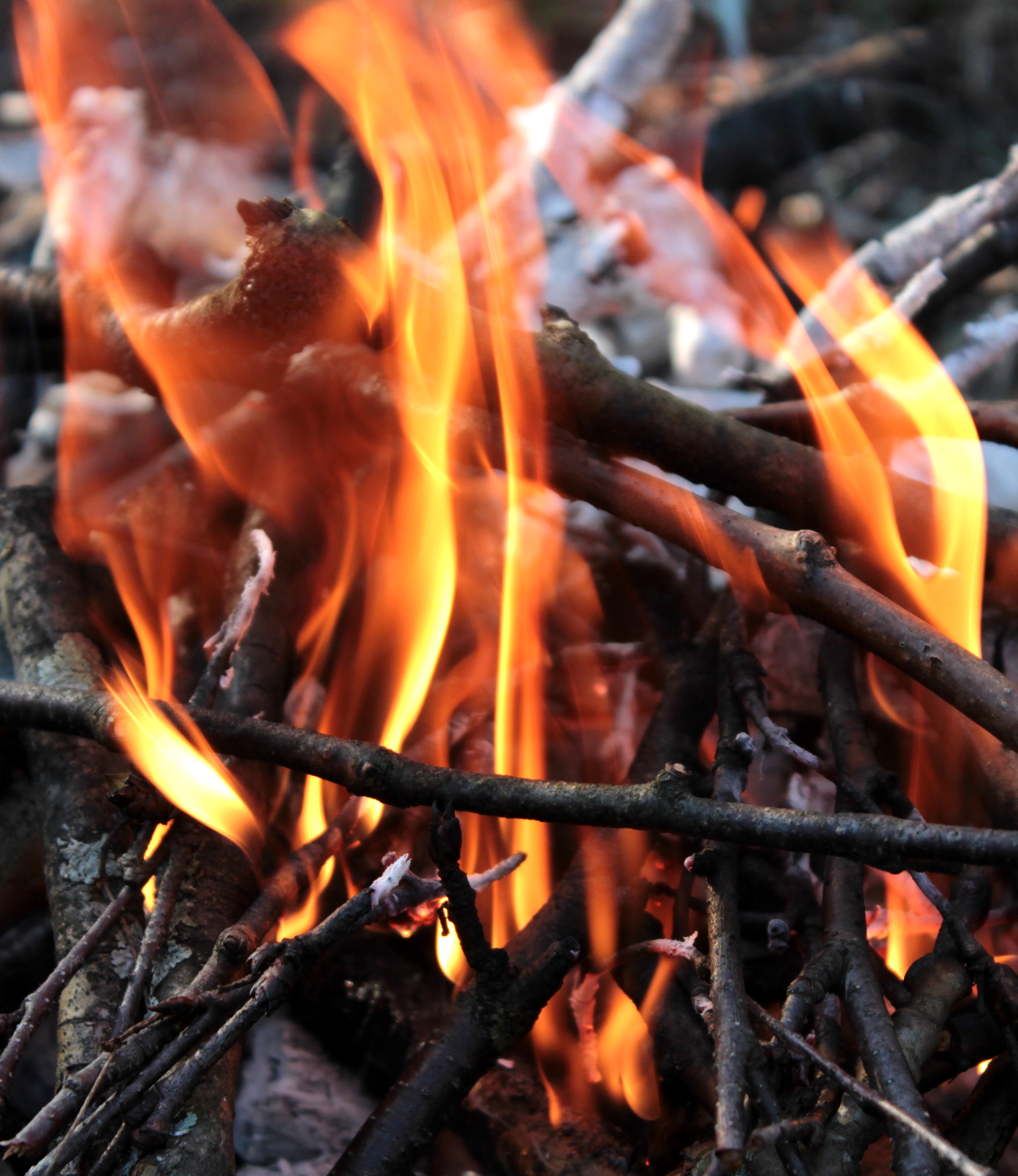
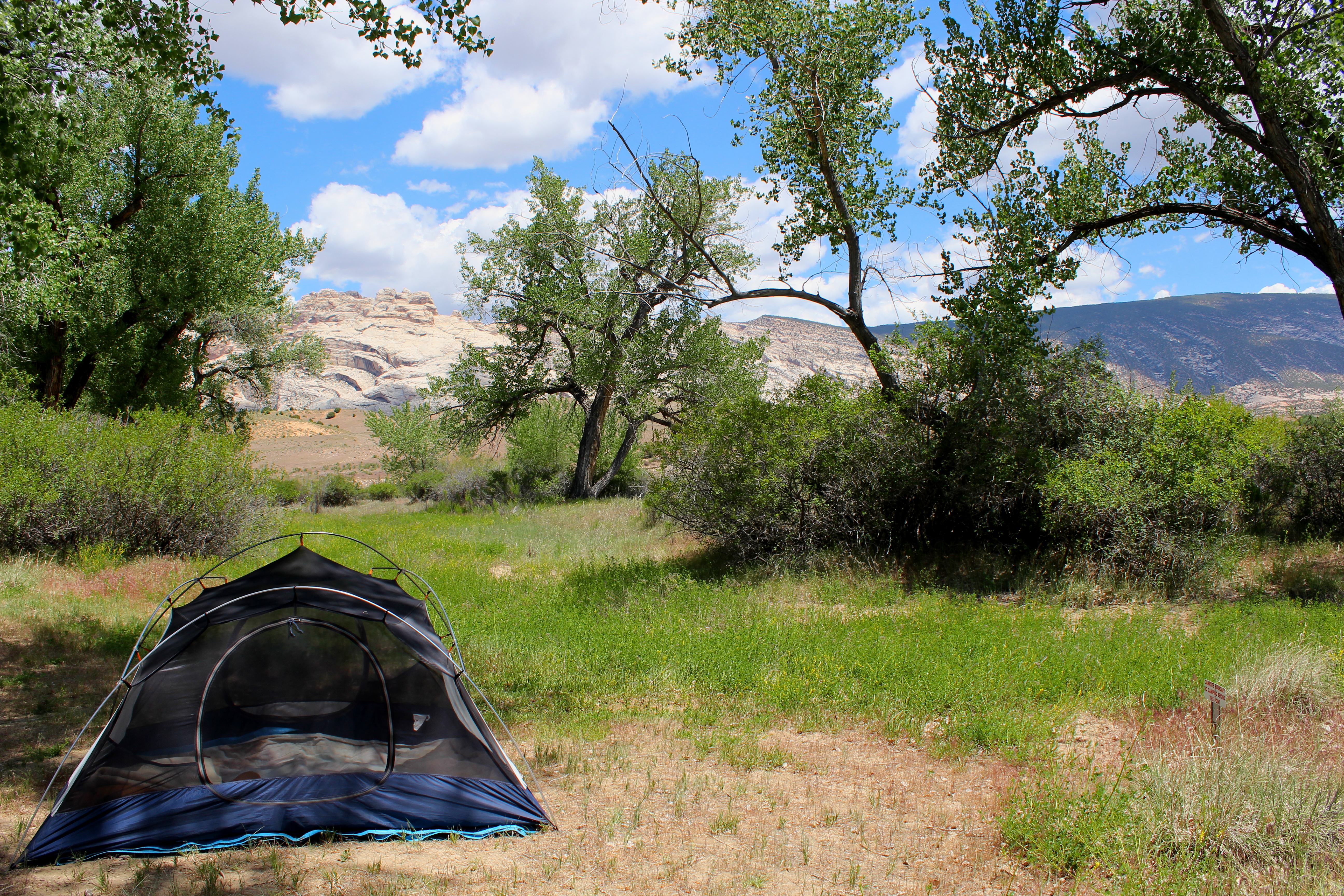
My brother was grilling on the back porch last night. While the aroma of smoke penetrated my thoughts, my daughter’s boyfriend asked me, “When was the last time you were camping?”
Two years ago.
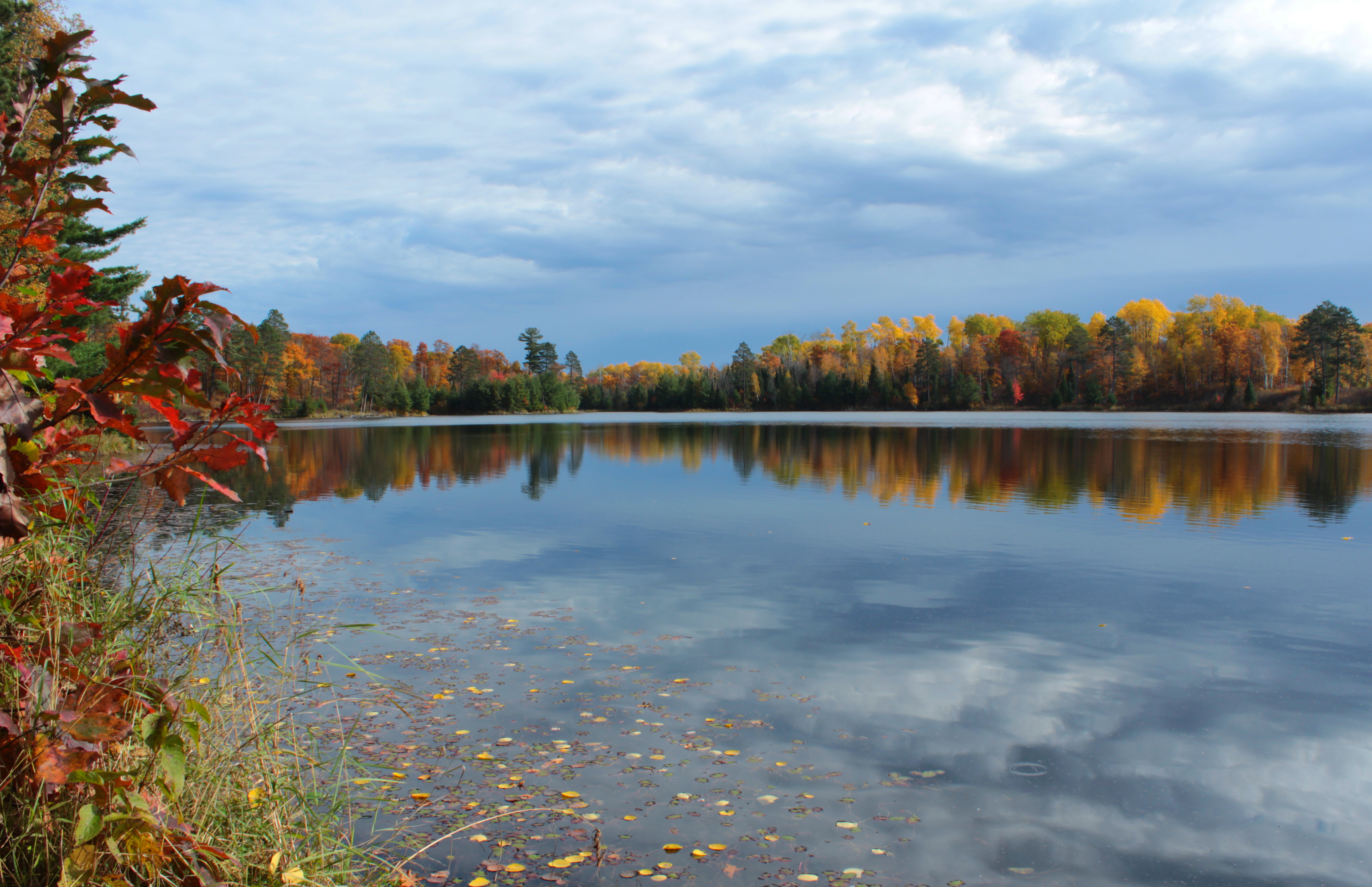
I miss that kind of hideaway opportunity. The simple reality of sky, water, earth, and fire helps me see all the storylines that I have crafted about life in a much clearer light. What is essential floats to the surface and becomes like the reflection of heaven. What is clunky and artificial sinks like dead weight in the silt bottom.
We are looking for happiness and running after it in such a way that creates anger, fear and discrimination. So when you attend a retreat, you have a chance to look at the deep roots of this pollution of the collective energy that is unwholesome. — Thich Nhat Hahn
Retreats, hideaways, sanctuaries — safe places for reflection, introspection, and soul work — are important to cultivate. They can be far away, across oceans of distance or as close as the inside of your own eyelids.
This post is dedicated to the men of the Unitarian Universalist Fellowship of Corvallis, who are on retreat this weekend. Take care of yourselves, friends. From the inside out.
Back in 1997, I self-published a book of poetry called The King’s Gift: Poems and Parables. It contained this one that I titled “Change”:
In autumn, the trees start to sing once again
of the bittersweet mystery of change. Is it beauty or pain now attached to my soul? Is it grief… …or relief… …or nostalgia? In the scarlet and gold, the blood-red of life’s hold on my heart and the warmth of its love mingles memories and years into afternoon tears falling softly …as leaves… …to the ground.
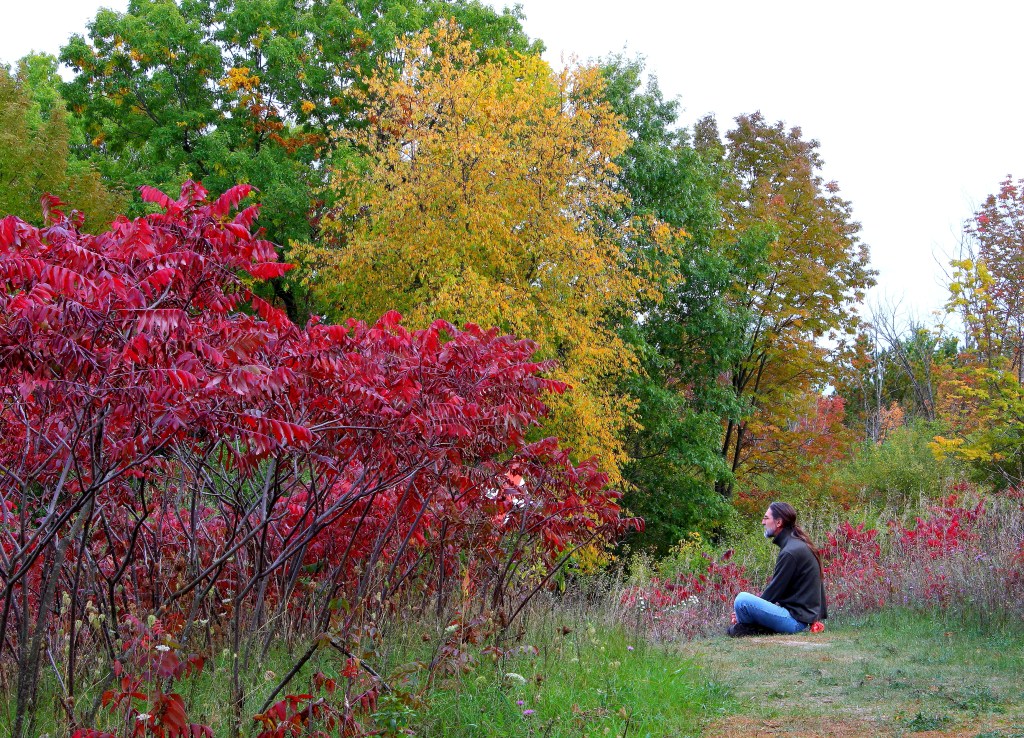
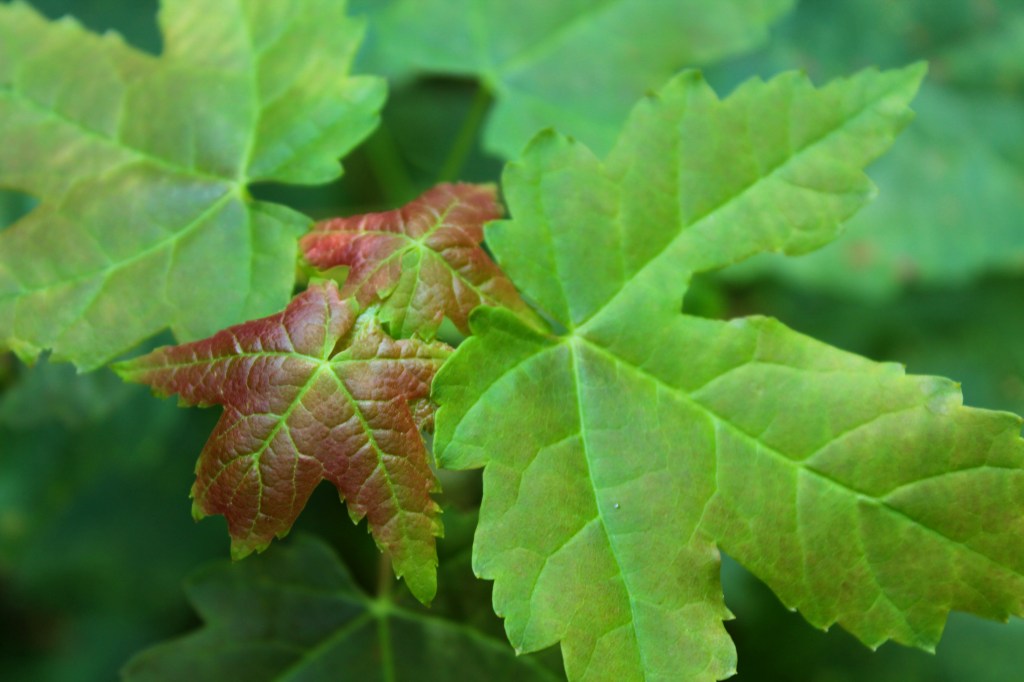
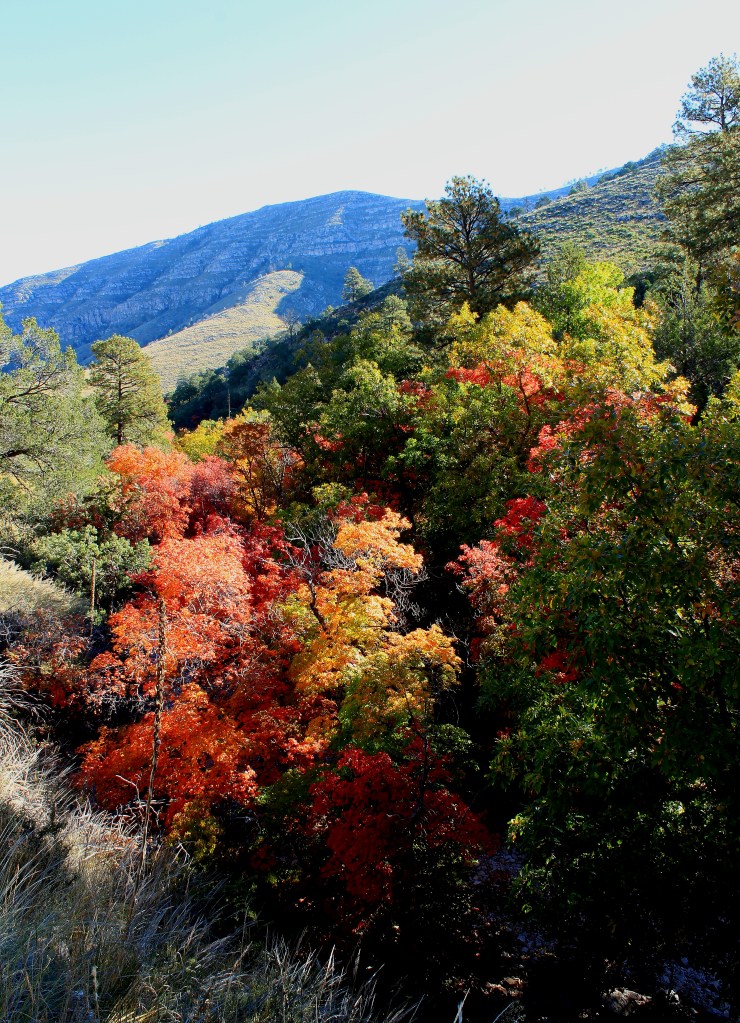
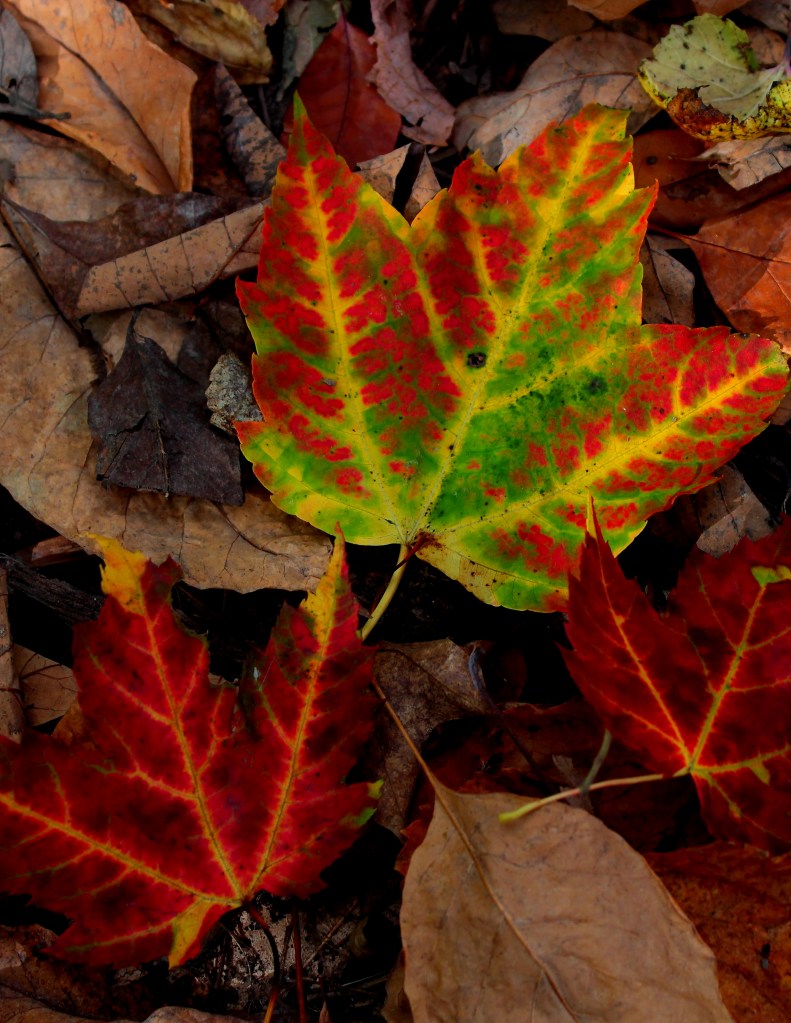
I feel this way every fall. The change in light makes everything seem altered and thrown back into the past — until my eyes adjust and my brain catches up. Then the brilliance of the season kicks in. I really love Fall for its ability to draw out a range of emotion and hold it, fully aware and unashamed, in its transient environment.
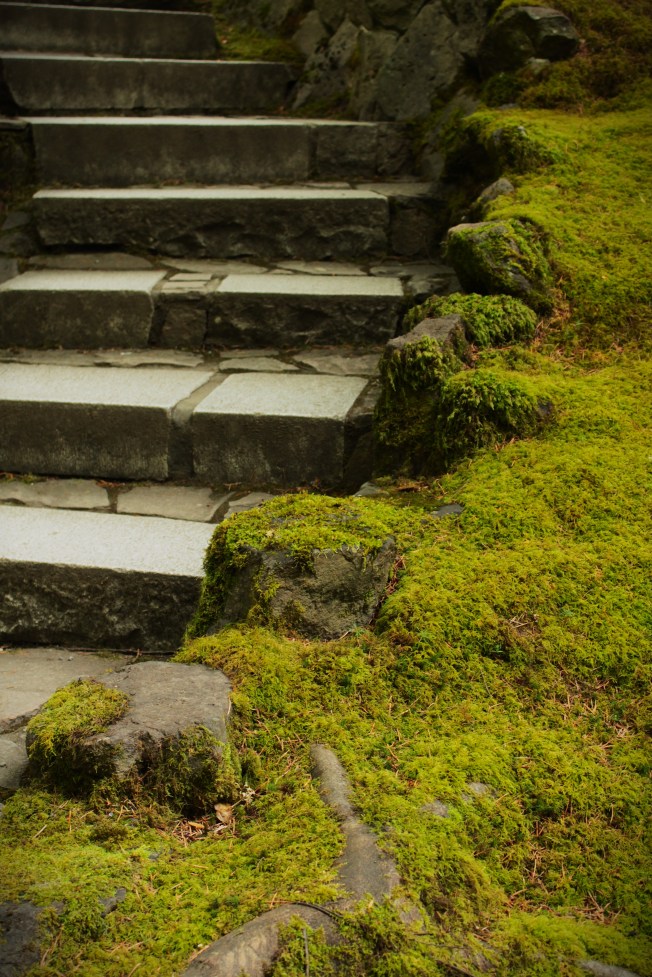
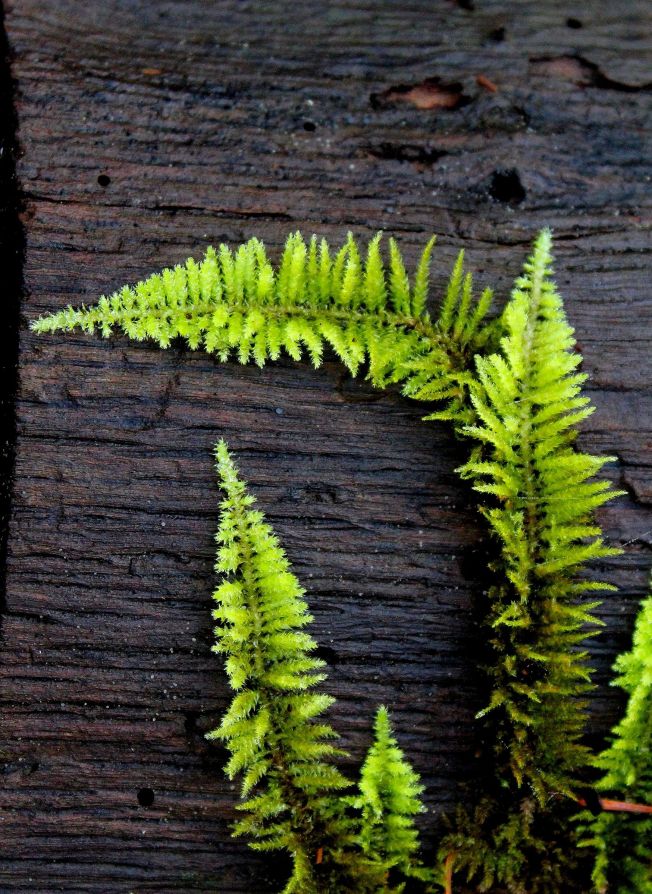
Patti’s technical challenge this week focuses on juxtaposition. Sometimes that is illustrated by contrasting elements that are found in proximity. The photo below was taken in the Portland Japanese Garden. I was drawn to the monochromatic geometrical stone steps beside a mossy hill of naturally irregular surfaces.
In nature, you can often find a contrast of color, texture, shape, size, and other physical elements. Often, you can add the concept of living and non-living matter.
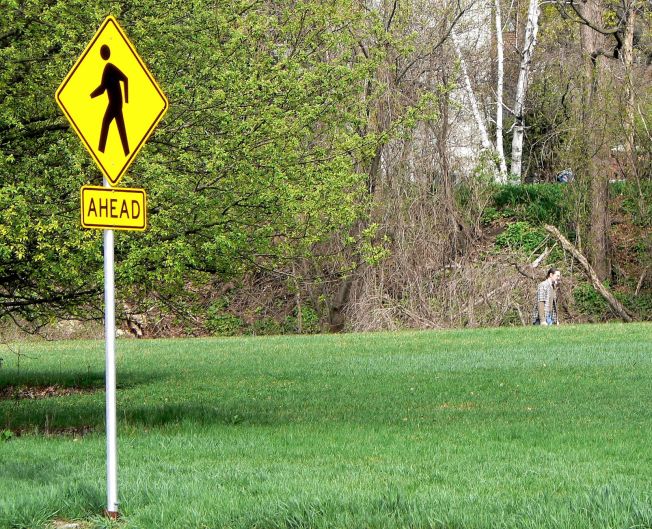
The human world is full of interesting juxtapositions, some accidental, some contrived. I captured the shot below more than a decade ago, but I remember the moment of realizing that the person walking away from me would be visible behind a pedestrian street sign. There was an emotional moment of absurdity that I thought would make a good story picture. Unfortunately, I didn’t have a very good camera on me at the time.
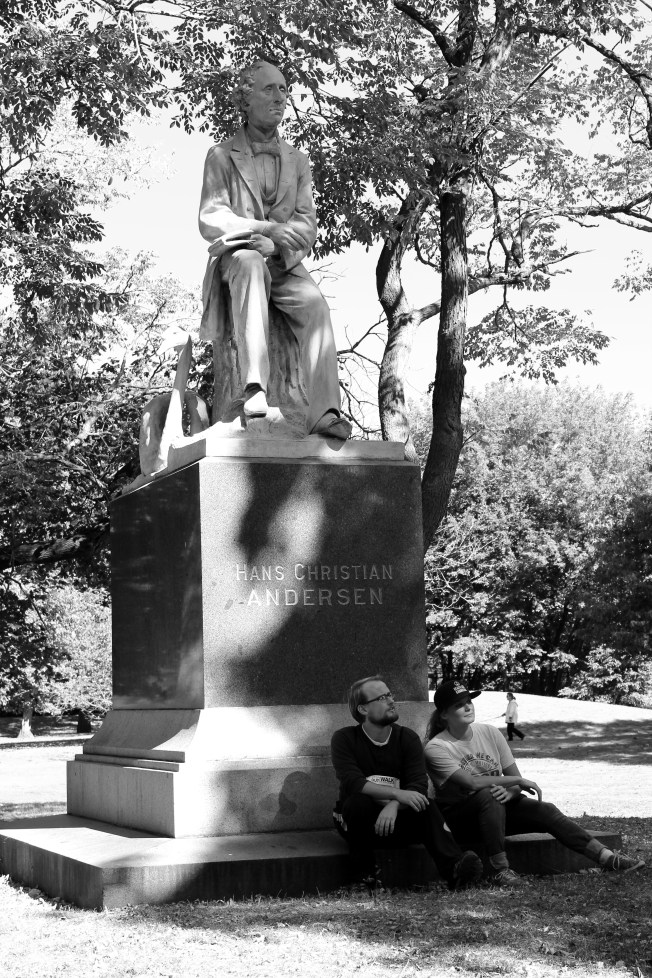
This final shot is a moment of posed juxtaposition that was simply fun, featuring my fun-loving kids and a statue of renowned children’s author Hans Christian Anderson. It makes me smile!
Adult Coming of Age is a Unitarian Universalist program designed to help each participant examine who they are at this unique moment in time, look back at the people and events that have shaped them in meaningful ways, and clarify the values, priorities, sacrifices, and gifts that will shape this season of life.
As spiritual beings evolving in a physical world, we are never done becoming who we mean to be, and the Coming of Age program for adults honors that at every age, we are crossing thresholds, seeking clarity, and held by circles of support.
My first homework assignment in the class is to create and share some kind of art that demonstrates my reflection on this question: “What animal are you at this stage of your adult life?”
Early in my blogging life, in 2011, I created a post about my favorite animal. Since blogging, photography, and poetry are my creative expressions, I decided to blend them in a tribute to the animal who has inspired me throughout my life and especially at this stage.
“Nature’s great masterpeece…the only harmlesse great thing.” – John Donne
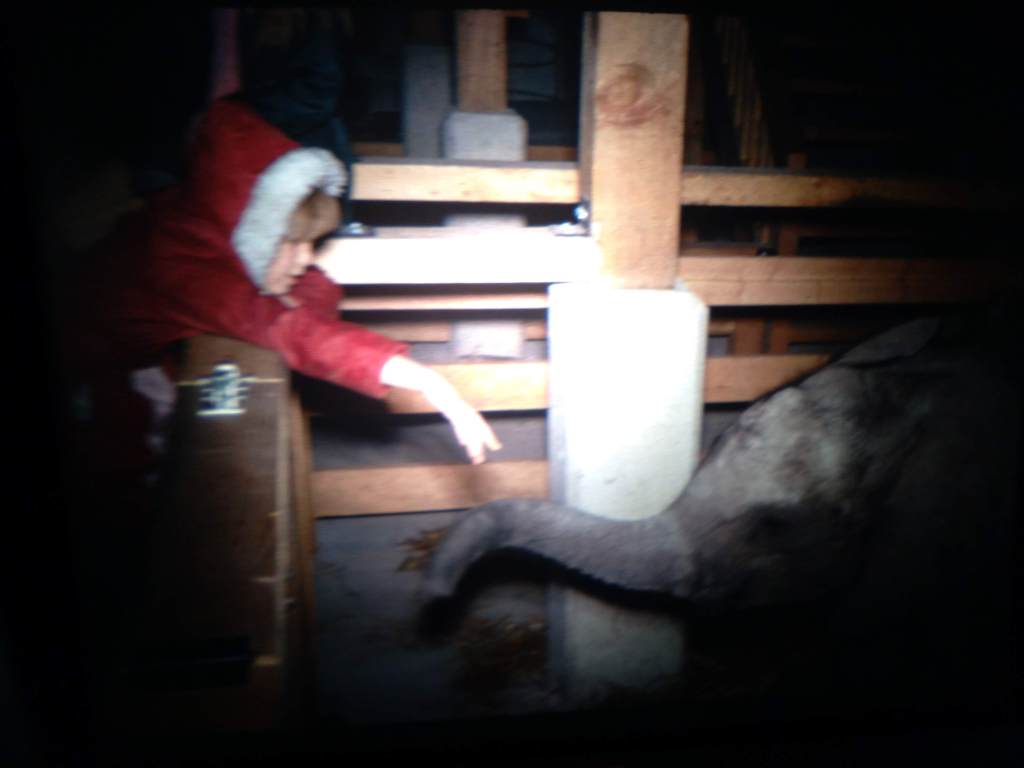
Elephants may well be my icon of choice for ancient grace. I’ve felt an affinity for them since childhood. I slept with a plush, stuffed Babar for years. He had a tattered felt crown that was especially soft against my cheek. I loved him until he literally fell apart, and then I bought a stuffed “lelepani” at the Mauna Kea Beach Hotel when I was ten. My wicker laundry hamper was even shaped like an elephant. But my favorite childhood elephant was a real one, named Bobo, who lived at the Lincoln Park zoo. I met him while he was still a baby in the zoo nursery. I could pet him right over the little wall of his enclosure, and I visited him frequently after my Art Institute class on Saturday mornings. My father snapped this photo.
Bobo moved to the big elephant house in 1974, while I was away at Girl Scout camp, and my mother sent me newspaper clippings of the event.
I’ve been reading about elephants more in depth since then. I’ve always been in awe of their intelligence and social sensibility. The way that they communicate and support each other has been documented extensively. They mourn their dead and protect each other. Both female groups and bulls maintain social ties with others of their sex. The female herds accept the leadership of a matriarch, who is grandmother, aunt, or mother of the others, and she decides when and where the herd moves on a daily and seasonal basis. These are the warm, fuzzy facts about elephants. In a book called Elephant Destiny: Biography of an Endangered Species in Africa by Martin Meredith, I read the painful and horrid facts about their history as a species. Their systematic decimation from Roman times to the present is a shocking example of human brutality. In articles in National Geographic and Smithsonian you can read about the ongoing war with poachers who trespass on national park land for the opportunity to sell tusks on the black market. Armed with semi-automatic weapons and axes to hack the ivory from the animal’s skull, they leave behind a devastating scene of carnage that the rest of the herd internalizes, exhibiting increasing fear and mournfulness.
At this stage in my life, I feel kinship with elephant matriarchs. Remarkably, elephants continue to grow physically throughout their lifetimes. Raising a family, grieving deaths, and seeking scarce resources while avoiding the dangers of human predators resonates with my lived experience as a human mother. I aspire to be a wise, evolving matriarch.
The Matriarch – by Priscilla Galasso
Great, gray folds surround a wet eye fringed with Long, dusty lashes not yet moistened by her tears.
She sways ponderously, rhythmically swinging her sensitive, seeking trunk.
Her huge head, heavy with memories and maps Surges forward with each tremendous tiptoe.
Surrounded by sisters and children, She journeys through perilous wilderness, Ever growing, ever onward, Ever mindful of the needs of her kin.
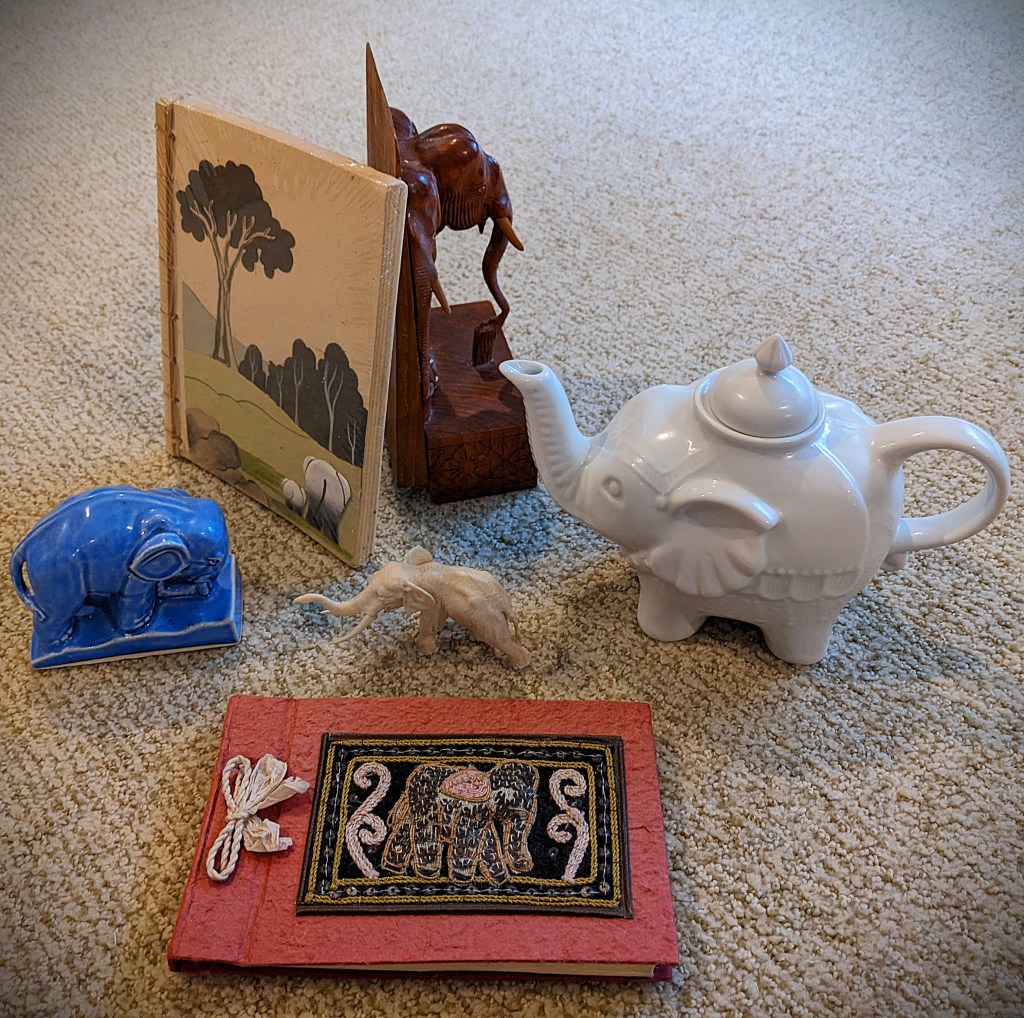
I have an extensive collection of elephantalia, gifts and heirlooms I have acquired over the years. One day, I would love to be able to photograph an elephant in the wild.
This week, Tina is hosting a challenge that looks back to a limitless subject of photography: shapes and designs. My original post on this theme from 2021 can be found HERE. Since that post focuses on Nature, this time I will share some shapes and designs that were manufactured.
“Design can be art. Design can be aesthetics. Design is so simple, that’s why it is so complicated.” ― Paul Rand
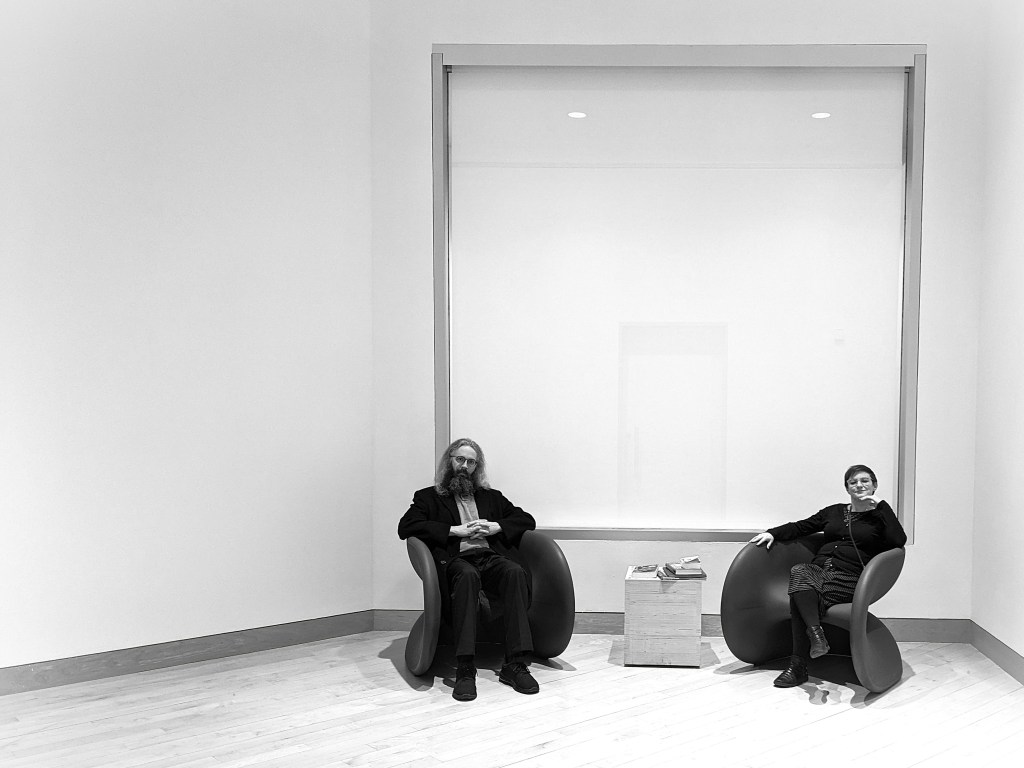
I was touring the Madison Museum of Contemporary Art last month with my daughter and her partner when they stopped to rest. I loved the “artsy-fartsy” setting with lots of clean negative space – so “muse-e-yummy“! I promised them I’d use the shot in a post soon, so thank you, Ritva, for giving me a chance.
There’s something about this art form that invites you to slow down and pay attention to detail, as you would if you were walking through an exhibit or gallery. I find it calming to be focused on a single subject without the distraction of conflicting patterns and many colors, like contemplative meditation.
“Simplicity is the ultimate sophistication.” ― Leonardo da Vinci
There is something continually hopeful about a New Year. Green life grows up on degraded surfaces, and Nature asserts her buoyant purpose.
I always delight in a clear path forward under sunny skies.
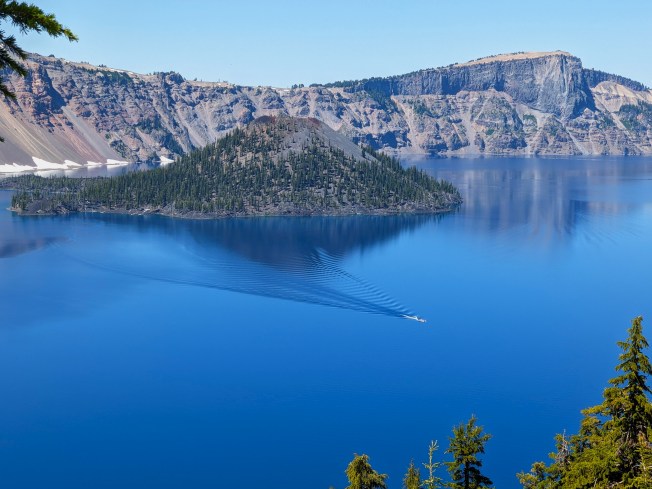
Any year that included a trip to a National Park I’d never visited before is a memorable year. I saw Crater Lake in July of 2025.
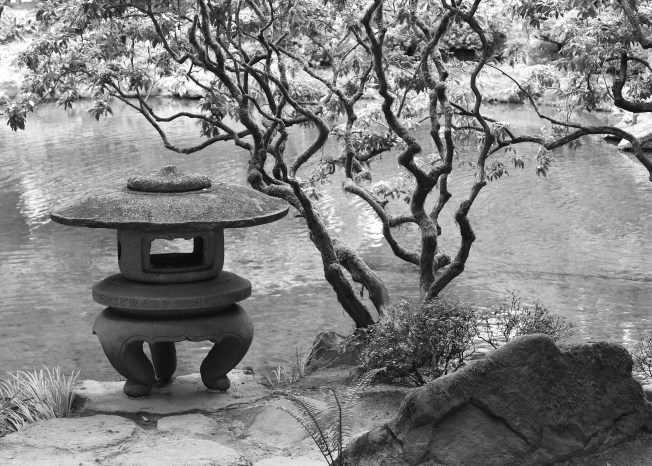
City culture often centers humanity in symbols of peace. The Portland Japanese Garden contains this Peace Lantern, a 1954 gift from Japan inscribed “Casting the Light of Everlasting Peace”.
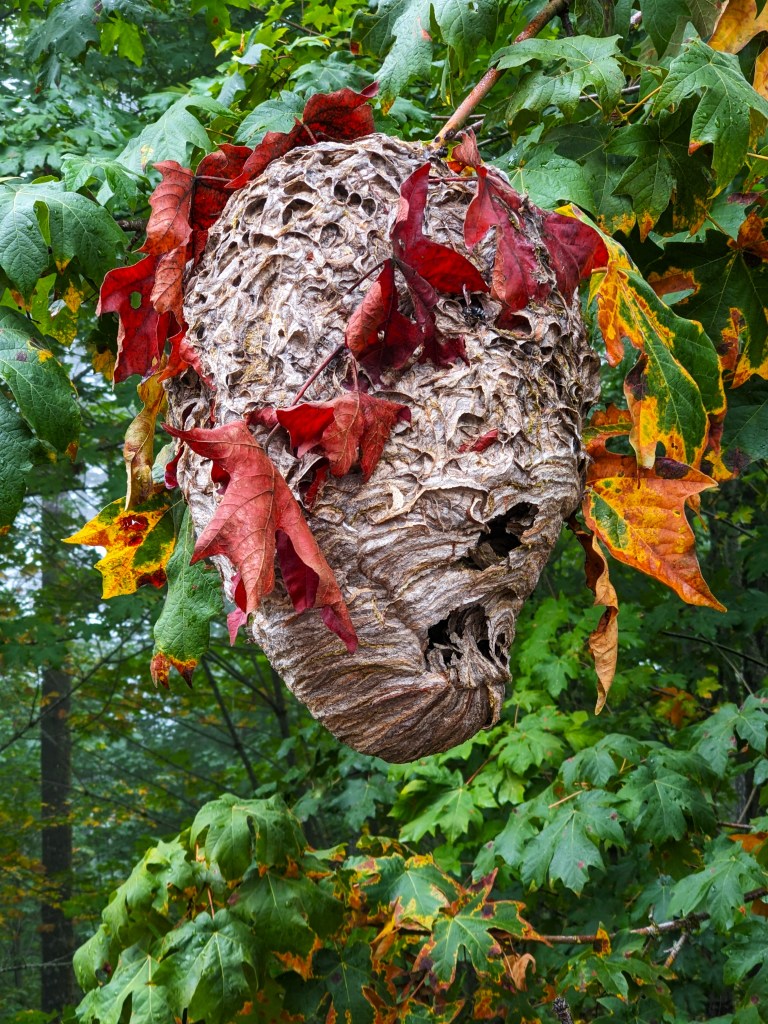
There are always unusual and surprising things to see if I keep my eyes open and practice awareness.
At the end of the year, I celebrated with my daughter in her new house, connecting past and present and future in memory, tradition, and hope.
I was inspired by Jane Goodall’s final interview last year. Her message of continuing to do good work despite the increasingly strong challenges to values we both hold dear was a rallying call. This year, current events have already served up powerful strikes against peace and harmony with Nature. I will continue to look for evidence of beauty and goodness around me and make images to record its continued presence. Thank you, fellow Lens Artists, for documenting the Art you see. It makes a difference.
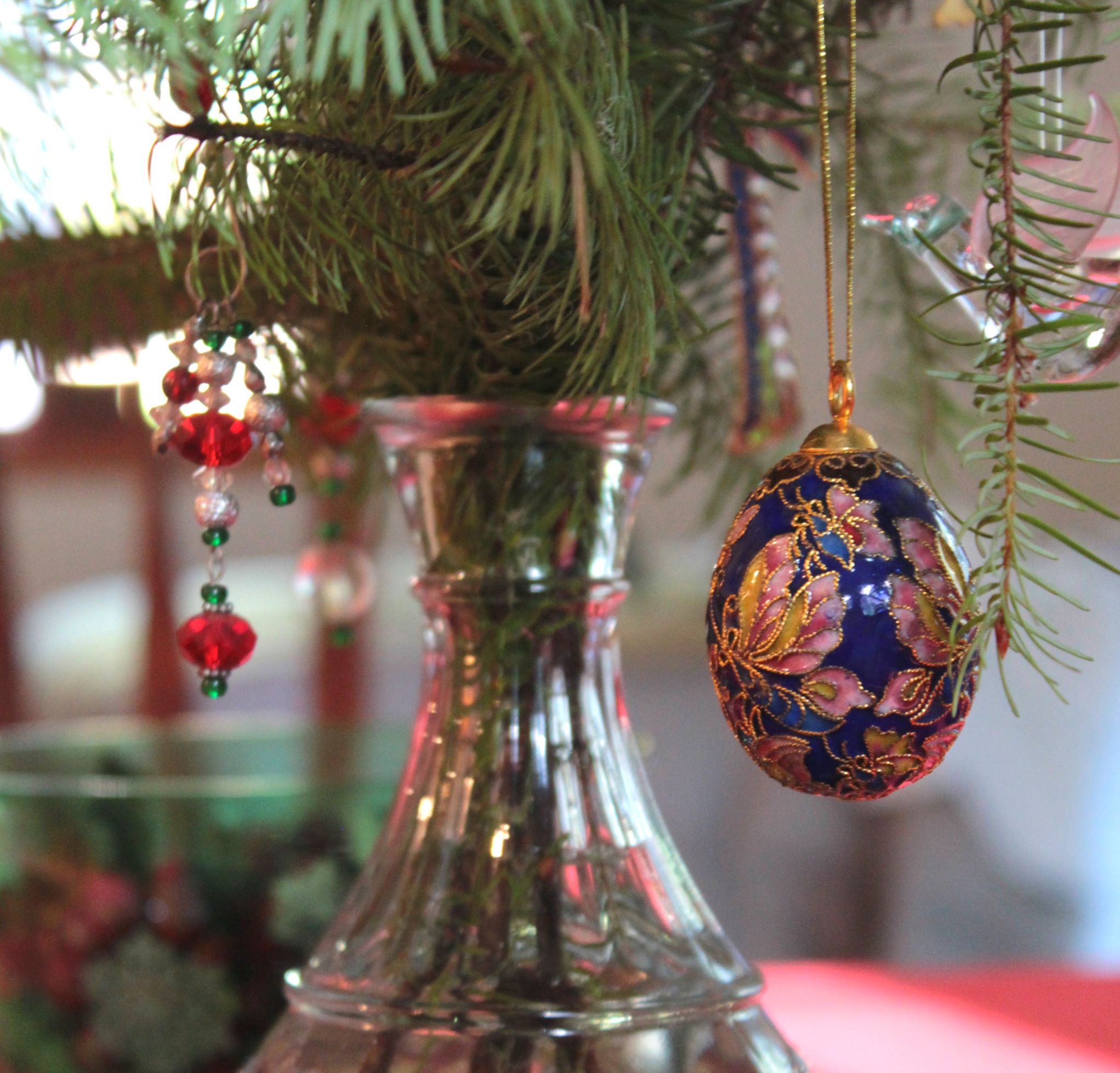
In my mind, winter holidays in the Northern Hemisphere are all about helping us keep our spirits bright in the darkest of times. We bring light and greenery and festive foods into our homes, where we’re sheltering from the cold. The holiness of these days is the turning inward, the transformation of outward energy into spiritual reserves for hard times ahead. In my life, music has always been fun and spiritual and central to this season. Next weekend, I will be singing a piece called Nordic Light by Eriks Eisenvalds – a multi-media production including choir, orchestra, and video. It’s a haunting portrayal of the aurora borealis and the lore it lends to Arctic Circle cultures. The choir will be in the dark while the video is playing. The second half of the concert is carols of Christmas, much more warm and full of light.
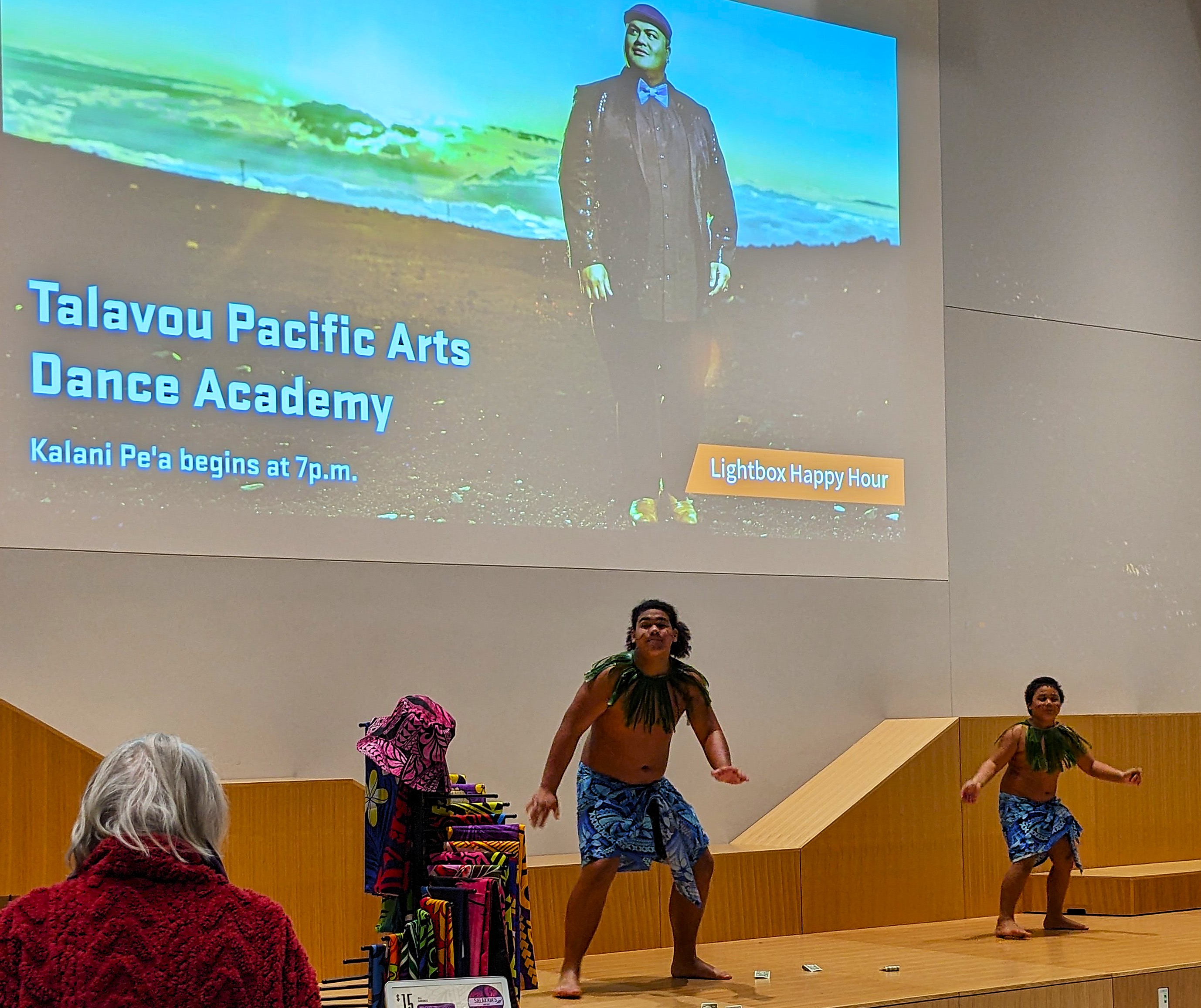
This past weekend, in the same venue where I will be performing, I was a front-row guest at a concert by a 4-time Grammy winning Hawaiian singer. There was a cultural fair in the lobby before the show with dancers and vendor booths. It was a very colorful and joyful atmosphere, with lots of dancing, shouting, and clapping, and messages of love, acceptance, and support.
At this point in my journey, I am enjoying the pluralism and diversity of the human experience. There are so many ways to make meaning of this gift of Life, so many ways to celebrate and empathize and explore. I look forward to seeing your visual perspectives in this beautiful photo challenge. Thank you, Ann-Christine, for your absolutely stunning post introducing this theme! See it HERE.
“If I had wings no one would ask me should I fly The bird sings, no one asks why I can see in myself wings as I feel them If you see something else, keep your thoughts to yourself I’ll fly free then” – song by Peter, Paul, and Mary
“Hold fast to dreams For if dreams die Life is a broken-winged bird That cannot fly.” – Langston Hughes
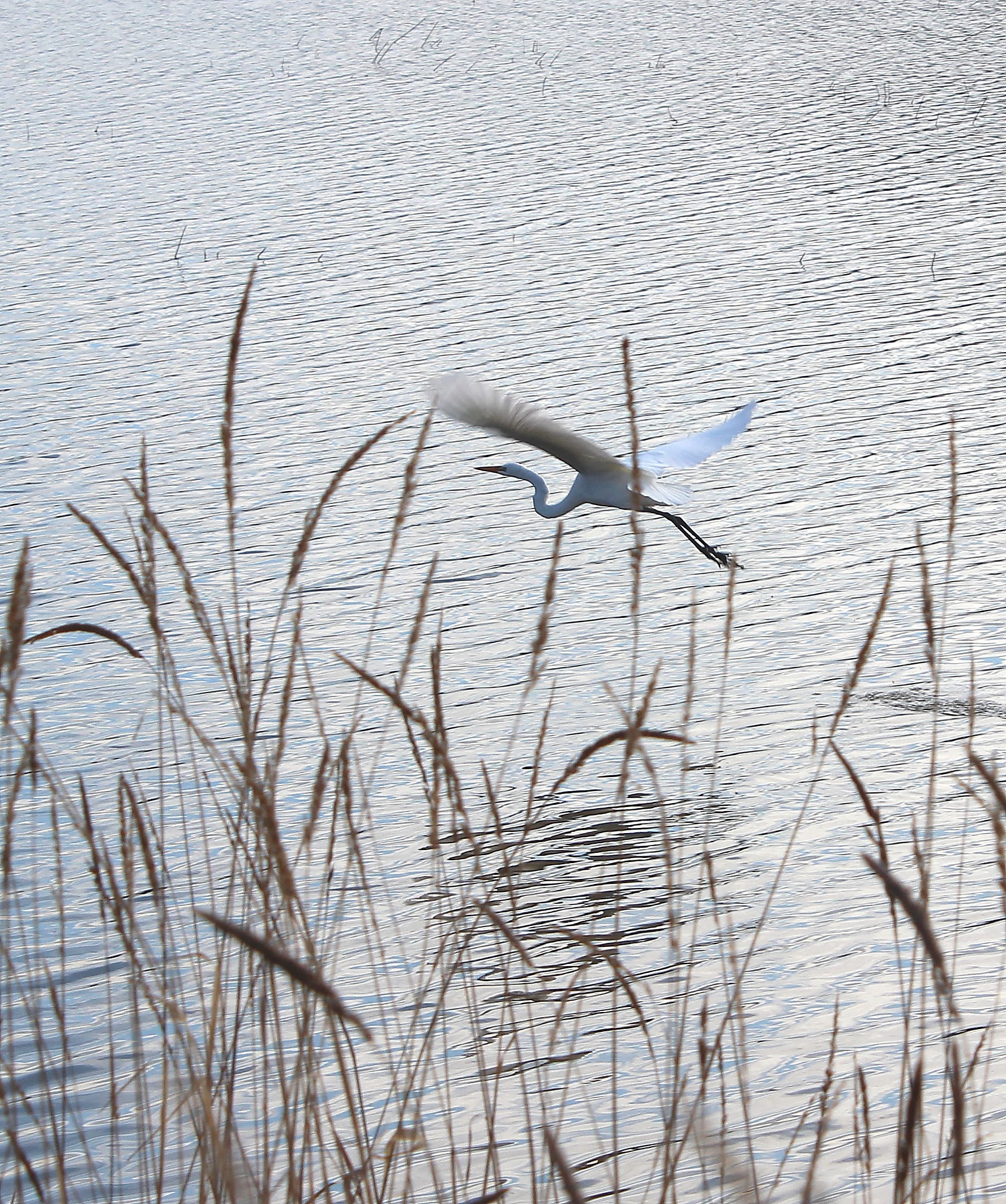
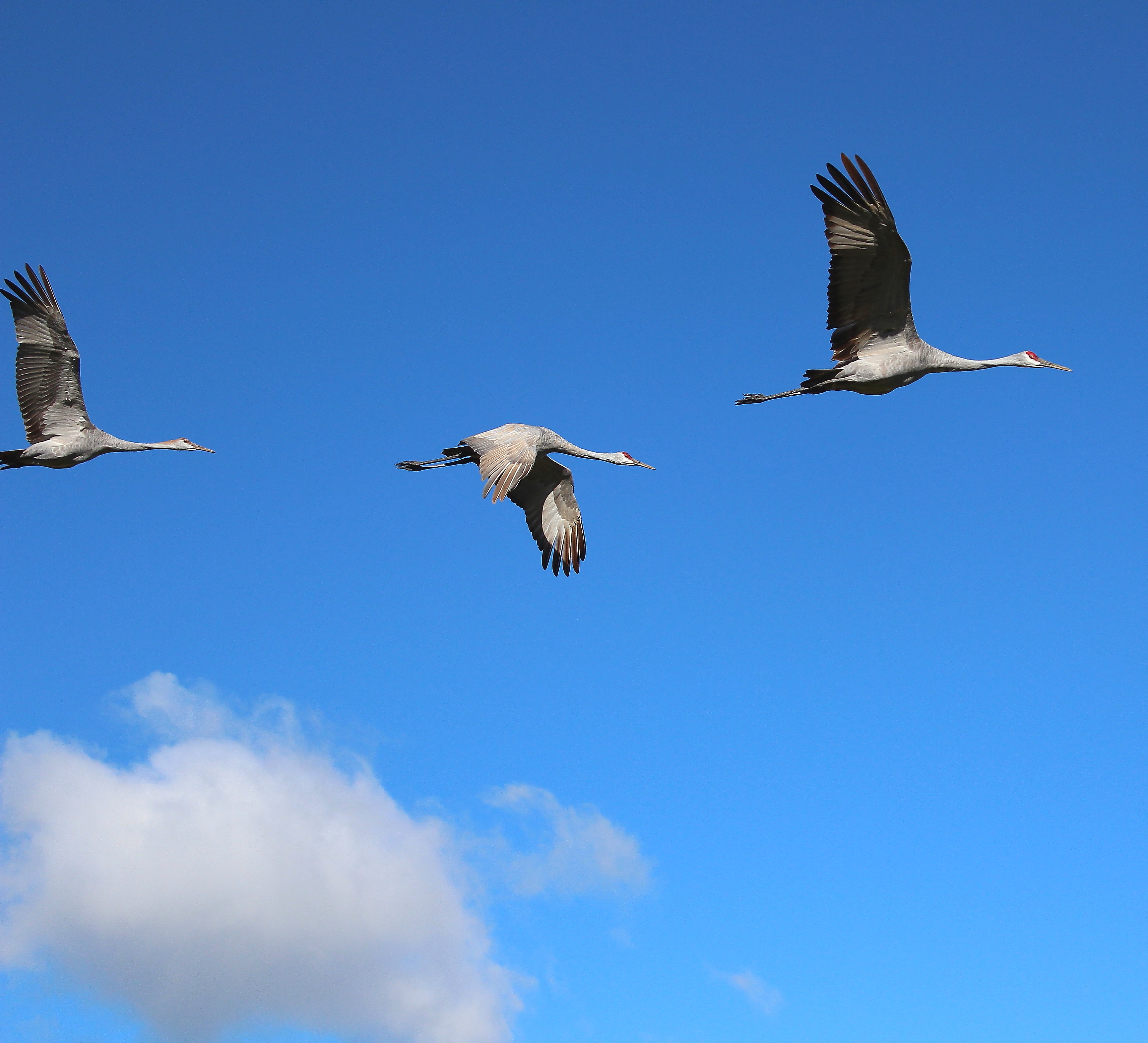
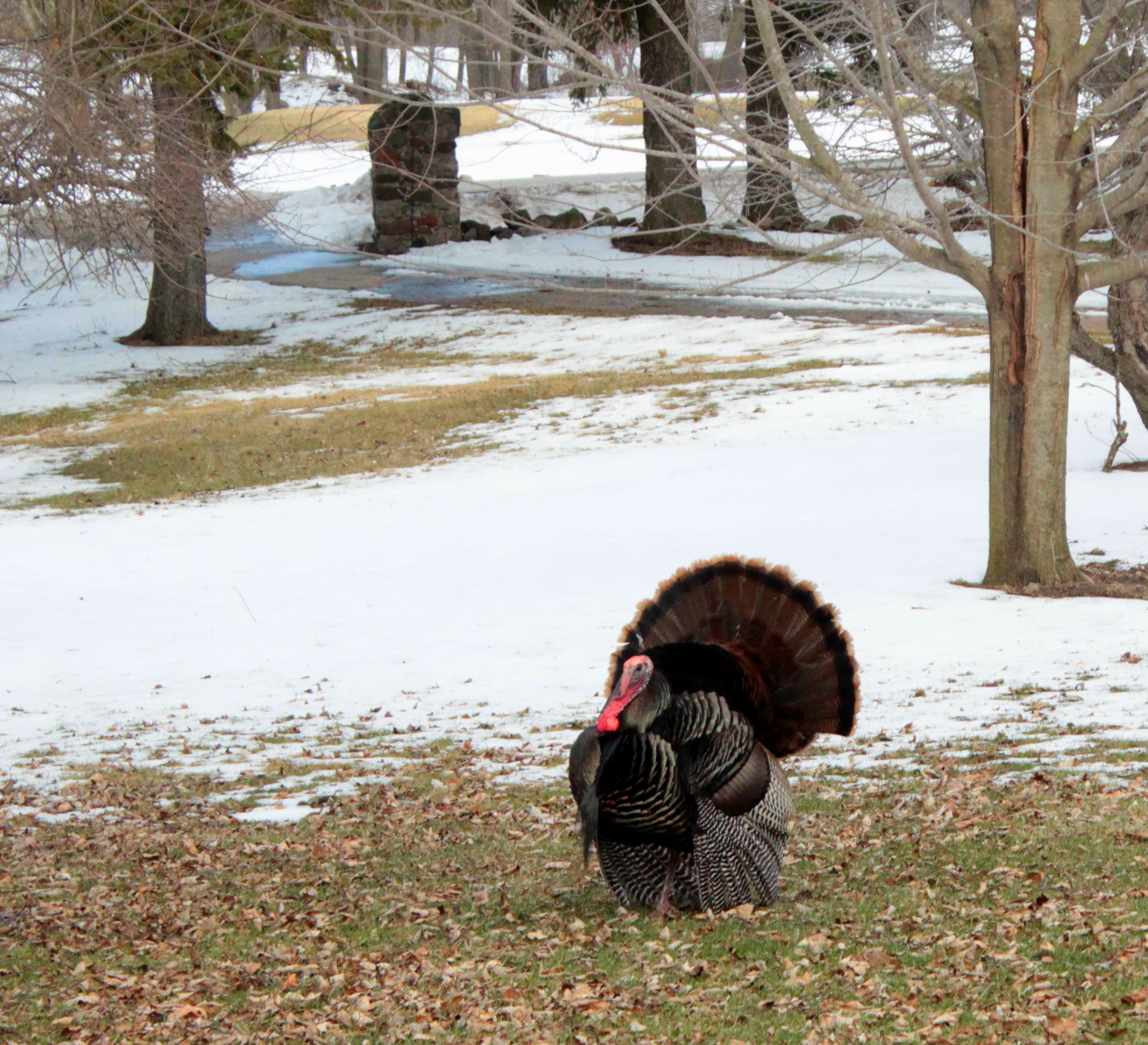
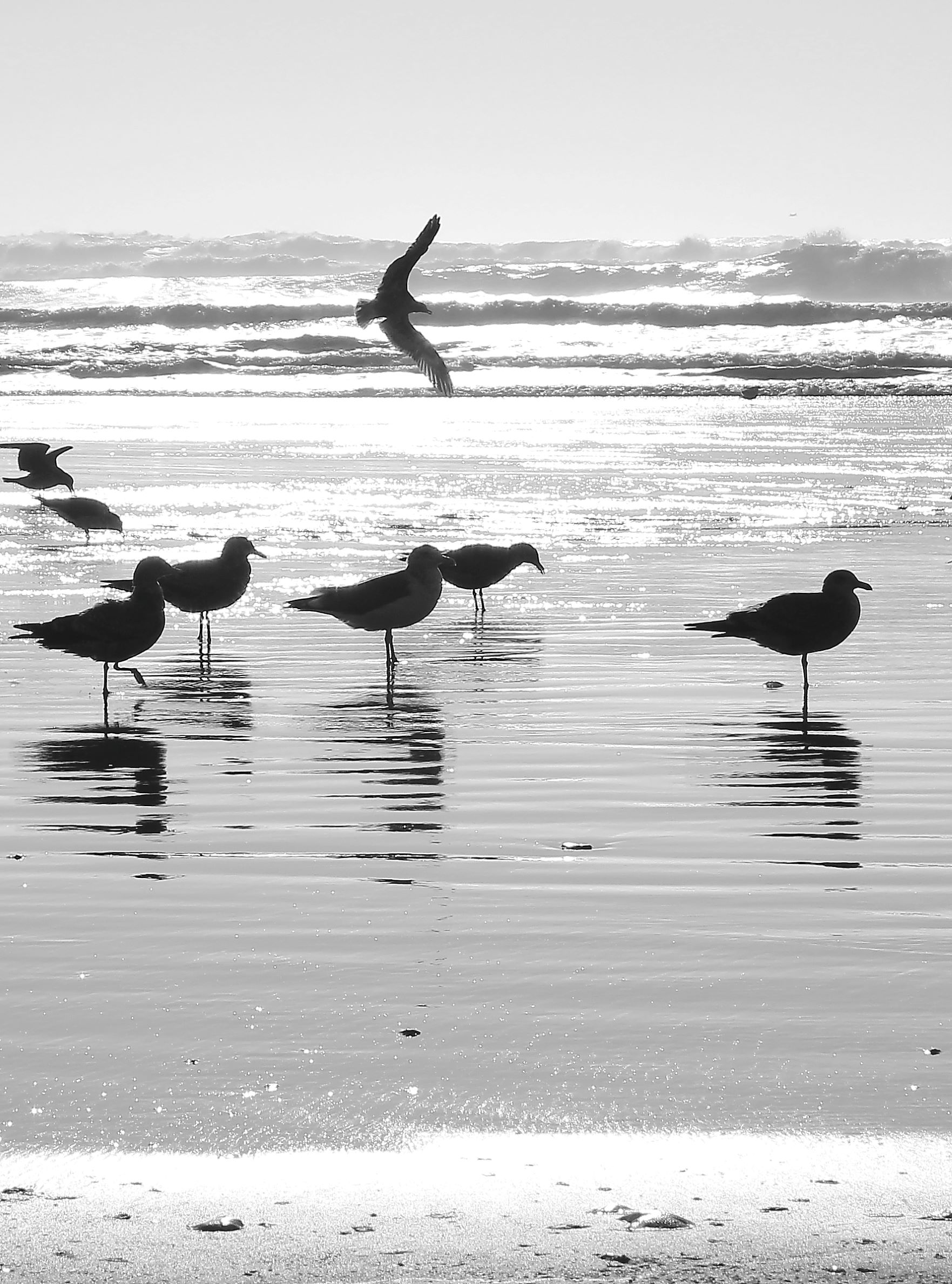
Wings – a symbol of freedom, of dreams soaring, of hope rising – have been assigned to so many types of animals: insects, birds, mammals (my last photo is a little bat asleep in a tree in Death Valley), and even some reptiles and fish. But each and every one of these wing-bearers return to a resting state at some point, fold their wings, and save their energy. I wonder at the moment when they know it’s time to soar. What propels them, emotionally? Fear? Purpose? Exhilaration?
“Hope is the thing with feathers That perches in the soul And sings the tune without the words And never stops – at all” – Emily Dickinson
I had a dream about flying recently. I have those dreams periodically. But I never have physical wings in those dreams. What I have is a secret knowledge that I can lift off the ground and glide around…and that others cannot. I’m never completely certain of it, but while it’s working, it feels miraculous and special and effortless. I wake from those dreams with a sense of wonder and joy.
“The most beautiful experience we can have is the mysterious. It is the fundamental emotion that stands at the cradle of true art and true science.” ― Albert Einstein, The World As I See It
“We need the tonic of wildness…At the same time that we are earnest to explore and learn all things, we require that all things be mysterious and unexplorable, that land and sea be indefinitely wild, unsurveyed and unfathomed by us because unfathomable. We can never have enough of nature.” ― Henry David Thoreau, Walden: Or, Life in the Woods
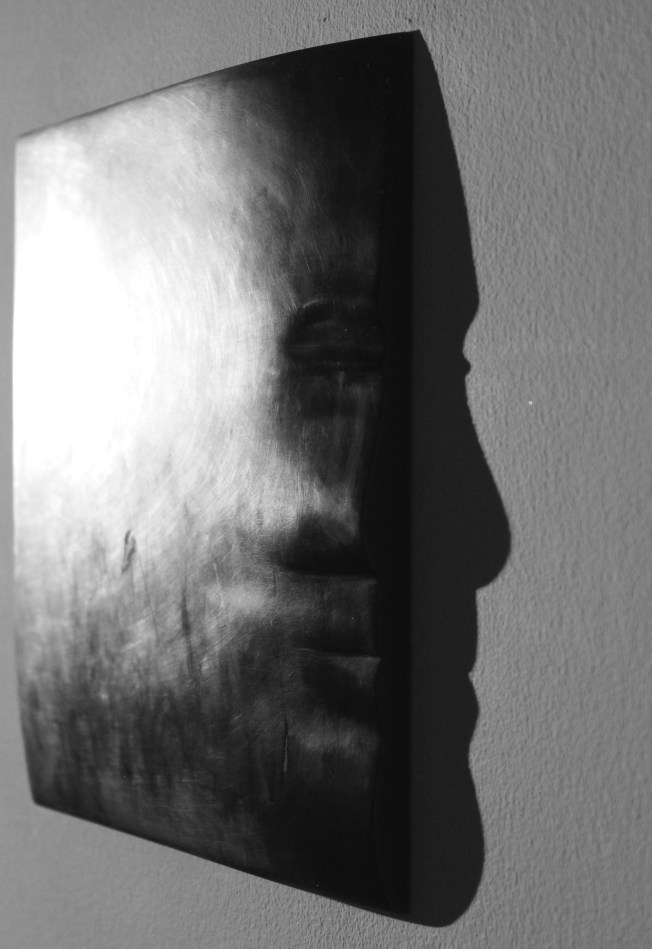
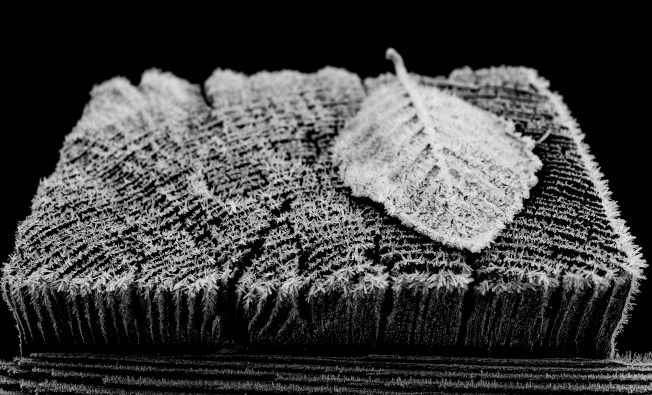
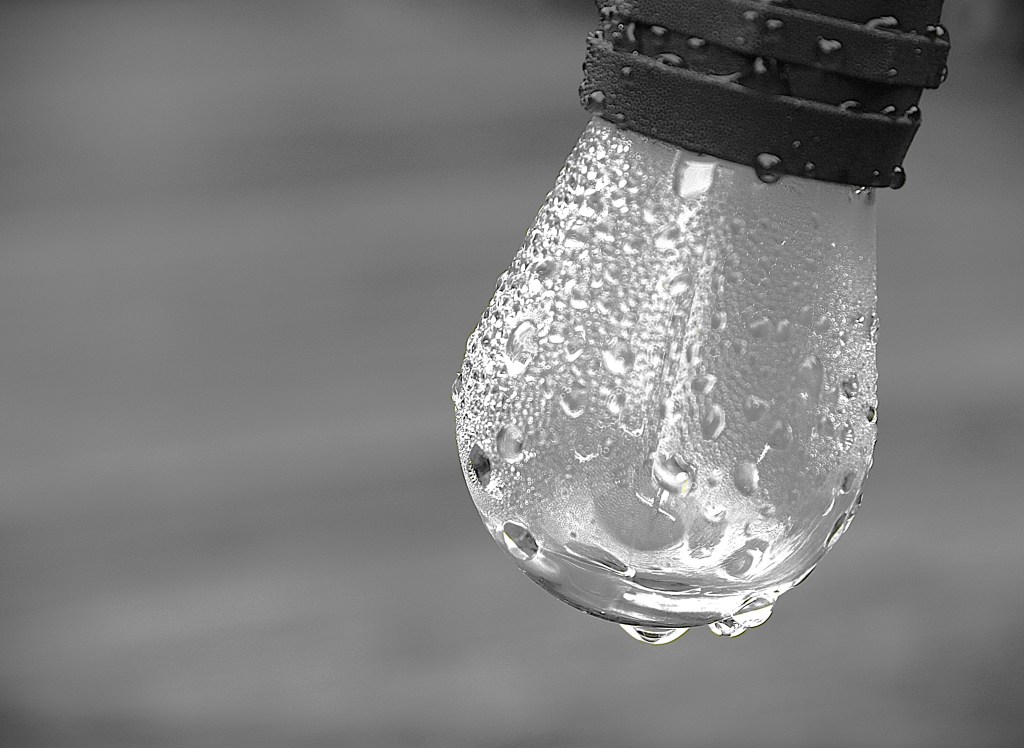
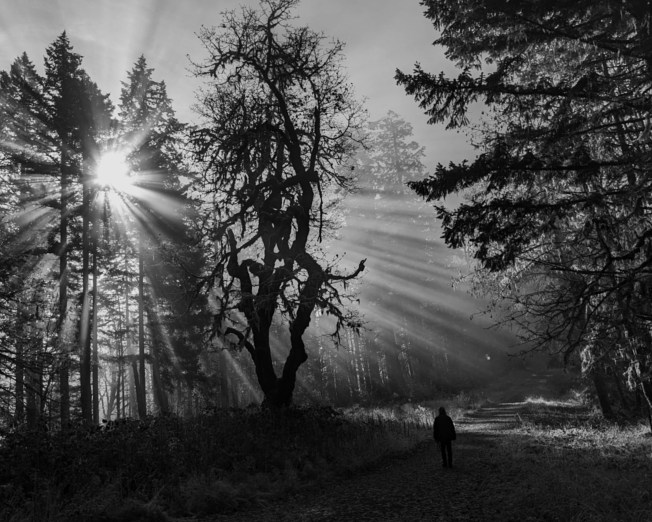
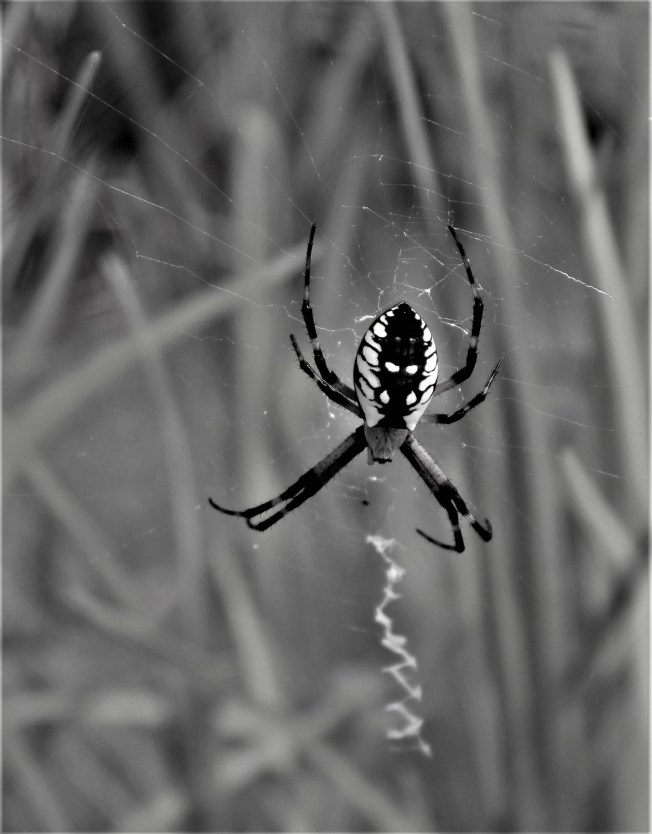
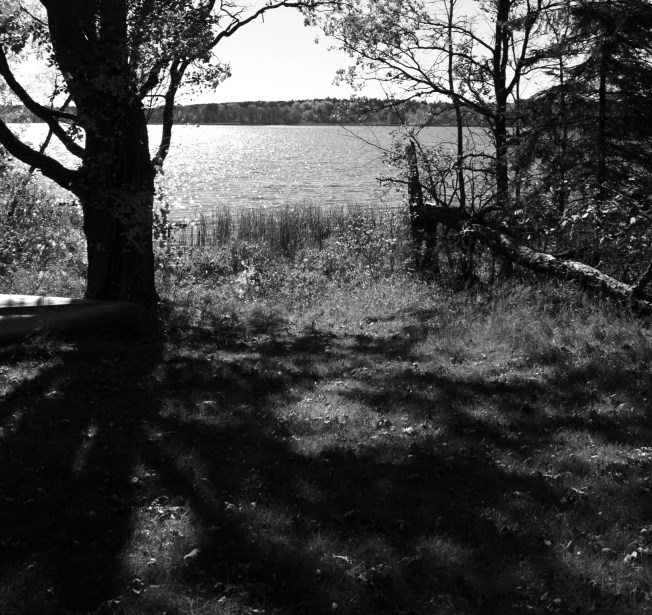
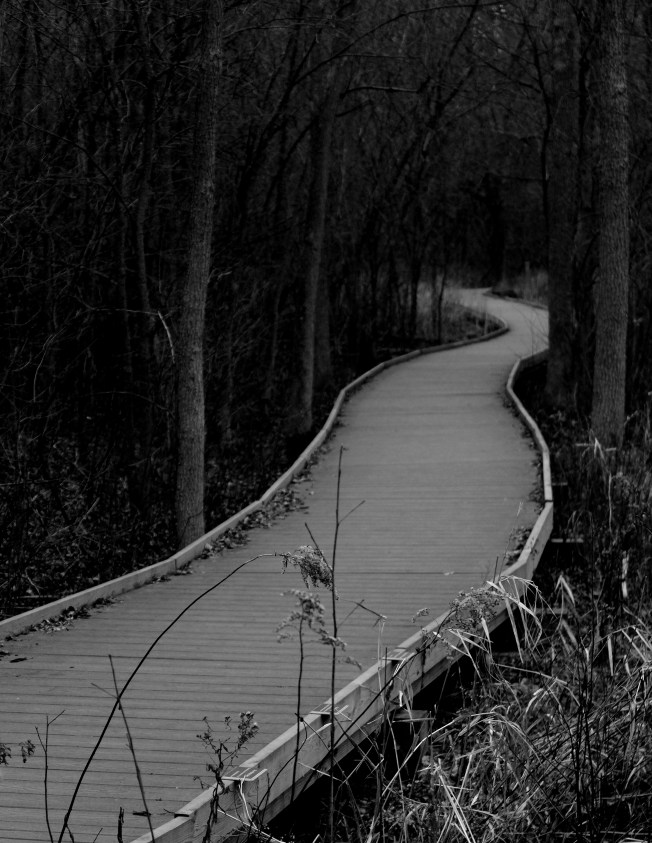
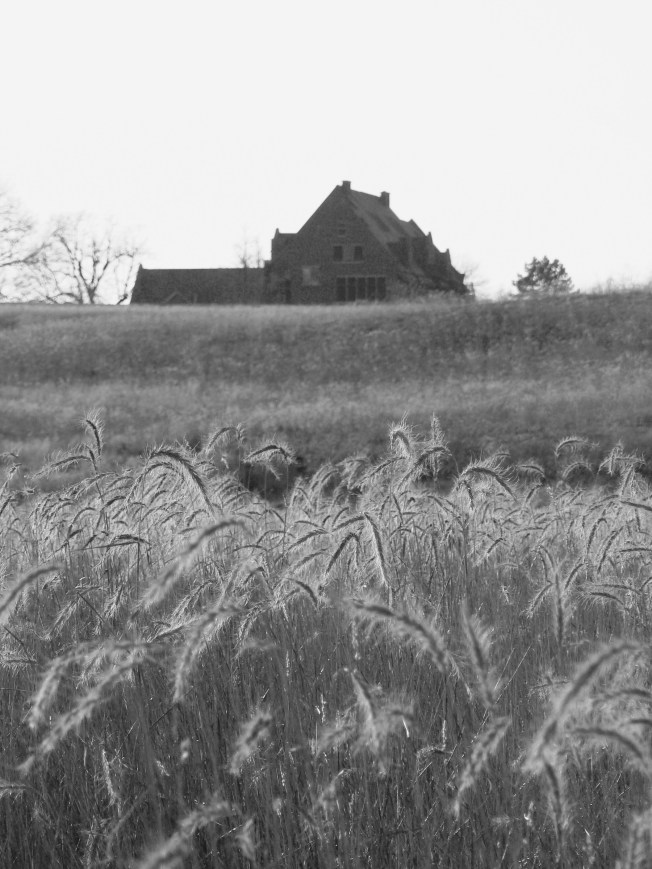
The lure of mystery is perhaps a fundamental part of being human. We yearn to know and understand and fill our large brains with certainty, and yet, we are enthralled by those things that are beyond our scope. We are forever asking questions and posing stories. When I think of how mystery is portrayed in images, I immediately think of black and white photography. There’s something iconic and photojournalistic about the feel of monochrome. And there’s a philosophical point in trying to capture reality in black and white while always including a million shades of gray. Cinematically, there’s the trick of using black & white film to depict a night time scene that was actually shot during the daytime. Is that moonlight? Or sunlight?
Alfred Hitchcock built his legendary fame by creating cinematic mystery. One technique he used was high angle shots in dramatically contrasting black & white.
Perhaps mystery is where curiosity and fear intersect. Do you really want to know what lies ahead?
When the scene is painted in shades of gray and the picture seems a bit hazy, almost anything is possible. What would you like to happen?