Unknown's avatar

100 Thousand Poets for Change

As a core team member of The Bardo Group, I have been invited, encouraged, challenged to participate in the 100 Thousand Poets for Change event.  For more information about this event, and to be stirred and prodded in you own artistic lethargy, click here

I yearn to be a poet, an artist, a musician.  I often find a piece that seems so right, so seemingly effortless, so fitting that I think it can’t be hard to craft a work like that…it simply lays over its theme like a glove.  Not so.  Listening to music on my way to work yesterday, I heard a poet’s frustration: “I don’t know why I spend my time / Writing songs I can’t believe / With words that tear and strain to rhyme.” (Paul Simon: Kathy’s Song.)

I feel this theme of Peace and Justice coursing through my life, my thoughts, my work, my hopes, and I wonder how hard it would be to write a poem about it.  I talked to a young man half my age who has studied forensic justice and just interviewed for a position as a mentor, a parole partner, someone who will help perpetrators and victims get together and talk, face to face.  I thought it was a great idea, for both parties, for all parties.  Here’s my attempt to let that idea percolate:

Let’s Face It

Behind the veil, the dirty shroud, the black burka, the white Klan sheet,

the knit ski mask, the heavy gas mask, the transparent oxygen mask, the impenetrable death mask,

the dense fur, the redwood bark, the shiny scales, the matted feathers,

the protective shield, the official badge, the repeated slogan,

the coarse beard, the perfect make-up,

the injections, the implants,

the scars, the screen


There is a face, a viable being.


When eyes recognize

kin and skin, then peace begins.

Face to face is the starting place.

Unknown's avatar

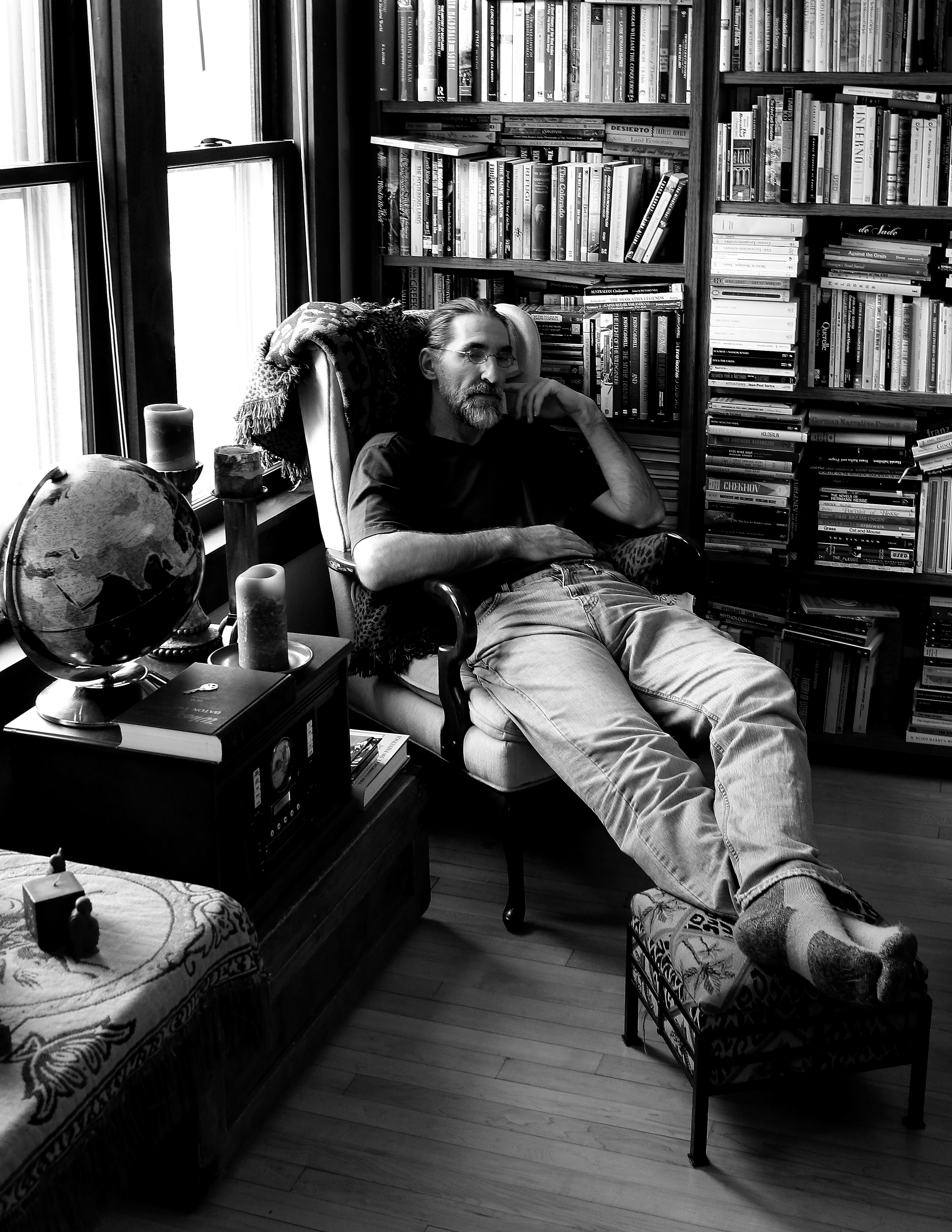
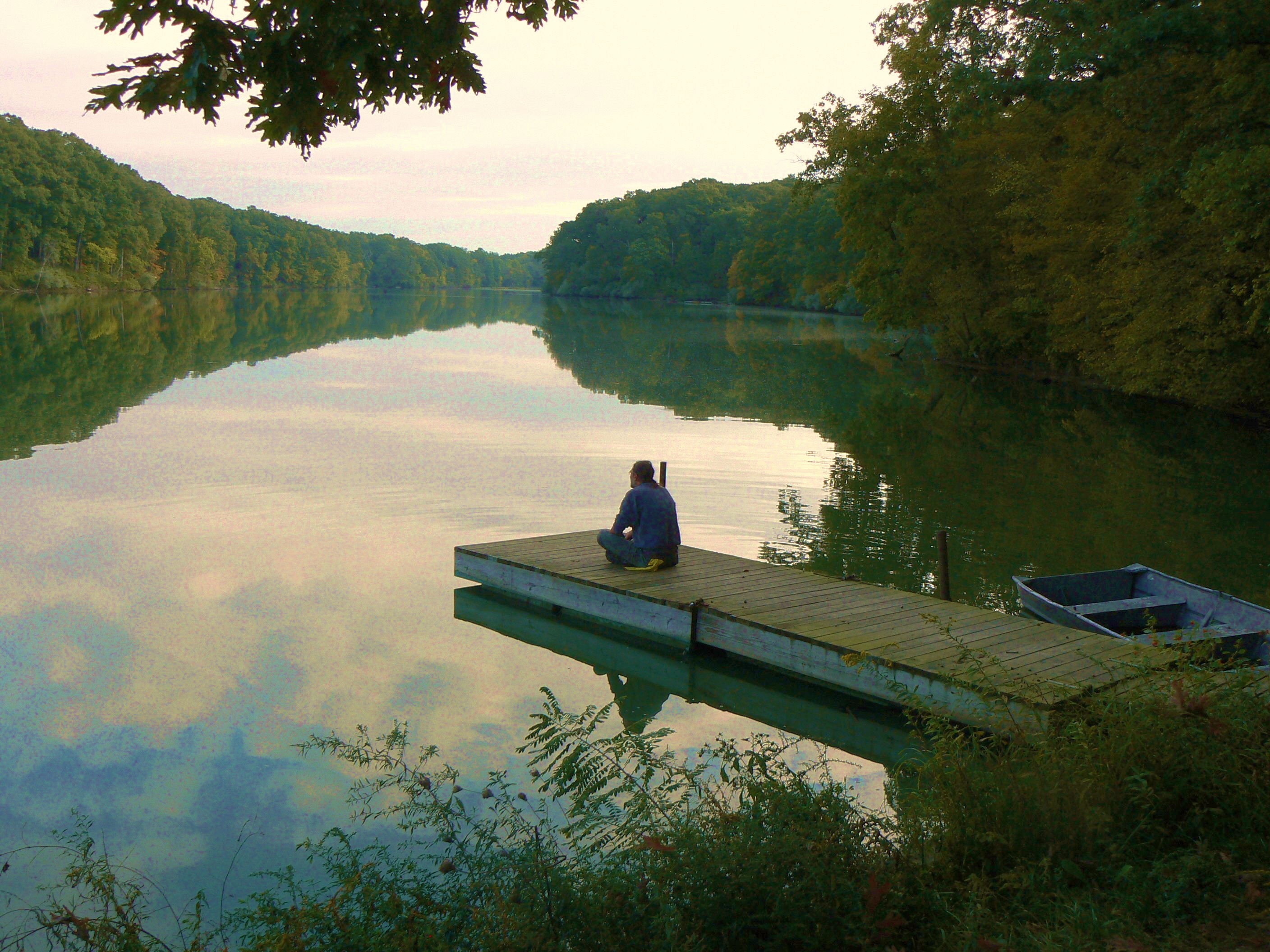
Weekly Photo Challenge: Room

Room….and room enough.  How do you make space in your life, for yourself, for your dreams, for another person? 

Scholar & Poet

How do you create warmth and comfort and interest? 

room dining

Is that just about outer atmosphere, or is the inner condition of your soul the place from which an invitation to abide emanates? 

renewal 2

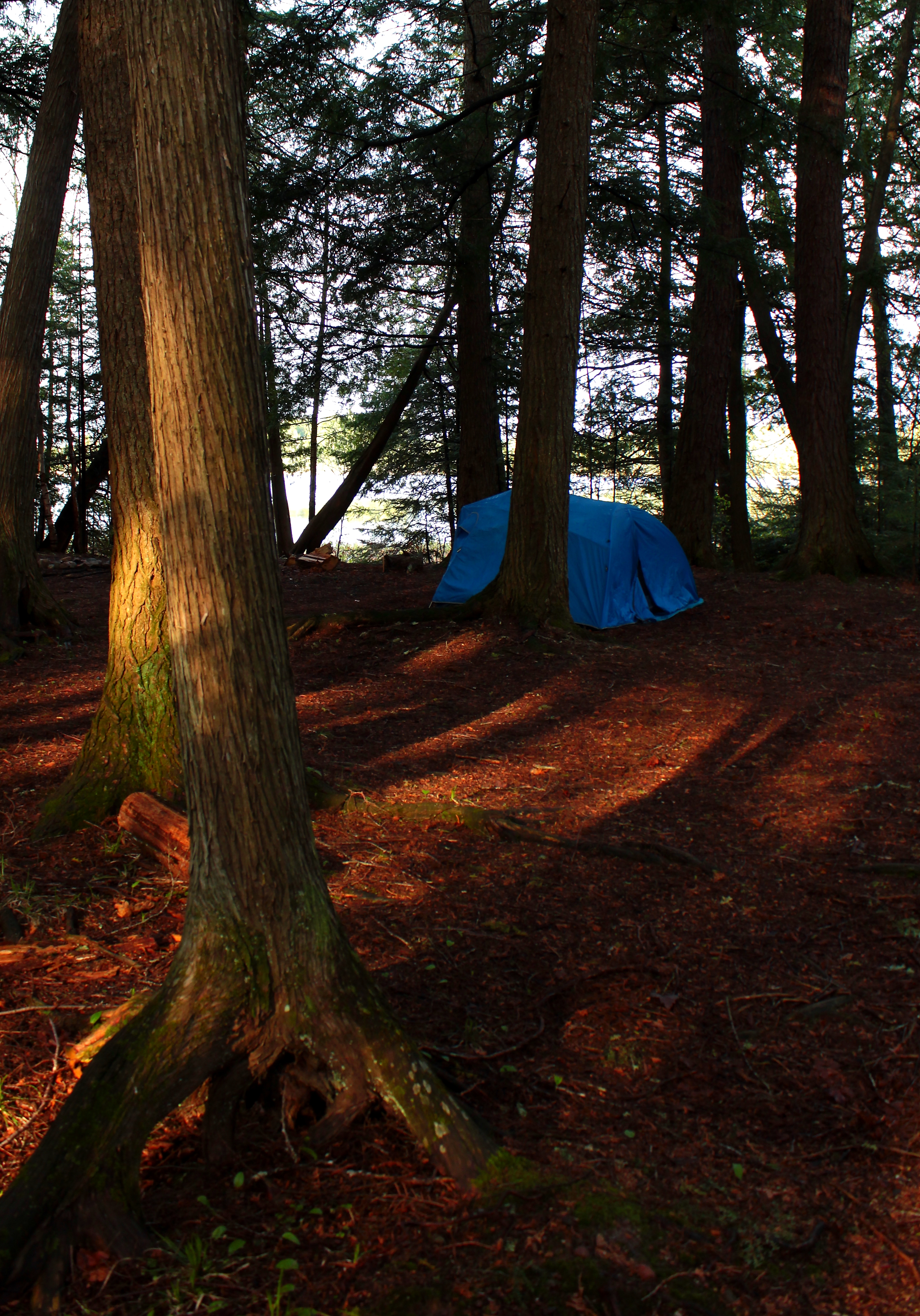
Isn’t that what “room” is all about?  A place to abide, be it contained or uncontained. 

room tent

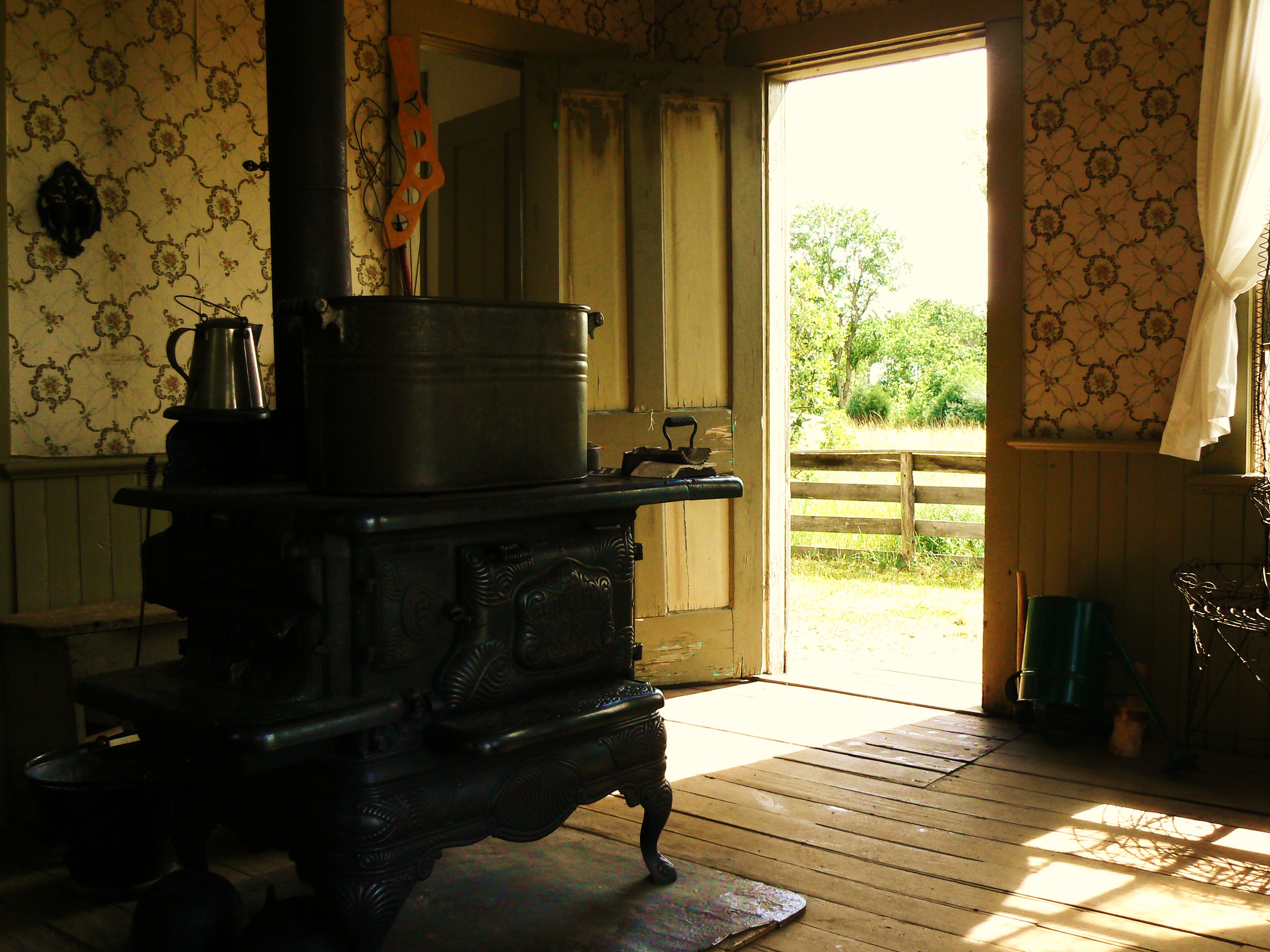
And what is abiding?  To me, it’s more than living…it’s living in peace. 

P1040599

I want to abide — in my house, in my work, in my life, in the world — in peace. 

075

© 2014, essay and photographs, Priscilla Galasso, All rights reserved

Unknown's avatar

Advent Day #23 – Peace

Peace On Earth

It is Day #23 in the December countdown.  Today’s gift is Peace.  Ahh, peace.  Take a deep breath.  Relax the muscles around your skull; feel  your ears and eyebrows pull backward; close your eyes and roll your head. Do you feel a sense of well-being?  Julian of Norwich claims that God himself spoke these often quoted words to her, “All shall be well, and all shall be well, and all manner of thing shall be well.”  Do you believe that’s true?  Do you believe that’s possible?  I do, although I don’t always act as though I do. I forget.

Wikipedia uses these phrases to define peace:  “safety, welfare, prosperity, security, fortune,  friendliness… a relationship between any people characterized by respect, justice and goodwill… calm, serenity, a meditative approach”.  Where does peace come from?  Buddha, the Dalai Lama and many others will tell you that peace comes from within, not without.

“The first peace, which is the most important, is that which comes within the souls of people when they realize their relationship, their oneness with the universe and all its powers, and when they realize that at the center of the universe dwells the Great Spirit, and that this center is really everywhere, it is within each of us.” – Black Elk

But perhaps, there are things outside of you that will remind you of the peace which dwells within you.

“Climb the mountains and get their good tidings. Nature’s peace will flow into you as sunshine flows into trees. The winds will blow their own freshness into you, and the storms their energy, while cares will drop away from you like the leaves of Autumn.” – John Muir

Do you feel peace in your mind and body and soul all at once?  Do you descend into peace from your head down?

“I do not want the peace which passeth understanding, I want the understanding which bringeth peace.” – Helen Keller

I suppose each of us must find his/her own journey into peace.  Anxieties and conflicts are particular and personal.  Facing each one head on is not a passive task.  Making peace is not for the weak of heart.  “Blessed are the peacemakers, for they shall be called children of God.”  Is God about making peace?  Is making peace the work of the Universe?  Is it perhaps that joyful effort that gives life meaning?

“Peace is not merely a distant goal that we seek, but a means by which we arrive at that goal.”  – Martin Luther King, Jr.

If we can make peace between ourselves and God, ourselves and Nature, can we then make peace between ourselves and others?

“If we are peaceful, if we are happy, we can smile and blossom like a flower, and everyone in our family, our entire society, will benefit from our peace.” – Thich Nhat Hahn

“What can you do to promote world peace? Go home and love your family.” – Mother Theresa

Steve constantly reminds me that in every situation, especially in those that cause anxiety and conflict to arise, I have 3 choices.  I can hide/run away.  I can try to change the situation.  I can change myself.  The first option doesn’t exactly make peace; it simply avoids confrontation.  You can hide away all day long and still feel the fear of whatever it is that scared you.  So, why do I often employ that choice?  Because I lack courage and I’m lazy.  I sometimes pick that choice first to give me time to screw up my will and motivation.  I don’t want to get stuck there, though.

Trying to change the situation requires engagement.  Making peace with hunger, poverty, sickness, and distress this way requires an understanding of  causes and effects on all different levels.  It requires negotiation, and it requires cooperation.  You don’t always get all that is required to change a situation.  Not all situations can be changed.  Death is the big one that comes to mind here.  You can’t hide or run away from it, and you can’t change the situation so that you don’t have to experience it.  Now what?

Change yourself.  Sometimes the only way to make peace with something is to change your thinking, your belief, your approach, your attachment, your aversion, your ignorance or some other aspect of yourself.  “If you can’t beat ‘em, join ‘em!” is the simplistic way to say it.  If you’d “rather fight than switch” (old cigarette commercial – pop philosophy at its finest), then you have chosen to fight, not to make peace.  Our egos make it really tough to change ourselves.  Sometimes we’d rather fight, sometimes we’d rather die, sometimes we’d rather do anything than change ourselves.  You have to ask yourself very seriously what your ultimate goal is to get past this one.  Is your goal to keep your ego intact or is your goal to make peace?   I’ve come across a lot of phrases that address this ego dilemma: “take up your cross”, “turn the other cheek”, “deny yourself”, “die to self”.  I think that dogma is probably more an ego thing than a peace thing.   If you can’t let go of your religious beliefs in the interest of peace, then your religion is more about yourself than it is about God, in my humble opinion.   I love the part of the movie “Gandhi” where he counsels a Hindu man who is distraught at having murdered a Muslim child.  “Raise a Muslim child and make sure you raise him as a Muslim, not as a Hindu. This is the only way you can purge your sins.”  This is true wisdom about peace.

Give peace a chance. It requires your will, it requires your strength, and it requires you to lay aside will & strength.  I am looking forward to enjoying the peace that my family and I have created.  We are still creating it, and will be our whole lives long.

Unknown's avatar

Weekly Photo Challenge: Unexpected

Surprise!  It’s not what you expected.  How do you respond?  Laughter.  Disappointment.  Curiosity.  Do you set it ‘right’?  How did you come to have an expectation about this, anyway?  Expectations produce emotions.  They set you up, mostly for suffering, if you become attached to those expectations.  If the discovery that you have harbored some expectation takes you by surprise, but you’re not emotionally invested in it, it can be funny.  “Oh, yeah, I guess I wasn’t expecting that.  But there it is.  How interesting!”  Steve’s favorite story about this goes something like this:

A Zen master who had recently had a mini-stroke was invited to perform a traditional ceremony of calligraphy.  He had practiced this art for years and participated in the ritual often.  He calmly took his place and lifted the long, slender brush.  Carefully, he dipped it into the ink and raised it above the thin rice paper.  The assembly was silent.  His hand was still.  Moments passed.  Gradually, a wondrous smile spread across the master’s face.  He laid the brush aside and beamed.  “I’ve forgotten how!”  he laughed. 

May you know delight in all that unfolds.  Peace, my friends.

unexpected

Unknown's avatar

Mensch sighting!

In my post a few days ago, (Oh!  The Humanity!) I sent out a plea for examples of admirable human beings as an antidote to the kind of internet sensations who fail to inspire and instead make me nauseated.   You know what I’m talking about, right?  The rampant  dumbing-down of our species, “urgent” stories of greed and fear and violence and stupidity and pettiness and the like are probably a dangerous toxin to our culture.  Where are the role models who will help us do better and why aren’t we using our advanced media to promote them more often?  For every “Who Wore It Better?”, we could be viewing 5 “Who Lived It Better?” stories.  Why not?

I have enjoyed a morning at work in the kitchen and with the book business while listening to the music of my Mensch of the Day.  This is an artist who has inspired me since my pre-adolescent days, and I’ve only just discovered this live recording from 2 years before his death.  He is the recipient of the 1993 Albert Schweitzer Music Award and the only non-classical musician to be so distinguished.  His humanitarian efforts supported the National Wildlife Federation, Friends of the Earth, The Cousteau Society, and the Windstar Foundation.  The CD I have was a concert for The Wildlife Conservation Society’s 100th anniversary.  Ladies and gentleman…….John Denver: a singer and songwriter whose lyrics ring with authenticity and passion, whose music spans genres from country to pop to blues to rock, and whose commitment to peace and preservation permeated his career.  As a cultural ambassador for the U. S., he visited China, Viet Nam and the Soviet Union and recorded a duet with a Soviet artist, becoming the first American to do so.  In my mind, he follows in the footsteps of another hero of mine, Pete Seeger, who, at 93, is still active in the same kind of musical ambassadorship that promotes cultural tolerance and environmental responsibility.  I did have the privilege of hearing him give a concert for children when I was in my single digits. 

Who will carry the torch when he passes away?

To read more about the Schweitzer Award, see http://www.anchor-international.org/07.html.  For more about John Denver’s career, see http://learningtogive.org/papers/paper349.html.  For a good listen, go to “You Say the Battle Is Over”.


Unknown's avatar

Peace on Earth

Yesterday was a very sad day for me.  I was following up on a news article I read a few weeks ago about indigenous Americans purchasing sacred land in the Black Hills.  I was happy that they had raised the $9 million they needed, but I was led deeper into the story and watched a TED talk and slide show that made me very emotional.  Then the breaking news stories started flooding the internet.  Gun violence, death, fear, suffering, blame.  A hurting world in sudden outbursts of information and misinformation.  Another seemingly random mass shooting. 

Do no harm.

I suppose that is an impossible task.  Everywhere we tread, we harm something.  It’s our responsibility to be aware of that.  What is the positive alternative?  Make peace.  What if there were mass ‘peace’-ings instead?  What if the media covered screens with healing stories of kindness, of love, of compassion, of good will?  What if our every breath was tuned toward acceptance and wholeness?  What would that look like?

Imagine.  A group of people, young and old, of all colors, surrounds a school where young minds are developing ideas of the world.  The students are beginning to formulate their own opinions about the world and whether it is a place of fear or not.  These opinions will shape their interactions and responses for years to come.  And the students hear from their open windows a sound that begins to grow…it starts with a single voice.  It is singing a clear melody in an ancient language…”Dona…nobis…pacem…”.  Another voice joins in.  The tune is spread, broader, higher, deeper, from voice to voice.  A child inside the school picks up the cue and begins.  And another…and another.  The music blankets the classrooms, the cafeteria, the hallways, the offices.   “Dona nobis pacem”…”Give us peace”.  Peace is given, shared, lived, spread.  This is how the world changes from a place of fear begetting fear to a place of safety and love. 

What world do you want to live in?  Click here to listen to the melody.  Join in, with your voice, with your breath, with your life.  Imagine that spreading like news to a hurting world. 

Unknown's avatar

Peaceful Sunday

Placido Domingo.  Quiet, tranquil Sunday.  Ah, me.

Last night, we saw our first Lyric Opera of Chicago performance of the season: Simon Boccanegra by Verdi.  An appropriate story for an election month, dramatic and political.  Two opera megastars were featured in the leading roles: Thomas Hampson and Ferruccio Furlanetto.  The story and the music are captivating.  (This performance was rather a disappointment, stiff and unimaginative.  I much prefer the La Scala production starring Placido Domingo in the title role, even if his voice is not as resonant as a baritone.) The point is that Simon Boccanegra is a man who spends his life and loses his life in the pursuit of peace.  The Italian political scene is characterized by vendetta, family feuds, curses, treason, and rebellion and peopled with villains.  The story shows, though, that everyone is a villain.  We all harm each other in one way or another.  Forgiveness and reconciliation is the only way to make a difference.  How many people must the Doge pardon by the end of Act III in order to die peacefully in his daughter’s arms?


This morning, I logged on to the internet and began a conversation with my blogger friend, Helen, of 1500 Saturdays.  Her post was about brutal killings in Nigeria, titled “How did humanity get so lost?”.  How do we respond to suffering, to the villainy that surrounds each of us?  Which stories do we listen to; which do we tell?  How do we make a peaceful Sunday in our world?  Please click here to read her post, the links, the comments and spend some time considering your own response.  “May all beings be happy; may all beings be free from suffering.”


Unknown's avatar

Meditation

I got myself into a mood last night while Steve was gone. We had mailed out job applications earlier that day for Old World Wisconsin, a seasonal living history museum, and gradually my anxieties about my life and work began escalating.  I searched the internet like a magic 8 ball, and the best advice I found was a quote from Teddy Roosevelt, “Far and away the best prize that life has to offer is the chance to work hard at work worth doing.”

What is “work worth doing”?  How do I want to spend my life’s energy?  What is worth it?  Am I even worthy of my life if I don’t do something worth doing with it?  Steve came home to find me sitting in the dark, staring out the window.  “Are you okay?” he asked tentatively.  Fortunately, we both have the ability to laugh at our moods, acknowledge them and joke about them and pay attention to them without getting too attached to them.  I did some doodling and some stream-of-consciousness writing and played my sopranino recorder a bit to loosen up and allow something to emerge.  I fell asleep with this phrase in my head: “Teach peace”.

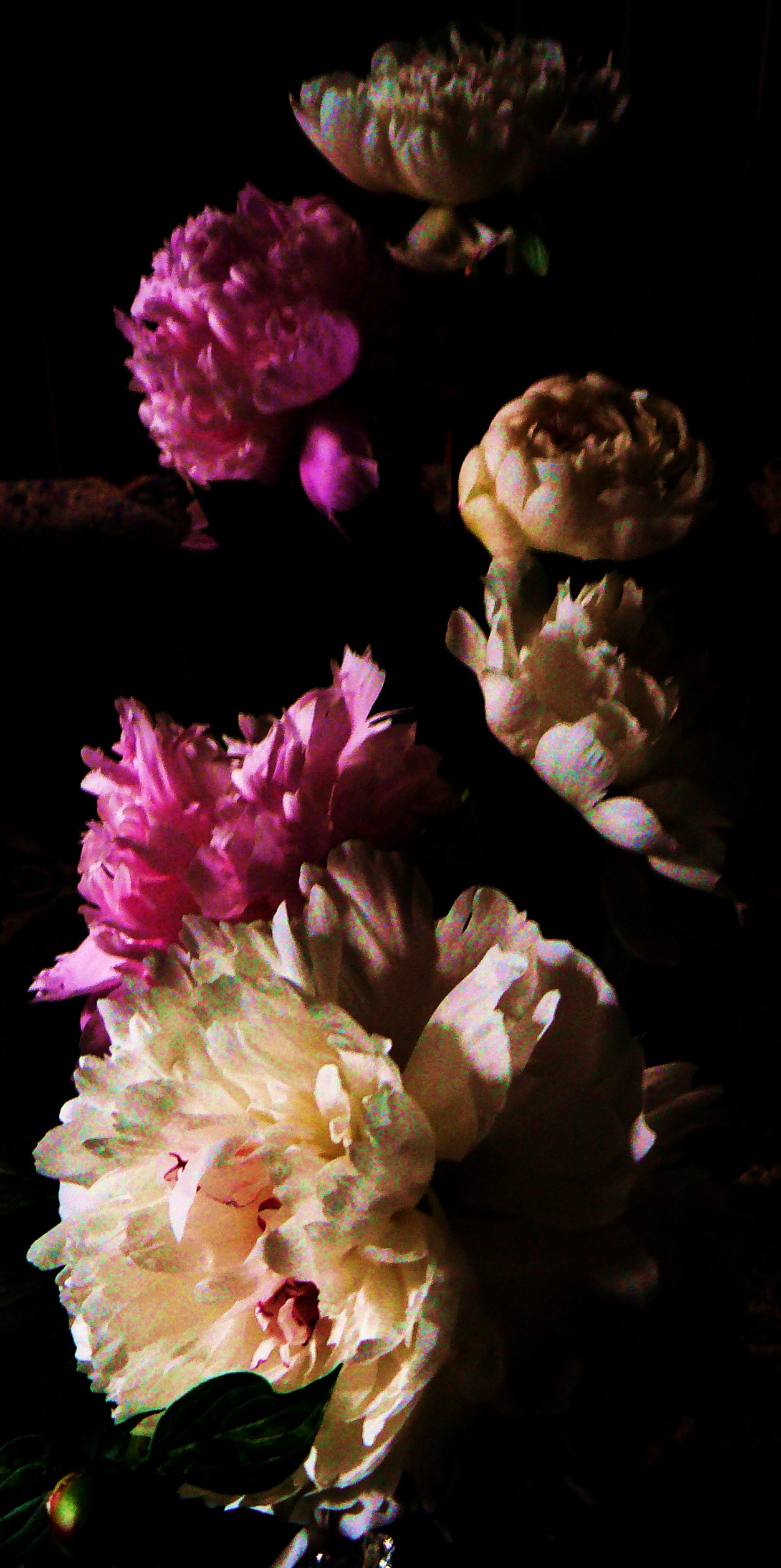
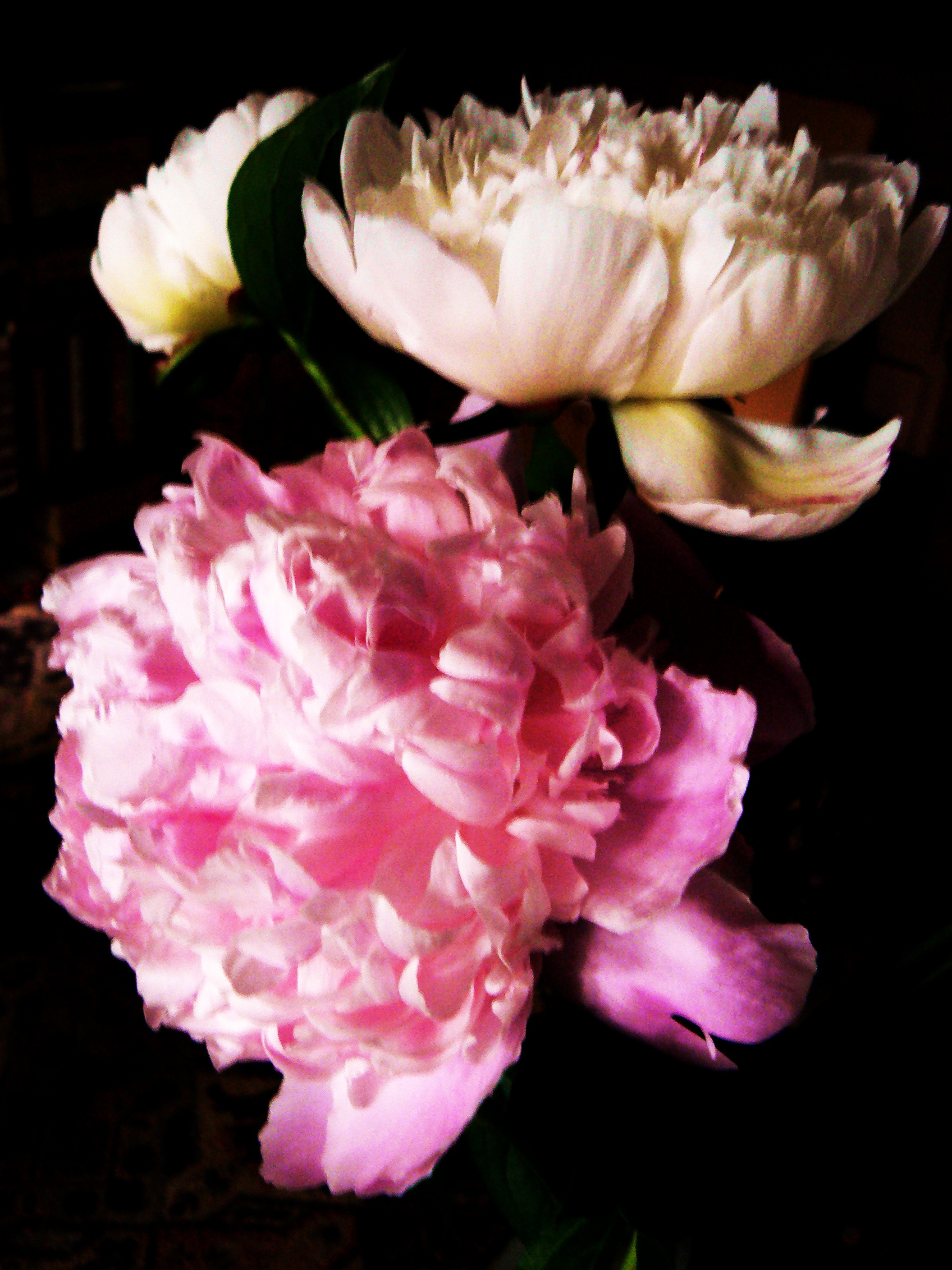
This morning my thoughts turned to flowers and Thich Nhat Hahn.  He is one of the greatest teachers of peace, in my opinion.  If you’ve never heard of him, I urge you to do a little research.  Reading his books helped me through pivotal stages of grief and anger and crises of faith after my husband died.  I got a very personal message from his words, but his vision is for the entire world as well.  Peace begins internally and has consequences on a global scale.  I do believe that.  Today, I invite you to a meditation using Thich Nhat Hahn’s words and photos I took last summer of peonies from our garden.  I hope it nudges you awake to the happiness in you…as it did for me!

“If we are peaceful, if we are happy, we can smile and blossom like a flower, and everyone in our family, our entire society, will benefit from our peace.”
– Thich Nhat Hahn, Being Peace

“The source of love is deep in us and we can help others realize a lot of happiness. One word, one action, one thought can reduce another person’s suffering and bring that person joy.”

“The most precious gift we can offer anyone is our attention. When mindfulness embraces those we love, they will bloom like flowers.”

“Each moment is a chance for us to make peace with the world, to make peace possible for the world, to make happiness possible for the world.”
Teachings on Love

“Our notions about happiness entrap us. We forget that they are just ideas. Our idea of happiness can prevent us from actually being happy. We fail to see the opportunity for joy that is right in front of us when we are caught in a belief that happiness should take a particular form.”

‎”The earth is so beautiful. We are beautiful also. We can allow ourselves to walk mindfully, touching the earth, our wonderful mother, with each step. We don’t need to wish our friends, ‘Peace be with you.’ Peace is already with them. We only need to help them cultivate the habit of touching peace in each moment.”

WALKING MEDITATION

Take my hand.
We will walk.
We will only walk.
We will enjoy our walk
without thinking of arriving anywhere.
Walk peacefully.
Walk happily.
Our walk is a peace walk.
Our walk is a happiness walk.

Then we learn
that there is no peace walk;
that peace is the walk;
that there is no happiness walk;
that happiness is the walk.
We walk for ourselves.
We walk for everyone
always hand in hand.

Walk and touch peace every moment.
Walk and touch happiness every moment.
Each step brings a fresh breeze.
Each step makes a flower bloom under our feet.
Kiss the Earth with your feet.
Print on Earth your love and happiness.

Earth will be safe
when we feel in us enough safety.

– from Call Me by My True Names: The Collected Poems of Thich Nhat Hanh

“Smile, breathe, and go slowly.”

Unknown's avatar

Be Still and Know

A gray morning.  I woke up too early, stumbled through breakfast in a fog, rinsed the dishes then lay back down in bed to “hit the reset button”.  I closed my eyes and thought of Lake Michigan.  My grandmother owned a cottage on the lake.  My childhood summers included a few weeks there each year.  My favorite thing about that time was that much of it was unstructured.  I could wake up, pull on a sweatshirt, walk barefoot out on the cement porch, let the screen door thwack closed behind me, and be on the beach without a backward glance.  Alone on a stretch of sand with the water as still as a bathtub, I could see “sand waves” under the surface and shiny stones just resting there in patient silence.  I wanted to be like one of those stones this morning.  Still and ancient, reflective.

photo credit: Gael Kurath, U.S. Geological Survey

I thought of a phrase this morning, as I realized what day it was.  “March first, ask questions later.”  That is not the way I want to live.

Breathe.  Be still.  Be quiet.  Settle like a beach stone.  Reflect.  Listen to the birds.

How do you post silence?  How do you publish peace?  How can I share the feeling of vastness that sweeps over me when I look at a calm horizon?  If you’ve ever stood in the early light and heard the rushing of your own heartbeat in your ears, you know.

You know and understand.

Unknown's avatar

Down By The Riverside

Gonna lay down my burden…

I ain’t gonna study war no more.

Gonna lay down my sword and shield…

Took a walk by the Mukwonago River yesterday.  Heard lots of geese honking raucously, actually ridiculously.  “Sounds like a barnyard!”  I said, imagining donkeys braying and cows lowing.  Actually, there was a barnyard of sorts across the river.  On the slope leading to the water there were about a dozen white domestic geese.  All along the waters edge, there were wild Canada geese splashing about, enjoying the sunshine.   I wonder how they size each other up?  I wonder what their honking was all about?

We watched a video from the “Life” series, narrated by David Attenborough (our hero!) that featured footage of killer whales and leopard seals hunting.  I had seen a clip on the internet somewhere of killer whales tossing a seal around and many people commented about how cruel it was that they were playing with their unfortunate victim.  David Attenborough, narrating the scene of a leopard seal eating a penguin, described how it has to fling the body away from the piece its teeth are holding in order to rip off a manageable chunk of meat.   That made a lot of sense to me, and it dawned on me that the killer whales were probably doing the same thing.  Are non-human animals ever cruel, I wonder?   I’ve seen a real game of cat-and-mouse, but I’m not sure that’s about cruelty.  Then again, we have bred animals to demonstrate cruelty.  Fighting animals and hunting animals who attack other animals for reasons other than their own survival can be said to be cruel, I suppose.   Is it a human notion to cultivate violence for other ends, like status, power, sport and such?  Or do animals have that trait as well?

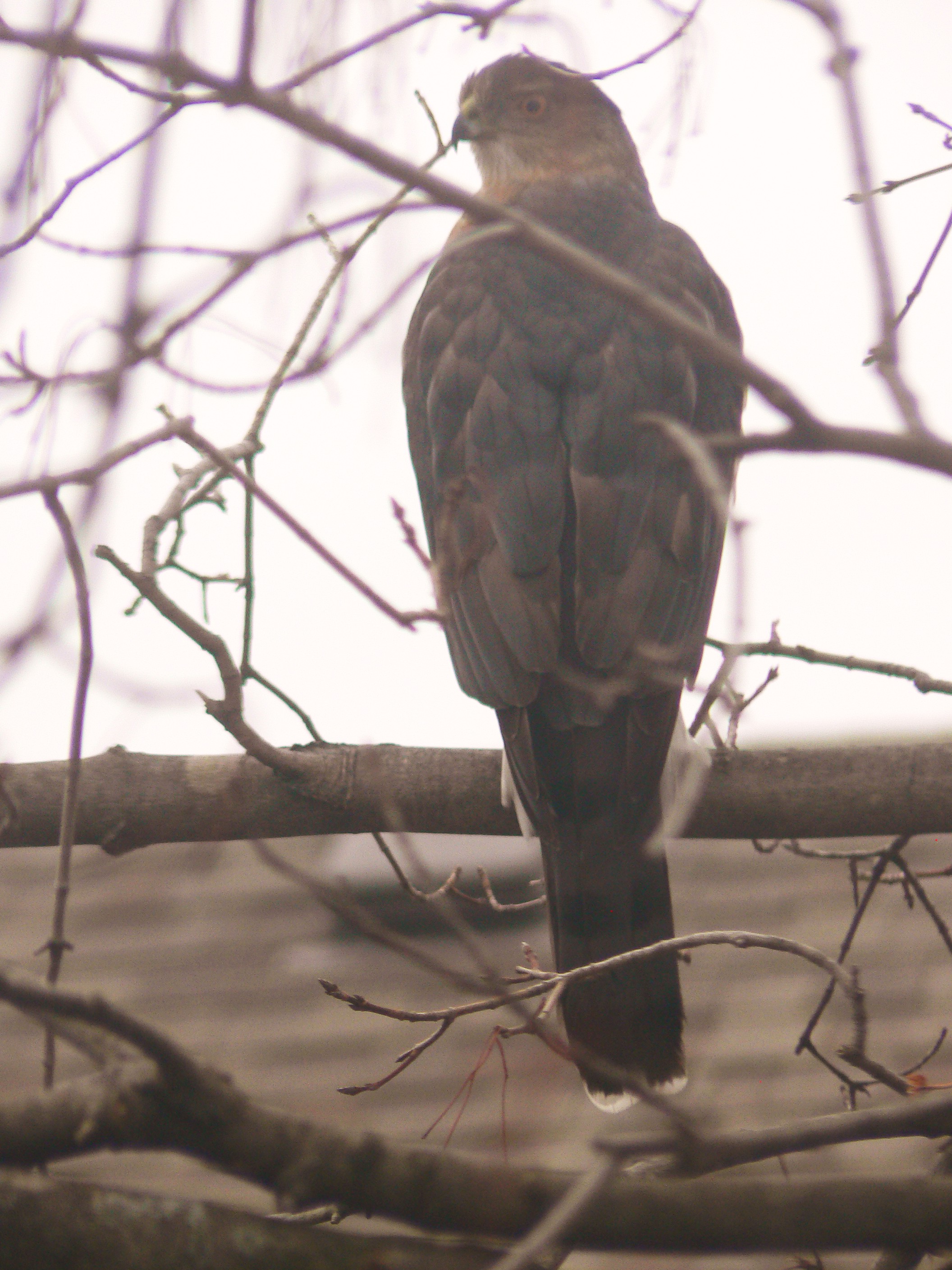
As I am typing this, a hawk has come to perch in the maple tree outside my bedroom window.  He is probably waiting for the sparrows and squirrels and cottontail rabbits that come to my garden chair looking for bread crumbs and popcorn kernels.   Here’s a shot I just took through my dingy window:

He’s still there, swiveling his head about, looking with his sharp eyes for his next meal.   It isn’t about war, it’s about food.  He takes no more than he needs.  What about us?  When we take more than we need, are we at war?  And what do we really need?

A sheltered place to bed down for the night


Fresh water, clean air, plants and sunshine

I don’t want to be burdened with war, status, power, ego or contention today.  I want to live like they live “down by the riverside”.  It seems peaceful and natural.  I could just watch this hawk all day….