

Adult Coming of Age is a Unitarian Universalist program designed to help each participant examine who they are at this unique moment in time, look back at the people and events that have shaped them in meaningful ways, and clarify the values, priorities, sacrifices, and gifts that will shape this season of life.
As spiritual beings evolving in a physical world, we are never done becoming who we mean to be, and the Coming of Age program for adults honors that at every age, we are crossing thresholds, seeking clarity, and held by circles of support.
My first homework assignment in the class is to create and share some kind of art that demonstrates my reflection on this question: “What animal are you at this stage of your adult life?”
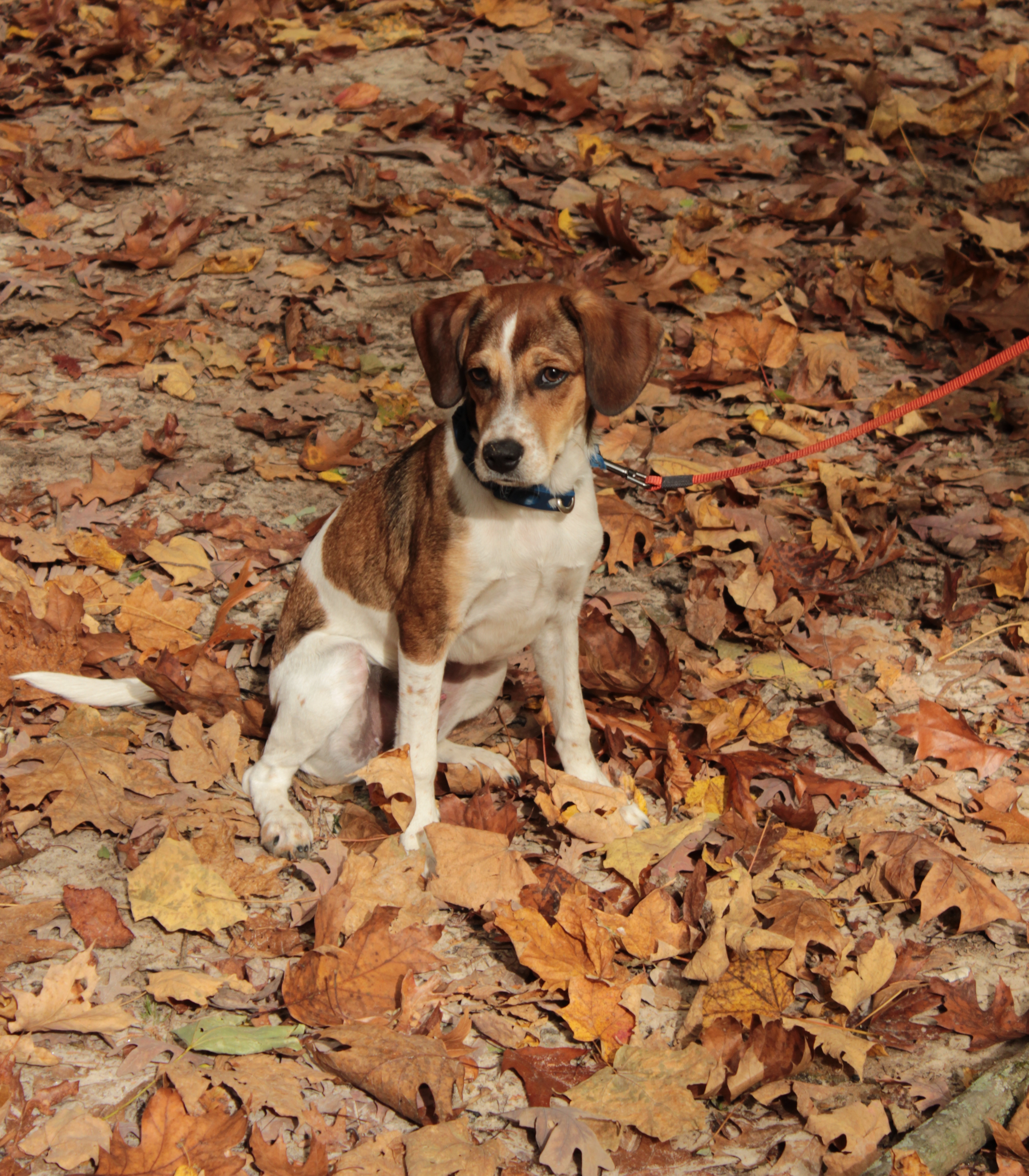
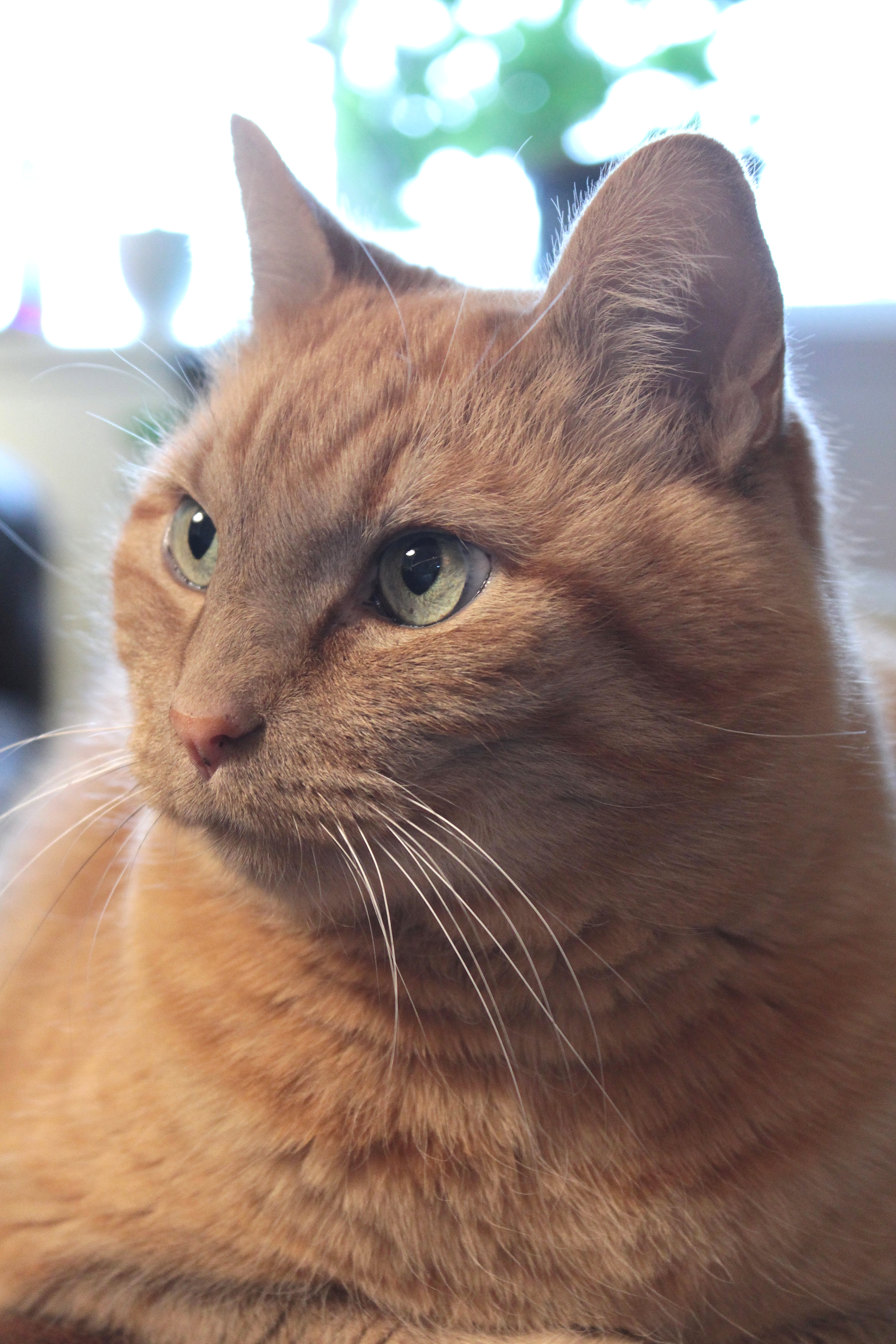
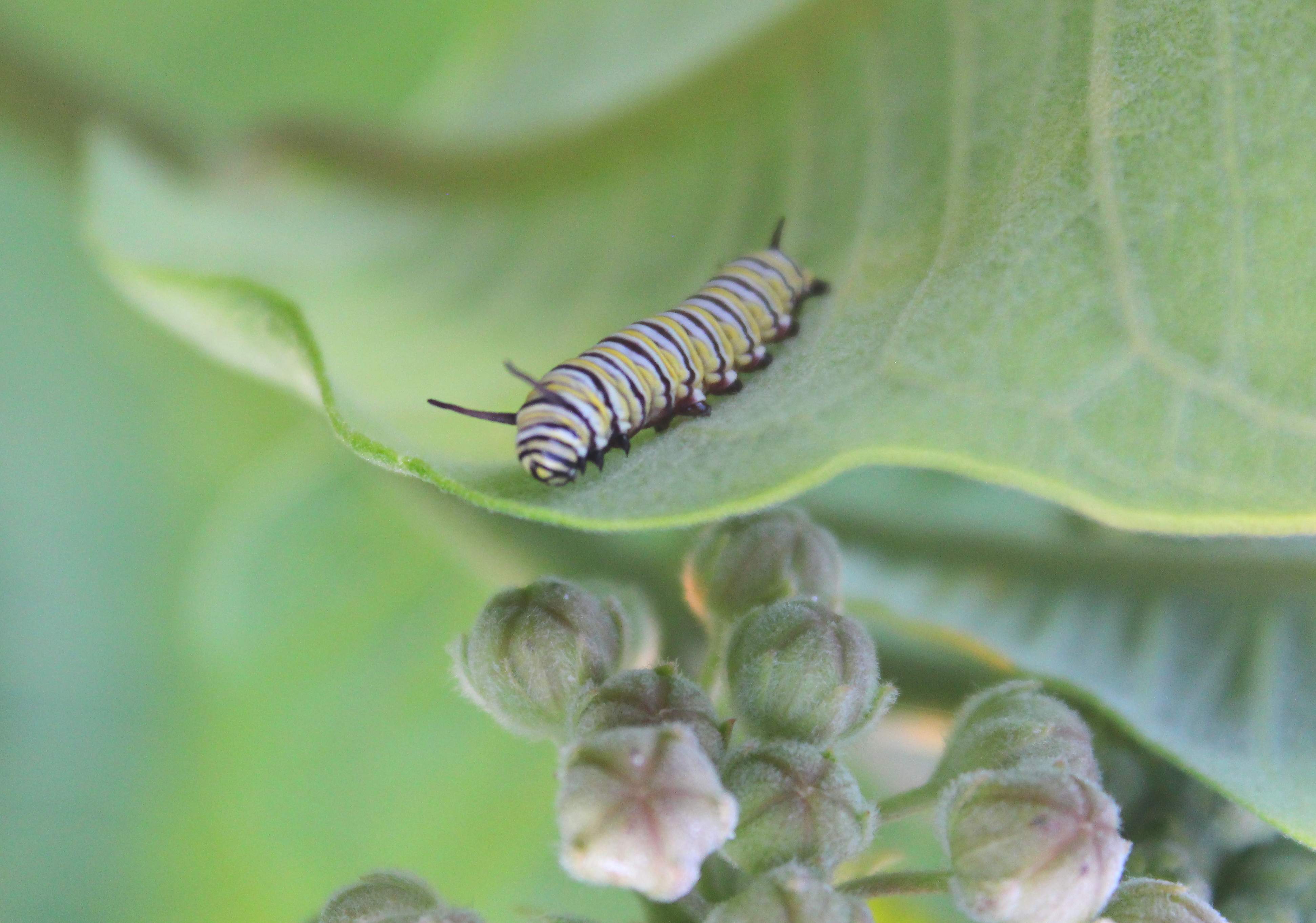

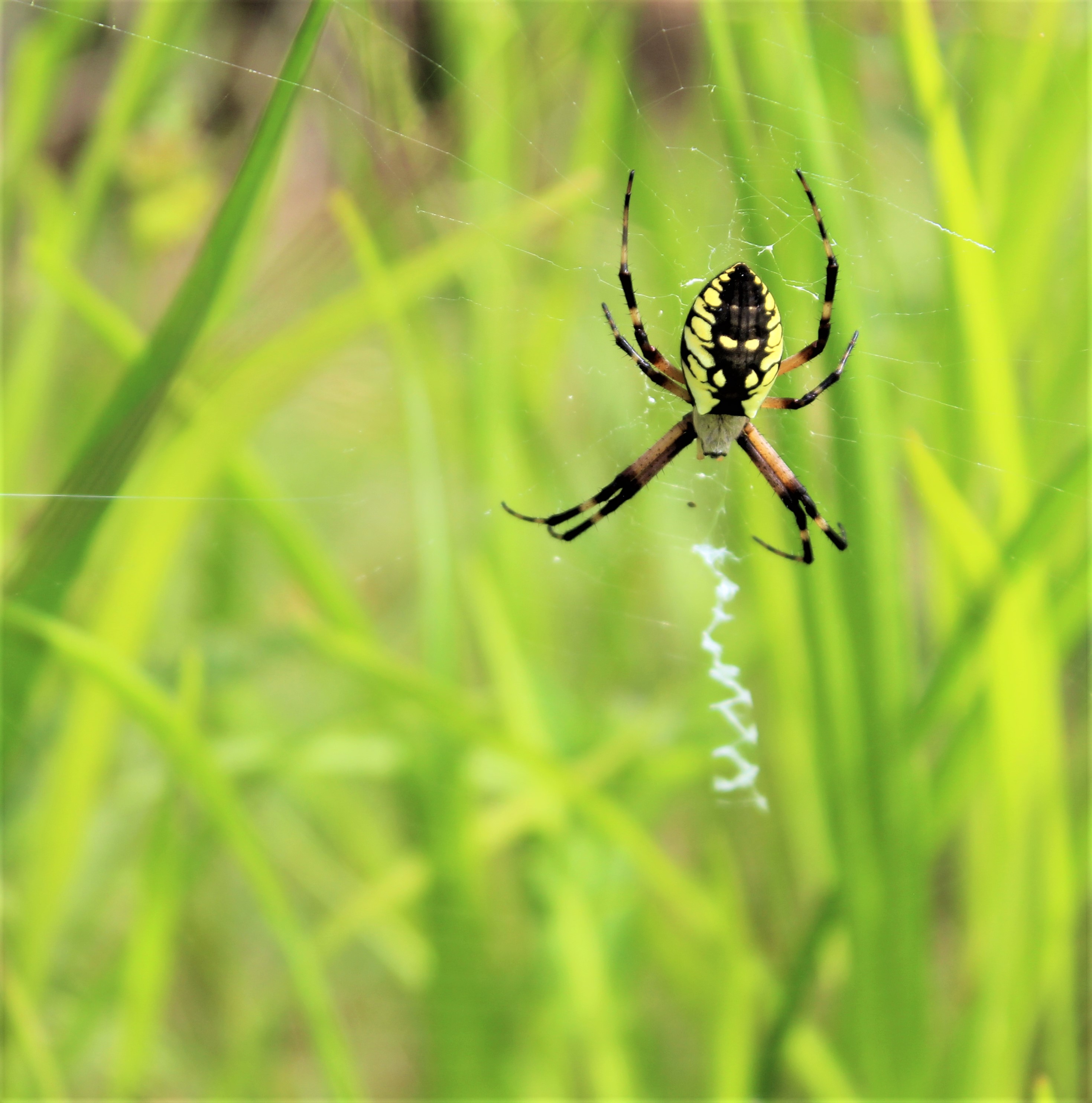

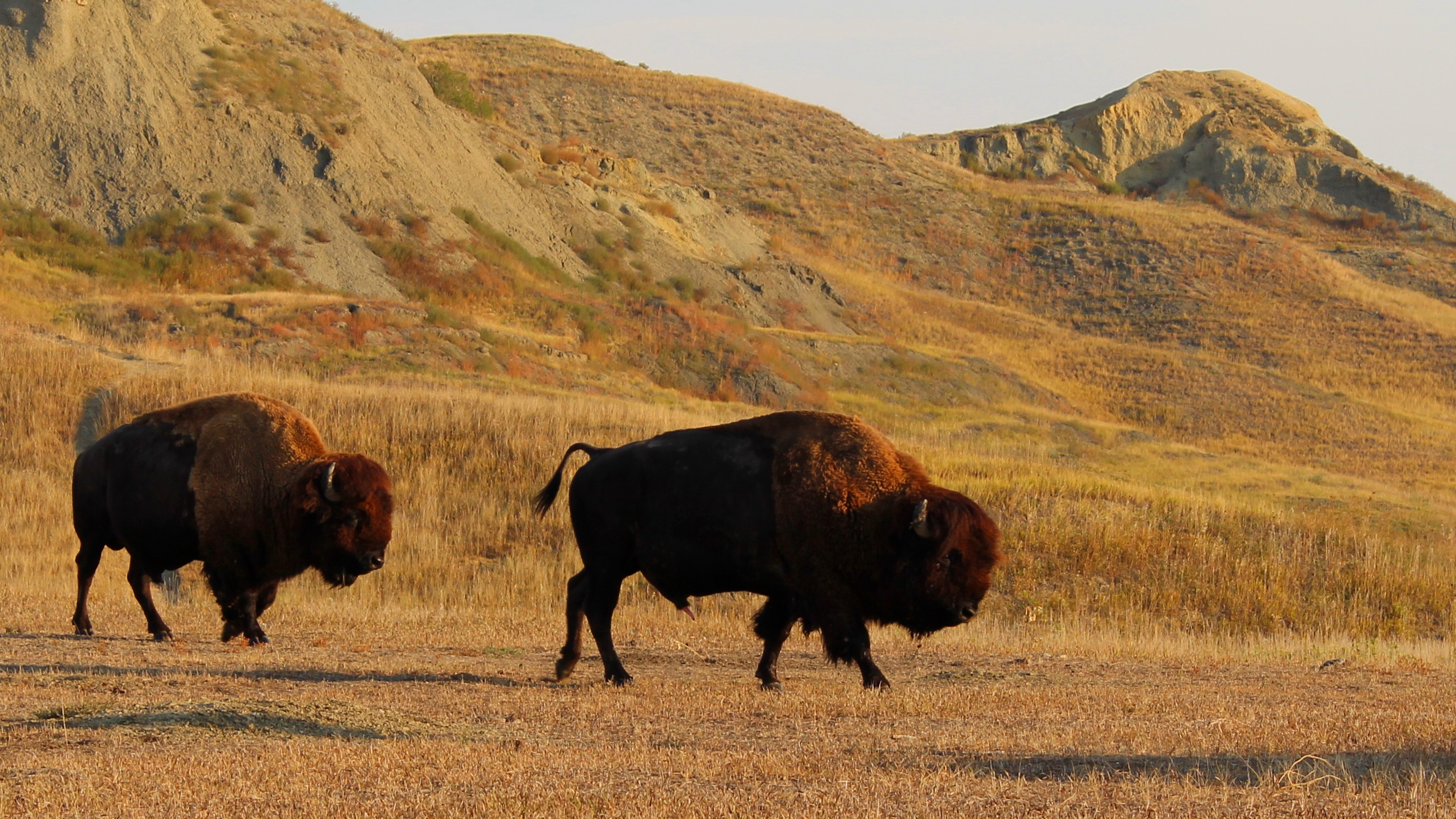
Early in my blogging life, in 2011, I created a post about my favorite animal. Since blogging, photography, and poetry are my creative expressions, I decided to blend them in a tribute to the animal who has inspired me throughout my life and especially at this stage.
“Nature’s great masterpeece…the only harmlesse great thing.” – John Donne
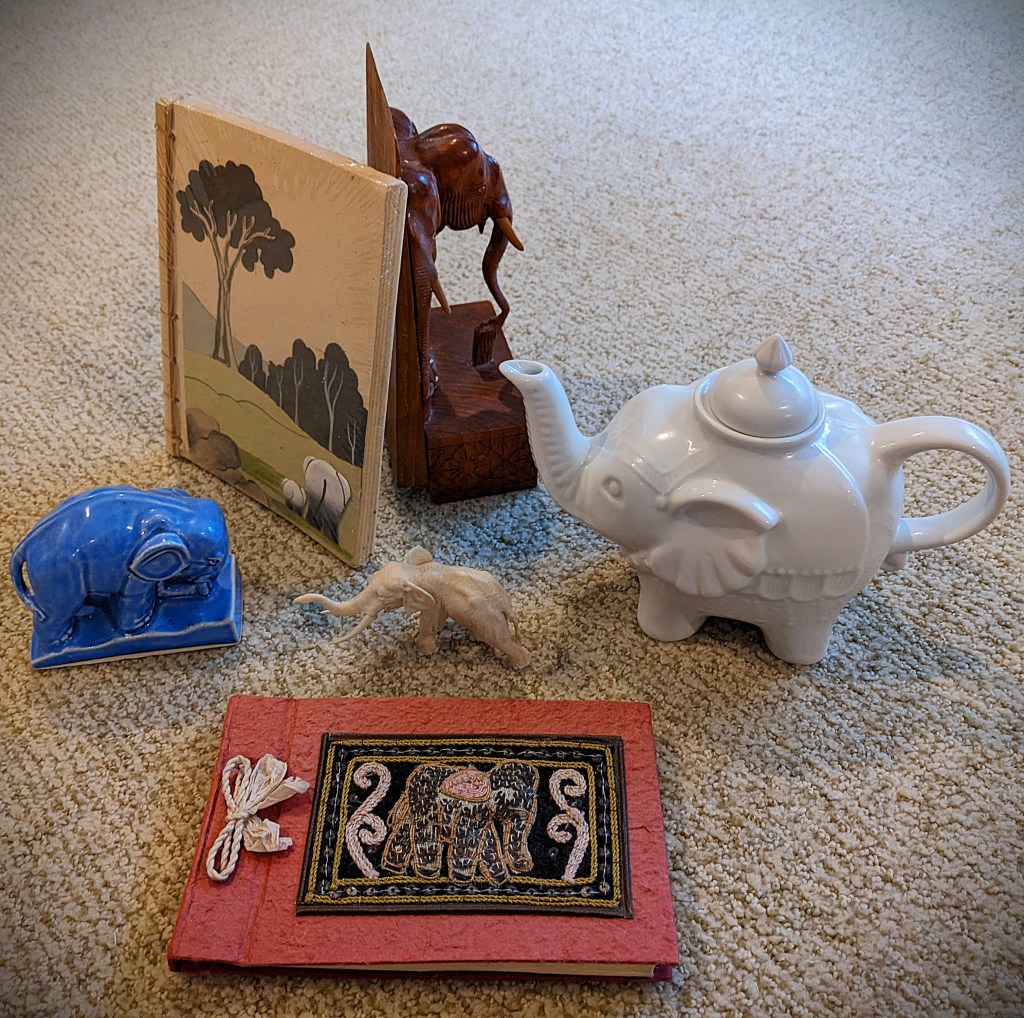
Elephants may well be my icon of choice for ancient grace. I’ve felt an affinity for them since childhood. I slept with a plush, stuffed Babar for years. He had a tattered felt crown that was especially soft against my cheek. I loved him until he literally fell apart, and then I bought a stuffed “lelepani” at the Mauna Kea Beach Hotel when I was ten. My wicker laundry hamper was even shaped like an elephant. But my favorite childhood elephant was a real one, named Bobo, who lived at the Lincoln Park zoo. I met him while he was still a baby in the zoo nursery. I could pet him right over the little wall of his enclosure, and I visited him frequently after my Art Institute class on Saturday mornings. My father snapped this photo.
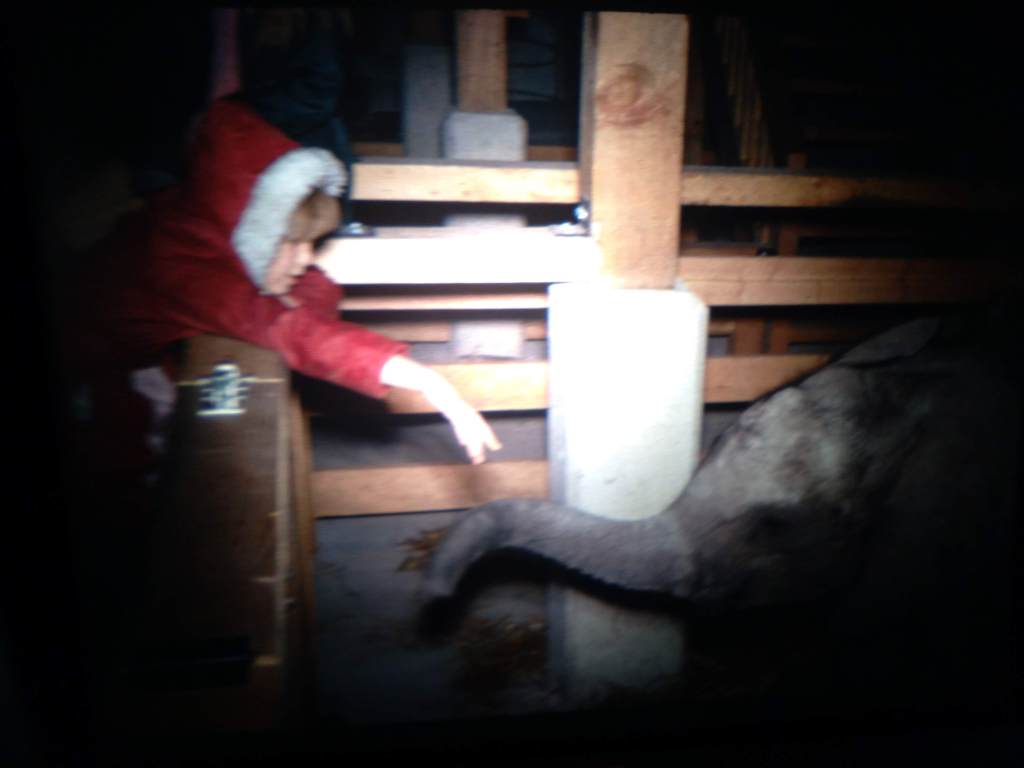
Bobo moved to the big elephant house in 1974, while I was away at Girl Scout camp, and my mother sent me newspaper clippings of the event.
I’ve been reading about elephants more in depth since then. I’ve always been in awe of their intelligence and social sensibility. The way that they communicate and support each other has been documented extensively. They mourn their dead and protect each other. Both female groups and bulls maintain social ties with others of their sex. The female herds accept the leadership of a matriarch, who is grandmother, aunt, or mother of the others, and she decides when and where the herd moves on a daily and seasonal basis. These are the warm, fuzzy facts about elephants. In a book called Elephant Destiny: Biography of an Endangered Species in Africa by Martin Meredith, I read the painful and horrid facts about their history as a species. Their systematic decimation from Roman times to the present is a shocking example of human brutality. In articles in National Geographic and Smithsonian you can read about the ongoing war with poachers who trespass on national park land for the opportunity to sell tusks on the black market. Armed with semi-automatic weapons and axes to hack the ivory from the animal’s skull, they leave behind a devastating scene of carnage that the rest of the herd internalizes, exhibiting increasing fear and mournfulness.
At this stage in my life, I feel kinship with elephant matriarchs. Remarkably, elephants continue to grow physically throughout their lifetimes. Raising a family, grieving deaths, and seeking scarce resources while avoiding the dangers of human predators resonates with my lived experience as a human mother. I aspire to be a wise, evolving matriarch.
The Matriarch – by Priscilla Galasso
Great, gray folds surround a wet eye fringed with
Long, dusty lashes not yet moistened by her tears.
She sways ponderously,
rhythmically swinging her sensitive, seeking trunk.
Her huge head, heavy with memories and maps
Surges forward with each tremendous tiptoe.
Surrounded by sisters and children,
She journeys through perilous wilderness,
Ever growing, ever onward,
Ever mindful of the needs of her kin.






























 scillagrace