“A habitat is a place where an organism makes its home. A habitat meets all the environmental conditions an organism needs to survive. For an animal, that means everything it needs to find and gather food, select a mate, and successfully reproduce. For a plant, a good habitat must provide the right combination of light, air, water, and soil.” – from the National Geographic website
Star Solomon’s Seal, Marys Peak in the Oregon Coastal Range
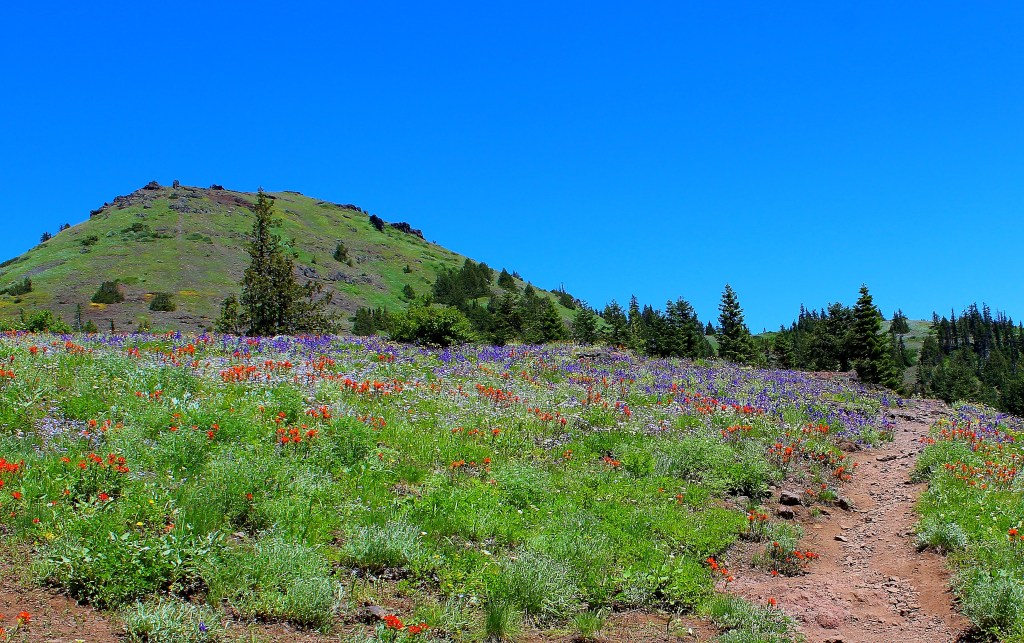
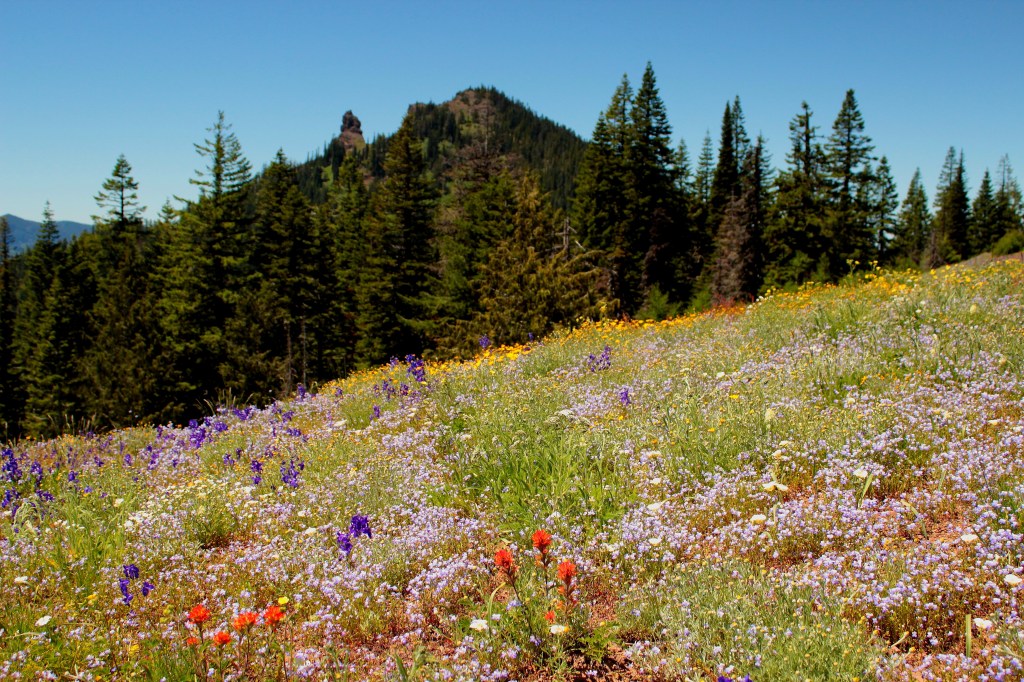
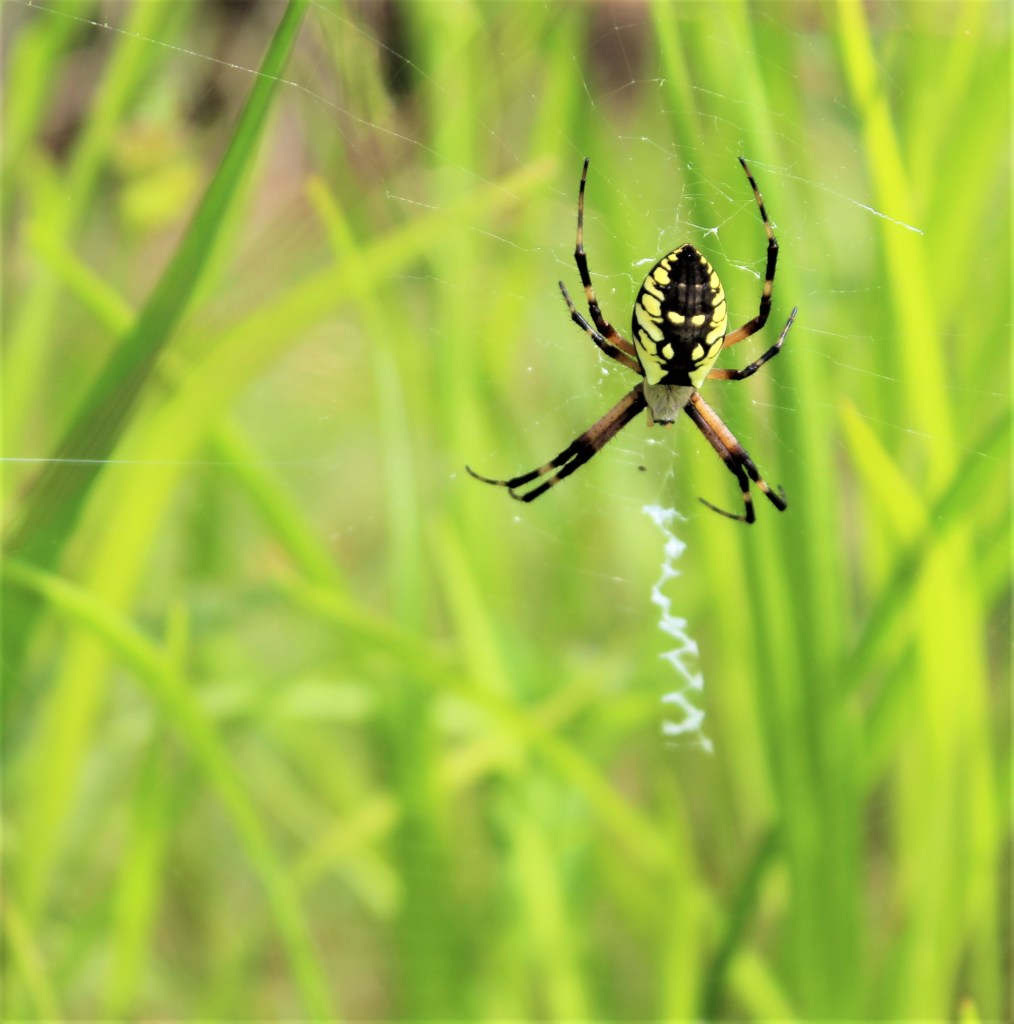
It is wildflower season in the mountains of Oregon. Hundreds of native pollinators are gathering food, spreading pollen, and laying eggs. It’s a “FEED AND BREED” fest that is breathtaking to behold, especially with a backdrop of snow-capped volcanic peaks.
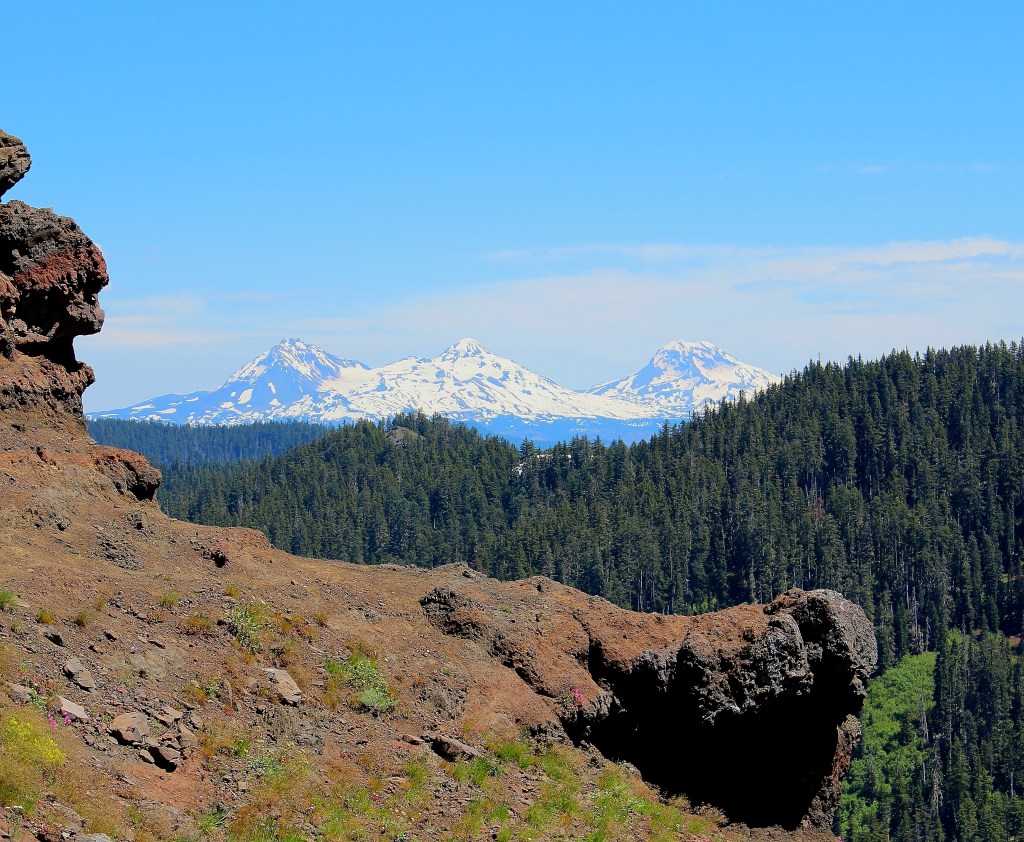
Cone Mountain meadowIndian paintbrush, Menzie’s larkspur, cat’s ear, etc. on Cone Peak, looking at Iron Mountain in the Cascades.The Three Sisters, Cascade Range
I hiked the Cone Peak-Iron Mountain Loop trail on Tuesday. The high point was the observation deck at the top of Iron Mountain, 5440 feet above sea level. From there, several snow-topped volcanic peaks along the Pacific Rim range are visible: Mt. Hood, Mt. Jefferson, the Three Sisters, and Diamond Peak. My friend and I had hiked under utterly cloudless skies for hours. From the summit, though, we sighted some clouds gathering southwest of the Sisters. One looked suspiciously vertical and grayer than the rest. Could it be smoke? When I got back home, I looked up the wildfire news. Sure enough, a wildfire near La Pine, Oregon, had started. The latest report says that the “Darlene 3” fire is 42% contained and has burned 3,889 acres as of Thursday.
Wildfires are a huge threat to habitat here in the Pacific Northwest – for plants, animals, and humans. In others parts of the world, flooding is the greatest threat. Both are linked to the warming of our planet’s atmosphere, which I believe is the most destructive and catastrophic phenomenon in human history. I grieve habitat loss and climate change deep in my soul. For my sanity, I witness the beauty of Nature and photograph what I can, when I can. May this testimony stand with others as an inspiration to make adjustments to the human habits that effect and dominate our global habitat.
My thanks to Tina for her stunning wildlife photos and her invitation to consider Habitat. Do visit her post HERE.
What supports and informs the action playing out in the foreground?
There is always so much more history to a scene than we can ever imagine. Eons of evolution, dependent and co-arising, have gone into this particular instance and presentation of matter.
Background is a LOT. It can be overwhelming and distracting. Sometimes we minimize it in order to pay attention to the immediate subject.
Perhaps there is great wisdom in the practice of selecting and managing the background to our focus and our living when possible, while being humbly aware that there is so much more involved. We are all part of an interdependent web of life.
There is always more than we can comprehend at play. Be kind. Be humble.
Thank you, Ritva, for inviting us into this challenge. Do visit HER POST to learn great tips on background composition.
“She would only point out the salvation that was latent in his own soul, and in the soul of every man. Only connect! That was her whole sermon. Only connect the prose and the passion, and both will be exalted, and human love will be seen at its height. Live in fragments no longer. Only connect, and the beast and the monk, robbed of the isolation that is life to either, will die.” – E.M. Forster, Howard’s End
My mother, a Radcliffe English major, used to quote Forster often. “Only connect!” she’d say, referring to a variety of ways that she’d joined thoughts and anecdotes and facts and trivia. I was mystified by this reference for a long time. I wrote a poem about her once, comparing this practice with my visual memory of her pairing up socks while sorting laundry. Helpfully, a Google search has led me to a new interpretation of that quote. The connection of prose and poetry, of head and heart, of physical, sexual, spiritual and intellectual energy alluded to in Forster’s novel reminds me of the theme in the 1927 film Metropolis – the intersection of industry and humanity.
I searched my recent photos to find illustrations of this concept. I quickly realized that I’d set my aspirations pretty high. I’m reaching for artistic expression that mirrors sweeping novels and ground-breaking cinema in my amateur snapshots! Well, let’s embrace that absurdity. Why not?
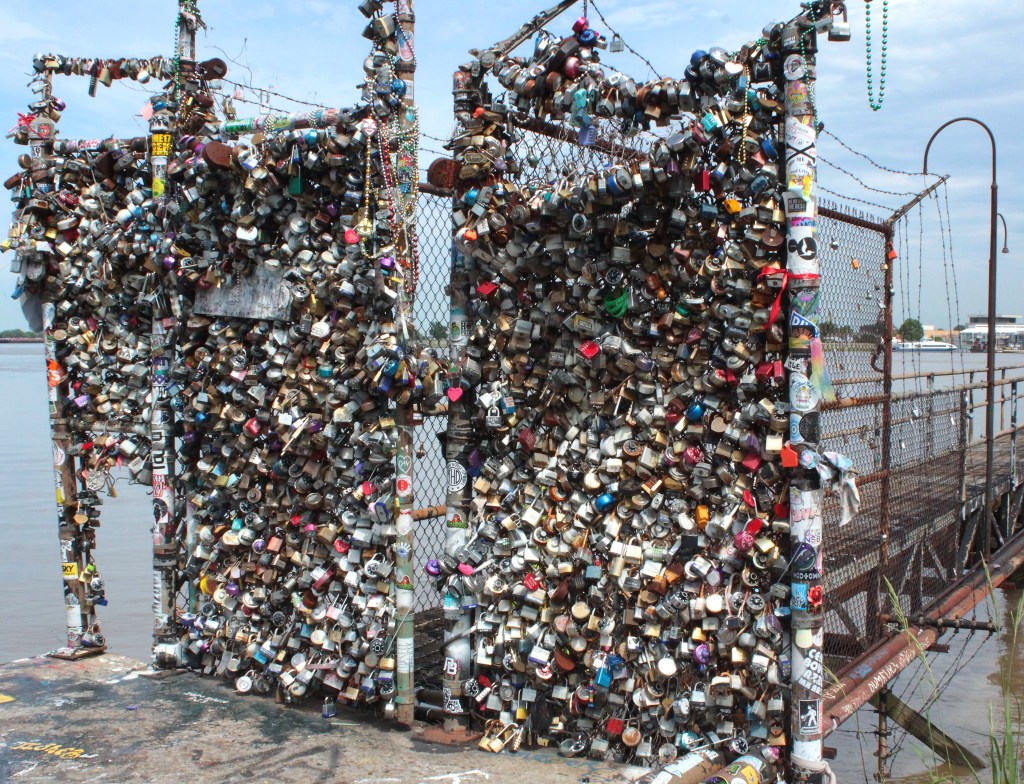
I finally came across a display of Love Locks on this pier on the Mississippi River in New Orleans. Here’s an AI generated summary of this cultural phenomenon (nodding to John’s challenge of last week): “Love locks, or padlocks of love, are a way for couples to symbolize their love by attaching them to a public fixture, such as a bridge, fence, or statue. The locks are often engraved with the couple’s names or initials, and sometimes the date, and the key is thrown away to symbolize their unbreakable bond. The tradition is thought to have originated in Serbia over a century ago when a young woman named Nada died of heartbreak after her lover was unfaithful. Inspired by her tragedy, local women began attaching padlocks to bridges with their names and those of their loved ones. The poet Desanka Maksimović later memorialized the story in a poem that helped spread the practice around the world. Today, love locks can be found in many cities: Paris, Cologne, Malta, Mount Huangshan.”
How do you anchor passion and hope? How do you create loving connection that endures in this technological age?
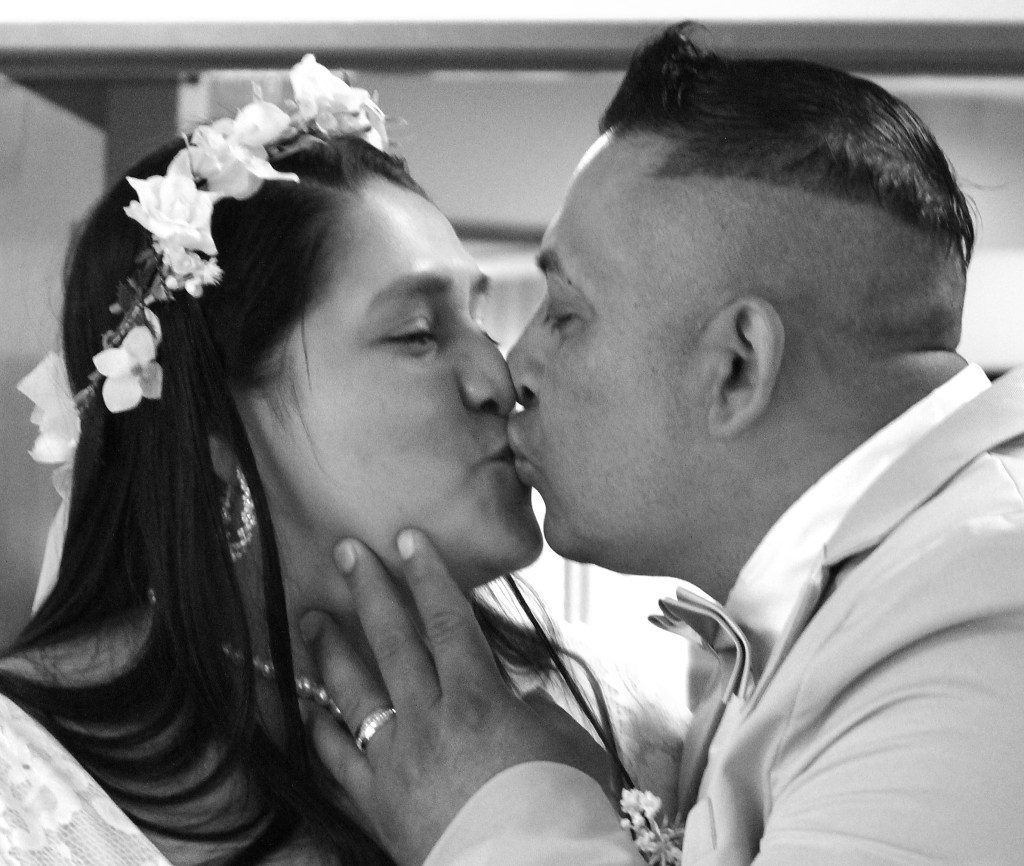
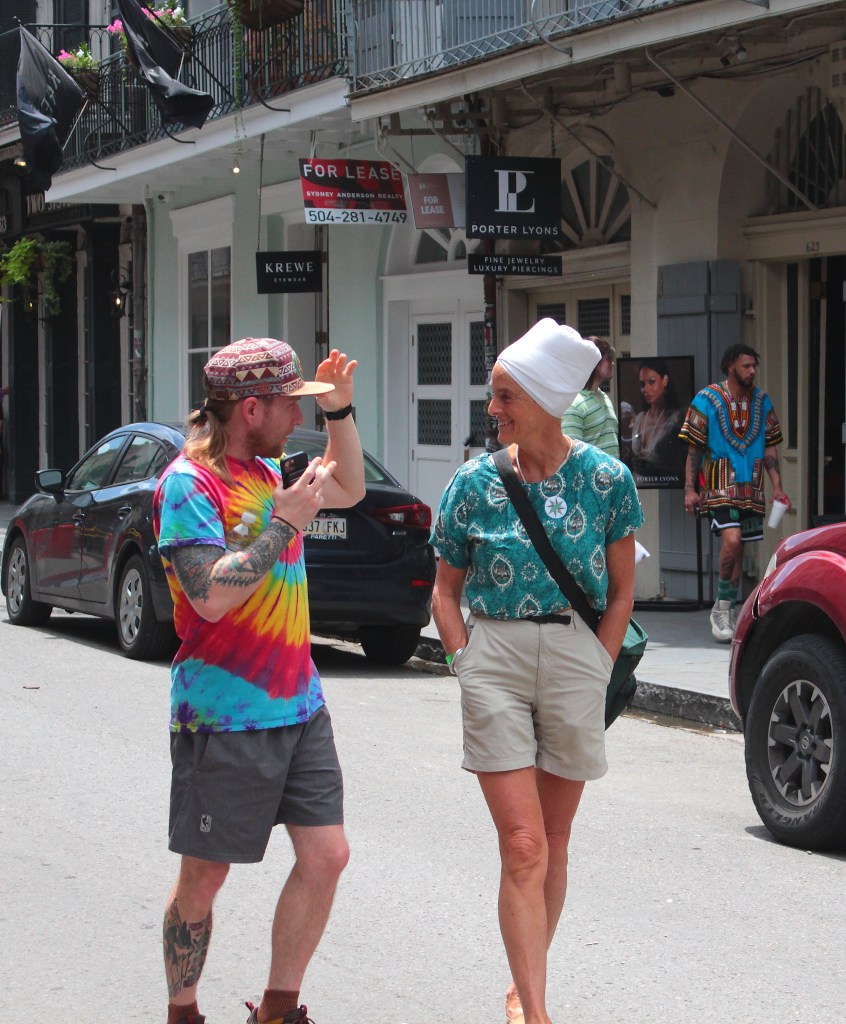
I find a precious connection in this moment between my sister and my son-in-love. It depicts two different generations connecting face to face, while his cell phone is idling in his hand.
This modern world can be overwhelmingly distorted and fragmented, filled with hard angles that force our soft bodies into tight spaces. How do we live in connection with all this, in right relationships where we are good for and good with the world around us?
Donna at Wind Kisses initiated this wonderful online connection between us Lens-Artists. Do go visit her post HERE for beautifully illustrated and intricate connections in Italy, Greece, and Turkey.
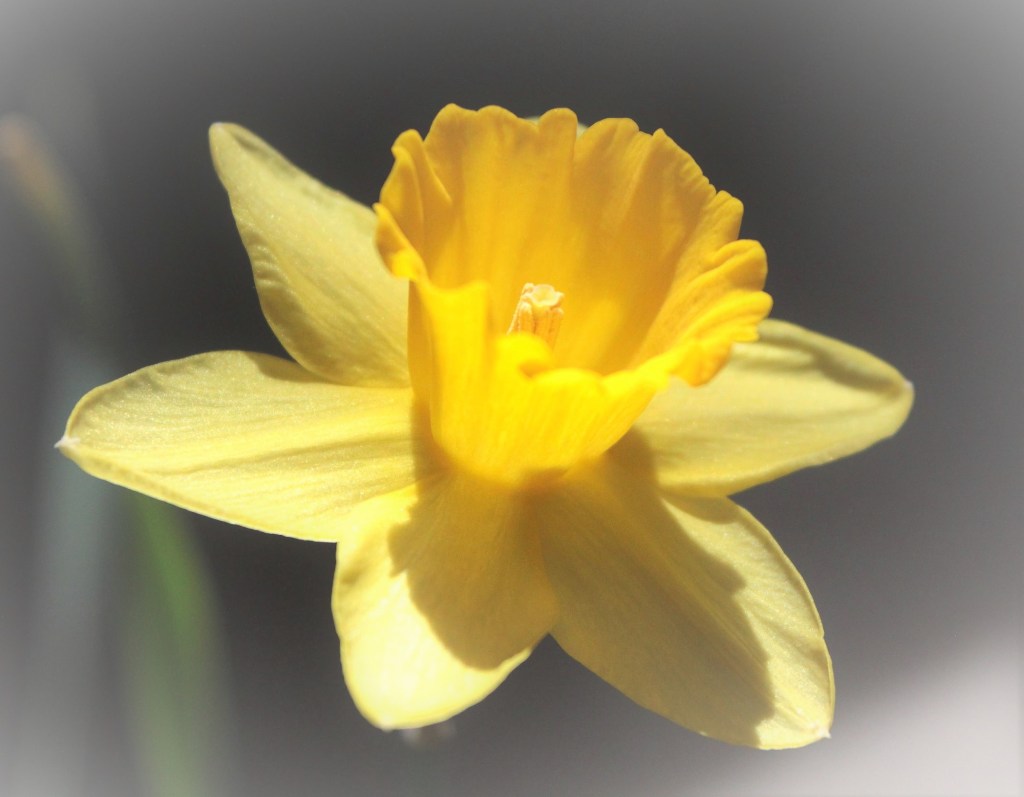
Flowers speak a language of sentiment and memory, fragrant with associations of all kinds. Think of the vast variety of colors and names of flowers and imagine all the stories woven by combinations of these. There are historical records of assigning meaning to certain flowers – from Shakespeare to the Old Farmer’s Almanac and beyond. I have my own stories with these recent photos that I took.
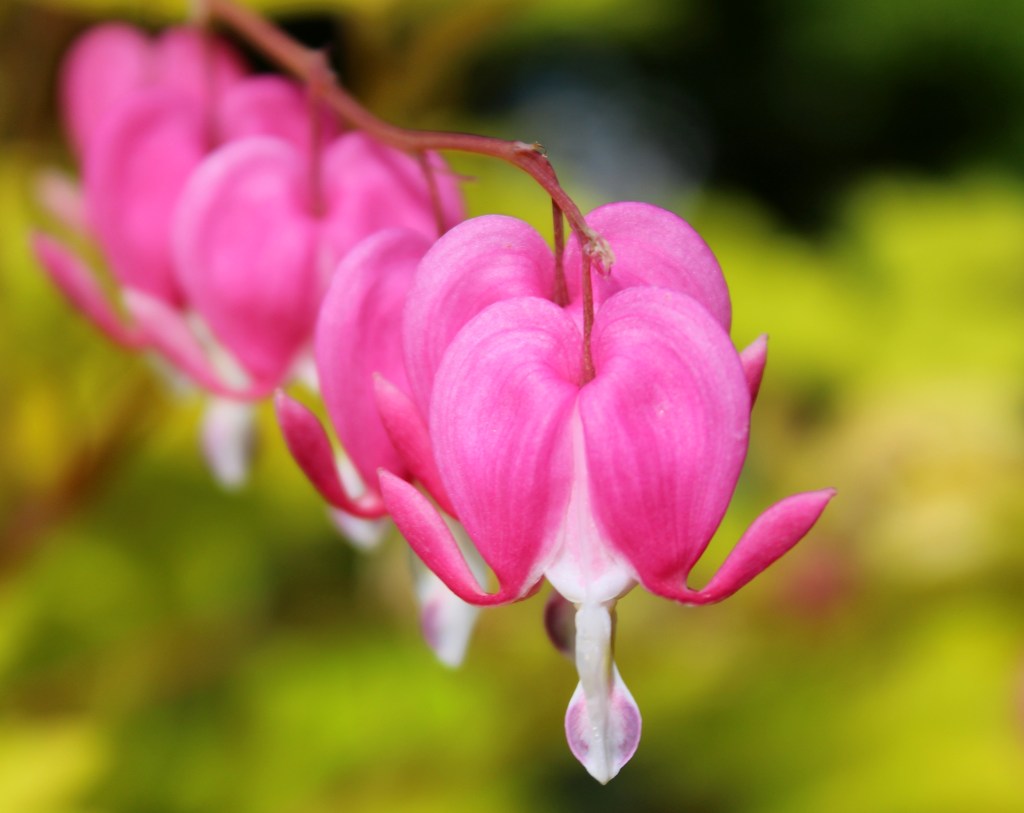
Bleeding hearts will always remind me of my oldest daughter. They bloomed beside her first home in Wisconsin, and she has tattoos featuring their symbolic shape. When I see this row of bleeding hearts, I think of a parade of sensitive souls backing each other up. They could be my daughter and her friends.
I didn’t realize I captured a raindrop on the edge of this rose as I snapped this picture this morning. Now that I see it in close-up, I think of a brave droplet scaling an orange Everest. Orange roses signify “enthusiasm”, according to one list. Maybe this flower’s message to me is “don’t let it rain on your parade”!
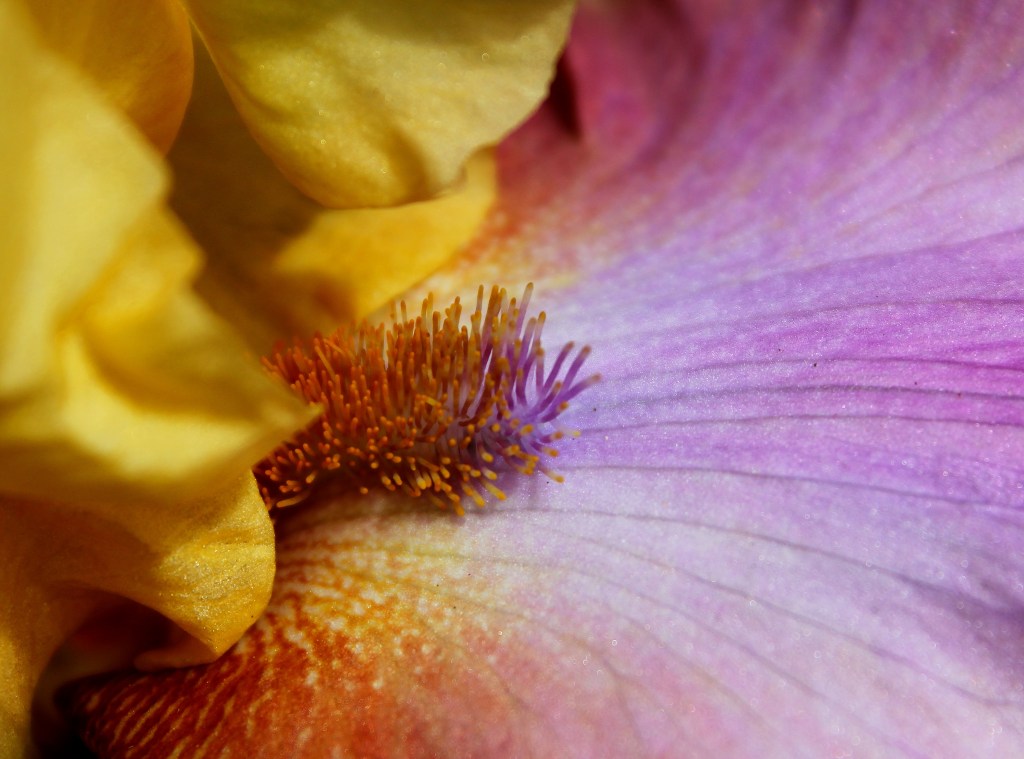
Looking deeply into the center of a bearded iris is like diving in a coral reef. The vibrant color and fanciful shapes create a magic world.
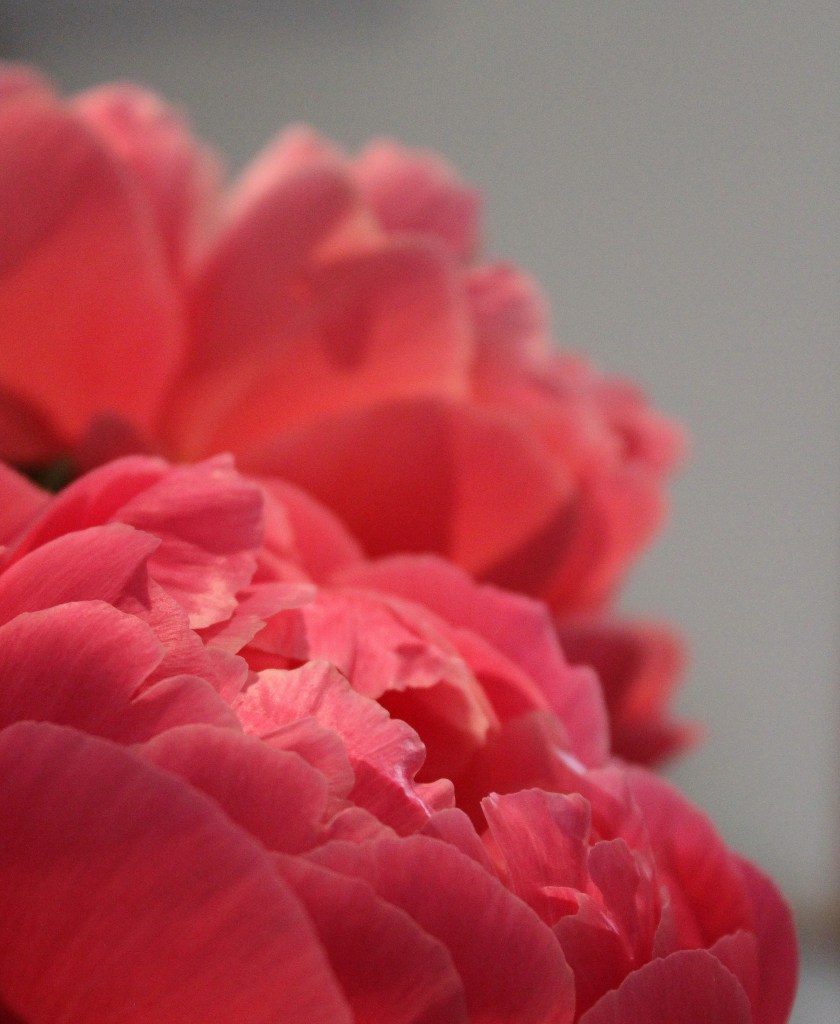
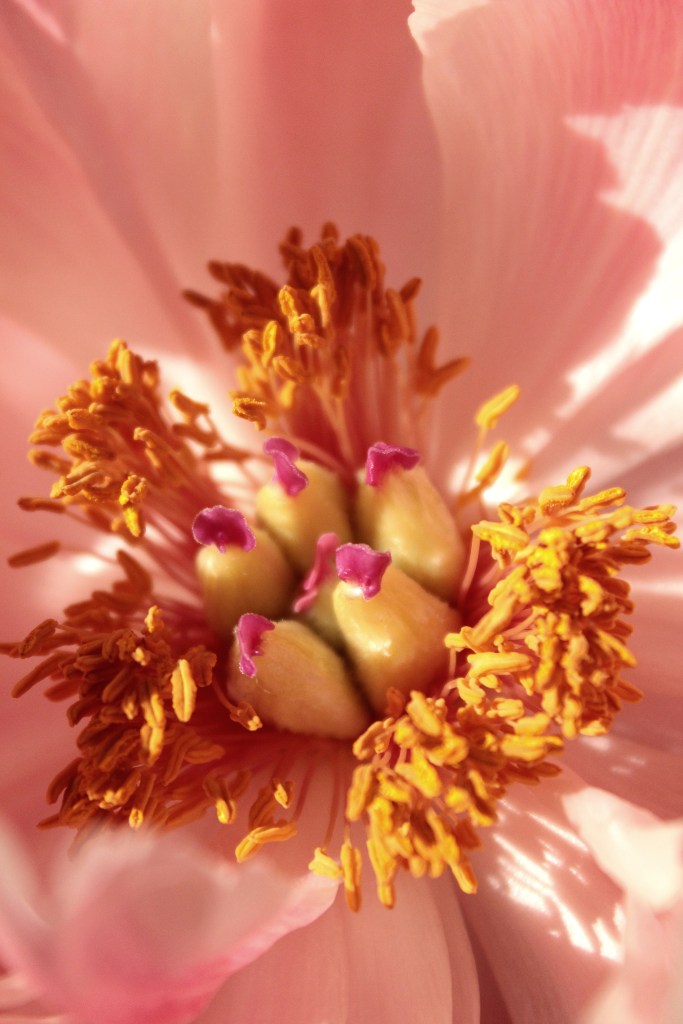
The following four shots exist to preserve the Mother’s Day peonies I received from my oldest daughter. I took them over a few days’ time. In my mind, Danny Kaye is singing about The Peony Bush there in his garden. I am struck at how their petal pattern resembles an artichoke’s leaves and surprised at how they seem to explode over time, compact spheres opening and fading like graceful grenades.
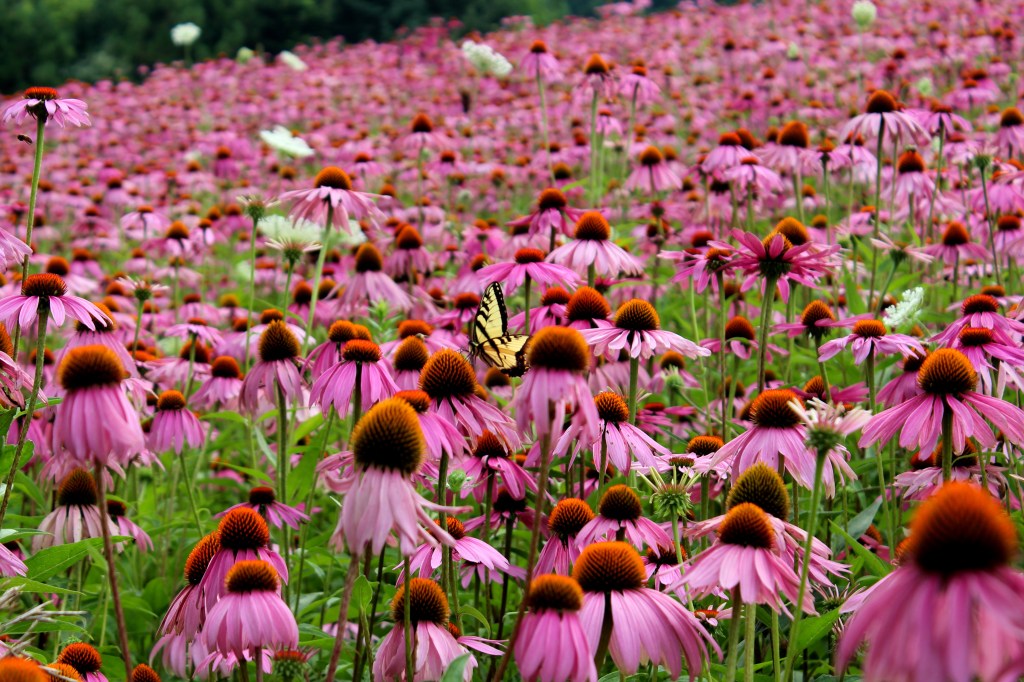
A flower is so fascinating up close, a world in itself. But what if there was a whole landscape of flowers as far as your eye could see? I have seen wildflowers (lupines, shooting stars, spring beauty, trout lilies) covering hillsides, and they have taken my breath away, like the sudden and ephemeral serendipity of a rainbow. I feel a bit differently when I see flowers as crops. It’s more manufacturing than magic, to my mind.
I can’t help feeling incredibly lucky to live on a planet with flowers. There is beauty to behold just bursting forth from the dirt underfoot! What an amazing gift.
Thank you, Sofia, for hosting a Flower Fest here this week! Click HERE to see her challenge post.
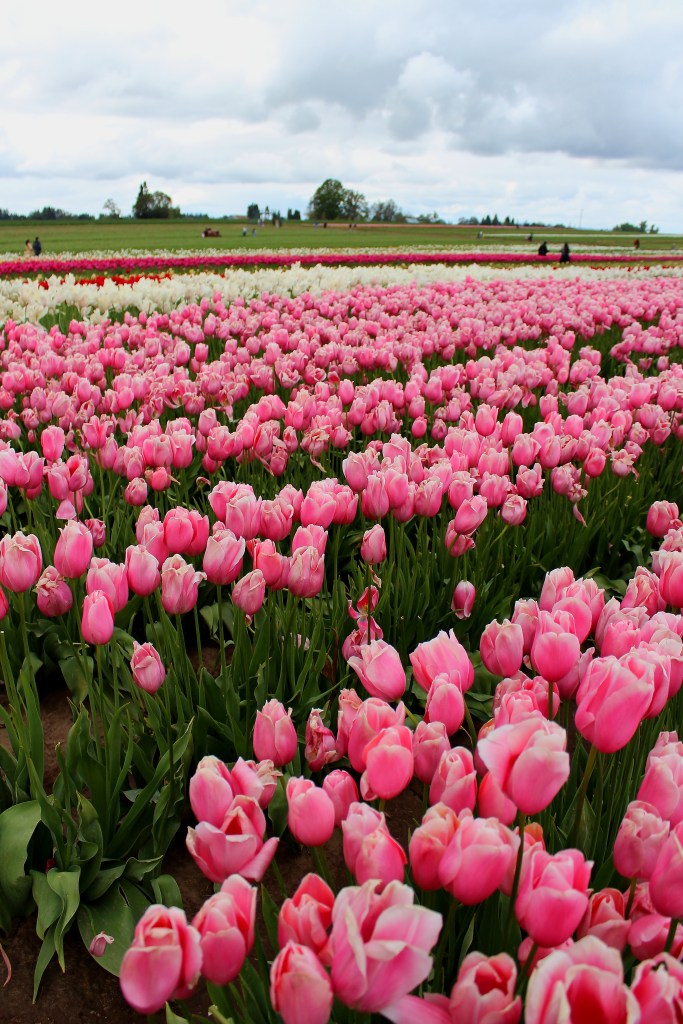
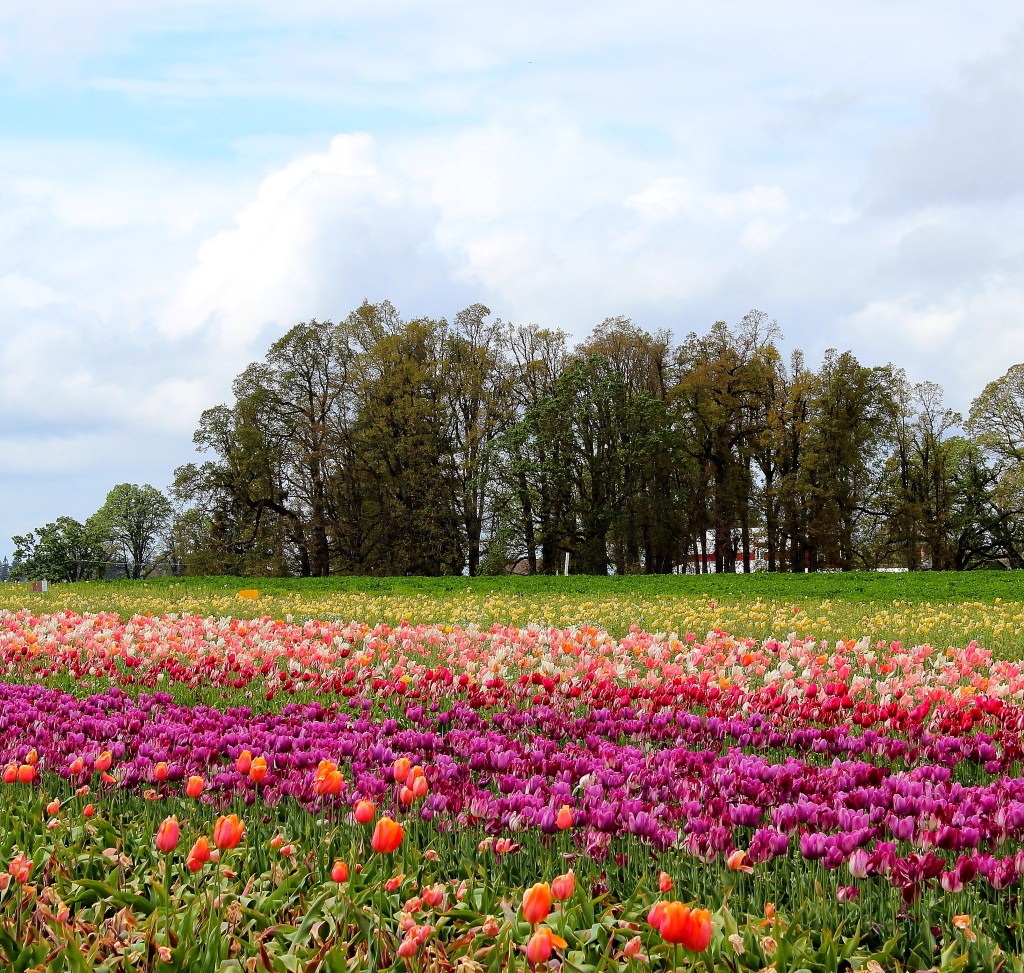
Yesterday, I went to a Tulip Festival at the Wooden Shoe Tulip Farm in Woodburn, Oregon. I didn’t tiptoe there; we drove. My fantasy and hope was that I would be able to photograph the rows of colorful blooms from up, up, and away in a hot air balloon.
However, looking at the clouds from both sides, it became evident that stormy weather would mean that the hot air balloons would be grounded.
It was the last day of the festival, and I learned that soon the blooms would be cut to ensure that the plants’ resources would be stored in the bulbs for harvest later. In a short time, coming across these rows of decapitated tulips, you might wonder “where have all the flowers gone?”.
We ended up spending only a hour at the festival, seeking shelter from the intermittent rain by driving country roads singing along to my John Denver CD. The reality of the adventure was not at all similar to any expectations I had, but I think the outcome was in perfect harmony with the circles that I find in the windmills of my mind.
Thanks to Egidio for this super creative Challenge!! Click HERE to see his inspiring idea illustrated in beautiful photos.
“There is no abstract art. You must always start with something. Afterward you can remove all traces of reality.” ― Pablo Picasso
“Energy and motion made visible – memories arrested in space” ― Jackson Pollock
“But nobody is visually naive any longer. We are cluttered with images, and only abstract art can bring us to the threshold of the divine.” ― Dominique De Menil
I imagine the gift of abstract art is the nudge toward seeing things in a completely different way. Our attachment to “reality” is often a symptom of fear. When we are propelled away from the familiar, we have the opportunity for new discoveries, new wonders, new experiences of the divine creativity of the Universe. We risk being changed forever.
Thank you to Ritva for this invitation to explore abstracts! Click HERE to see her amazing examples.
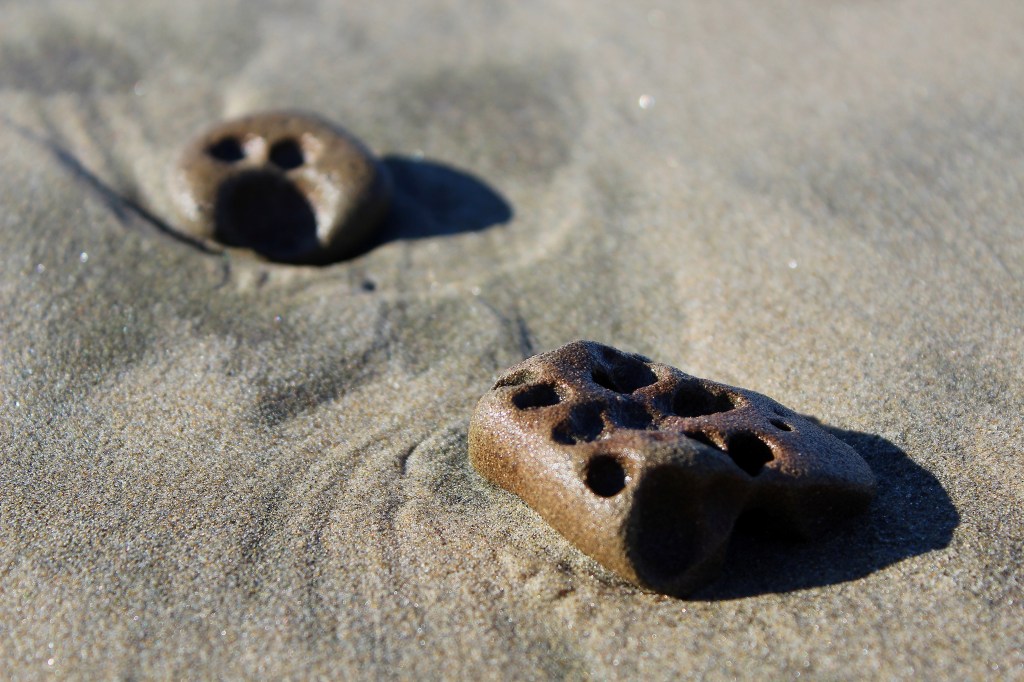
Respect and reverence for the natural world seems to me a fundamental response to the age-old human questions, “Who am I?” and “What am I doing here?” We are elementally Earth Beings, located in space, looking to orient our lives in some sustainable balance. Traditions that honor the Four Directions speak of Rock or Earth as the element to the North.
“There is stability here, the ground of our being. The north represents the place that holds us, that allows us time and space to heal and grow, to feel nurtured and respected. It is also the place of embodiment, of connecting with our physical self, with the concrete, tangible world around us. The north calls to you if you are seeking balance, the deep wisdom that lives in your bones, a place of rest and recovery.” – Julia Hamilton
Inaugural Poem (excerpt) – Maya Angelou
A Rock, A River, A Tree
Hosts to species long since departed,
Marked the mastodon.

The dinosaur, who left dry tokens
Of their sojourn here
On our planet floor,
Any broad alarm of their hastening doom
Is lost in the gloom of dust and ages.

But today, the Rock cries out to us, clearly, forcefully,
Come, you may stand upon my
Back and face your distant destiny,
But seek no haven in my shadow.

I will give you no more hiding place down here.

You, created only a little lower than
The angels, have crouched too long in
The bruising darkness,
Have lain too long
Face down in ignorance.

Your mouths spilling words
Armed for slaughter.

The Rock cries out today, you may stand on me,
But do not hide your face.
Thank you to Donna of Wind Kisses for inviting perspectives on how to Rock Your World. May you be grounded today, in balance and peace.
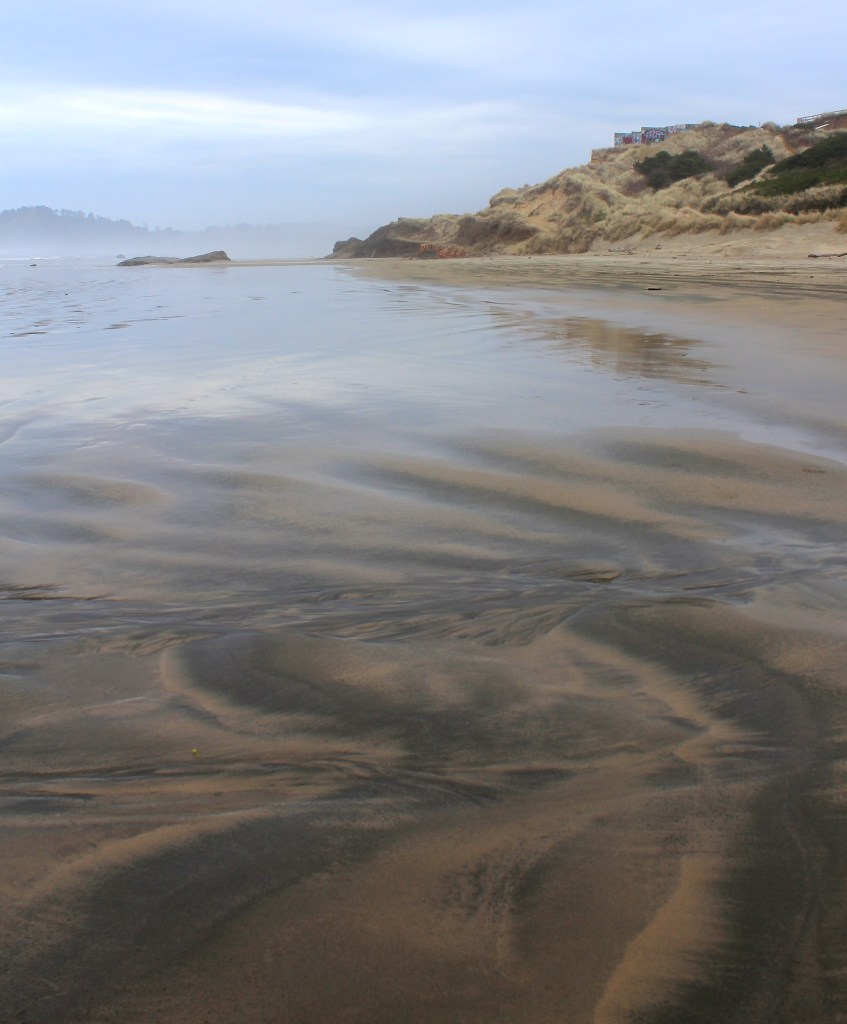
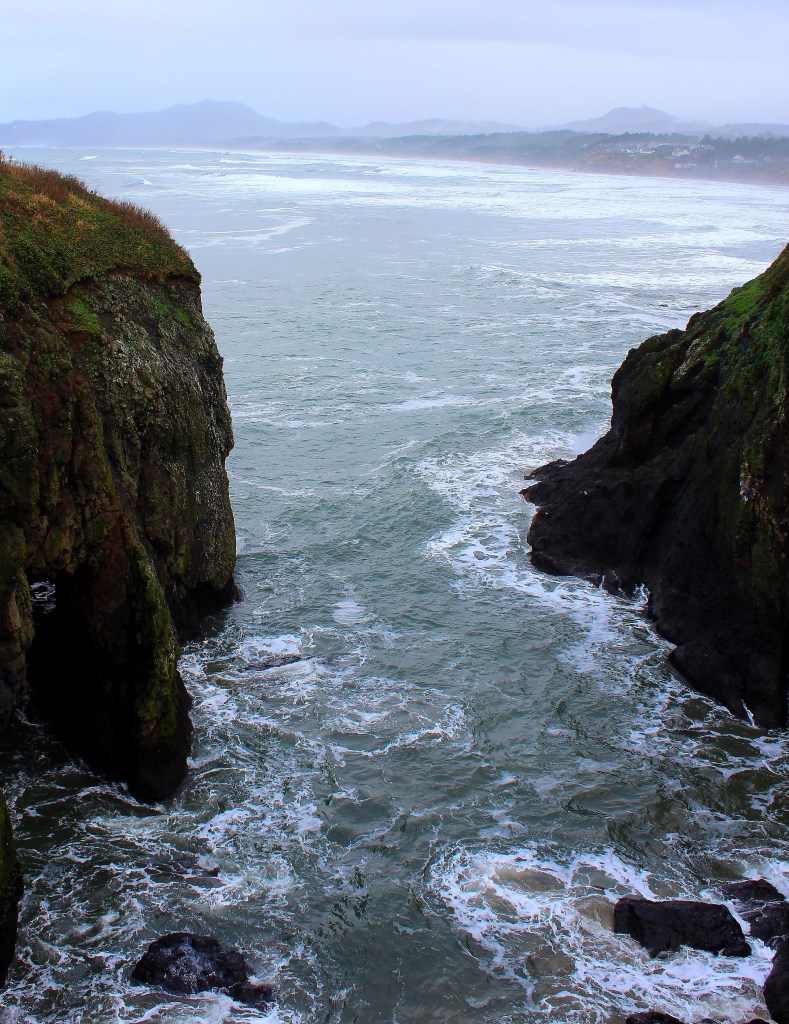
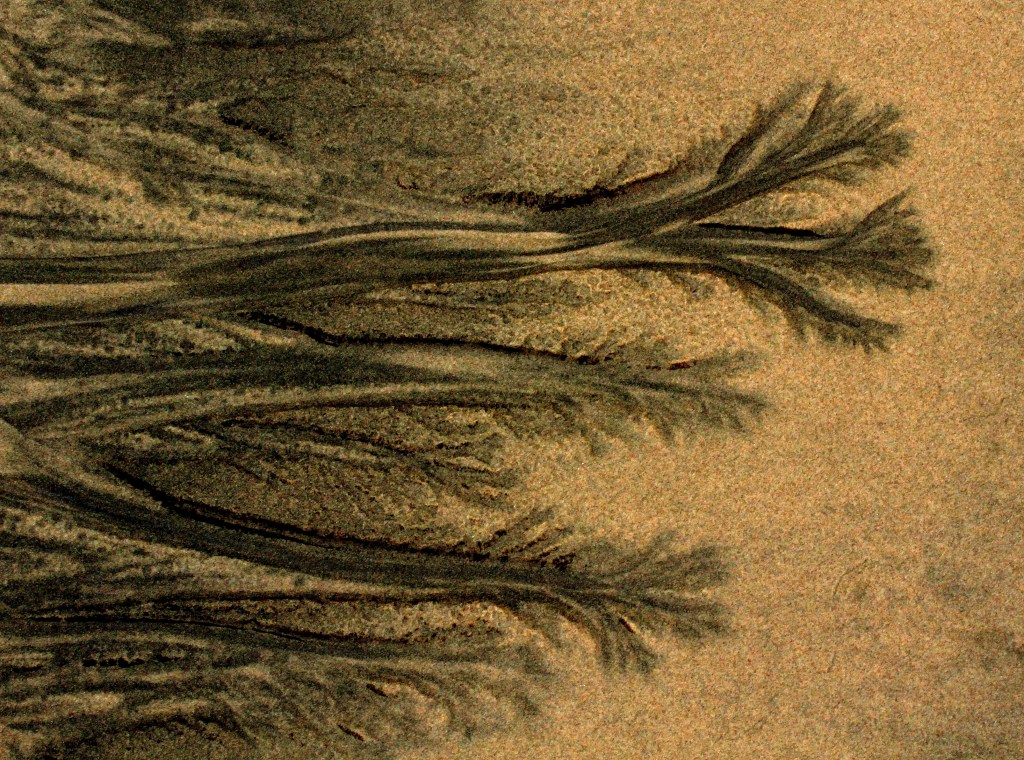
Water moves through everything on this planet – landscapes, plants, rocks, animals, you, and me. There are so many fascinating words for this movement: erosion, guttation, evapotranspiration, infiltration, percolation, perspiration, etc., etc.
The movement of water touches everything and transforms it somehow. Everything around us is in a state of flow.
“The only way to make sense out of change is to plunge into it, move with it, and join the dance.” ― Alan Wilson Watts
Running Water – by Alfonsina Storni (translated by Muna Lee)
Yes, I move, I live, I wander astray— Water running, intermingling, over the sands. I know the passionate pleasure of motion; I taste the forests; I touch strange lands.
Yes, I move—perhaps I am seeking Storms, suns, dawns, a place to hide. What are you doing here, pale and polished— You, the stone in the path of the tide?
“May what I do flow from me like a river, no forcing and no holding back, the way it is with children.” ― Rainer Maria Rilke
photo credit: Josh Galasso
Thank you, Sofia, for inviting us into the discovery of Water in Motion. Click HERE to see her Lens-Artists Challenge.
“From the day we arrive on the planet And, blinking, step into the sun
There’s more to see than can ever be seen More to do than can ever be done There’s far too much to take in here More to find than can ever be found
But the sun rolling high Through the sapphire sky
Keeps great and small on the endless round
It’s the circle of life And it moves us all Through despair and hope Through faith and love ‘Til we find our place On the path unwinding In the circle The circle of life.” – Carmen Twillie and Lebo M
I spent the last 10 days circling back to Wisconsin to care for my eldest adult child after surgery. Enfolding her in my arms, comforting her, and kissing her good-night brought my heart and soul to a place of simple purpose and wonder-filled peace. In the circle of life, caring for each other, loving wholeheartedly, is the wheel that keeps us moving forward, generation by generation. I guess I still believe that Love makes the world go ’round.
Thank you, Ann-Christine, for a round world of beautiful images on your challenge! See it HERE.
Turn the beat around Love to hear percussion Turn it upside down Love to hear percussion Love to hear it
Blow horns you sure sound pretty Your violins keep movin’ to the nitty gritty When you hear the scratch of the guitars scratchin’ Then you’ll know that rhythm carries all the action – recorded by Gloria Estefan
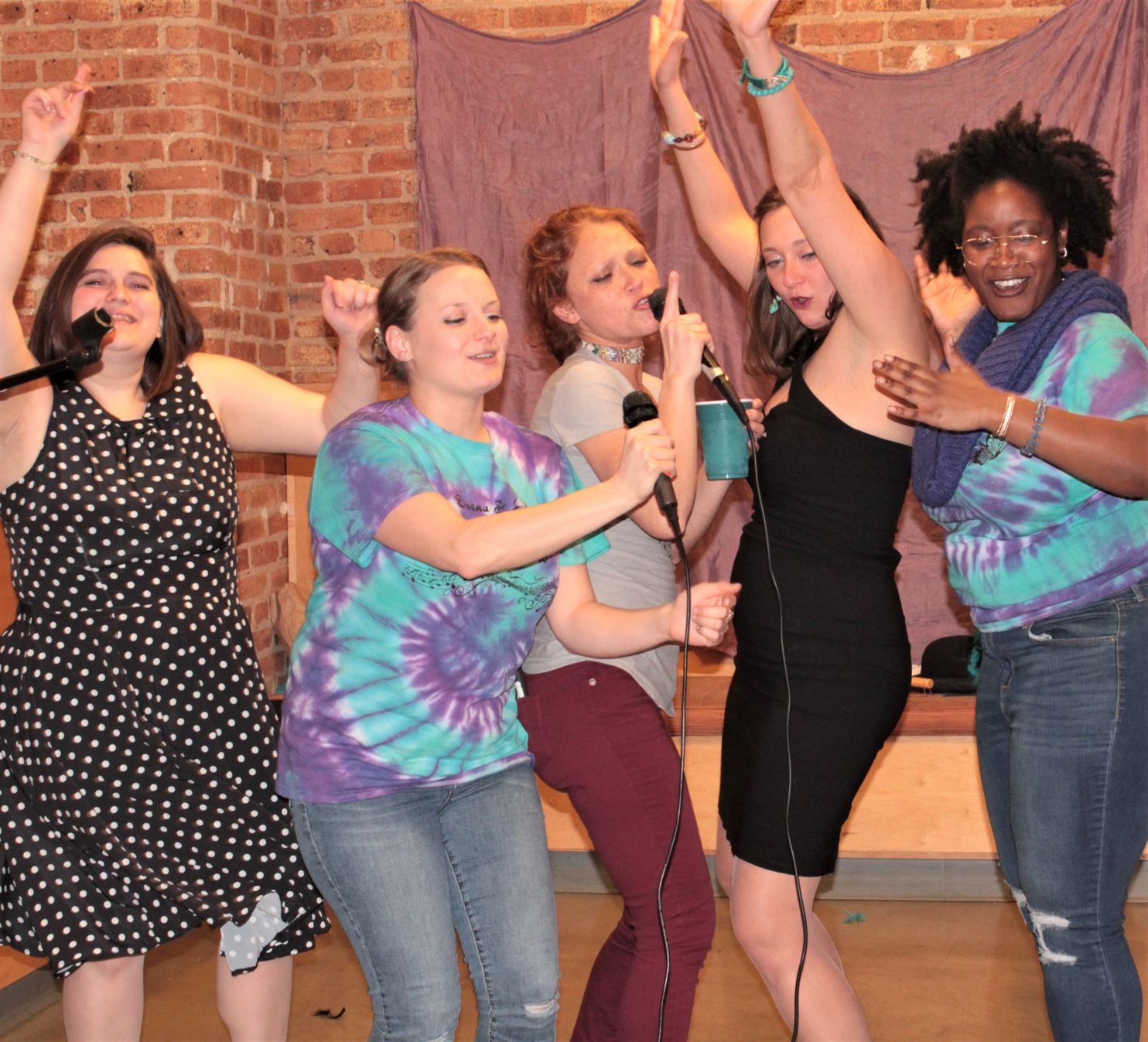
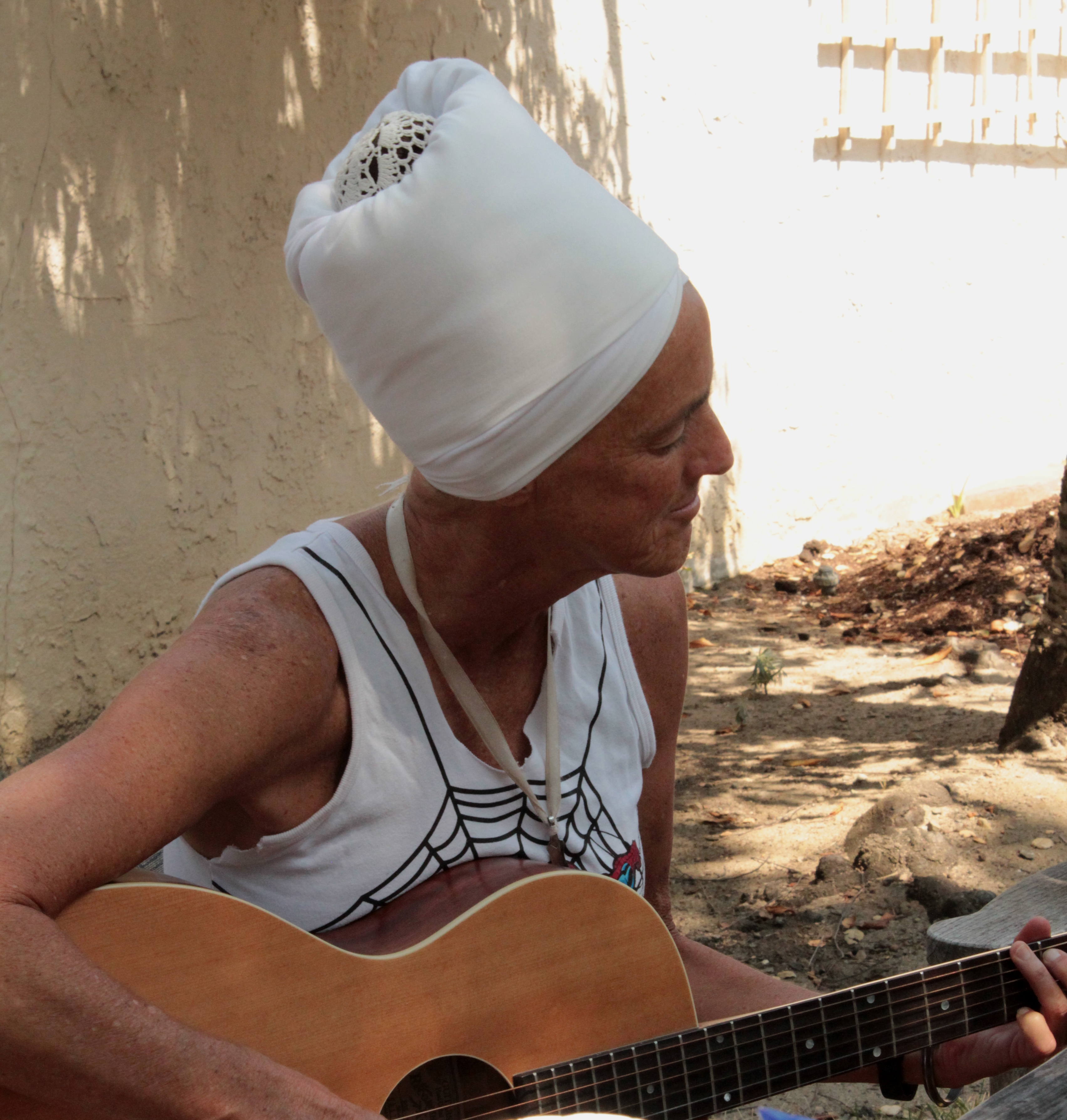
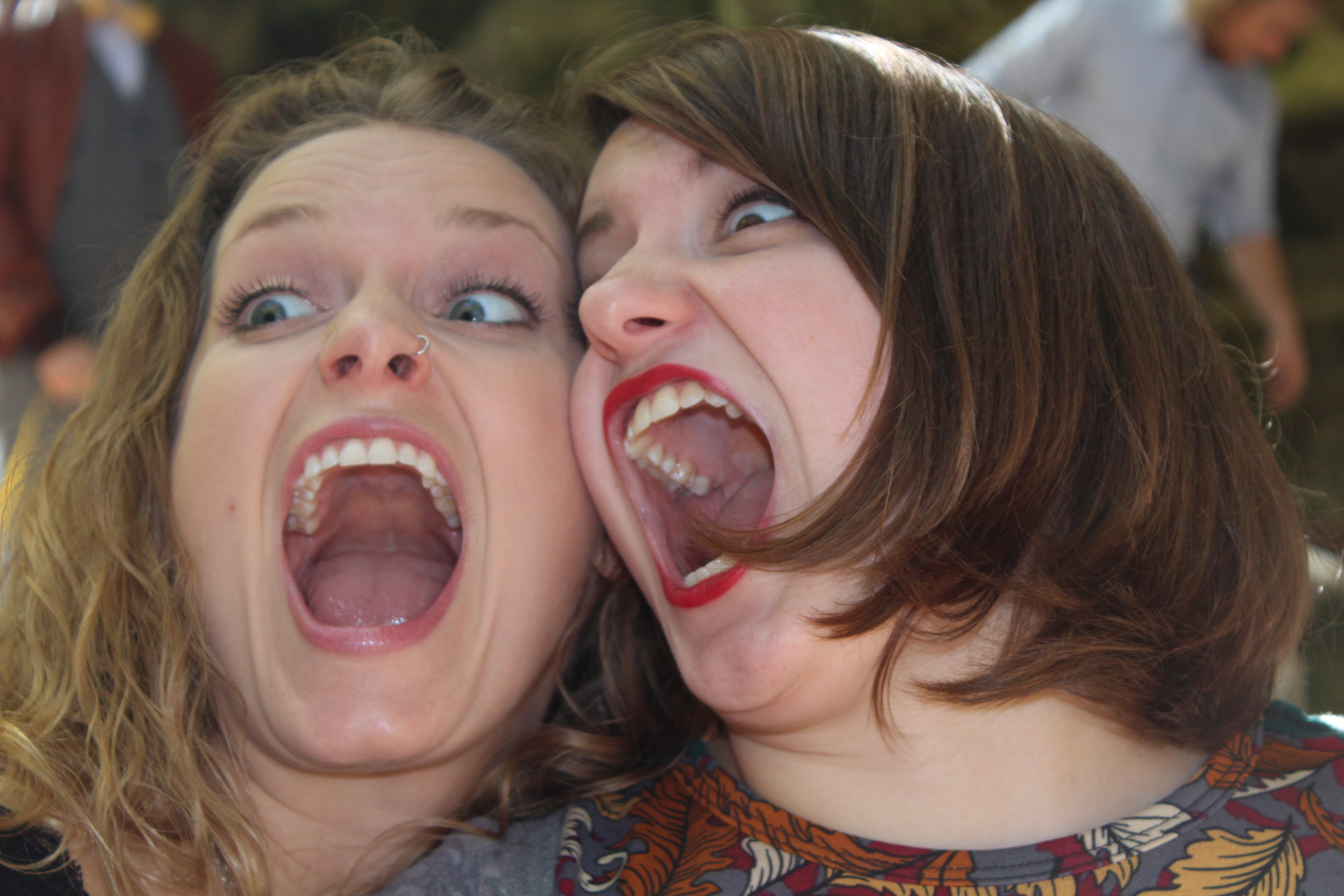
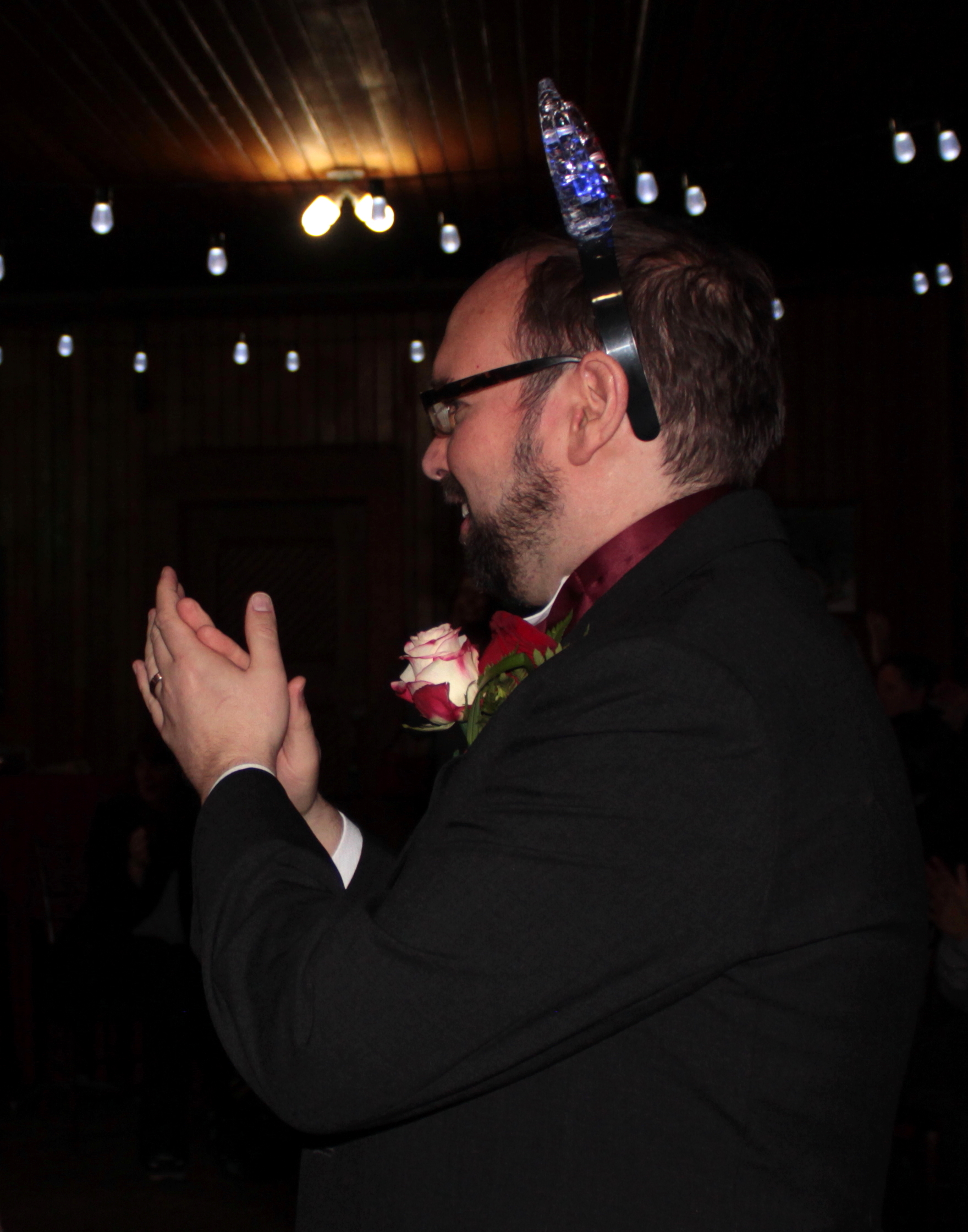
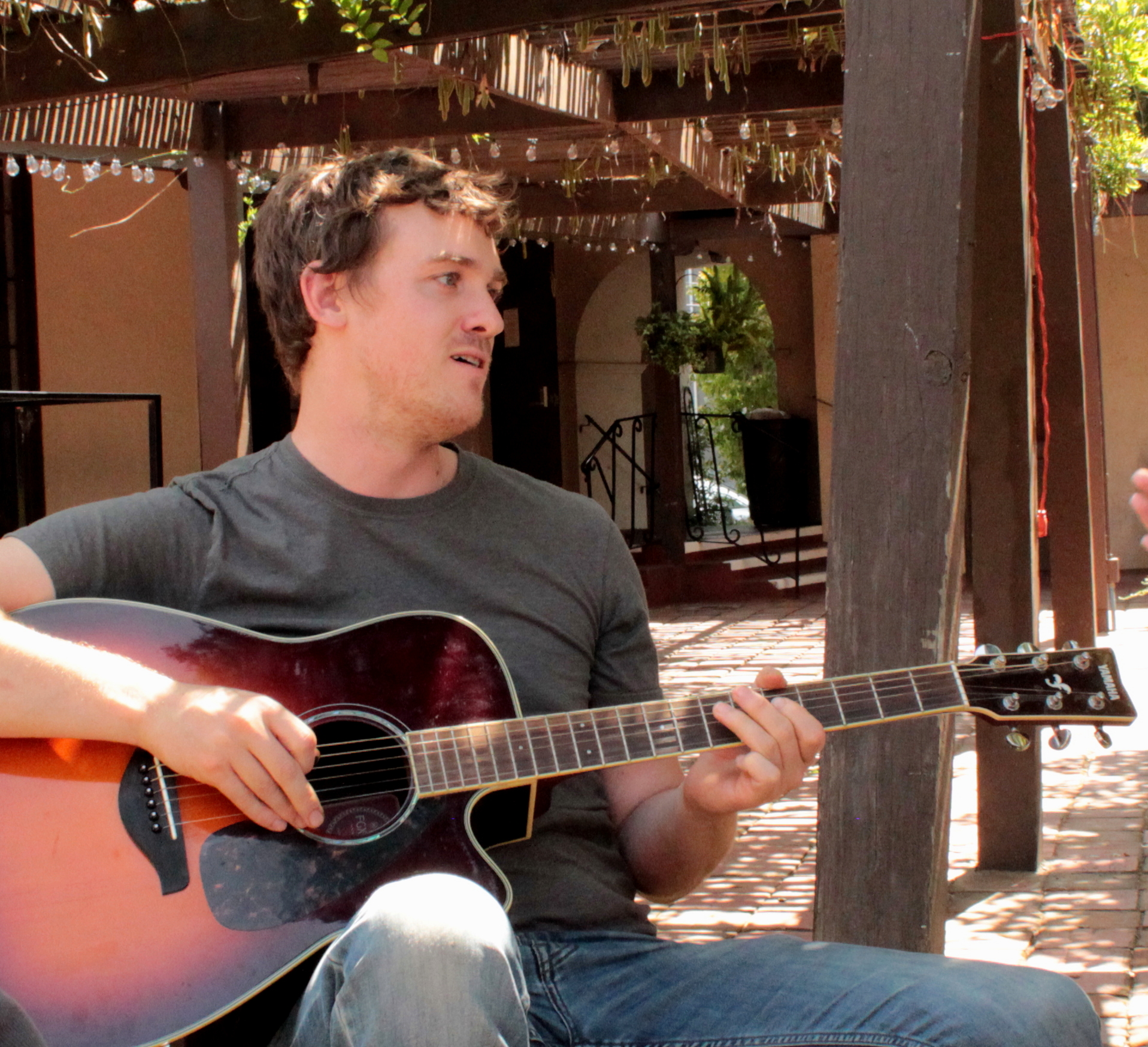
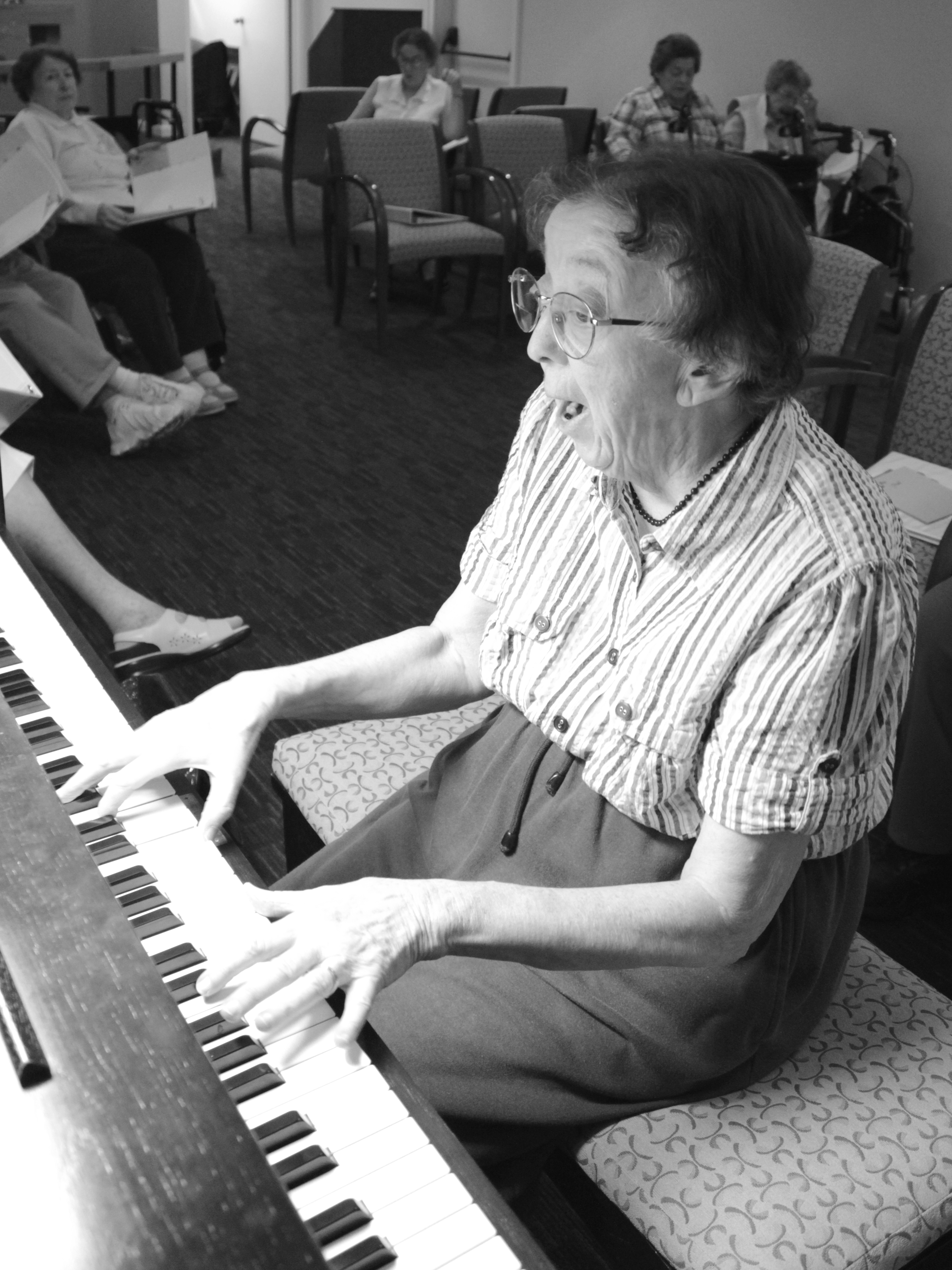
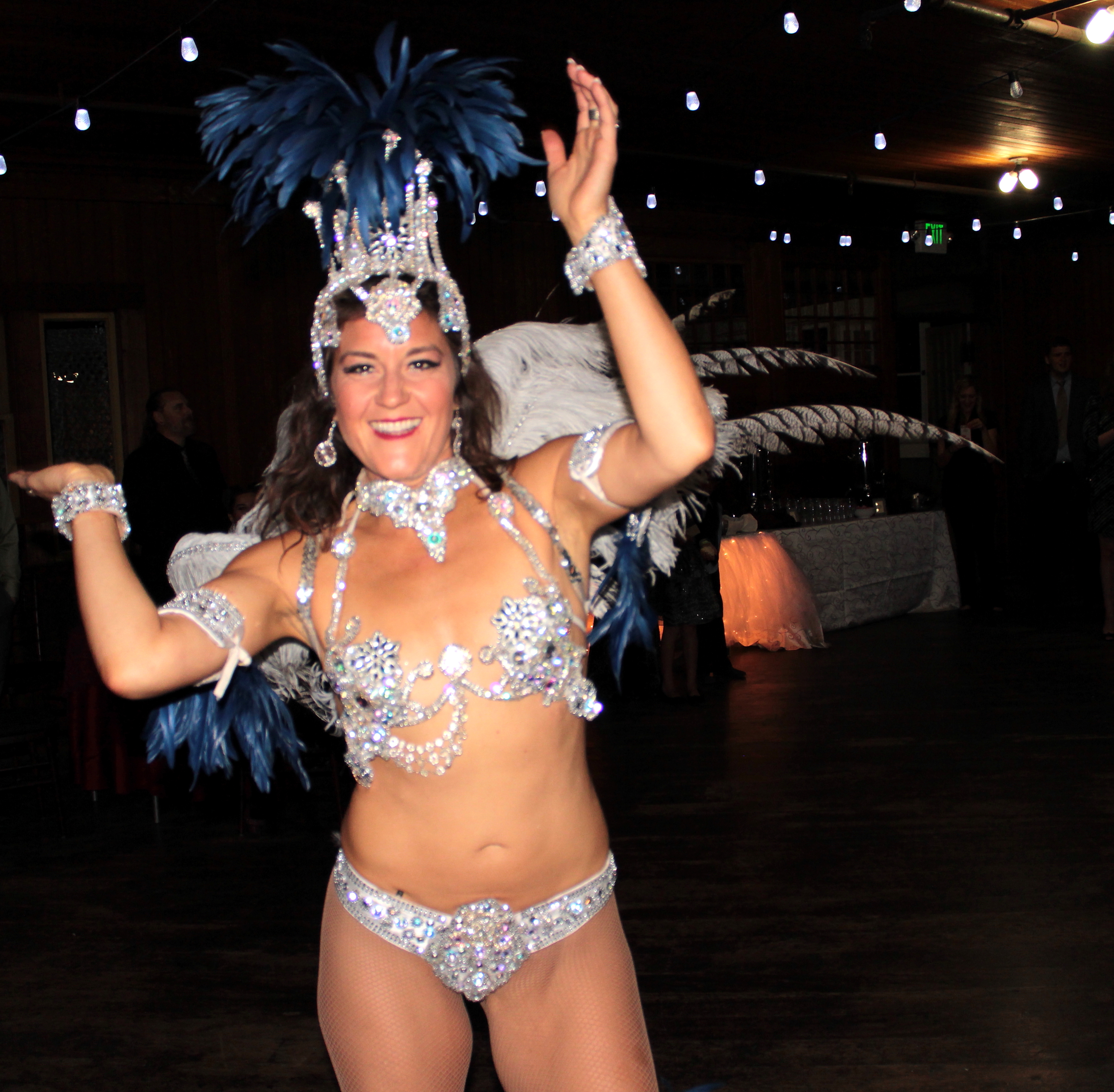
I love to get my heart thumping and my feet moving, my arms swinging and my voice ringing, especially with people I know and love, who won’t judge me for my extra silliness but will join in with their own energy and encouragement. That kind of collective joy is absolutely a thrill of sound.
And then…
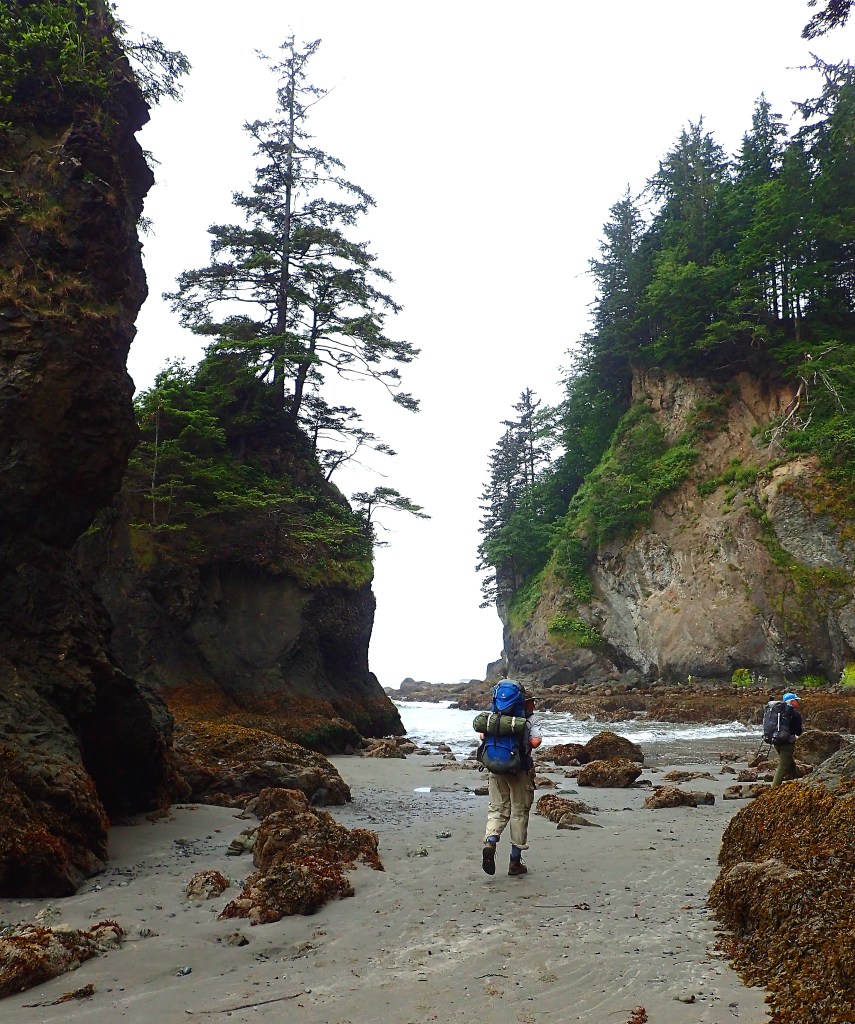
I love to retreat to the ocean, to hear the pulse of the Earth’s life blood, the waters ebbing and flowing, receding and crashing, the screech of the seagull’s hunger, and the exhalation of the wind. It is a thrill to be alive and to hear the living Earth.
And then…
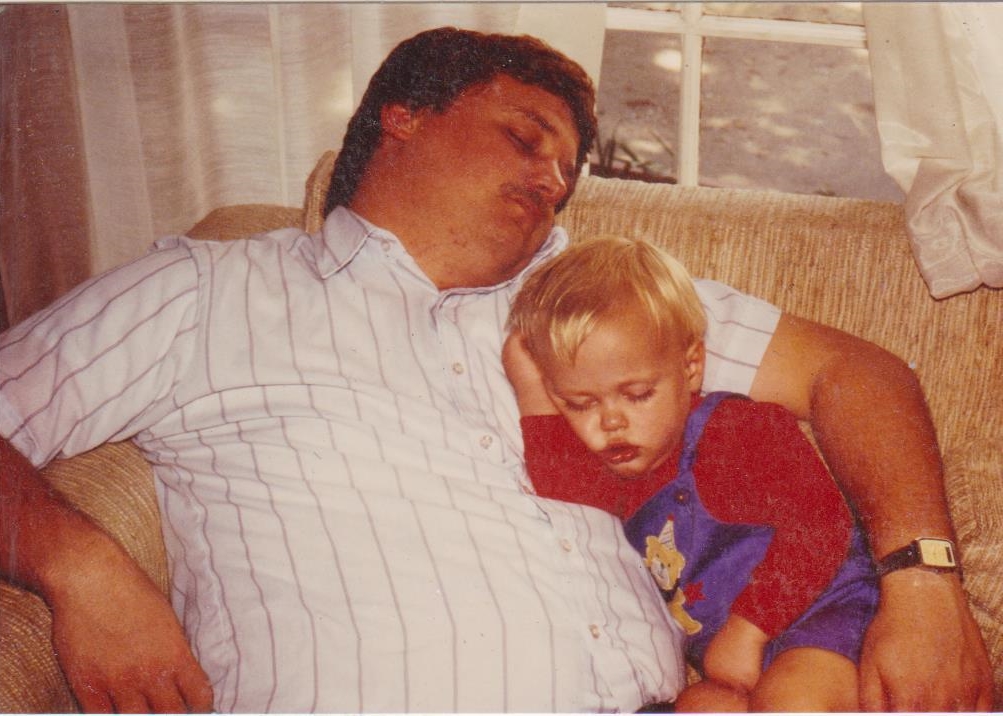
The sound of familiar soft breathing. A heart beating surely and steadily nearby. The whispering sounds of restfulness and peace, the hum of the ceiling fan, the assurance that all is well.
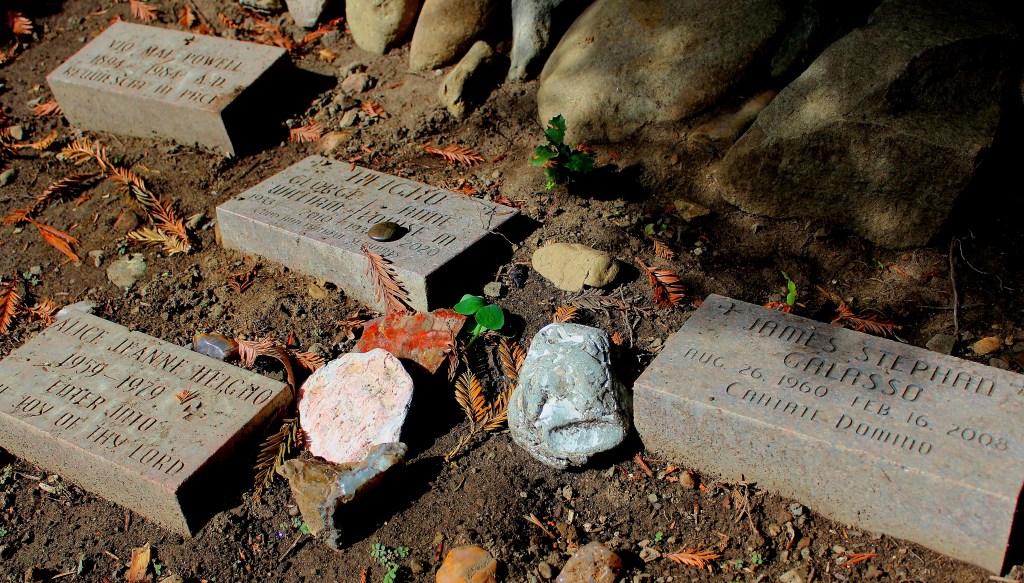
I dedicate this post to my late husband, Jim, a musician who resonated in the sounds of Life with me for 30 years and died on February 16, 2008.
This challenge is inspired by Donna of Wind Kisses. Click HERE to listen in.


















 scillagrace