Unknown's avatar

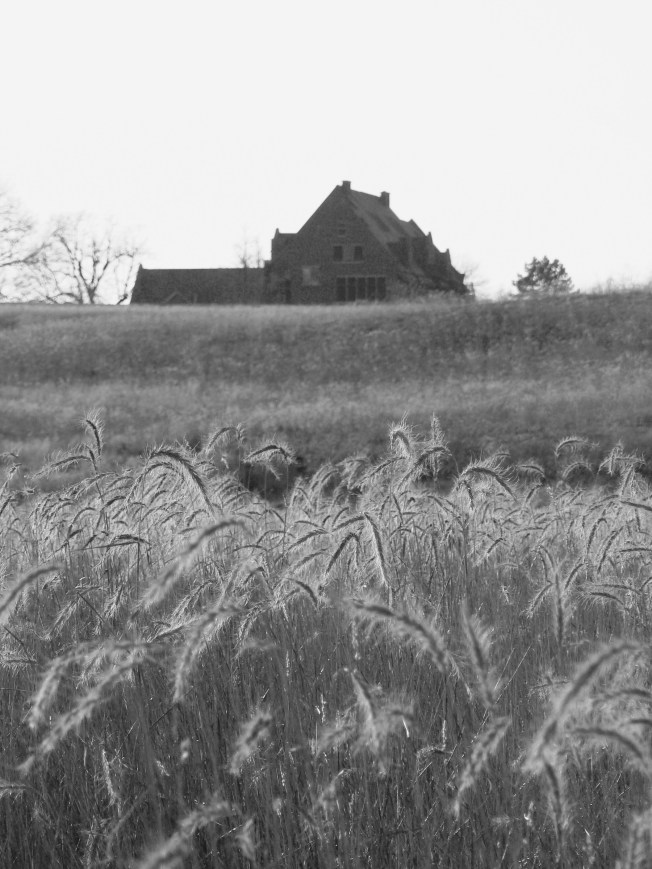
Lens-Artists Photo Challenge: Mysterious

Unknown's avatar

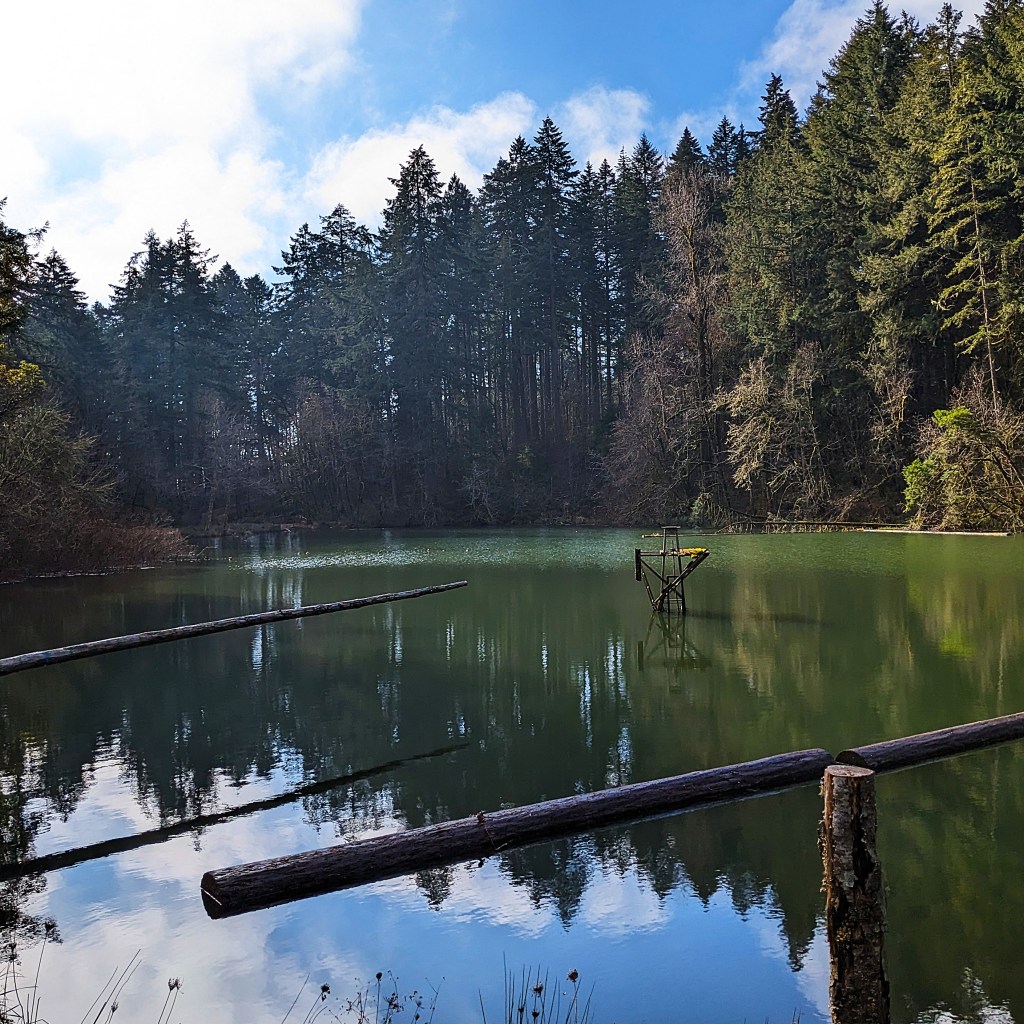
Lens-Artists Photo Challenge: Reflections

Unknown's avatar

Lens-Artists Photo Challenge: Two Rectangles

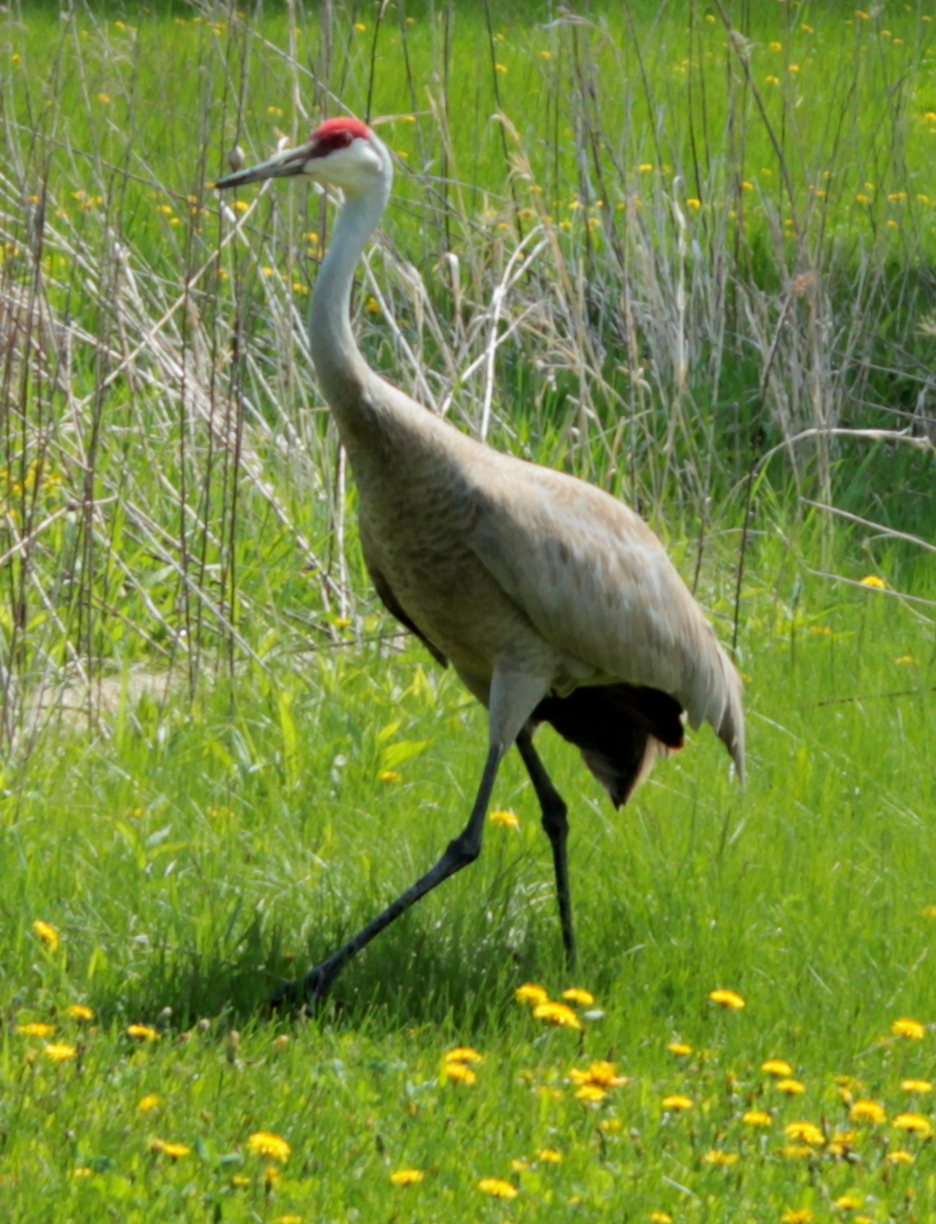
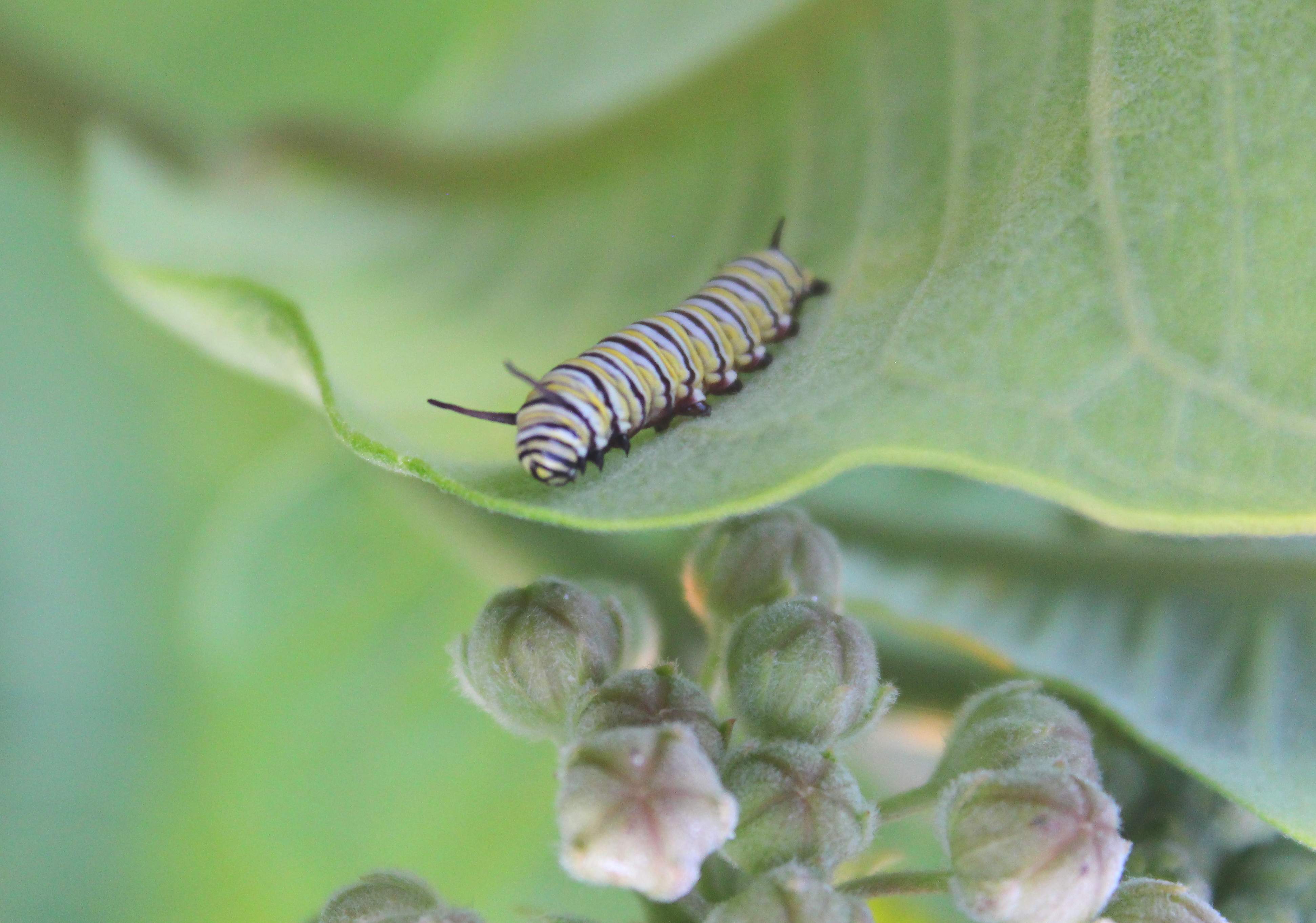
(Photo by Damien Miller/USFWS)

Unknown's avatar

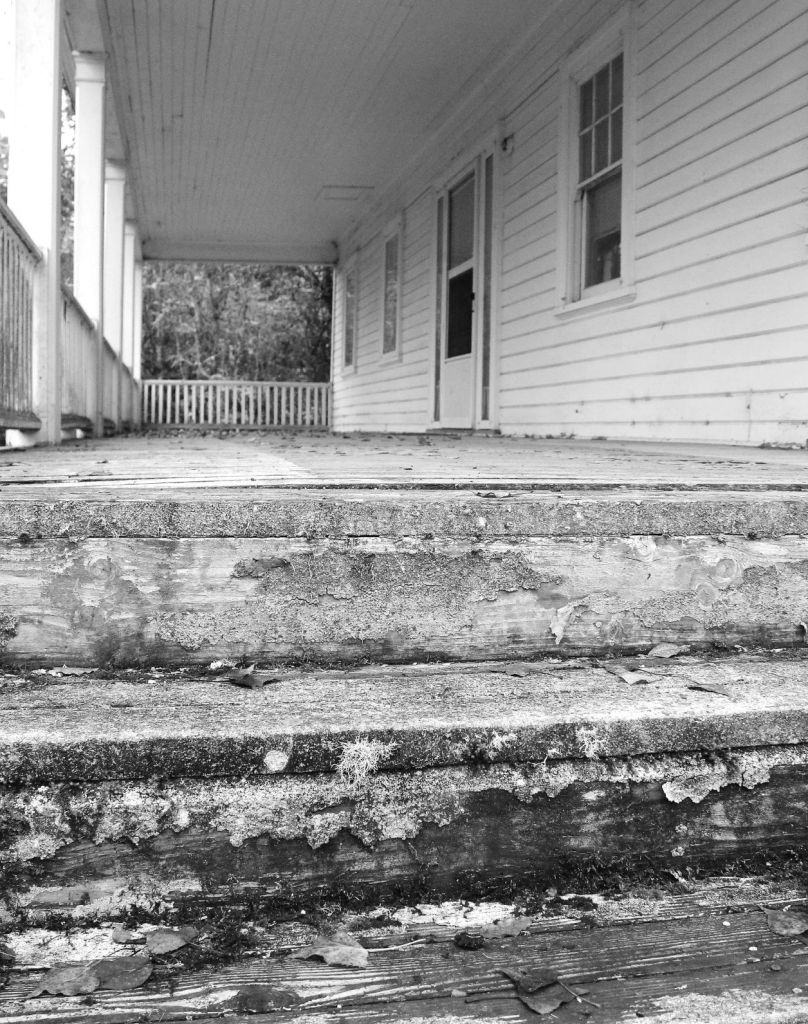
Lens-Artists Photo Challenge: Dramatic

Unknown's avatar

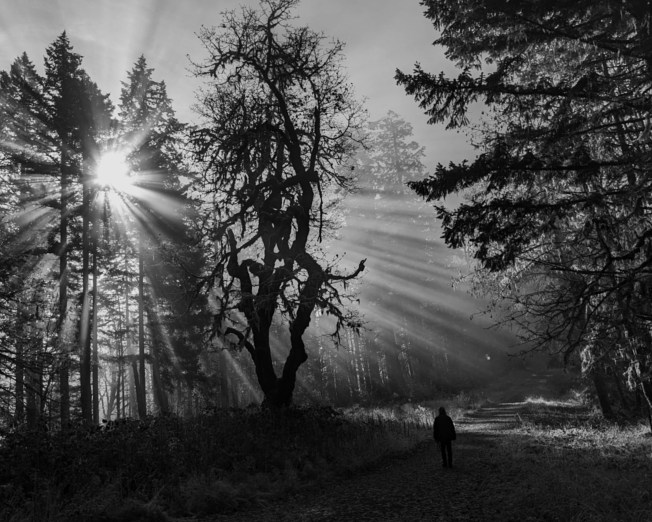
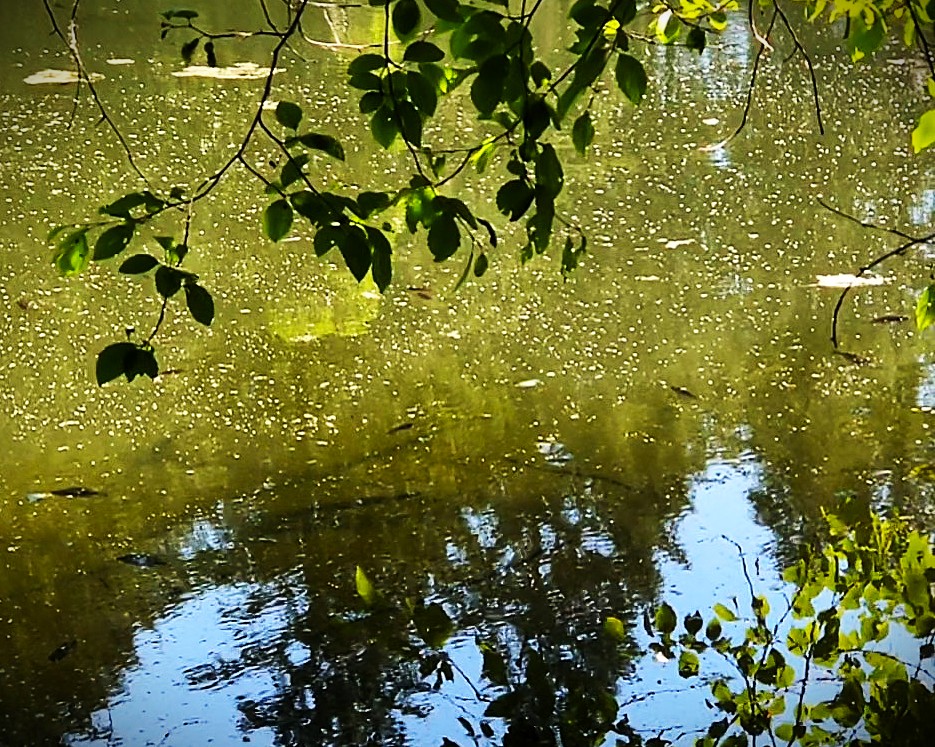
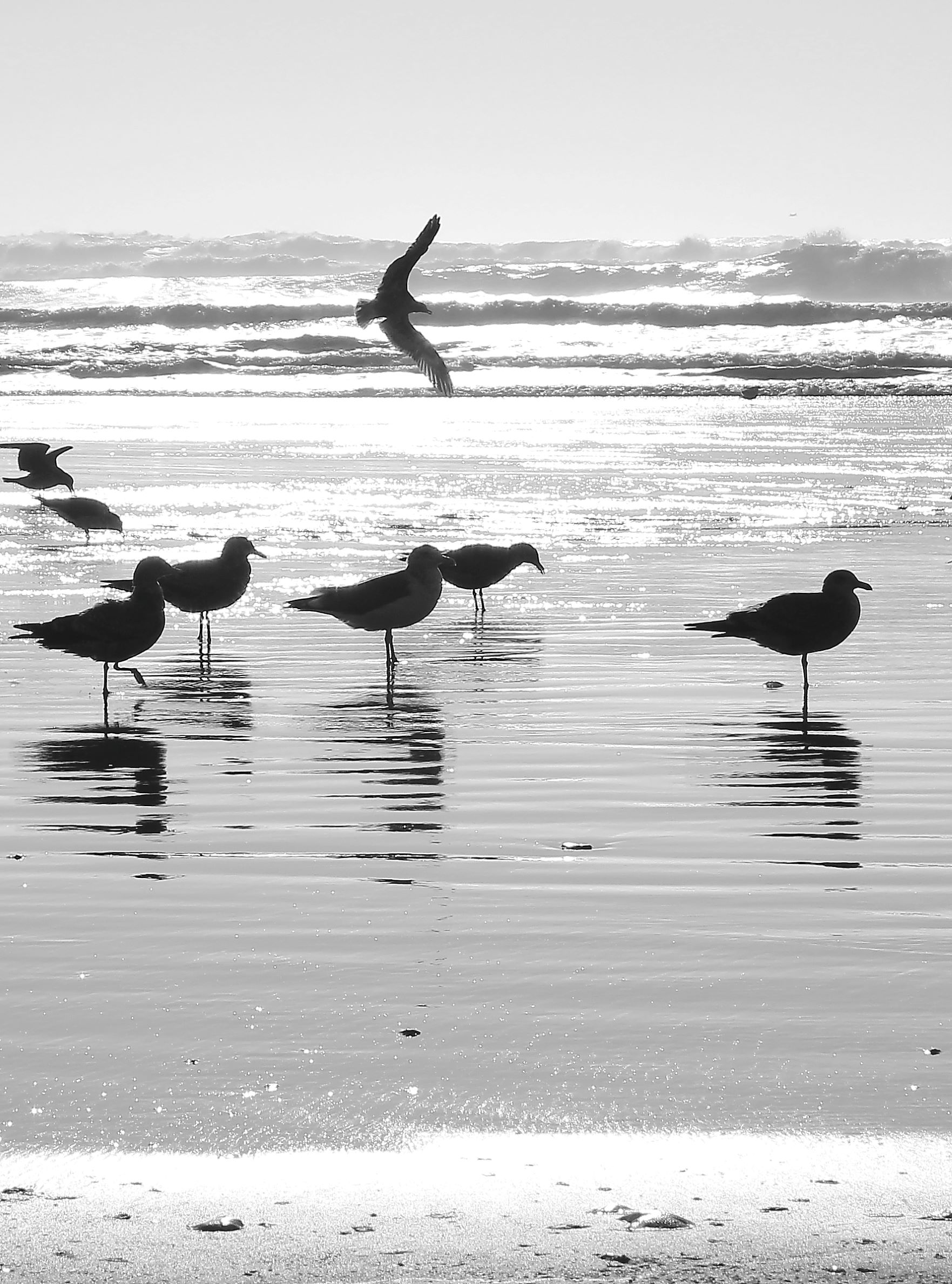
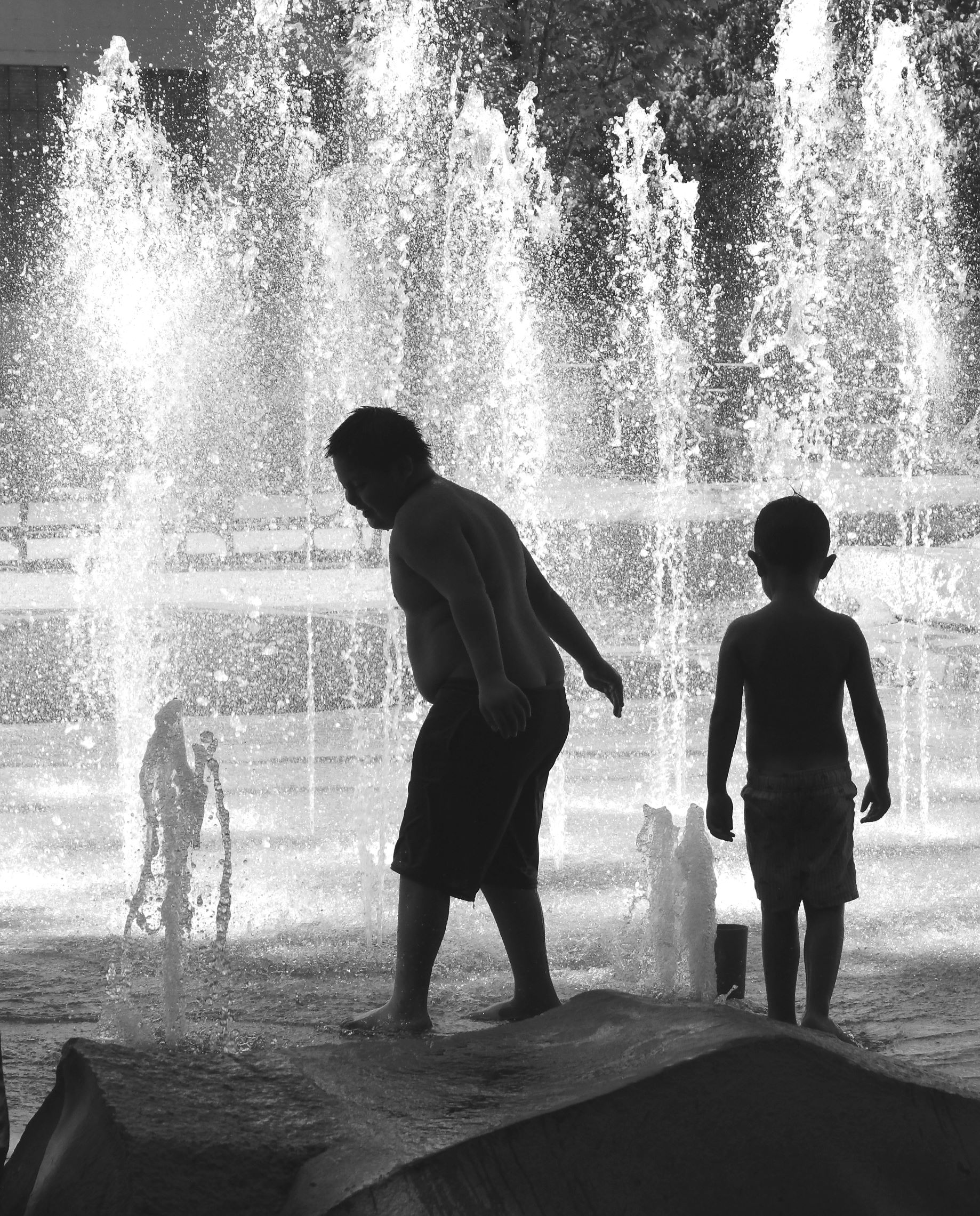
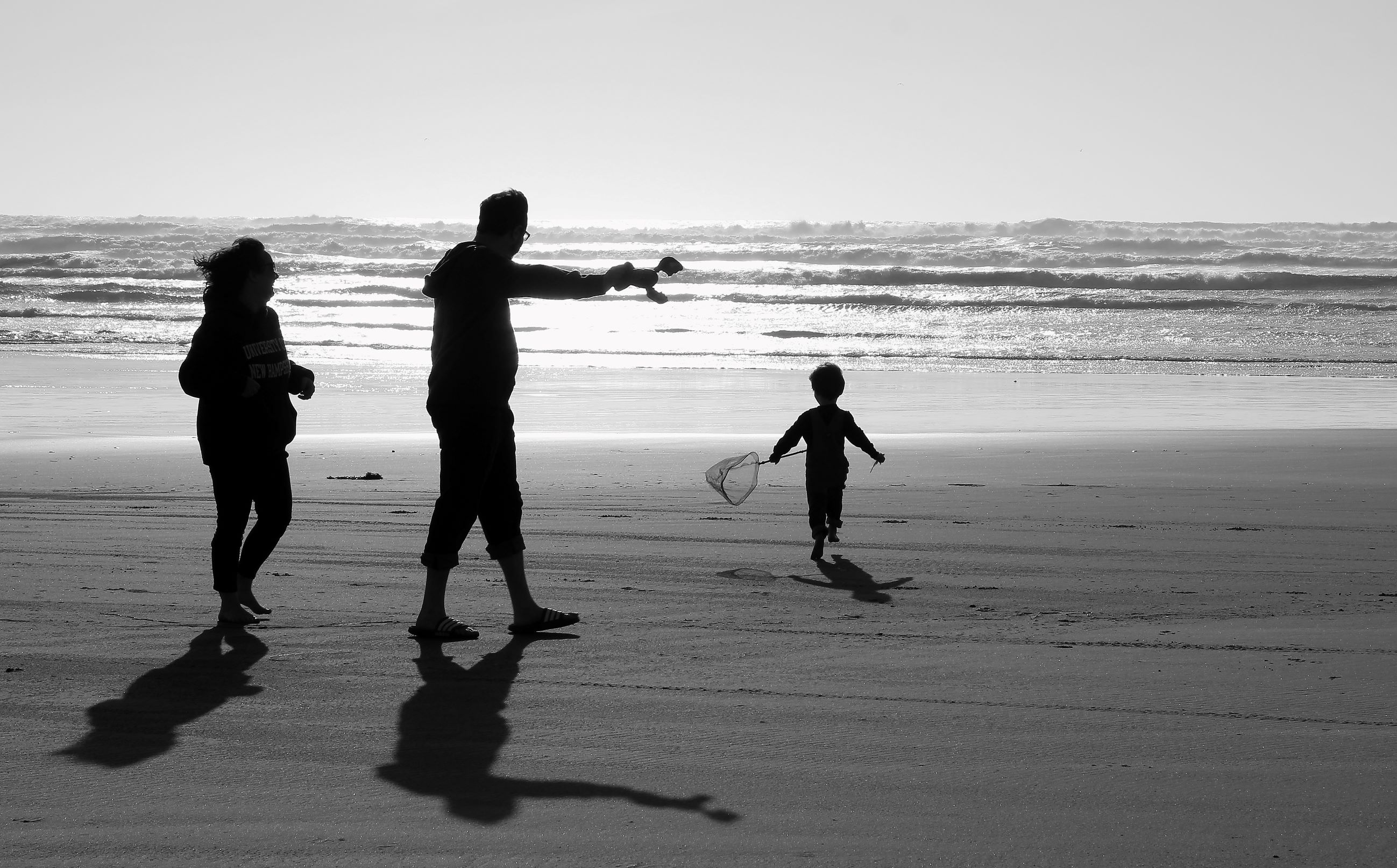
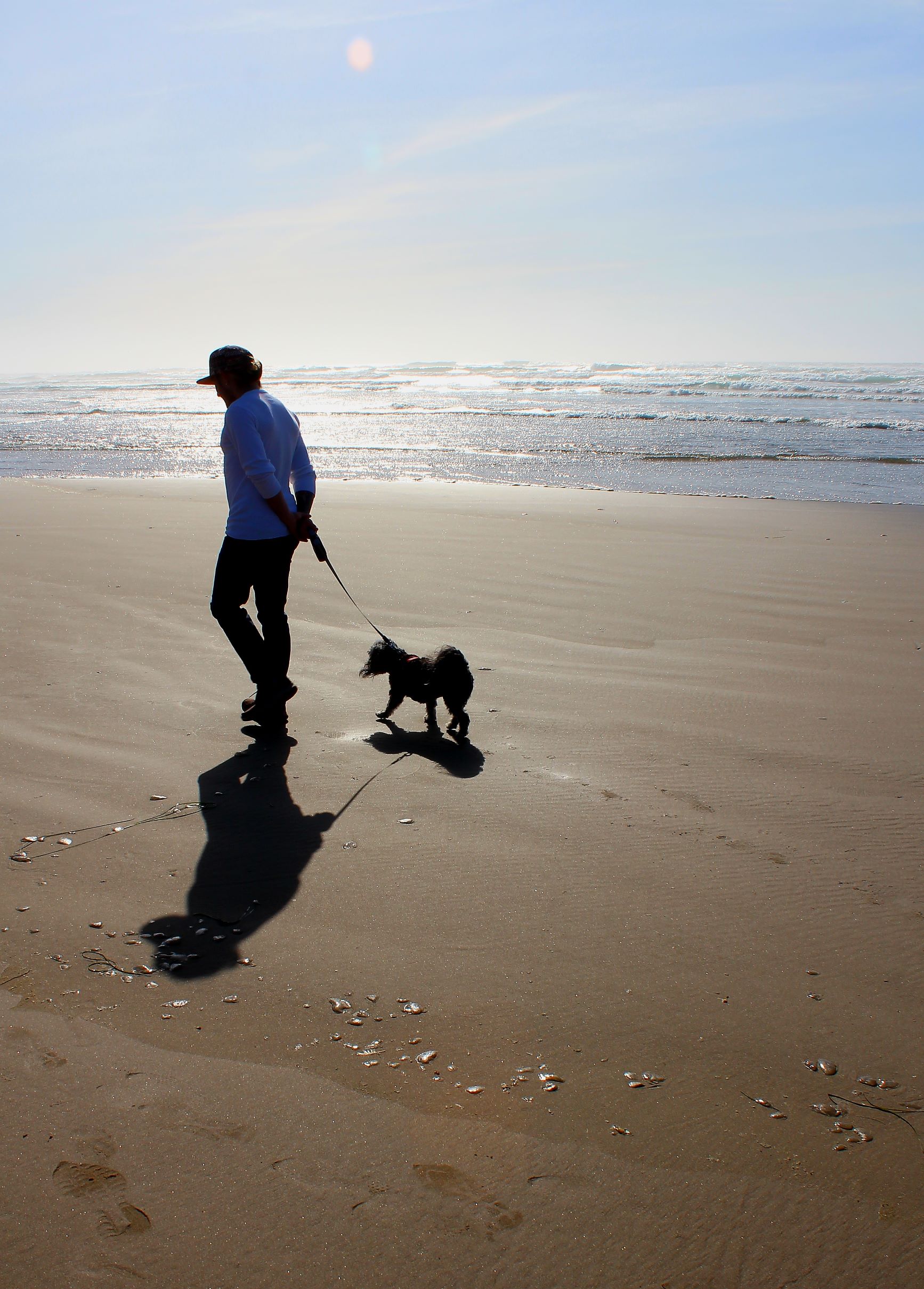
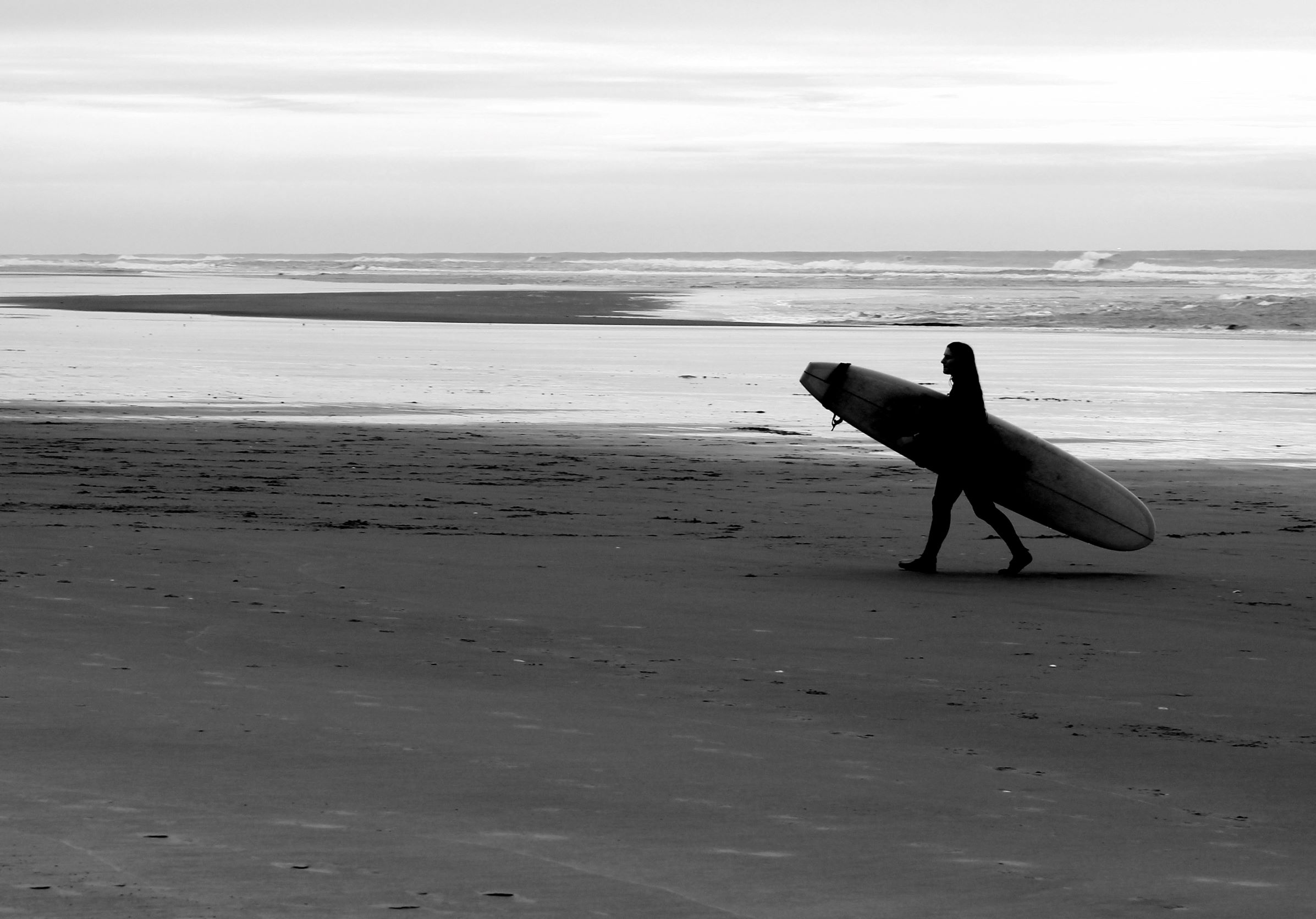
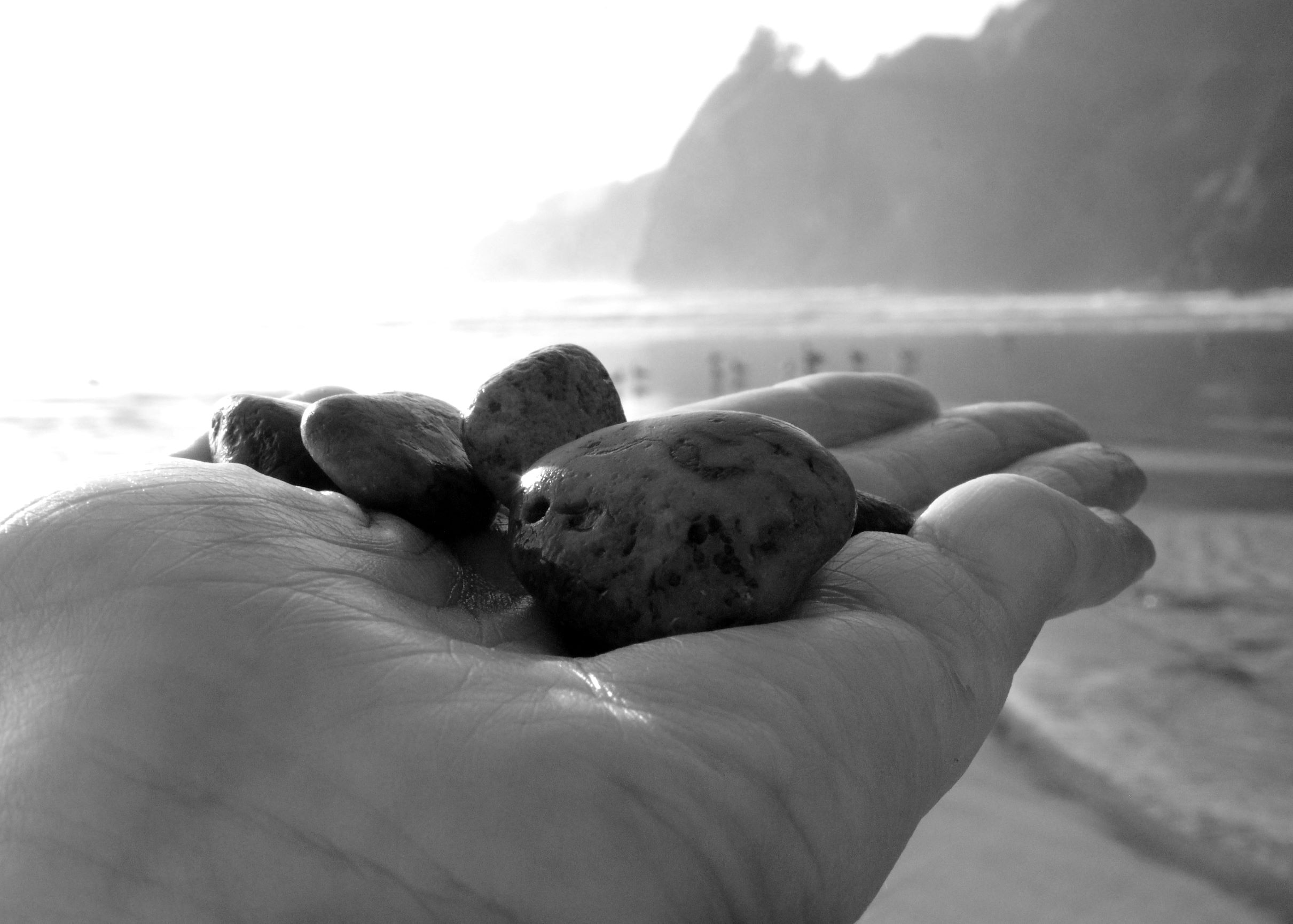
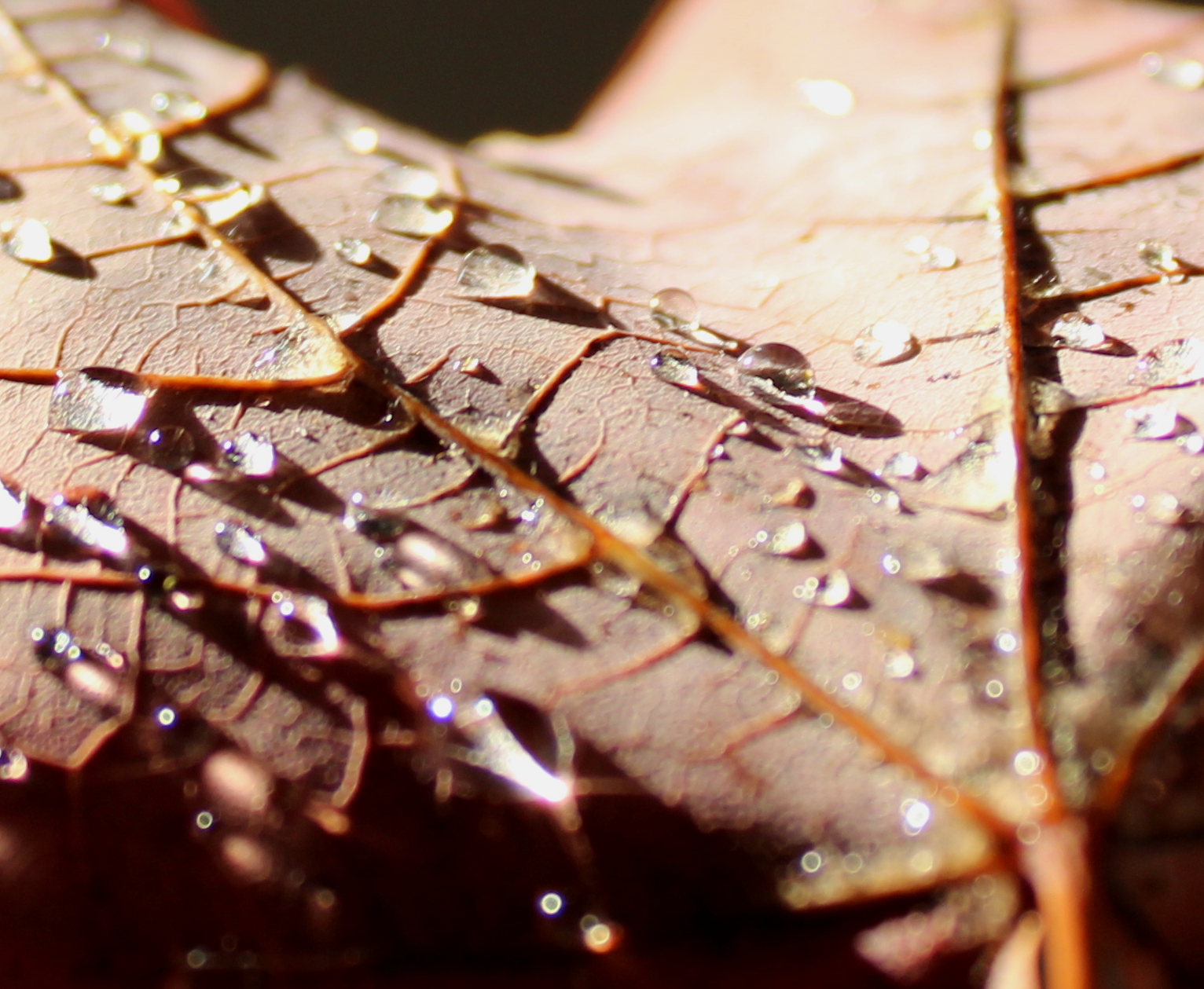
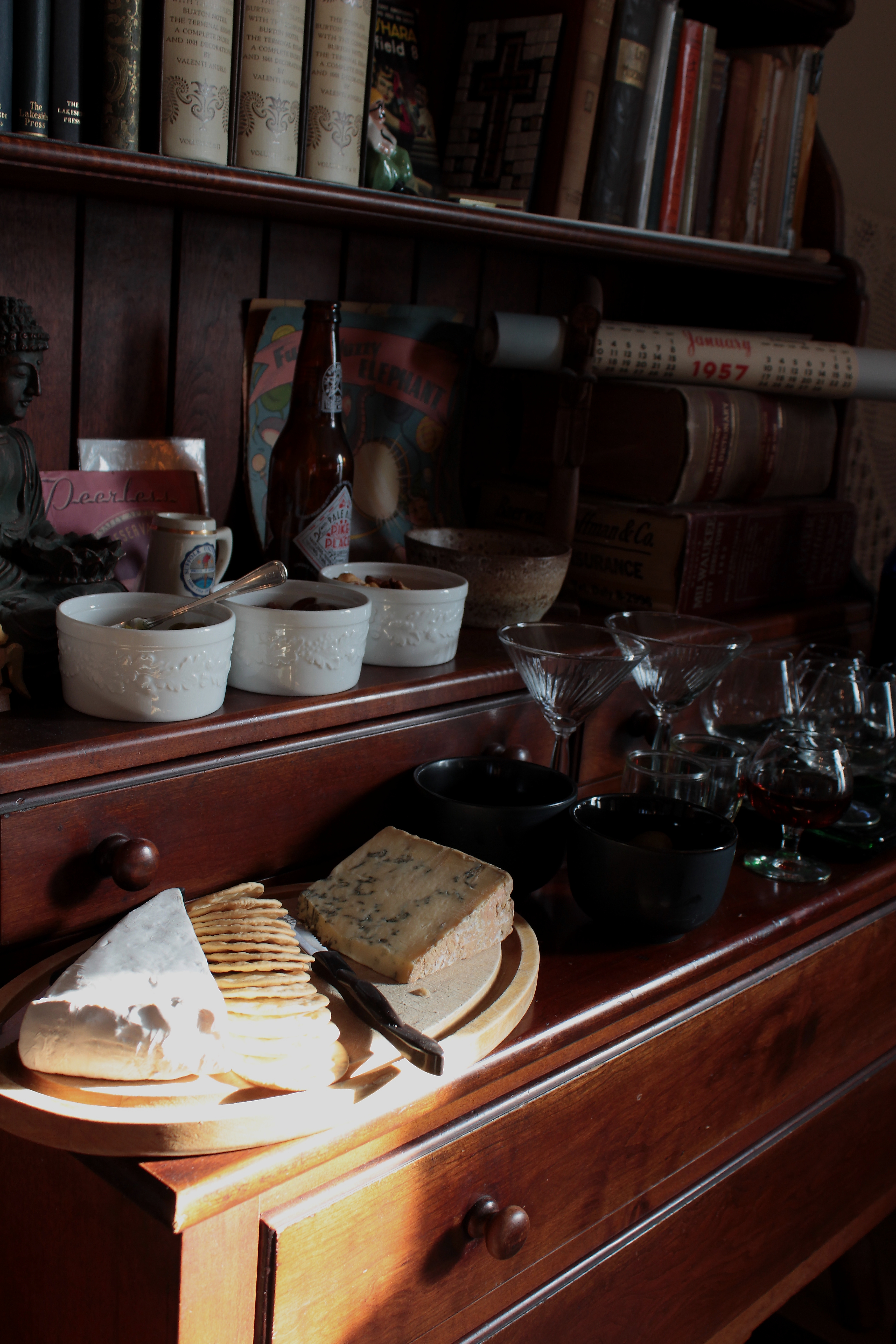
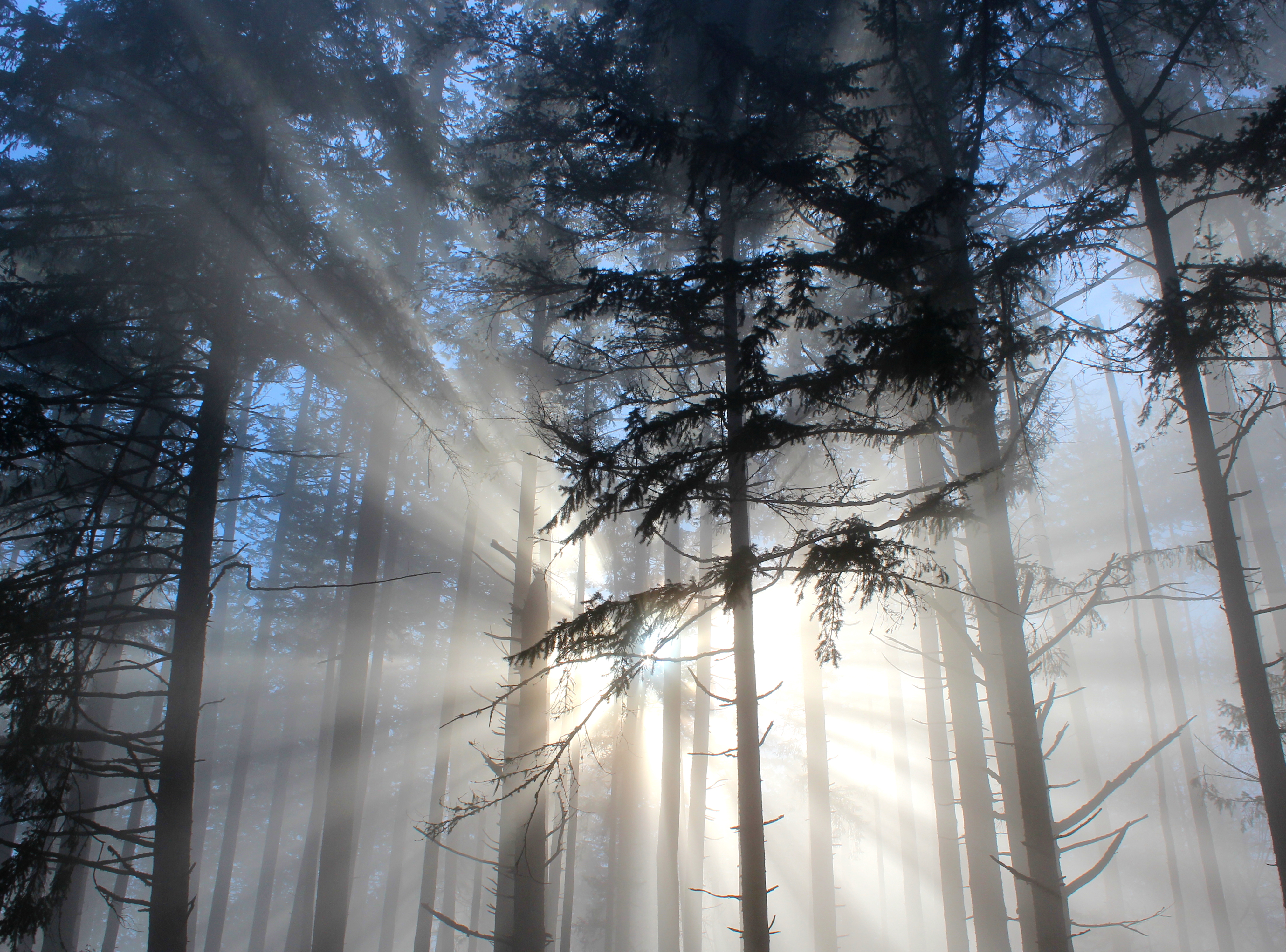
Lens-Artists Photo Challenge: Backlit

“To love beauty is to see light.” – Victor Hugo

“The beginnings and ends of shadow lie between the light and darkness and may be infinitely diminished and infinitely increased. Shadow is the means by which bodies display their form. The forms of bodies could not be understood in detail but for shadow.” – Leonardo da Vinci

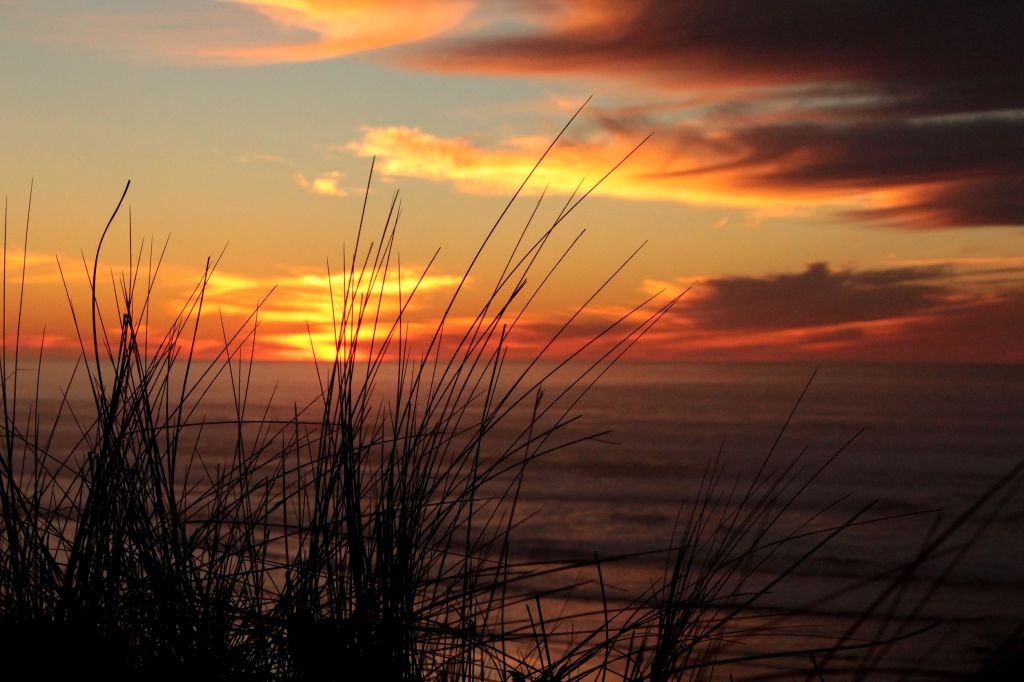
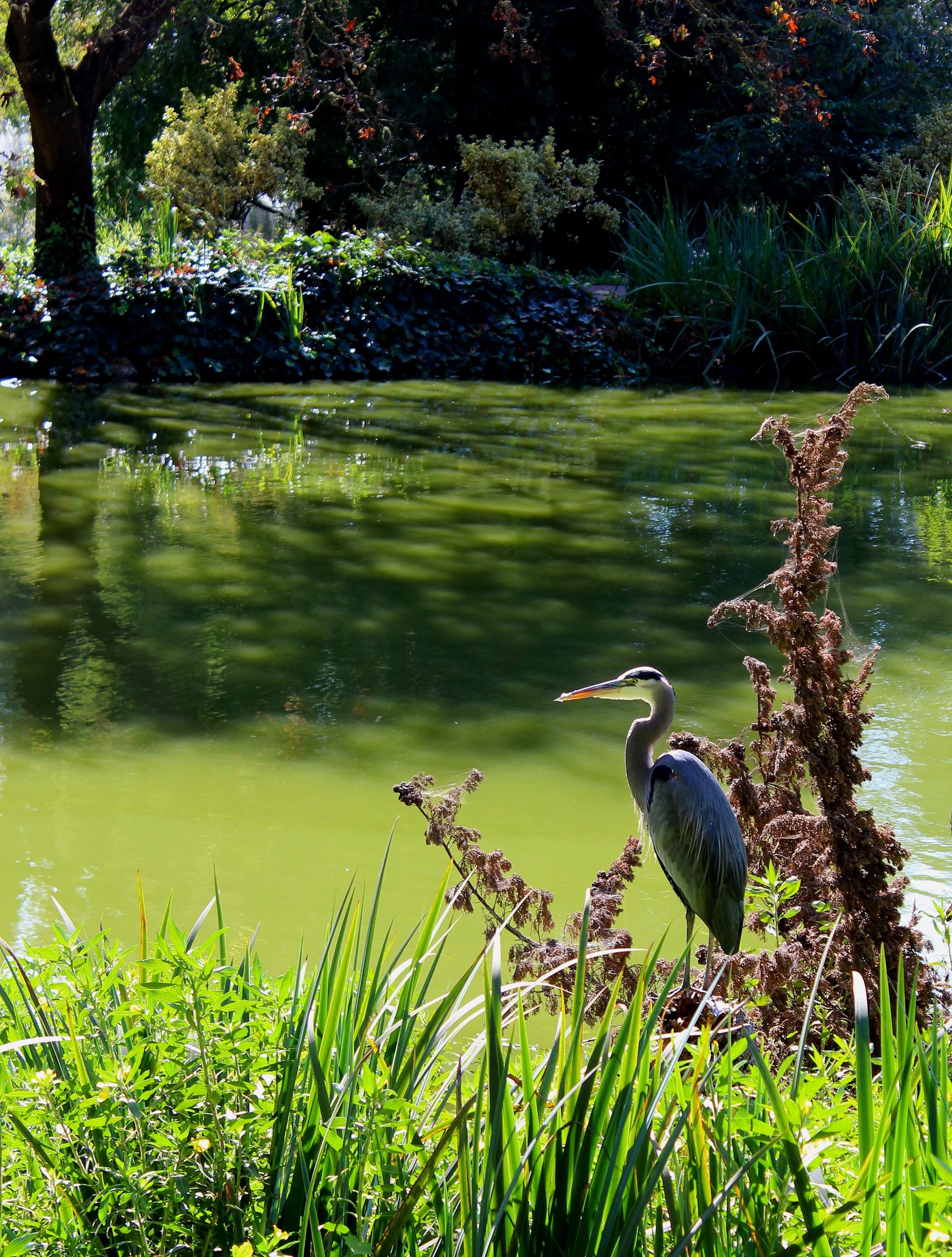
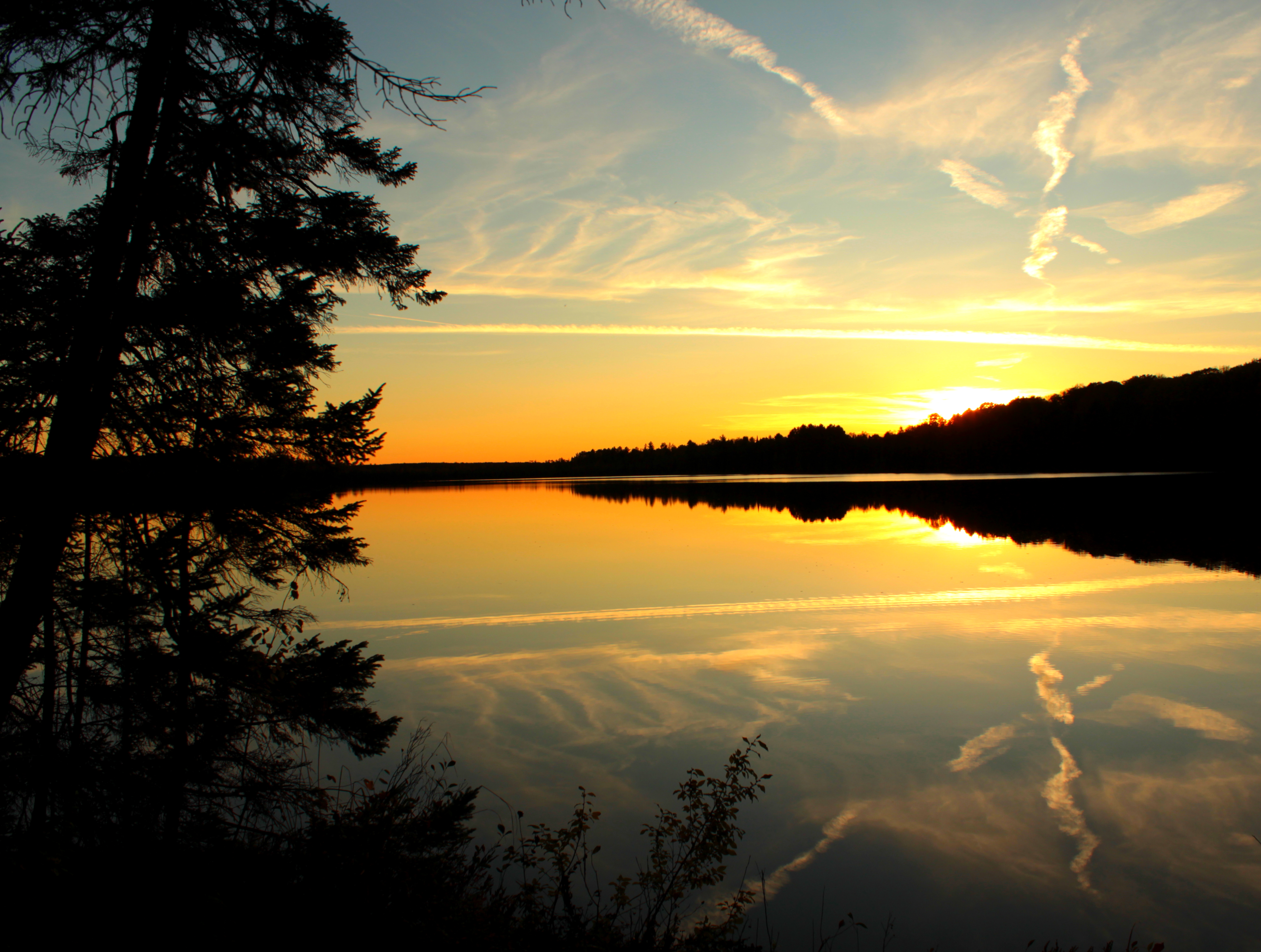
This week’s photo challenge comes from Ann-Christine, who writes, “Backlight is a versatile instrument in making pictures really come alive, even if they are only silhouettes or very dark. For landscapes it can be magical.” I find that especially true when water is part of the landscape, adding reflection, glow, and sparkle. I am really happy that the rain in Oregon has let up, and warm sunshine is bedazzling the Coast. I had a glorious day there yesterday, and will return soon!

Unknown's avatar

Lens-Artists Photo Challenge: Still Life

“But in a still life, there is no end to our looking, which has become allied with the gaze of the painter; we look in and in, to the world of things, in their ambiance of cool or warm light, in and in, as long as we can stand to look, as long as we take pleasure in looking.”
― Mark Doty

“Bartholomeus went on, ‘I wanted to show that these objects are sensitive, suffer at the coming of night, faint at the departure of the last rays, which, by the way, also live in this room; they suffer as much, they fight against the darkness. There you have it. It’s the life of things, if you like. The French would call it a nature morte, a picture of inanimate objects. That is not what I’m trying to show. Flemish puts it better: a still life.”
― Georges Rodenbach, The Bells of Bruges

Patti has served up a worthy challenge for us this week: still life photography. I think of this genre as belonging to the studio or a fine arts classroom. It is all about creating a composition that is compelling, whether that be because of the juxtaposition of objects, or the light playing on textures, or the depth of field that draws the eye deeper into the photo. When I think of the shots I have taken that might qualify for this category, I think of the ones I spent more time staging. There’s a certain amount of creative manipulation that goes into this kind of photography, and I must admit, I don’t often go to those lengths. But when I do, it’s a lot of fun…and some frustration. I often know the WOW! result I want, but somehow, fail to get it. Playing around with the idea of the shot is exciting, though. I am really enjoying seeing your posts on this theme!

Unknown's avatar

Lens-Artists Photo Challenge: Diagonals

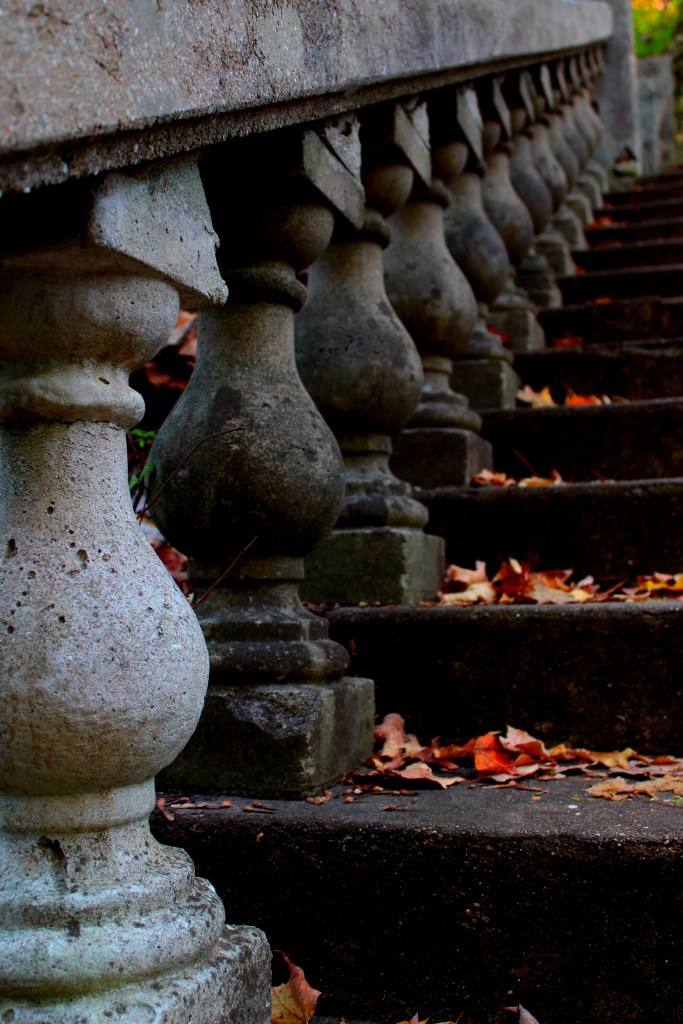
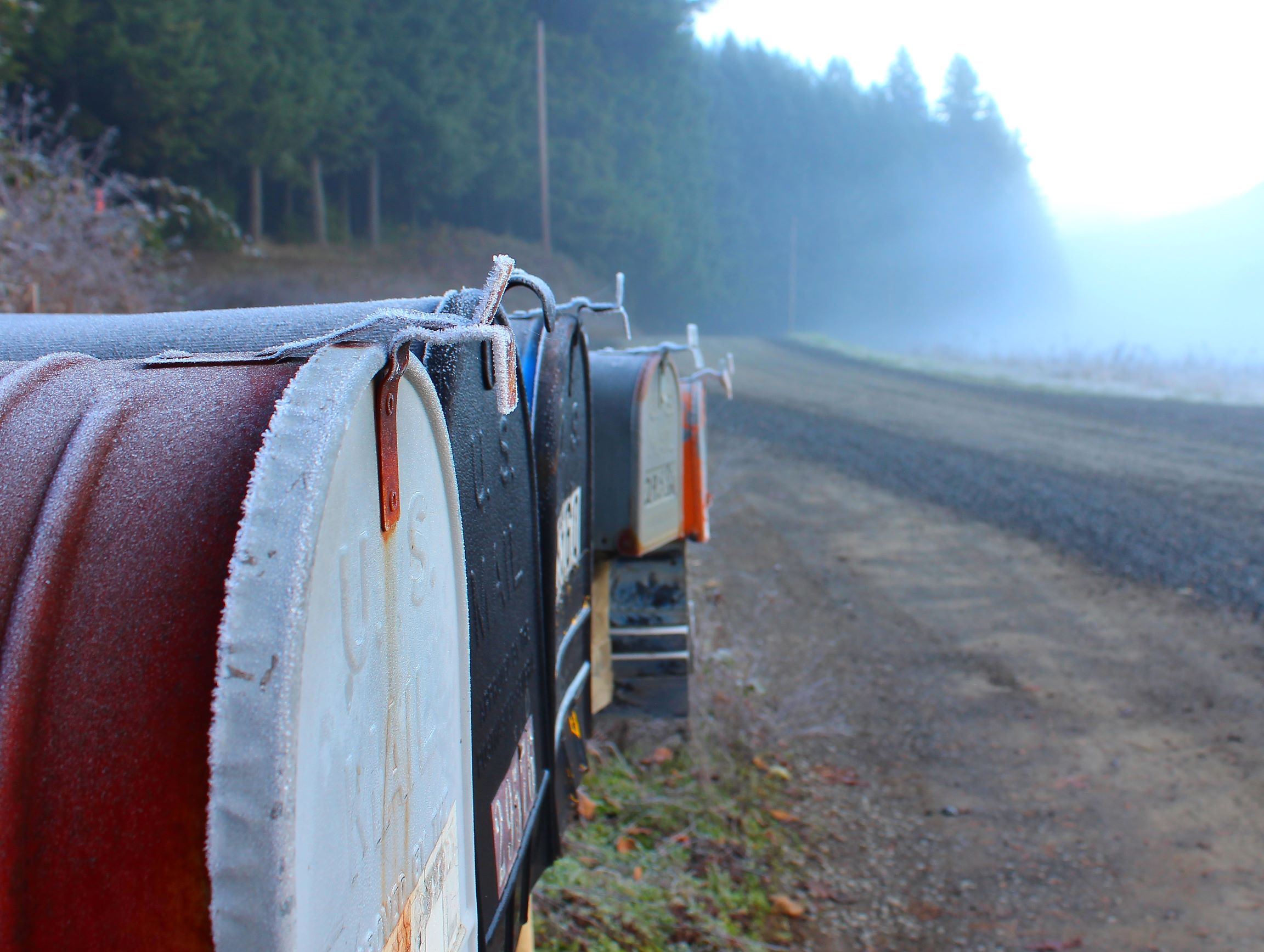
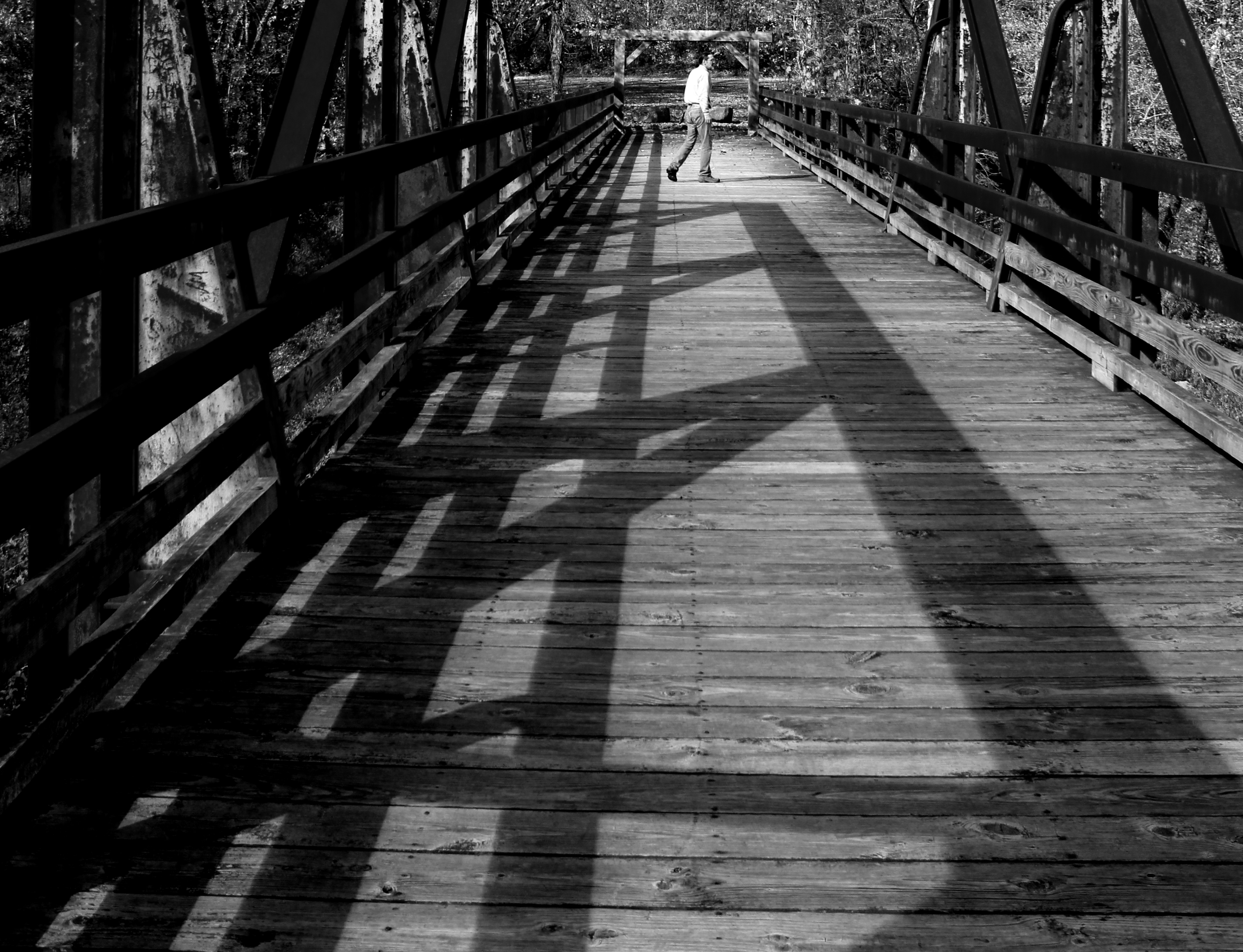
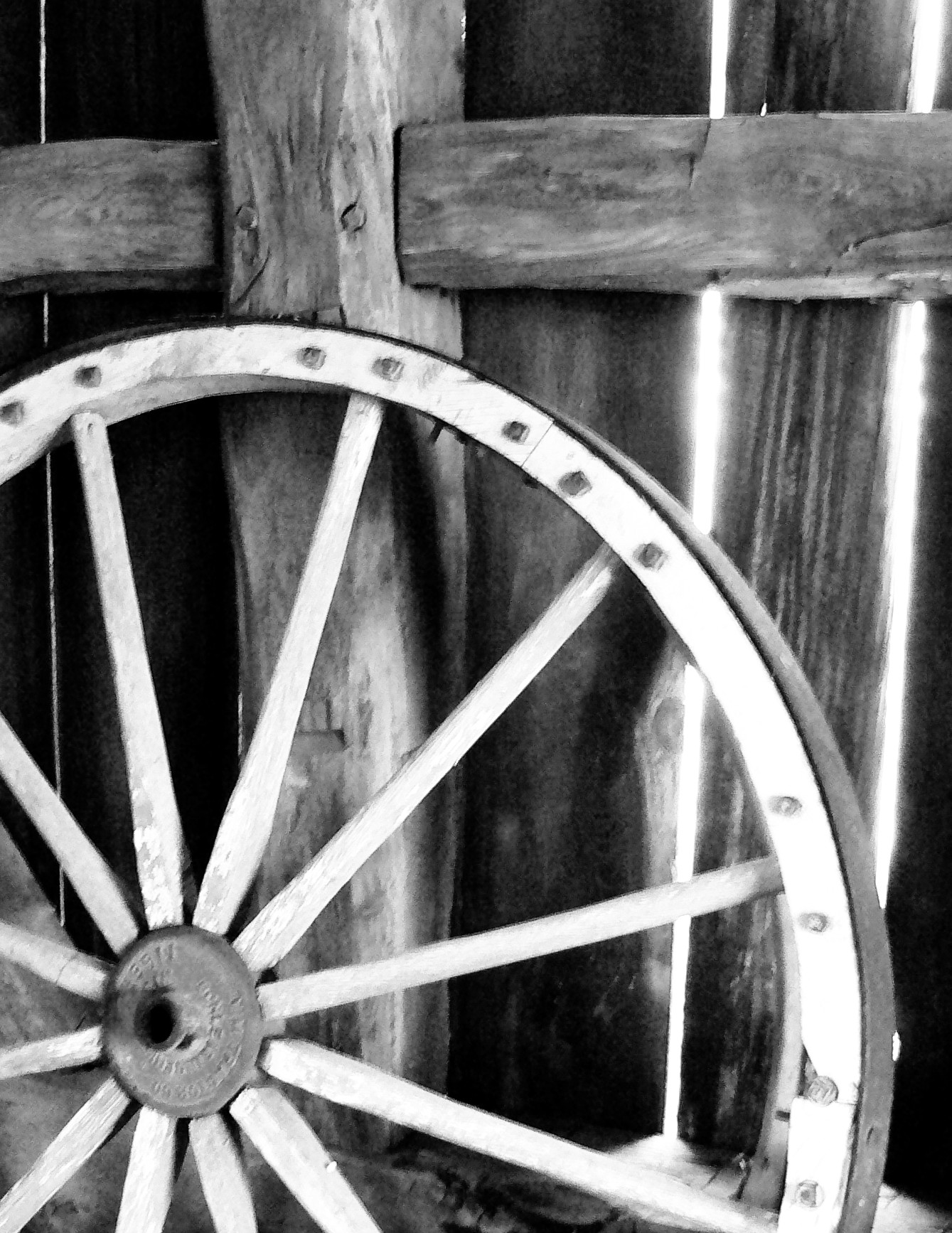
Diagonals are leading lines. They draw your eyesight and attention toward a vanishing point.

My brain is having fun with the idea of leading lines. Something like, “An aardvark, a can opener, and a Nihilist walk into a bar…”? Or maybe, “The night was dark and stormy…”.

Anyway, enjoy the gallery! Thanks to Patti for hosting a great challenge and explaining and illustrating the technique so well. Visit her blog HERE.

Unknown's avatar

Lens-Artists Photo Challenge: Triptych

Our Challenge host this week, Ann-Christine, has given us a really fun idea to play around with. Here’s how she puts it:

 “With Three of a Kind, I want you to think about things related to your main photo – maybe a book, a flower, a room, a piece of art… Almost anything will fit in here – you could make your three images tell a story too! Simply put: Your post should have three separate images that are somehow related. (Another option is splitting one photo into three parts.)

There is a special word for this art of three – triptych. The shape may be seen in Christian Iconography and became a common conventional style for altar artworks in the Middle Ages, from the Gothic era forward, both in Europe and overseas.

Here are a few groupings I created:

“A man’s work is nothing but this slow trek to rediscover, through the detours of art, those two or three great and
simple images in whose presence
his heart first opened.” ― Albert Camus

“Three things in human life are important. The first is to be kind. The second is to be kind.
And the third is to be kind.” ― Henry James

“To live in this world, you must be able to do three things: to love what is mortal; to hold it against your bones
knowing your own life depends on it;
and, when the time comes to let it go,
to let it go.” ― Mary Oliver

Please visit Ann-Christine’s post HERE to see some excellent examples of displaying photos in threes and play along with us Lens-Artists!

Unknown's avatar

Lens-Artists Photo Challenge: The Rule of Thirds

I am always fascinated by the beauty of nature in its most exquisite detail. I’m sure some people would look at my files and think, “Jeez, what a bunch of boring shots of plants!” I like to think that if I focus on presentation, I can redeem the endless green. The “Rule of Thirds” is a helpful tool for adding interest and eye-appeal to the composition of a shot. Tina outlines this concept and poses this week’s Challenge in informative detail. Visit her post HERE to see how it’s done.

I picked up a few additional pointers from Tina’s post that I will keep in mind.  
“It’s important to compose birds with an area of open space in front, visually implying they could fly away at a given moment.

Another approach to composing is a “Z” configuration – structuring your image so that the viewer’s eye is moving from left to right – as most of our viewers typically read.

“Good composition is like a suspension bridge – each line adds strength and takes none away…Making lines run into each other is not composition. There must be motive for the connection. Get the art of controlling the observer – that is composition.”
Robert Henri

These are interesting concepts to ponder. What makes something pleasing or interesting to your eye? Leading lines, balance and symmetry, color, subject matter…there’s so much to consider in photography. And so much to see that’s pleasing and interesting in this wide world. Happy snapping, photographers!
Unknown's avatar

Lens-Artists Photo Challenge: Bokeh

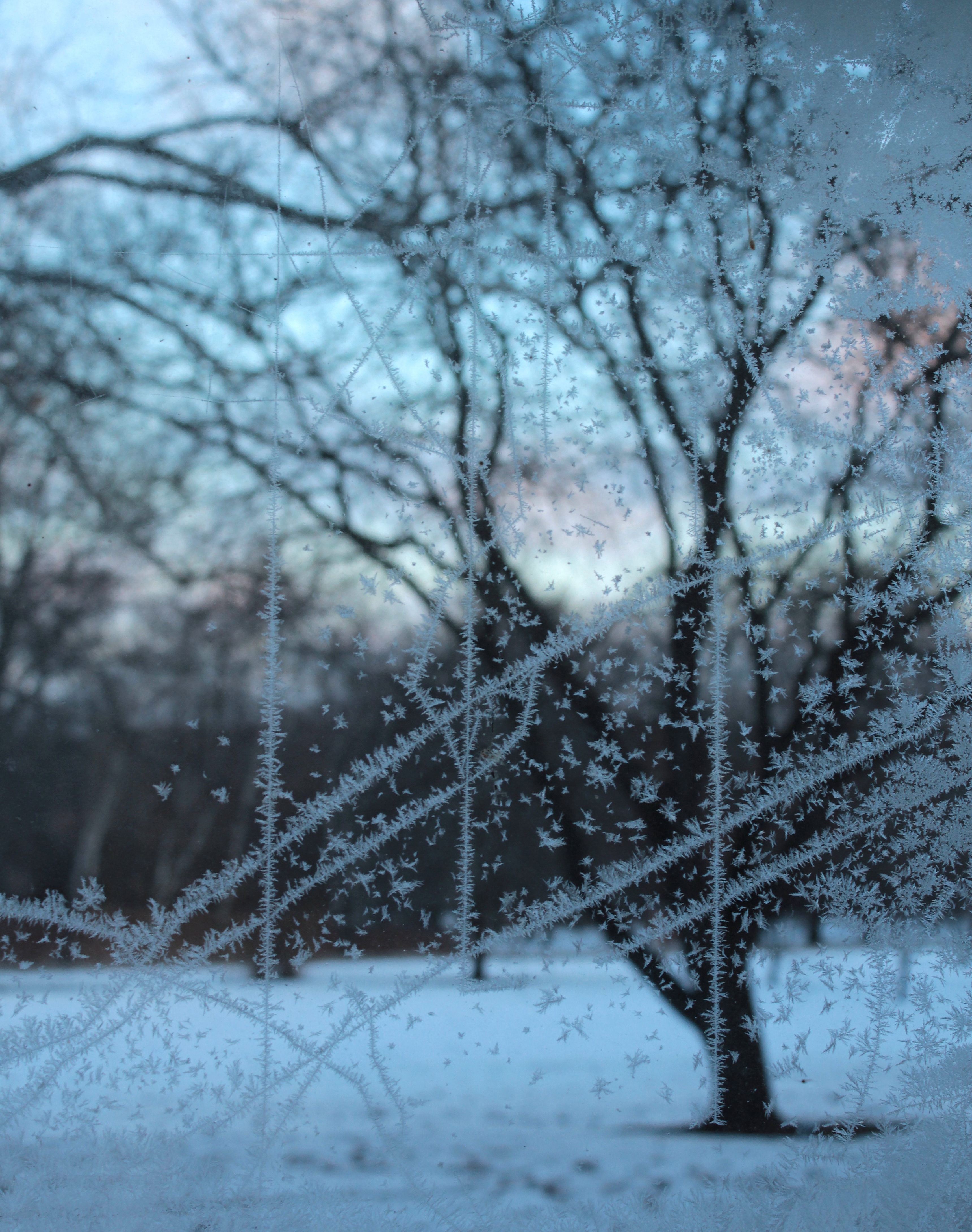
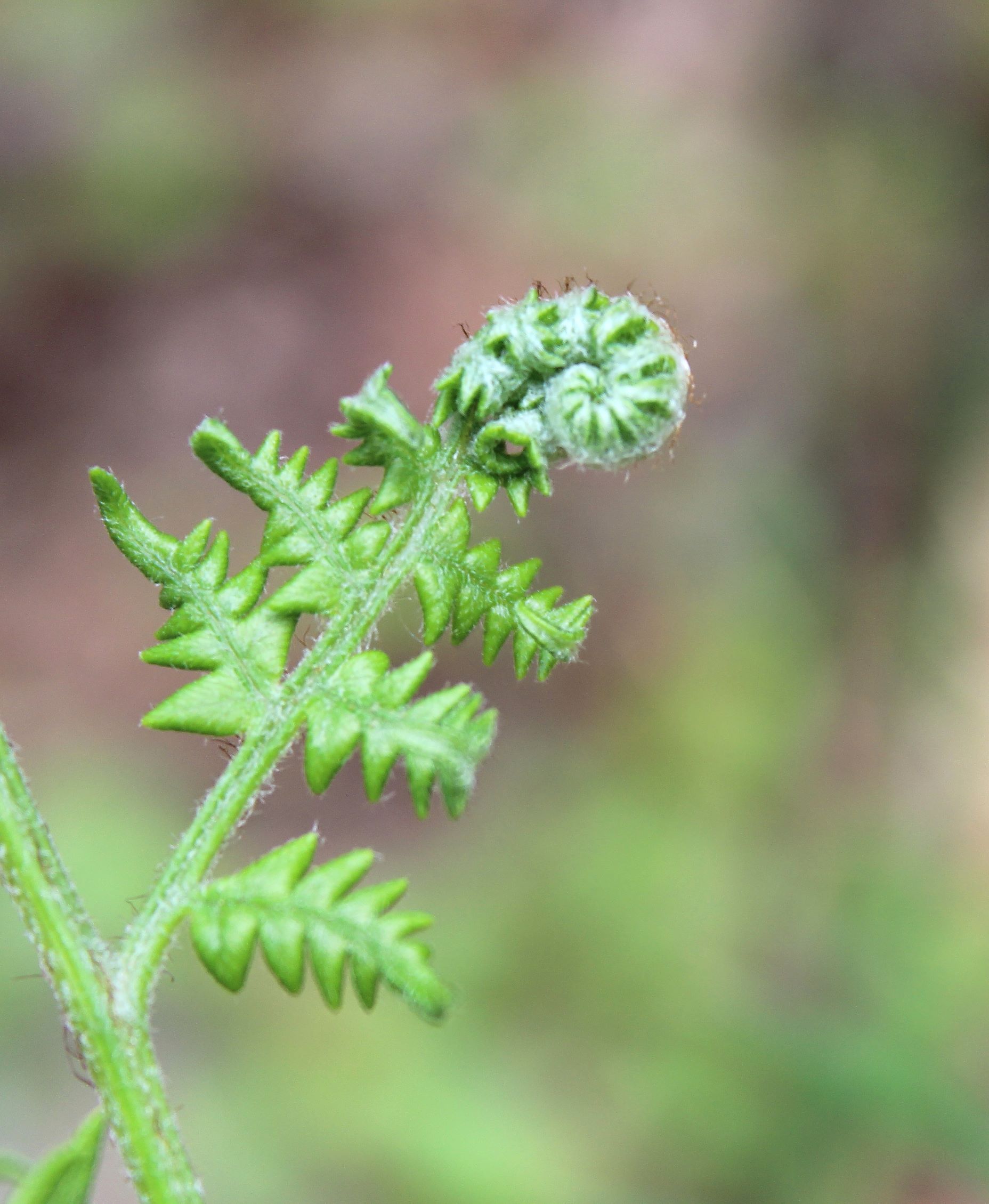
Sofia, our host for this challenge, writes: “The term bokeh was first used to distinguish normal motion blur from the blur obtained when things are out of focus. It literally means blur in Japanese. The Nikon website, after a more complex and technical explanation reduces it to simply this: ‘bokeh is the pleasing or aesthetic quality of out-of-focus blur in a photograph’.” The picture above is of a very young fern, its leaves all rolled up. The soft focus background draws attention to the inward curl, like tiny arms hugging its own precious new life.

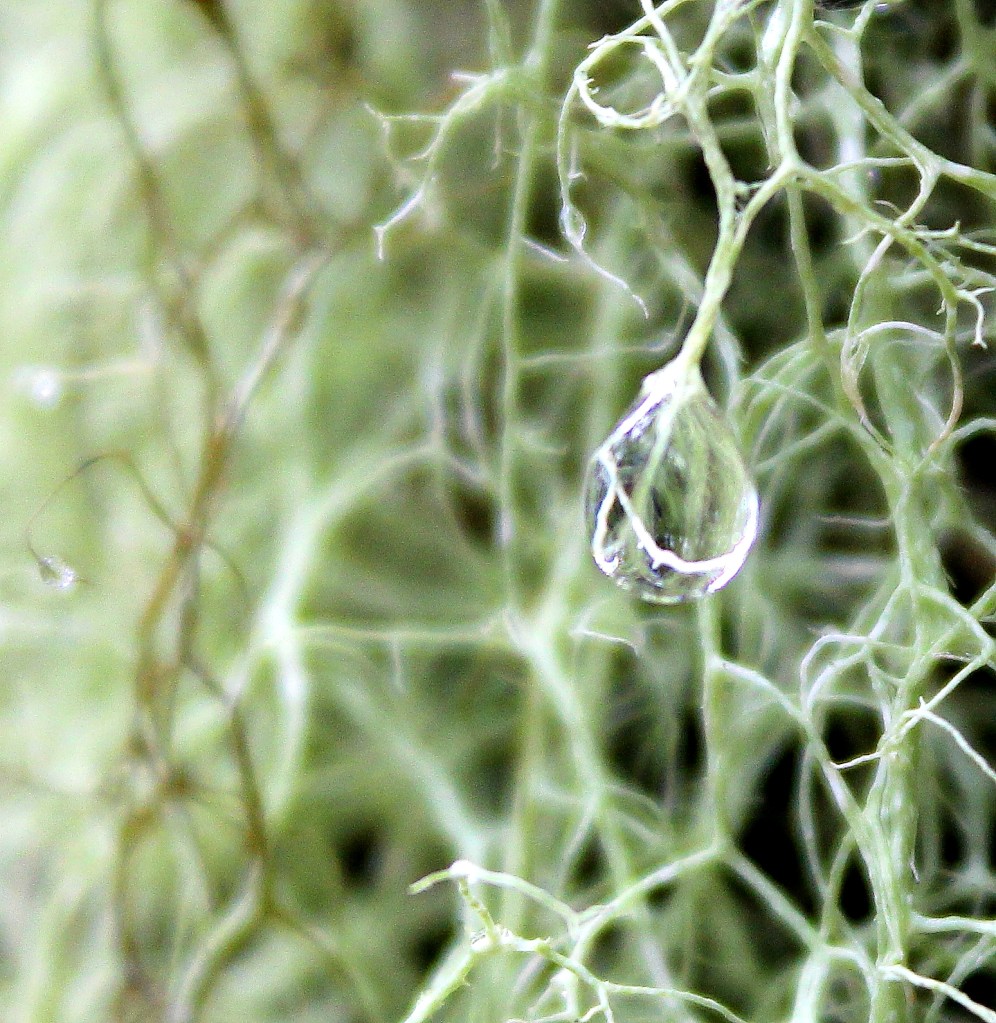
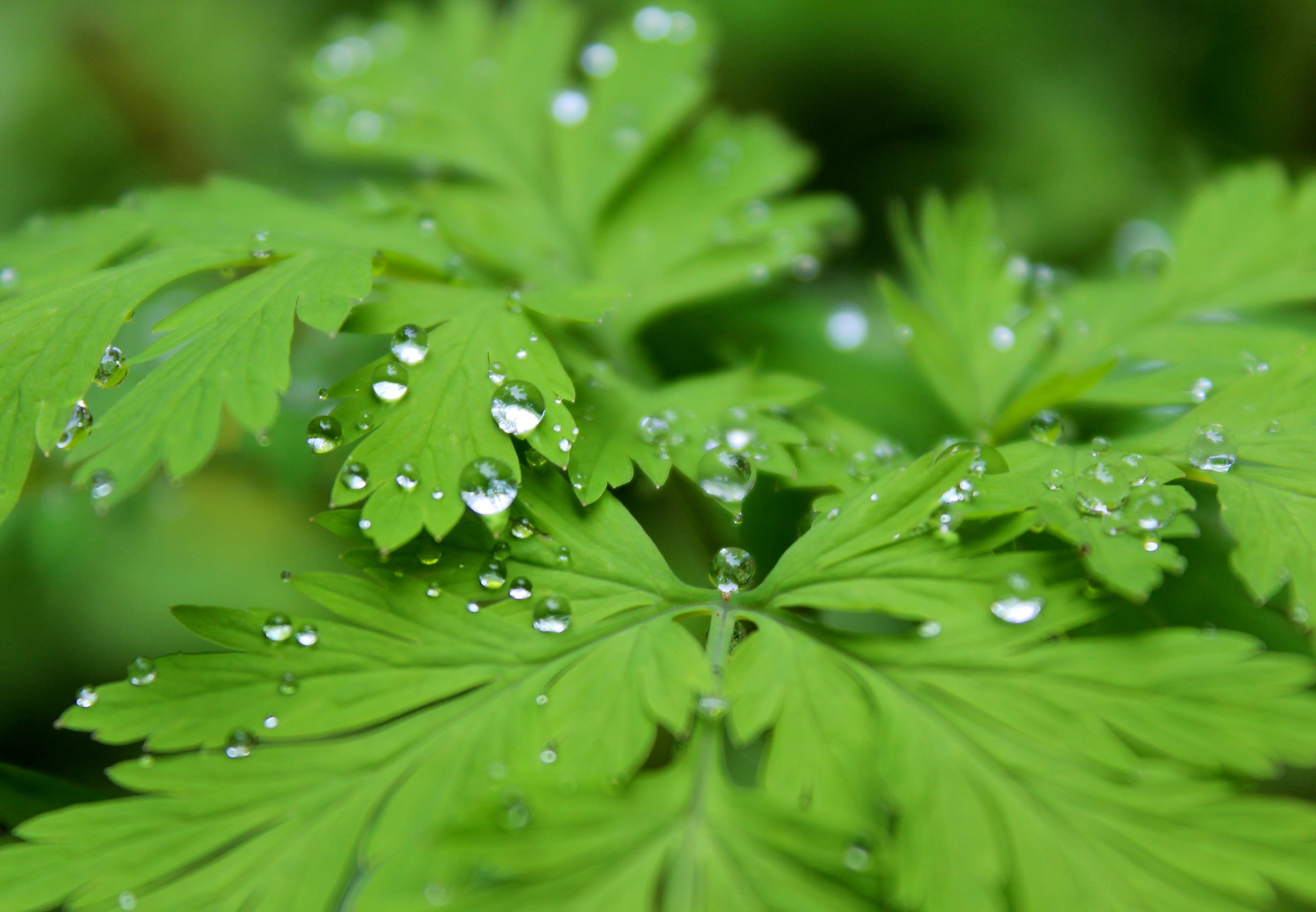
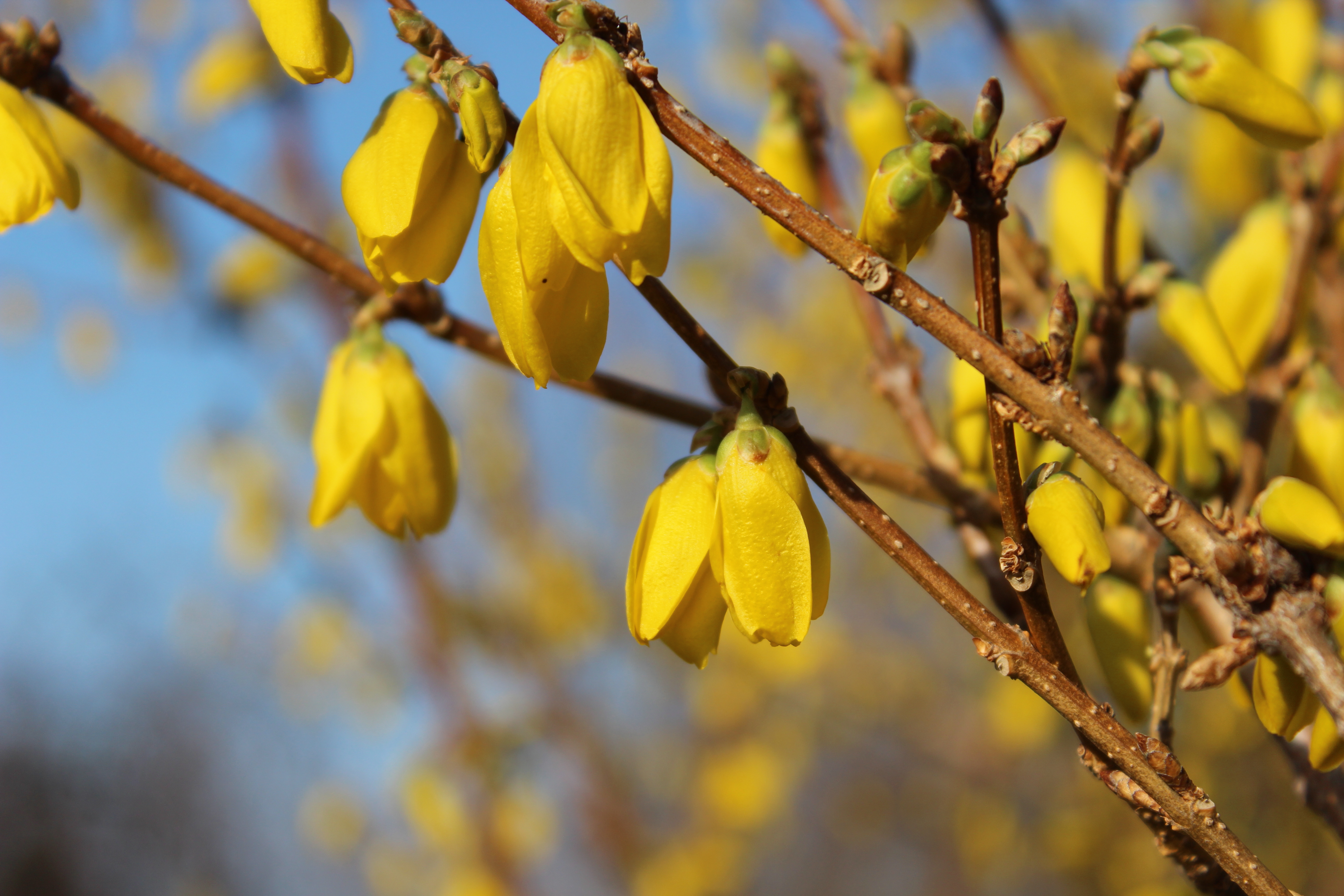
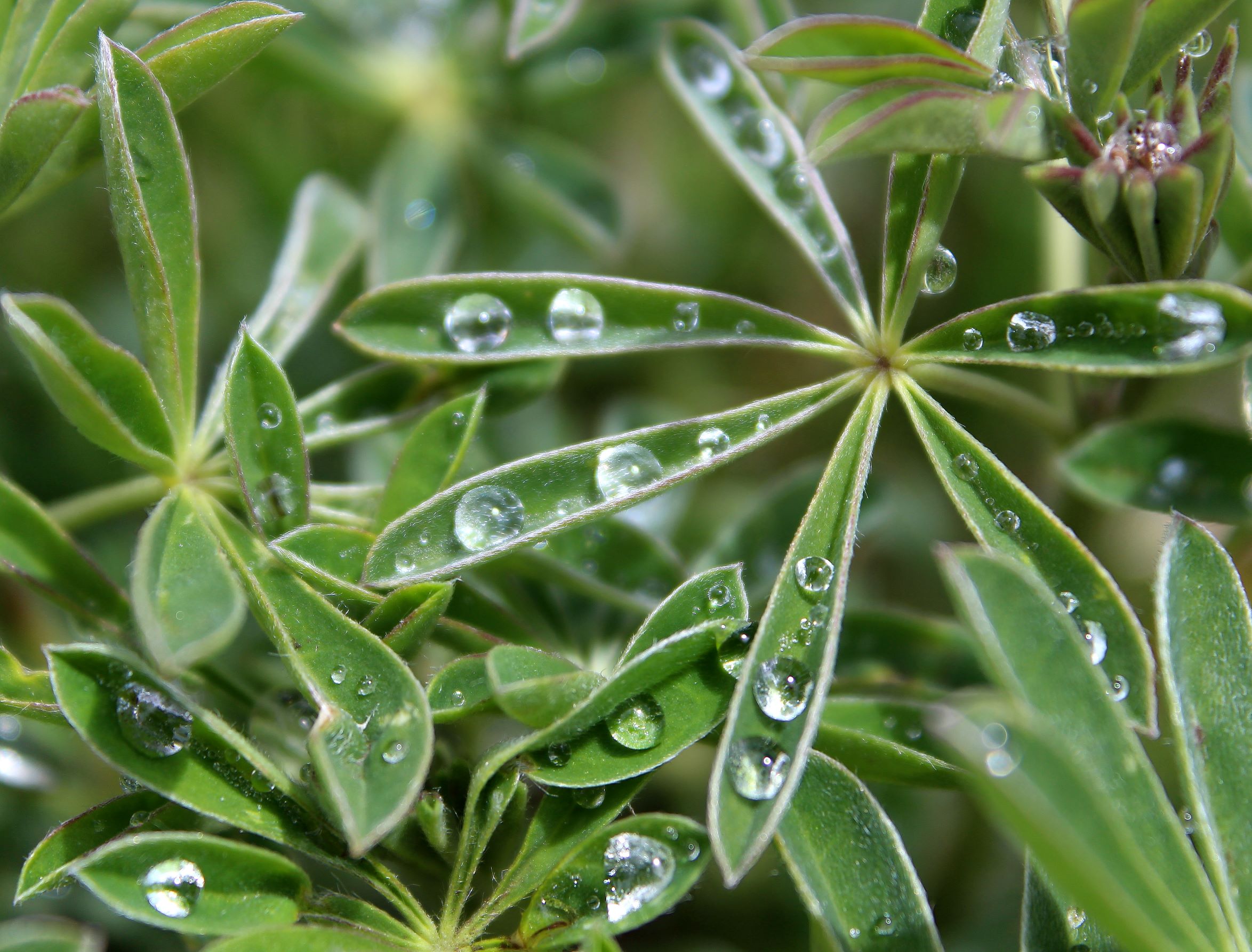
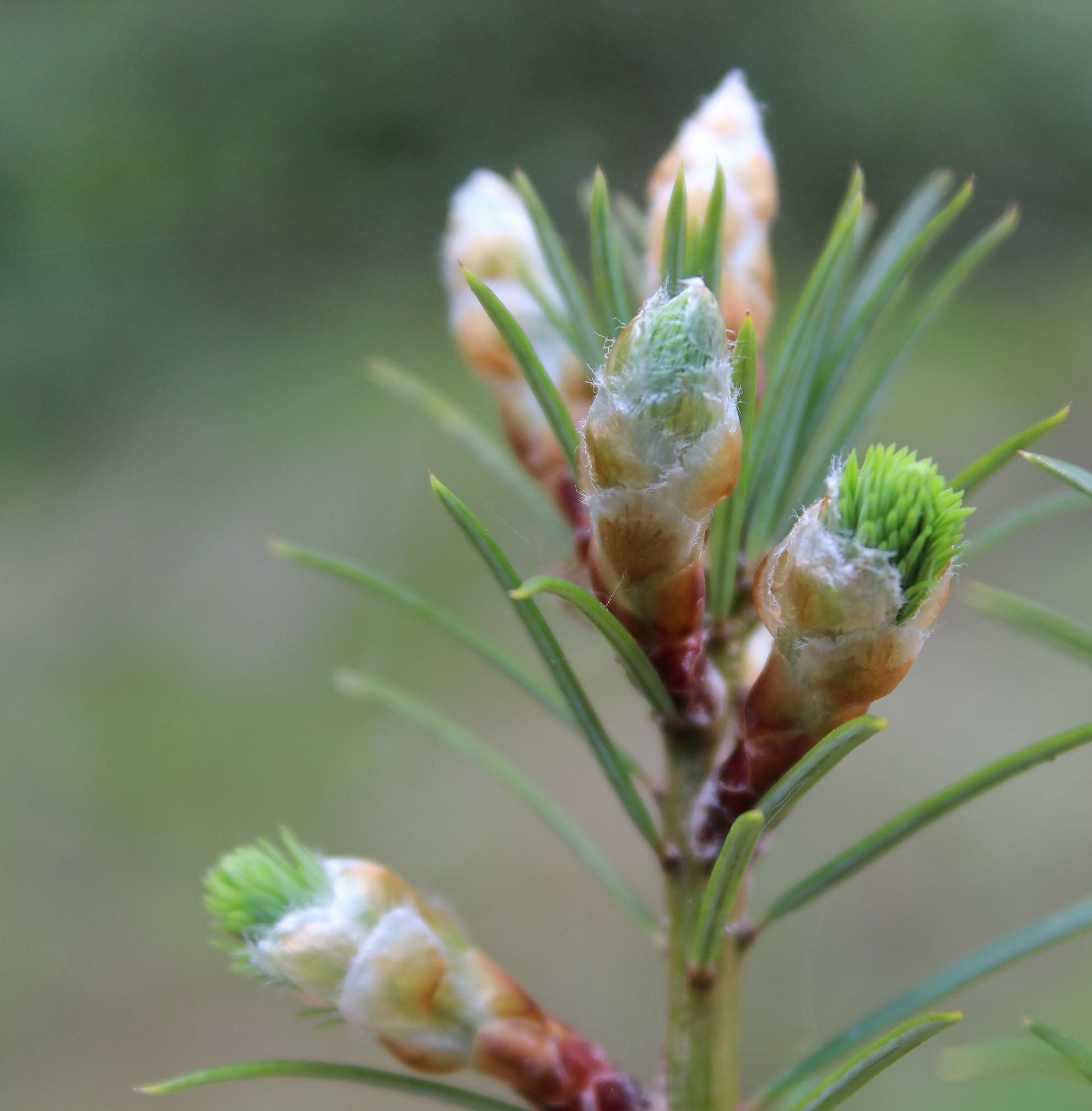
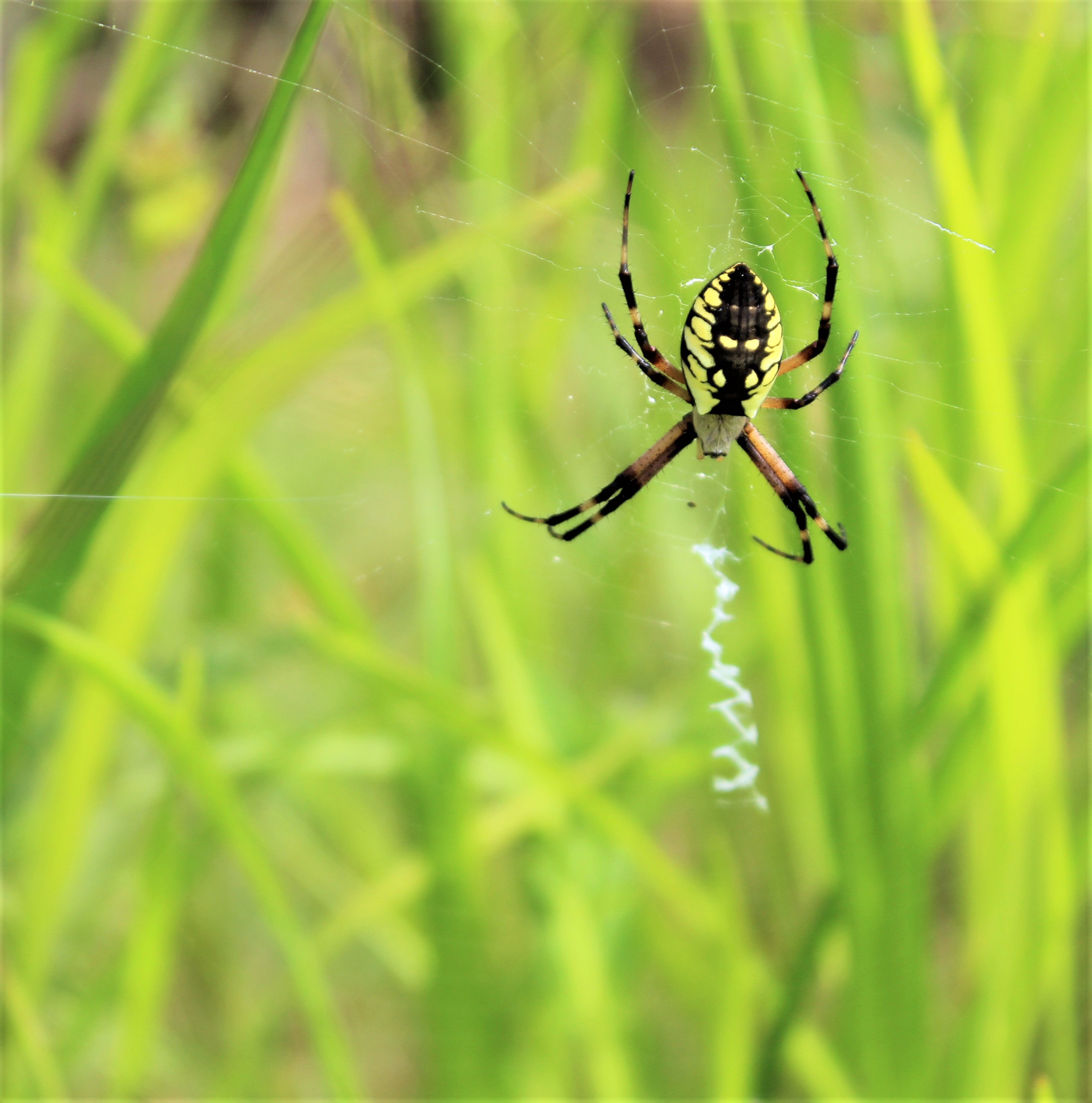
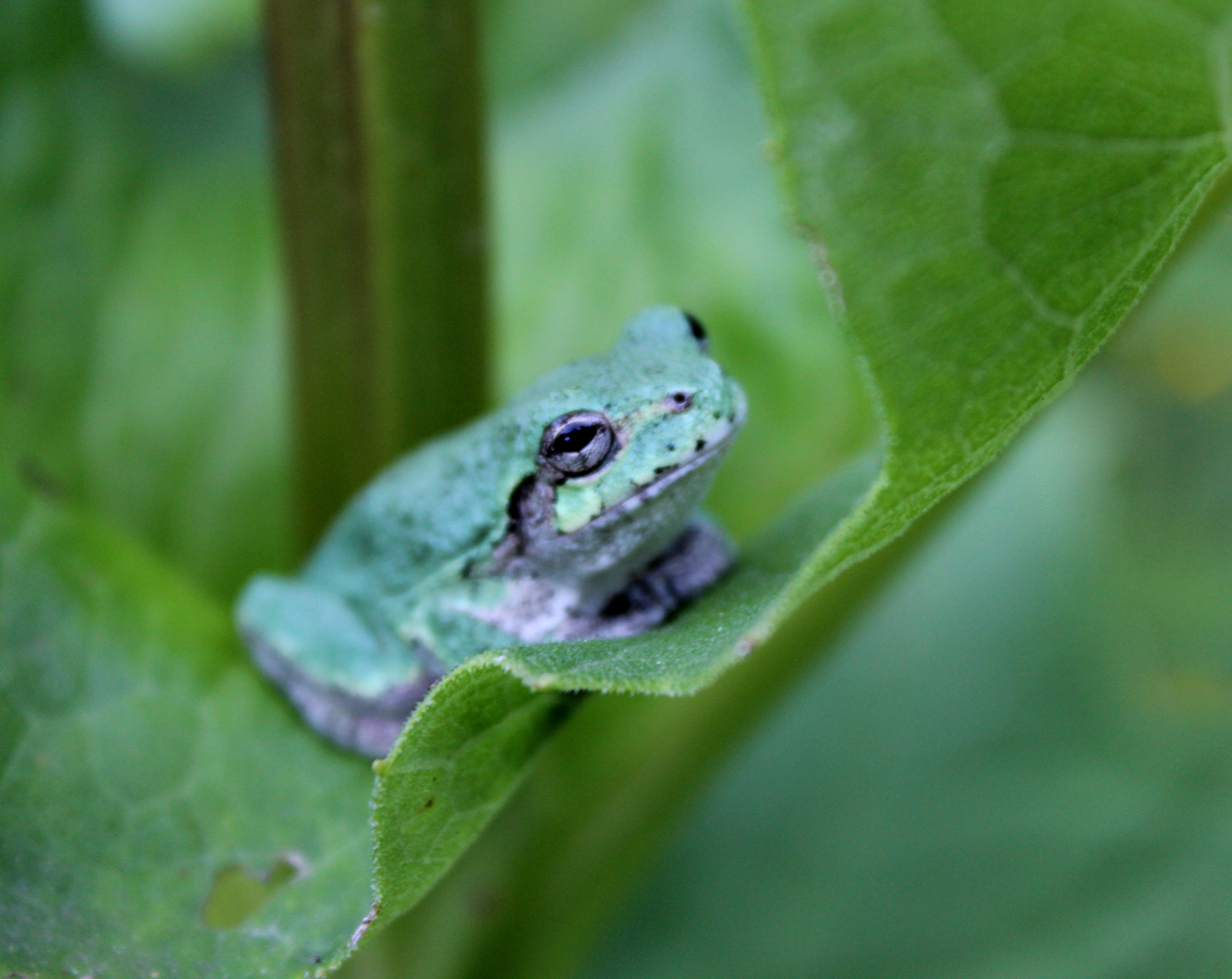
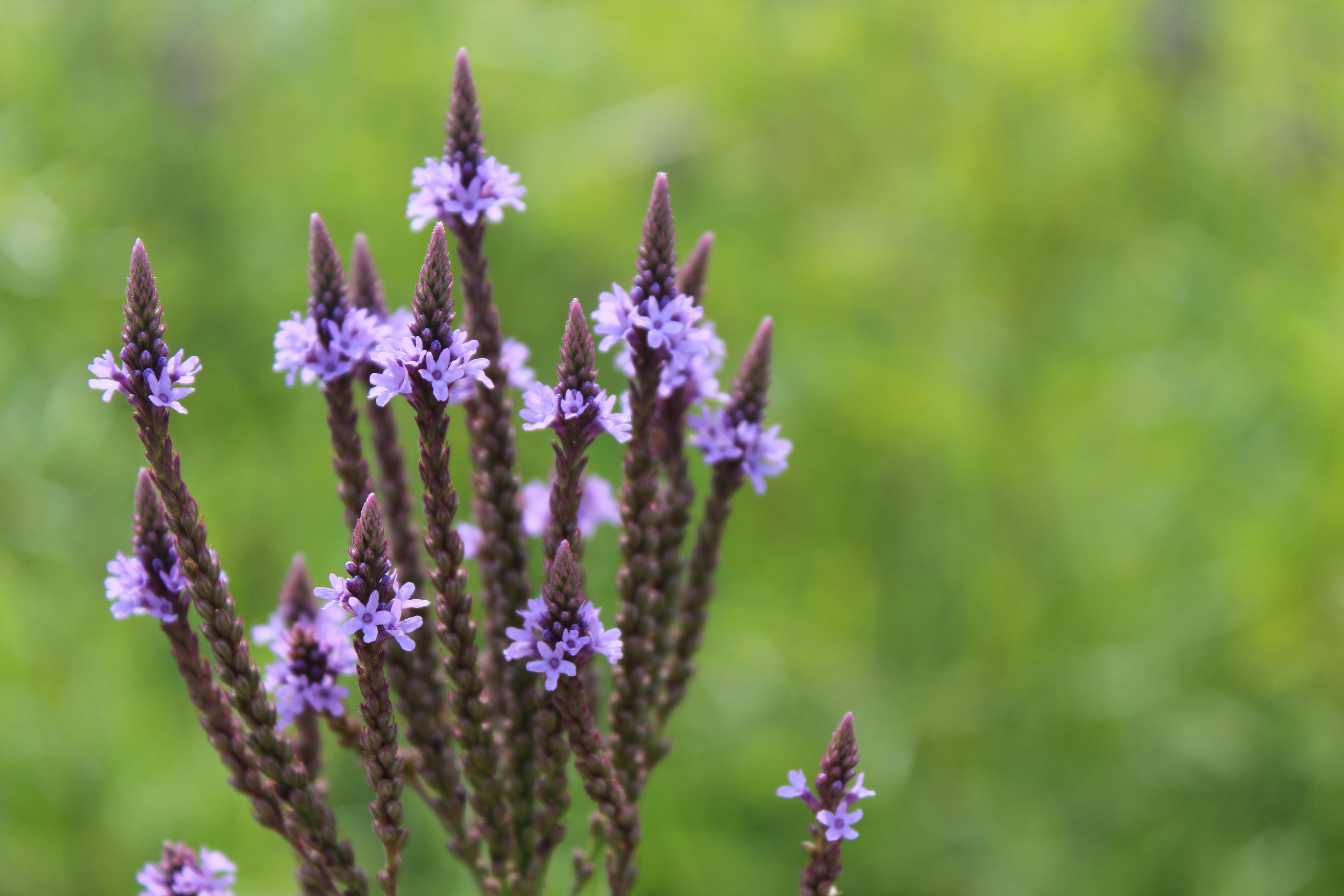
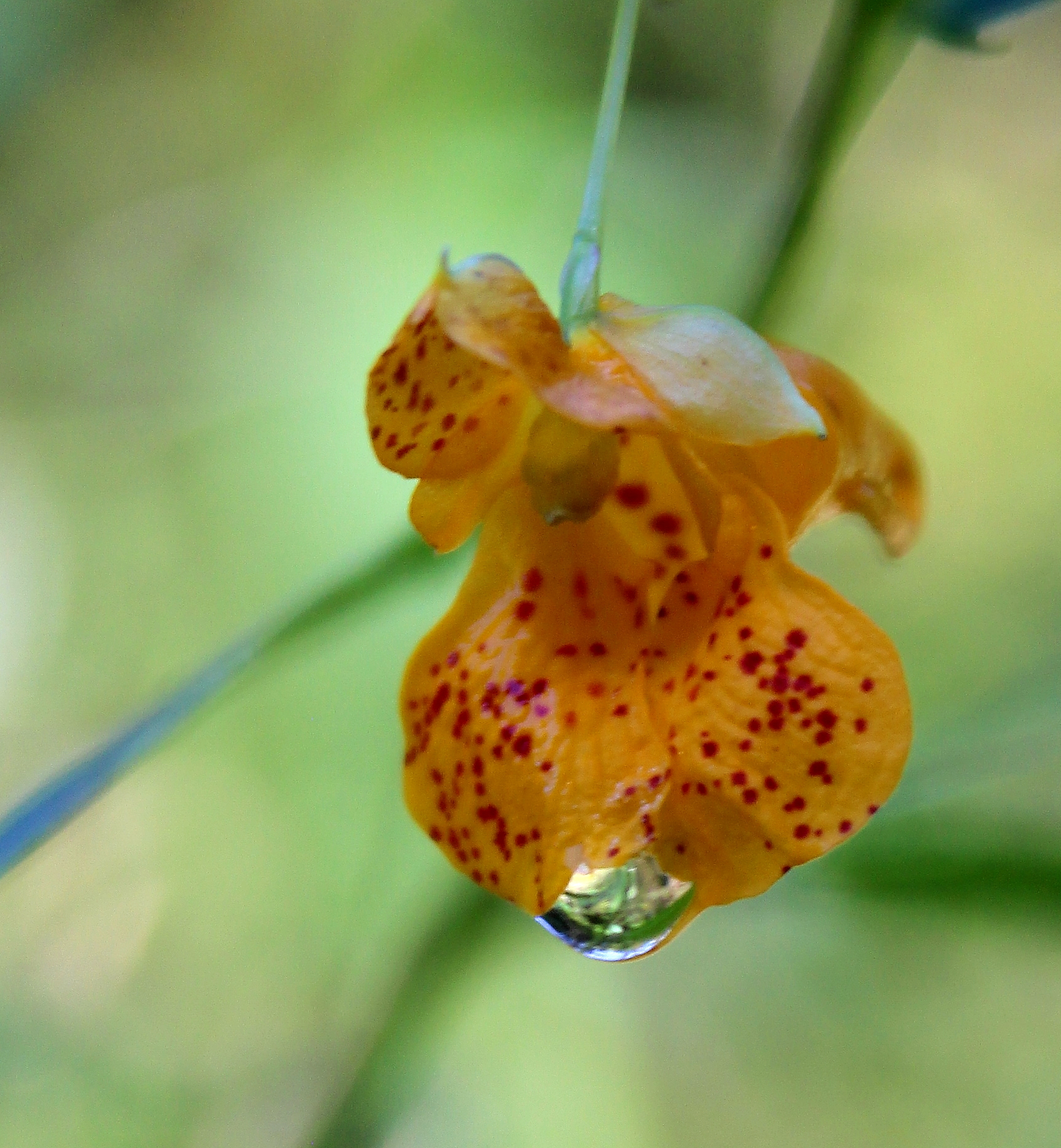
I like how the background blur in this closeup of a dewdrop on some beard lichen reminds me of neuron pathways in the brain. (I do wish the drop were in sharper focus, though.) The bokeh background feels very Zen-like to me. It’s what happens when you are calmly mindful of the thing right in front of you, while the background fades into a peaceful blur. Here’s a gallery of my nature close-ups with bokeh backgrounds:

Please visit Sofia’s post, HERE, for more on this technique and instructions for participating in the challenge.