In her book, For the Time Being, Annie Dillard writes keen observations about anthropology, religion, culture, death…and clouds.
She quotes written observations of clouds from centuries ago. It seems that always, humans have looked up from their lives in wonder, trying to make sense of the shifting vapor, what it might mean for the present, for the future, how it all got there in the first place, and how it can be ever-new and unpredictable.
The unique atmosphere surrounding beloved Earth supports everything we know as Life. How much do we really know about it?
“I really don’t know Clouds at all.” — Joni Mitchell
“I see the world being slowly transformed into a wilderness; I hear the approaching thunder that, one day, will destroy us too. I feel the suffering of millions. And yet, when I look up at the sky, I somehow feel that everything will change for the better, that this cruelty too shall end, that peace and tranquility will return once more.” — Anne Frank
“Fear keeps us focused on the past or worried about the future. If we can acknowledge our fear, we can realize that right now we are okay. Right now, today, we are still alive, and our bodies are working marvelously. Our eyes can still see the beautiful sky. Our ears can still hear the voices of our loved ones.” — Thich Nhat Hahn
“The sky is the daily bread of the eyes.” — Ralph Waldo Emerson
“One can enjoy a rainbow without necessarily forgetting the forces that made it.” — Mark Twain
Thank you, Amy, for challenging us to find Skyscapes and Cloudscapes and offering such beautifully dramatic examples.
“There are a thousand ‘greatest’ melodies, just as there are a thousand ‘greatest’ poems and a thousand ‘greatest’ pictures, because there are a thousand moods in the mind of (a Person) when a certain note rings with the most clarity–when a certain design is most sharply silhouetted against the changing curtain of (their) mind.” ― Beverley Nichols, A Thatched Roof
Our host this week, Sofia, writes, “I challenge you and myself to think of mood, how to convey and create an emotional reaction to your shot. That can be accomplished by capturing situations or occasions, photography styles or people and their feelings.” Visit HER POST to see a variety of techniques for expressing mood in photography.
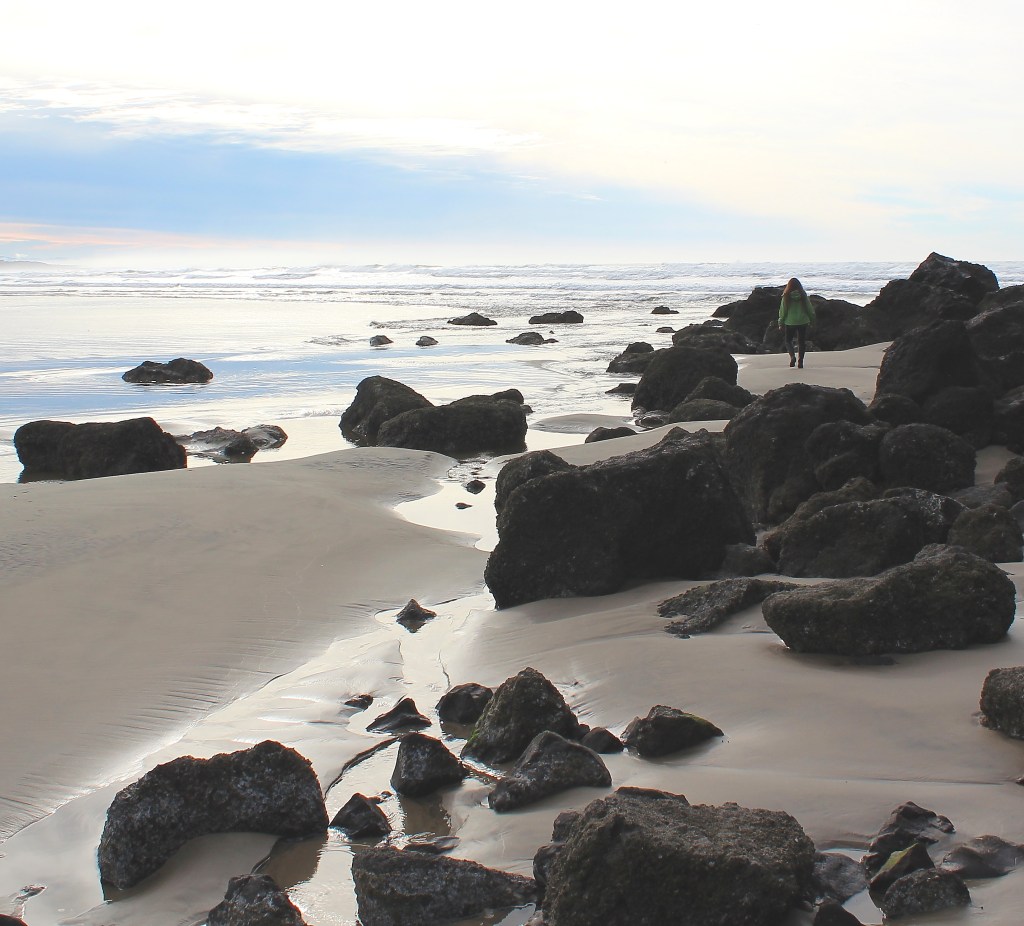
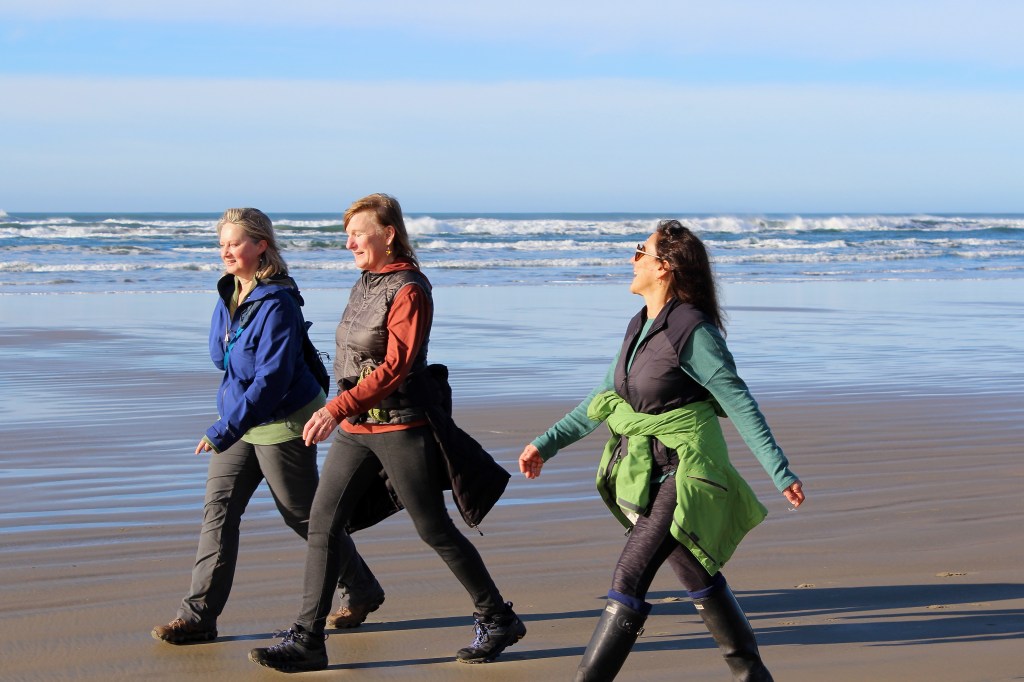
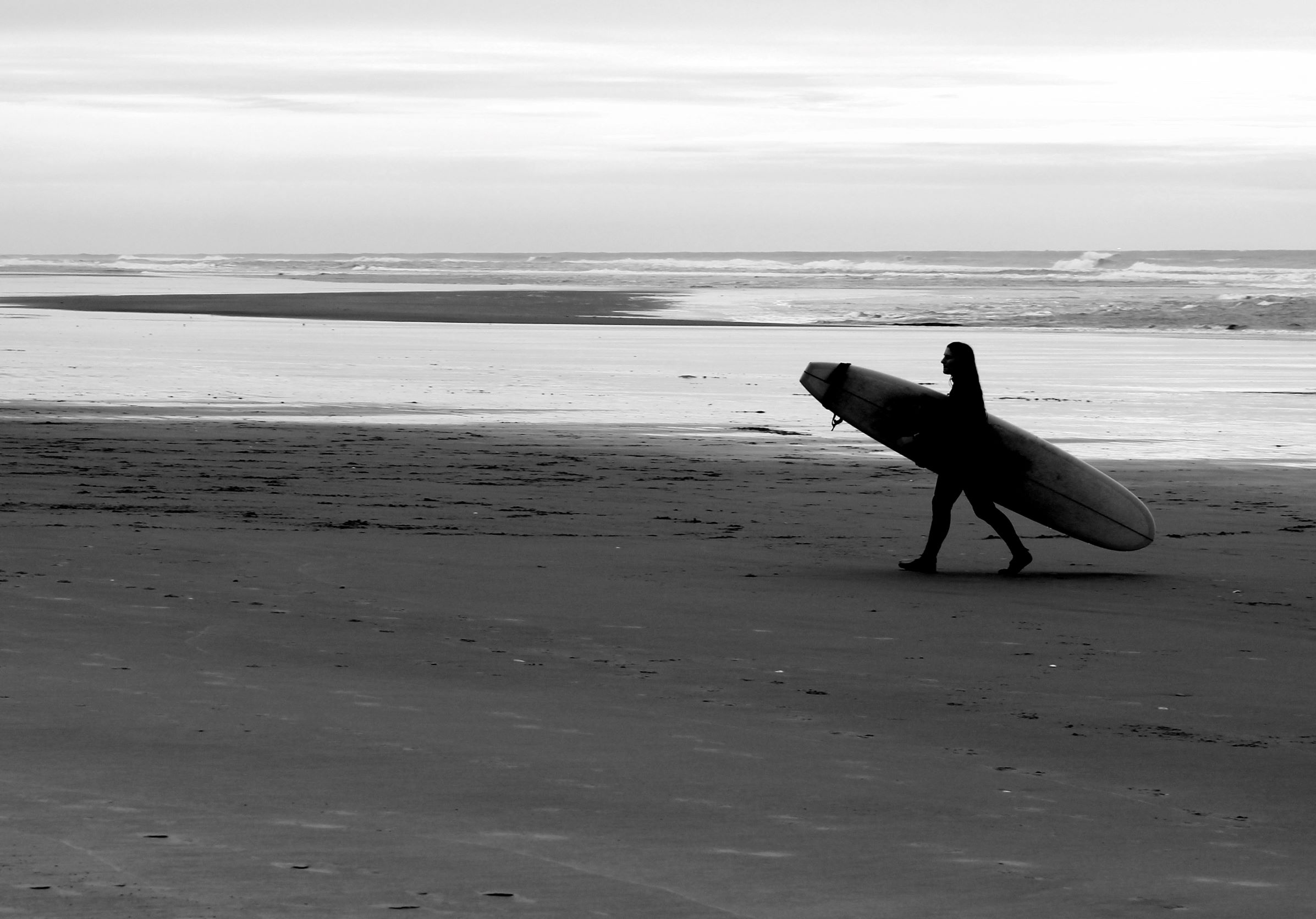
The following two photos were taken on the same day, while I was walking with a group of friends. I am always fascinated by the changing moods of the ocean…and of people.
I’m tempted to say that my driveway has moods…but it’s not the driveway at all. It’s the Place, the environment. My driveway just provides a fixed point of comparison.
It’s really amazing to consider how my own mood affects everything I perceive and to know that I can illustrate that in my photos as well.
I am amused to think of “hashtag MOOD” as a shorthand of popular culture. It is a humorous way to acknowledge our common human experience as shifting landscapes of emotion. How wonderful to recognize and resonate with each other as we share our Lens-Artists posts! I look forward to seeing yours!
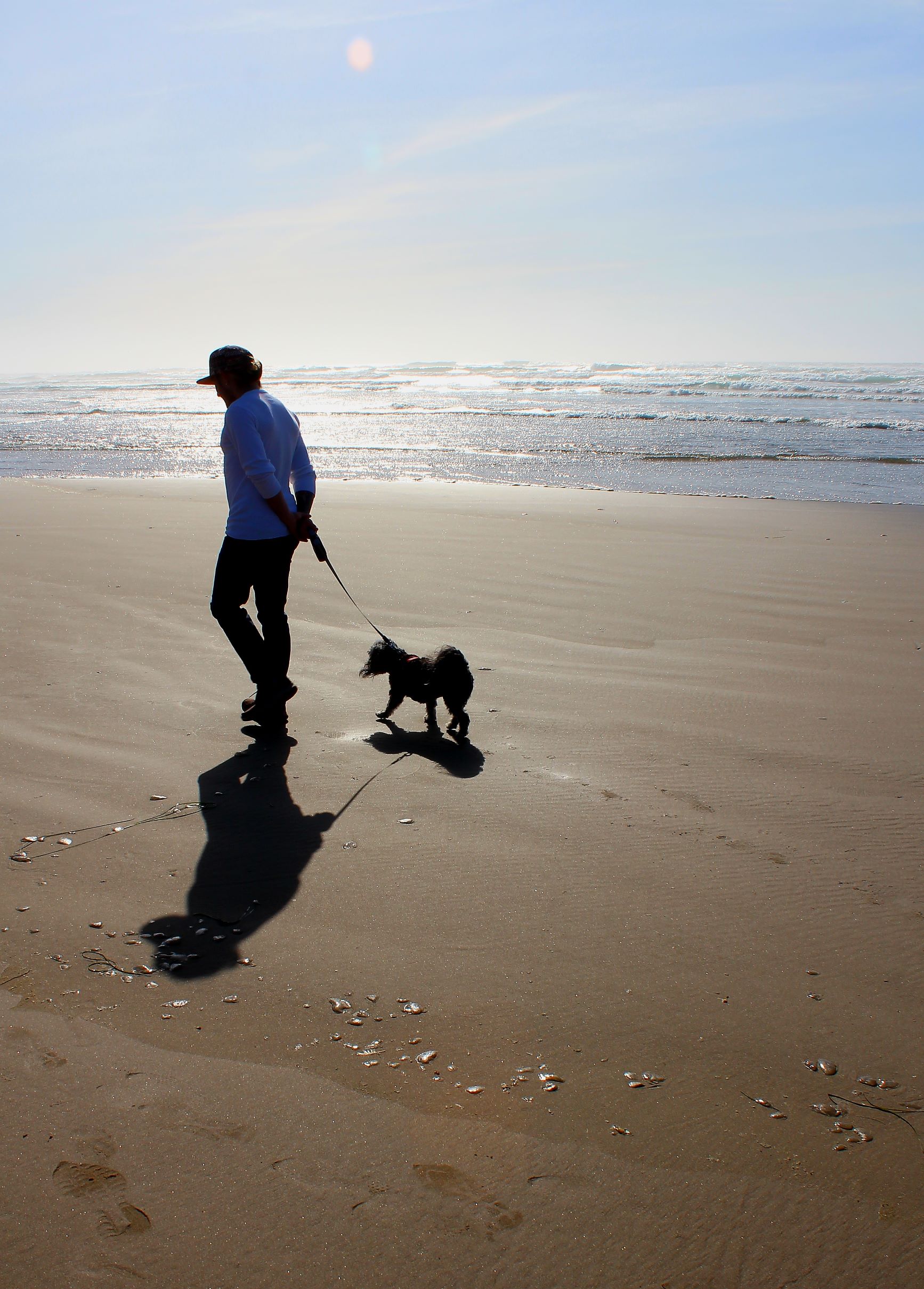
“The beginnings and ends of shadow lie between the light and darkness and may be infinitely diminished and infinitely increased. Shadow is the means by which bodies display their form. The forms of bodies could not be understood in detail but for shadow.” – Leonardo da Vinci
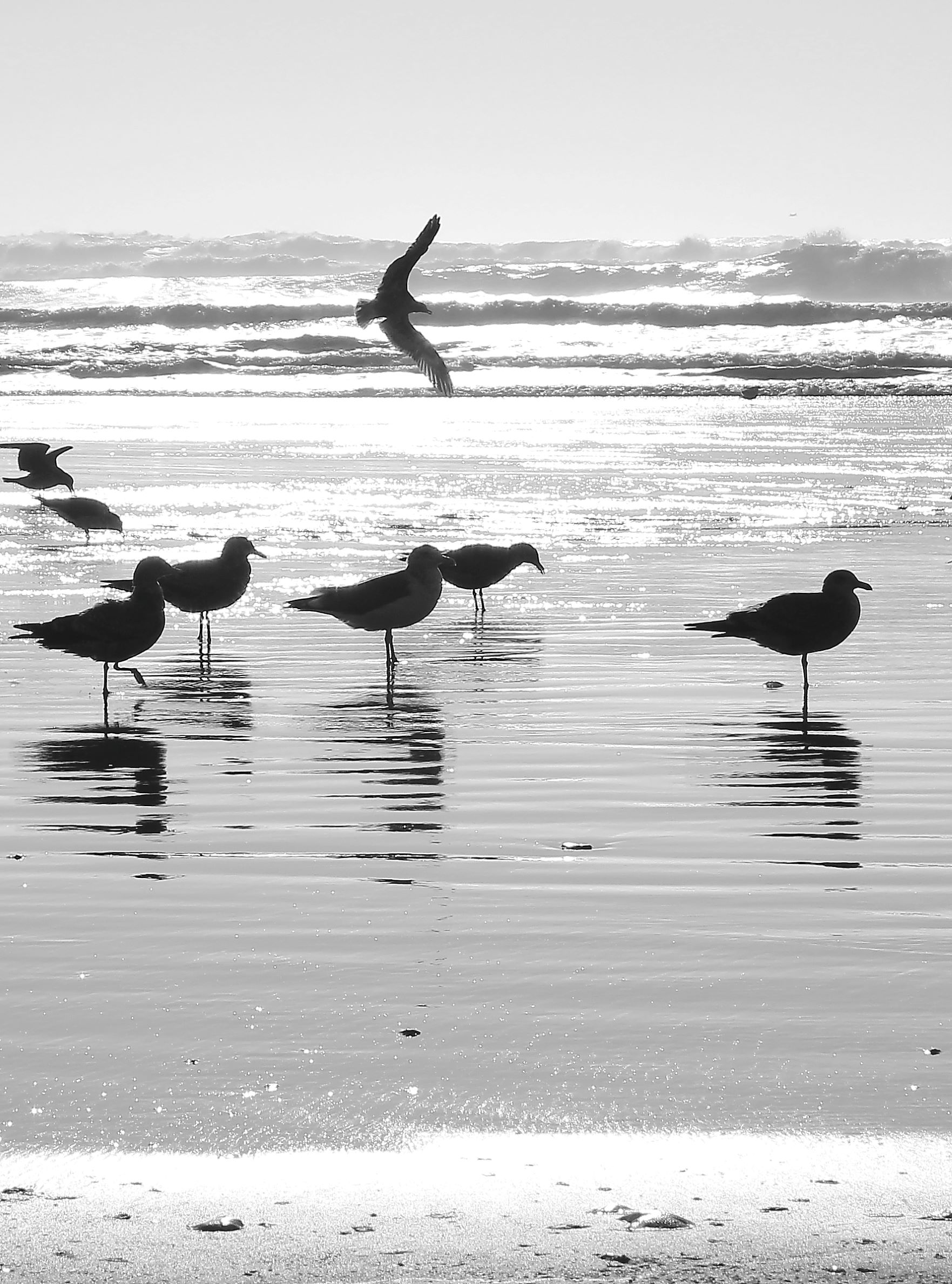
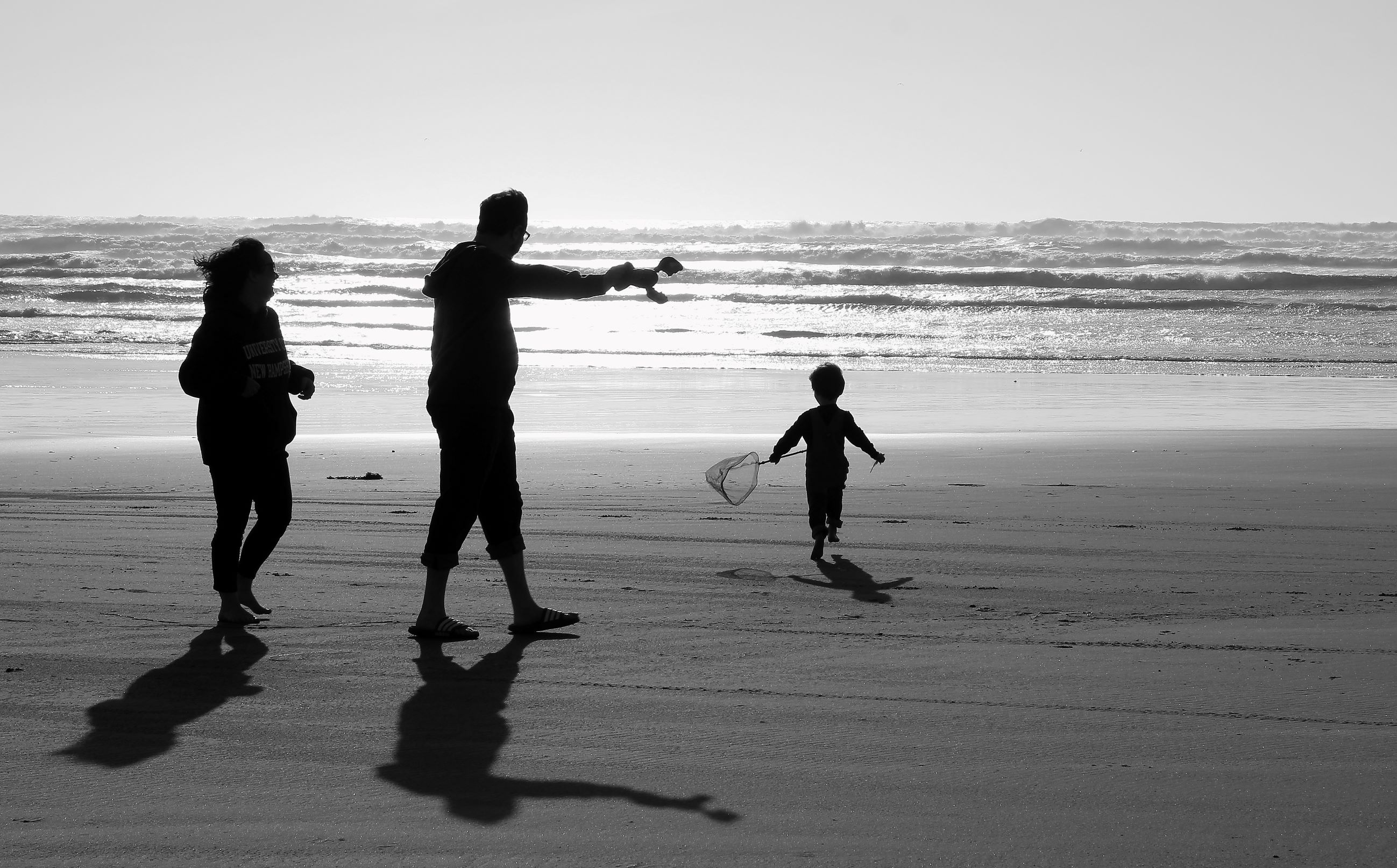
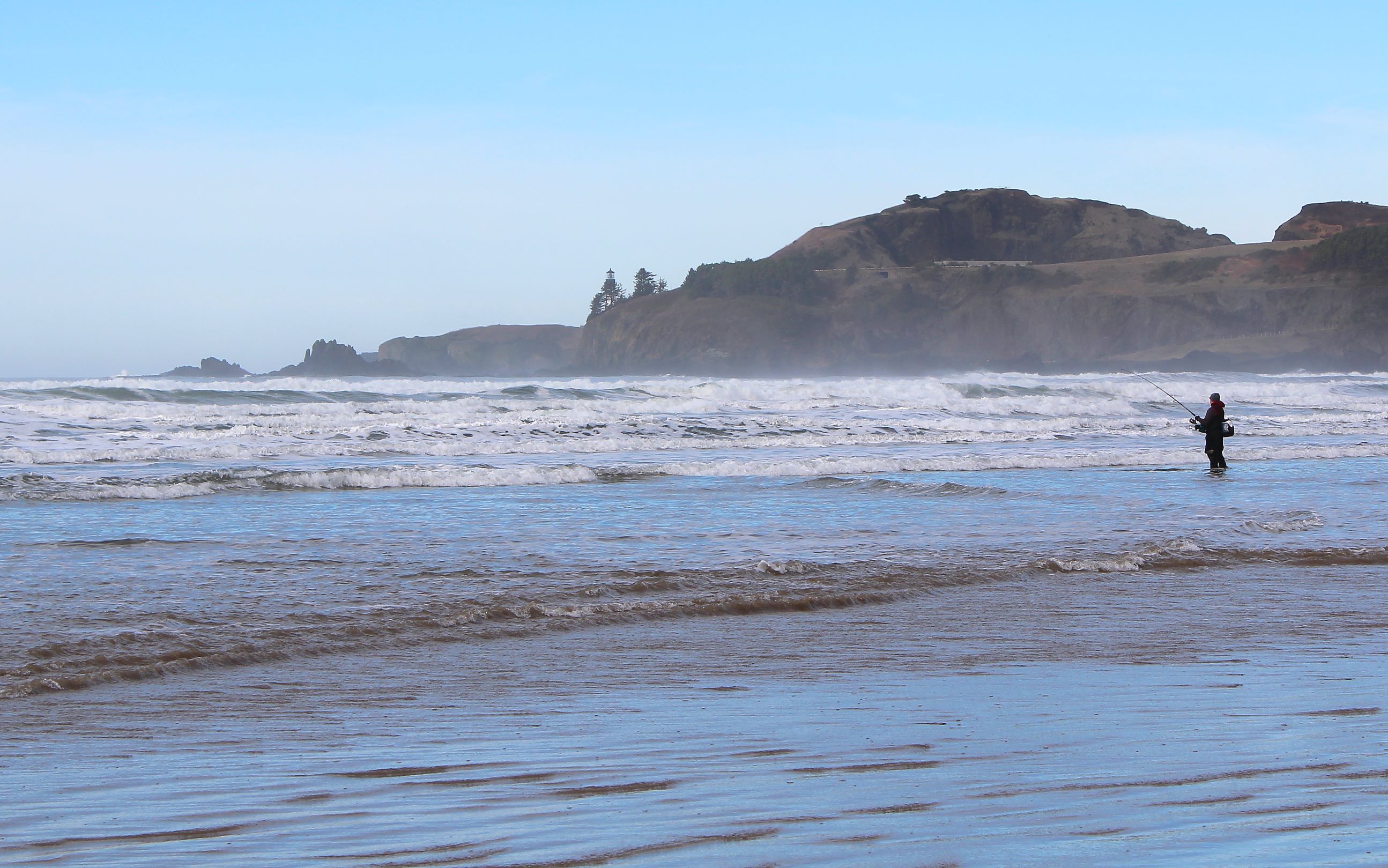
This week’s photo challenge comes from Ann-Christine, who writes, “Backlight is a versatile instrument in making pictures really come alive, even if they are only silhouettes or very dark. For landscapes it can be magical.” I find that especially true when water is part of the landscape, adding reflection, glow, and sparkle. I am really happy that the rain in Oregon has let up, and warm sunshine is bedazzling the Coast. I had a glorious day there yesterday, and will return soon!
“Keep your love of nature, for that is the true way to understand art more and more.” ~ Vincent Van Gogh
The challenge this week centers around a metaphor: the road most taken on your photographic journey represents your preferred style or genre. In looking at my portfolio, it became obvious that road I take most often with my camera is a walk in the weird, wonderful, wide world of Nature. The unexpected, the unexplained, the unusual, and the astonishingly beautiful never fail to catch my eye. Pattern, color, life, texture, phenomenon – it’s like performance art: everything, everywhere, all at once. I can never get enough!
“Look and think before opening the shutter. The heart and mind are the true lens of the camera.” — Yousuf Karsh
It has been a long time since my last Photo Walk. Winter in the Pacific Northwest is often rainy, dark, and cold. It affects my mood more than it affects the beauty of my surroundings. I struggled to leave my warm, flannel bed this morning, but when I looked out the window, I saw the fog and sun in a dance of the Present Moment. I grabbed my camera and headed outside my door into the big world of the temporal rainforest. This is the story of One Walk with lenses.
I have only one lens for my camera: the one issued with my Canon Rebel T3i – 18-55mm. It also has some helpful pre-sets for close-ups and landscapes which I use quite frequently. I also bring along the lenses on my eyeballs and my varifocal eyeglasses. I am rarely without those.
The lens of my mental state has been fixated on the cold and my longing for sunshine. I visited the chickens in the yard and thought about their being cooped up outside all winter, albeit with down coats to cover themselves.
Oregon cold is not the same as Wisconsin cold. I’ve discovered that it’s wetter. It’s more colorful, too.
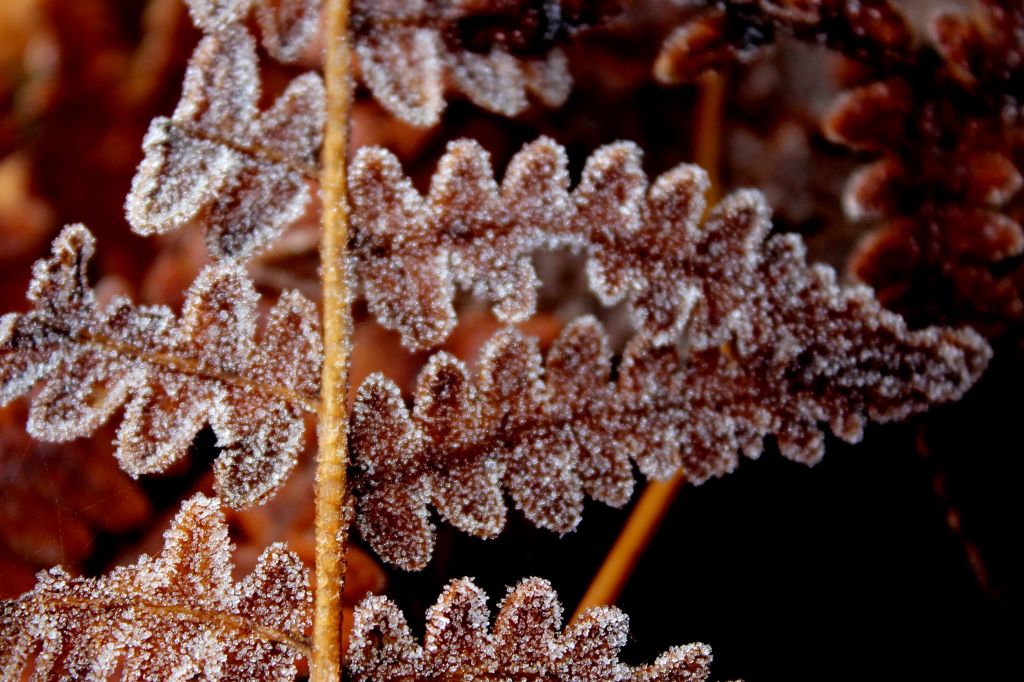
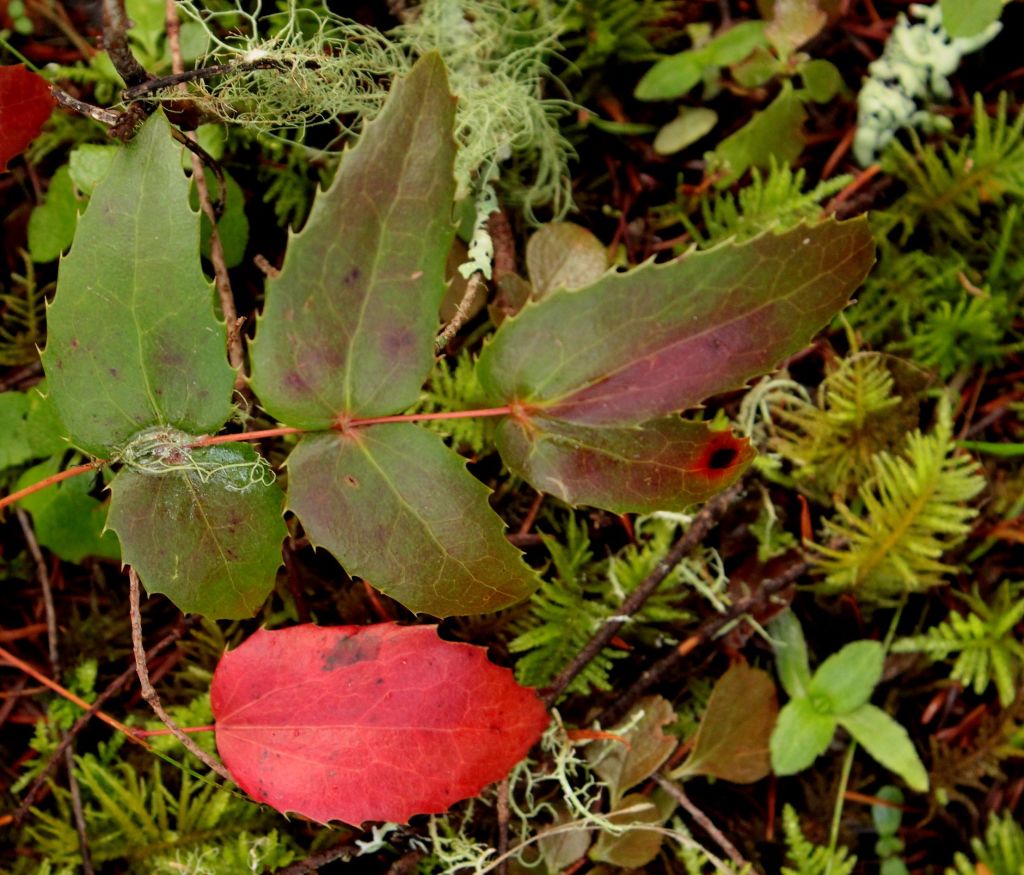
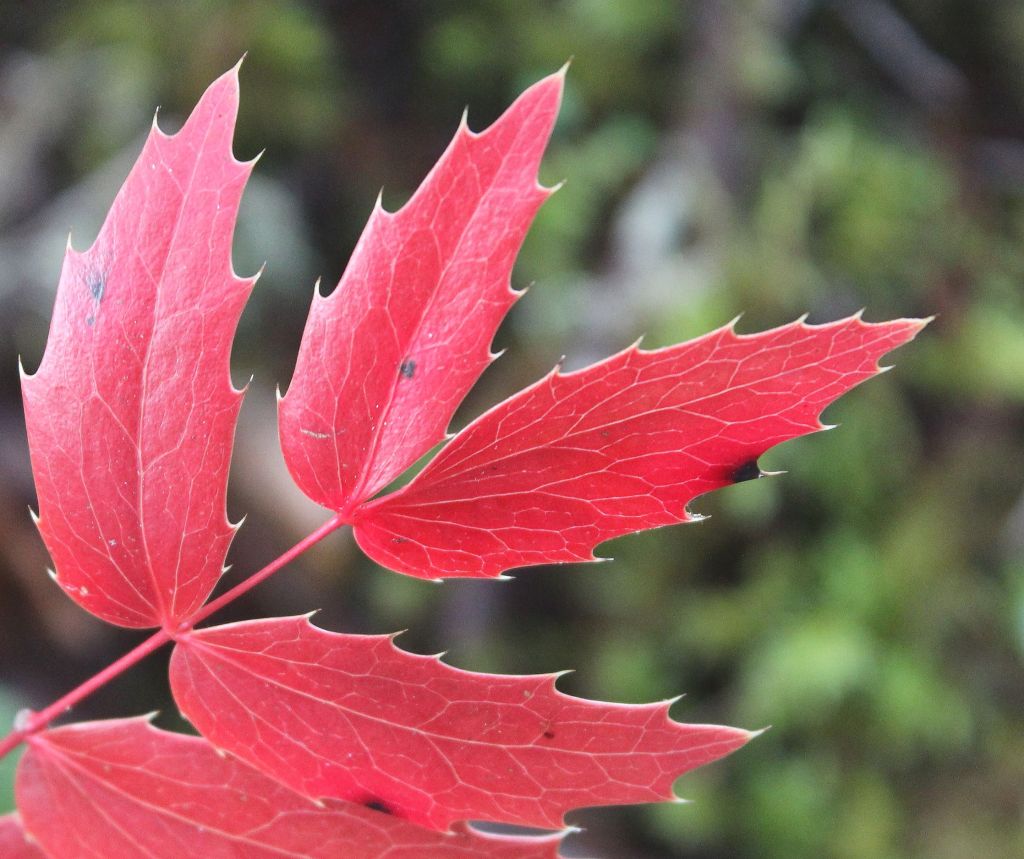
I wish I could imbed the experience of walking around here into this post. The ground is thick with fallen needles, ferns, rotting wood, Oregon grape, mosses, lichen. It’s springy and moist as well as colorful. There are literally worlds underfoot.
After a short ramble, my fingertips are numb. I head back inside to the warmth of my garage loft studio apartment. I have a bird’s nest view out my window.
Thank you, Anne, for motivating me to get outside for a Photo Walk. I appreciate that Lens-Artists are out and about in search of beauty all over the globe this week, traveling lightly. Happy hunting, all!
The sun has set on the year 2022, but the memories, the images, the lessons learned, and the resolve for the future carry forward. My most epic adventure of the year was my wilderness backpacking trip in Olympic National Park, during which I fell and broke my wrist. I have now learned that I have “severe” osteoporosis, which may well mean that it will have been my last wilderness adventure. Nevertheless, it will always stay in my memory for its awe-inspiring natural beauty.
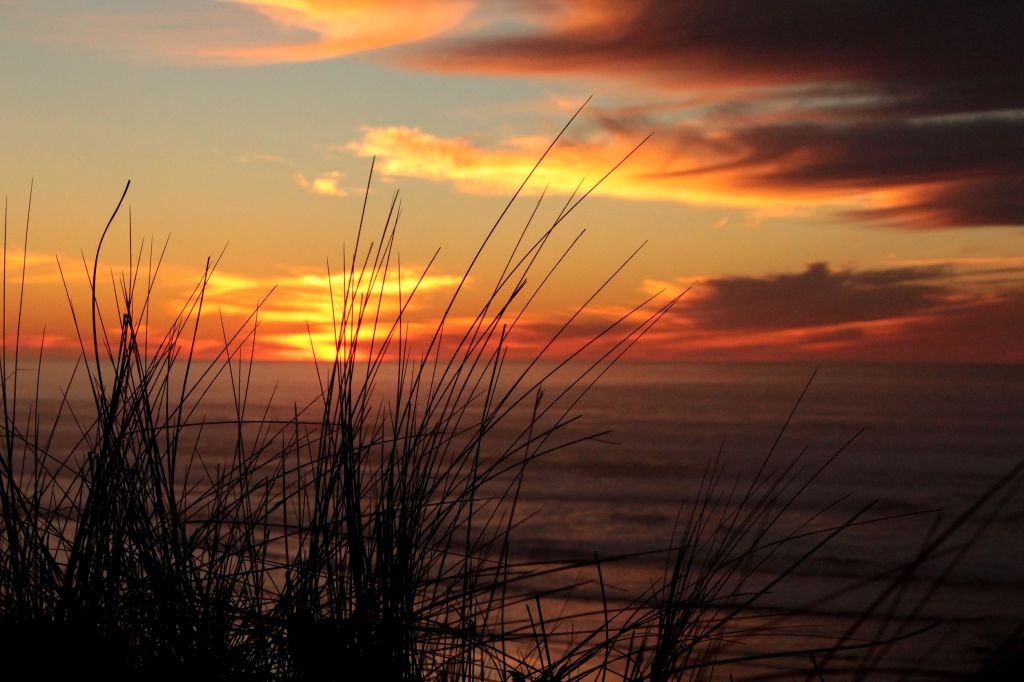
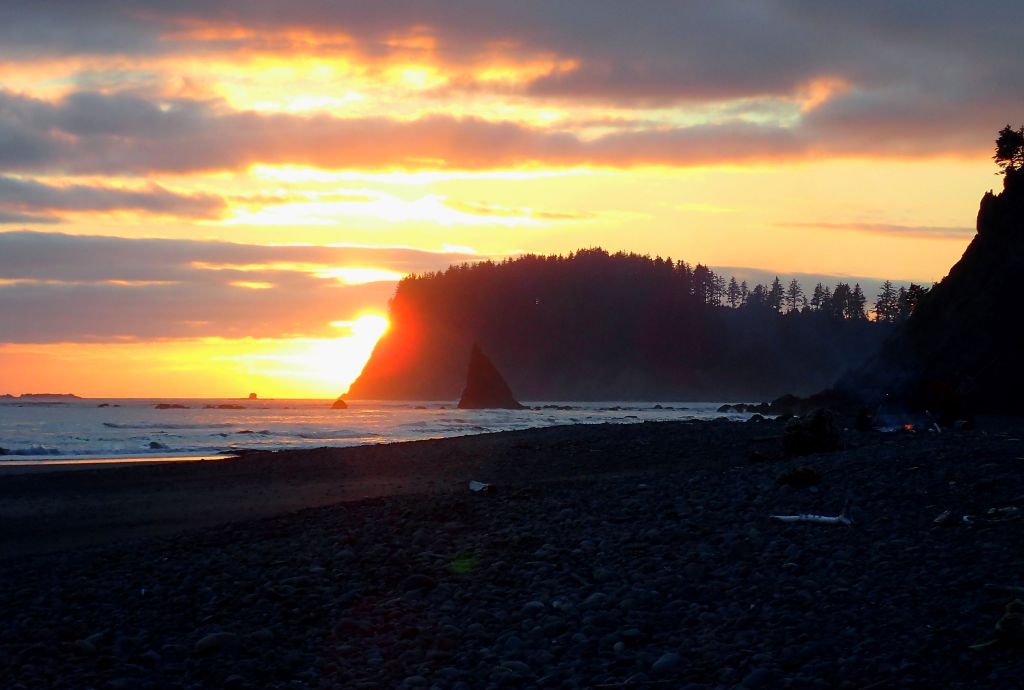
The Pacific coast is only an hour’s drive from my home, so I can hope for more glorious sunsets in the years to come.
I am so grateful to have been here in the Pacific Northwest, near mountains and coastline, for all of 2022.
Thanks, John, and all the Lens-Artists for your inspiration last year. I look forward to seeing what 2023 brings into your viewfinder!
For the last Challenge of the year, Tina’s invitation to the Lens-Artists is to post photos taken in 2022 that haven’t been previously published but somehow didn’t fit into any of the challenge categories selected. So here is my Last Chance gallery. They do fit in the category of Oregon Nature, however. (not surprised!)
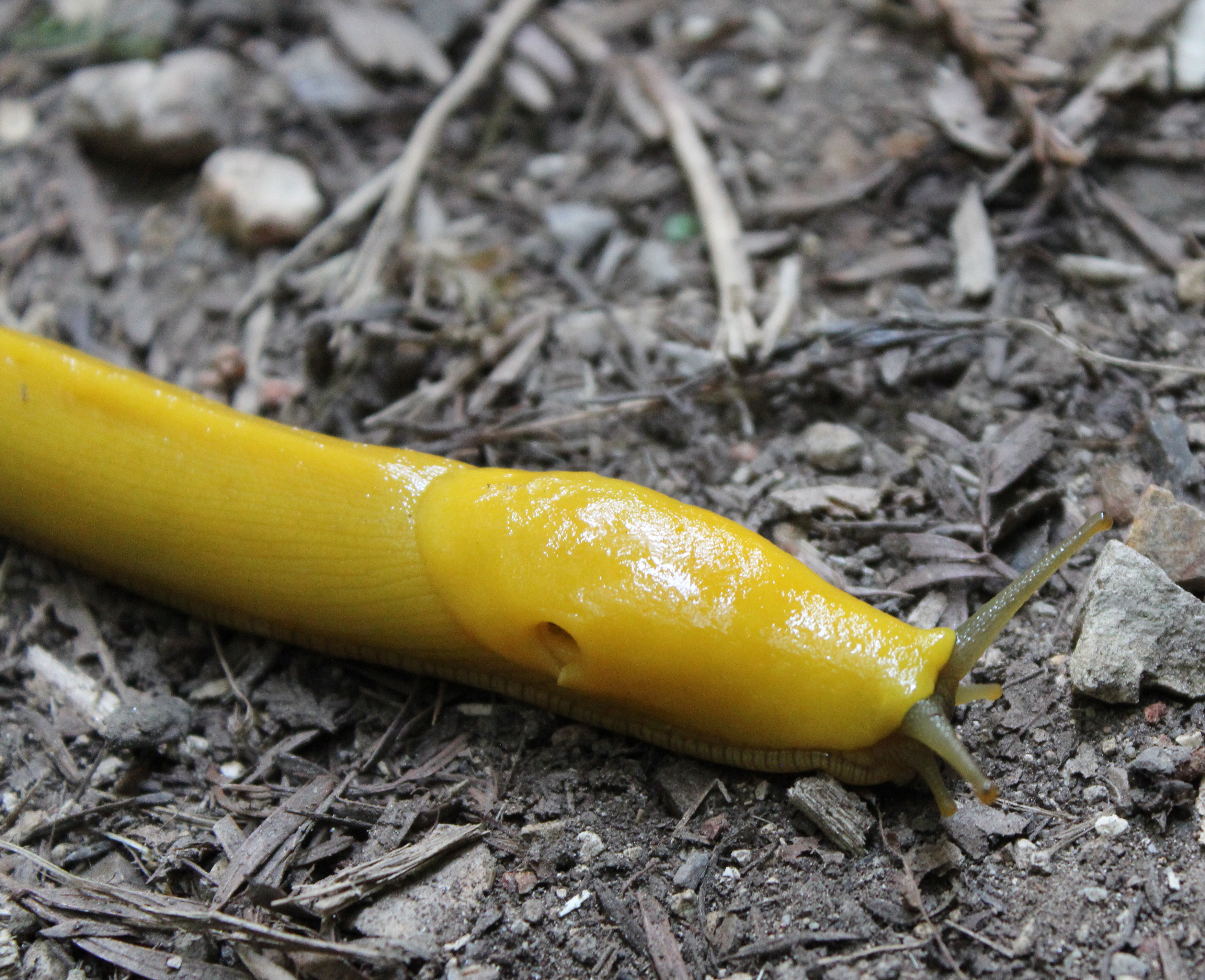
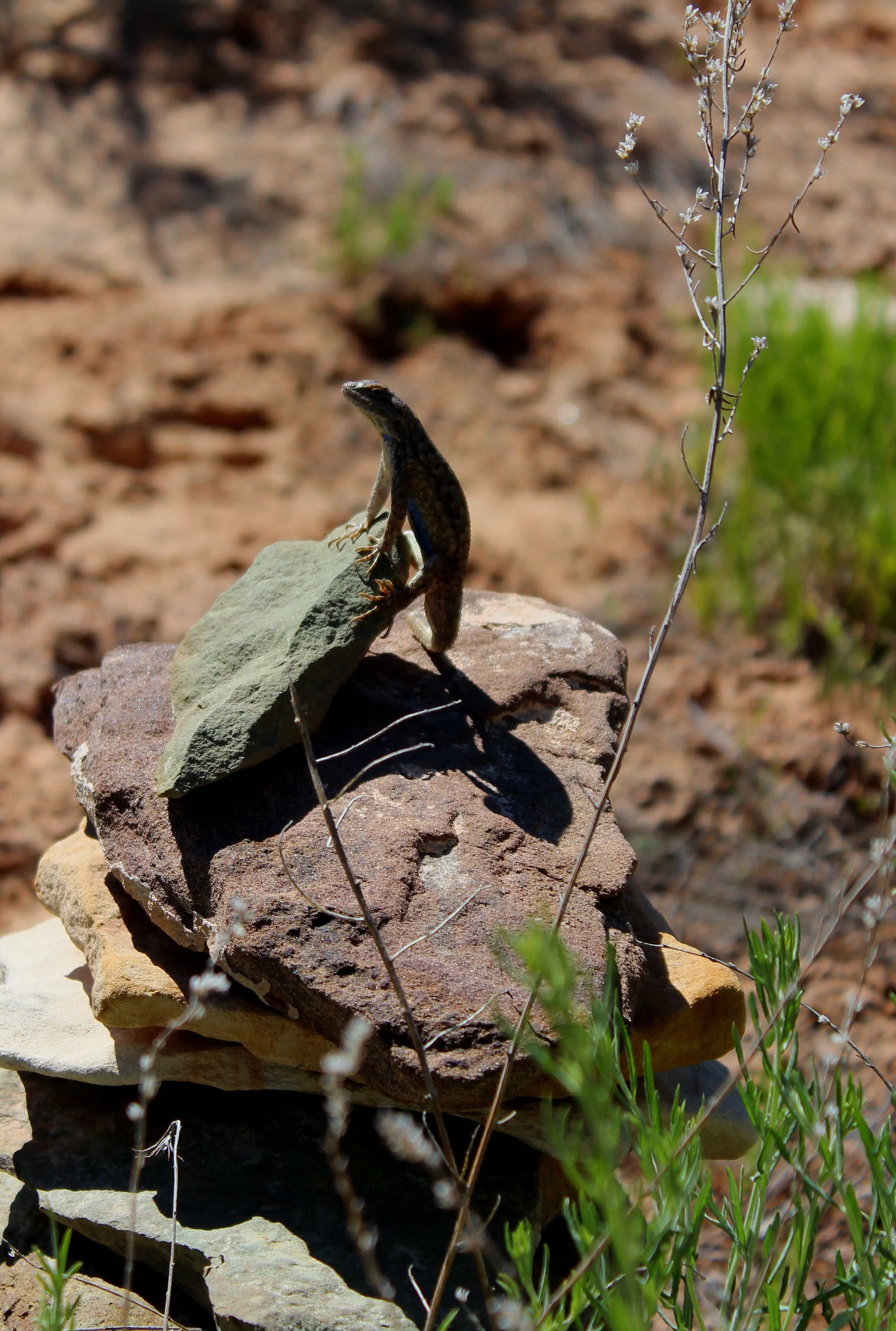
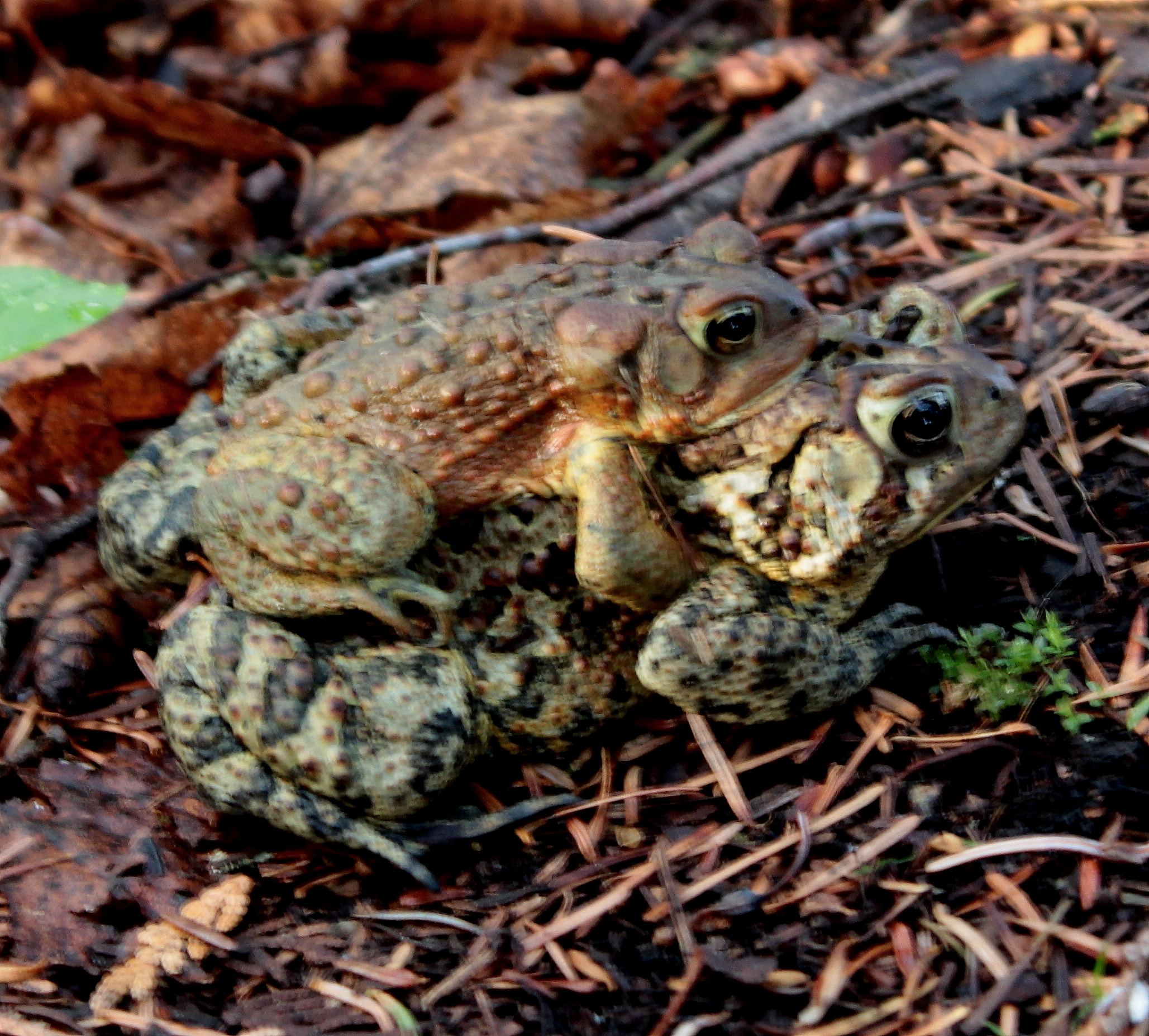
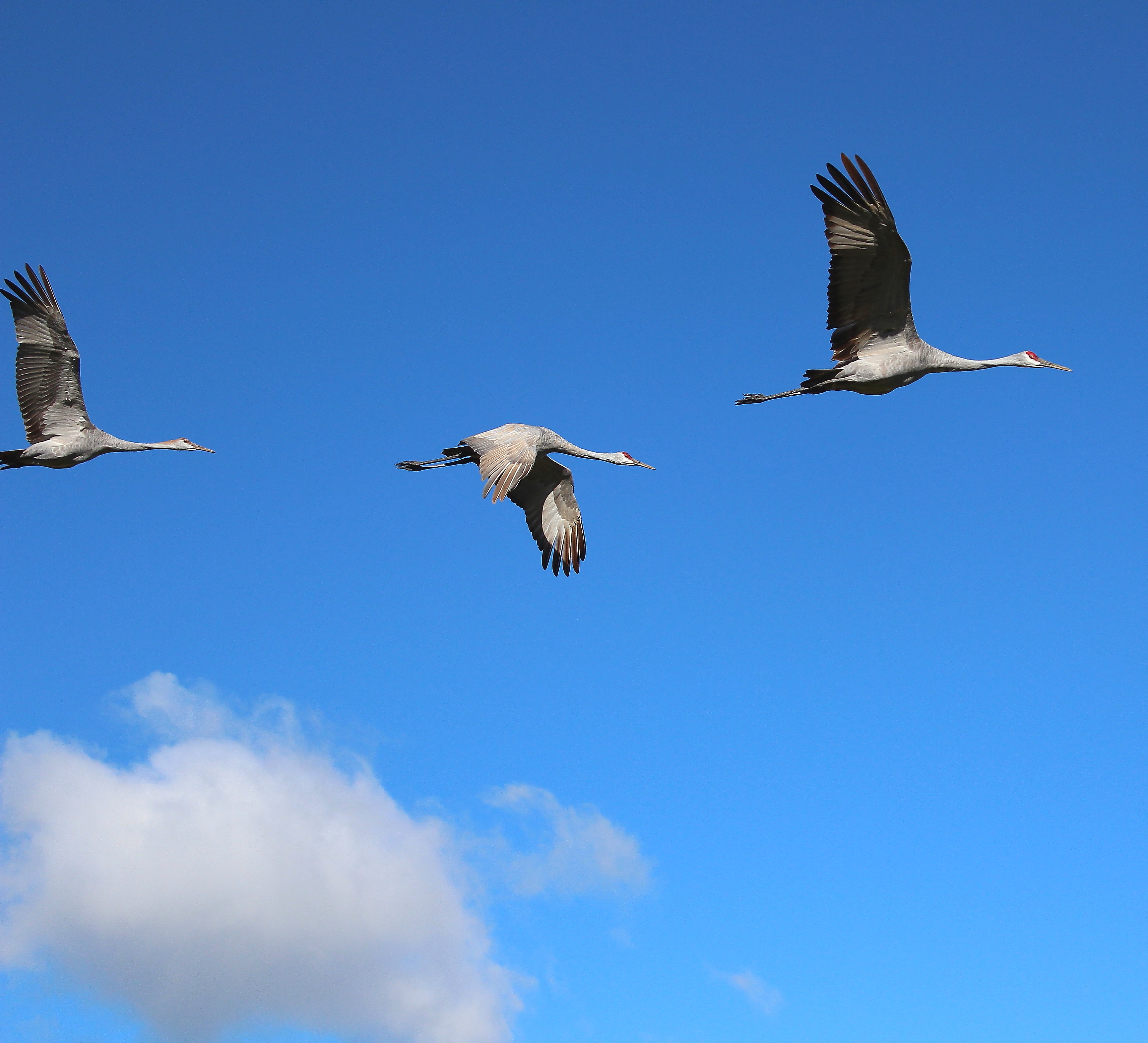
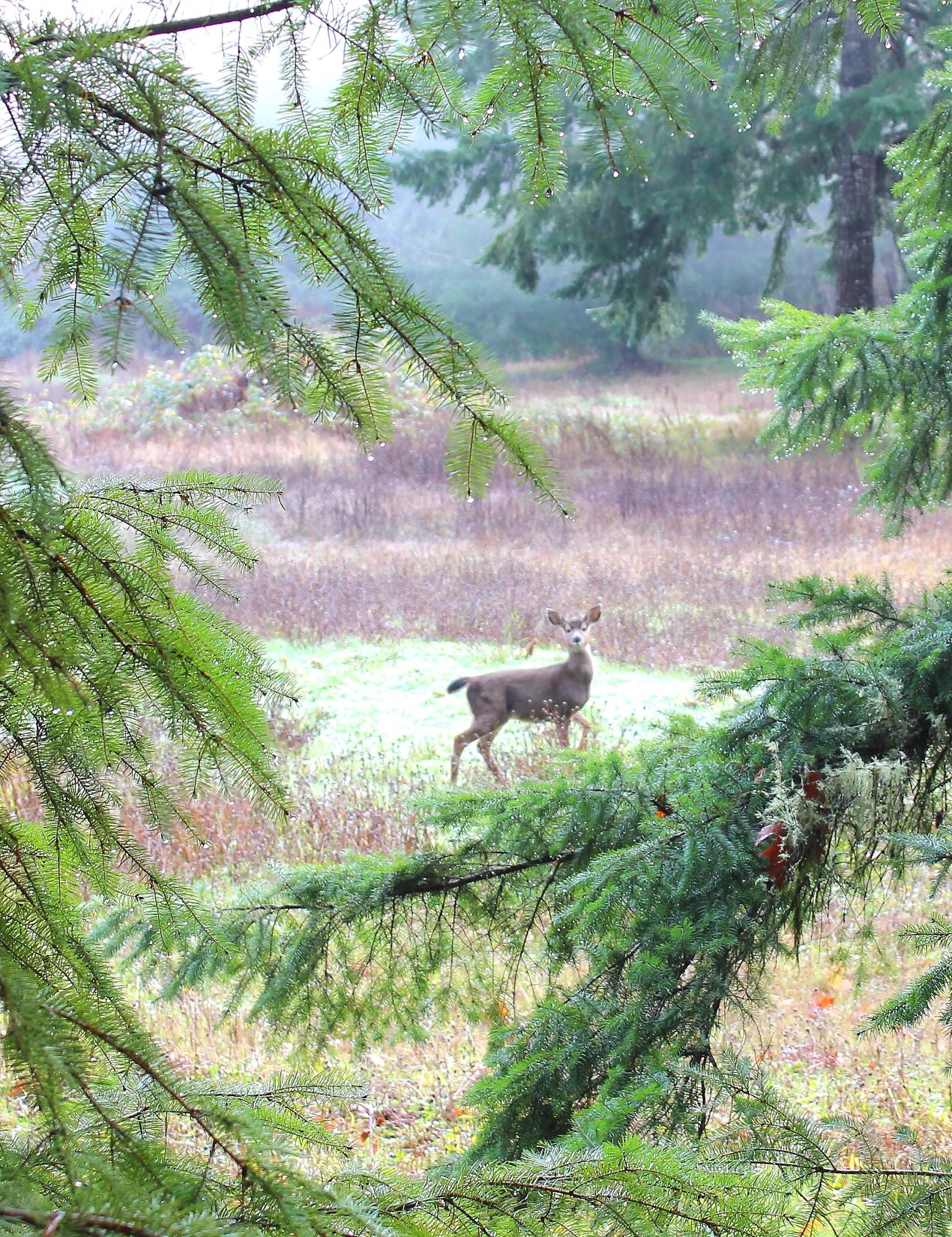
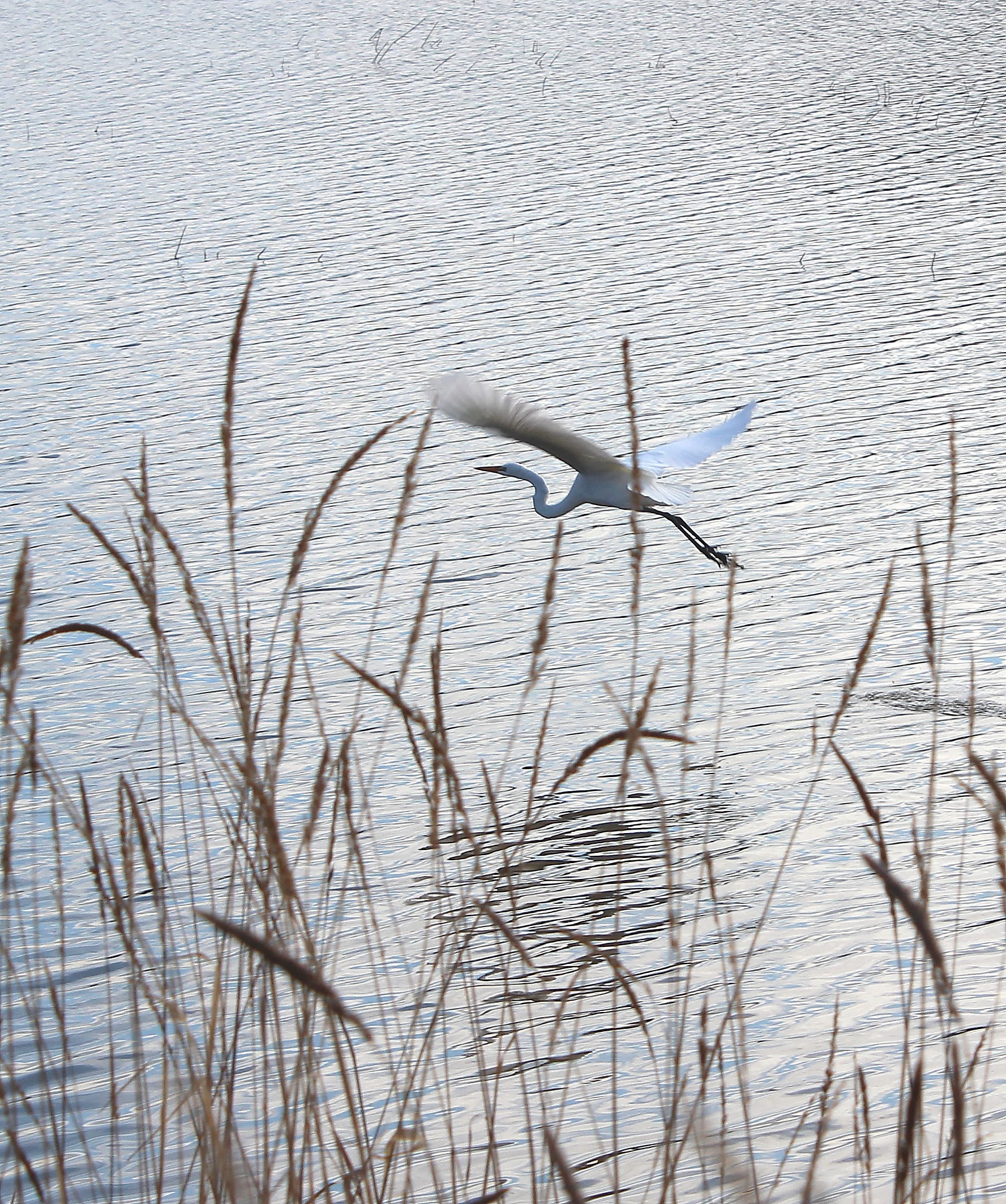
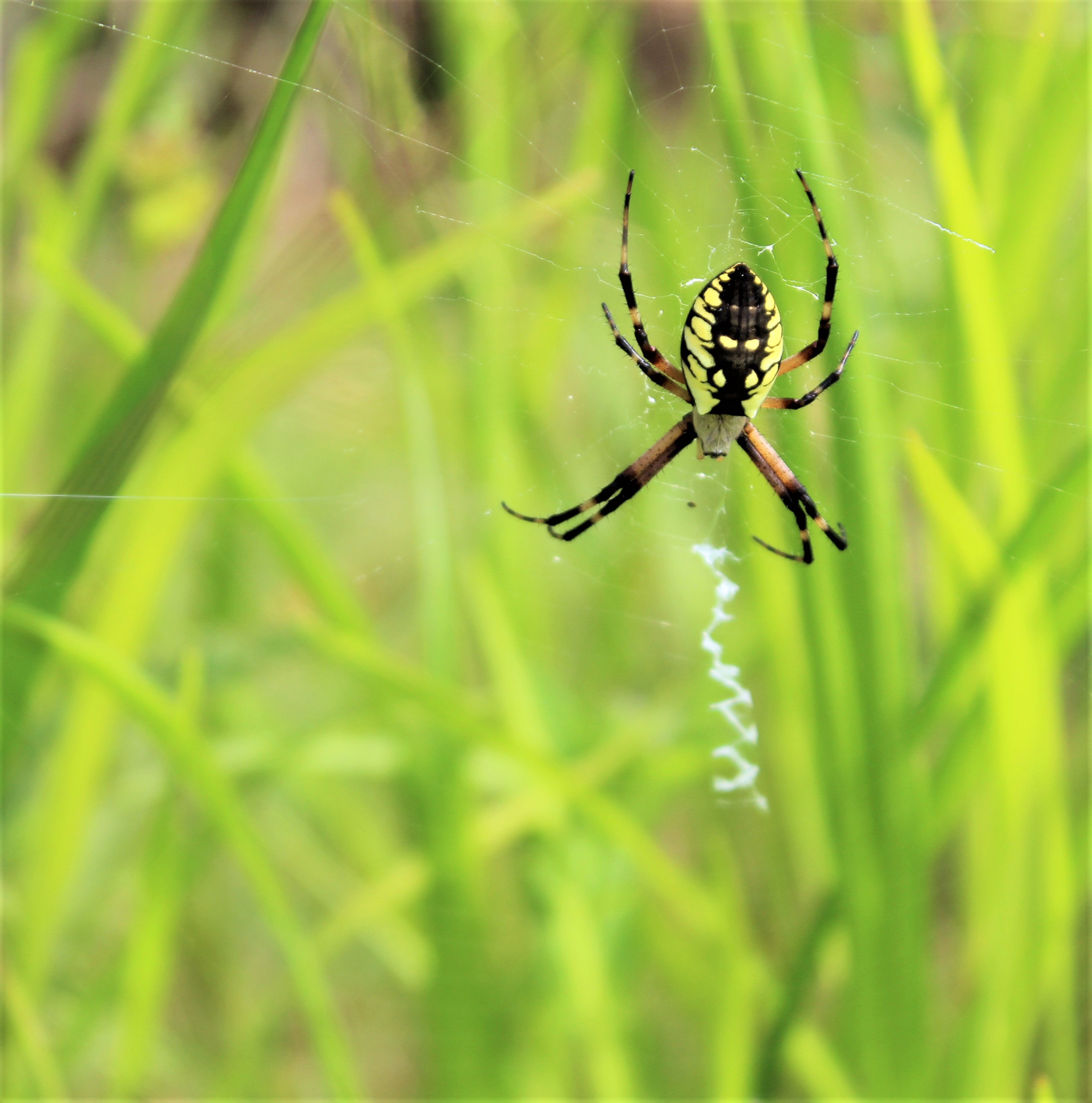
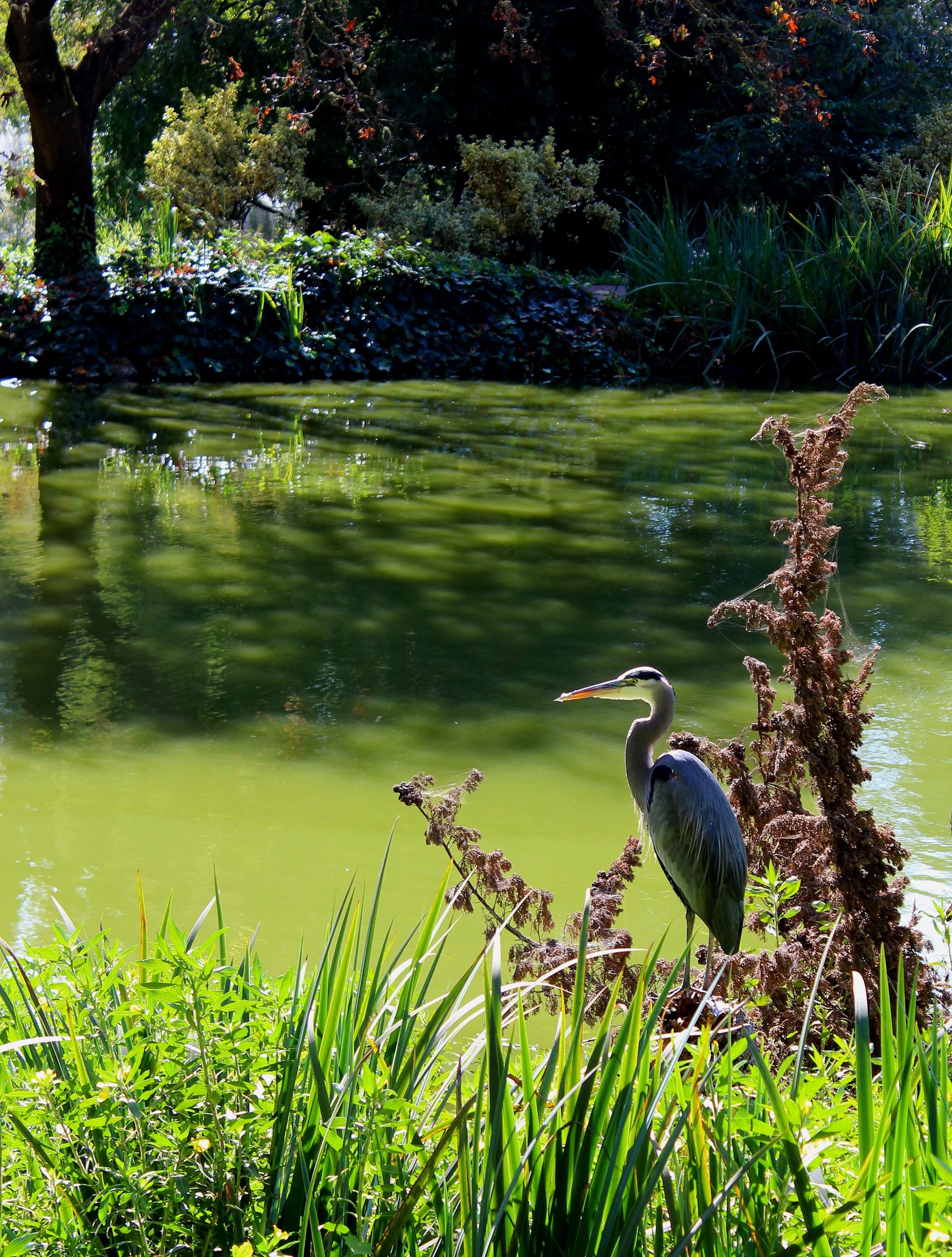
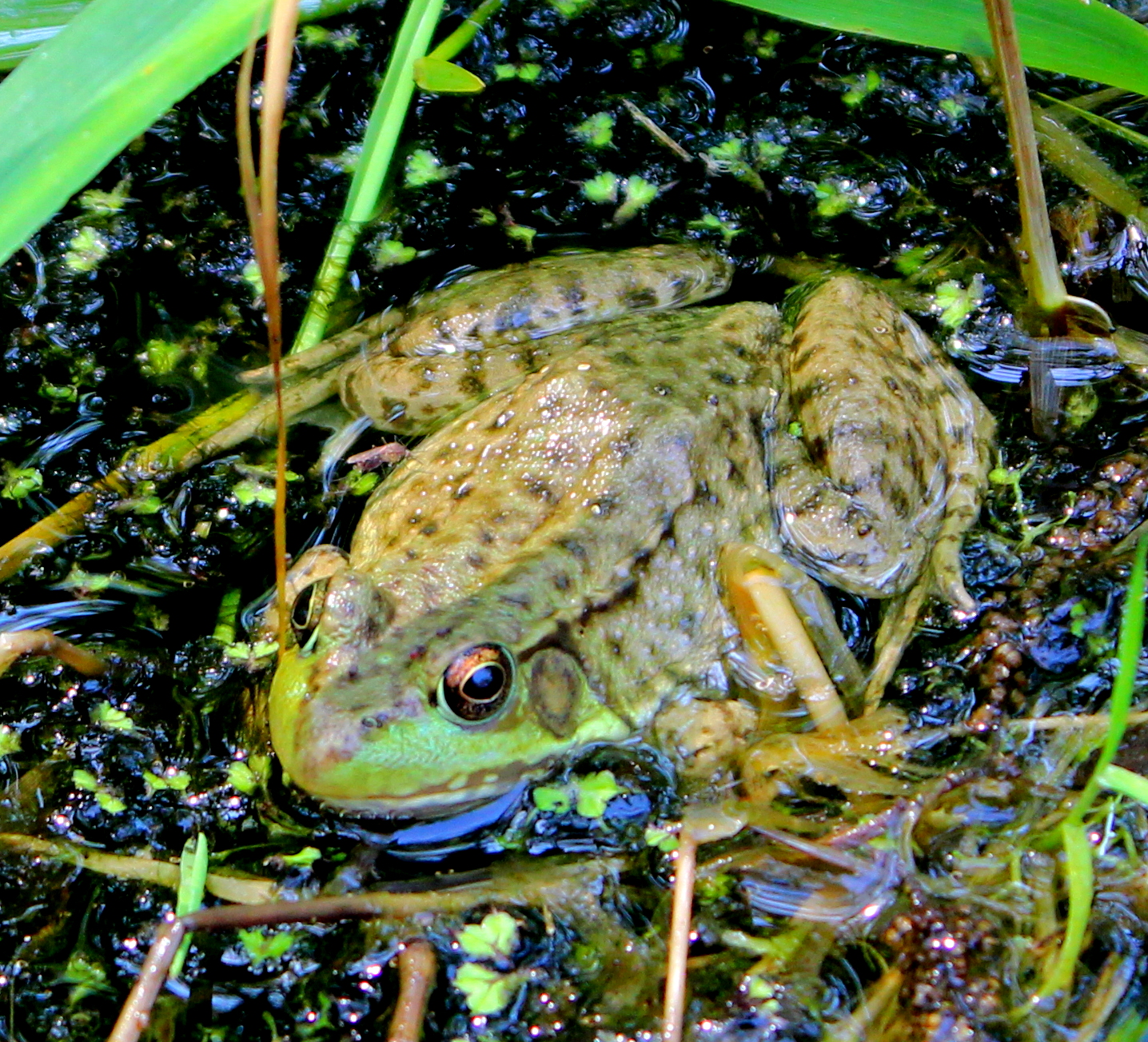
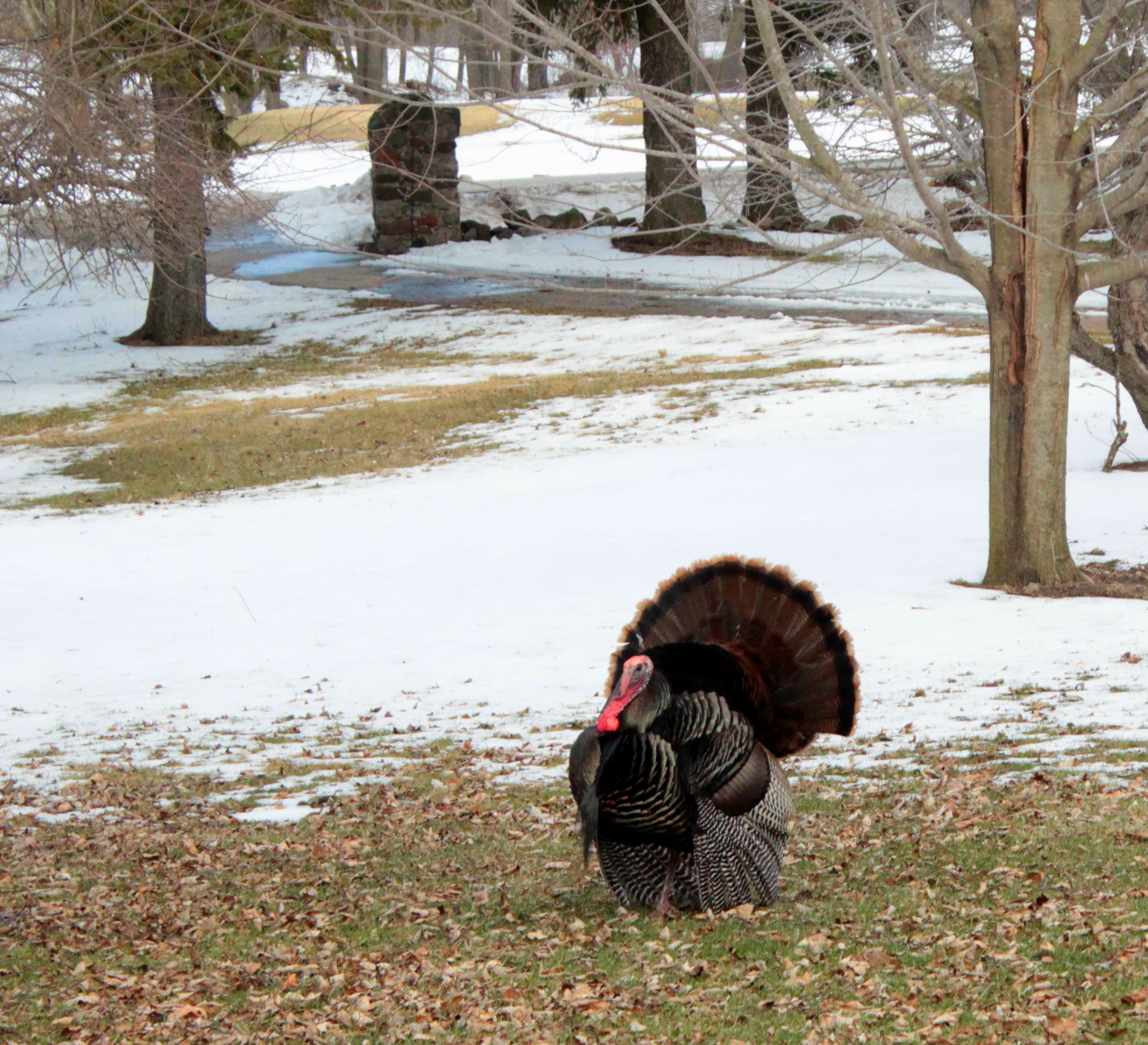
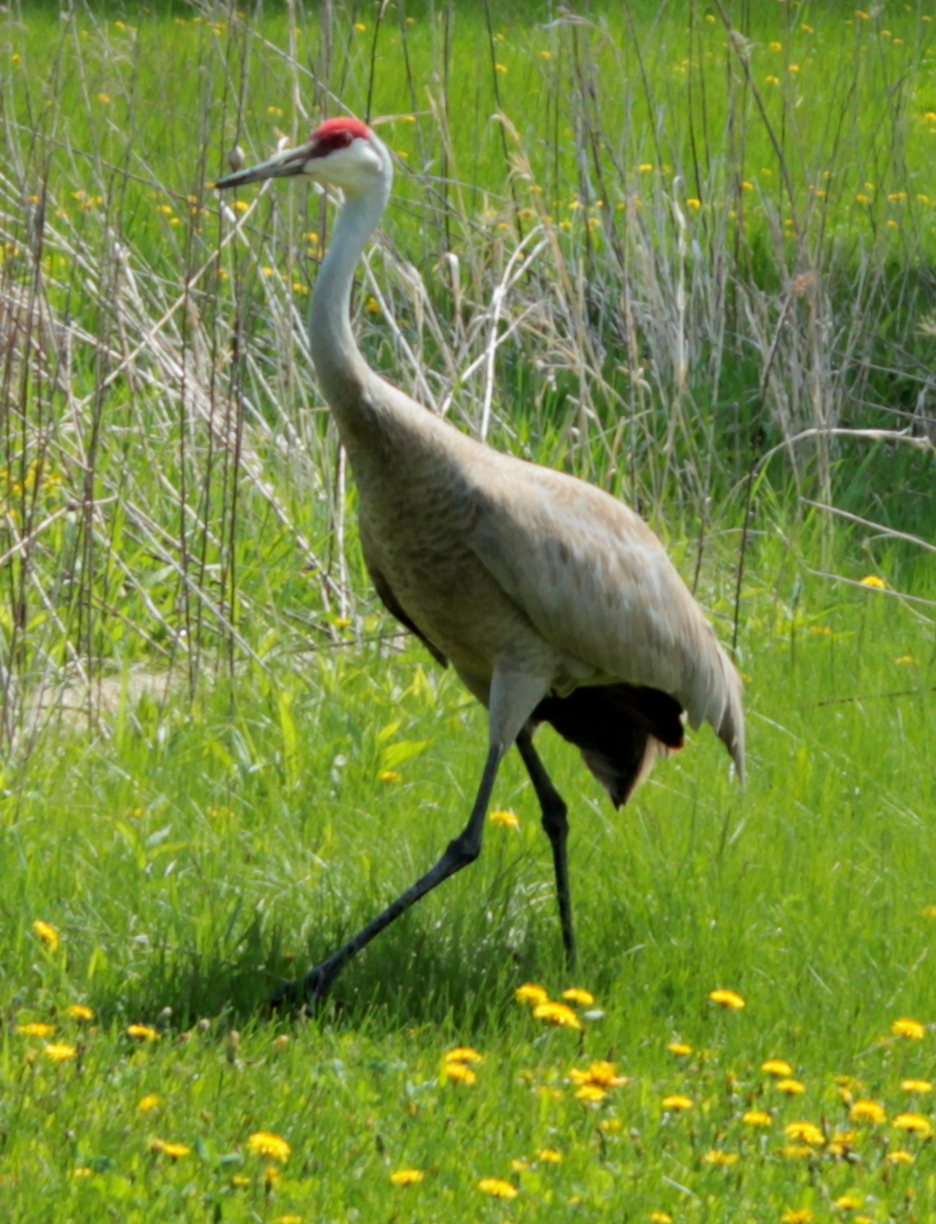
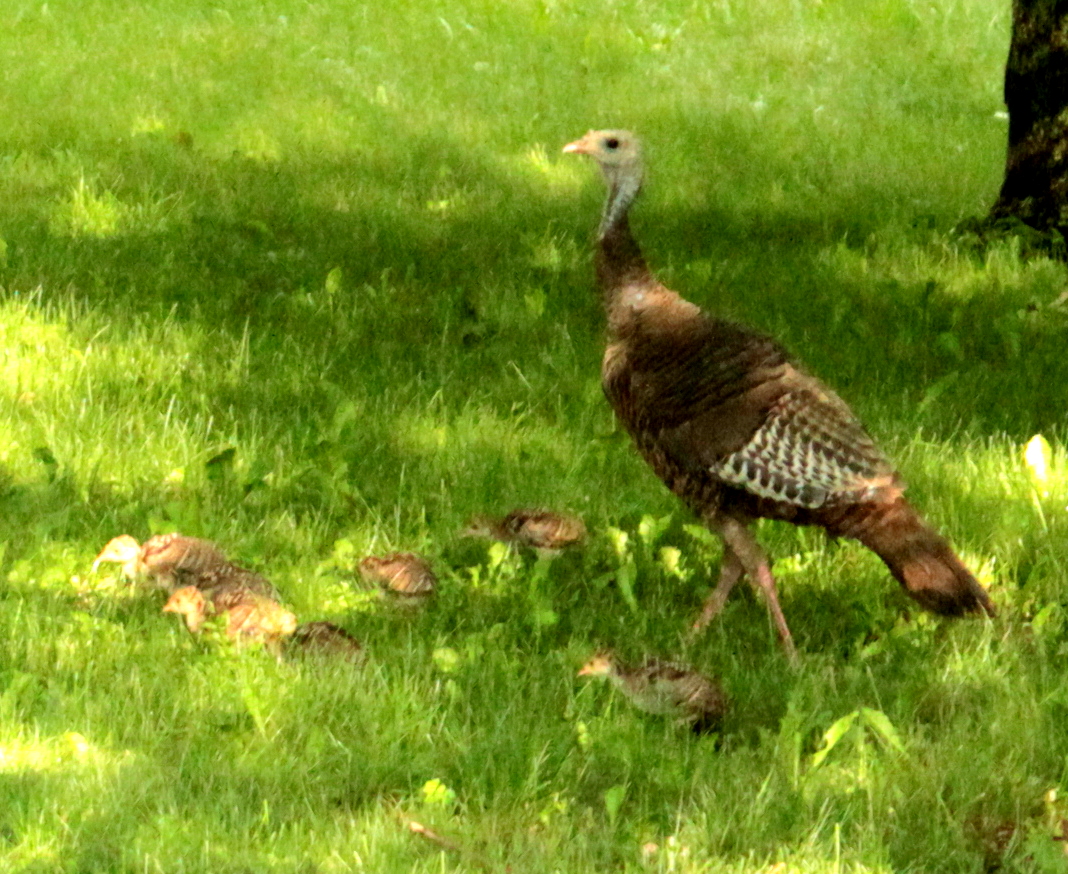
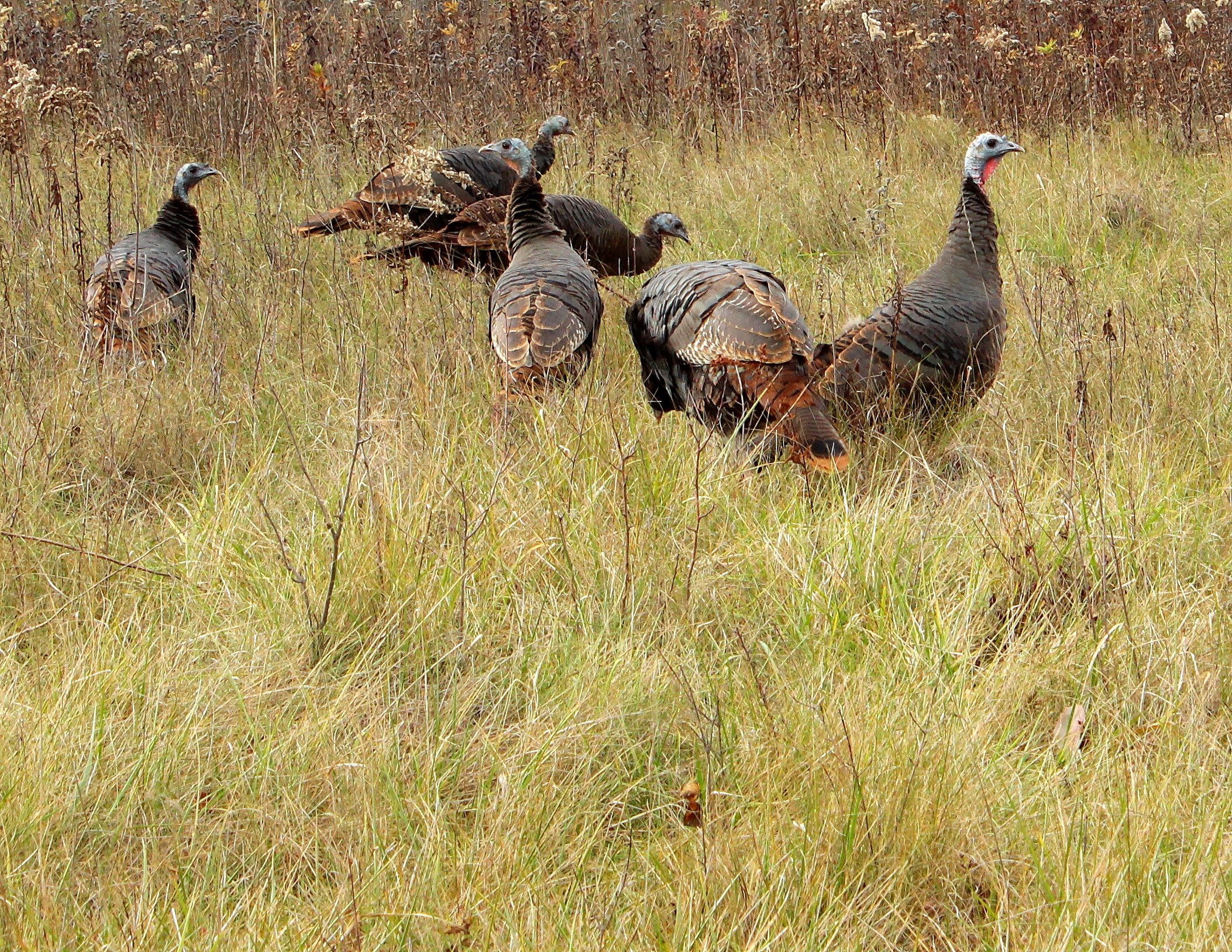
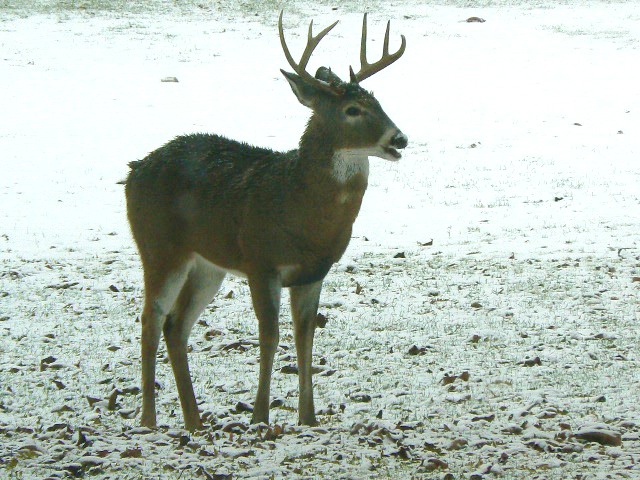
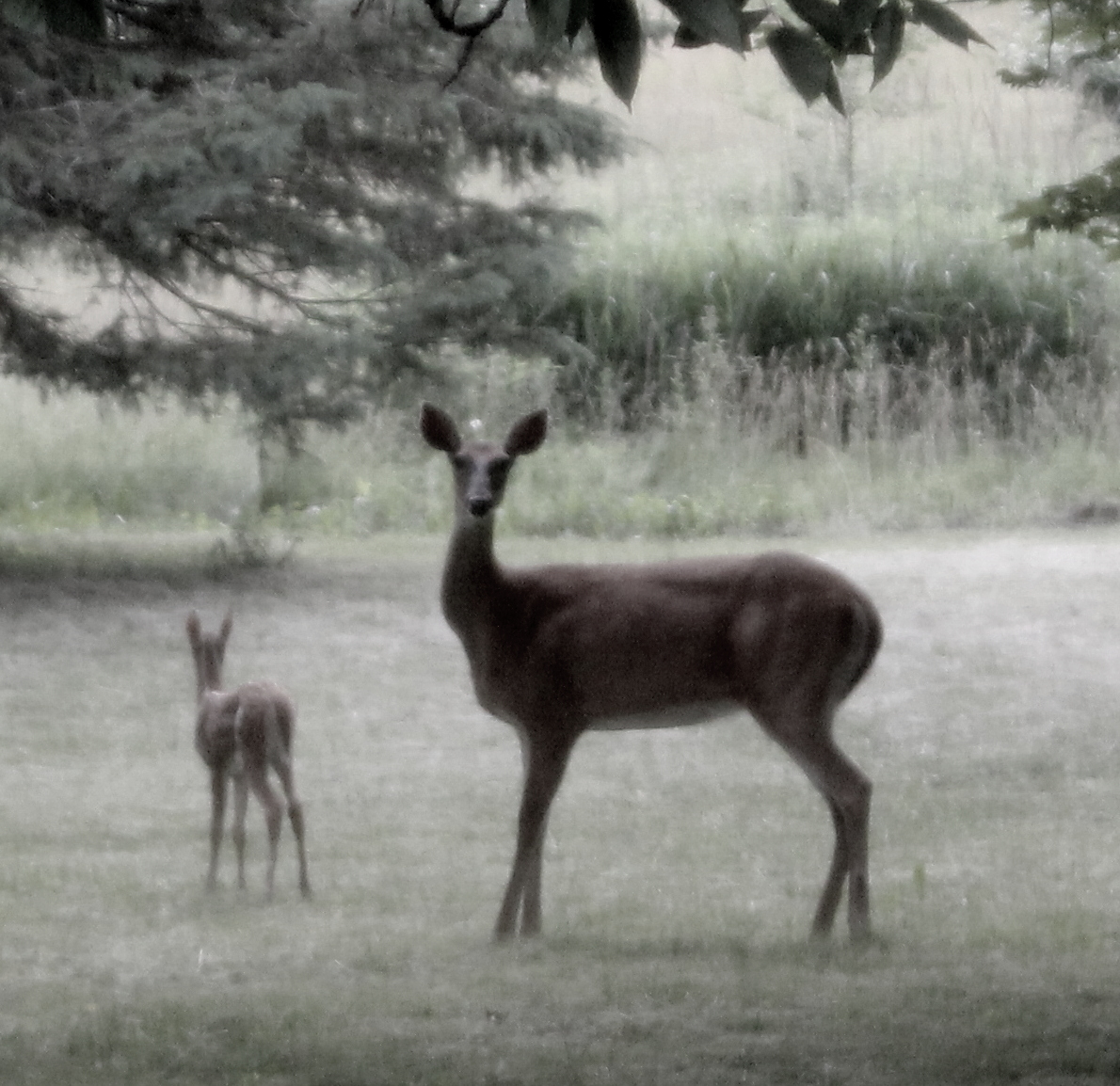
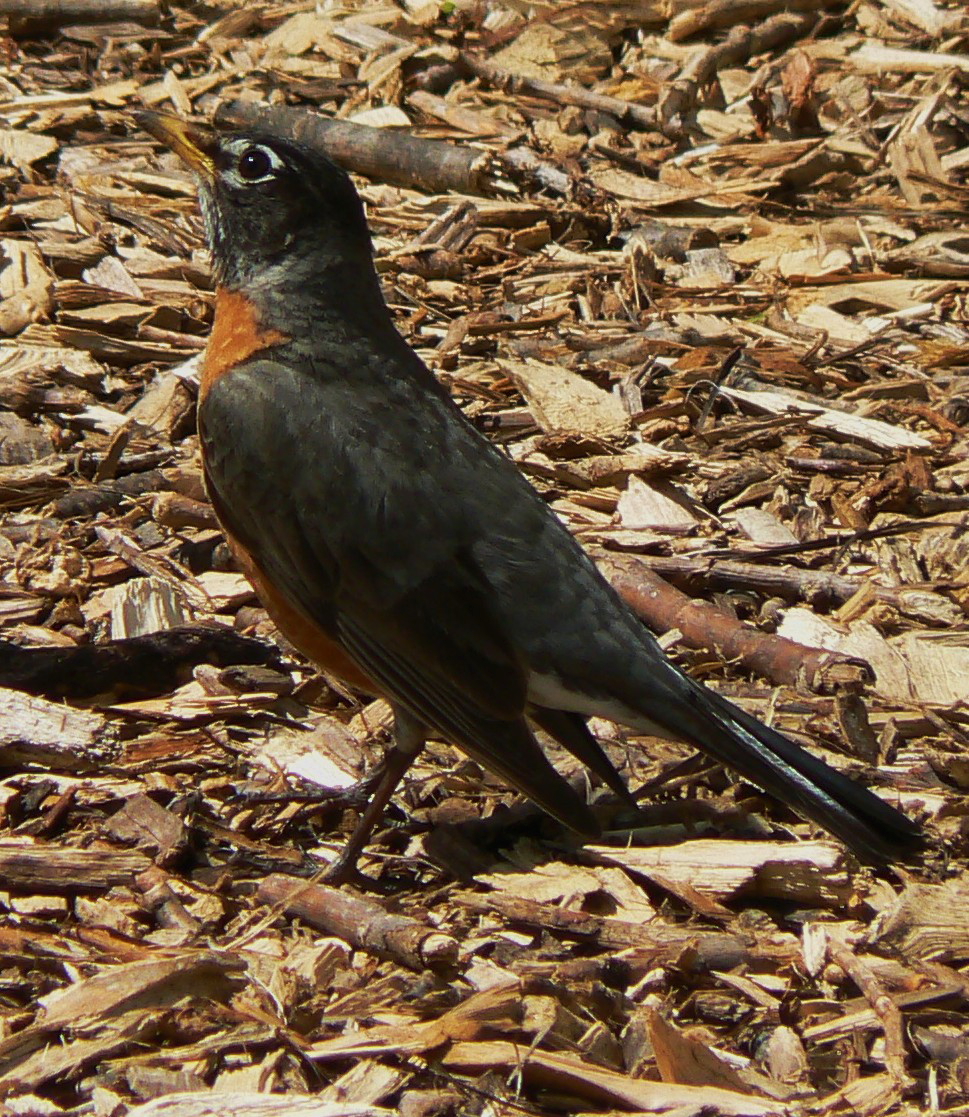
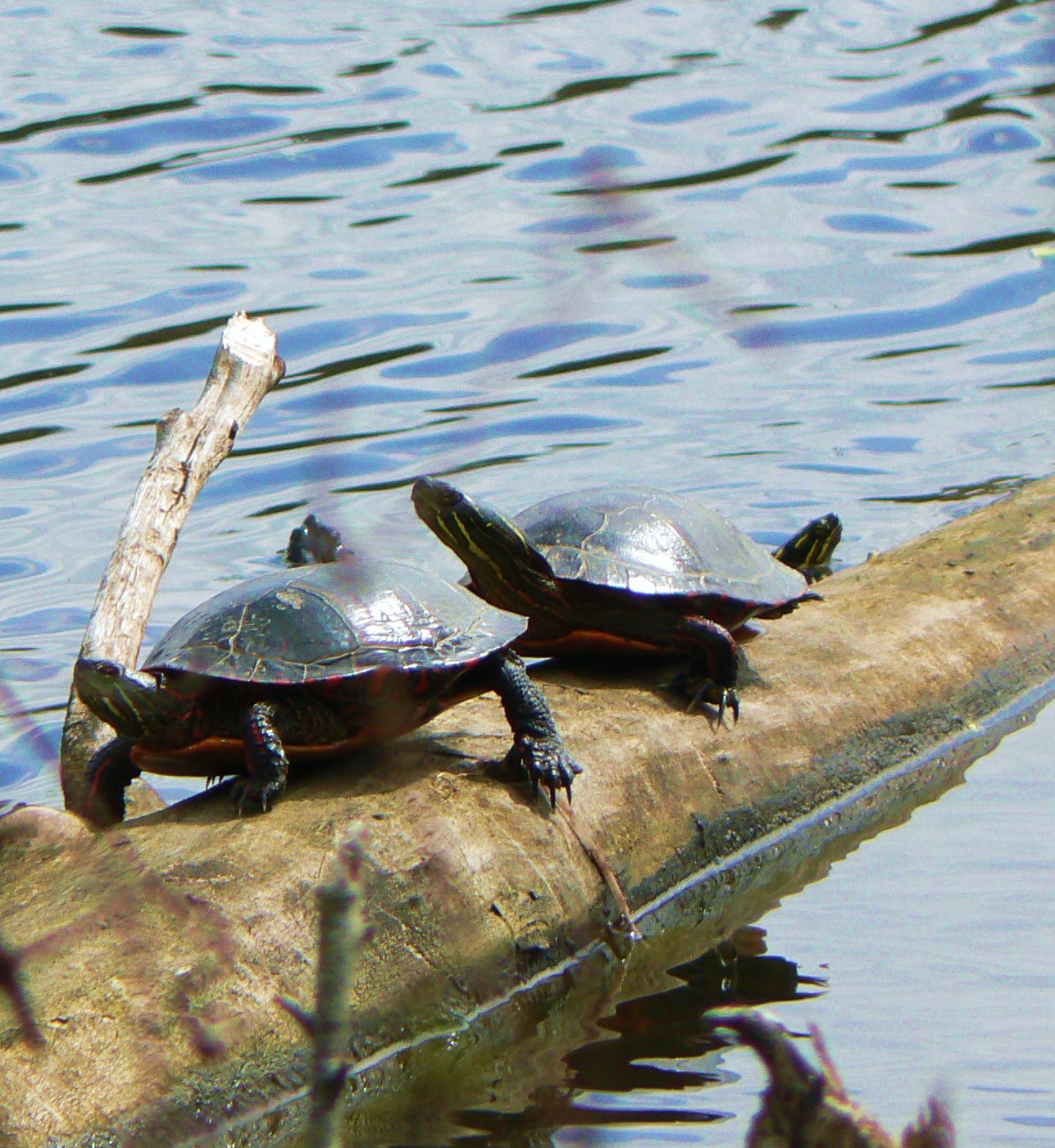
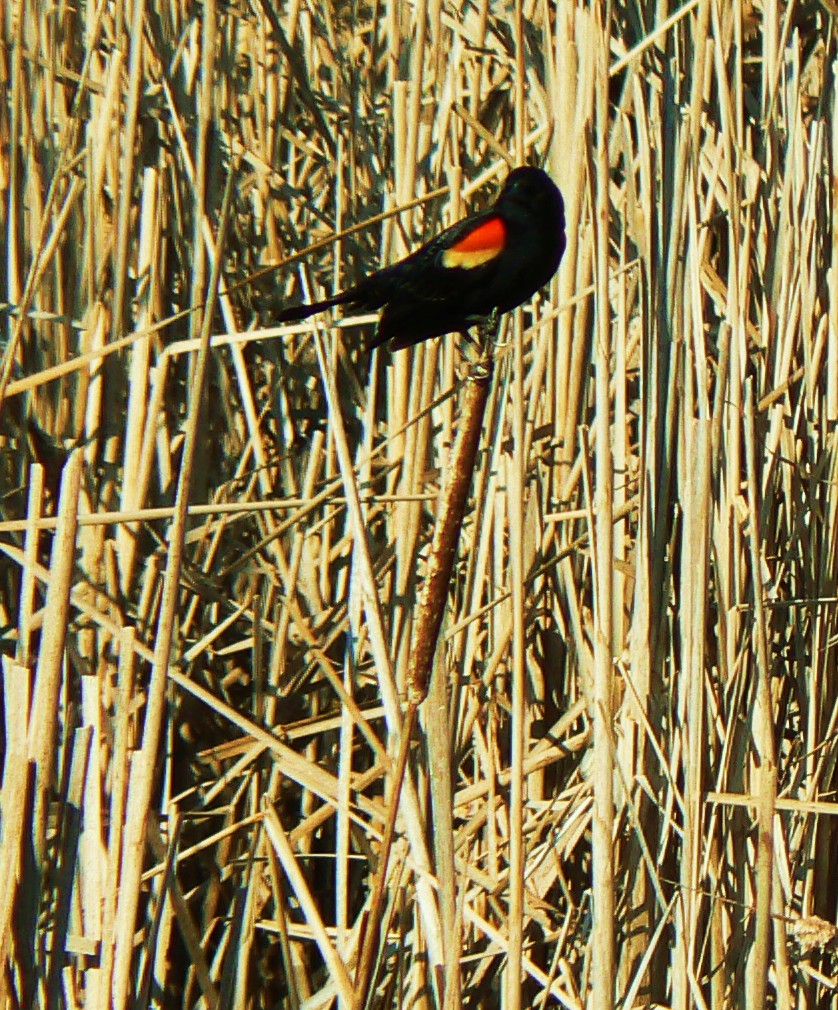
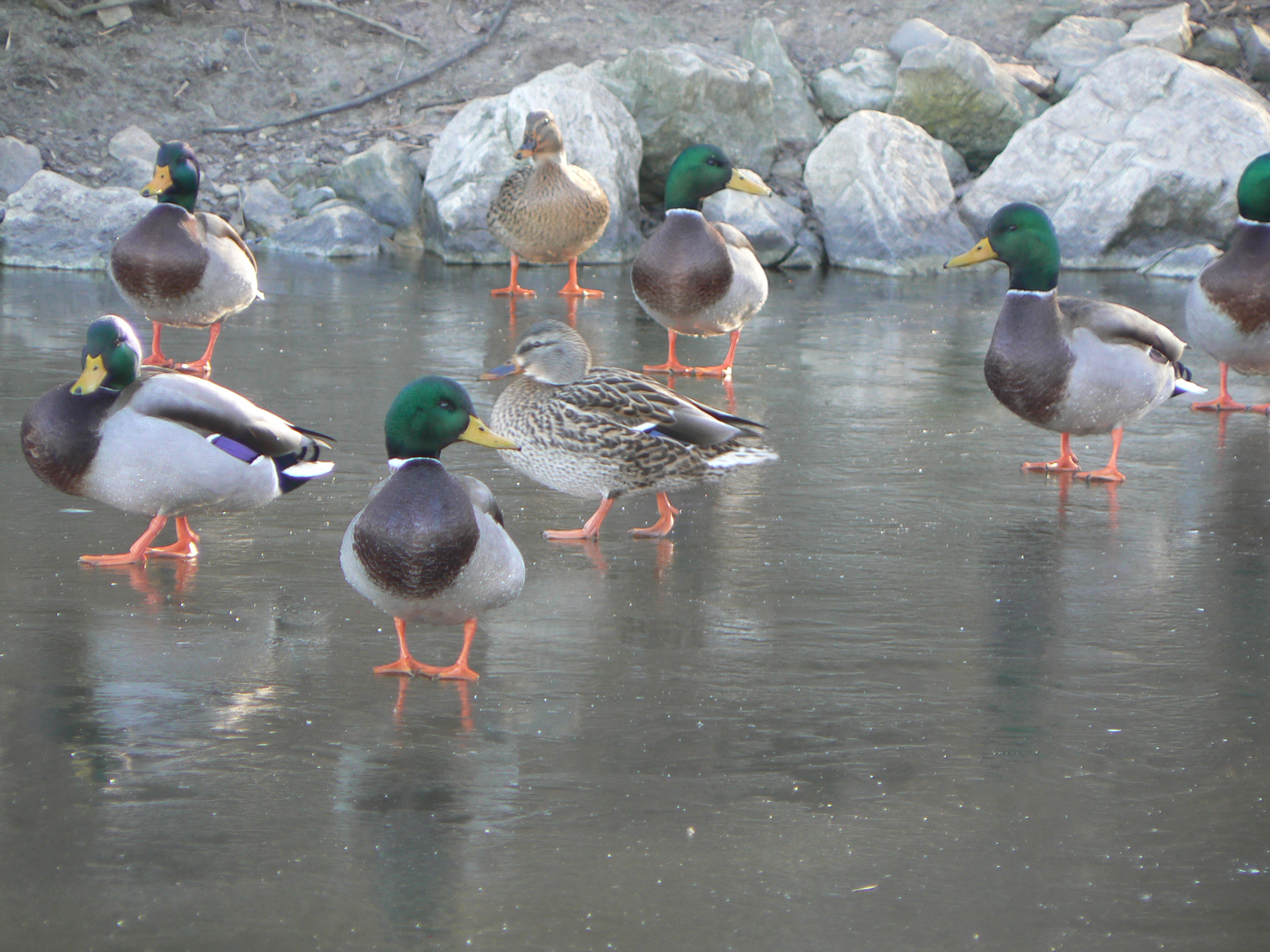
I have been extremely fortunate to live in places where wildlife habitat was nearby and protected. For four years, I lived on land trust property, 56 acres of preserved land. Now I live on property that is on a forested mountain ridge; a creek runs down the valley. Black bears, mountain lions, wild turkeys, elk, deer, bobcats, skunks, raccoons, opossums, moles, rabbits, owls, bald eagles, and various other rodents and birds as well as a host of others make their homes here. I rarely catch them on camera, though, as the more exotic ones prefer to stay hidden and the common ones don’t compel me to run and get my camera. I admire wildlife photographers who have the patience to set up and wait for an encounter. I also imagine a zoom lens would make it more rewarding to try to photograph wildlife when I venture out.
That said, here’s a gallery of wildlife found living close to my homes in Wisconsin and Oregon:
Thanks to Anne Sandler for hosting this week’s challenge.
“Meaningless! Meaningless!” says the Teacher. “Utterly meaningless! Everything is meaningless.” What does man gain from all his labor at which he toils under the sun? Generations come and generations go, but the earth remains forever. The sun rises and the sun sets, and hurries back to where it rises. The wind blows to the south and turns to the north; round and round it goes, ever returning on its course. All streams flow into the sea, yet the sea is never full. To the place the streams come from, there they return again. All things are wearisome, more than one can say. The eye never has enough of seeing, nor the ear its fill of hearing. What has been will be again, what has been done will be done again; there is nothing new under the sun. – Ecclesiastes 1:1-9
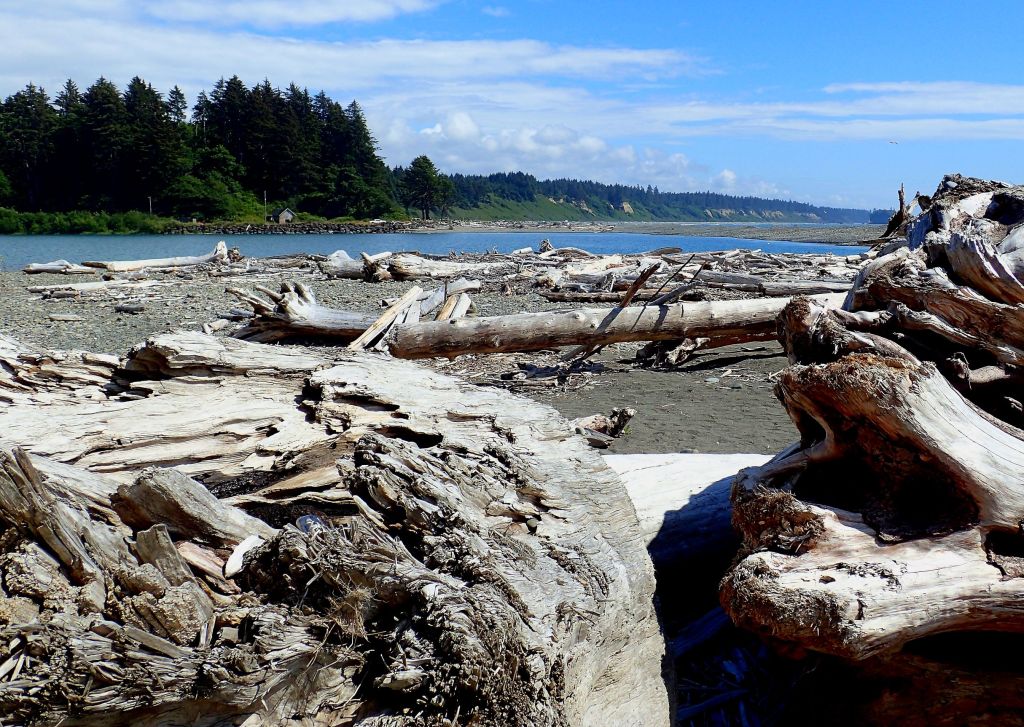
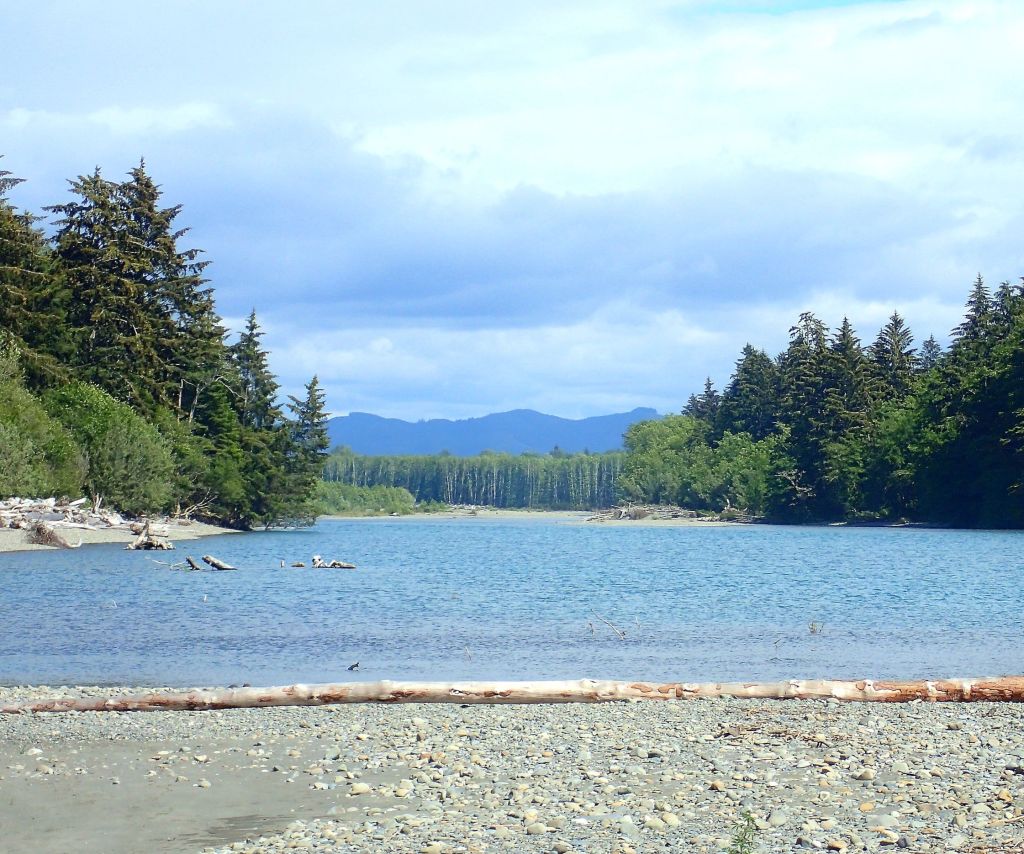
From 93 million miles away, the Sun’s light and heat affects each day of our lives. It comes to us as an ancient ray, a Source for all of life on this planet. I think of the ancient ways of life under the Sun, and I feel that I was closest to those ways last month on my backpacking trip to the Olympic National Park wilderness coastline. The trailhead is at the place where the Hoh River meets the Pacific Ocean. South of the river is Hoh tribal land.
“The Hoh River Indians are considered a band of the Quileutes but are recognized as a separate tribe. The Hoh Indian Reservation was established by an Executive Order in 1893. The Hoh Reservation consists of 443 acres located 28 miles south of Forks, and 80 miles north of Aberdeen. The Hoh Reservation has approximately one mile of beach front running east from the mouth of the Hoh River, and south to Ruby Beach.” – Hoh Tribe website: hohtribe-nsn.org
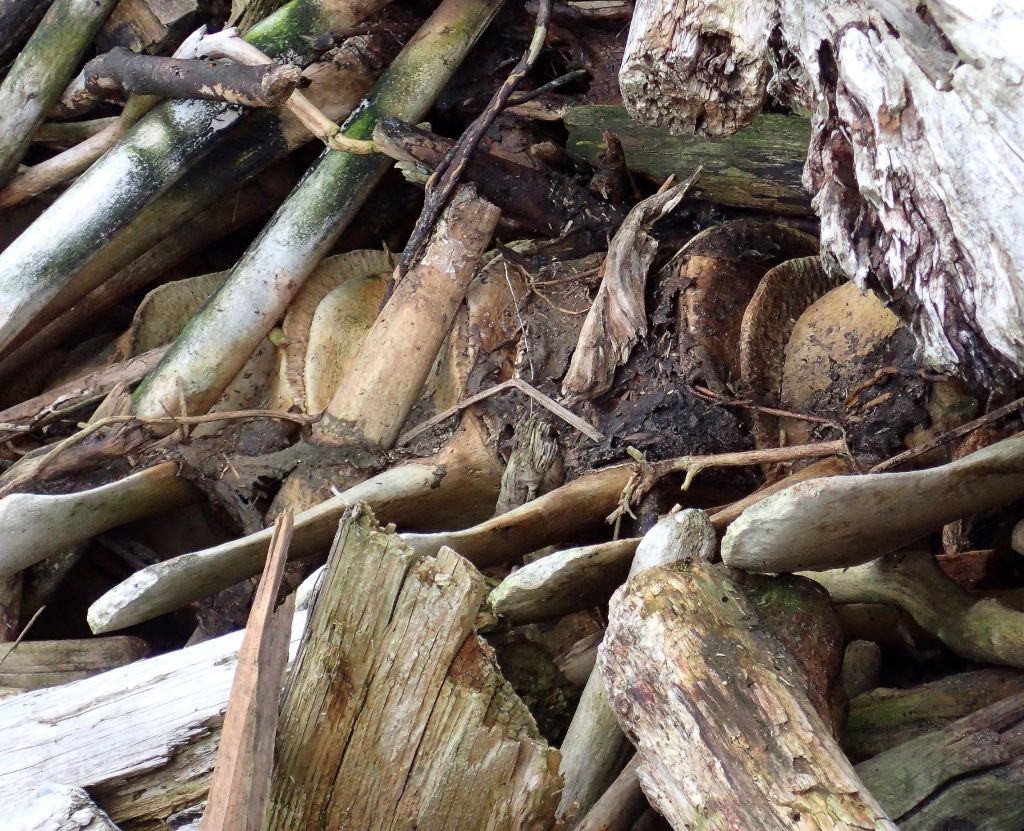
All over the beach lie the sun-bleached bones of the Ancients – cedar and fir trees, washed up by the tides in a jumble of giant driftwood. Among these bones you might also find the bones of less ancient giants: whales.
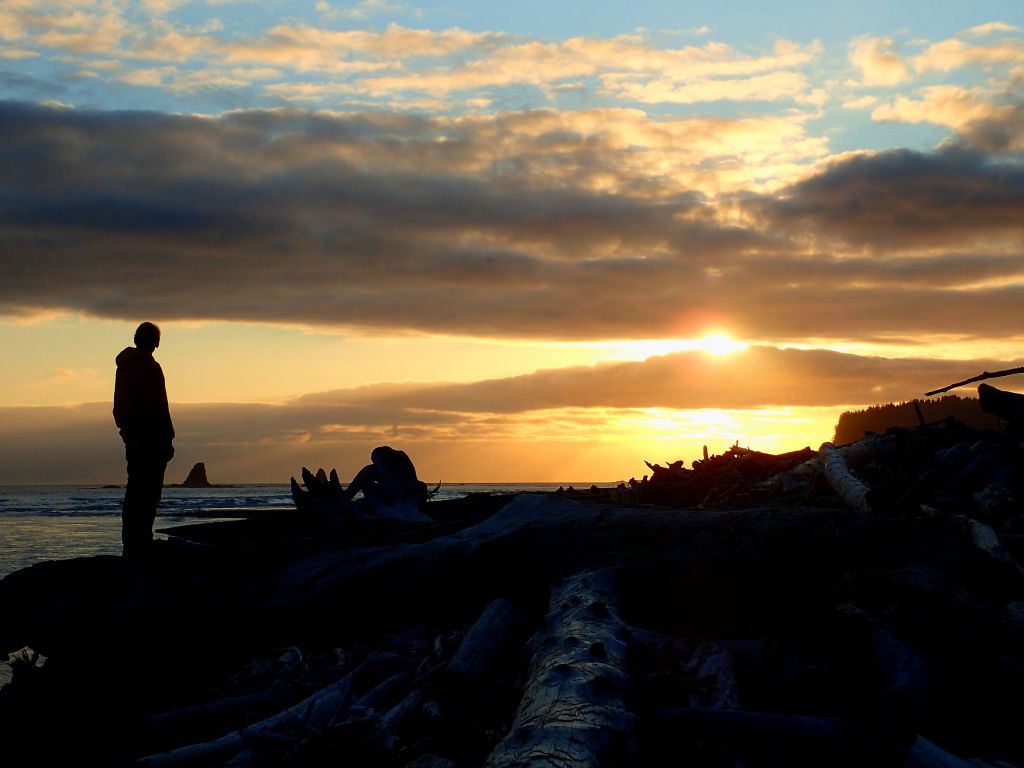
From our beach camp, we watched the Sun slide further and further down into the waves.
My small story of the next day includes the little detail that I slipped in the mud, fell with the weight of my whole body plus my pack on my outstretched left hand, and broke my wrist.
Being that we were in wilderness and had just come over the most difficult terrain, the quickest way to get to a hospital was simply to continue to trek the next two days up the coast. The tidal tipping points prohibited doing it at any faster pace. With tremendous assistance from my five hiking partners, we continued our journey and saw the Sun go down and come up on this beautiful coast two more times.
Even though there may be nothing new under the Sun, the unexpected can still happen. When my mind is reeling and my footing is uncertain, it’s good to feel the return of sunlight, the assurance of the day’s arc. It gives me the motivation to just keep going and see what will be. And I say, “It’s all right.”
Thanks to Amy for hosting this week’s Challenge. Do visit HER POST to see the Sun in many facets of its glory!
“This exercise will really test your ability to be self-critical, as it has mine. Look into your archives and apply your most critical eye; play ‘judge’ and try to look dispassionately at your images. Pick out three (just three!) that stand out as particular favourites. Choose three from different genres please, but those genres are up to you: macro, wildlife, street, landscape, architecture. Anything goes, but each must be an image you are proud of.” — Toonsarah, Guest Host
You must understand, first of all, how difficult it is for me, the mother of four wonderful humans, to pick favorites. ‘Dispassionately’? You’re killing me! So, I will pick three favorites…AND three runners-up.
LANDSCAPE
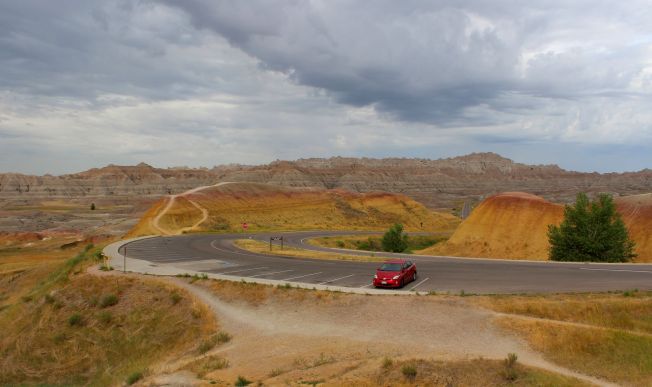
Badlands National Park, South Dakota. After driving long hours over seemingly monotonous grassland, we reach this ancient valley and step out of the car onto Sage Creek Road. This is our first look at this fascinating park, and we are utterly gobsmacked! I like how this shot shows the scale and color of the landscape.
Seal Rock Beach, Oregon. My adult kids moved to Oregon, and I went out to visit. This moment of my daughter’s joyful exuberance captured my heart, and I moved out a year later. I love the light and reflection in this shot and the contrast in moods between the ocean and my daughter.
PORTRAIT
I am proud of this for several reasons. First, my son asked me to do his wedding photo shoot. I’d never done one before; I was terrified I’d fail him, but I didn’t. Second, it was a challenge to photograph outdoors and get good light that would balance their very different skin tones. I used fill-in flash, and that really helped. I love how my son is adoring his bride in this shot, and she just glows! I was really happy with my work that day, and so were they.
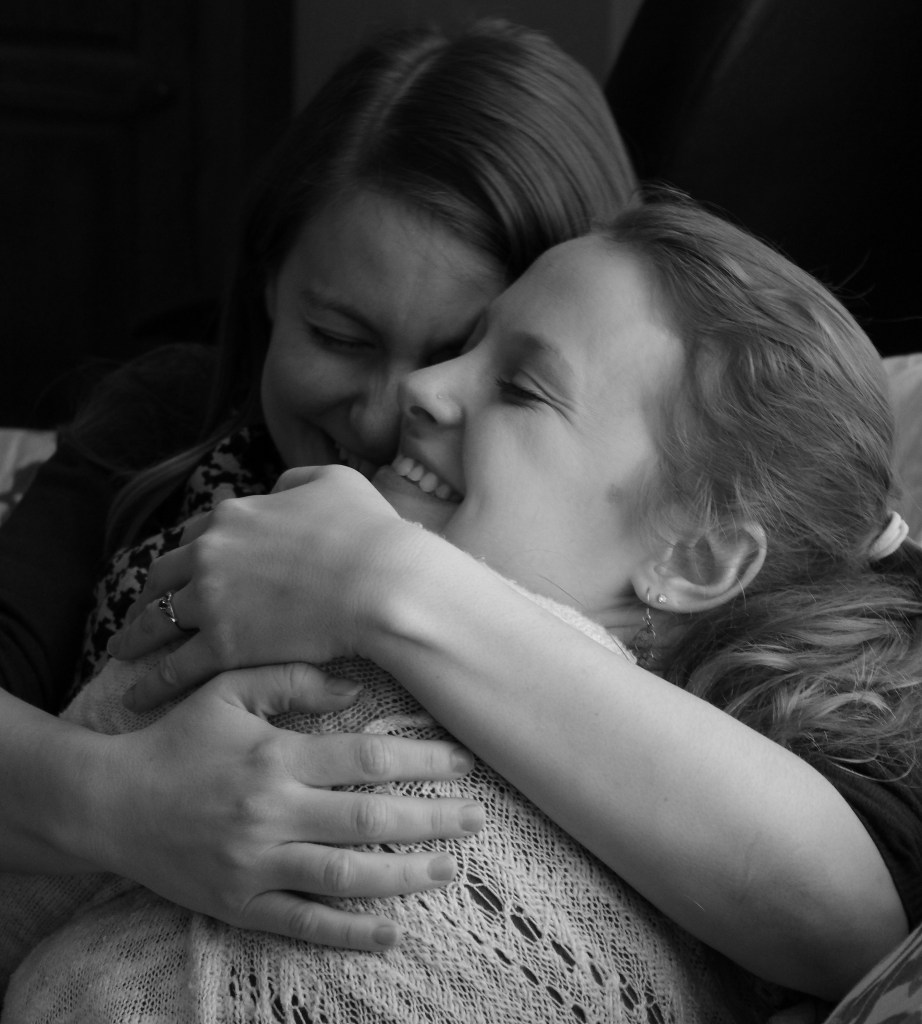
I just love this shot of my daughters hugging. I love the soft monochrome light and their bright smiles. It’s so cozy and sweet!
CLOSE-UP
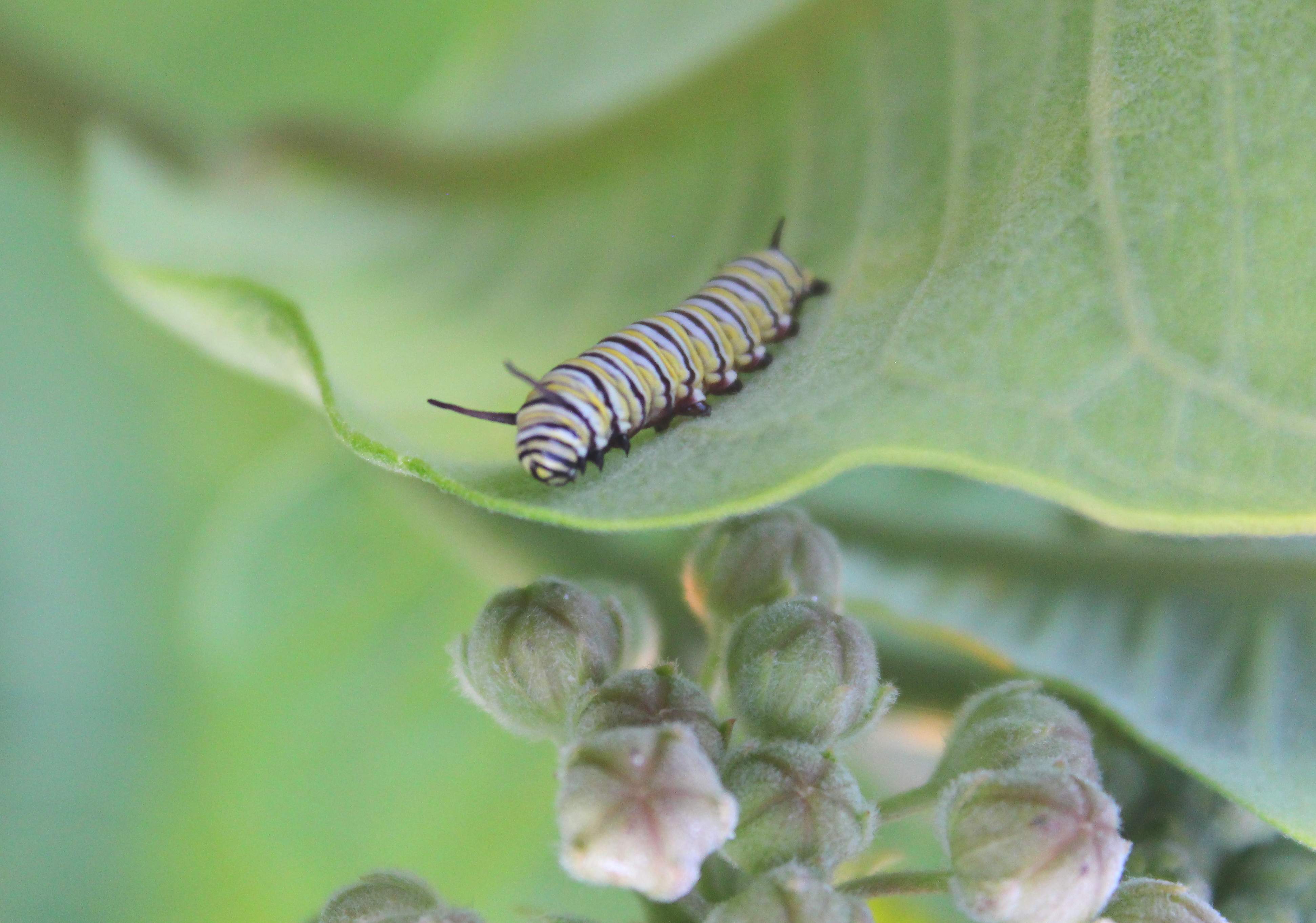
Monarch butterfly caterpillars are very hard to find. They feed exclusively on milkweed plants. I searched the prairie at the George W. Mead Wildlife Area in Wisconsin and found one on the underside of a leaf. I rotated the frame to make the caterpillar right side up and more recognizable.
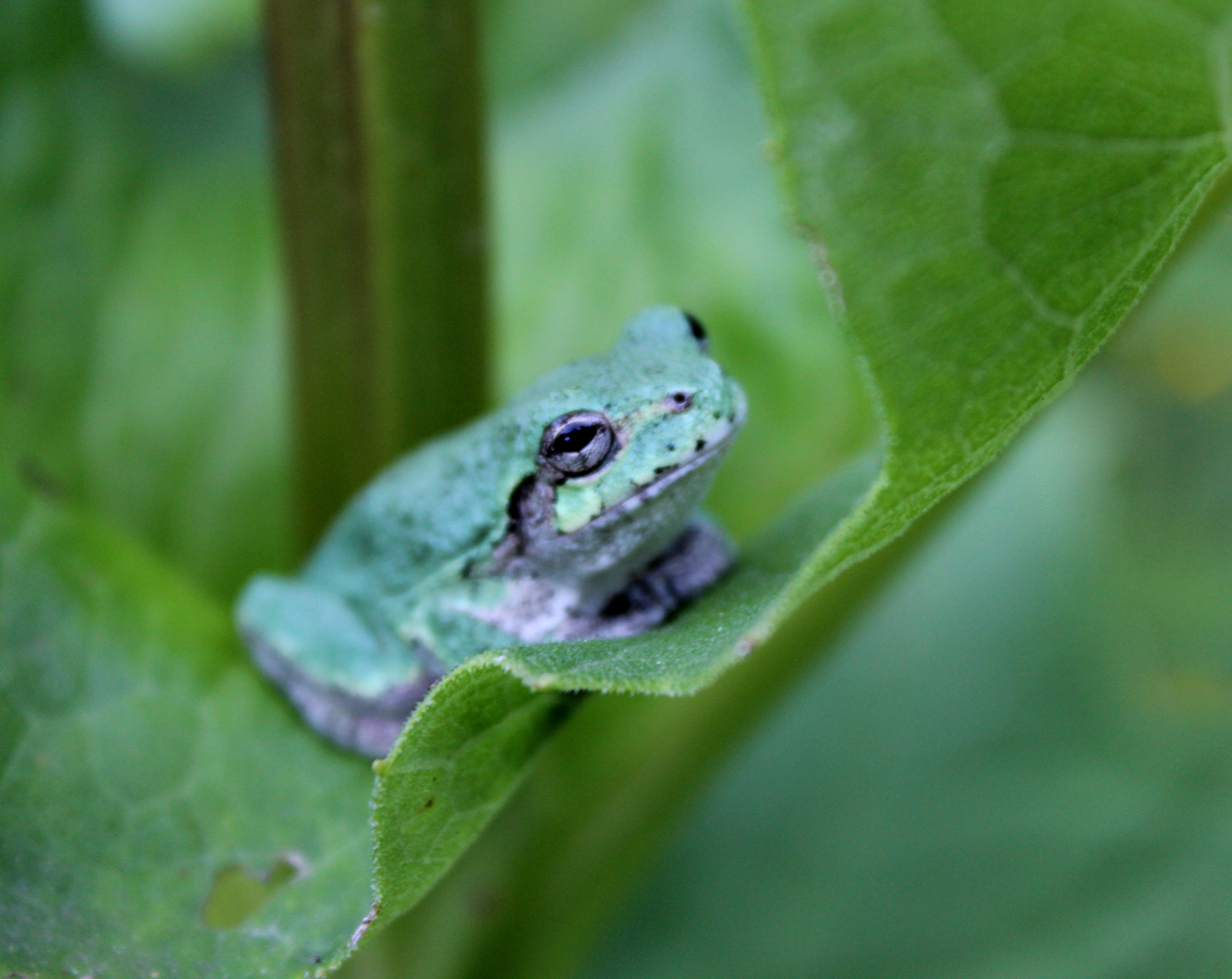
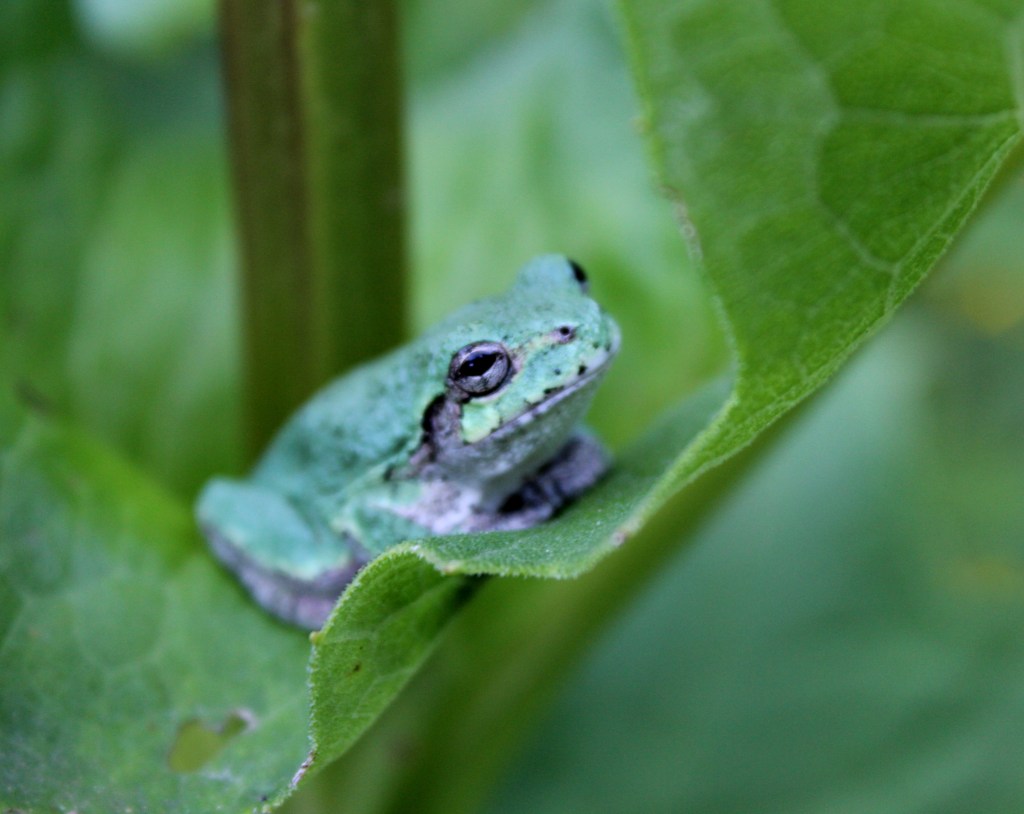
Gray treefrog, Fox Hill Nature Preserve, West Bend, Wisconsin. I took this photo while I was leading an event for the Cedar Lakes Conservation Foundation, a land trust I worked at for five years. I am proud of my work there and very fond of the kettle moraine habitats protected in that area.
Thanks for letting me show of some of my favorite images. I’m eager to see yours!









































 scillagrace