“A habitat is a place where an organism makes its home. A habitat meets all the environmental conditions an organism needs to survive. For an animal, that means everything it needs to find and gather food, select a mate, and successfully reproduce. For a plant, a good habitat must provide the right combination of light, air, water, and soil.” – from the National Geographic website
Star Solomon’s Seal, Marys Peak in the Oregon Coastal Range
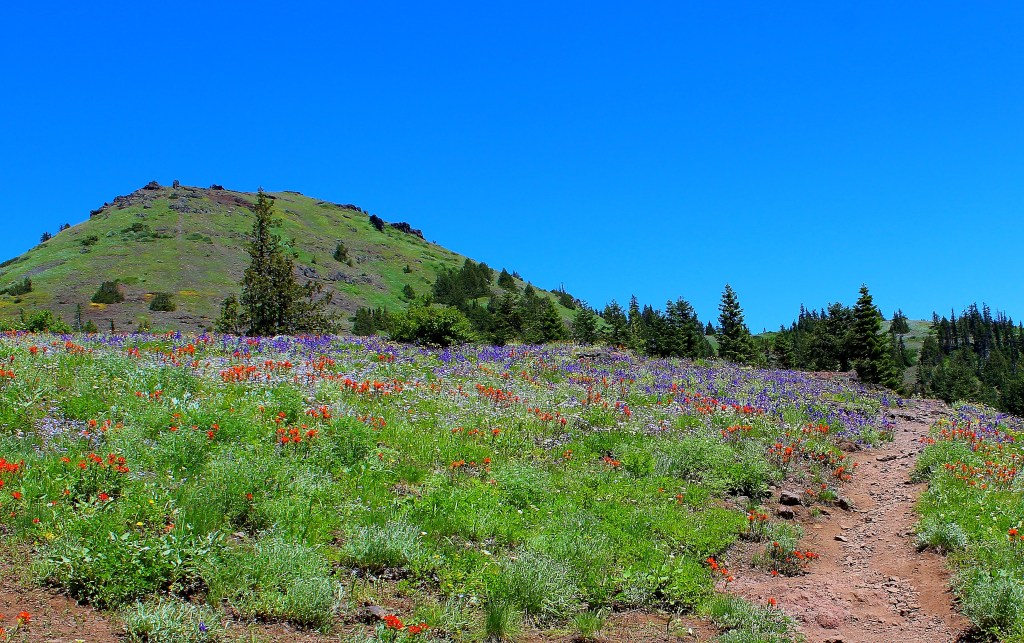
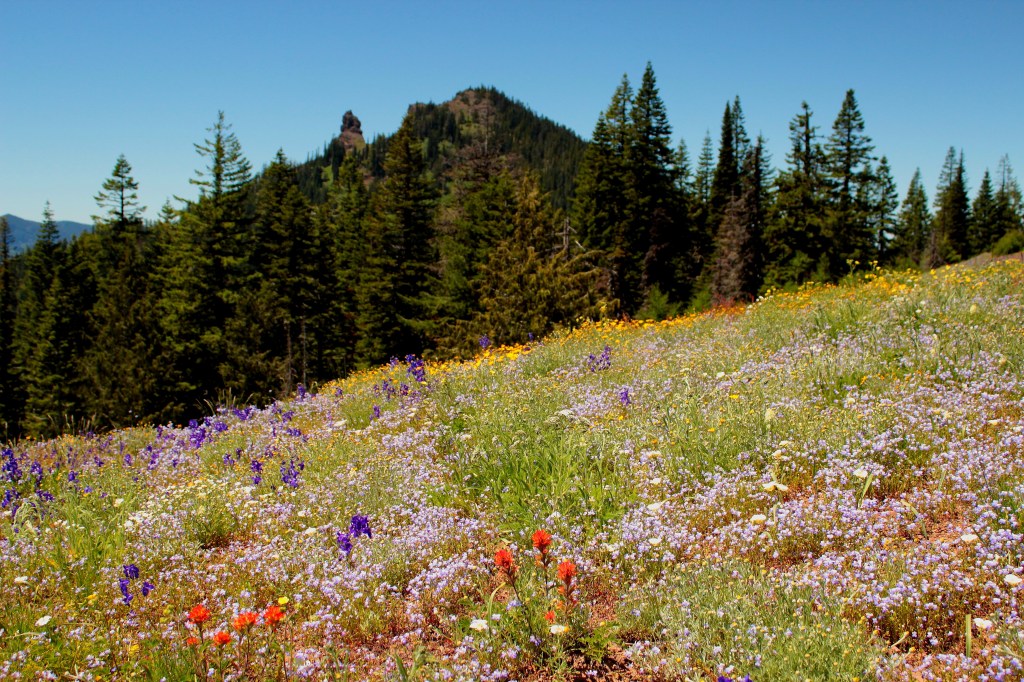
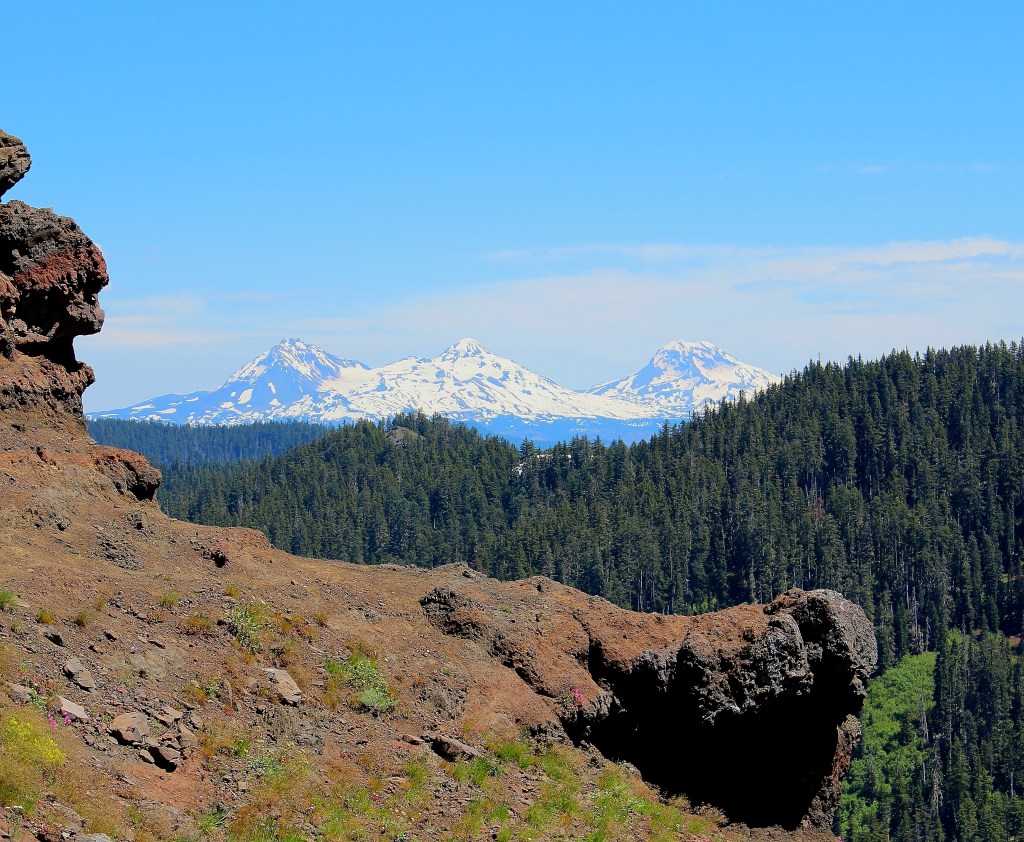
It is wildflower season in the mountains of Oregon. Hundreds of native pollinators are gathering food, spreading pollen, and laying eggs. It’s a “FEED AND BREED” fest that is breathtaking to behold, especially with a backdrop of snow-capped volcanic peaks.
Cone Mountain meadowIndian paintbrush, Menzie’s larkspur, cat’s ear, etc. on Cone Peak, looking at Iron Mountain in the Cascades.The Three Sisters, Cascade Range
I hiked the Cone Peak-Iron Mountain Loop trail on Tuesday. The high point was the observation deck at the top of Iron Mountain, 5440 feet above sea level. From there, several snow-topped volcanic peaks along the Pacific Rim range are visible: Mt. Hood, Mt. Jefferson, the Three Sisters, and Diamond Peak. My friend and I had hiked under utterly cloudless skies for hours. From the summit, though, we sighted some clouds gathering southwest of the Sisters. One looked suspiciously vertical and grayer than the rest. Could it be smoke? When I got back home, I looked up the wildfire news. Sure enough, a wildfire near La Pine, Oregon, had started. The latest report says that the “Darlene 3” fire is 42% contained and has burned 3,889 acres as of Thursday.
Wildfires are a huge threat to habitat here in the Pacific Northwest – for plants, animals, and humans. In others parts of the world, flooding is the greatest threat. Both are linked to the warming of our planet’s atmosphere, which I believe is the most destructive and catastrophic phenomenon in human history. I grieve habitat loss and climate change deep in my soul. For my sanity, I witness the beauty of Nature and photograph what I can, when I can. May this testimony stand with others as an inspiration to make adjustments to the human habits that effect and dominate our global habitat.
My thanks to Tina for her stunning wildlife photos and her invitation to consider Habitat. Do visit her post HERE.
Flowers speak a language of sentiment and memory, fragrant with associations of all kinds. Think of the vast variety of colors and names of flowers and imagine all the stories woven by combinations of these. There are historical records of assigning meaning to certain flowers – from Shakespeare to the Old Farmer’s Almanac and beyond. I have my own stories with these recent photos that I took.
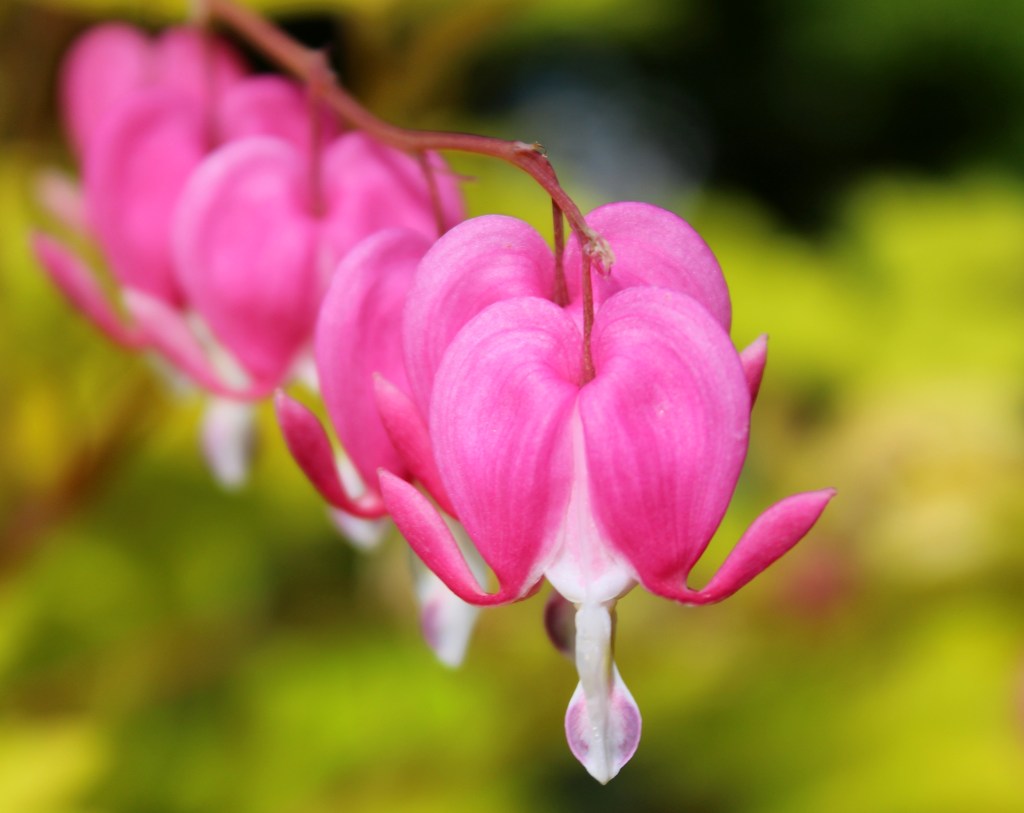
Bleeding hearts will always remind me of my oldest daughter. They bloomed beside her first home in Wisconsin, and she has tattoos featuring their symbolic shape. When I see this row of bleeding hearts, I think of a parade of sensitive souls backing each other up. They could be my daughter and her friends.
I didn’t realize I captured a raindrop on the edge of this rose as I snapped this picture this morning. Now that I see it in close-up, I think of a brave droplet scaling an orange Everest. Orange roses signify “enthusiasm”, according to one list. Maybe this flower’s message to me is “don’t let it rain on your parade”!
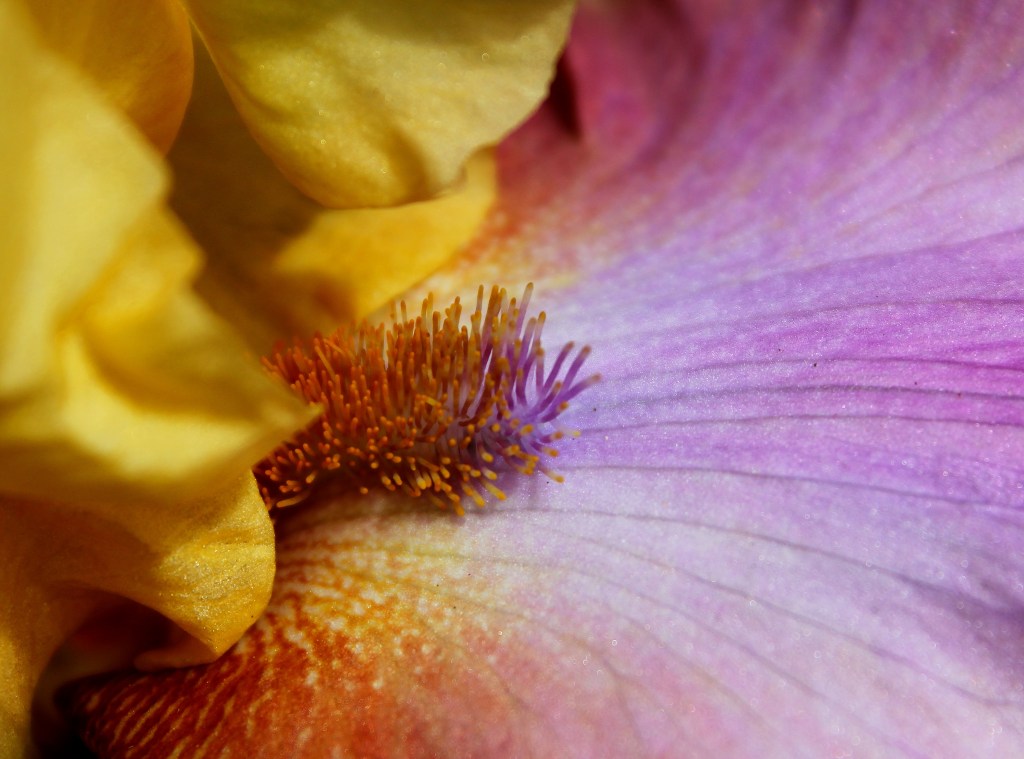
Looking deeply into the center of a bearded iris is like diving in a coral reef. The vibrant color and fanciful shapes create a magic world.
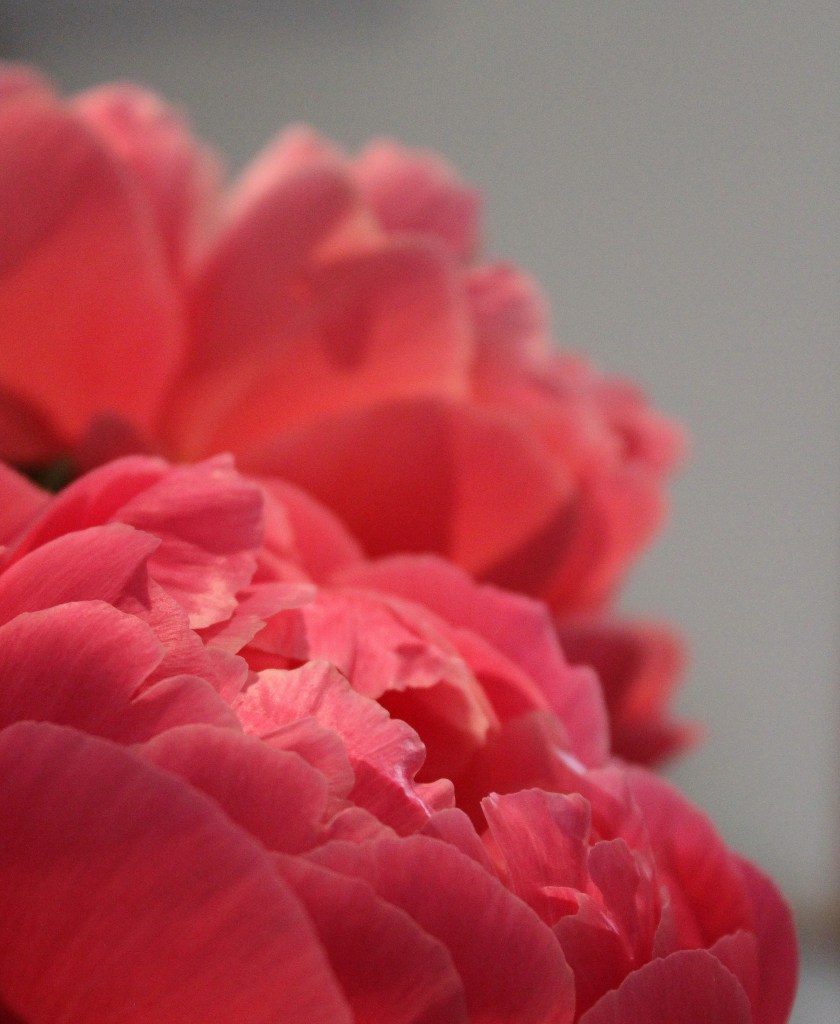
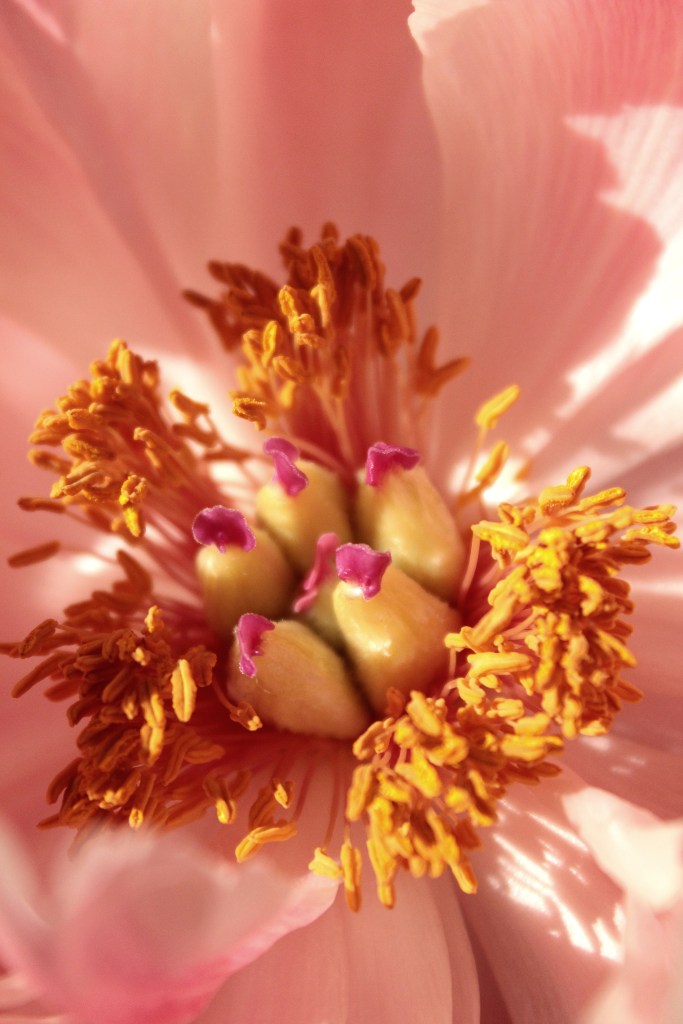
The following four shots exist to preserve the Mother’s Day peonies I received from my oldest daughter. I took them over a few days’ time. In my mind, Danny Kaye is singing about The Peony Bush there in his garden. I am struck at how their petal pattern resembles an artichoke’s leaves and surprised at how they seem to explode over time, compact spheres opening and fading like graceful grenades.
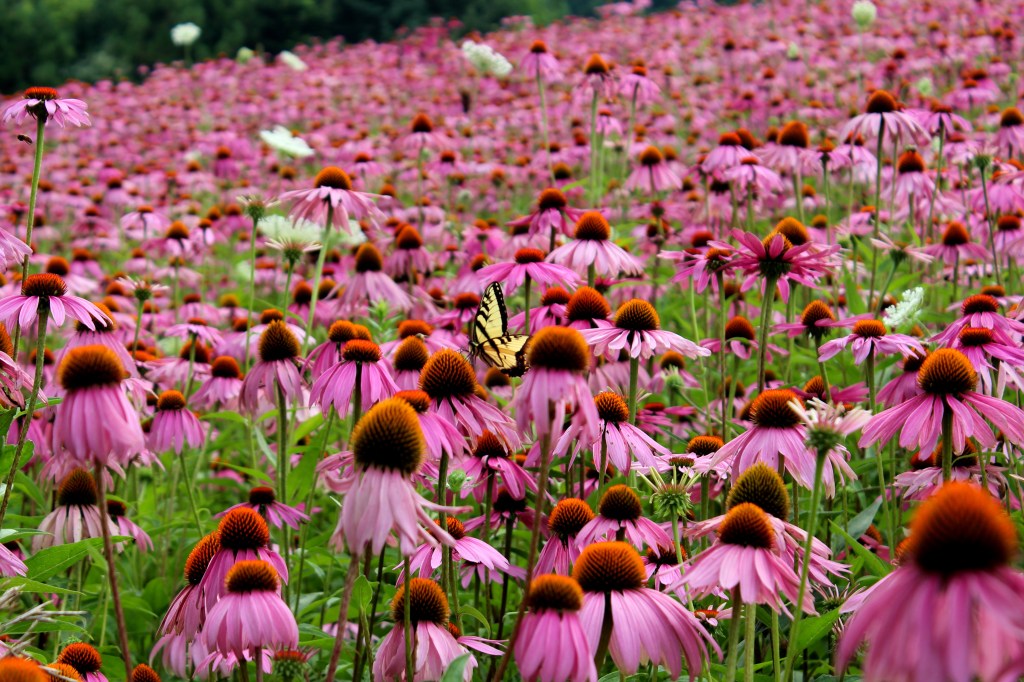
A flower is so fascinating up close, a world in itself. But what if there was a whole landscape of flowers as far as your eye could see? I have seen wildflowers (lupines, shooting stars, spring beauty, trout lilies) covering hillsides, and they have taken my breath away, like the sudden and ephemeral serendipity of a rainbow. I feel a bit differently when I see flowers as crops. It’s more manufacturing than magic, to my mind.
I can’t help feeling incredibly lucky to live on a planet with flowers. There is beauty to behold just bursting forth from the dirt underfoot! What an amazing gift.
Thank you, Sofia, for hosting a Flower Fest here this week! Click HERE to see her challenge post.
Respect and reverence for the natural world seems to me a fundamental response to the age-old human questions, “Who am I?” and “What am I doing here?” We are elementally Earth Beings, located in space, looking to orient our lives in some sustainable balance. Traditions that honor the Four Directions speak of Rock or Earth as the element to the North.
“There is stability here, the ground of our being. The north represents the place that holds us, that allows us time and space to heal and grow, to feel nurtured and respected. It is also the place of embodiment, of connecting with our physical self, with the concrete, tangible world around us. The north calls to you if you are seeking balance, the deep wisdom that lives in your bones, a place of rest and recovery.” – Julia Hamilton
Inaugural Poem (excerpt) – Maya Angelou
A Rock, A River, A Tree
Hosts to species long since departed,
Marked the mastodon.

The dinosaur, who left dry tokens
Of their sojourn here
On our planet floor,
Any broad alarm of their hastening doom
Is lost in the gloom of dust and ages.

But today, the Rock cries out to us, clearly, forcefully,
Come, you may stand upon my
Back and face your distant destiny,
But seek no haven in my shadow.

I will give you no more hiding place down here.

You, created only a little lower than
The angels, have crouched too long in
The bruising darkness,
Have lain too long
Face down in ignorance.

Your mouths spilling words
Armed for slaughter.

The Rock cries out today, you may stand on me,
But do not hide your face.
Thank you to Donna of Wind Kisses for inviting perspectives on how to Rock Your World. May you be grounded today, in balance and peace.
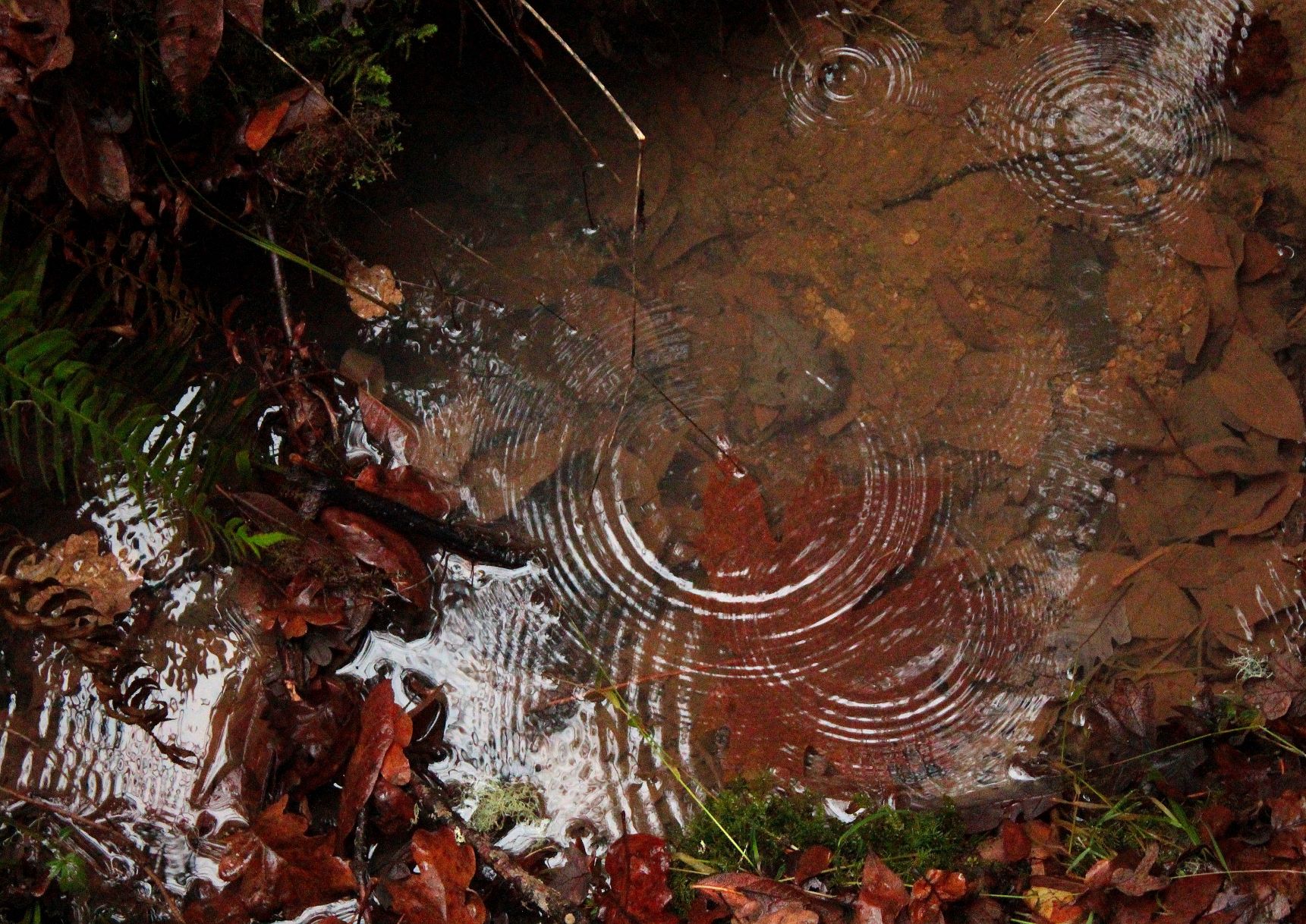
Water moves through everything on this planet – landscapes, plants, rocks, animals, you, and me. There are so many fascinating words for this movement: erosion, guttation, evapotranspiration, infiltration, percolation, perspiration, etc., etc.
The movement of water touches everything and transforms it somehow. Everything around us is in a state of flow.
“The only way to make sense out of change is to plunge into it, move with it, and join the dance.” ― Alan Wilson Watts
Running Water – by Alfonsina Storni (translated by Muna Lee)
Yes, I move, I live, I wander astray— Water running, intermingling, over the sands. I know the passionate pleasure of motion; I taste the forests; I touch strange lands.
Yes, I move—perhaps I am seeking Storms, suns, dawns, a place to hide. What are you doing here, pale and polished— You, the stone in the path of the tide?
“May what I do flow from me like a river, no forcing and no holding back, the way it is with children.” ― Rainer Maria Rilke
photo credit: Josh Galasso
Thank you, Sofia, for inviting us into the discovery of Water in Motion. Click HERE to see her Lens-Artists Challenge.
“From the day we arrive on the planet And, blinking, step into the sun
There’s more to see than can ever be seen More to do than can ever be done There’s far too much to take in here More to find than can ever be found
But the sun rolling high Through the sapphire sky
Keeps great and small on the endless round
It’s the circle of life And it moves us all Through despair and hope Through faith and love ‘Til we find our place On the path unwinding In the circle The circle of life.” – Carmen Twillie and Lebo M
I spent the last 10 days circling back to Wisconsin to care for my eldest adult child after surgery. Enfolding her in my arms, comforting her, and kissing her good-night brought my heart and soul to a place of simple purpose and wonder-filled peace. In the circle of life, caring for each other, loving wholeheartedly, is the wheel that keeps us moving forward, generation by generation. I guess I still believe that Love makes the world go ’round.
Thank you, Ann-Christine, for a round world of beautiful images on your challenge! See it HERE.
Many public places, and some private ones, contain a finely tuned meteorological instrument known as a “Weather Rock”. To many observers, it appears to be an ordinary stone hanging by a rope to a tripod. Here’s how it works:
If the rock is wet, it’s raining.
If the rock is swinging, the wind is blowing.
If the rock casts a shadow, the sun is shining.
If the rock does not cast a shadow and is not wet, the sky is cloudy.
If the rock is difficult to see, it is foggy.
If the rock is white, it is snowing.
If the rock is coated with ice, there is a frost.
If the ice is thick, it’s a heavy frost.
If the rock is bouncing, there is an earthquake.
If the rock is under water, there is a flood.
If the rock is warm, it is sunny.
If the rock is missing, there was a tornado.
If the rock is wet and swinging violently, there is a hurricane.
If the rock can be felt but not seen, it is night time.
If the rock has white splats on it, watch out for birds!!
In my experience, the Weather Rock is as accurate as any other instrument in defining the conditions present.
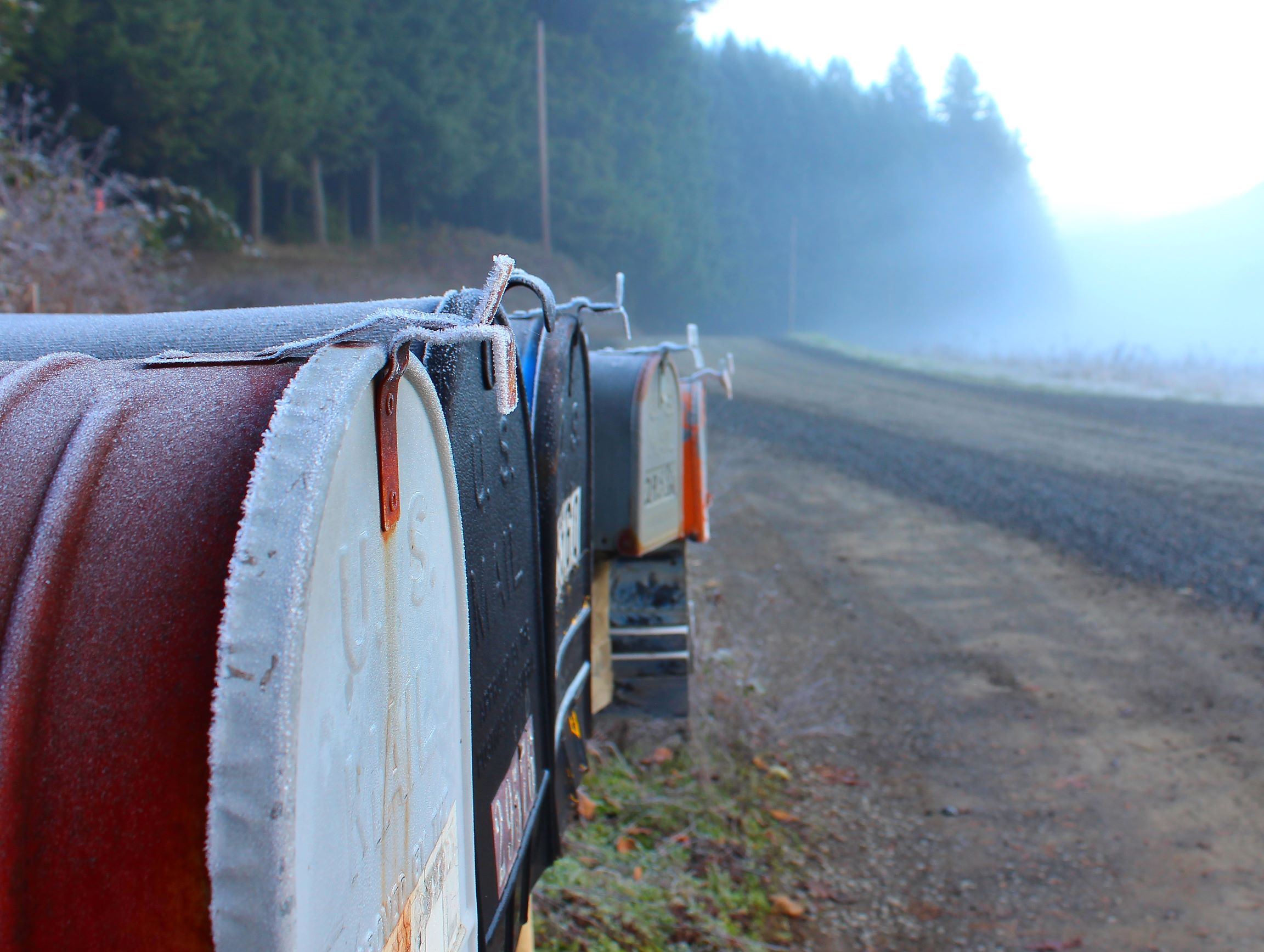
“Neither snow, nor rain, nor heat, nor gloom of night stays these courageous couriers from the swift completion of their appointed rounds.” – Herodotus, in reference to Persian mounted postal couriers, circa 500 B.C.E.
I am grateful to have been able to experience the thrill of weather that changes. My years in Southern California were not my favorite. Perhaps I grew bored each time I lived through “another ho-hum day in Paradise”. I truly missed the awe-inspiring daily reminders that the world and the weather are bigger than I am. The summer thunderstorms, the months of snow and cold, the humidity that persisted after sundown – all of those Midwest weather events created the variety and patterns of life that were rich and interesting. And the Oregon rain creates a rainforest more abundant with life than I could ever have imagined. I love having “weathered” living in the northern part of this country!
Thanks to Anne Sandler for hosting this week’s challenge. Visit her post HERE.
Ann-Christine’s challenge to us is to illustrate a favorite quote or poem with 1-4 photos. Donna increases the challenge by suggesting we use a poem that we wrote. I did a post back in June of 2012 featuring this poem, with a photo I took with a borrowed camera. I’m giving it a make-over now, but you can see the original post HERE.
The Sky by Priscilla Galasso
Did I ever thank you for the sky spread far around like an open field piled high with moods and structures, a playground for my soul?
This space above bids my thoughts expand to climb the heights of an anvil-cloud and teeter on the edge of a dazzling glare or slide down the shafts of the sun,
To swim to the center of its lonely blue where I find no mist to hide me, and lie exposed to the western wind like a mountain braced for sunrise.
Or clad in the shroud of brooding gray, it coaxes me to musings far removed from the minutiae that chains me to my life.
I search for light and openness to shadow the bonds of earth, exploring the vault of heaven for its meaning and its truth.
Thanks for this cathedral speaking glory through its art. Thank you for these eyes admitting Sky into my heart.
Palace of the Governors, New Mexico History Museum
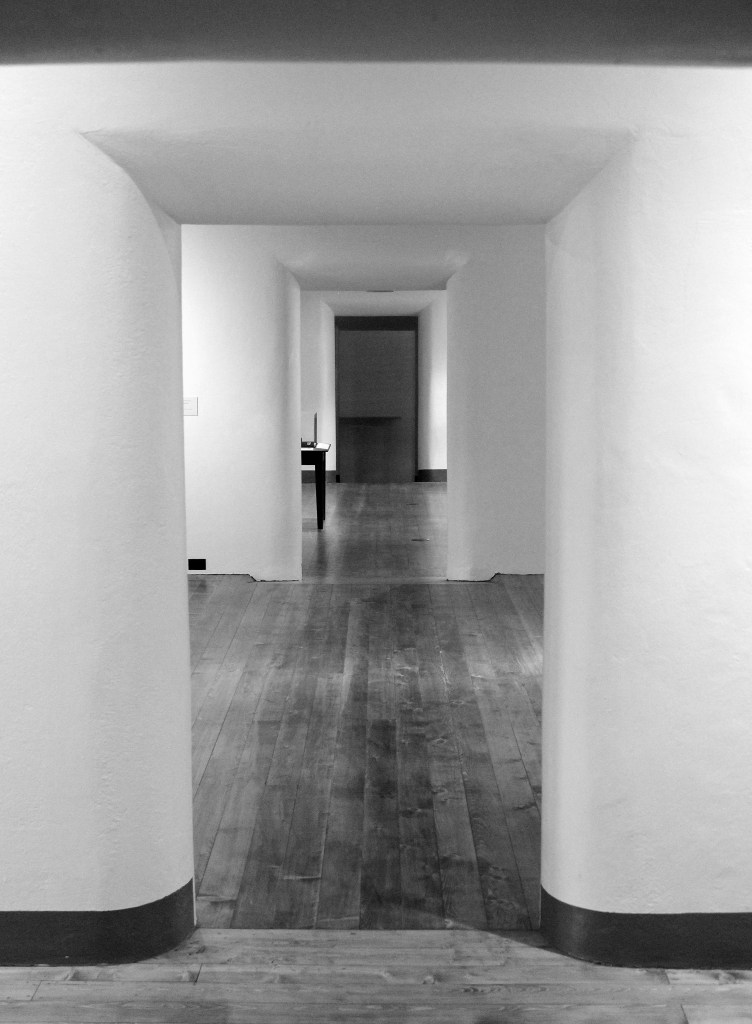
“The frame through which I viewed the world changed too, over time. Greater than scene, I came to see, is situation. Greater than situation is implication. Greater than all of these is a single, entire human being, who will never be confined in any frame.” ― Eudora Welty, On Writing
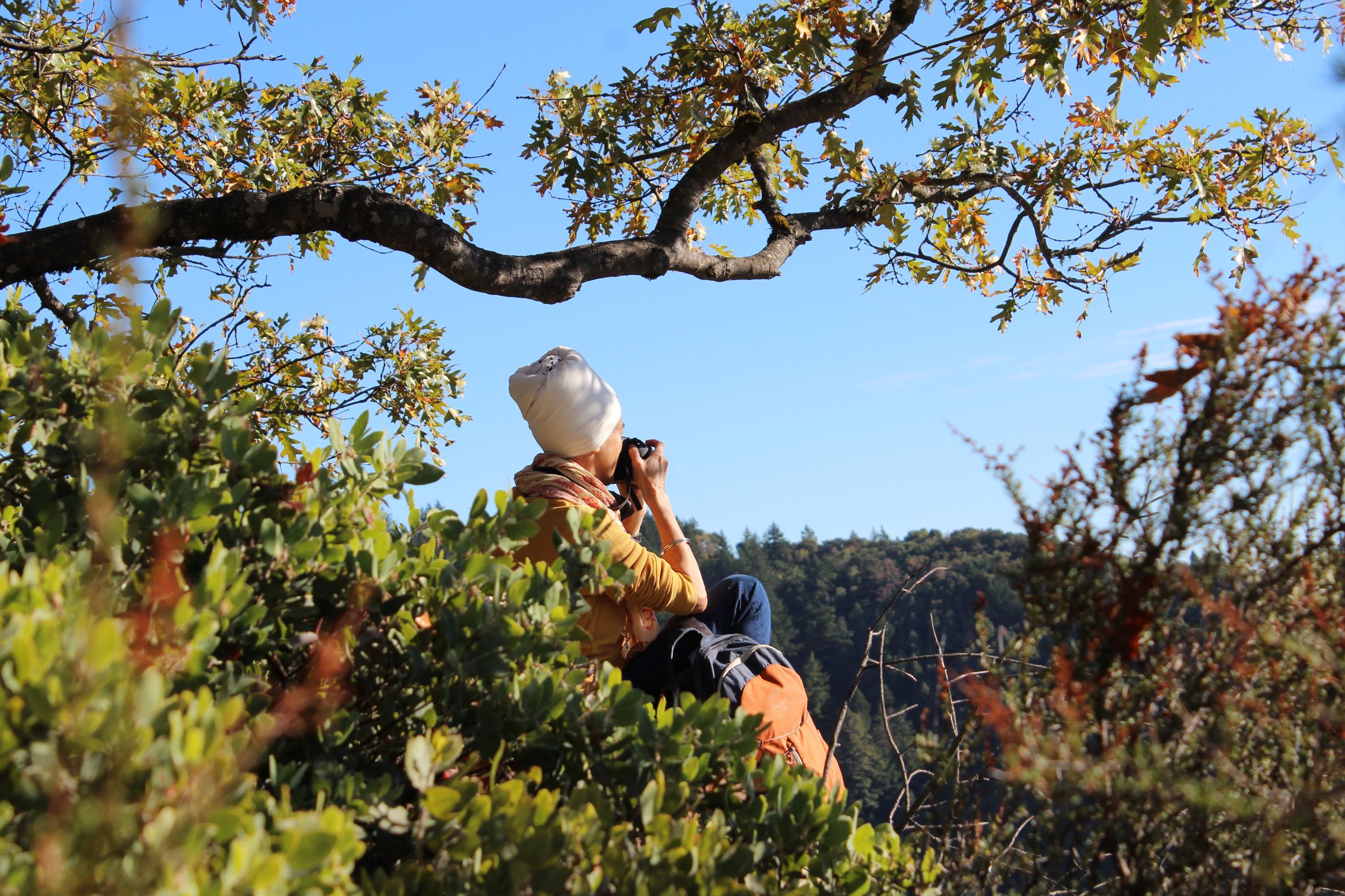
I suppose the framing of a photo subject provides contextual information about the surrounding area. Imagine this deer framed by a fence, instead of by pine boughs.
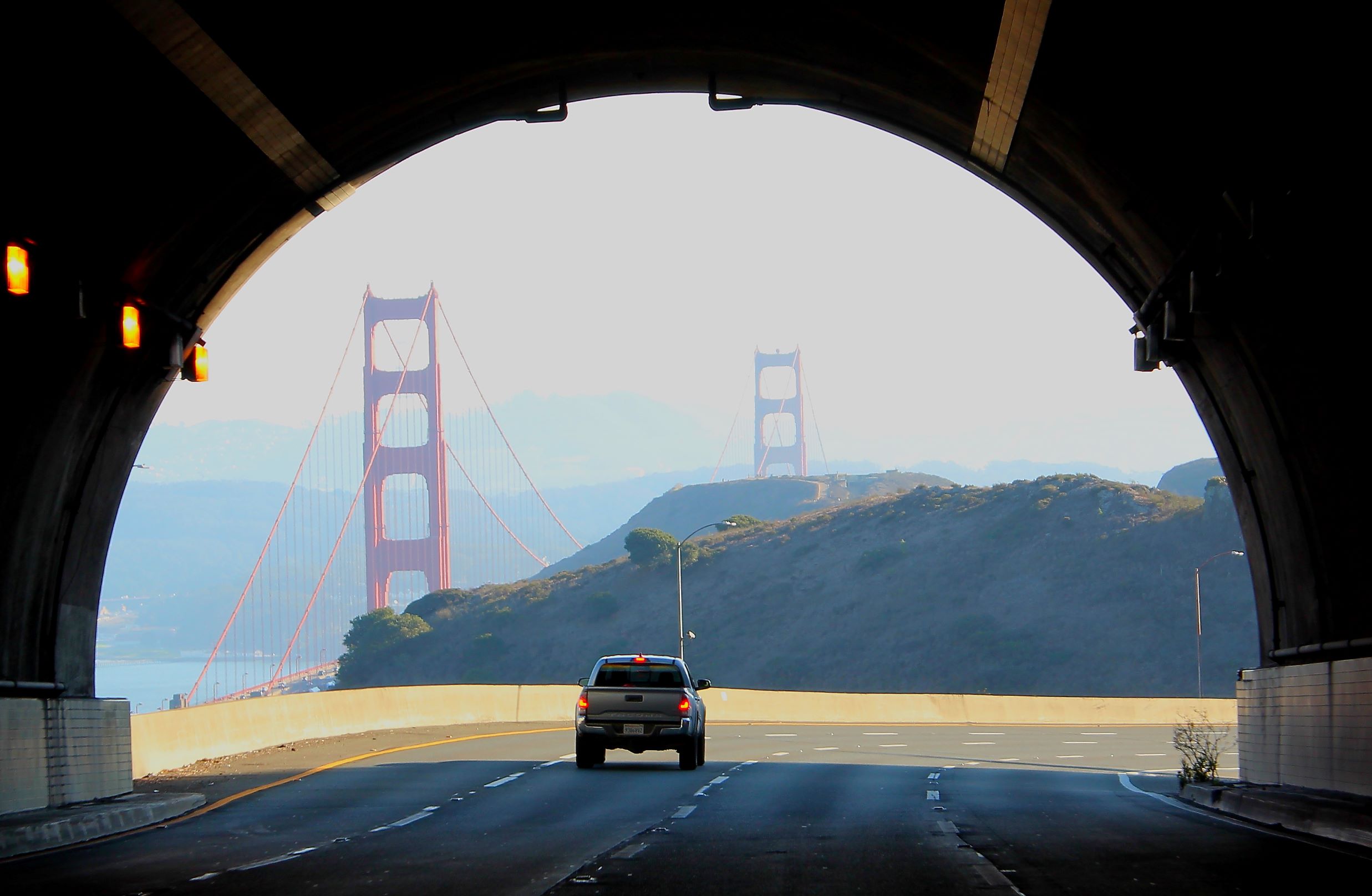
And how does the framing of the Golden Gate Bridge affect the mood or message of this monument?
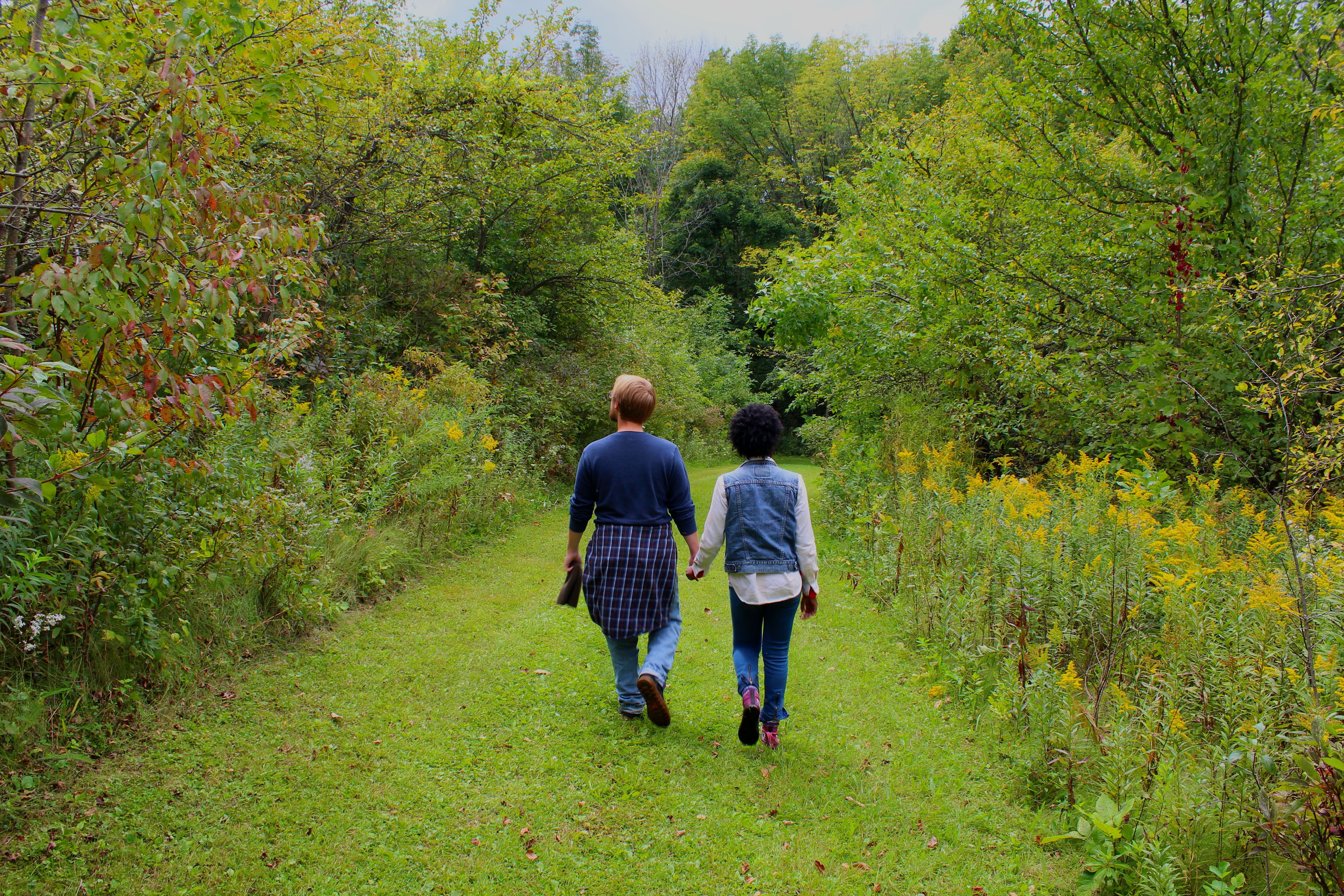
Often, in the practice of mental health, it helps to ‘re-frame’ a thought – to examine the story I’m telling myself about a situation and see if there’s a different way that the story could be told, from a different perspective, with a different contextual focus. It’s amazing how profoundly impactful frames can be, shaping and informing how we view a subject. I suppose, as photographers, we can use that tool to tell the story we want to tell.
Thanks, Amy, for challenging us to examine our frames this week.
“What we do see depends mainly on what we look for. … In the same field the farmer will notice the crop, the geologists the fossils, botanists the flowers, artists the colouring, sportmen the cover for the game. Though we may all look at the same things, it does not all follow that we should see them.” ― John Lubbock, The Beauties of Nature and the Wonders of the World We Live In
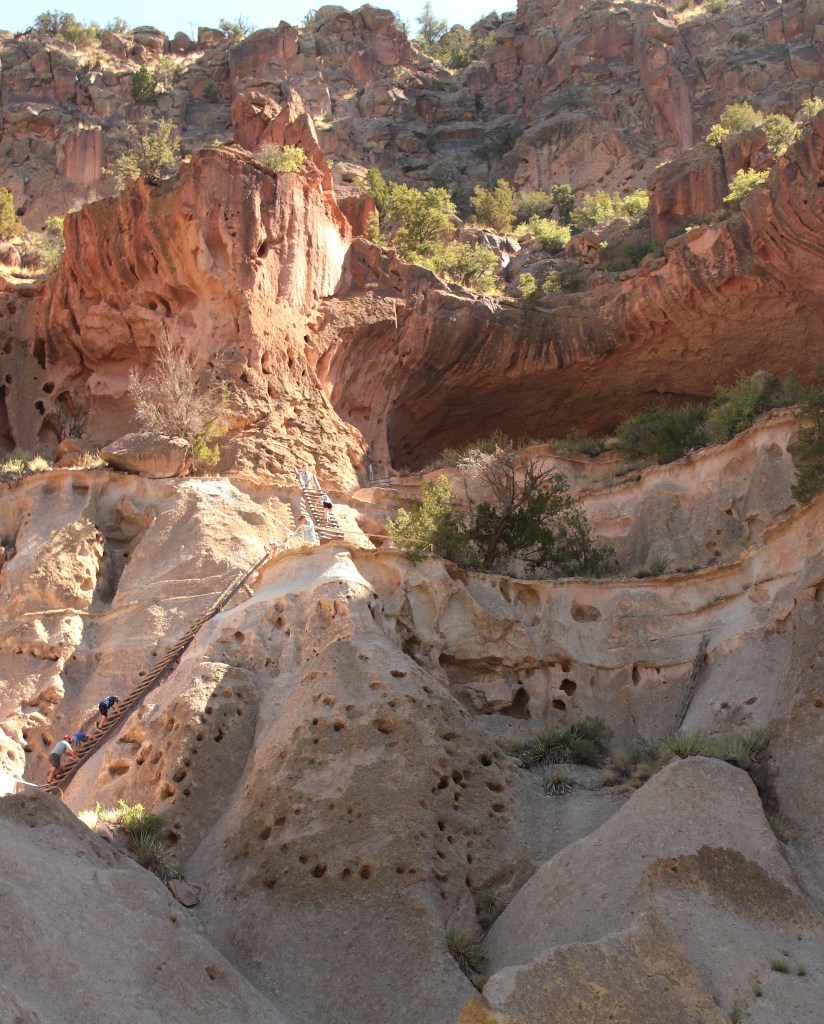
Alcove House, Bandelier National Monument, New Mexico
Imagine looking at a canyon wall, eroded by wind, formed of crumbly volcanic tuff. Would you see in it a choice place to build a home, defensible from attacks, high above the river floods, cool in the summer and warmed by the afternoon sun in the winter? Would you see the path up to the sheltering alcove? And what would you be looking over once you got up there? Also, imagine that it is the year 1150 A.D. Can you look with an archeologist’s or anthropologist’s vision and imagine the ways of the people who lived there?
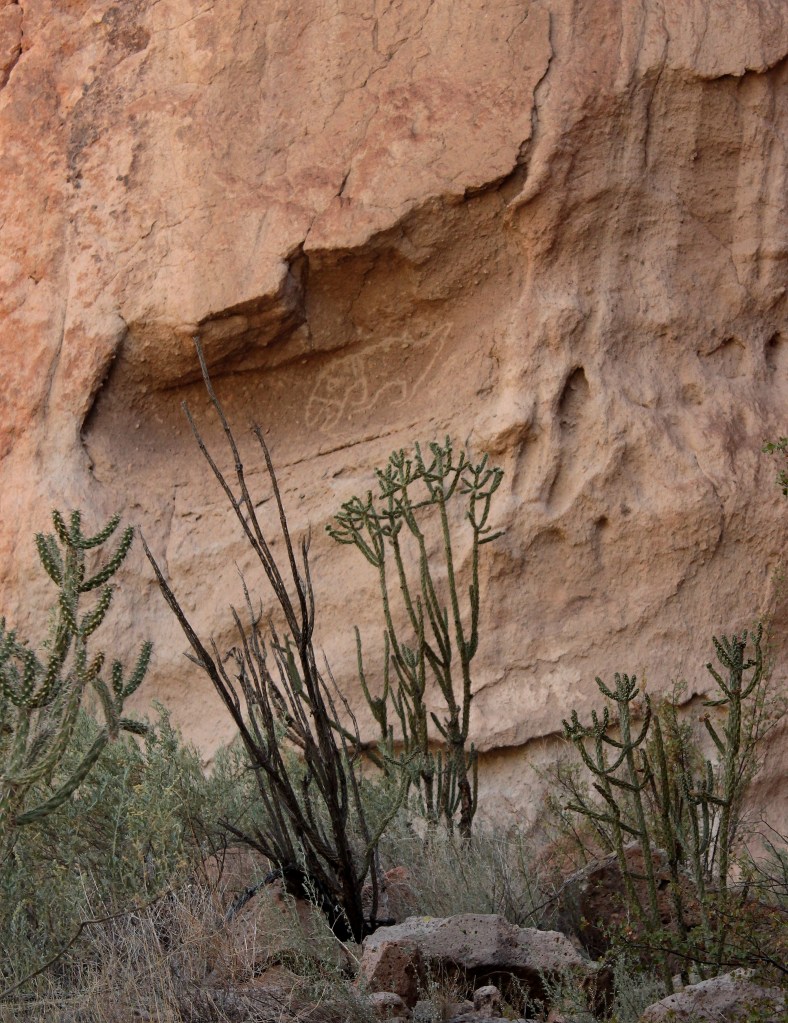
My friend, Ranger Steve, pointed at the canyon wall. “Do you see that petroglyph up there? What do you think it is?” “Um…a person’s head? A bear’s head?” “WHAT?” “You mean that round, red spot above that pale place on the rock?” “NO! Not a pictograph, a petroglyph. Carved into the rock under the overhang, above where that cholla cactus is.” “Ooooh, THAT. I didn’t see it before. Um…a horse bending its head down to drink, maybe?” “A lot of people see that. It’s probably a parrot, actually.” Thick-billed parrots now are found primarily in Chihuahua and Durango, Mexico, but used to range north to Arizona and New Mexico. I completely overlooked that possibility!
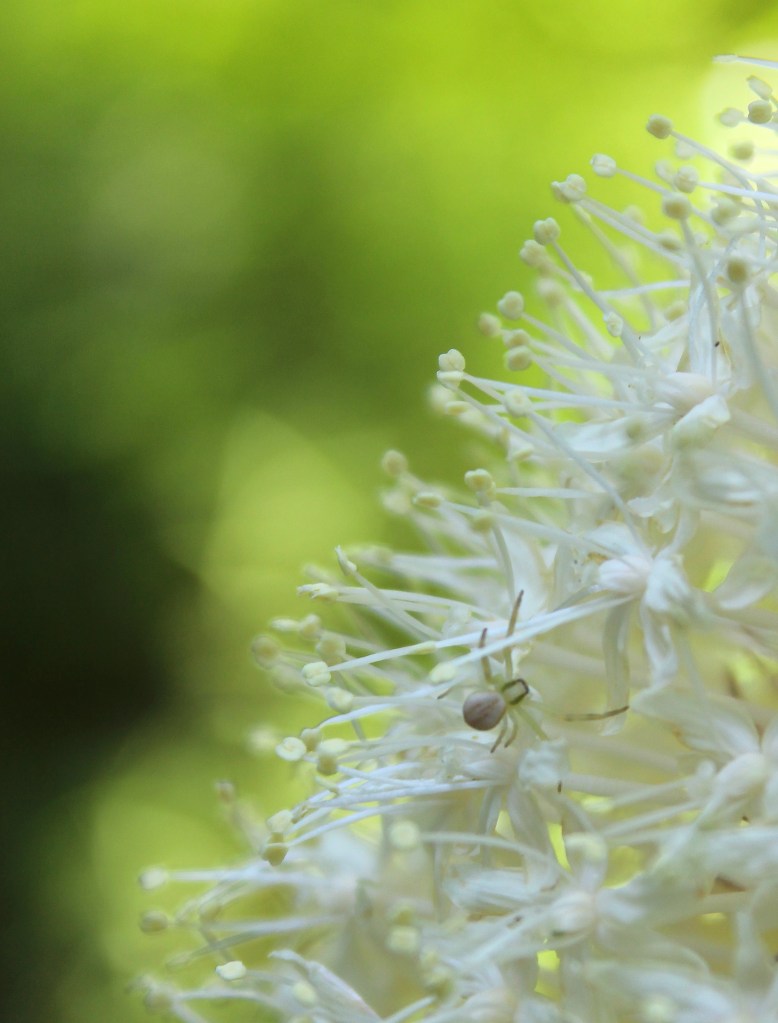
I was doing a botany hike with a learned friend recently. She was pointing out and naming the plants along the trail, and I kept finding what I call Bonus Bugs. This tiny, pale spider was well hidden in the blooming Bear-grass.
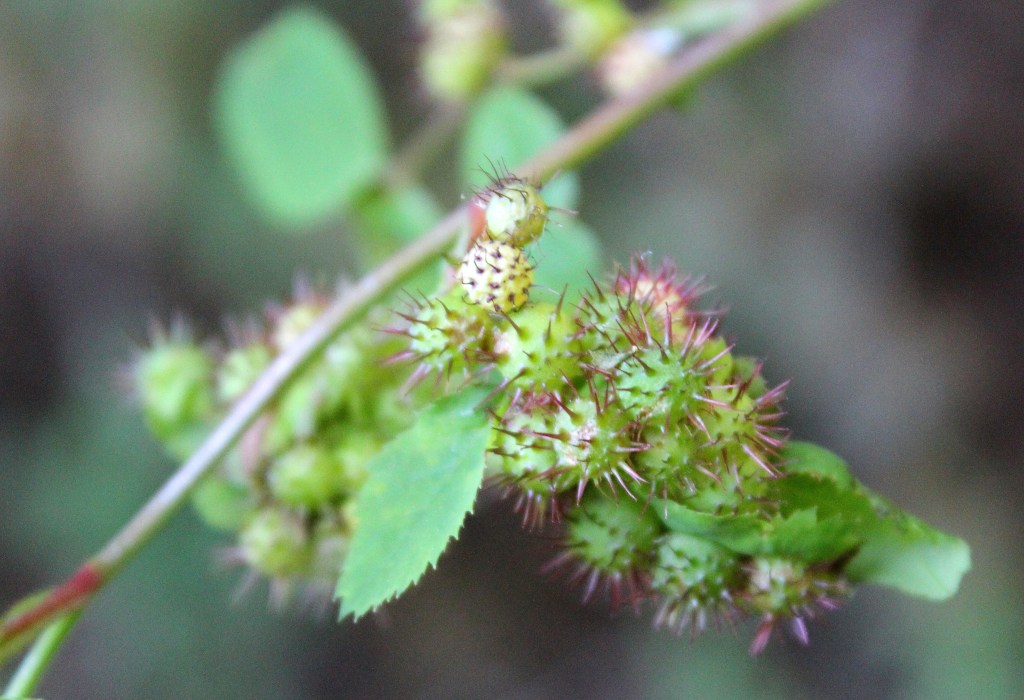
She examined the leaves of a small tree and discovered these spiny little balls. They’re not part of the tree at all, she told me. They’re probably the egg sacs of some insect. Or maybe the tree’s protective reaction to the injury inflicted when the insect deposited the eggs? I don’t know. It’s another one of those innumerable natural mysteries that go overlooked every day. The truth is probably very important to the tree and the insect, though.
Here I want to recommend a book I’m reading: Braiding Sweetgrass by Robin Wall Kimmerer. When European settlers came to North America, they definitely overlooked the ancient and intricate relationships already established on the continent, relationships between many species that were reciprocal and mutually adaptive for sustainability. The wisdom in this book is astounding. The poetry of story and reverence in the writing is profoundly delightful. I believe it is a book to inspire revolution and a new way forward.
I’m beginning to think that maybe Donna of Wind Kisses might be a secret sister to me. I love her challenge to us this week! Last week it was bilingual 3rd graders, this week it was Kindergarteners (70 in all) who sang this song with me:
“Head, thorax, abdomen, abdomen Head, thorax abdomen, abdomen Two antennae, four wings and six legs And don’t forget the exoskeleton!” OR “Cabeza, tórax, abdomen, abdomen Cabeza, tórax, abdomen, abdomen Dos antenas, cuatro alas y seis patas Y tambien el exoesqueleto!”
So, which of you Lens-Artists have a dung beetle in your photo archives? This specimen was living on the prairies of South Dakota. Could be elk or buffalo dung it was rolling around into a perfect sphere. I wish I had video to show you how he rolled it with his back legs until the slope’s gravity pulled him up over the top, facing skyward. Fascinating!
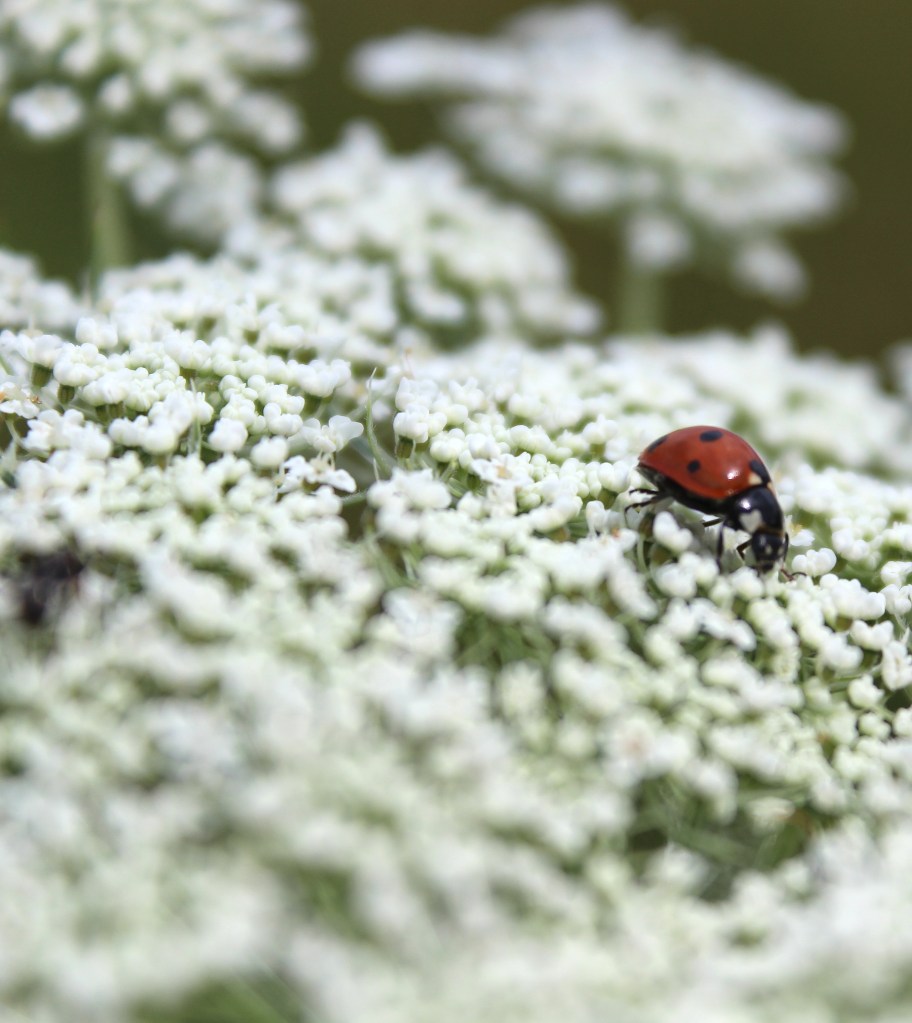
Another beetle. Ladybugs feature in nursery rhymes and seem pretty harmless, but my middle daughter discovered at Girl Scout camp that they bite, and so grew to be somewhat afraid of them, especially when some meaner girls threatened to fill her sleeping bag with them.
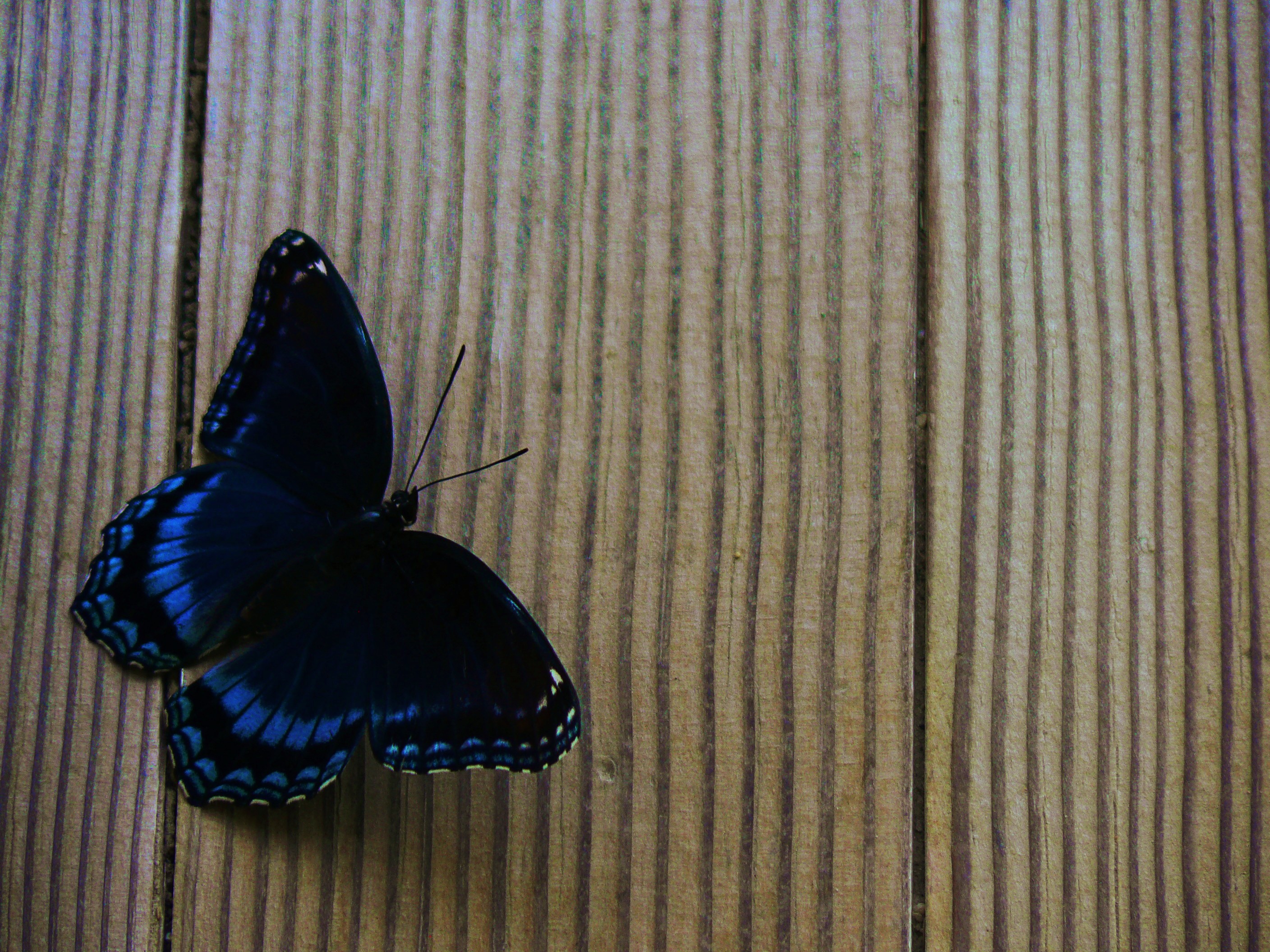
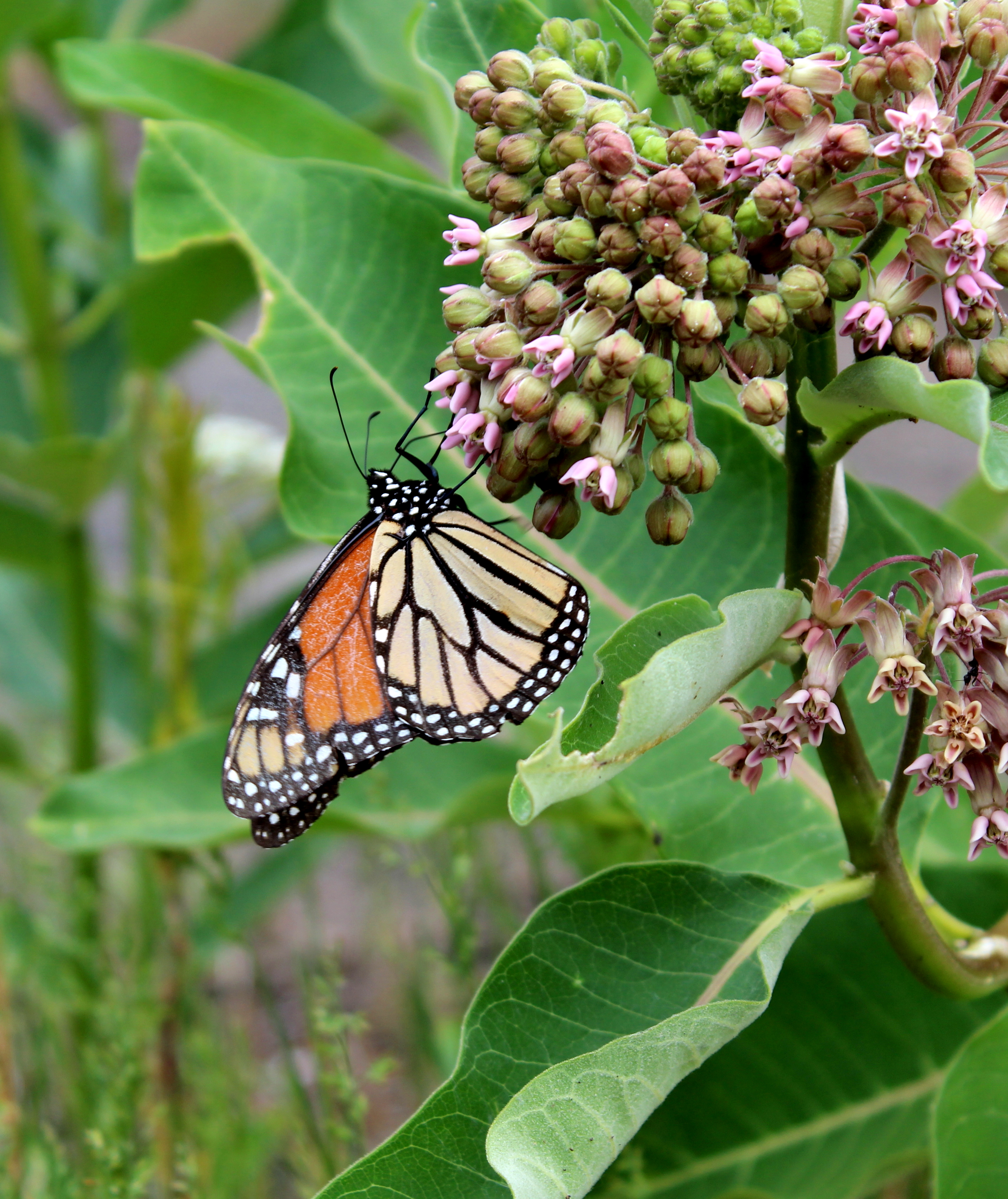
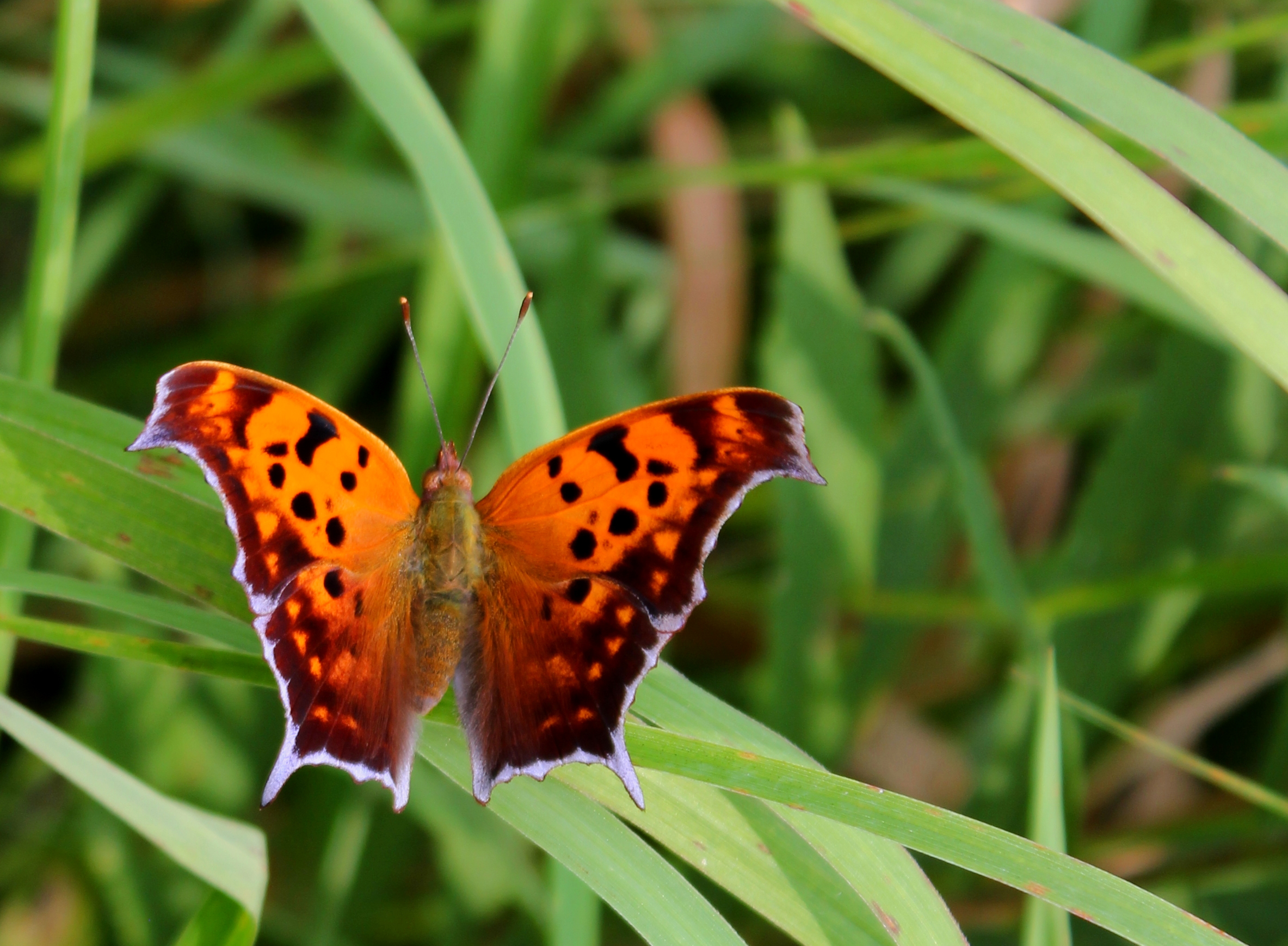
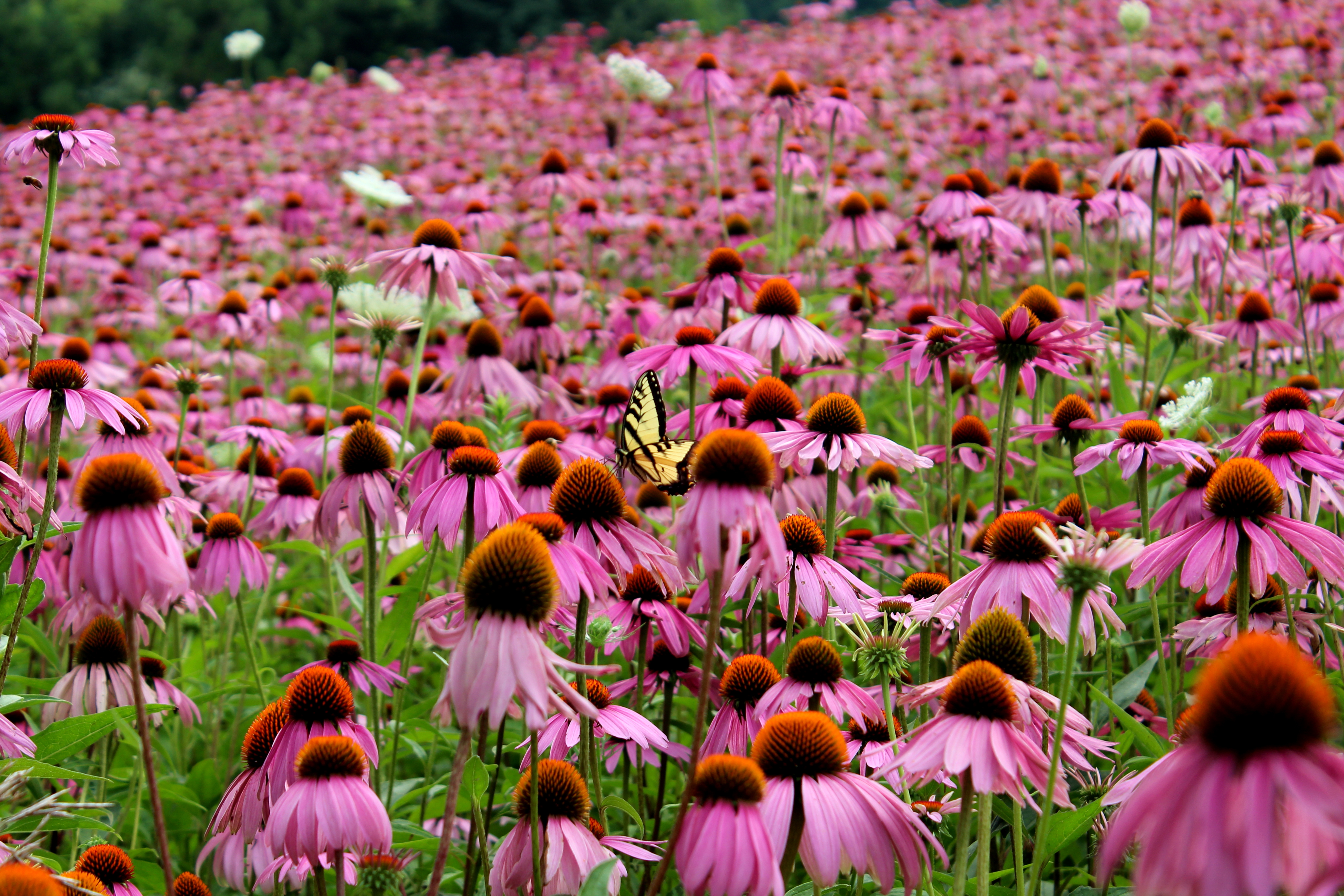
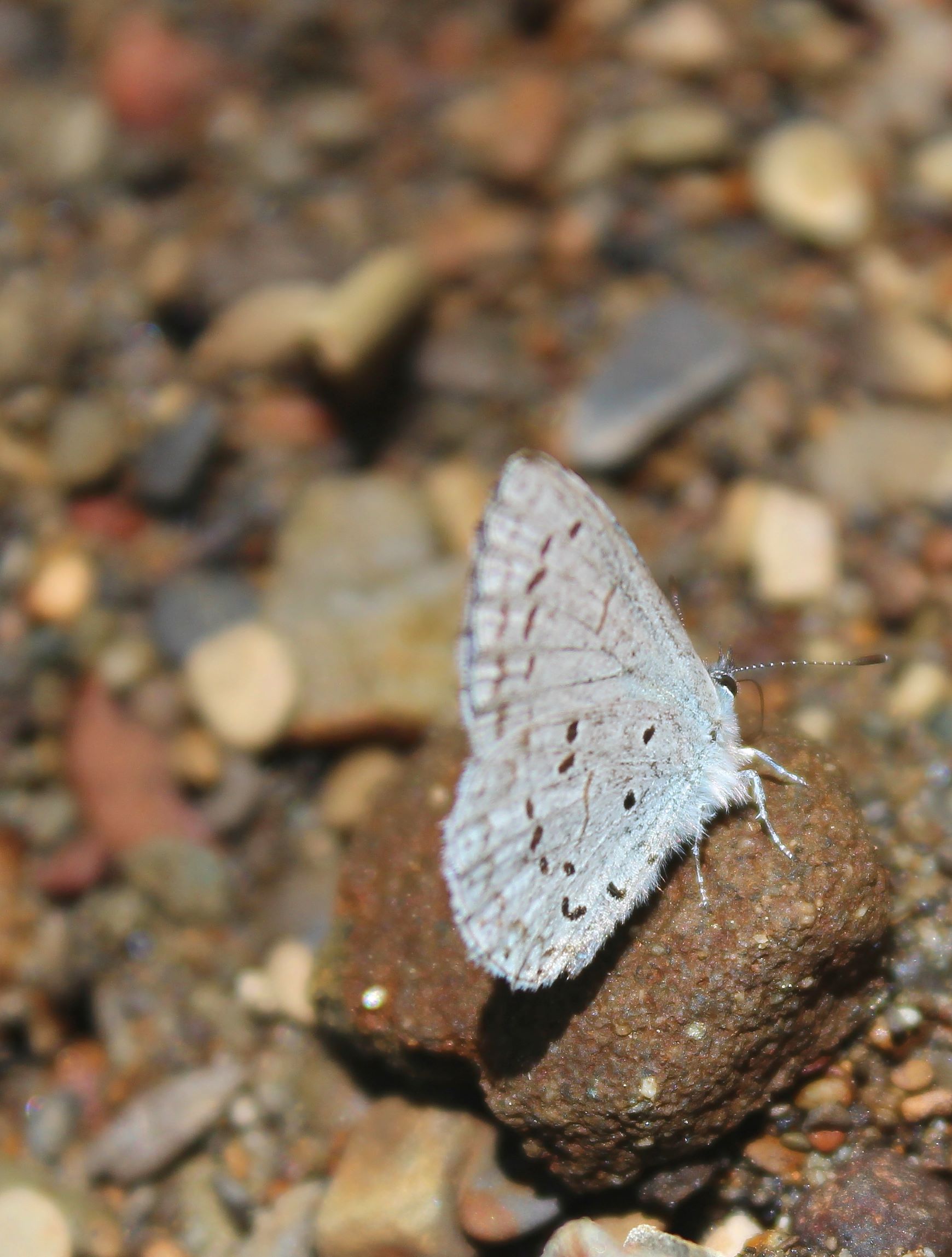
Okay, I’ll post some of the more glamorous bugs that everyone loves.
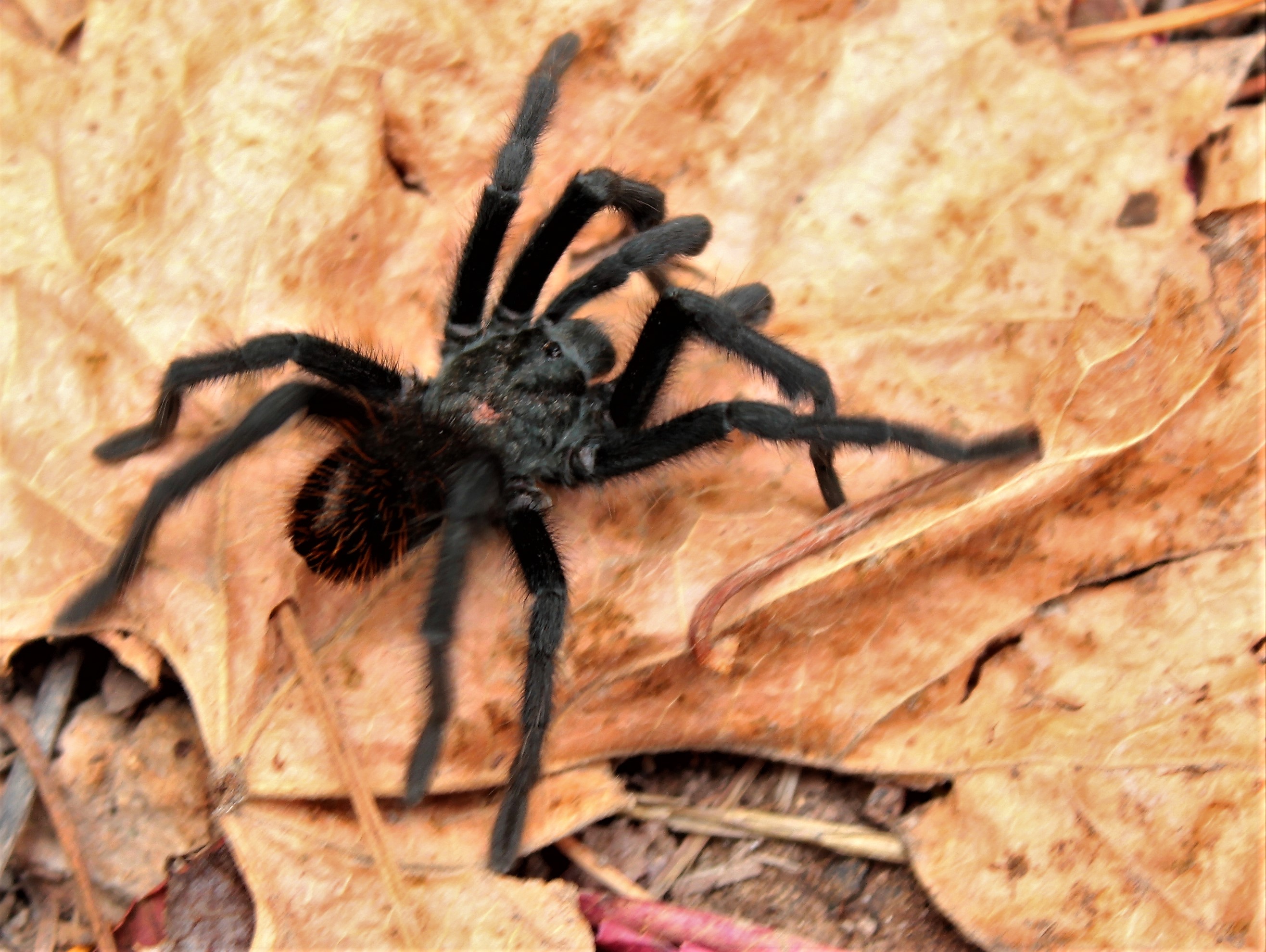
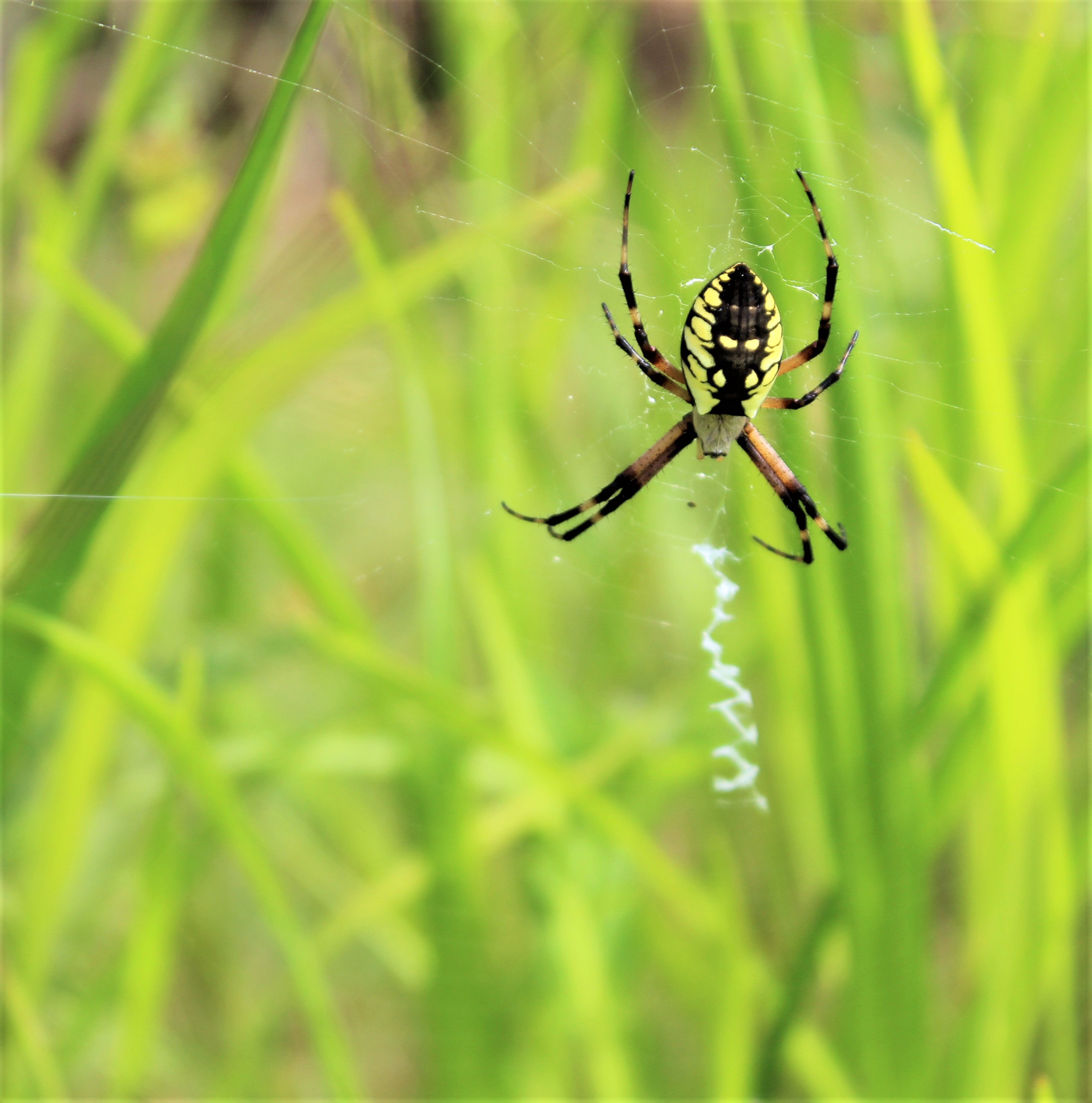
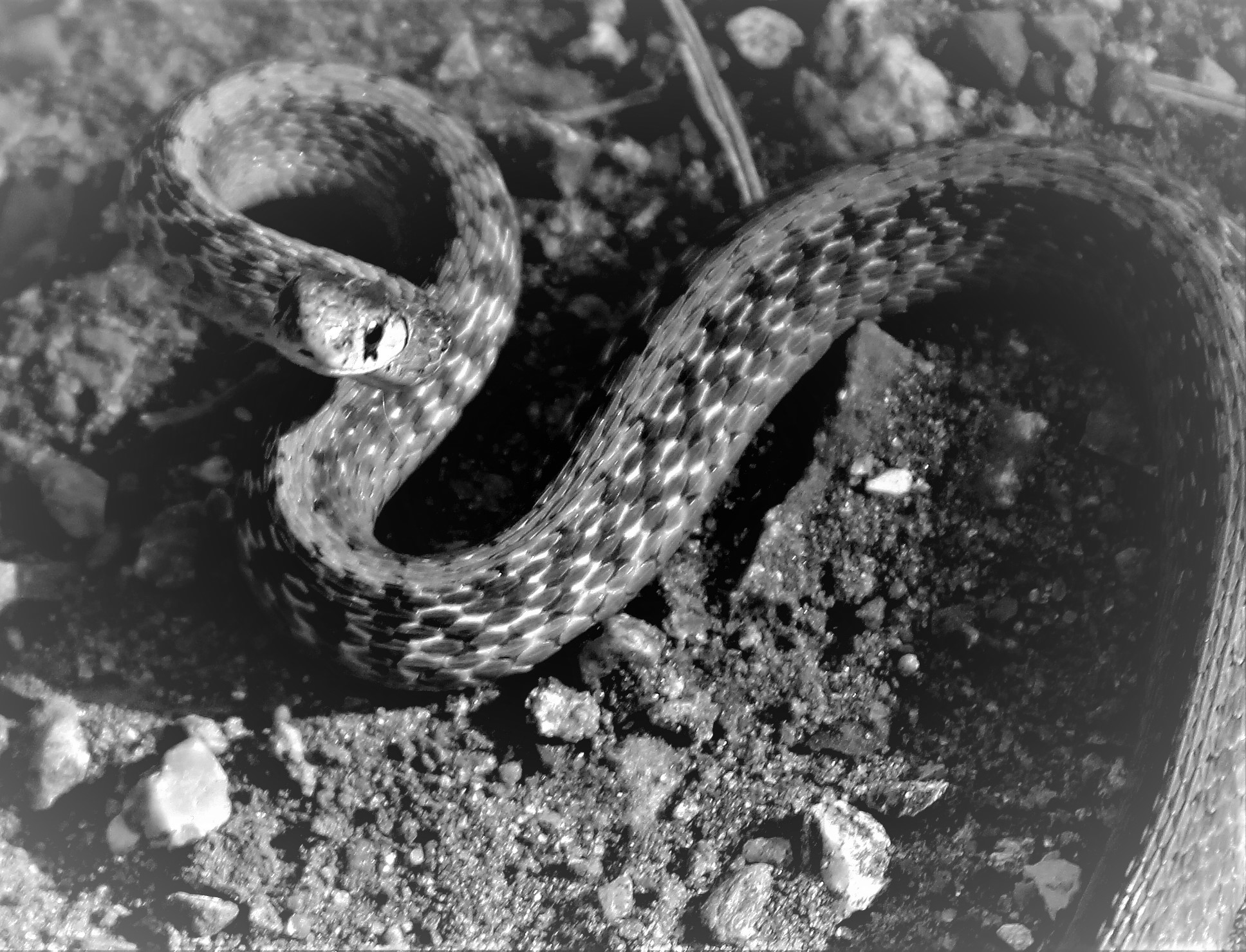
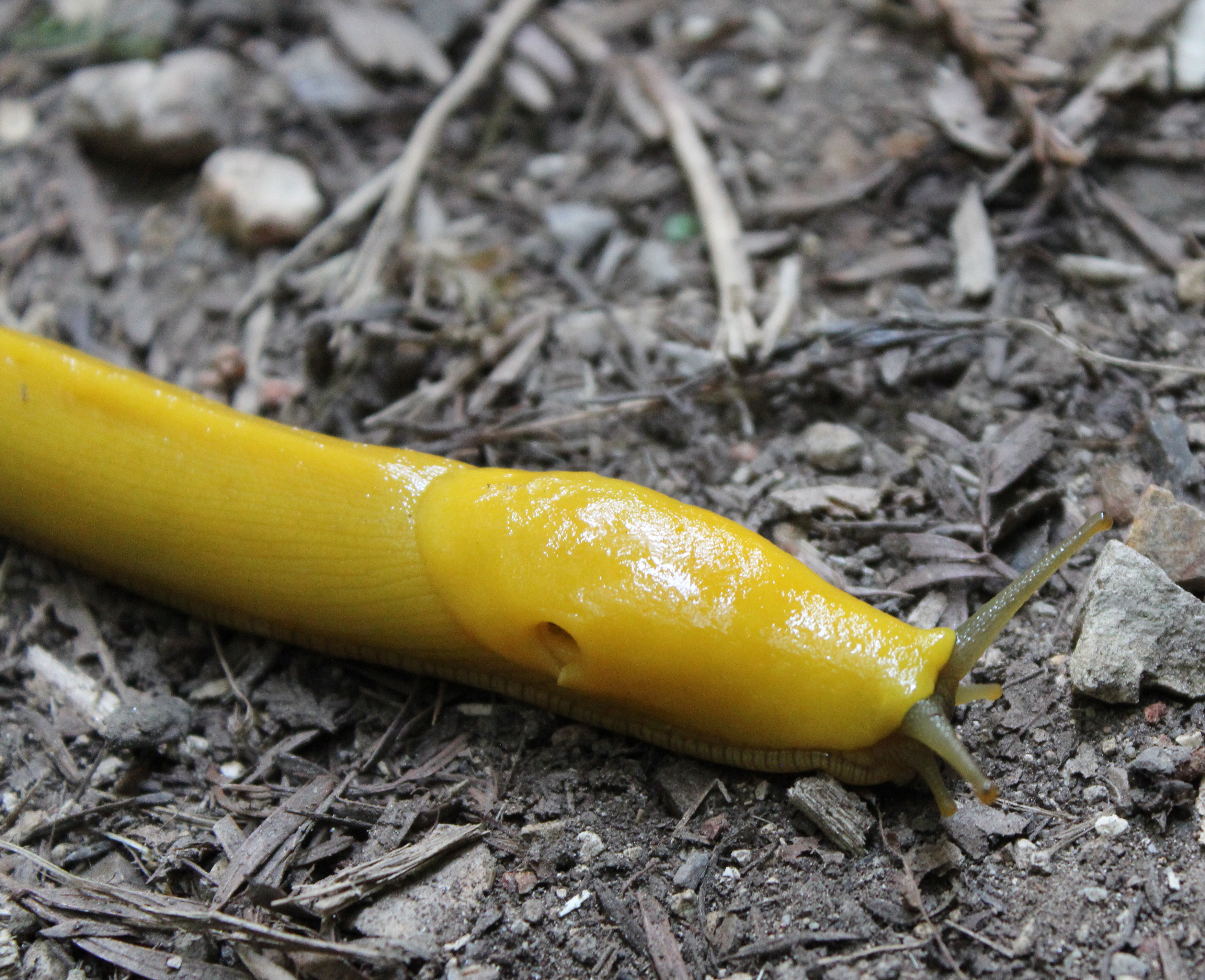
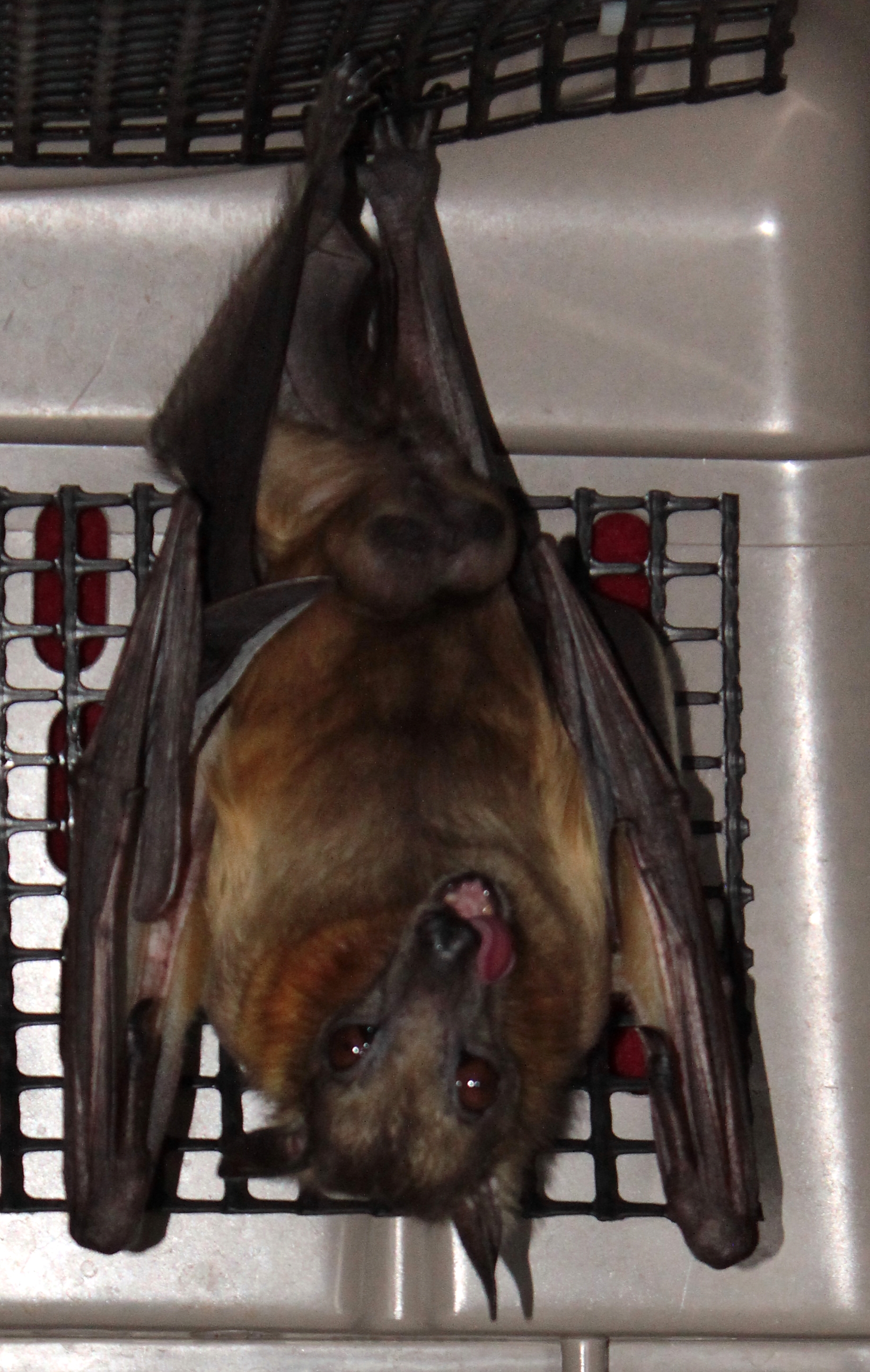
…and I’ll post some things that aren’t bugs just to see if you’ll jump.
I think it’s always good to meet the neighbors who sit on other branches of the Tree of Life, get acquainted, and learn to appreciate them. Most of them were here long before we were! I think they make great teachers.






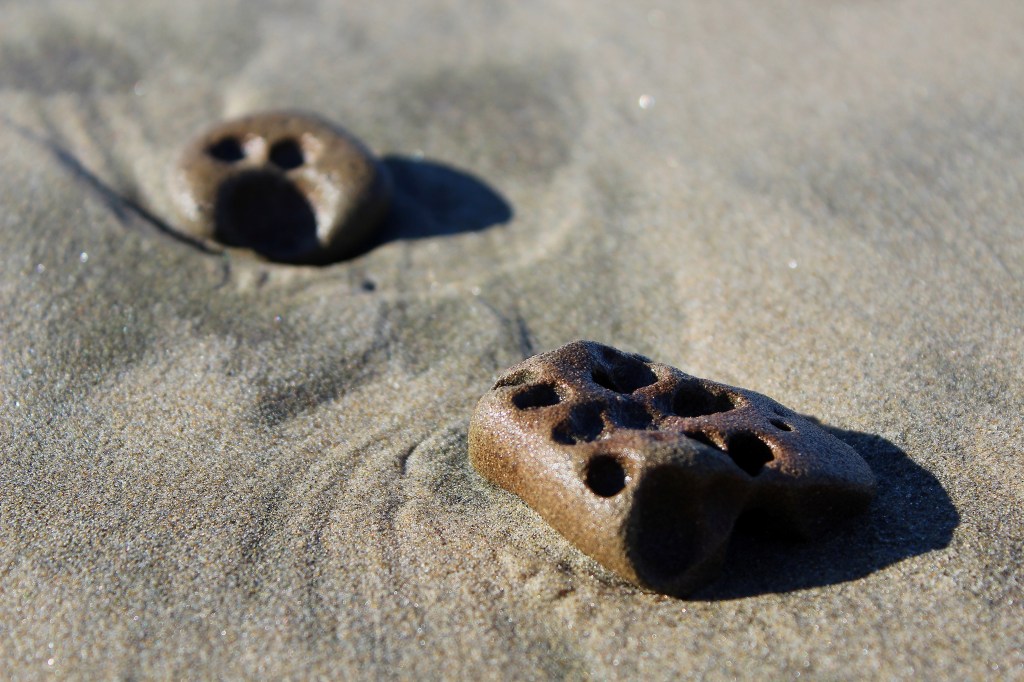
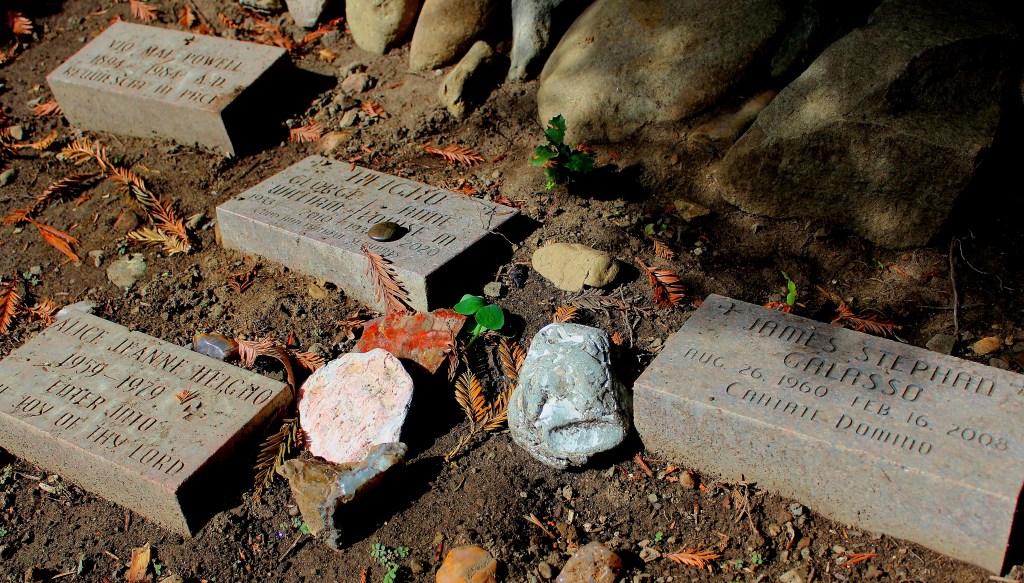
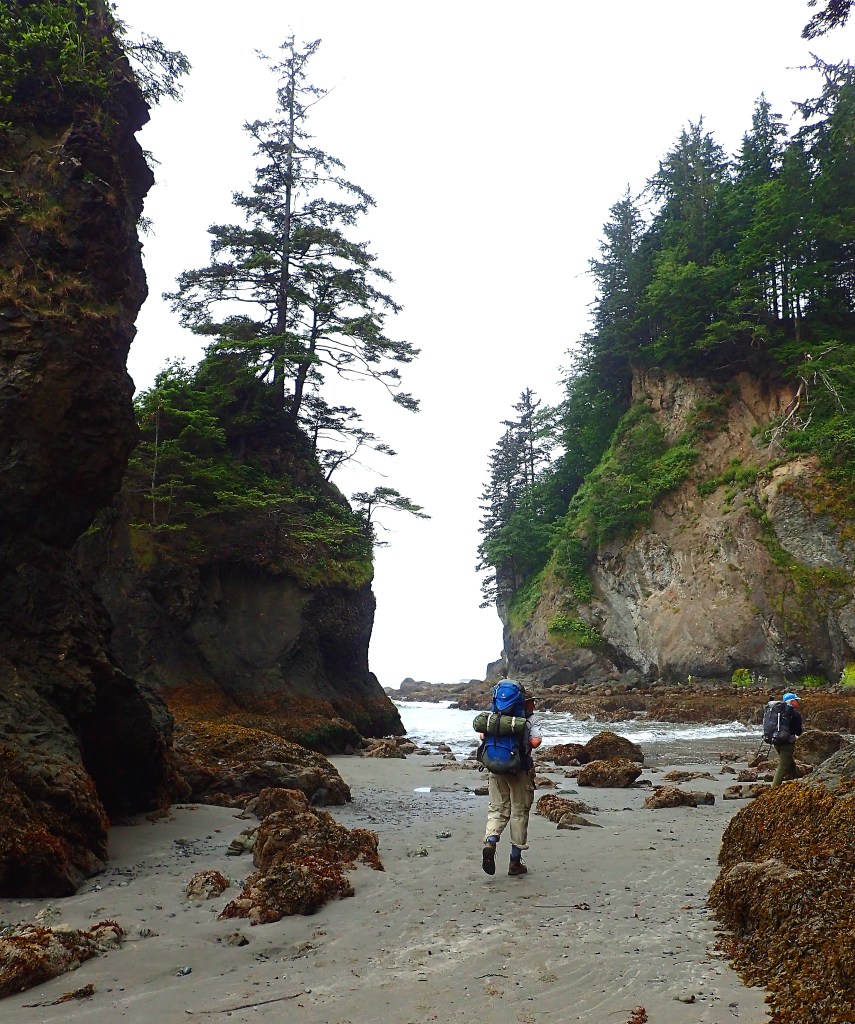

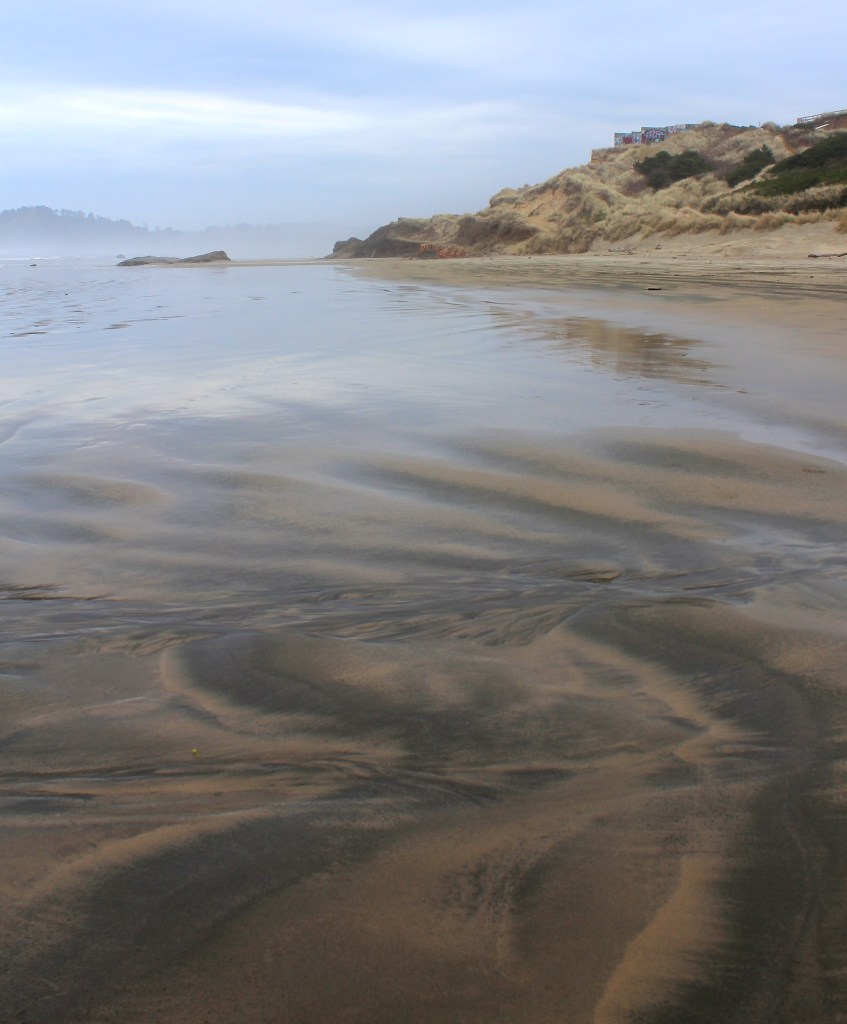














 scillagrace