Unknown's avatar

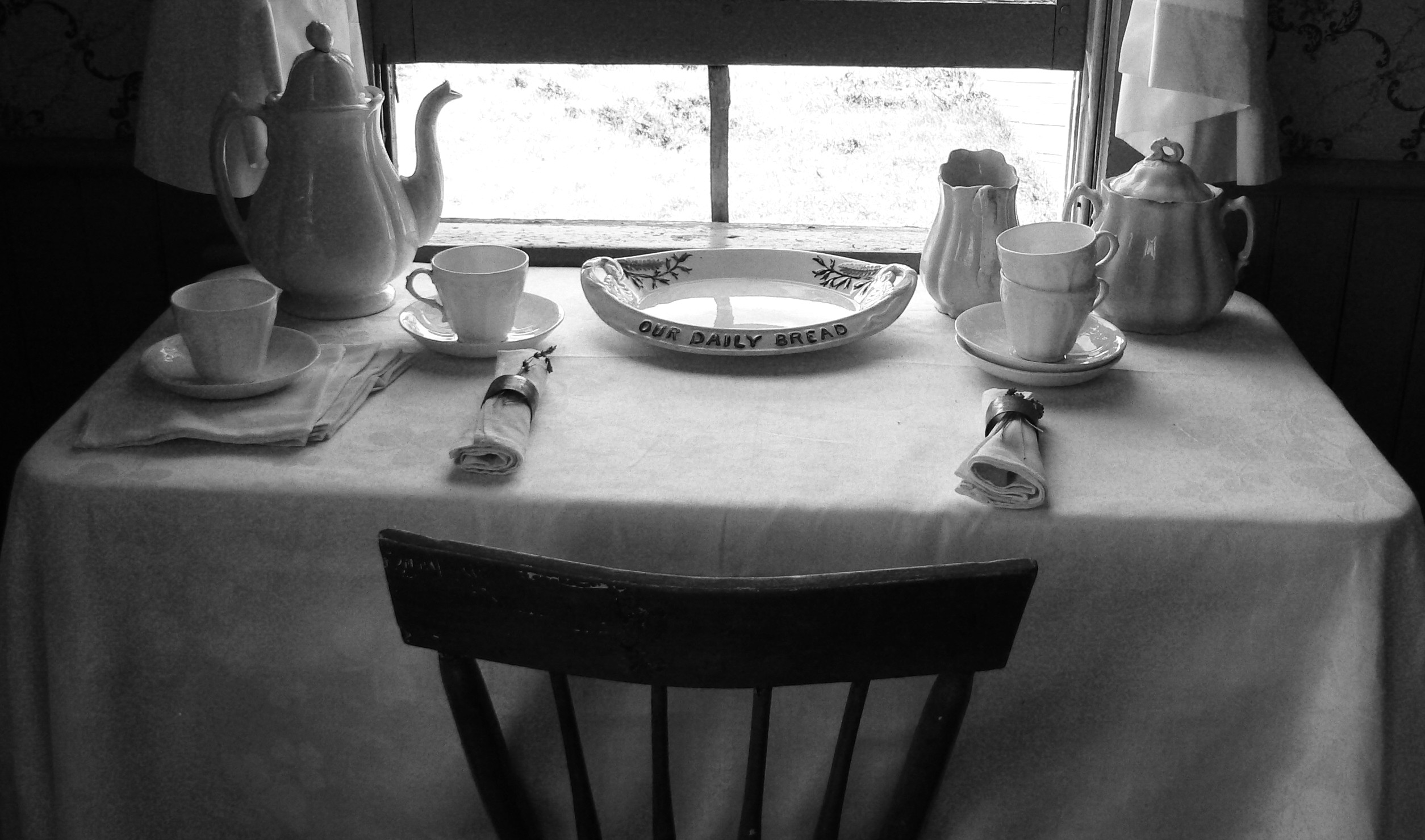
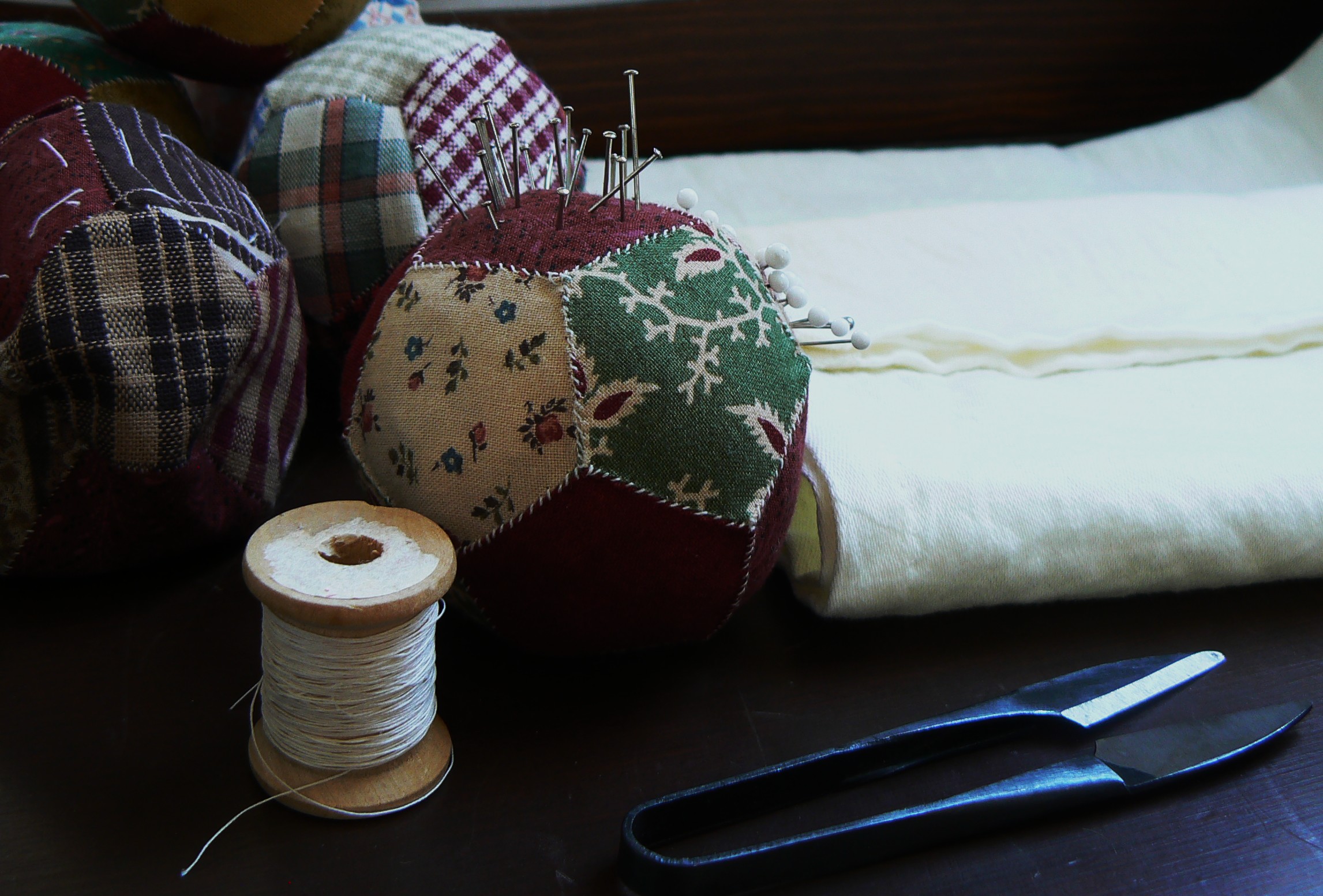
Lens-Artists Photo Challenge: Still Life

“But in a still life, there is no end to our looking, which has become allied with the gaze of the painter; we look in and in, to the world of things, in their ambiance of cool or warm light, in and in, as long as we can stand to look, as long as we take pleasure in looking.”
― Mark Doty

“Bartholomeus went on, ‘I wanted to show that these objects are sensitive, suffer at the coming of night, faint at the departure of the last rays, which, by the way, also live in this room; they suffer as much, they fight against the darkness. There you have it. It’s the life of things, if you like. The French would call it a nature morte, a picture of inanimate objects. That is not what I’m trying to show. Flemish puts it better: a still life.”
― Georges Rodenbach, The Bells of Bruges

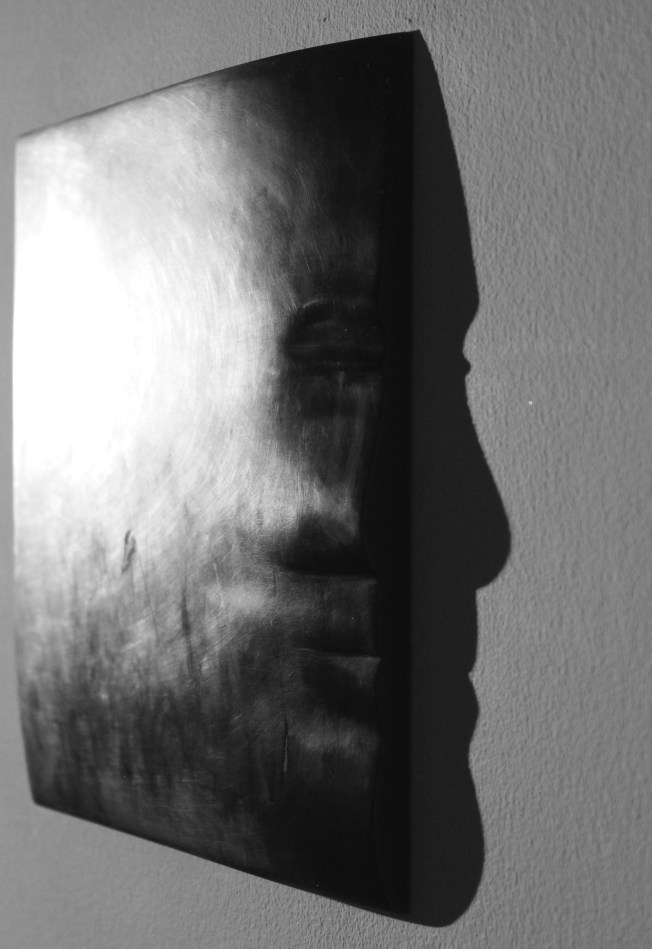
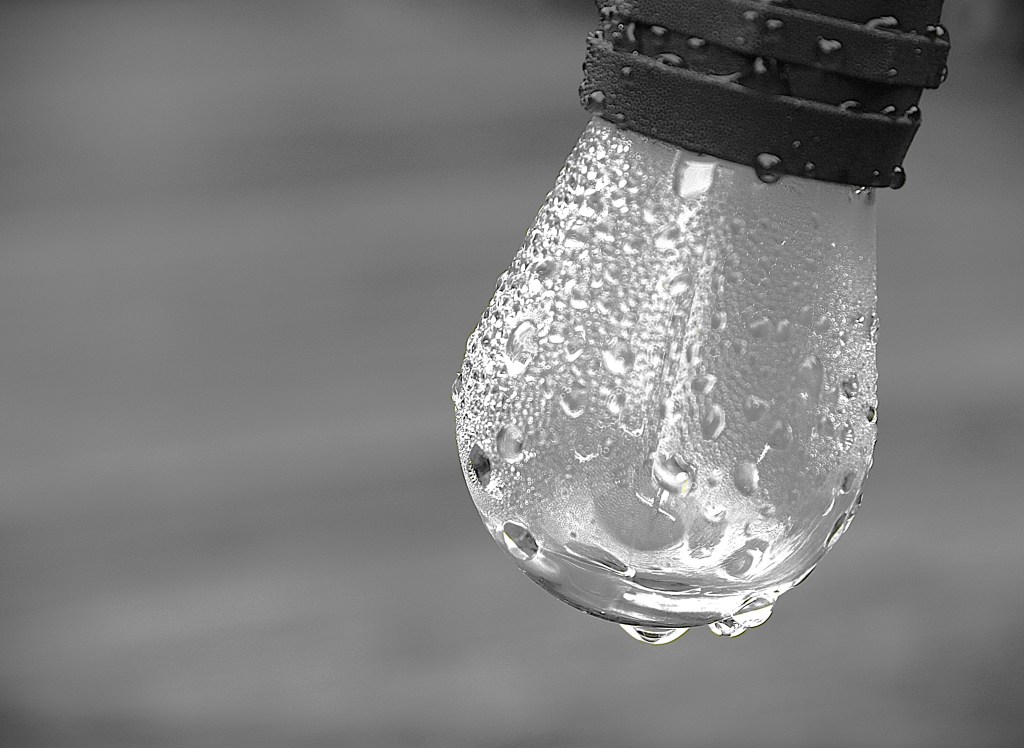
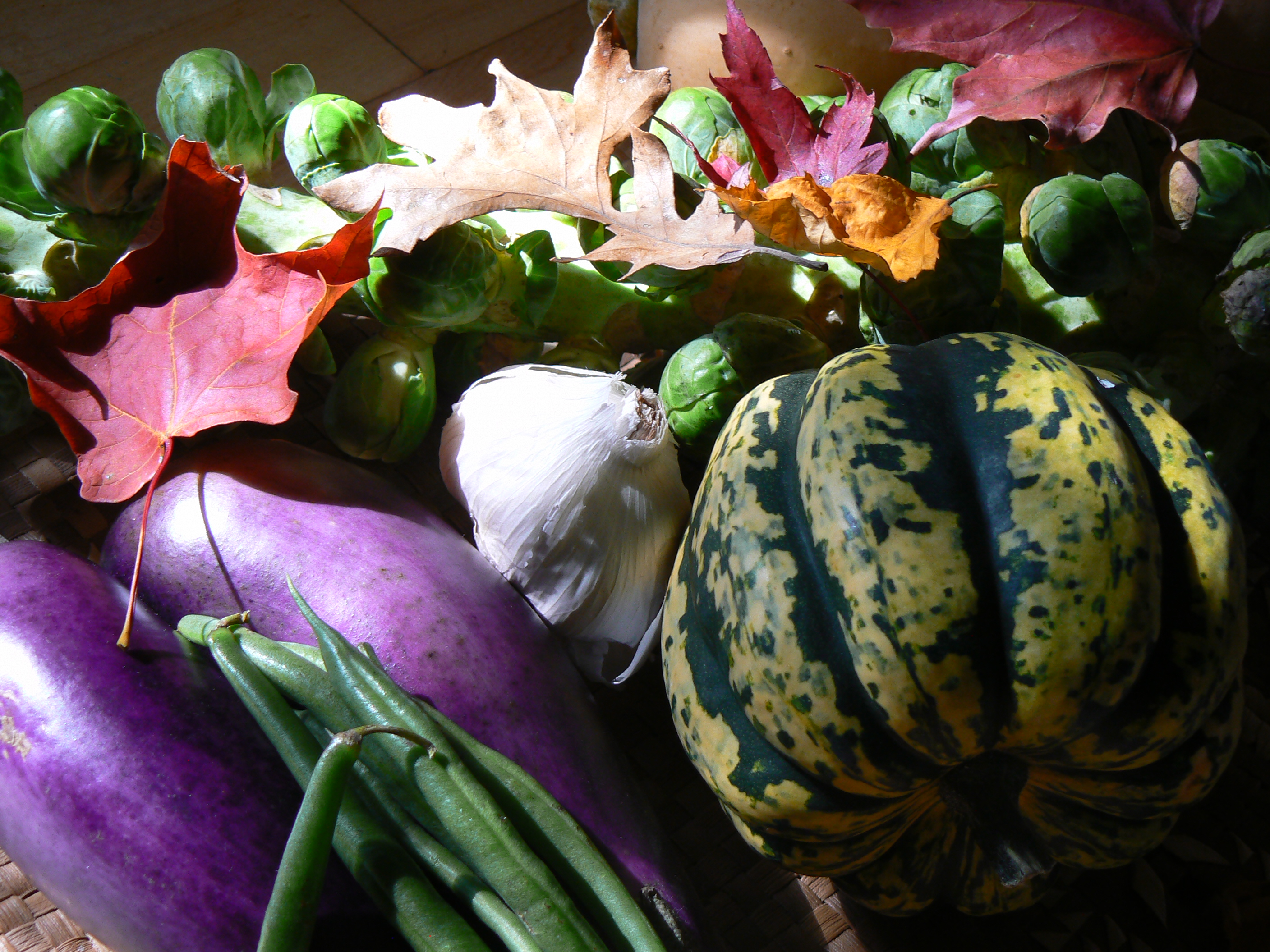
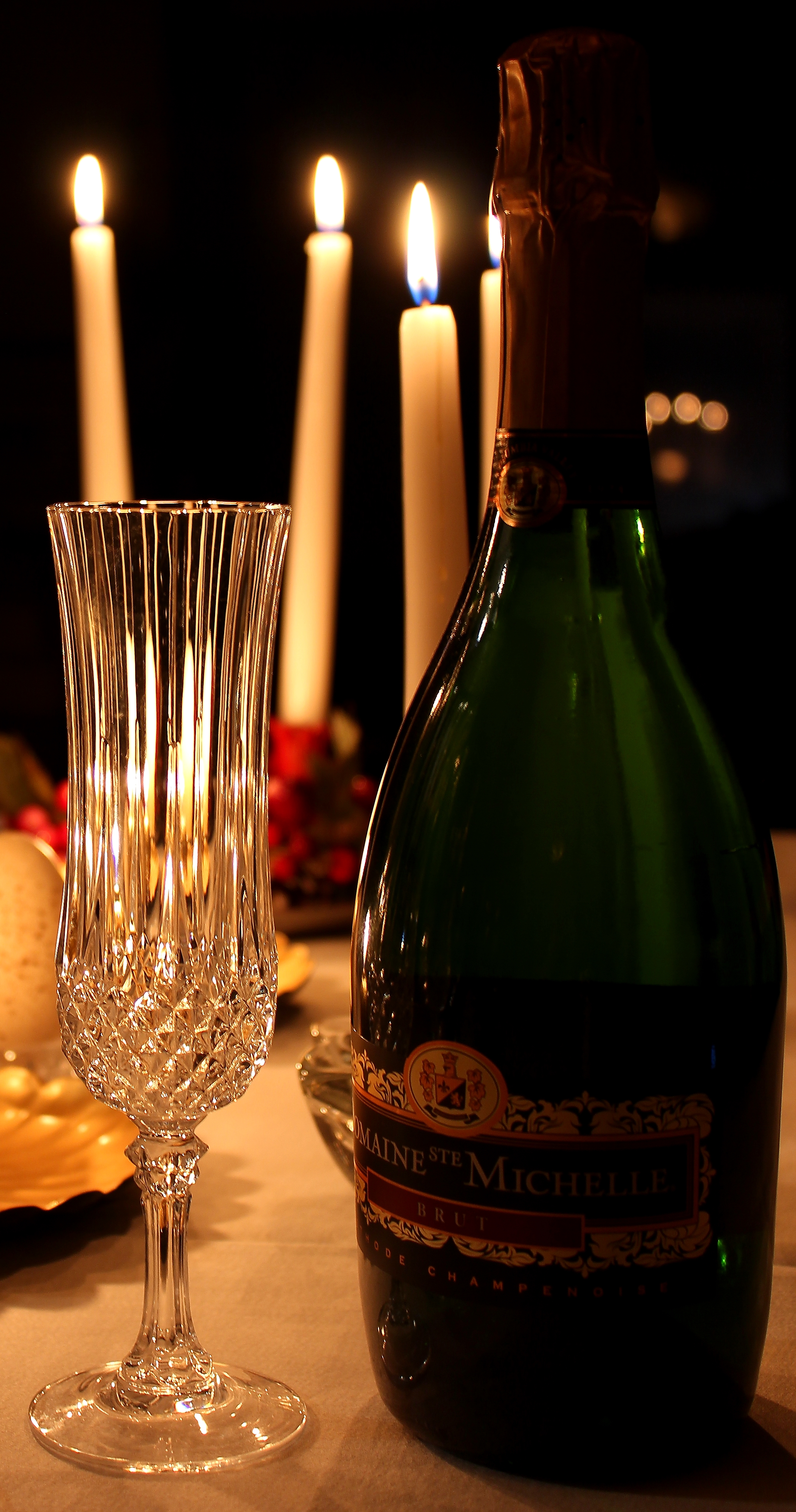
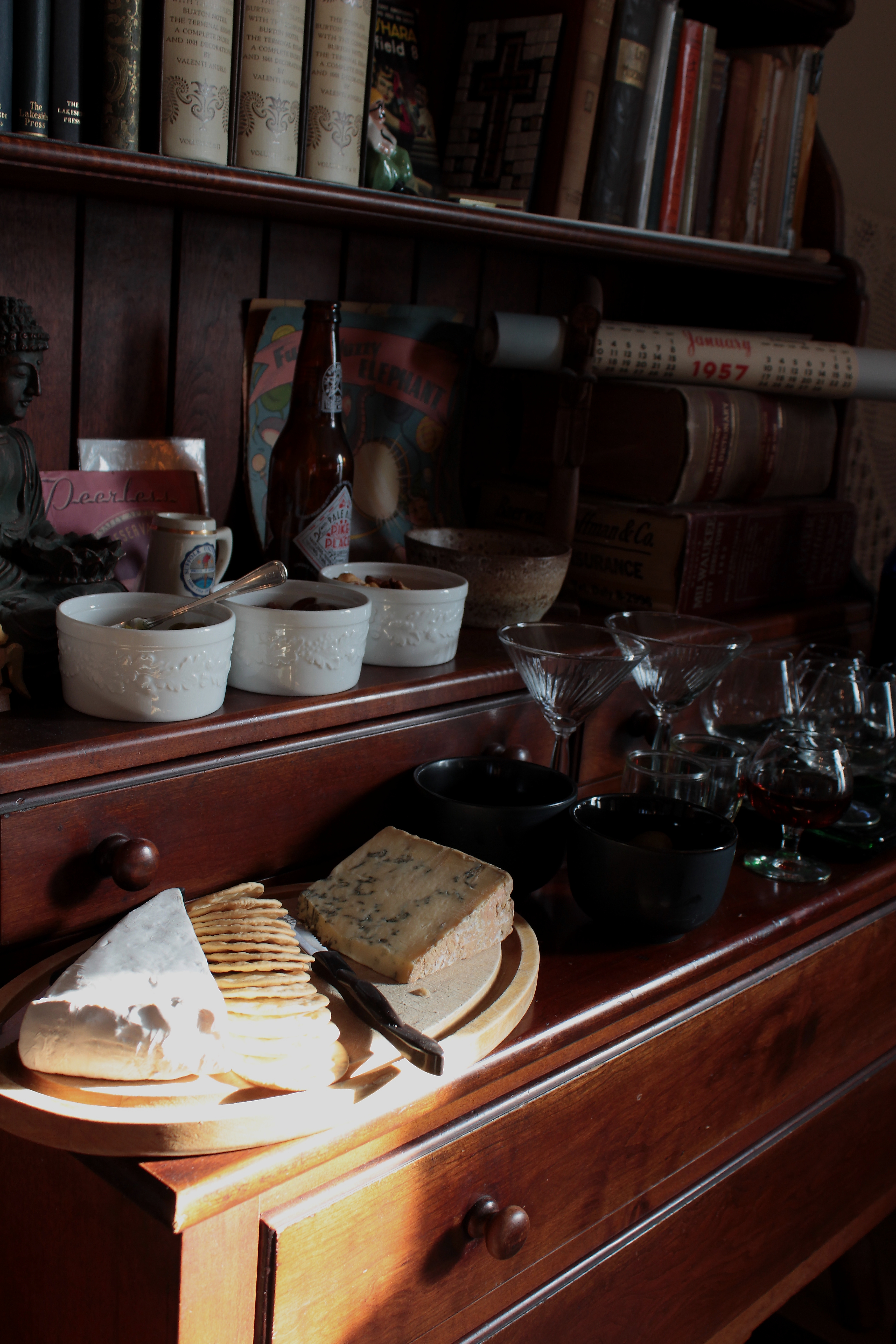
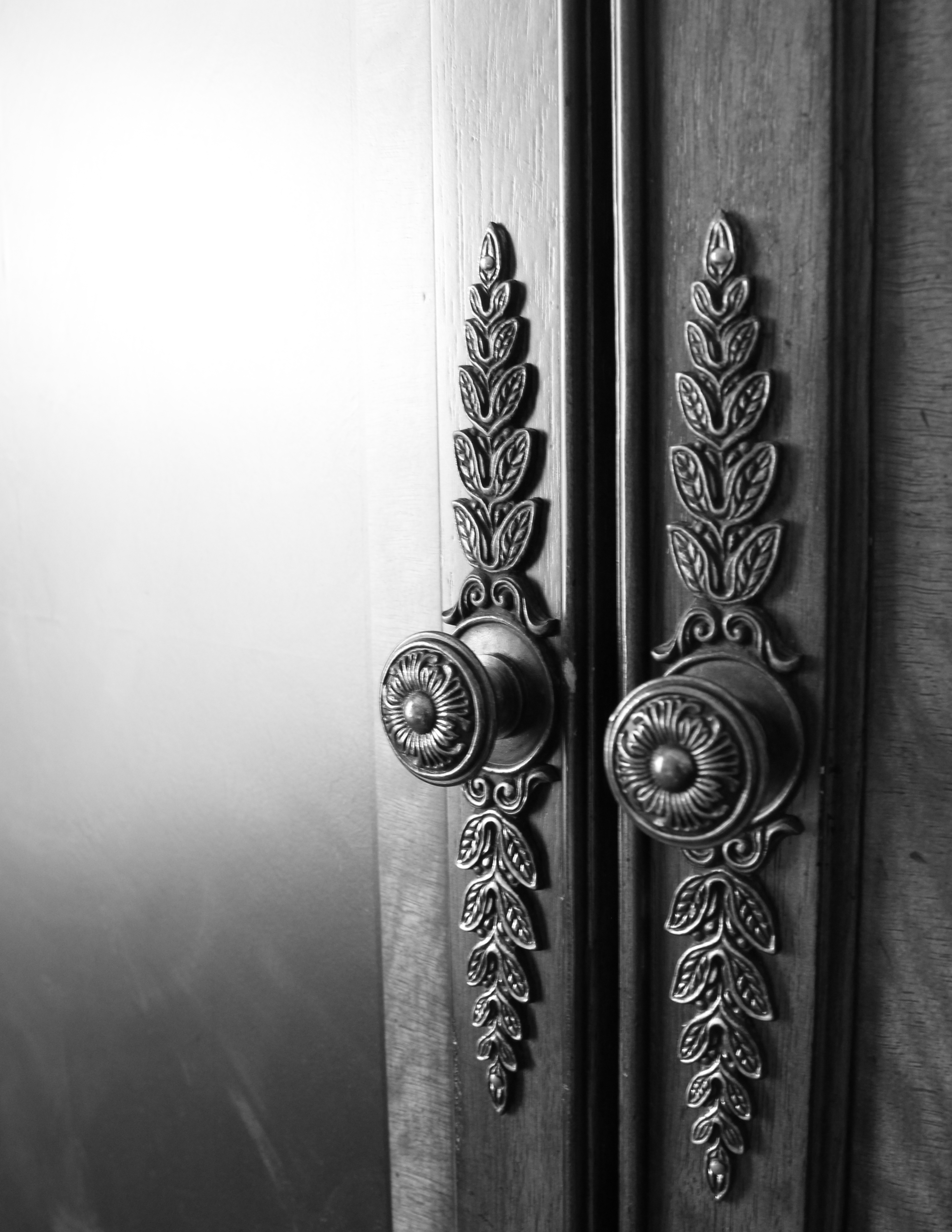
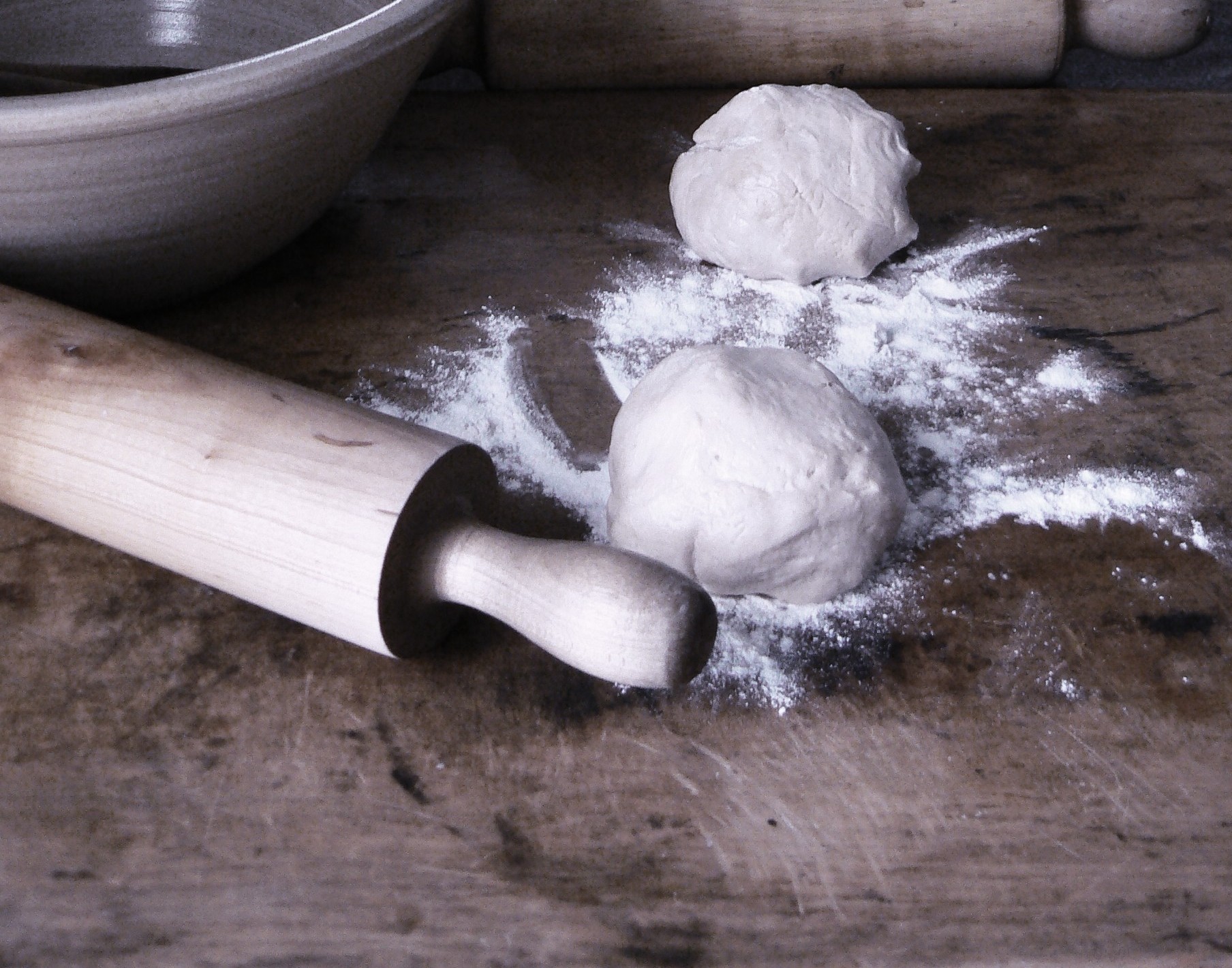
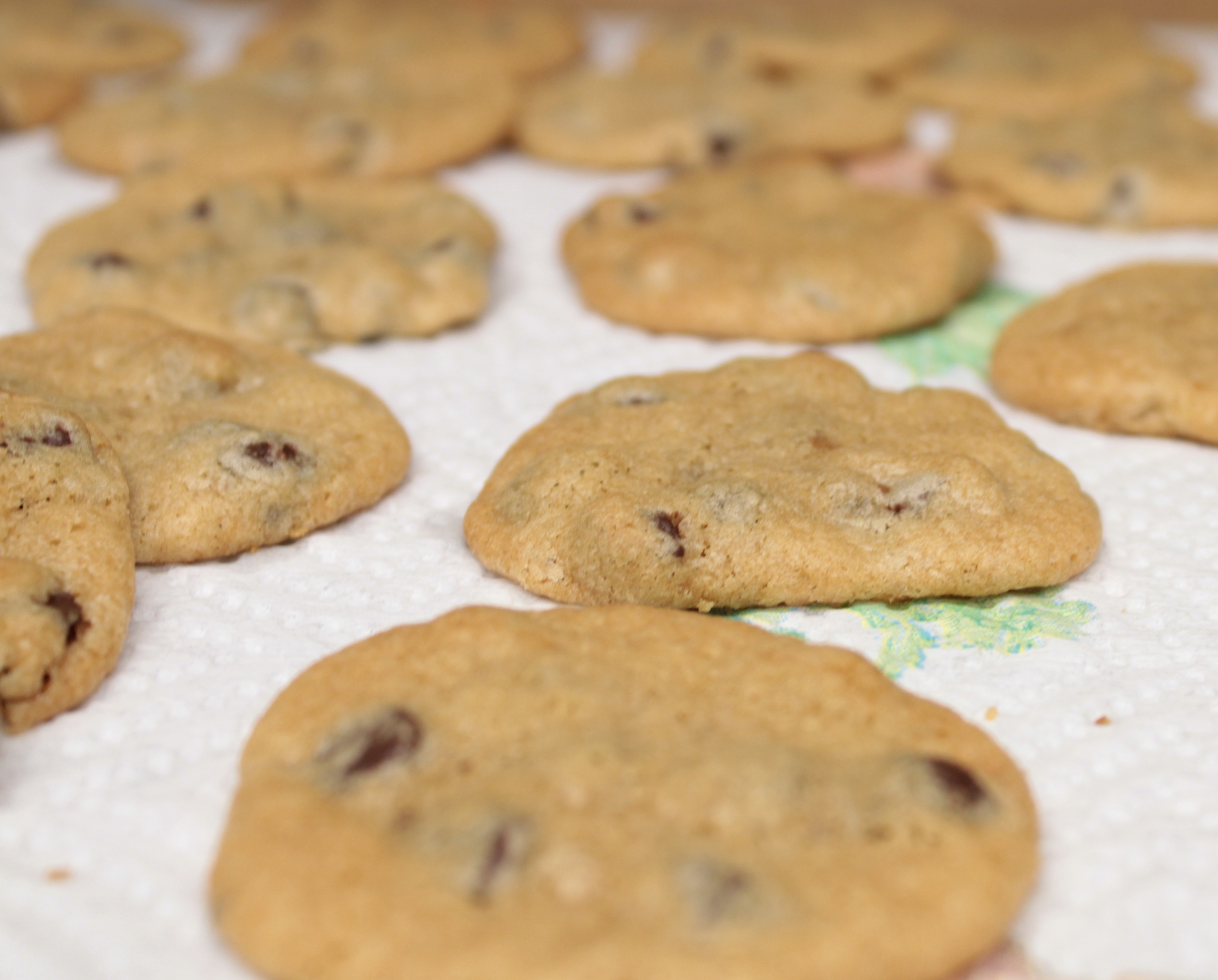
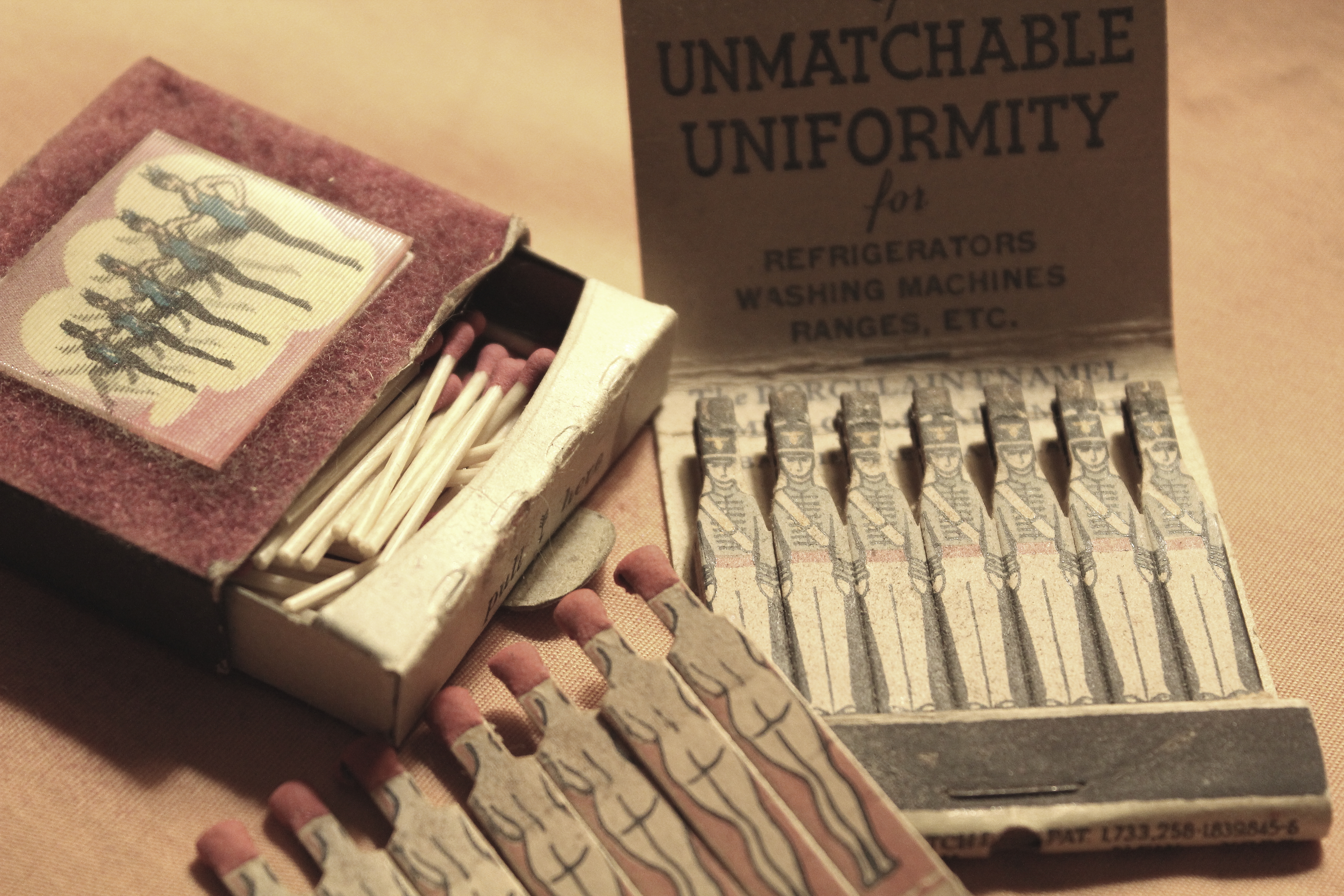
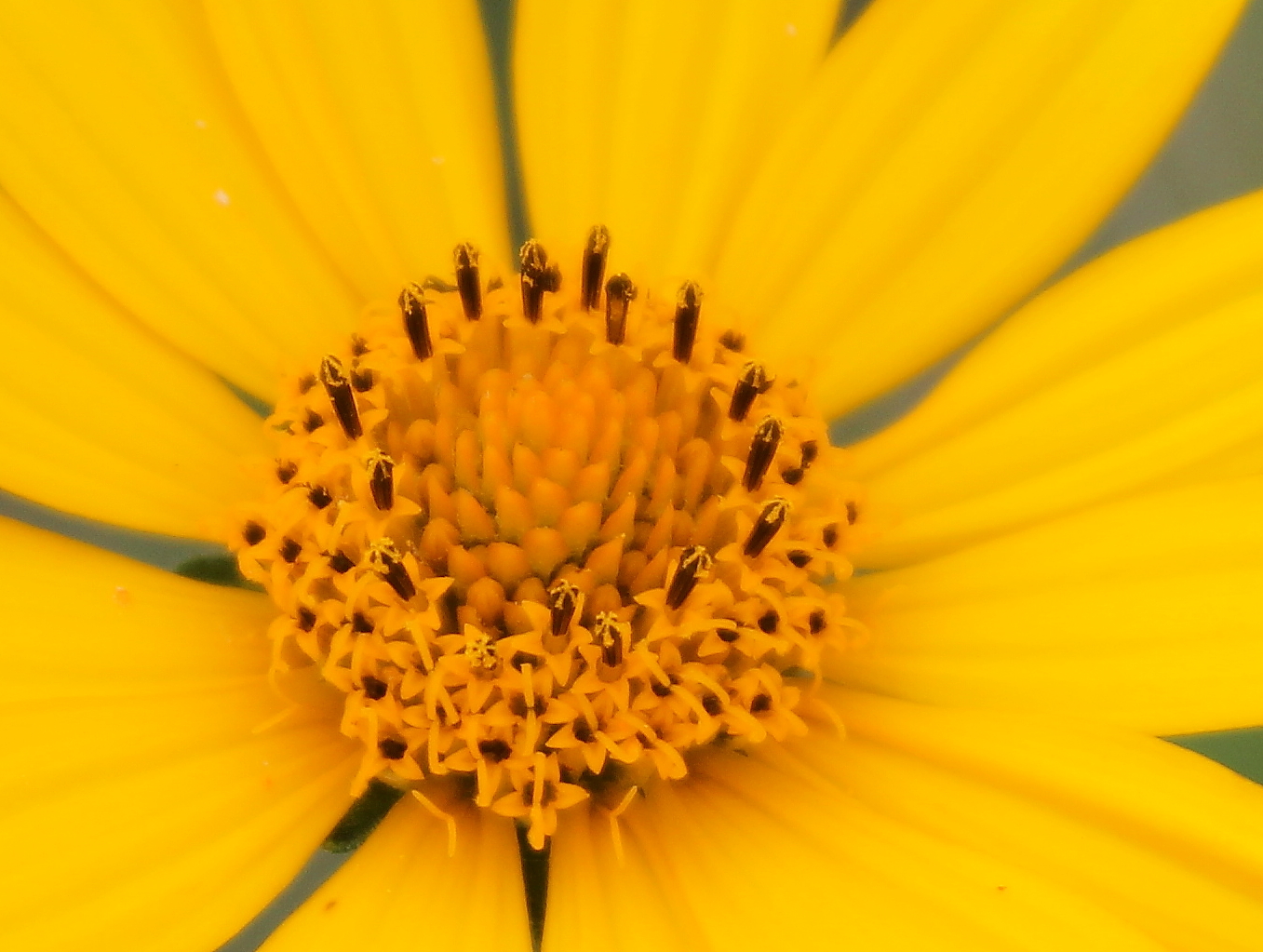
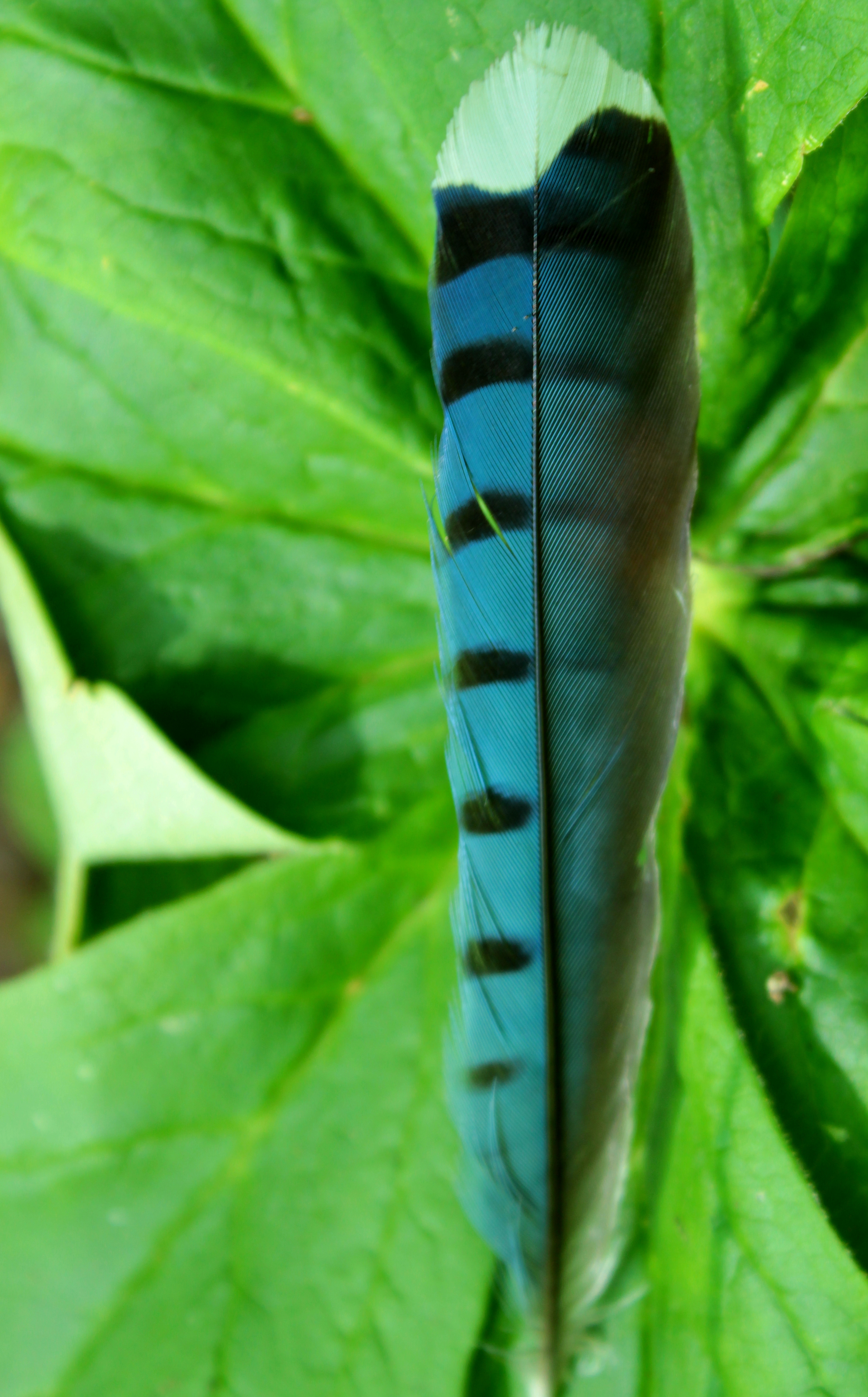
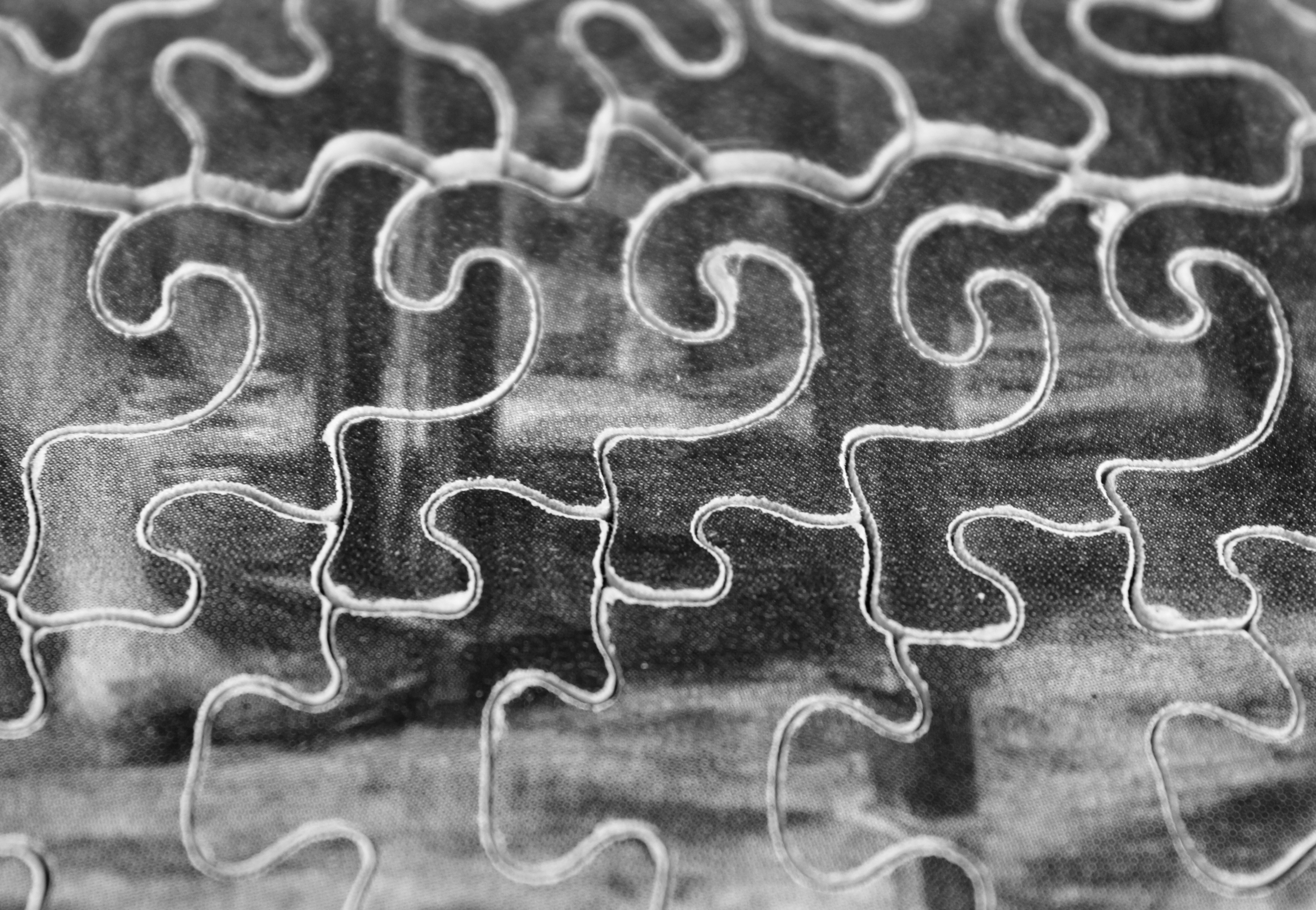
Patti has served up a worthy challenge for us this week: still life photography. I think of this genre as belonging to the studio or a fine arts classroom. It is all about creating a composition that is compelling, whether that be because of the juxtaposition of objects, or the light playing on textures, or the depth of field that draws the eye deeper into the photo. When I think of the shots I have taken that might qualify for this category, I think of the ones I spent more time staging. There’s a certain amount of creative manipulation that goes into this kind of photography, and I must admit, I don’t often go to those lengths. But when I do, it’s a lot of fun…and some frustration. I often know the WOW! result I want, but somehow, fail to get it. Playing around with the idea of the shot is exciting, though. I am really enjoying seeing your posts on this theme!

Unknown's avatar

Lens-Artists Photo Challenge: “Perfect Patterns”

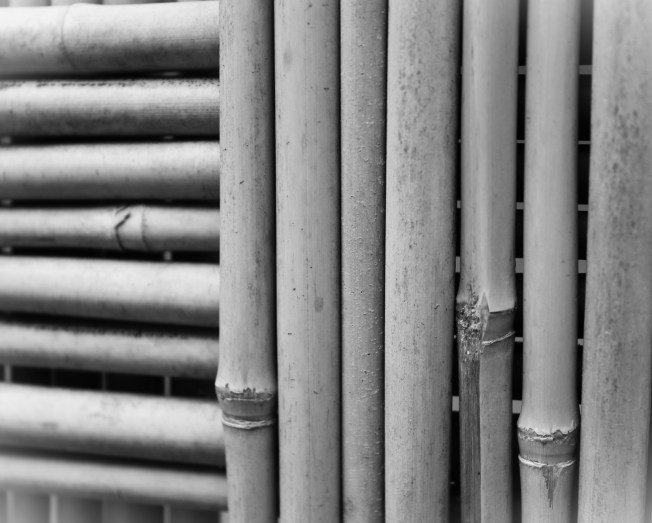
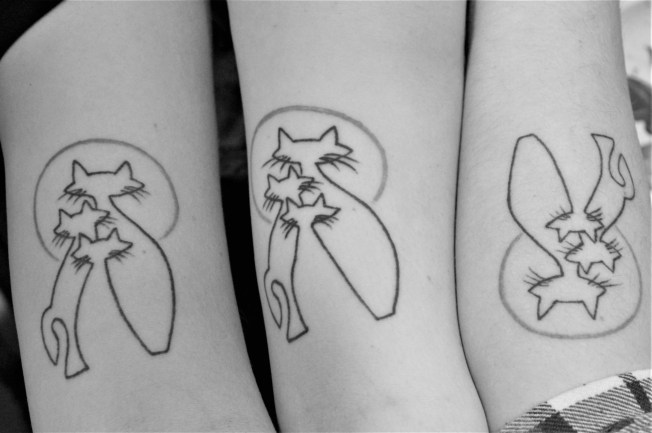
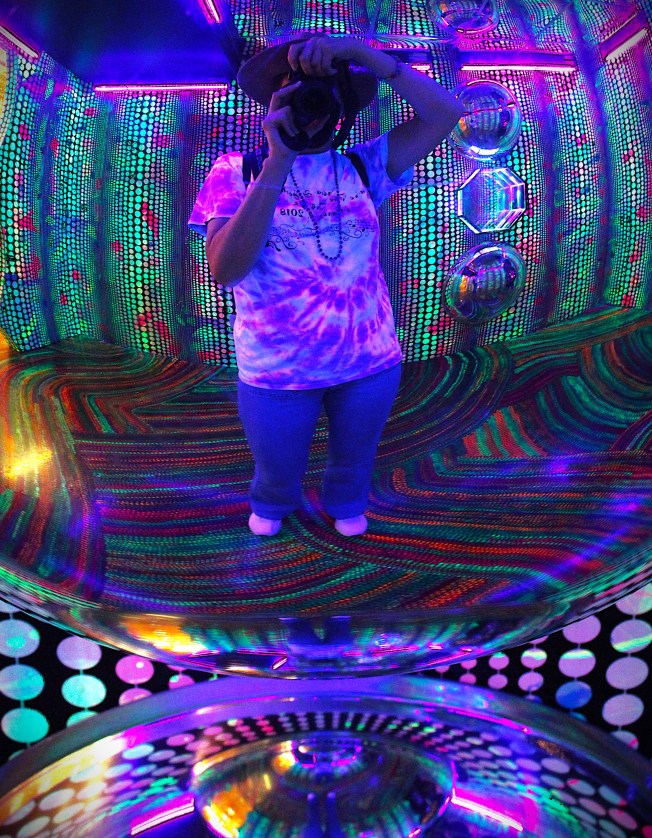
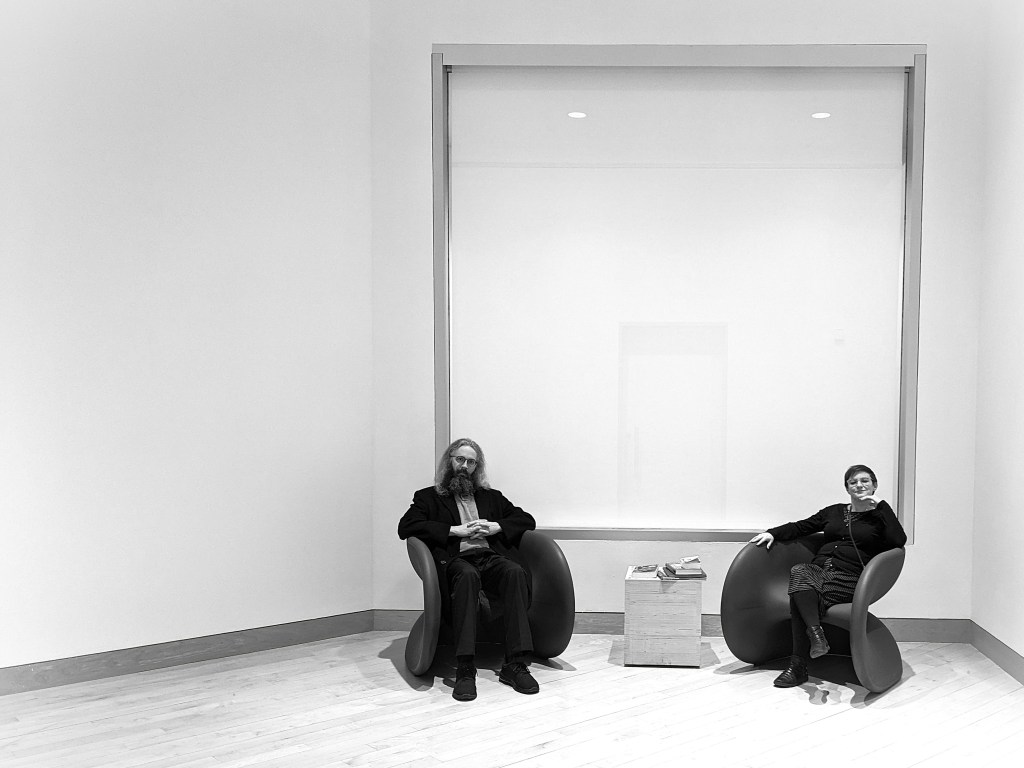
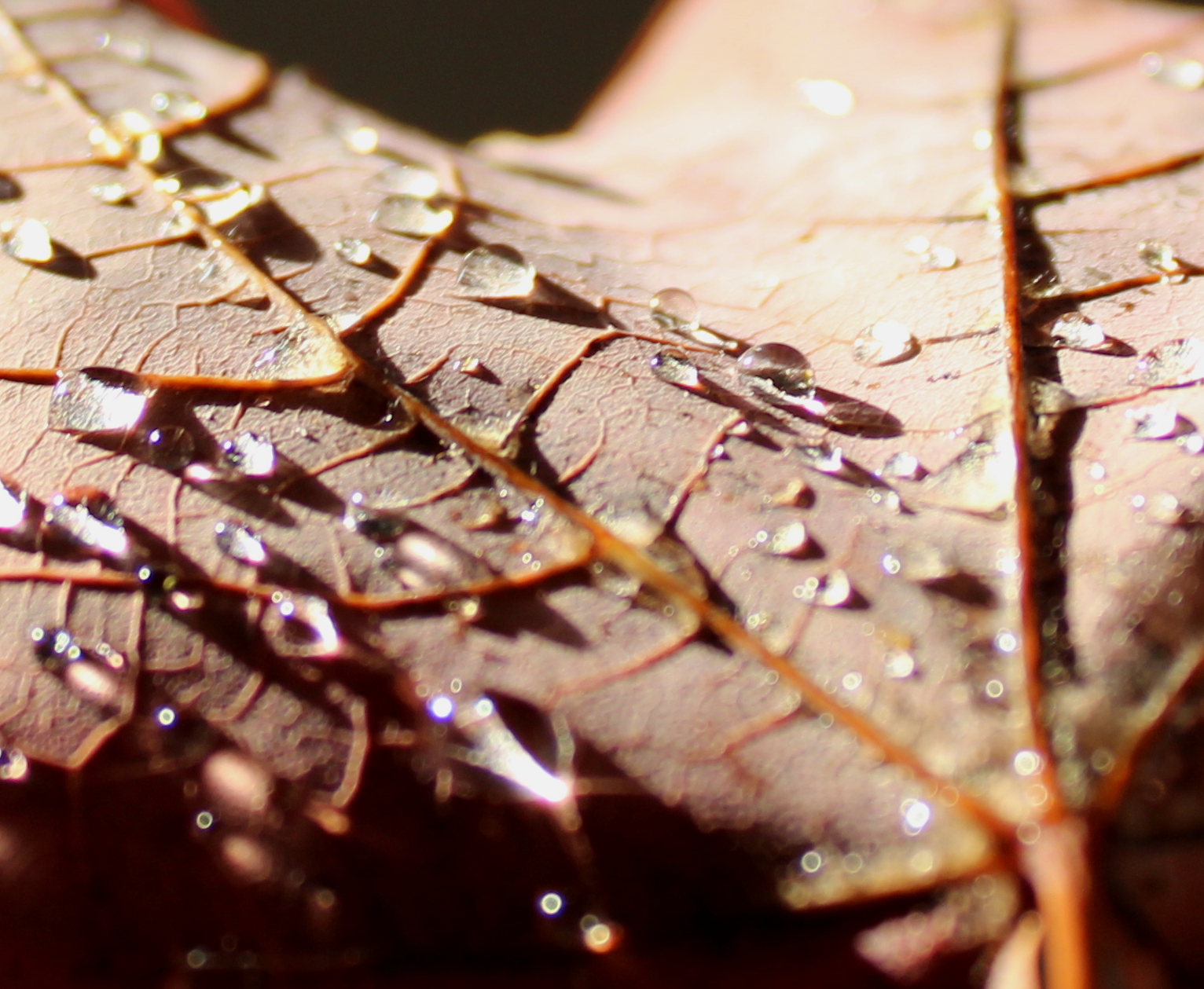
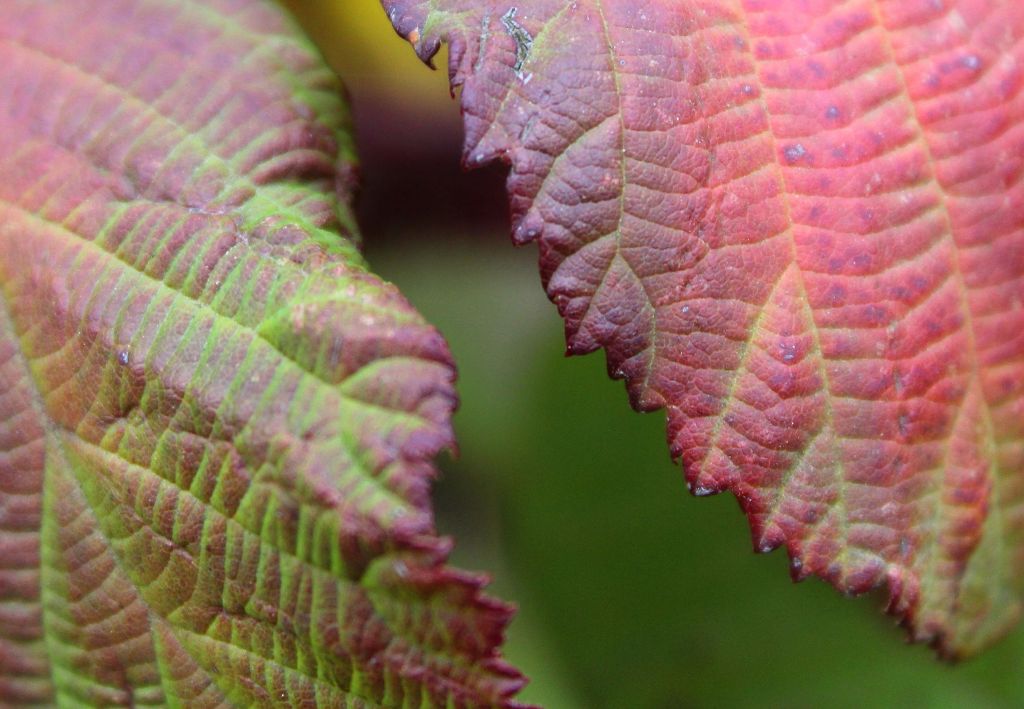
To my eye, there is no palette of color more pleasing than the Autumnal spectrum of green to red. This Himalayan blackberry bush presented an amazing array within a single leaf. I think it’s a rather perfect Fall pattern.

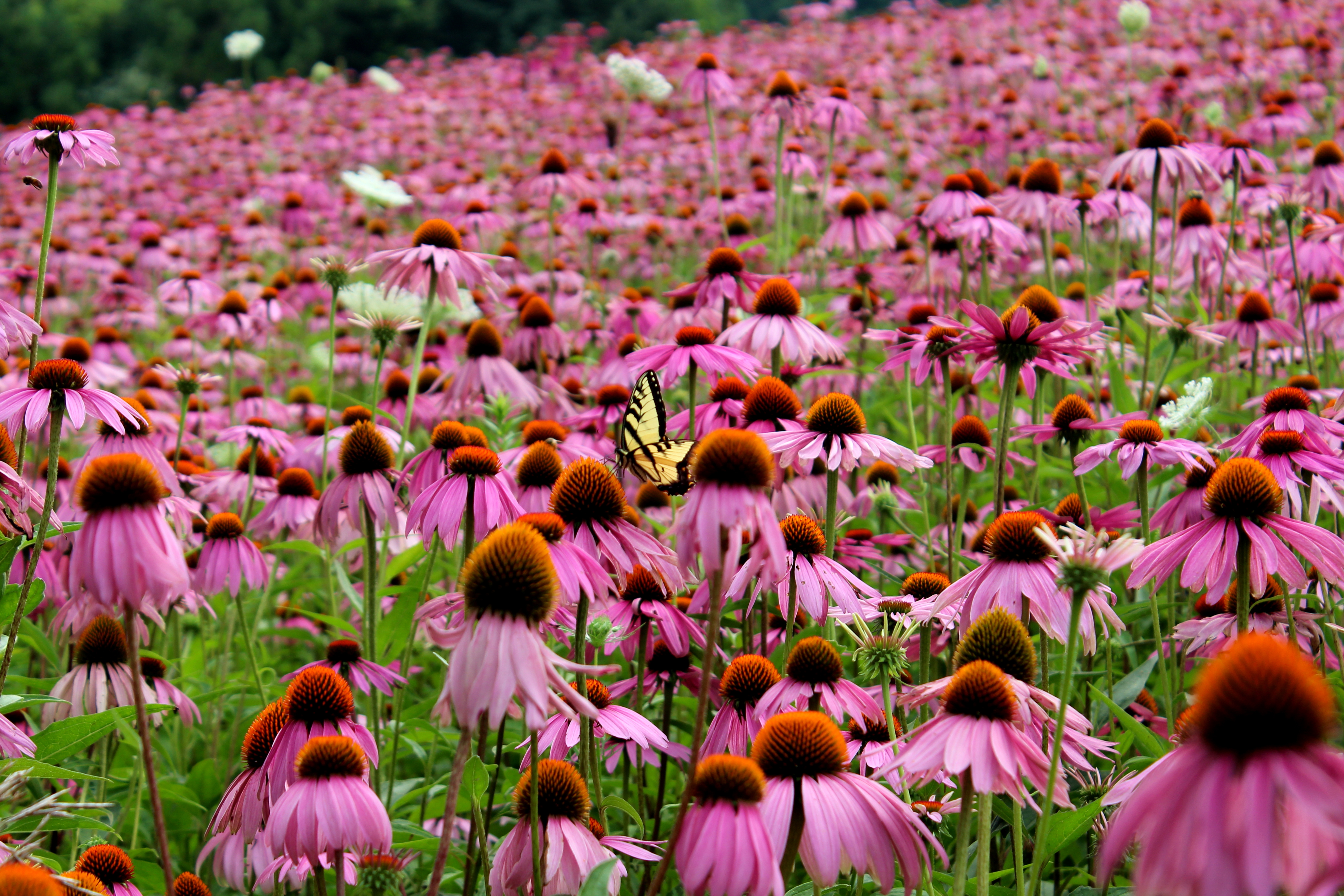
Humans often strive for a kind of geometric balance and symmetry in Art and Architecture that seems far more “perfect” or precise than most of what the naked eye sees in Nature.

What exactly do we mean by a “pattern”?
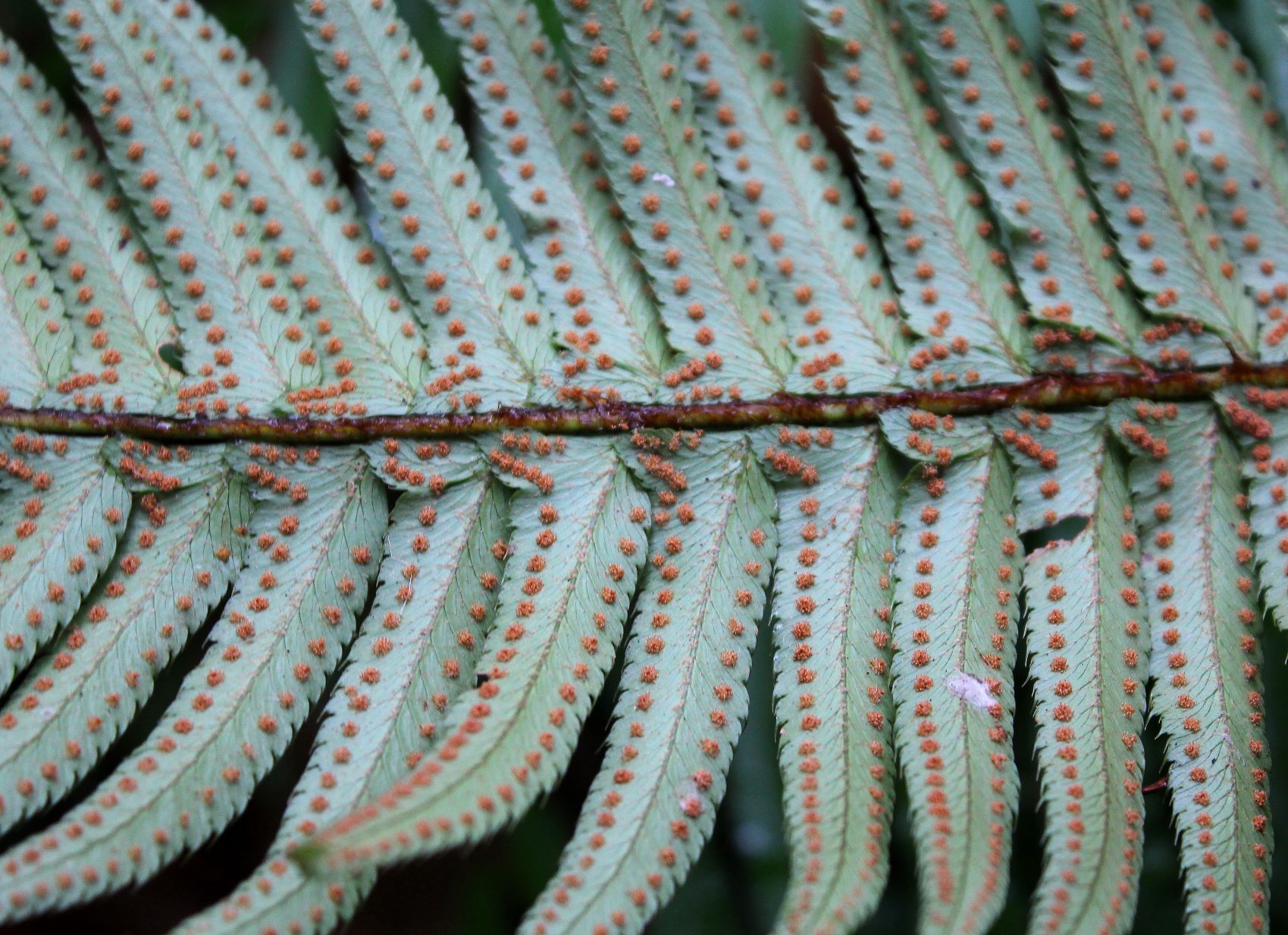
According to the Cambridge Dictionary, a pattern is “any regularly repeated arrangement, especially a design made from repeated lines, shapes, or colors on a surface.”

Which of these examples would you call “perfect”?

Thanks to Ann-Christine for inviting us to share our “perfect” or even approximate examples of Patterns. Please see HER POST for an awesome diversity of patterns!

Unknown's avatar

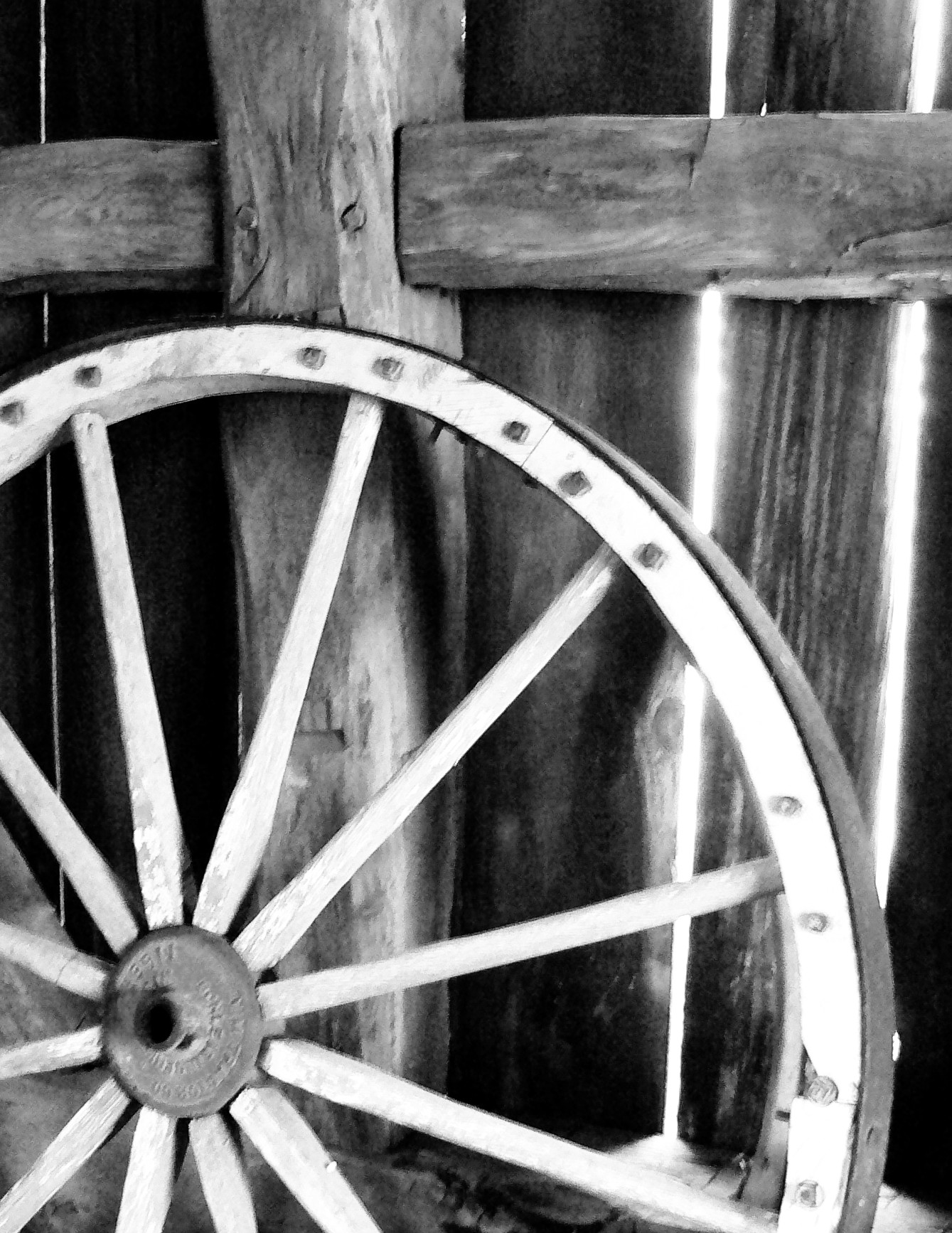
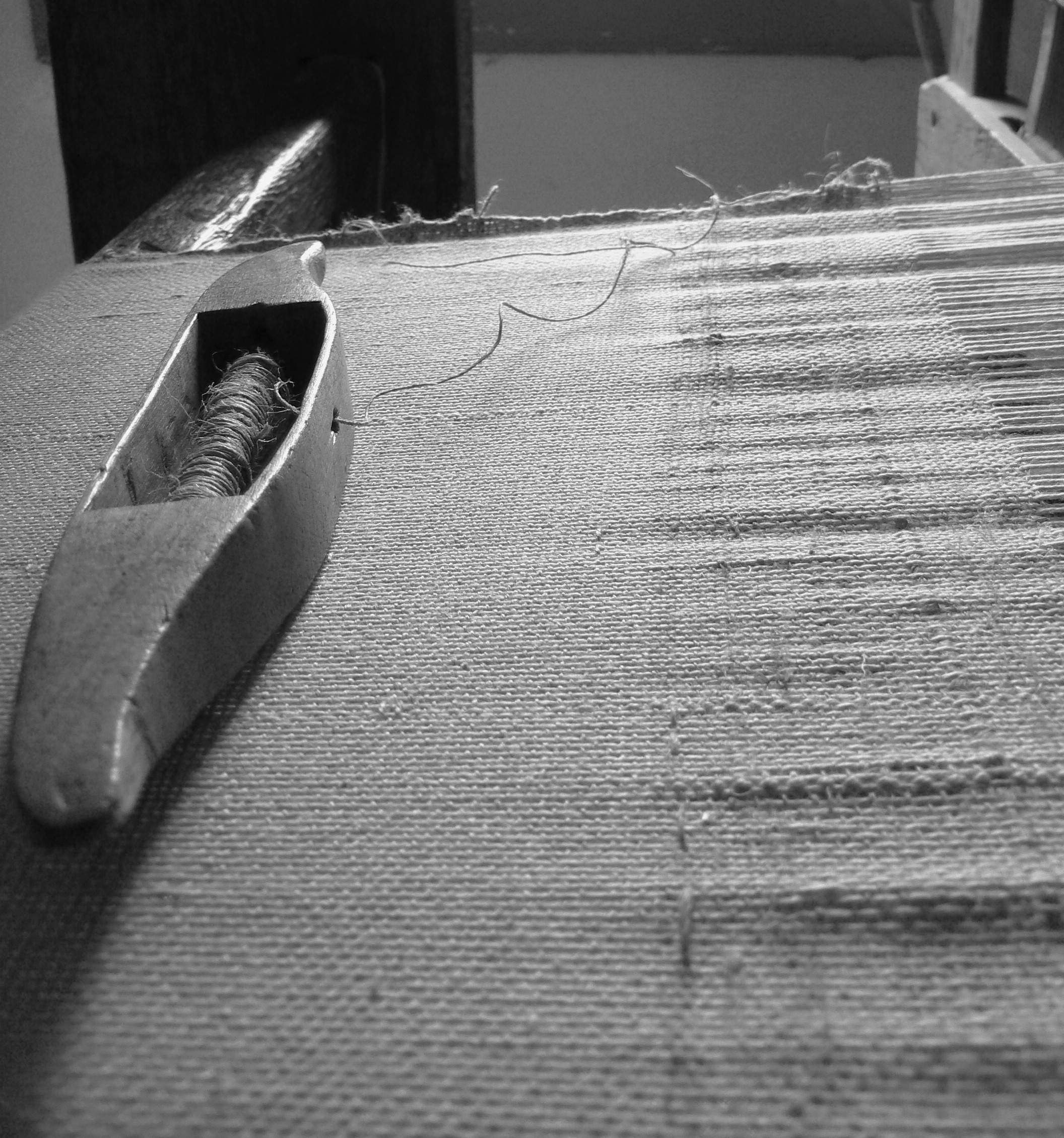
Lens-Artists Photo Challenge: Textures of the Land, Sea, and Sky

“What do I make of all this texture? What does it mean about the kind of world in which I have been set down? The texture of the world, its filigree and scrollwork, means that there is the possibility for beauty here, a beauty inexhaustible in its complexity, which opens to my knock, which answers in me a call I do not remember calling, and which trains me to the wild and extravagant nature of the spirit I seek.” — Annie Dillard

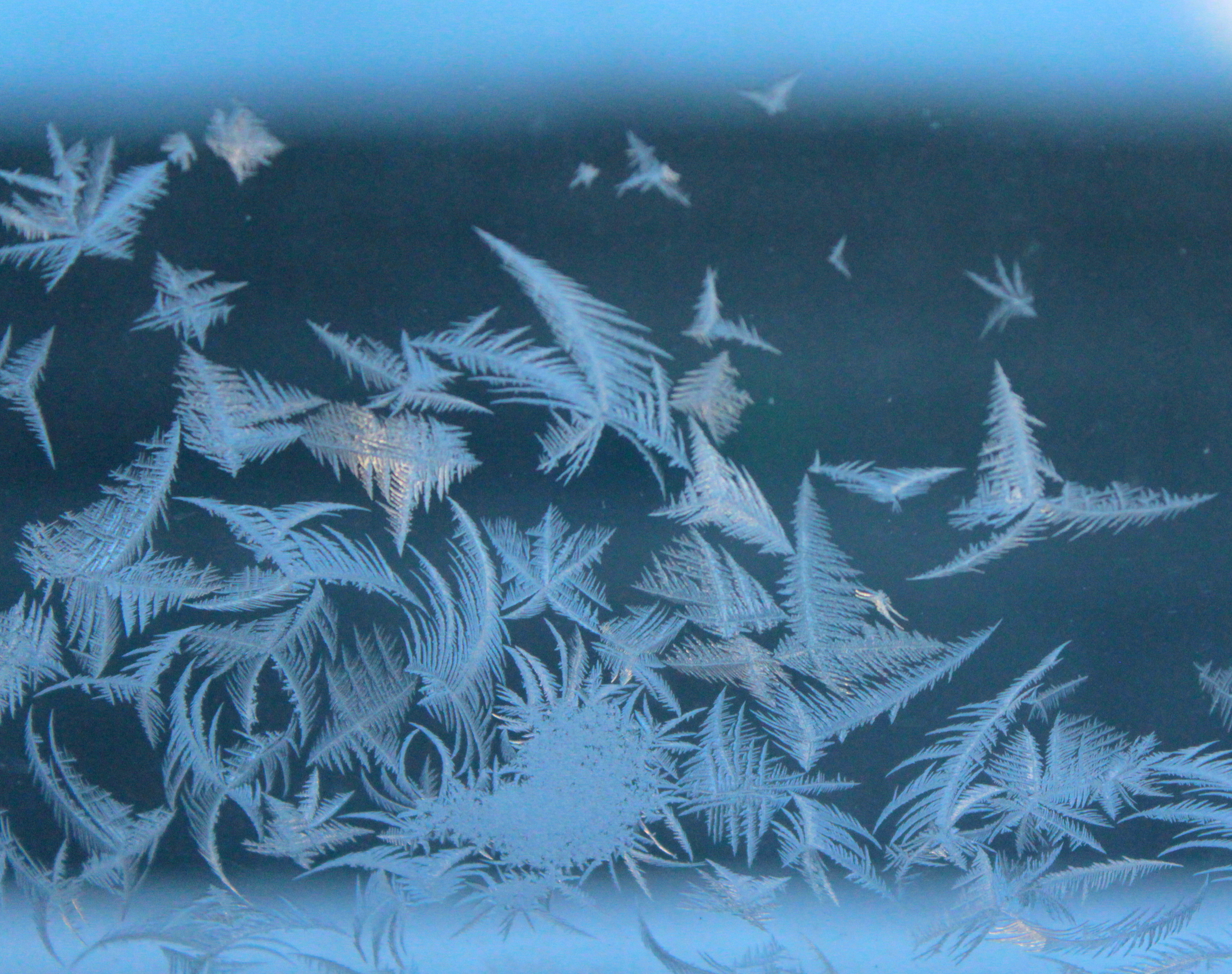
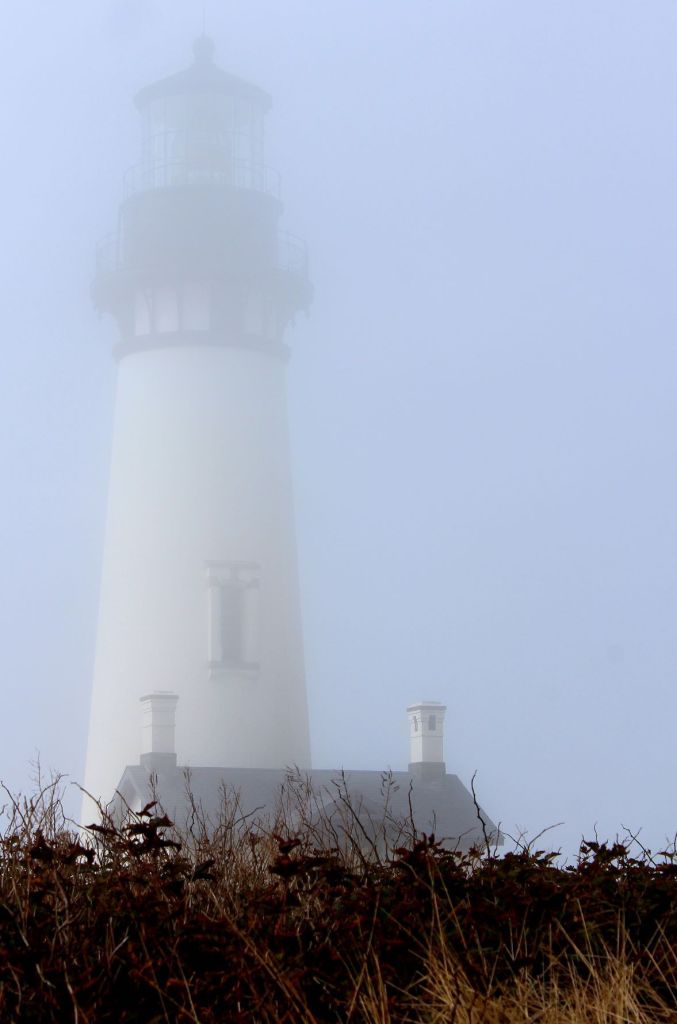
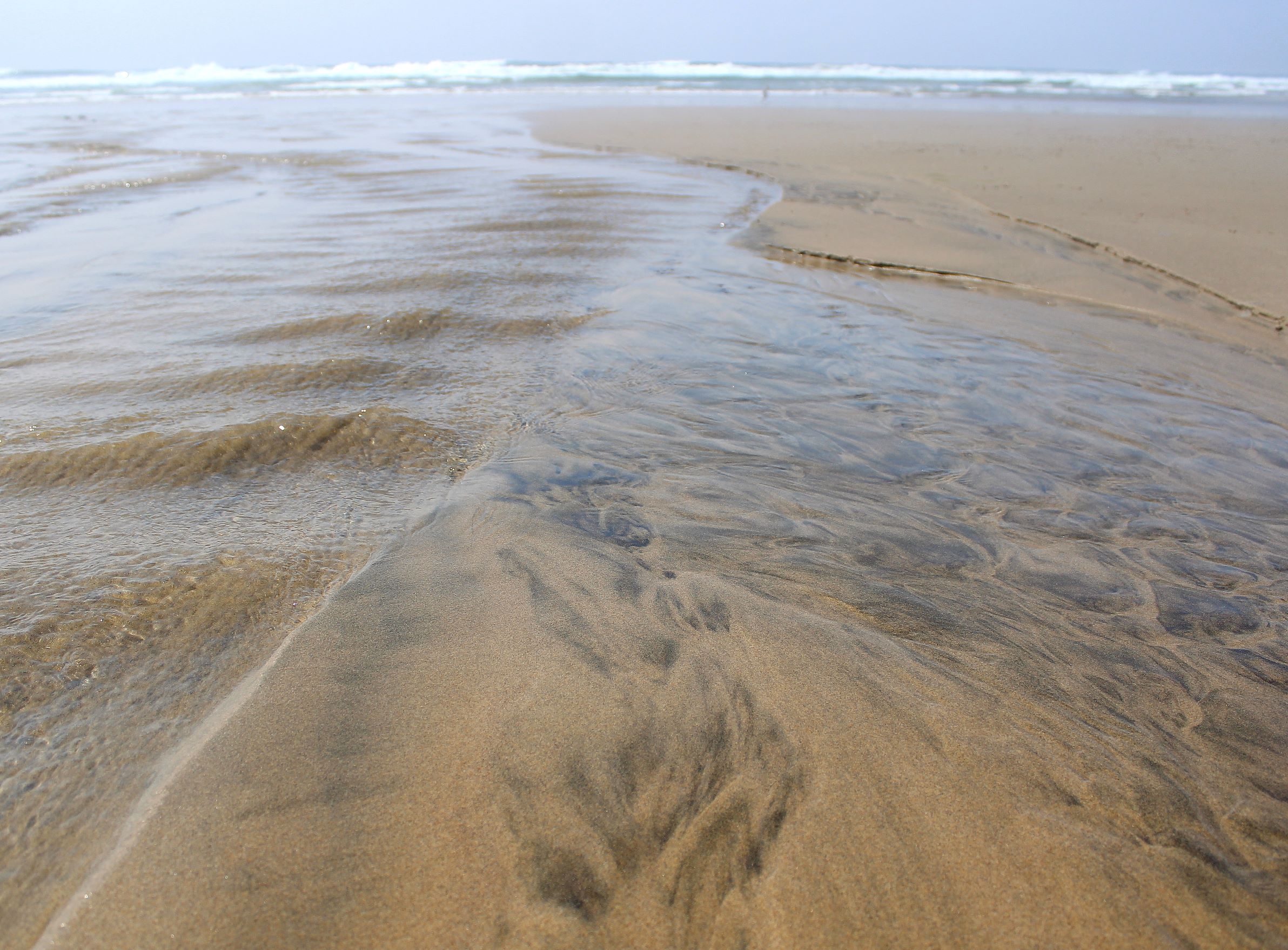
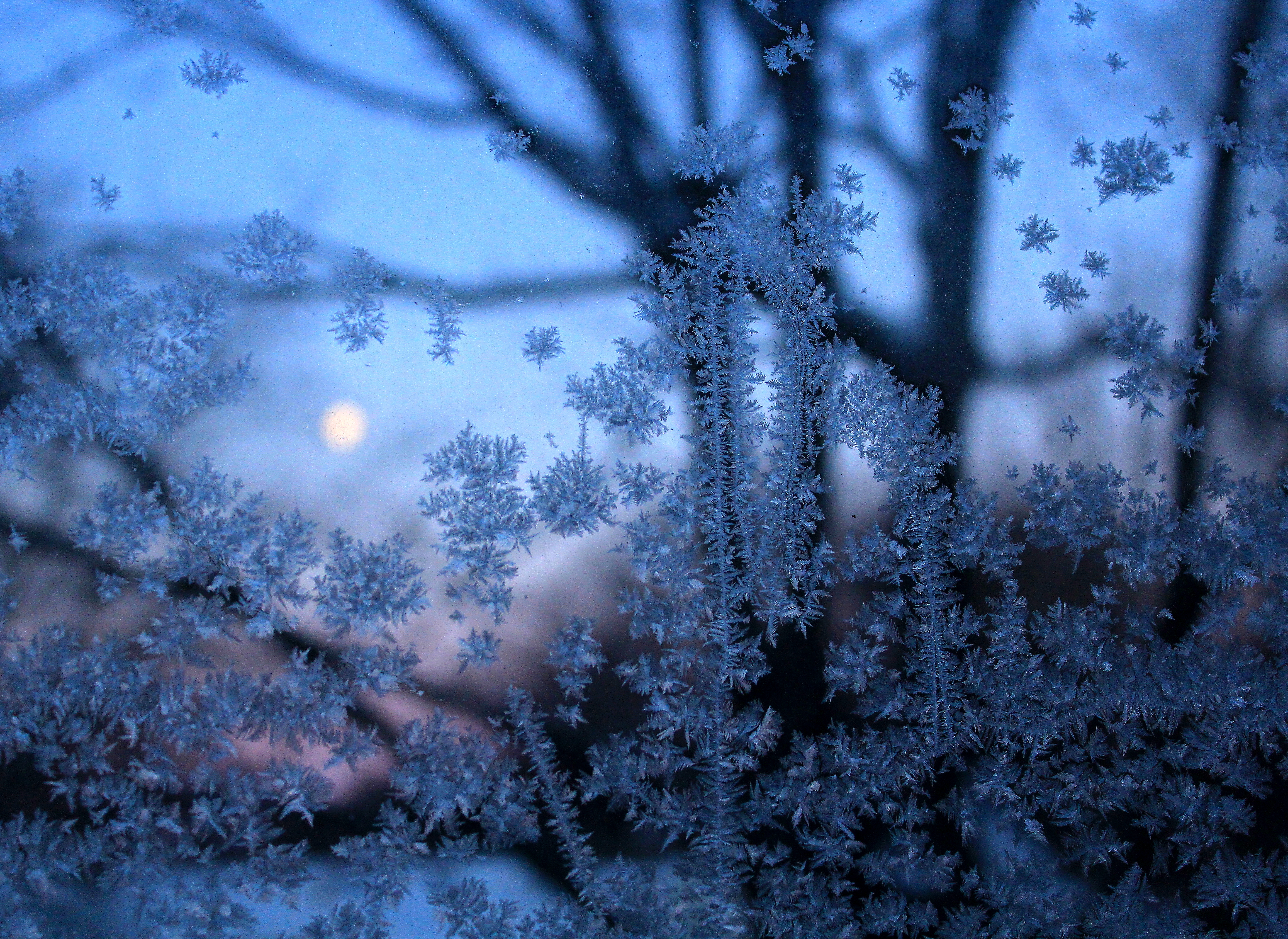
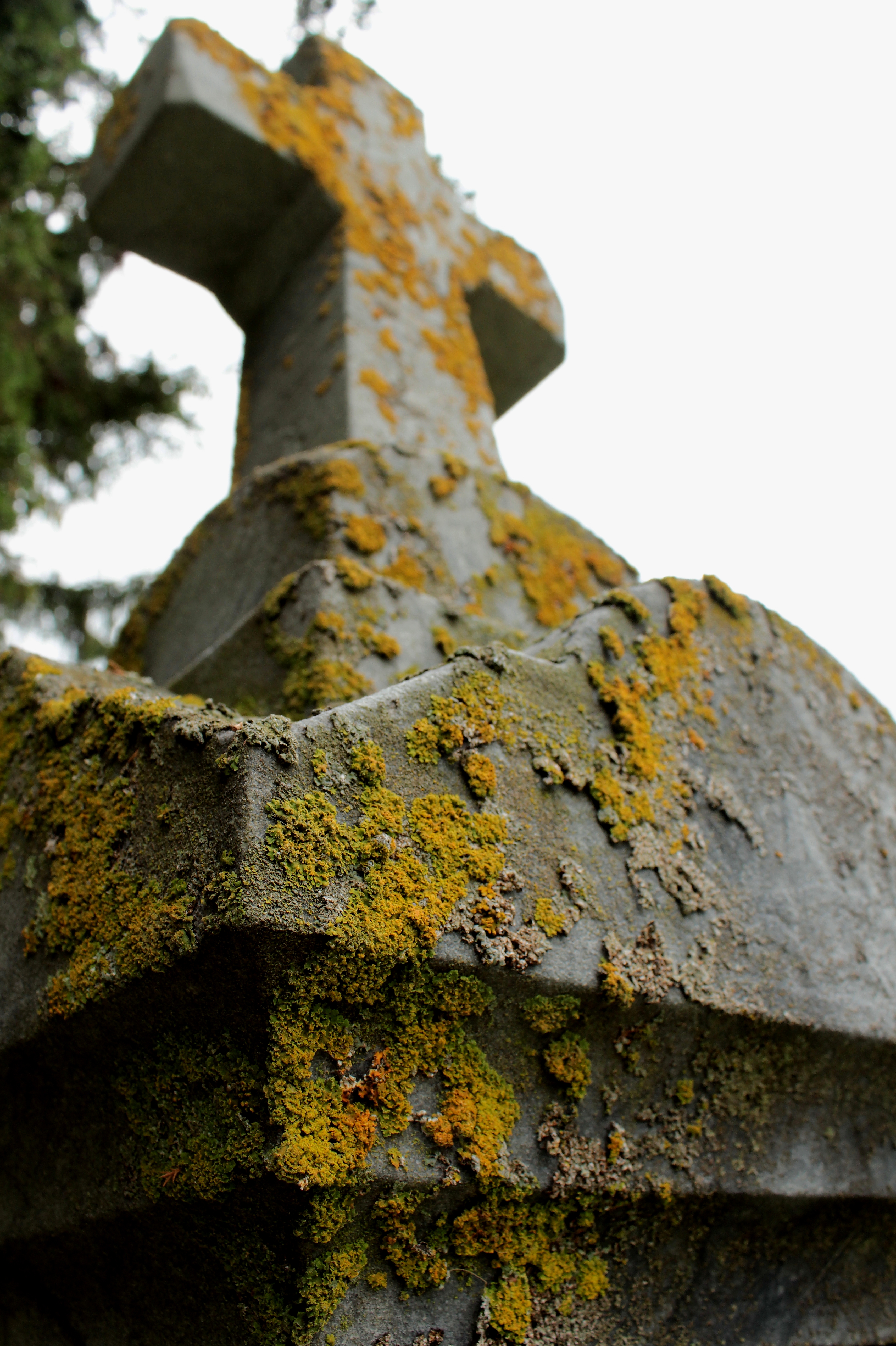
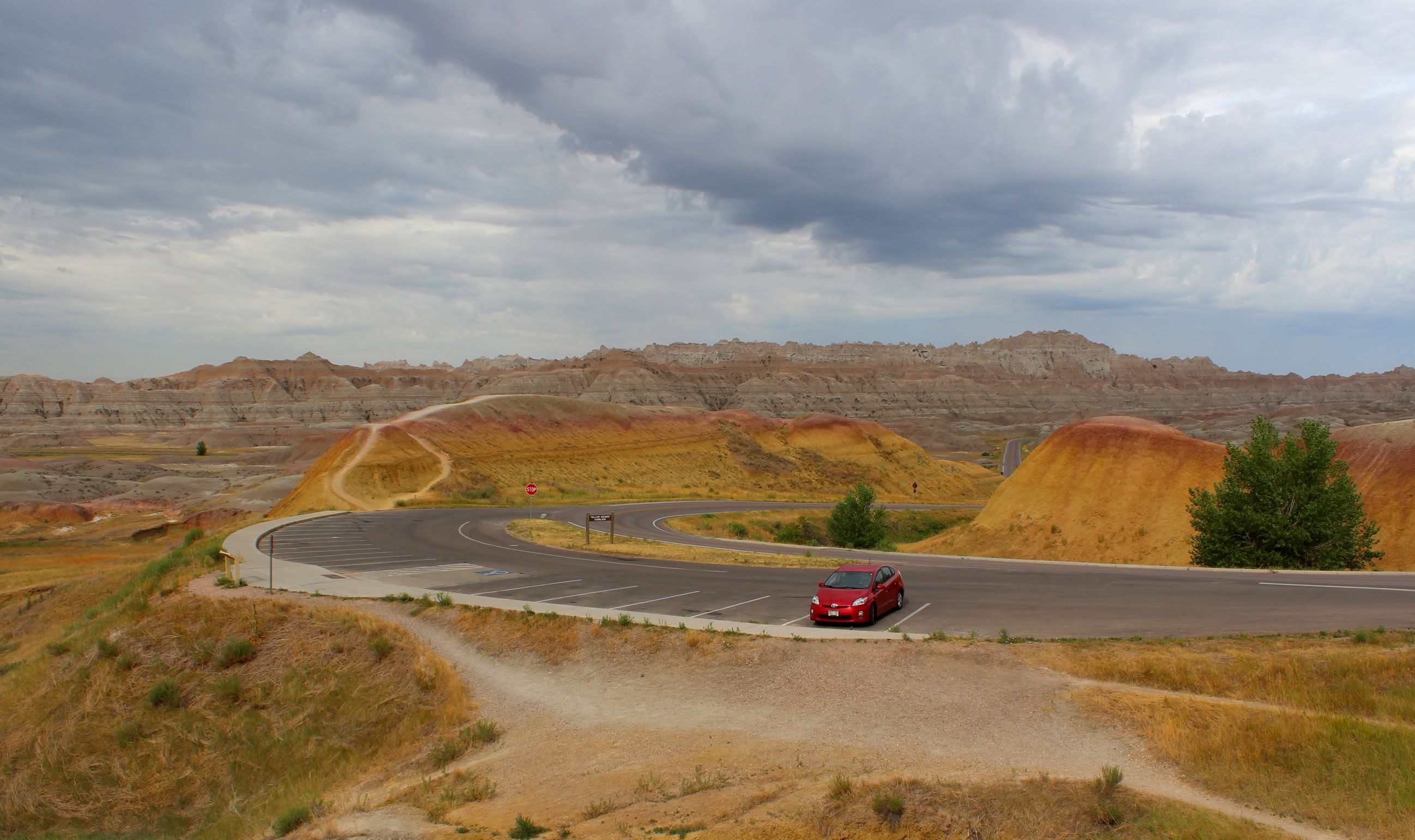
I am happily inspired by this week’s Lens-Artist host, guest blogger Jude of Cornwall in Colours. The colors and textures of the land, sea, and sky are a borderless palette of life in all its fascinating diversity. Where those places come together and complement and contrast are especially beautiful.

“A day, a livelong day, is not one thing but many. It changes not only in growing light toward zenith and decline again, but in texture and mood, in tone and meaning, warped by a thousand factors of season, of heat or cold, of still or multi winds, torqued by odors, tastes, and the fabrics of ice or grass, of bud or leaf or black-drawn naked limbs. And as a day changes so do its subjects, bugs and birds, cates, dogs, butterflies and people.” — John Steinbeck

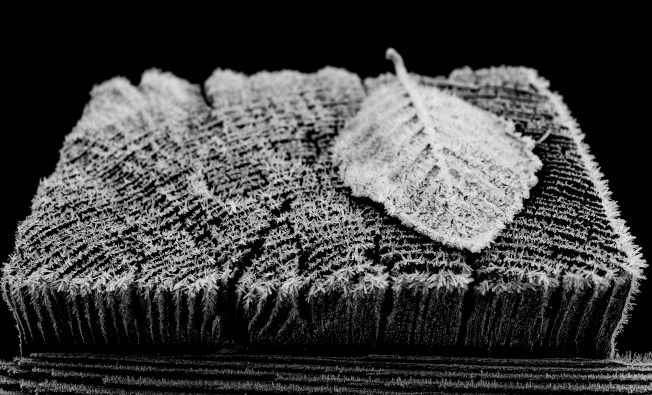
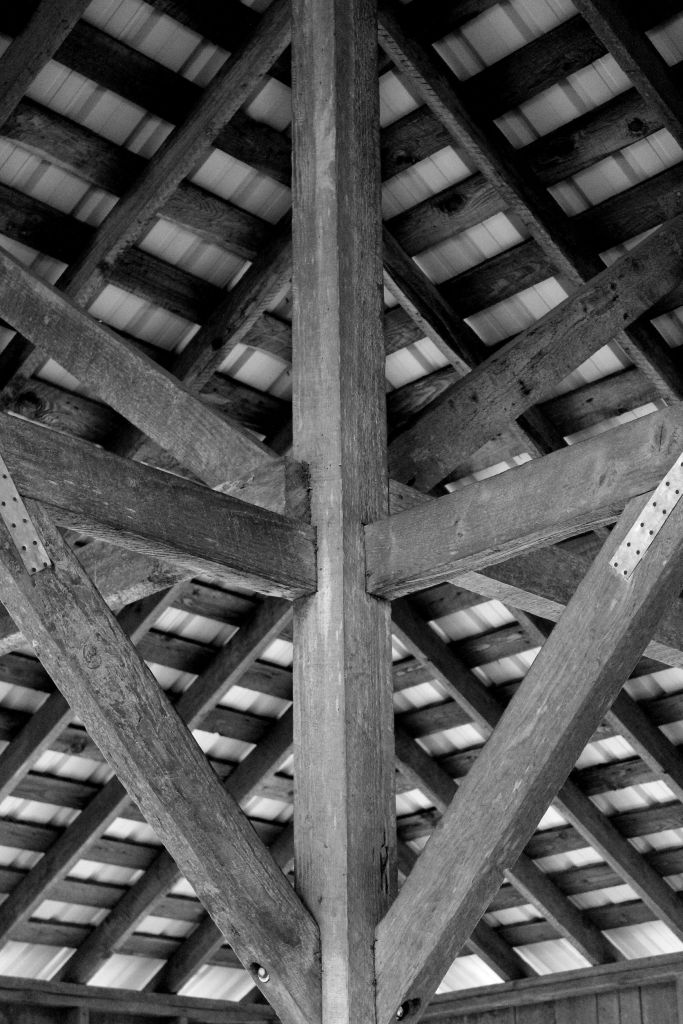
“Texture is closely related to our sense of touch. It suggests something about the make-up or structure of the object that we are looking at: whether it is fuzzy or soft, rough or smooth or sharp or flat. Since we cannot touch the object we are looking at, we are completely dependent on the visual clues captured by the photographer to glean insight into the qualities of the object photographed.” — Samantha Chrysanthou

Thank you, Jude, for your invitation to look closely at Texture and feel the beauty surrounding us!