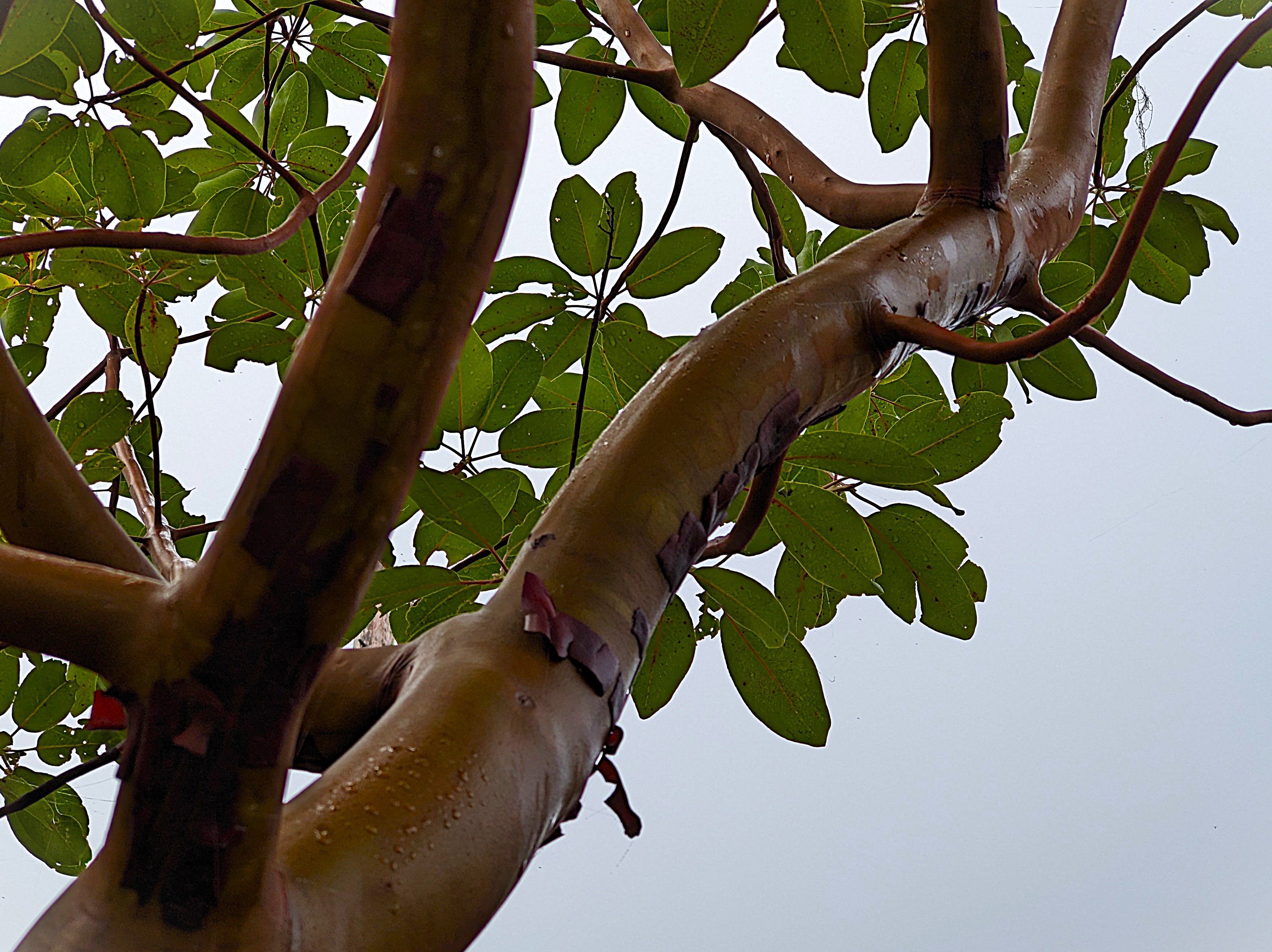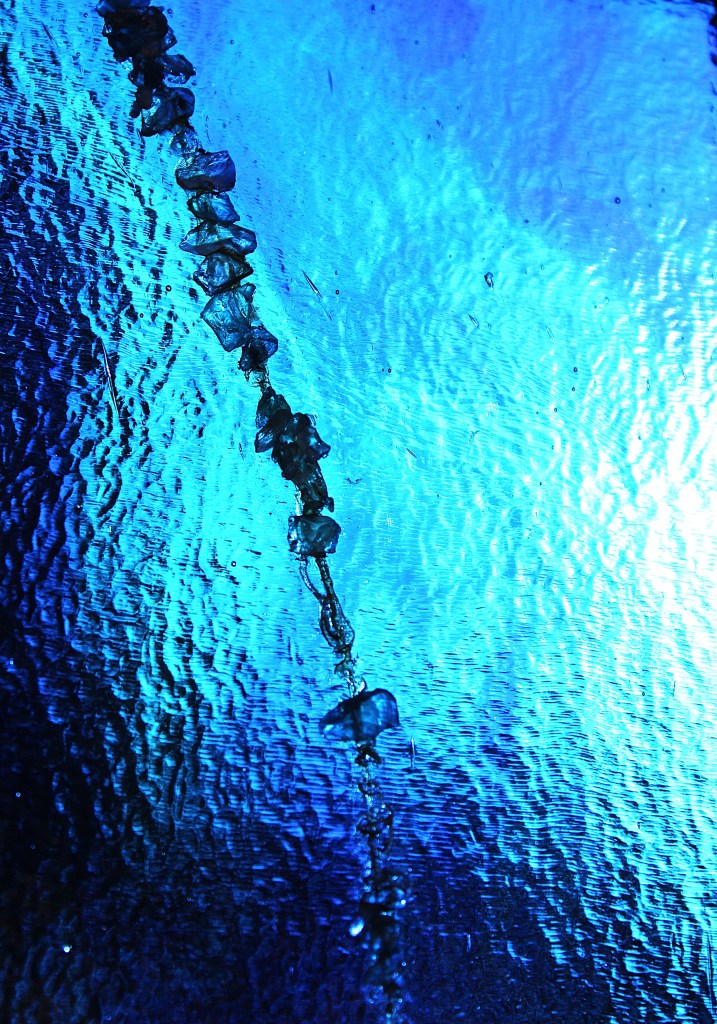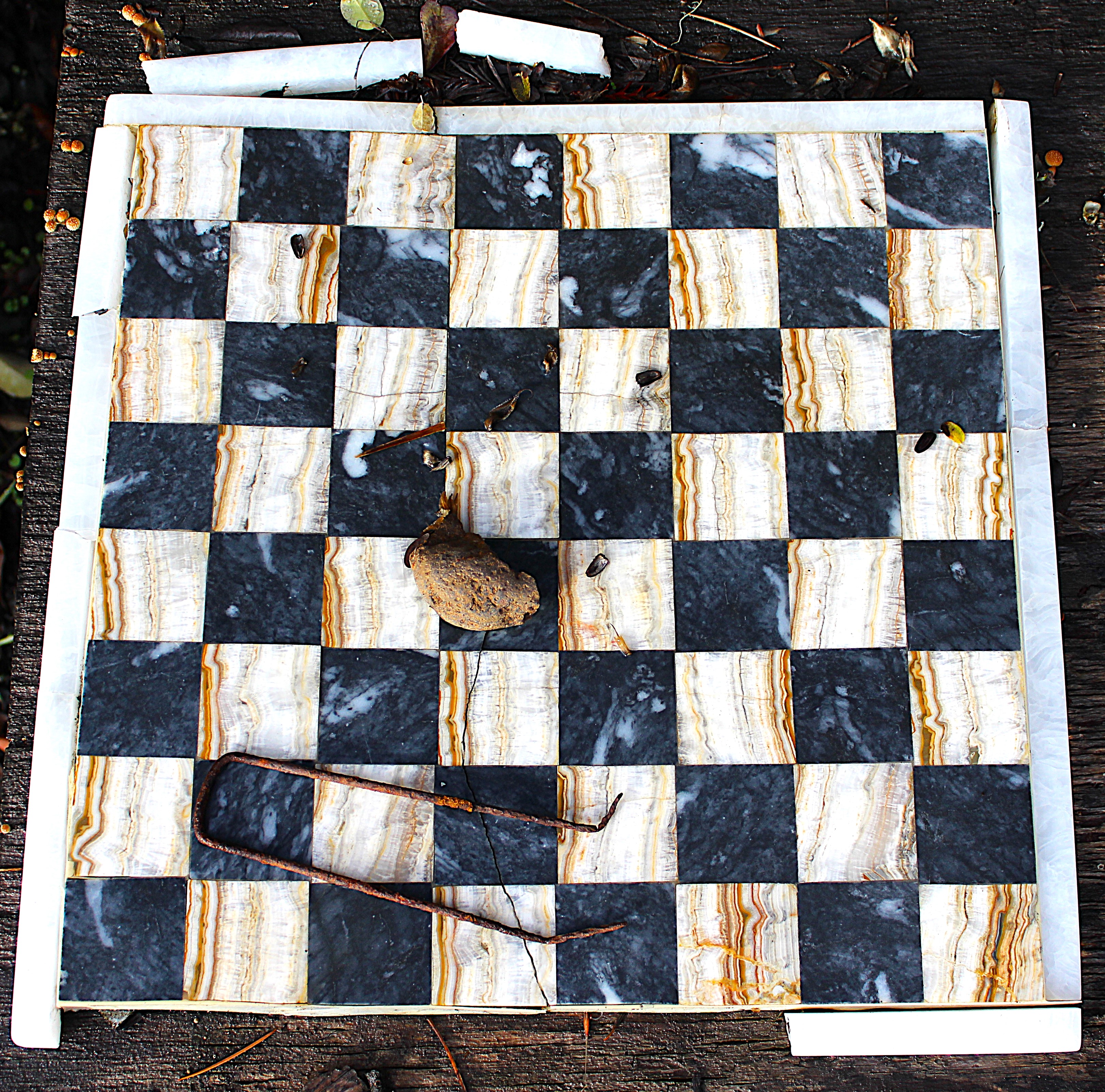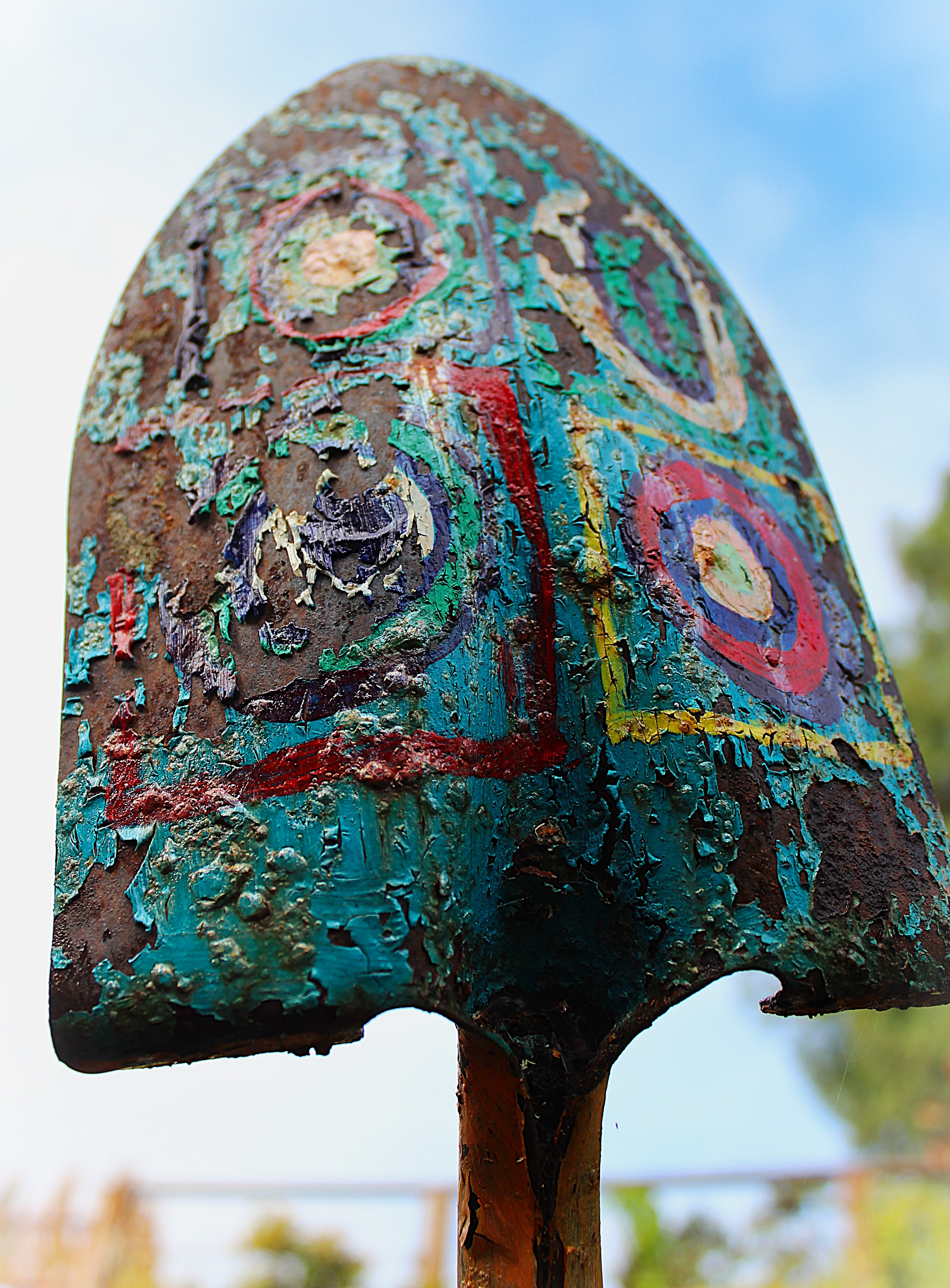
“Look, I want to love this world as though it’s the last chance I’m ever going to get to be alive and know it.” ~ Mary Oliver
I haven’t posted on this blog since the November election. Today is my last chance this year to share my thoughts in words and pictures here. I have been reviewing the reasons I started this blog in my 50th year and continued it for a dozen years so far. It has served me well as a platform for family photo projects. Today, particularly, I am grateful for the opportunity to revisit the projects I did for my mother, who would have been celebrating her 90th birthday today. Ten years ago, I did an eight-day series from Christmas Eve to New Year’s Eve that I called “80 Years in 8 Days” (you can see it HERE). I also created The Grandparent Project on this blog primarily for her.
However, as my mom passed away in 2020 and I live within an hour’s driving distance of three out of four of my kids, I no longer rely on this blog as a way of sharing stories and photos across the miles.
I have really enjoyed exploring creative photography over the years through the weekly photo challenges I’ve done with WordPress and later Lens-Artists. Recently, I’ve been taking more photos with my cell phone rather than my Canon Rebel T3i. I also got a new laptop and lost the photo editing software that had been installed on my old one. The technology involved in creating a photo blog post has changed for me, therefore, and I haven’t really spent the time yet to figure out how to do it at a level that I find satisfactory.
“We still have a choice today: nonviolent coexistence or violent co-annihilation. This may well be mankind’s last chance to choose between chaos and community.” ~ Martin Luther King, Jr.
All that being said, I have the opportunity today to consider what I want this blog to be going forward into a brand new year. “Scillagrace” is still me striving to navigate life gracefully, showing in words and images the beauty of the process. Right now, I’m finding the progressive edge of my purpose in serving the local community. I’m volunteering with several different organizations: the Unitarian Universalist Fellowship, Greenbelt Land Trust, Ankeny Hill and Finley National Wildlife Refuges, the Benton County Historical museums, and the Majestic Theater. (I’m currently in rehearsal for a production of the play Amadeus with two family members!) My goal is to build community by growing in compassion and resilience and helping others. I am not sure how I will incorporate creative photography and story-telling into this, but I will be exploring the possibilities.
I want to thank Tina and the other Lens-Artists hosts for supporting this part of the blogging community. Thank you for the thought-provoking Challenges and for sharing your beautifully crafted images!
I journey into the New Year with appreciation and gratitude for the past and with the resolve to try again each day to let Love move in me and through me. May it be so.
“Ring the bells that still can ring Forget your perfect offering There is a crack, a crack in everything That’s how the light gets in” – Leonard Cohen, Anthem
“The perfect is the enemy of the good.” – Italian proverb
“We asked for signs The signs were sent The birth betrayed The marriage spent Yeah, and the widowhood Of every government Signs for all to see
I can’t run no more With that lawless crowd While the killers in high places Say their prayers out loud But they’ve summoned, they’ve summoned up A thundercloud They’re going to hear from me” – Anthem, cont’d
My country is suffering and divided. There is a crack, deep and wide, in our governing system. So many people have forgotten the good that was intended by the democracy we tried to create. It is terrifying to contemplate a future with an aspiring dictator. I’m hoping that our vote next week is a bell that can still ring for justice, for freedom, for government of the people, by the people, for the people.
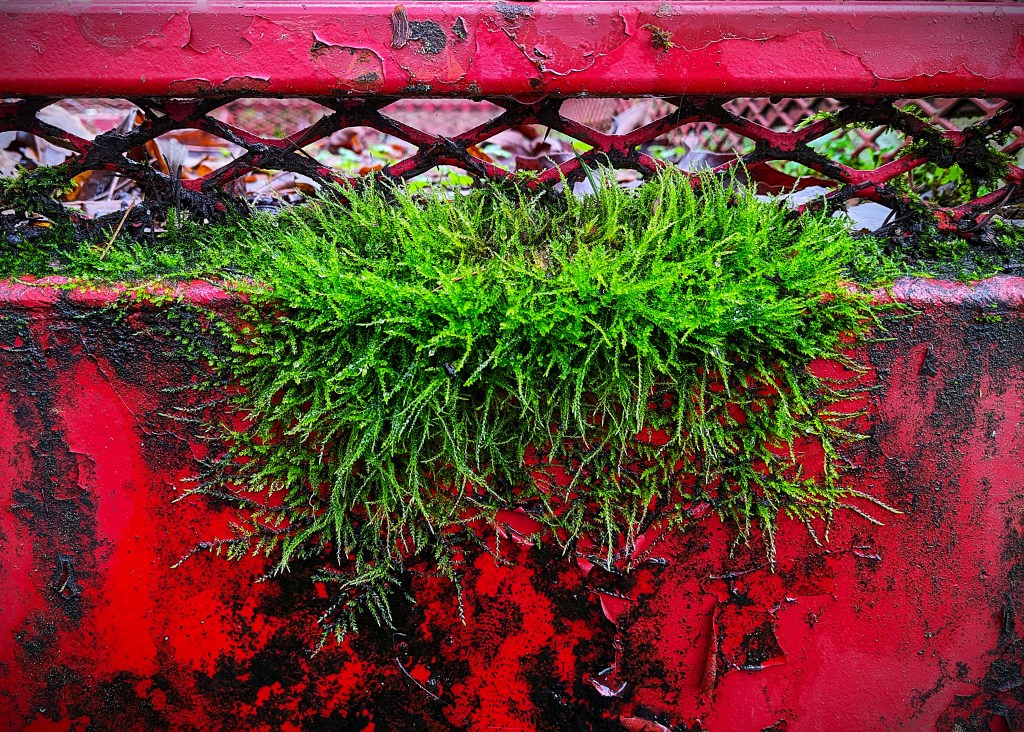
There is a Japanese art called “kintsugi” where broken pottery is mended with gold, filling the cracks, drawing the pieces back together. Its spiritual significance is that if we choose to embrace our struggles and repair ourselves with the precious metal of love, we can become more beautiful for having been broken. My friend uses this idea in her garden, where she mends broken glass with small, colorful chips. Her garden is a riot of colors – dahlias, vegetables, and ornaments. Many of her decorations have become cracked and worn over time, left to the elements.
I spent this last week at my friend’s house, caring for her dog Bodhi, while she traveled.
Bodhi is an older rescue dog. She has only one eye, with a cataract. She doesn’t hear very well, and she is currently battling bladder stones. She becomes very anxious when she is left alone. Even with these imperfections, she is a sweet presence of love, always wanting to be beside me, stretched out in the sunlight on the warm carpet, and even more thrilled when she is allowed to jump onto the bed with me.
All week long, I have been thinking of the lyrics of Cohen’s Anthem. I have been thinking of “The Gifts of Imperfection” (a book by Brené Brown); I have been pondering the state of the Union. I have been willfully ringing the bells that still sound in my community: justice, equity, transformation, pluralism, interdependence, and generosity. And I have been trying to pour Love into every crack, every heart, every word, every action I engage with. I do this with faith that the Light will pour in.
May it be so! Thank you, Ritva, for this beautiful inspiration!
“Some people are uncomfortable with the idea that humans belong to the same class of animals as cats and cows and raccoons. They’re like the people who become successful and then don’t want to be reminded of the old neighborhood.” – Phil Donahue
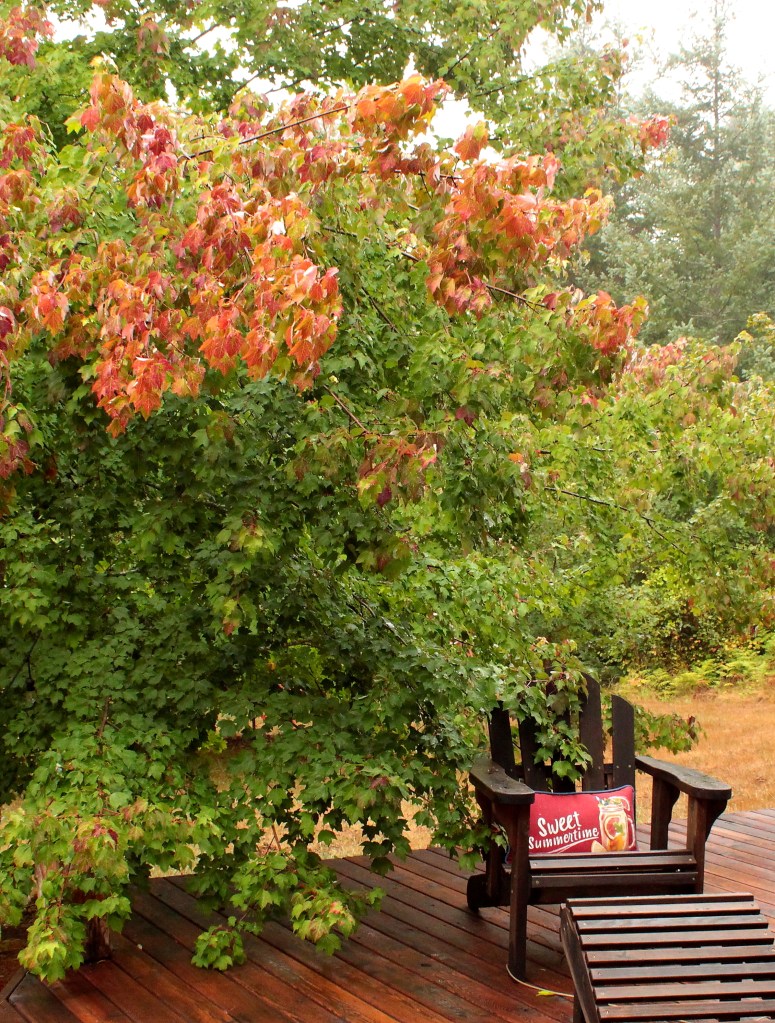
Welcome to my neighborhood! I live 14 miles southwest of a university town in the Willamette Valley in Oregon. I rent a studio apartment above the garage of a big house among the trees. When I ventured out this morning, my housemates were already gone. It’s quiet in my neighborhood. Most of my neighbors are plants.
In addition to my three human housemates, two dogs and six chickens live on the property. So do countless others: rodents, reptiles, bats, insects, and birds, plus the occasional deer, bear, coyote, and cougar.
This morning the weather started out cool and foggy. We had a significant rain yesterday, a true sign that we are past the Autumnal Equinox and headed toward the rainy season of Oregon winter.
This part of Oregon was once a temperate rain forest. Moss and lichen hang from the trees all year round, but they dry out considerably during the summer. When the rains fall again, they expand like sponges and become green again. This is along my driveway – it’s .7 miles from the house to the mailbox.
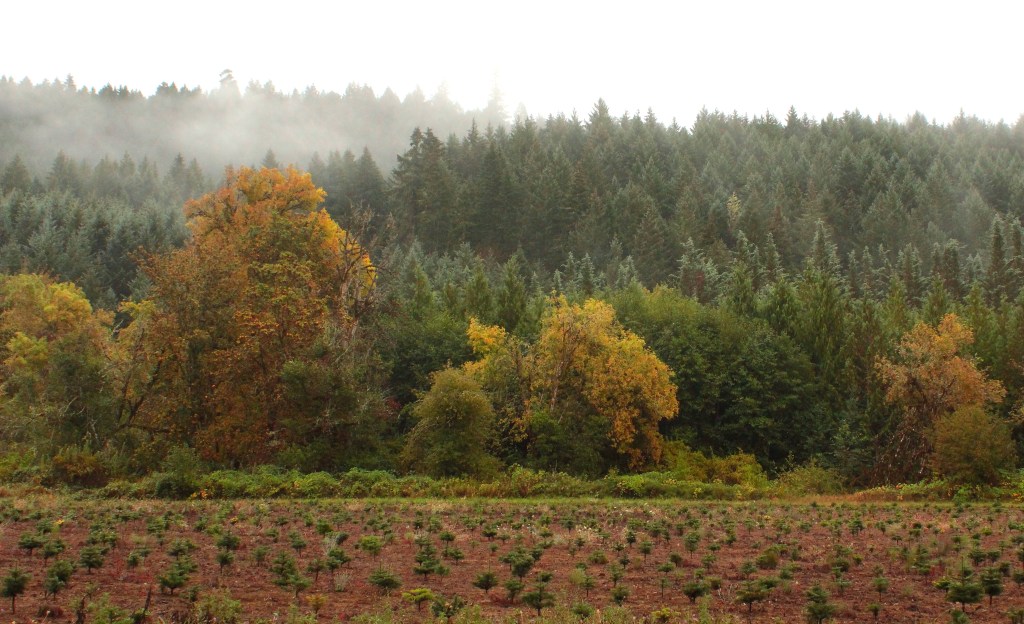
Here’s where I stopped to drop my recycling in the bins by the mailbox. I’m looking across the gravel road past the tree farm lot toward where Duffy Creek runs along the base of the hills.
Timber is a big industry in Oregon. Logging operations are interspersed with small farms along our gravel road. Douglas Fir trees grow very rapidly in this climate. Six to ten years after planting, they can be harvested as Christmas trees. In 40 to 50 years, they can grow to be 70 feet tall and are used for lumber and telephone poles. The branches are often left in slash piles that are burned – which seems to be the most convenient way to get rid of the excess material. I find it worrisome that the carbon sequestered in that wood is released into the atmosphere instead of being used as mulch or paper pulp or something.
The rest of these shots were taken in the afternoon when I was returning home from town. The clouds had dispersed and the temperature climbed up to a delightful 72 degrees F.
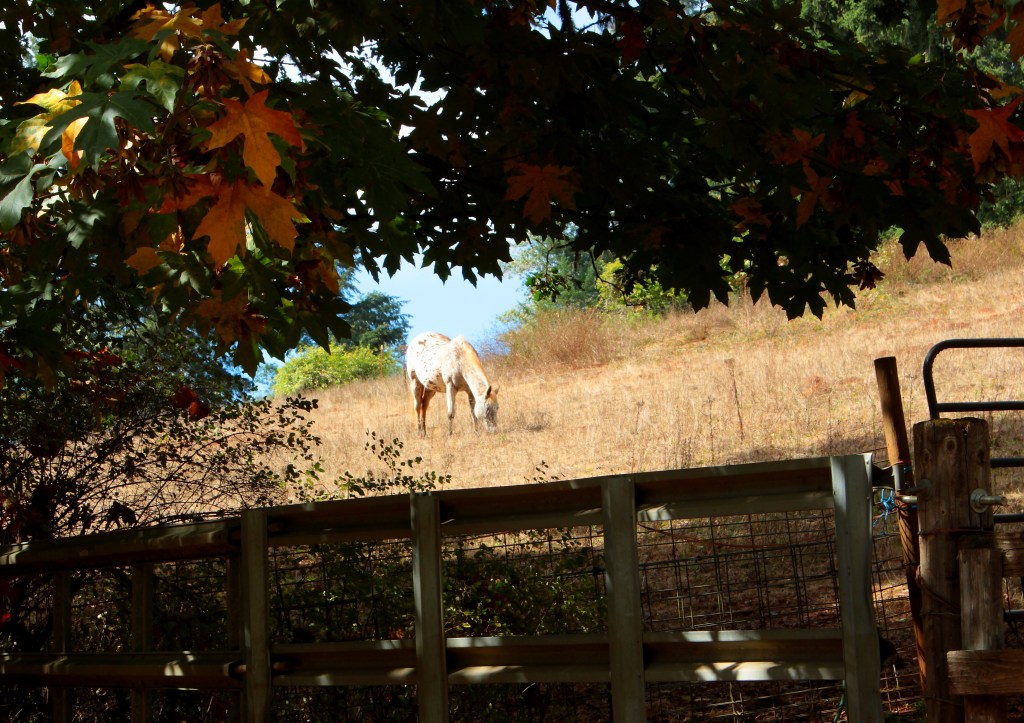
The small family farms along my road are home to a variety of domesticated animals: horses, cows, goats, sheep. And there are wild turkeys everywhere! They are not native to this area; they were introduced from western Texas in 1961 by game hunters, and have proliferated tremendously. They have become rather a nuisance.
And here is the view of the valley where my mailbox and trash bins sit. You can see a few small white rectangles to the left of the telephone pole.
Thank you for travelling with me along Beaver Creek Road! Thank you, Tina, for inviting us to share our neighborhood sights. I have to admit that I didn’t walk this today. I moved here in August of 2020, during the pandemic, and I walked it often. Nowadays, though, I drive into town to volunteer and meet friends almost daily, so I don’t spend the time on foot as much. I am delighted to slow down and pay attention to the incredible beauty that is my little neighborhood!
I’m in complete agreement with our Challenge host, Egidio, when he says that being in the great outdoors is his favorite destination. And his photos of Angel’s Landing in Zion National Park inspired me to re-visit my favorite adventures immersed in America’s Best Idea.
“National parks are the best idea we ever had. Absolutely American, absolutely democratic, they reflect us at our best rather than our worst.” – Wallace Stegner, 1983
In 2017, I took a trek through western U.S.A. and visited eight National Parks. You can read about my American Adventure in the blog posts under that heading above, or click HERE. This year, I am eligible to get a Senior Lifetime Pass, meaning that for the price of one annual pass, I can visit National Parks and Monuments and Forests for the rest of my life without paying any additional fee. What a fantastic birthday present!
On the trail to Angel’s Landing
My first visit to a National Park was to Acadia in Maine. I was only three years old. I made my trip up to Angel’s Landing in Zion 45 years later. Now I’m 62, and my next Park visit will be to Crater Lake here in Oregon. I’ve had many other Park experiences in between. Here are some highlights!
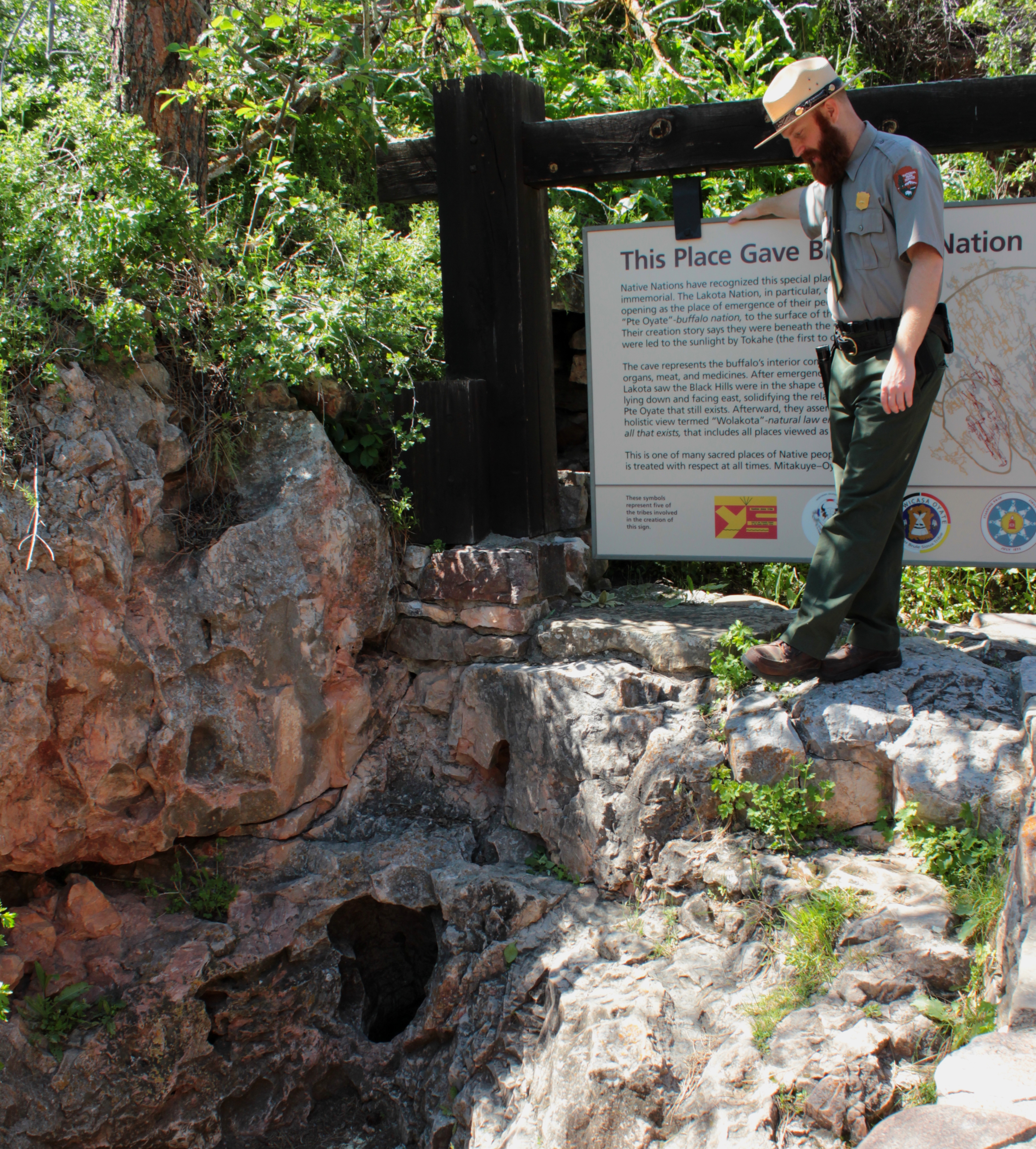
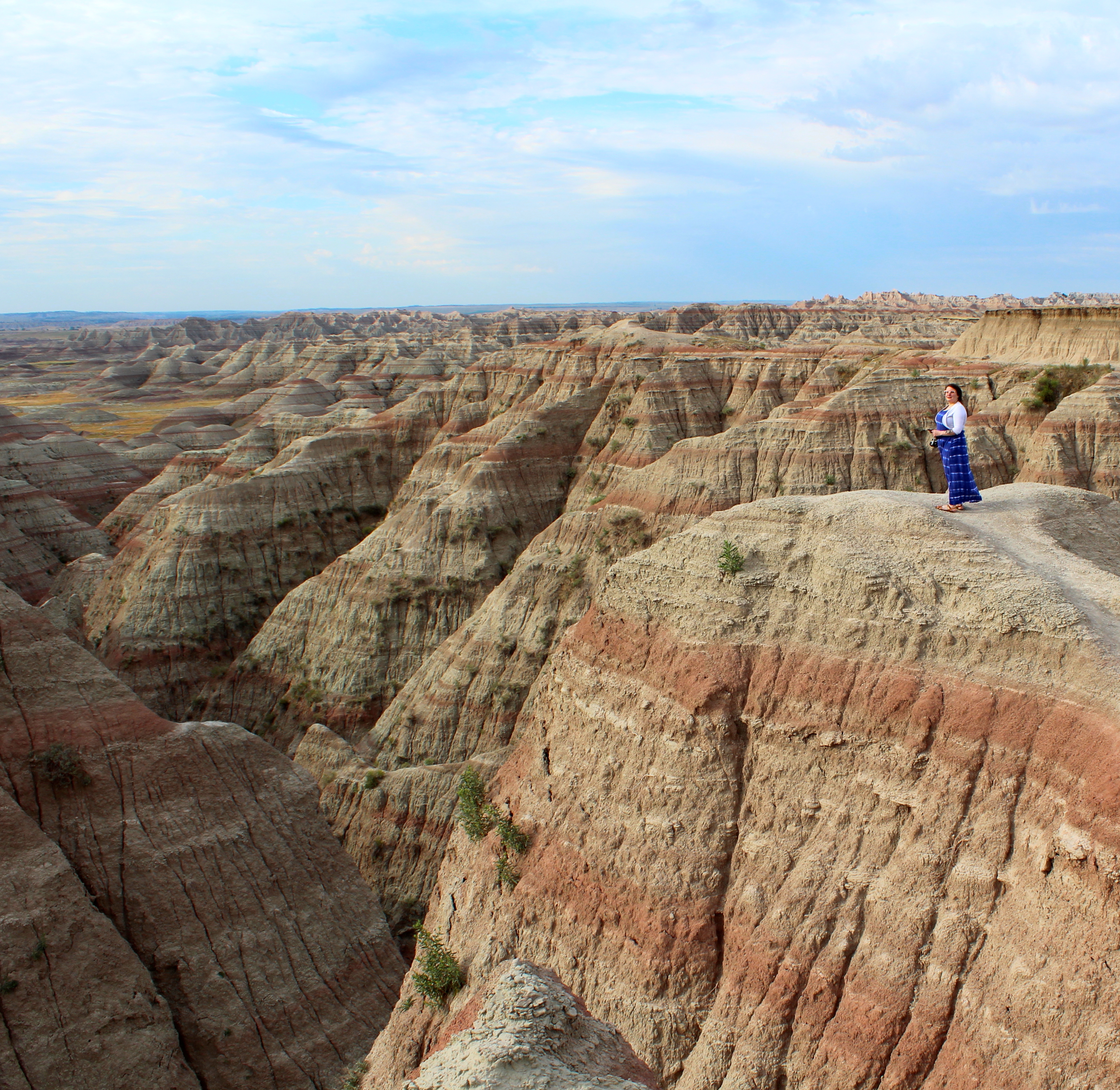
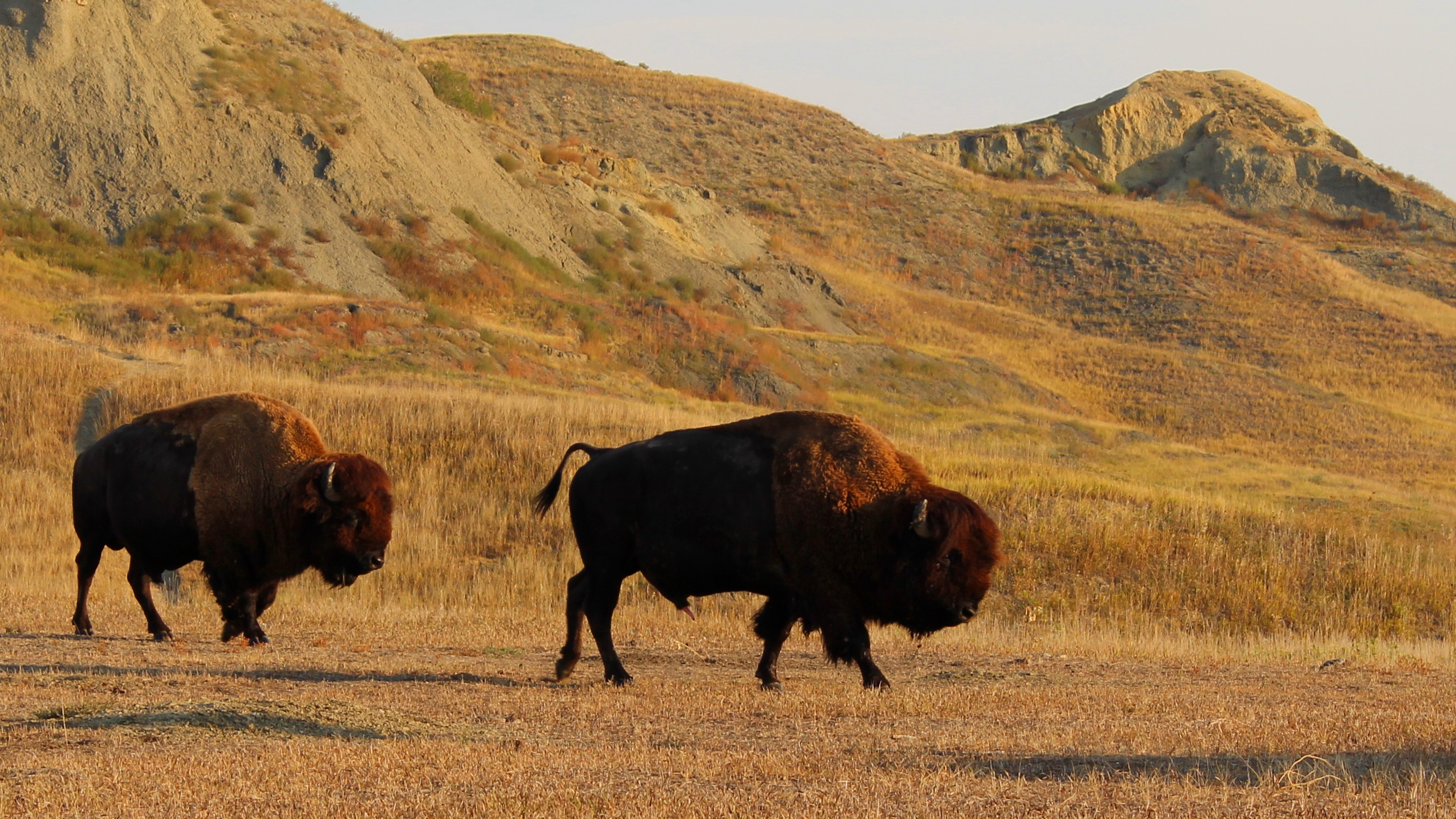
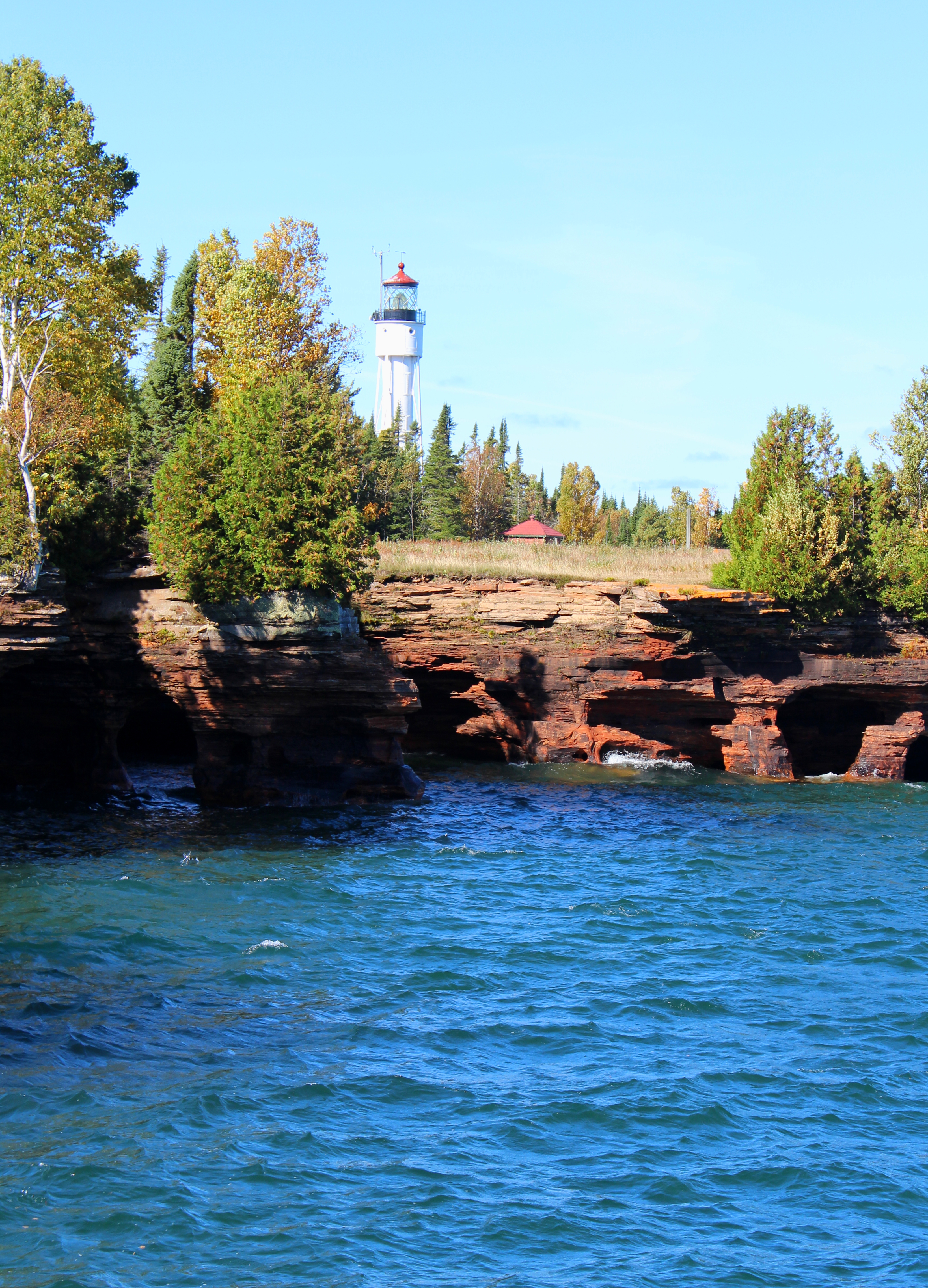
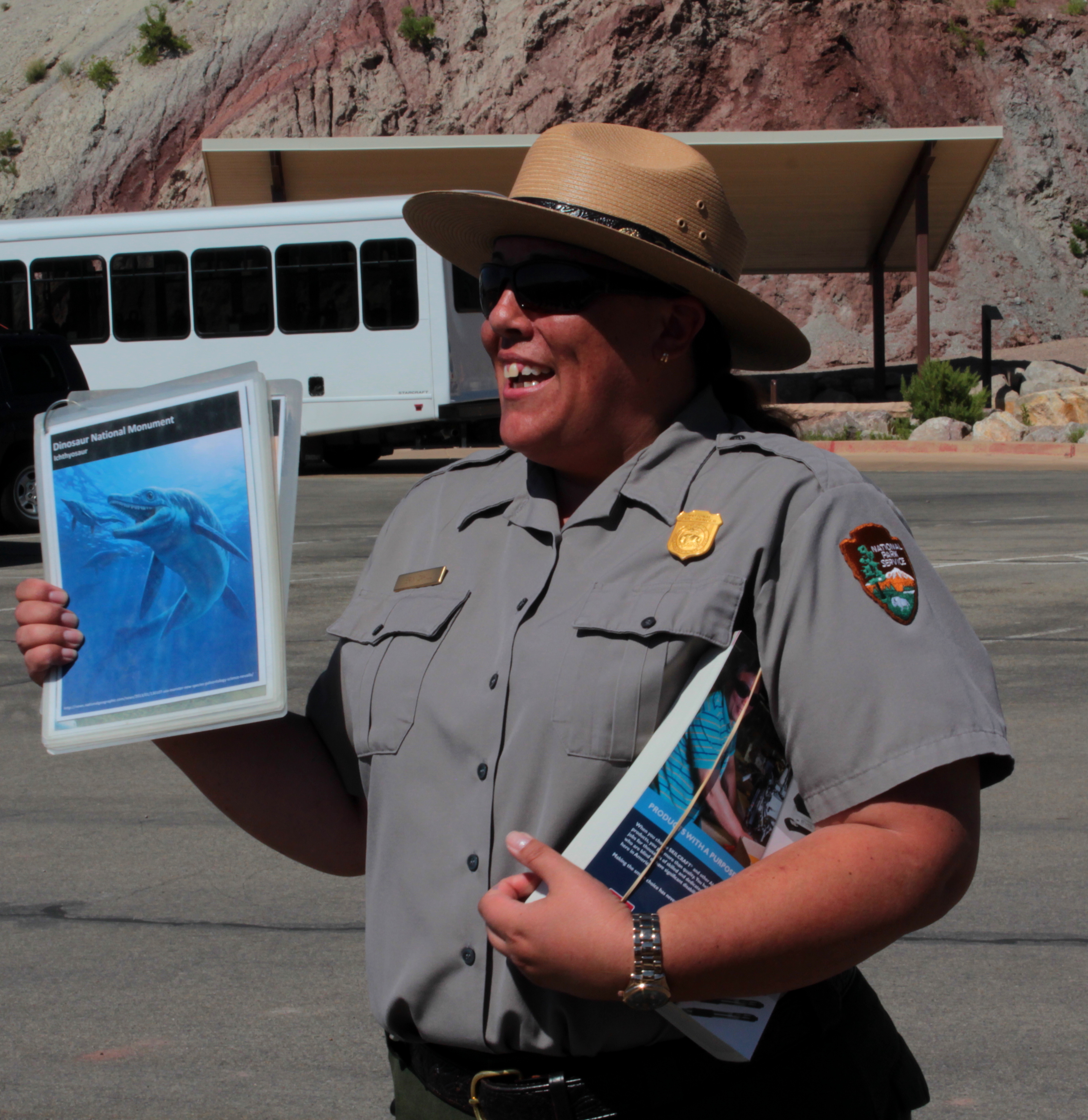
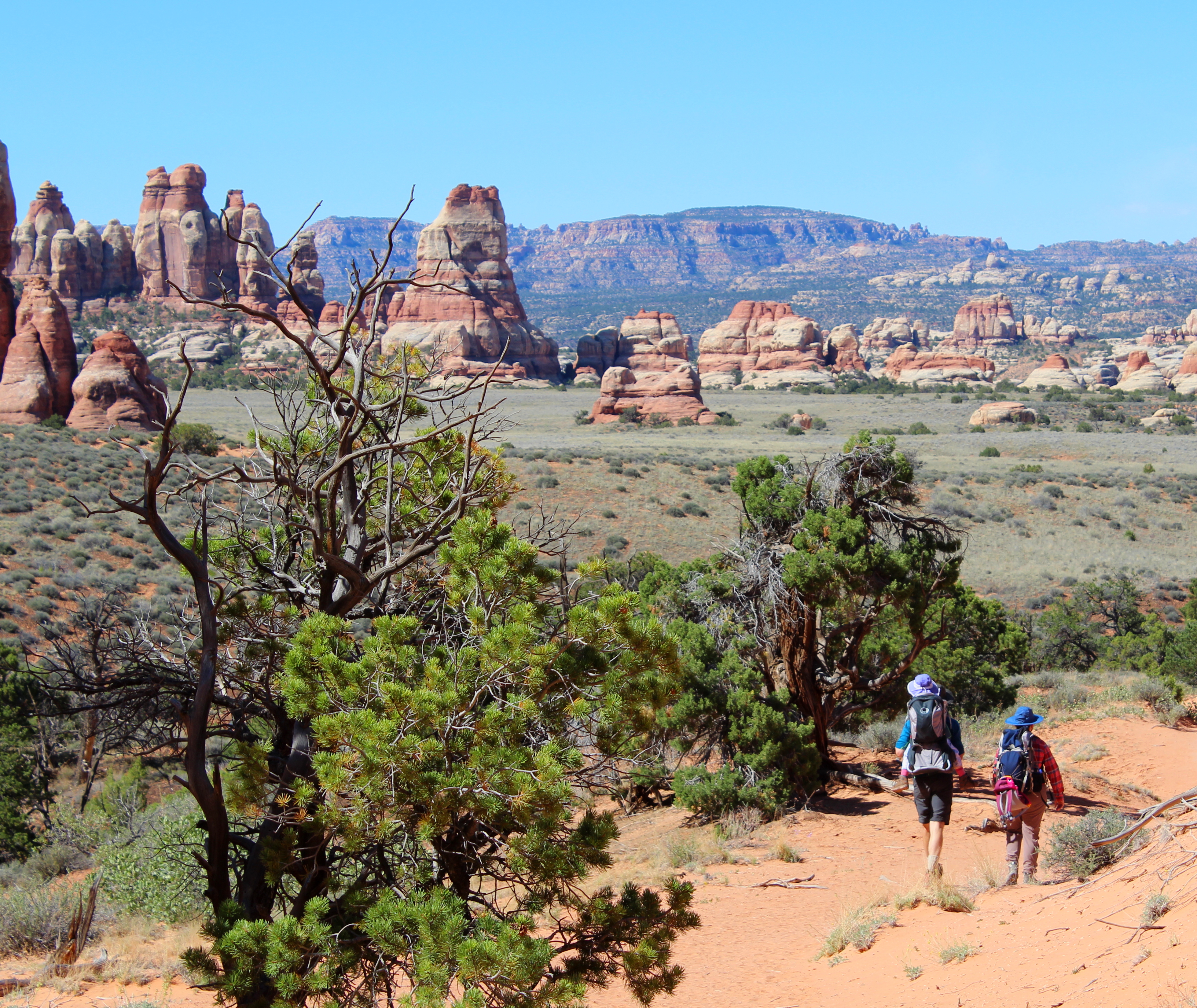
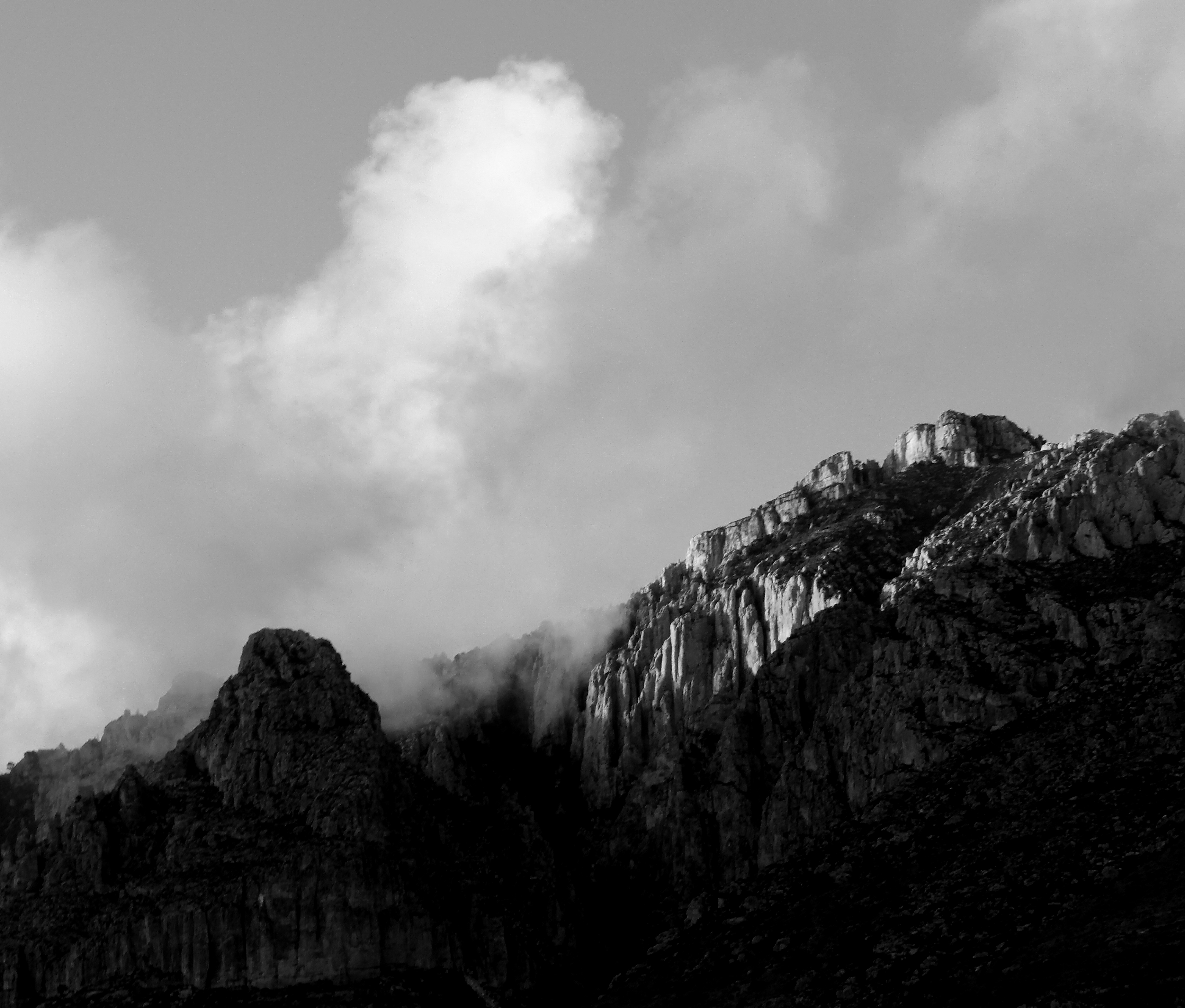
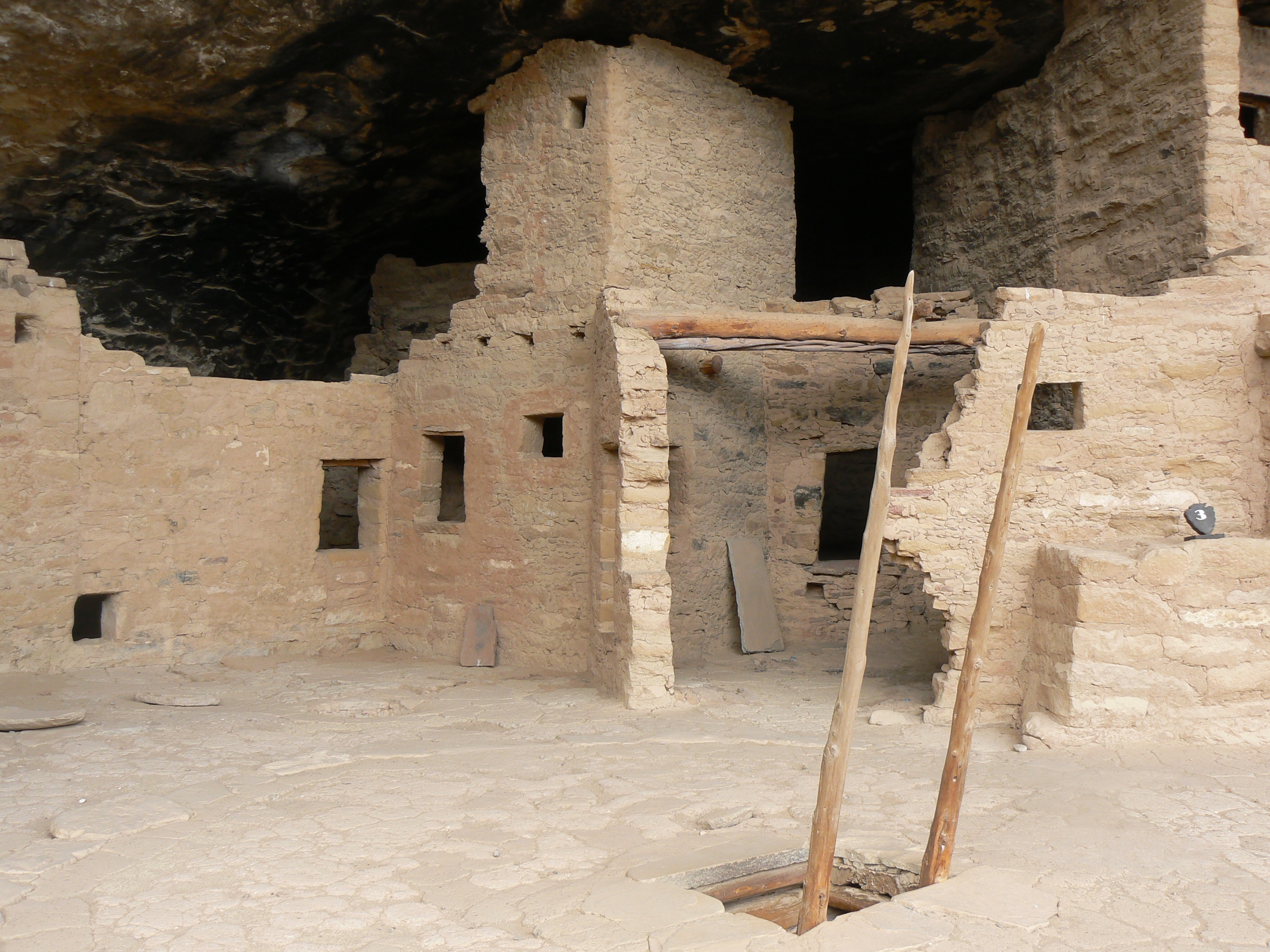
Left to right, by row: Olympic National Park, Wind Cave National Park, Bandelier National Monument, Badlands National Park (top and bottom), Apostle Islands National Lakeshore, Dinosaur National Monument, Black Canyon of the Gunnison National Park, Canyonlands National Park, Guadalupe Mountains National Park, Mesa Verde National Park.
“The establishment of the National Park Service is justified by considerations of good administration, of the value of natural beauty as a National asset, and of the effectiveness of outdoor life and recreation in the production of good citizenship.” – Theodore Roosevelt, 1912
All very good, Mr. Former President, but the Parks are also a whole lot of FUN to be in!
Why bother to take a picture of a common object? Well, in my mind, a photograph elevates the common to the extraordinary when the lighting and the composition are exceptional. There’s something very exciting about being able to capture the beauty of everyday items.
“The only difference between an extraordinary life and an ordinary one is the extraordinary pleasures you find in ordinary things.” ~ Veronique Vienne
“Even the common articles made for daily use become endowed with beauty when they are loved.” ― Soetsu Yanagi, The Beauty of Everyday Things
“Beautiful things of any kind are beautiful in themselves and sufficient to themselves. Praise is extraneous. The object of praise remains what it was—no better and no worse. This applies, I think, even to “beautiful” things in ordinary life—physical objects, artworks. Does anything genuinely beautiful need supplementing? No more than justice does—or truth, or kindness, or humility. Are any of those improved by being praised? Or damaged by contempt? Is an emerald suddenly flawed if no one admires it? Or gold, or ivory, or purple? Lyres? Knives? Flowers? Bushes?”
― Marcus Aurelius, Meditations
If you’ve never thought of a simple egg as beautiful, check out our Challenger’s post: Ritva is amazing at seeing beauty and capturing it in light and composition!
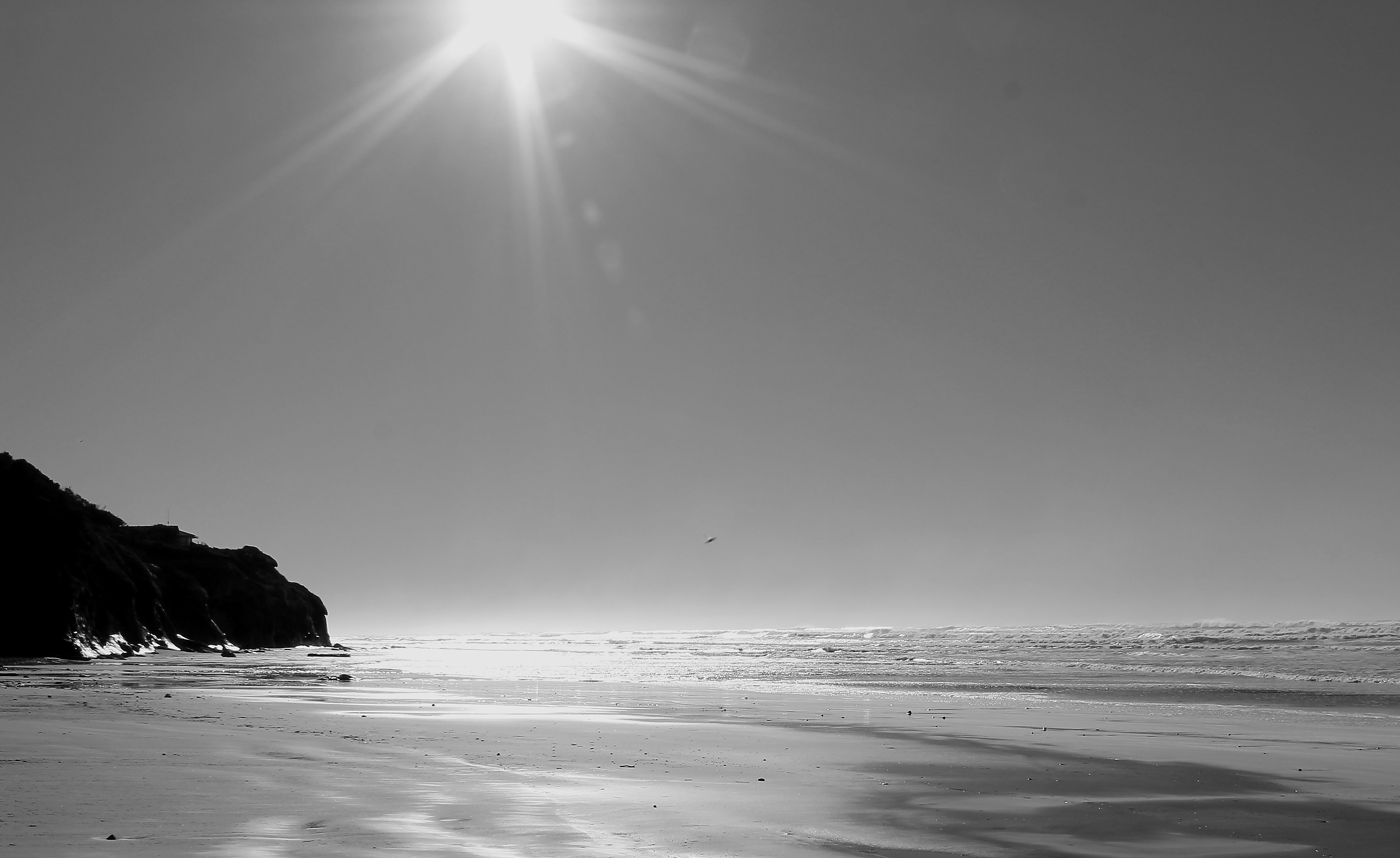
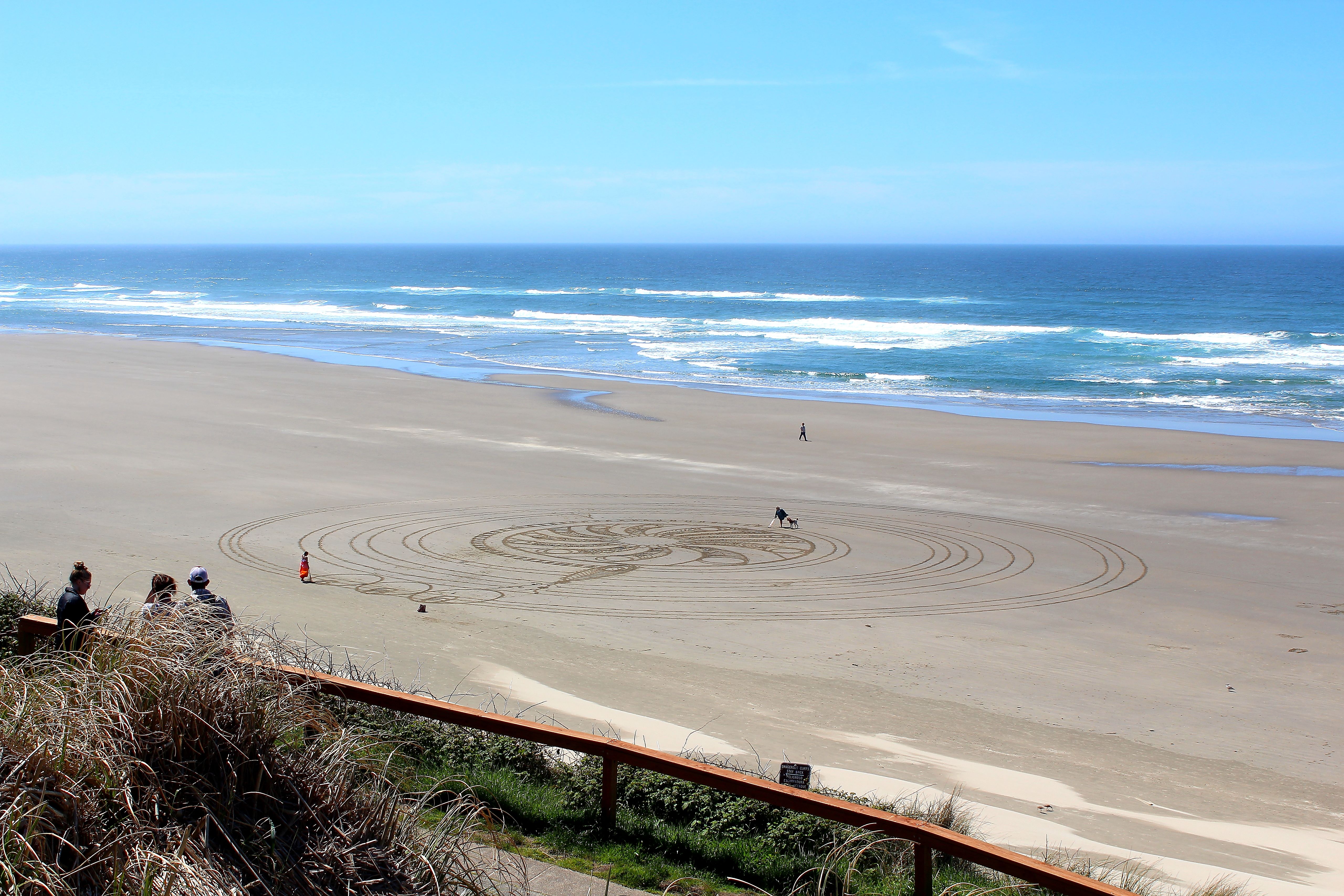
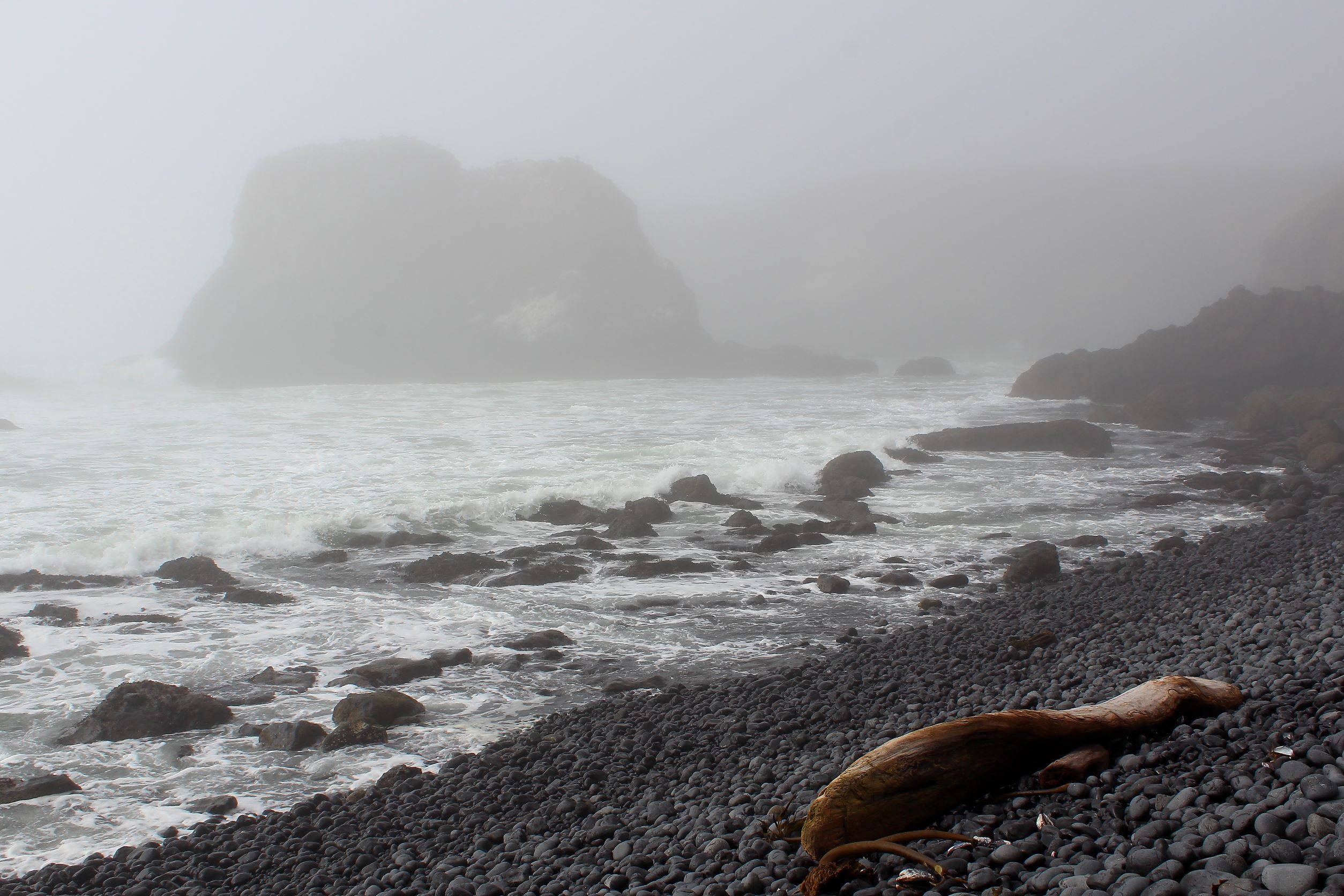
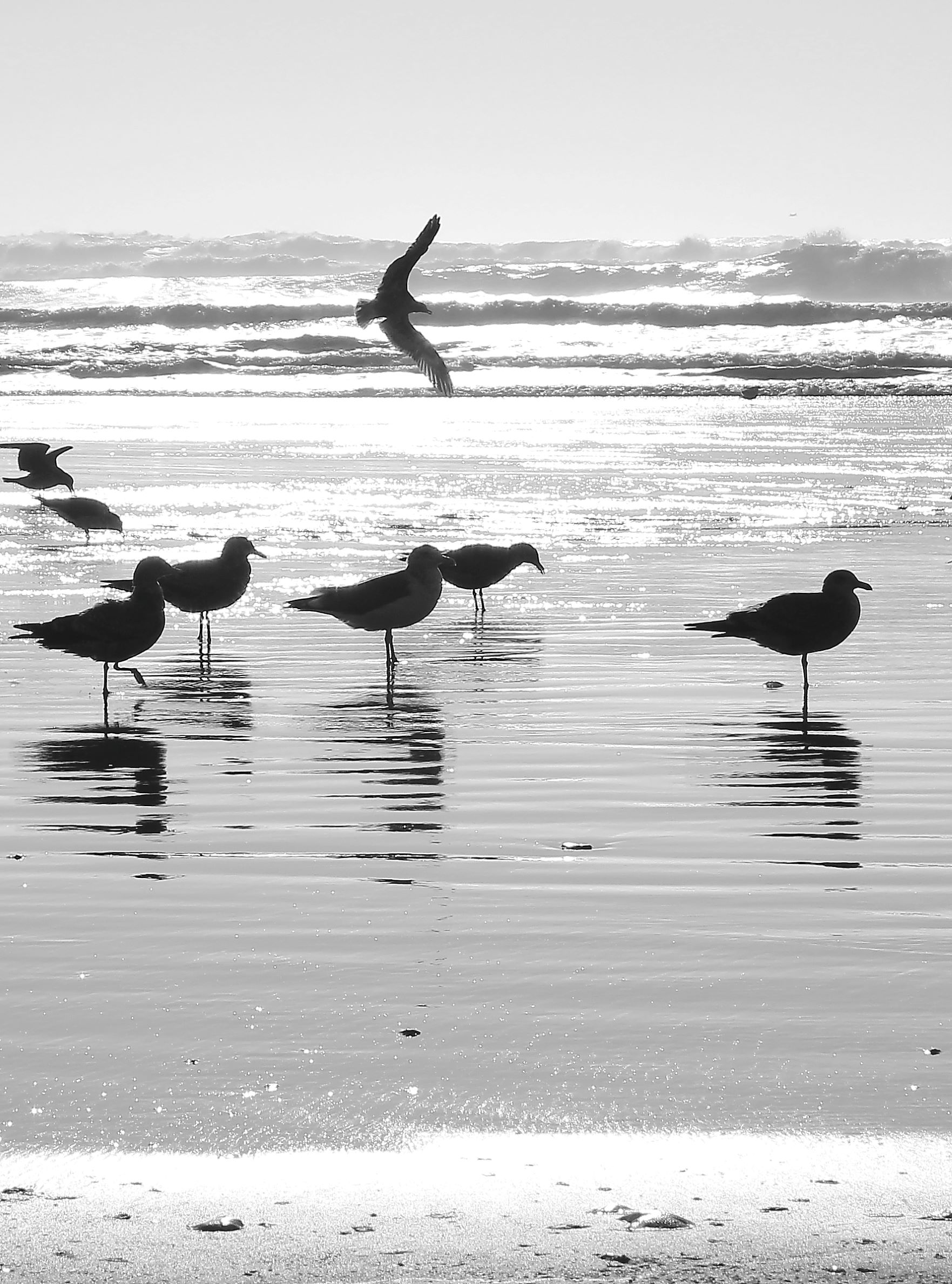
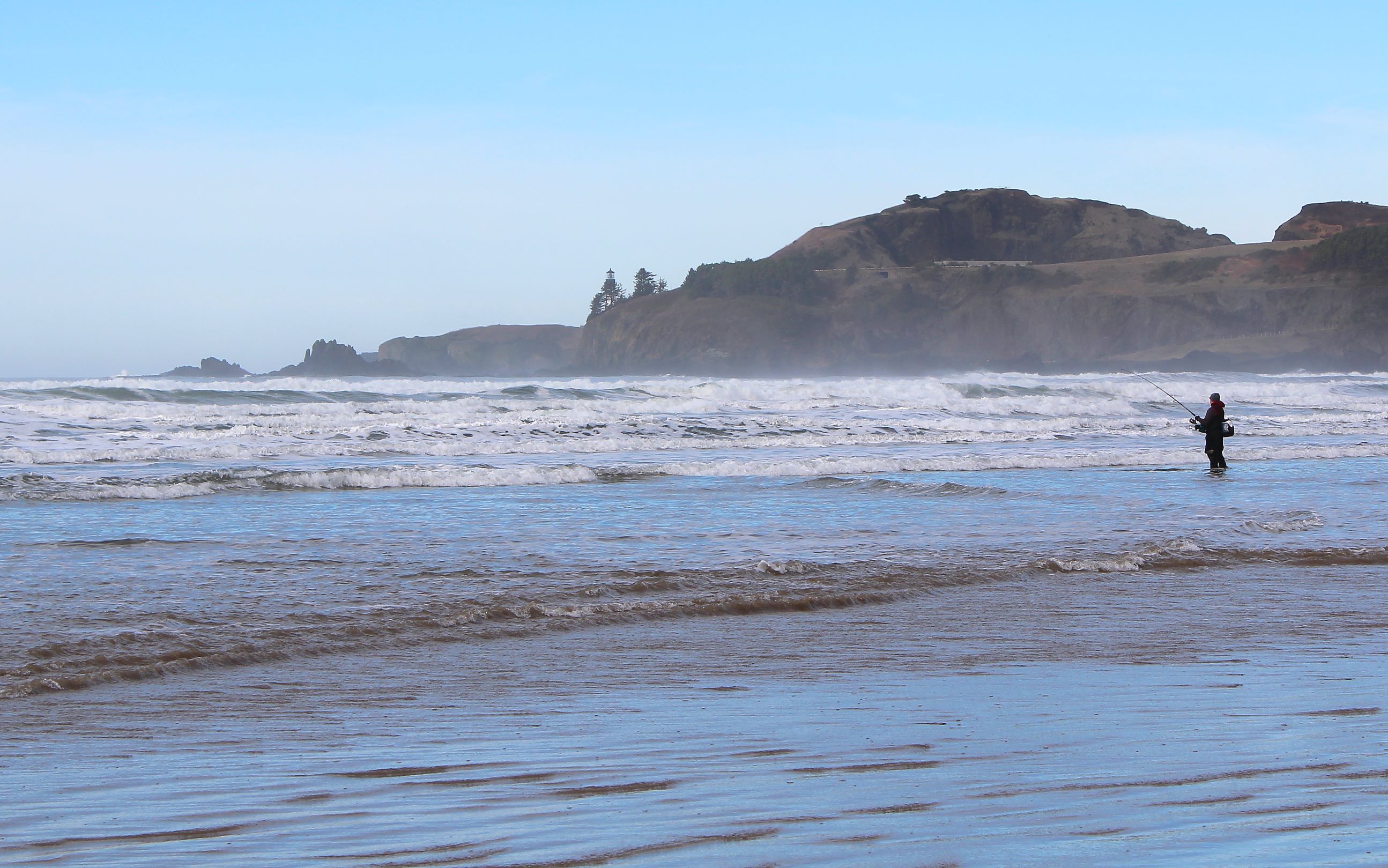
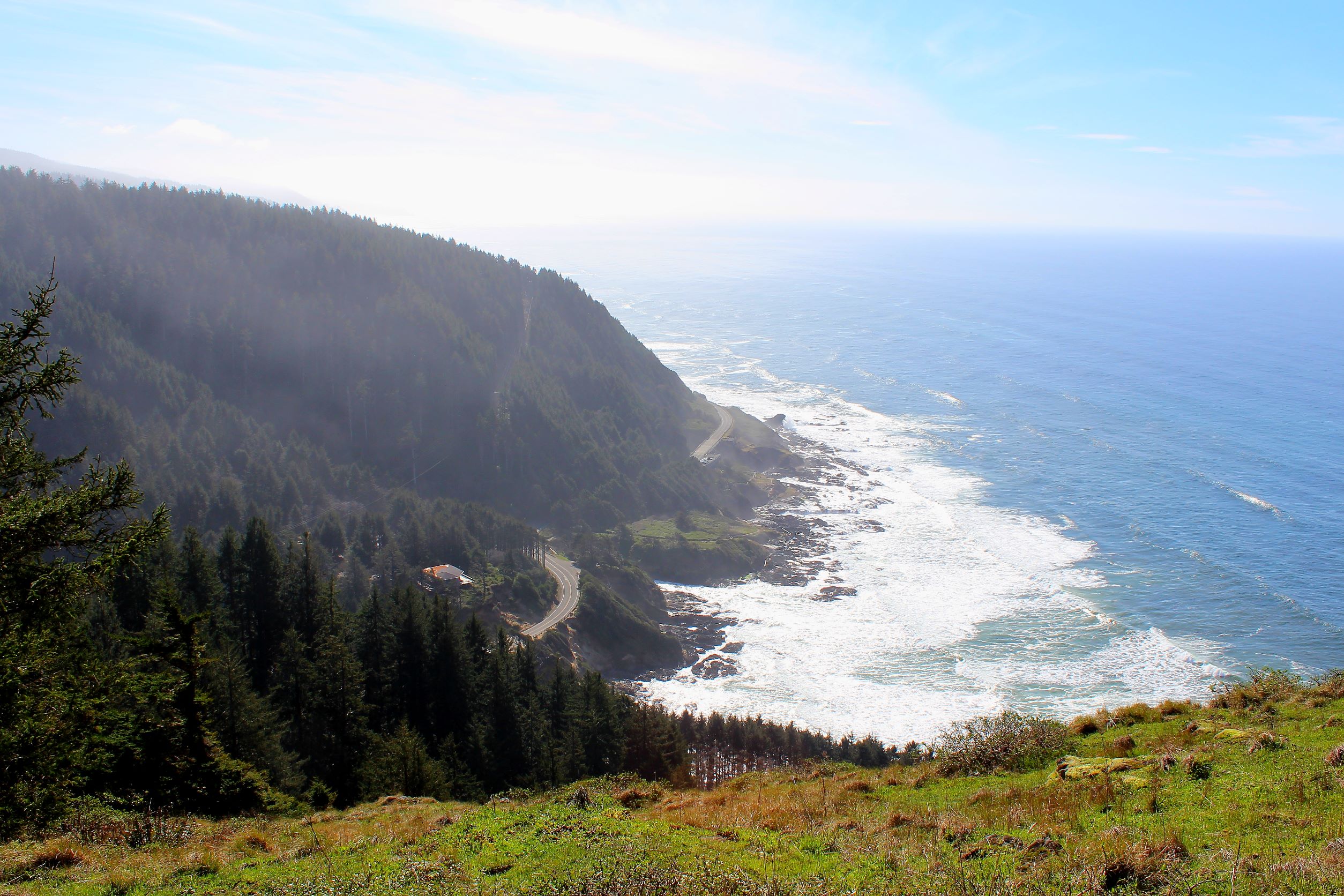
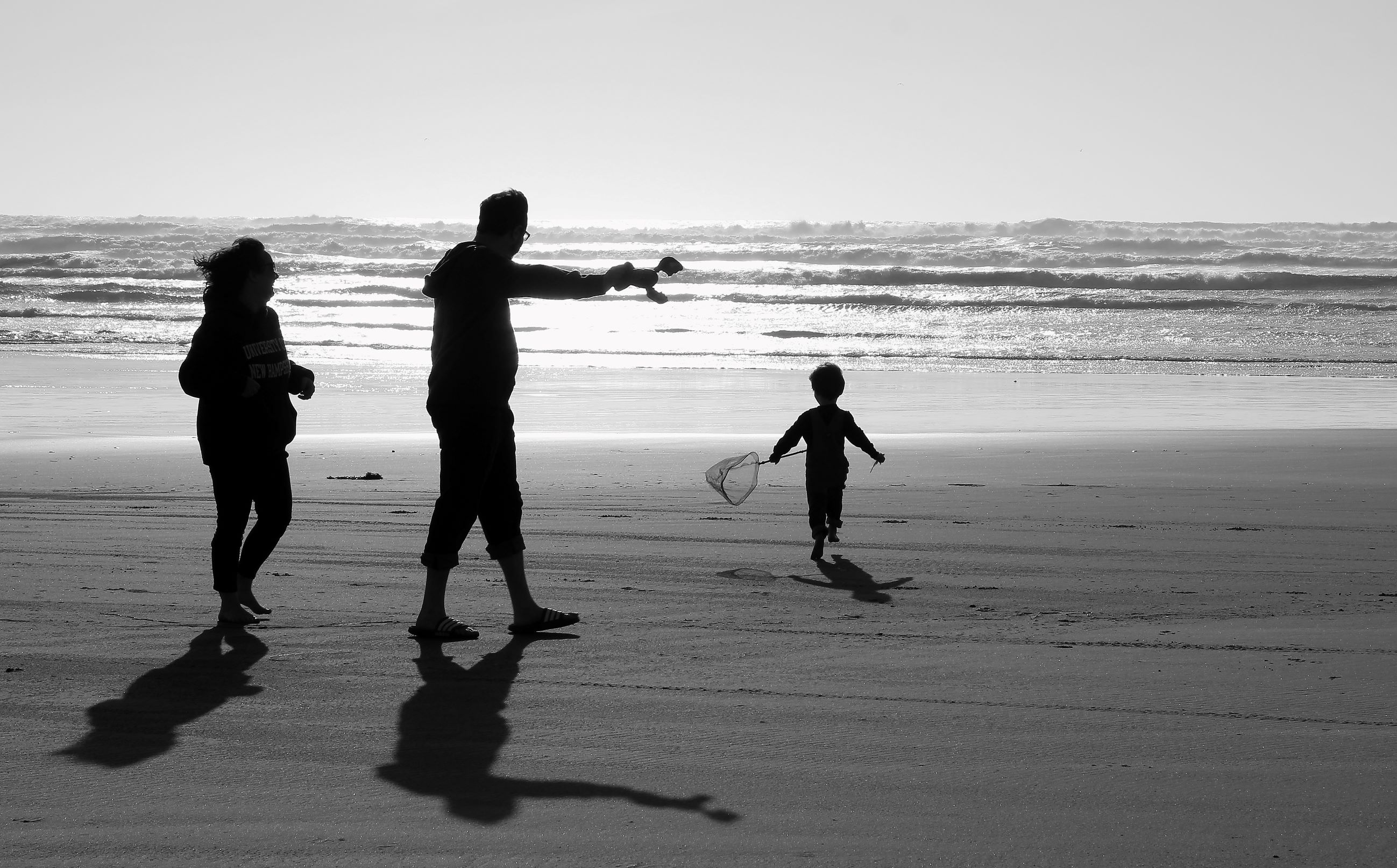
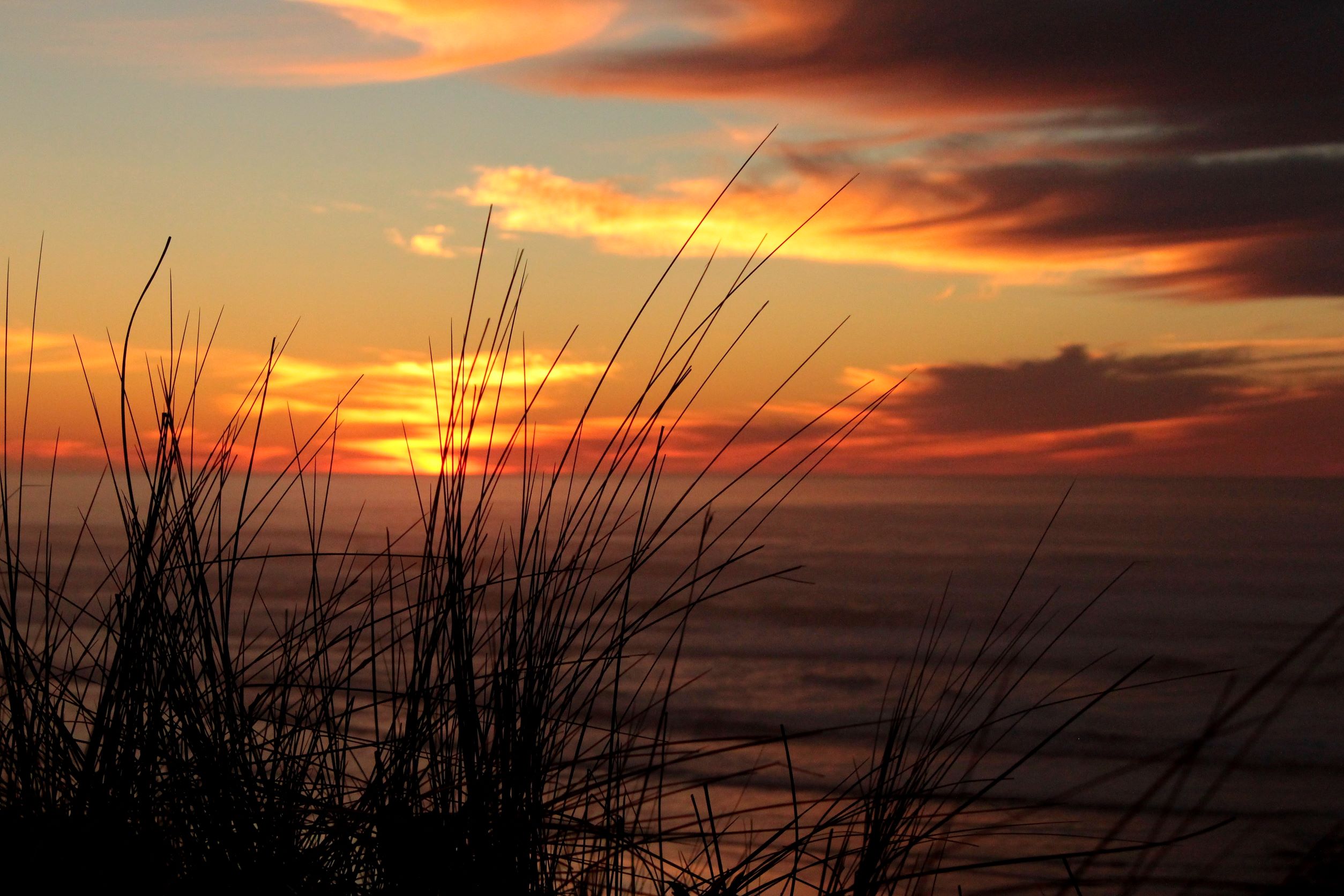
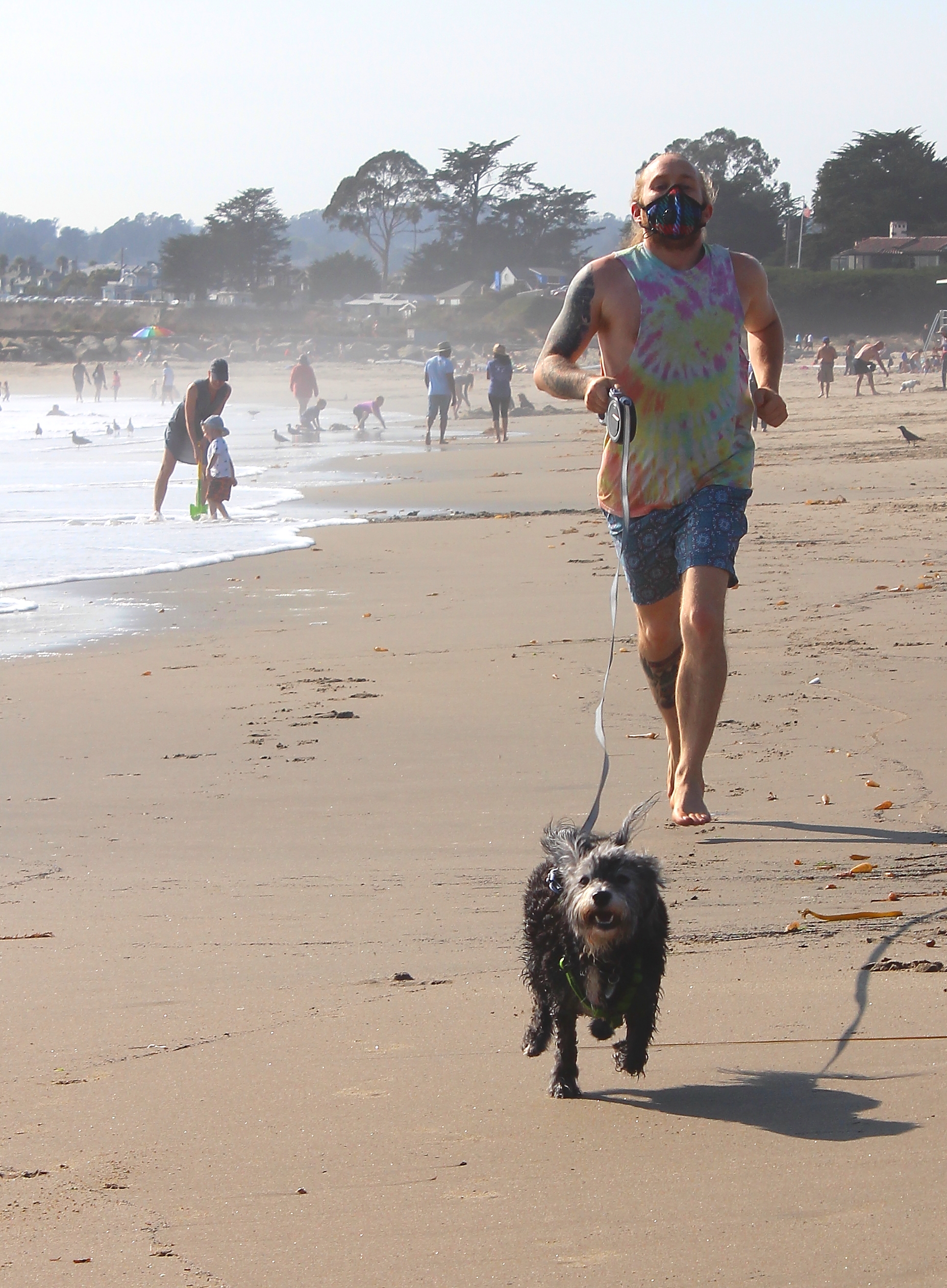
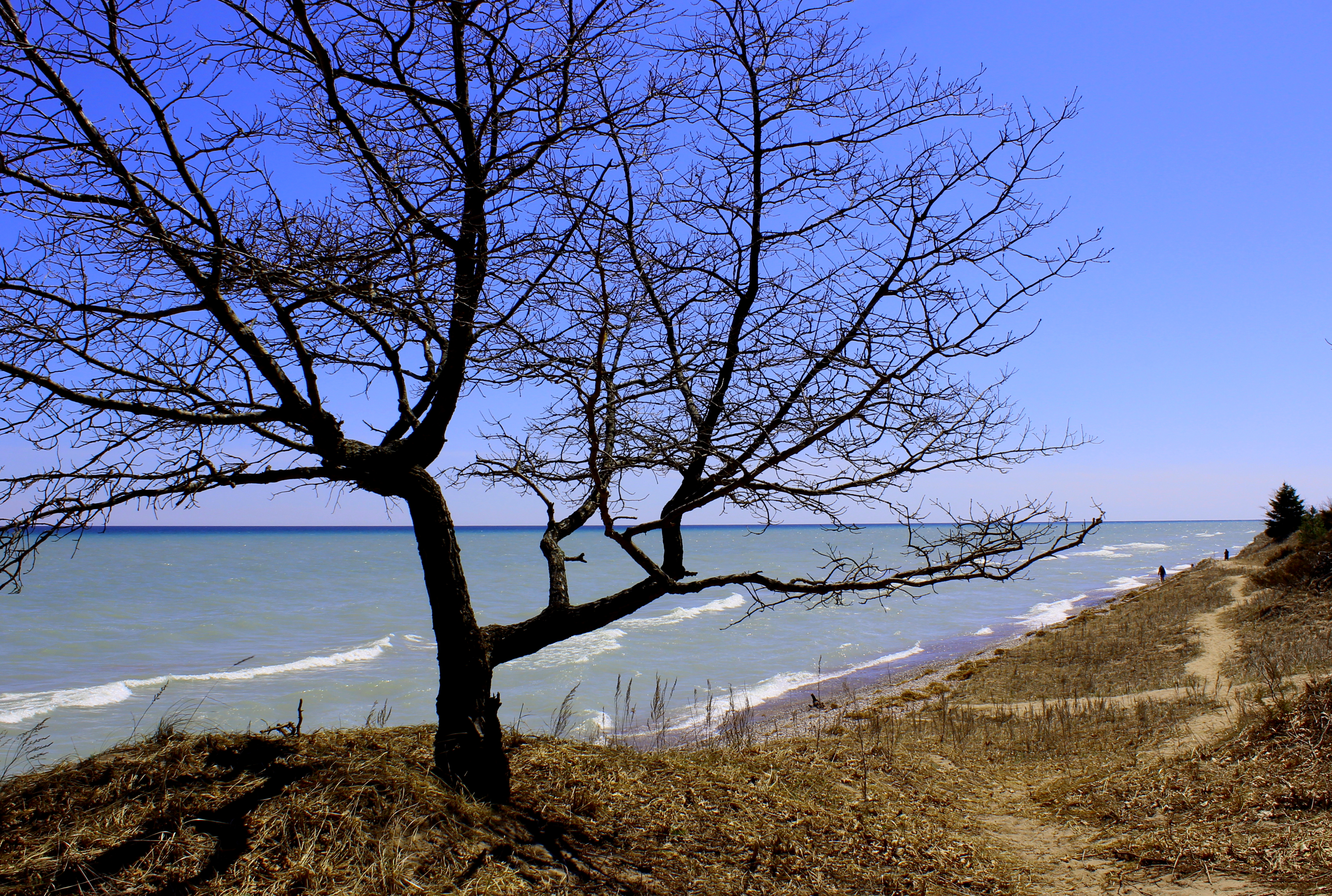
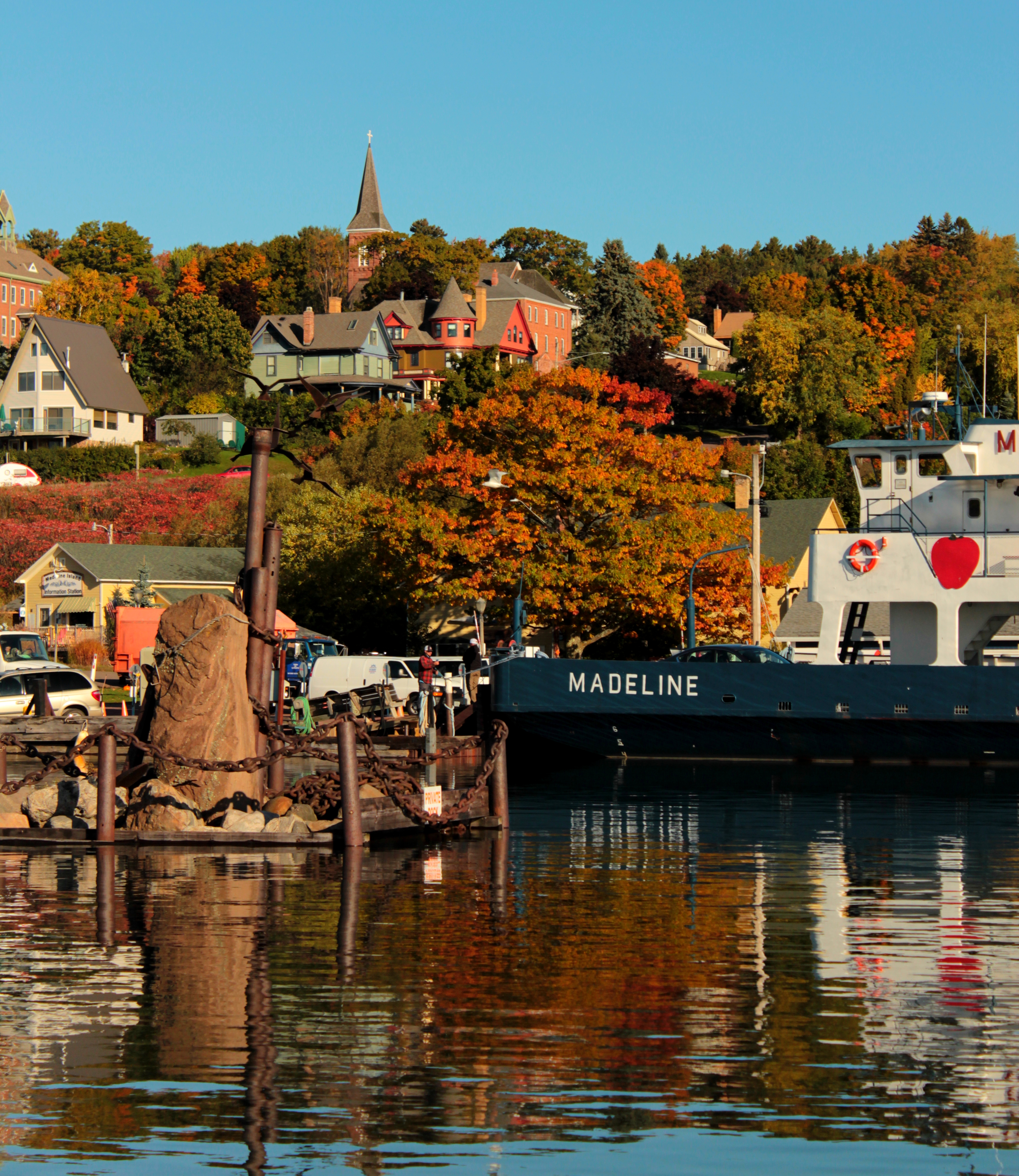
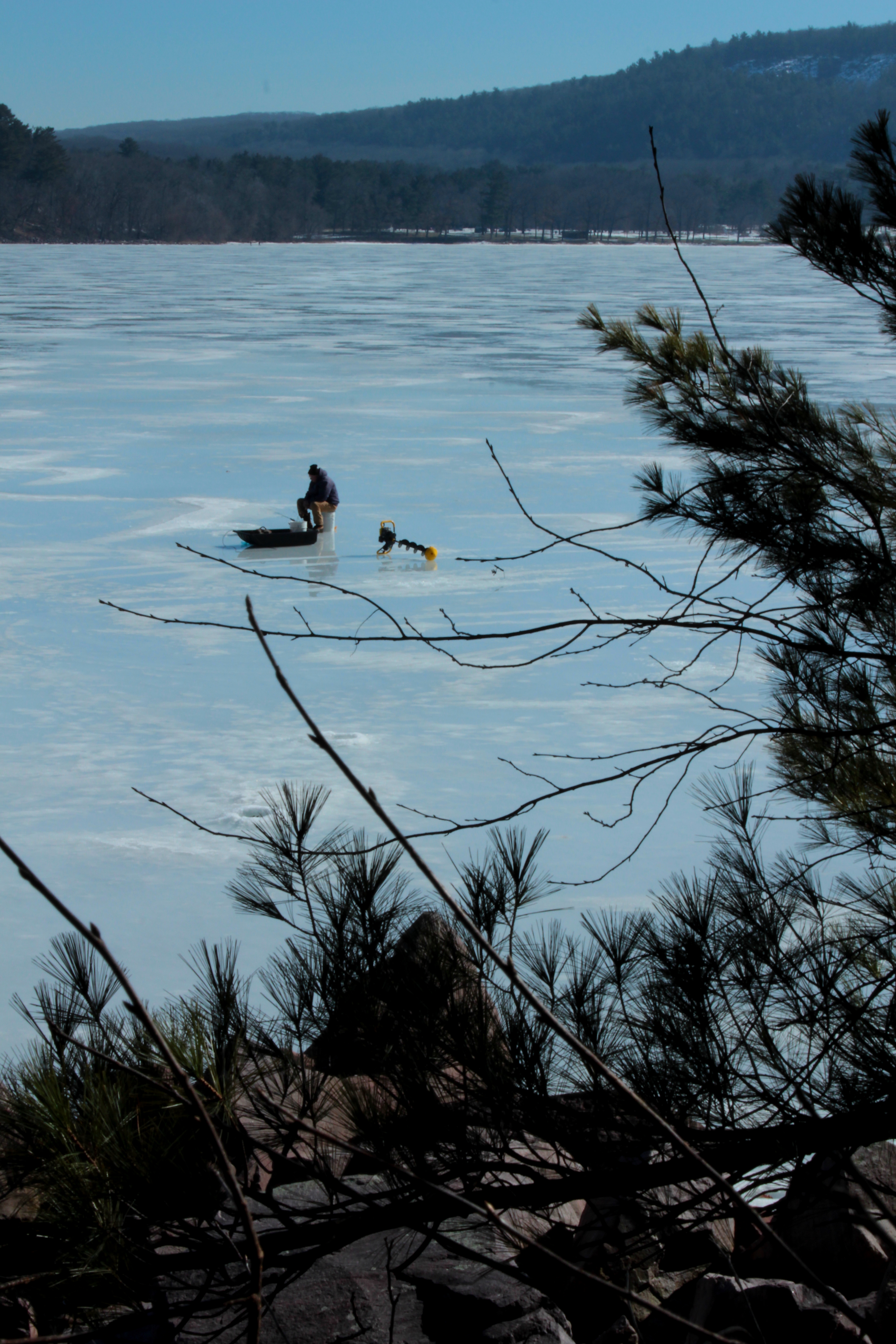
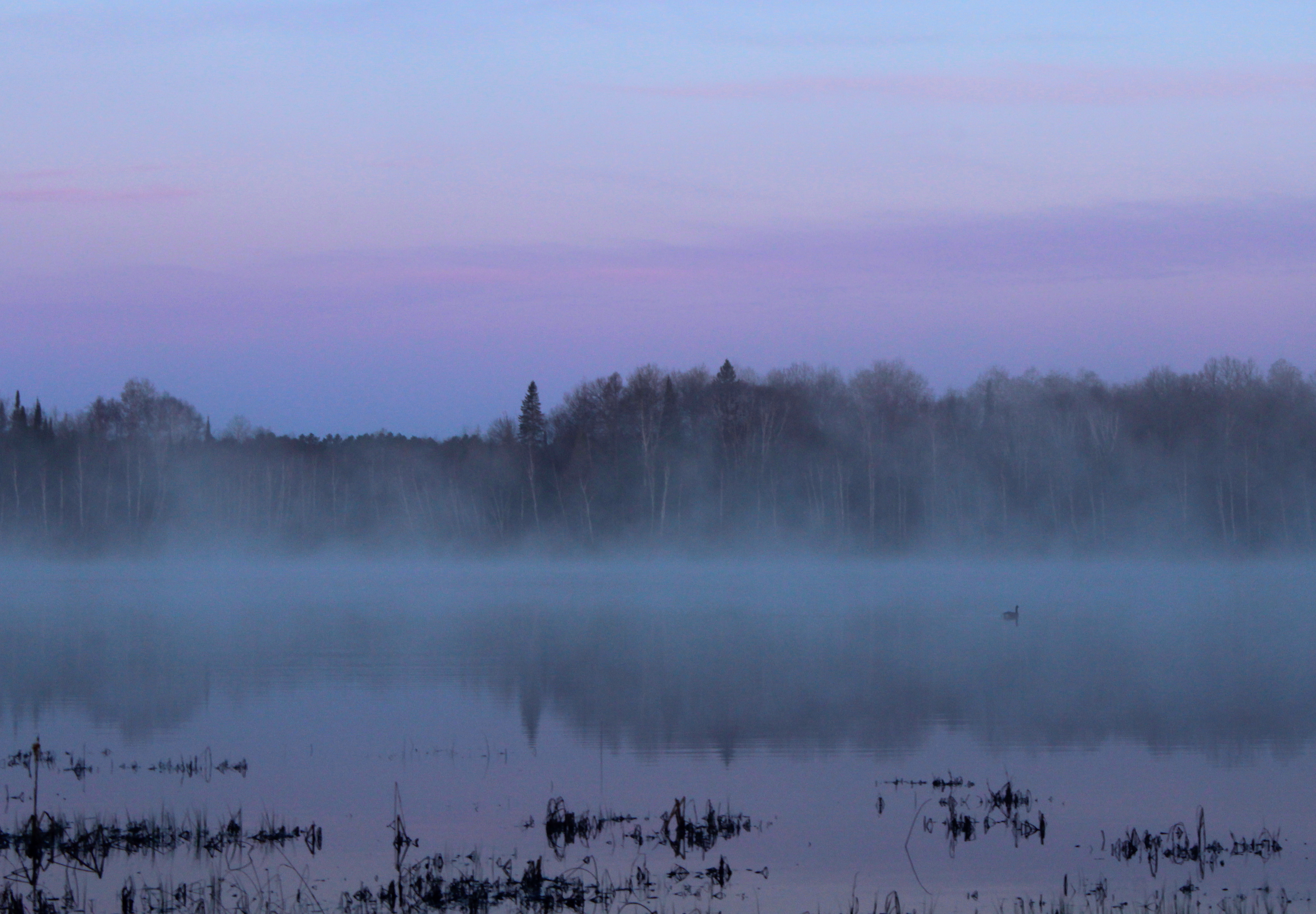
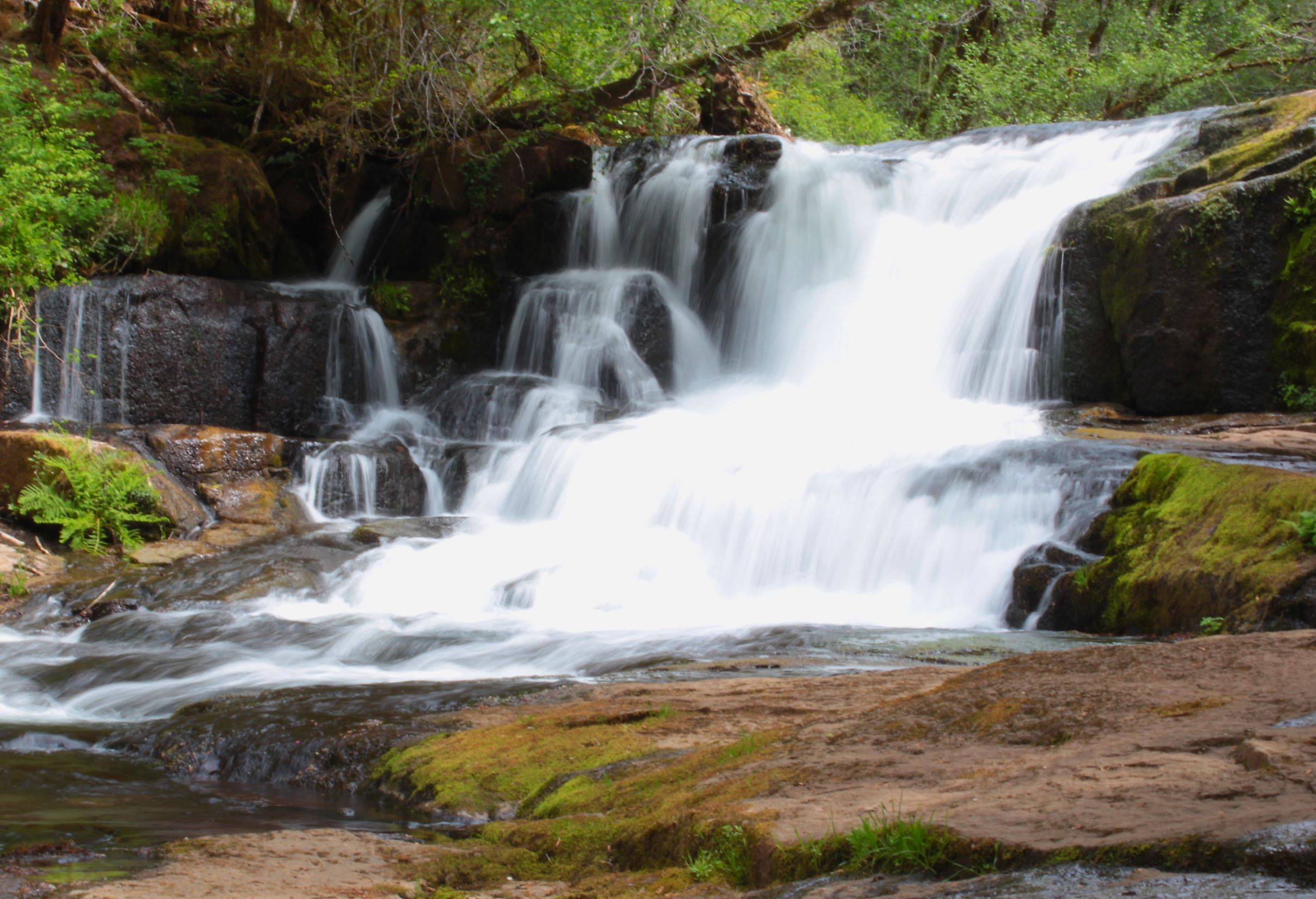
Ocean – Lord Byron wrote, “There is pleasure in the pathless woods, there is rapture in the lonely shore, there is society where none intrudes, by the deep sea, and music in its roar; I love not Man the less, but Nature more.” I do love the perspective that comes from standing near the largest bodies of water, ones that cover most of the Earth’s surface. It’s not too difficult to find shoreline along the ocean that shows little human interference. Where humans do populate ocean shorelines, there is often a sweet joy in seeing them refreshed by Nature’s cooling and calming effect.
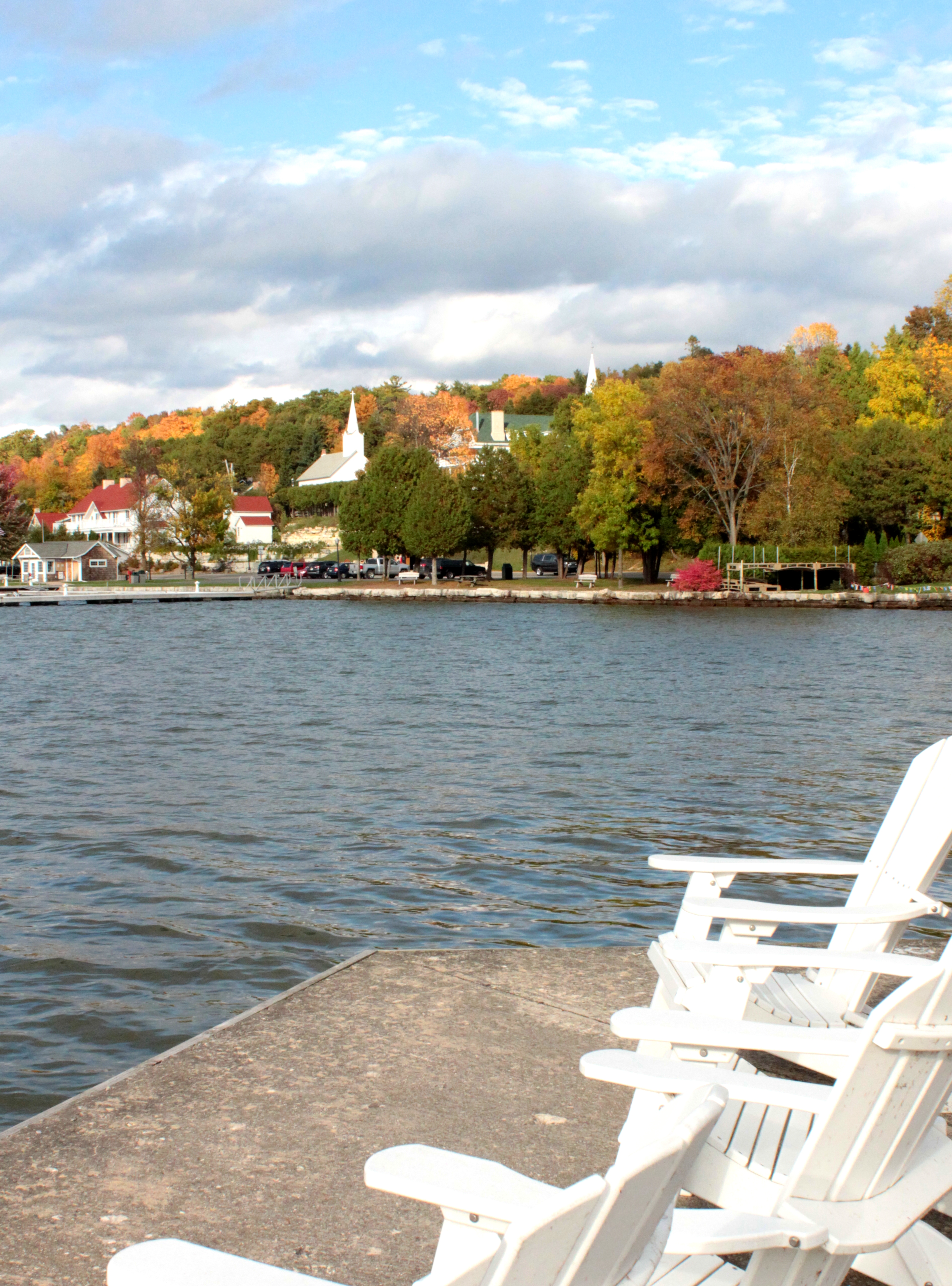
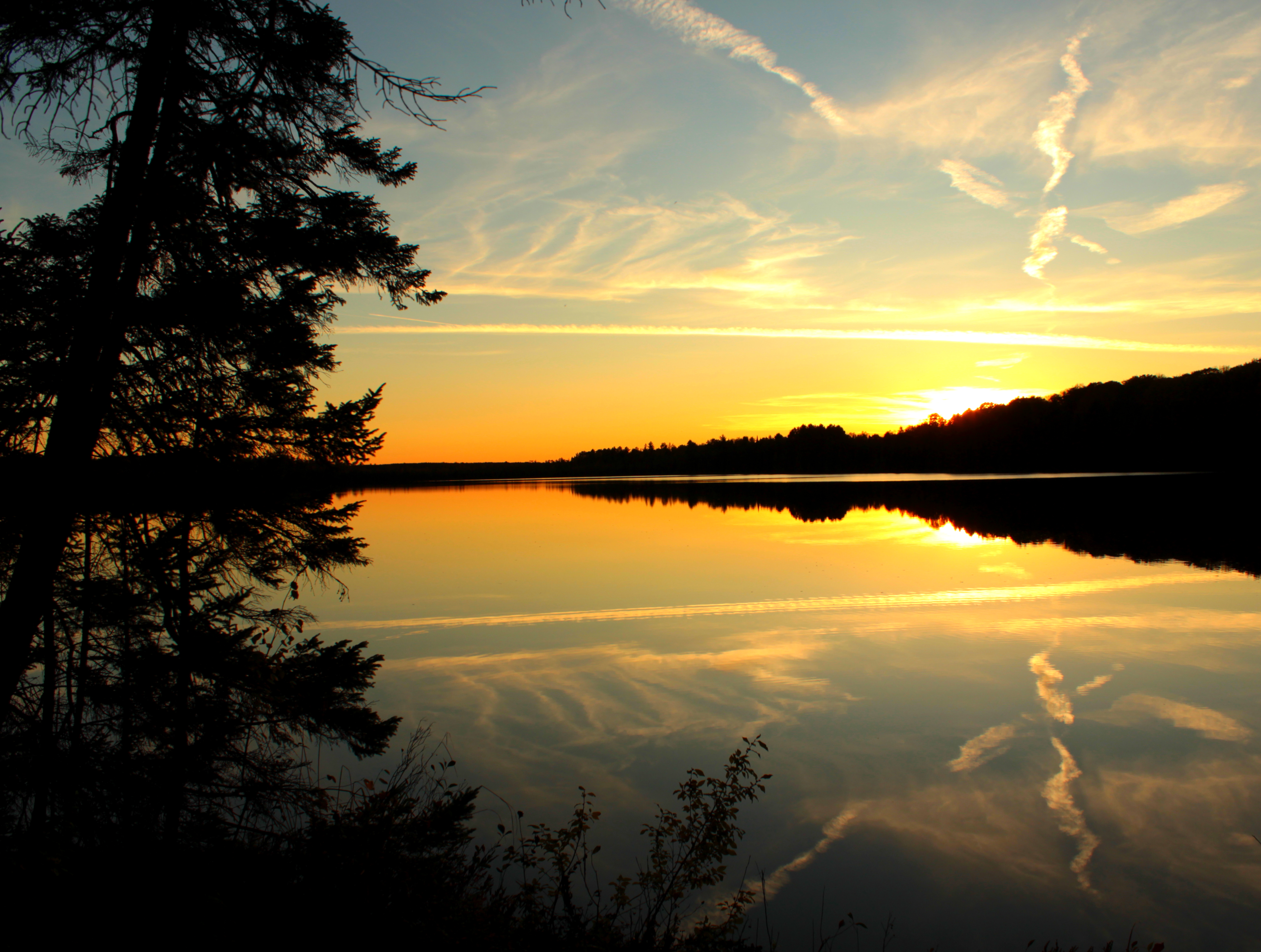
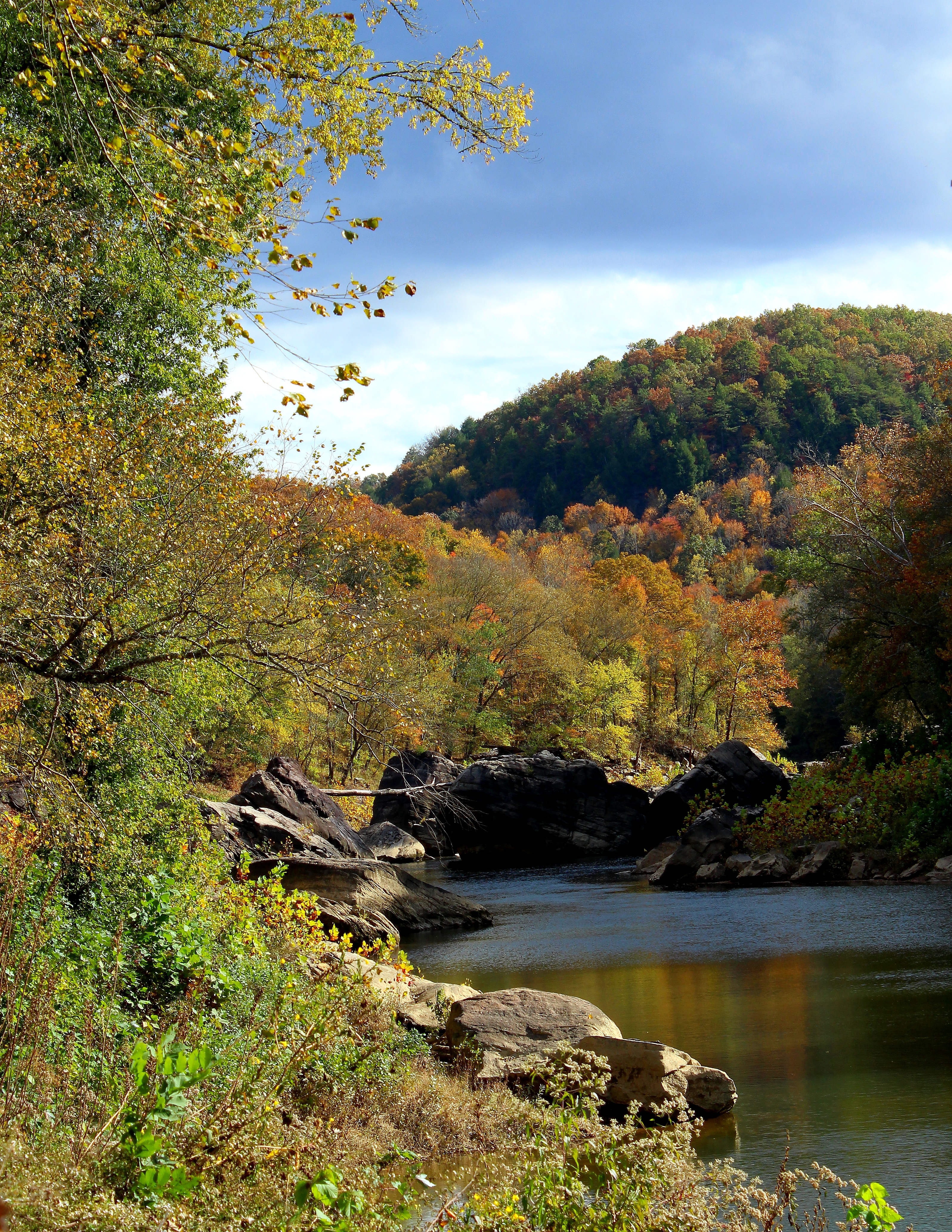
Lakes, Great and small – Henry David Thoreau wrote, “A lake is a landscape’s most beautiful and expressive feature. It is Earth’s eye; looking into which the beholder measures the depth of his own nature.” I’ve lived almost half my life in Great Lakes states. Many of the smaller lakes seem to have been domesticated by humans desiring “recreation”, but there are so many of them, it’s still possible to find the tranquil and undisturbed shorelines where birds gather and trees gaze at their own reflections, admiring fall colors.
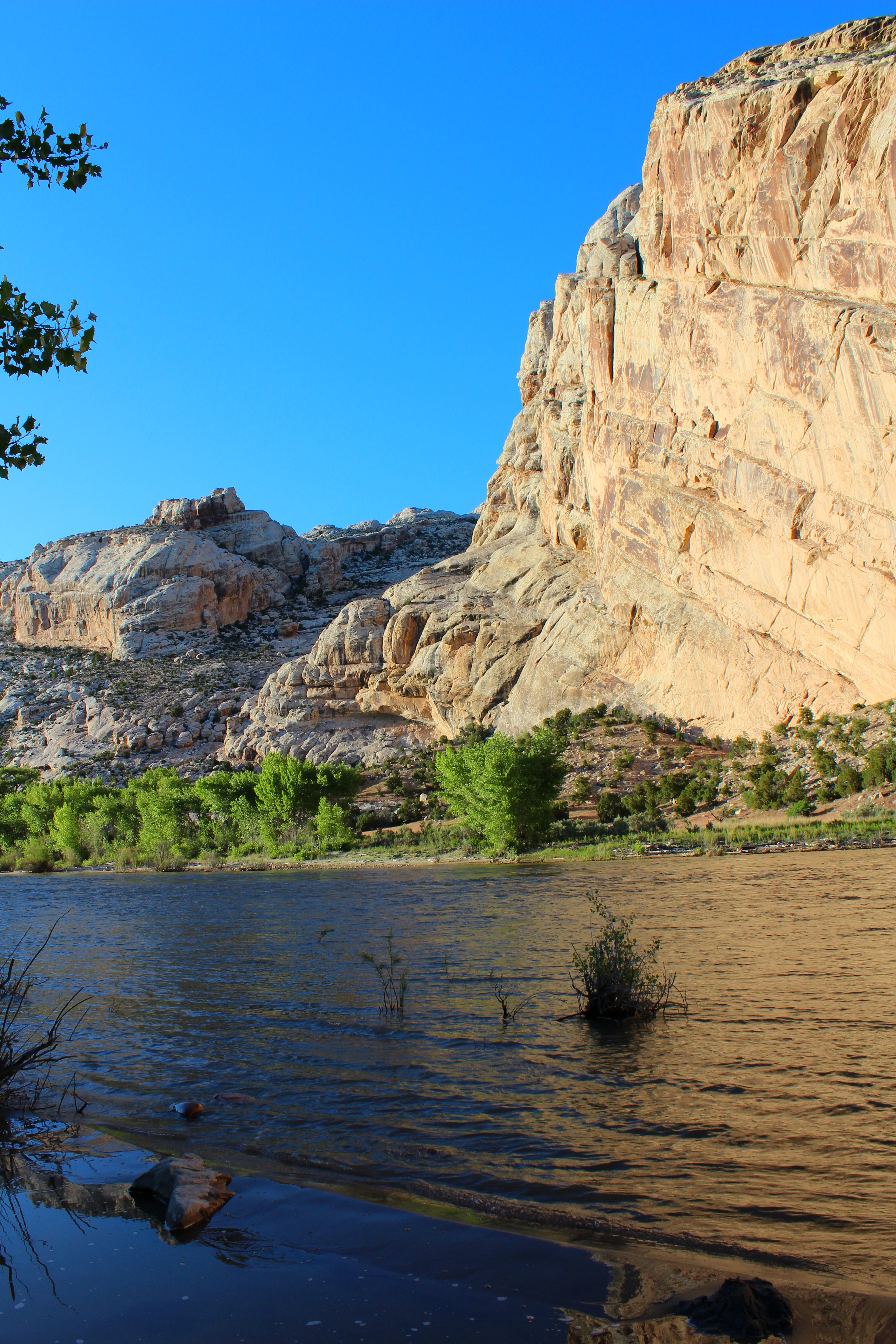
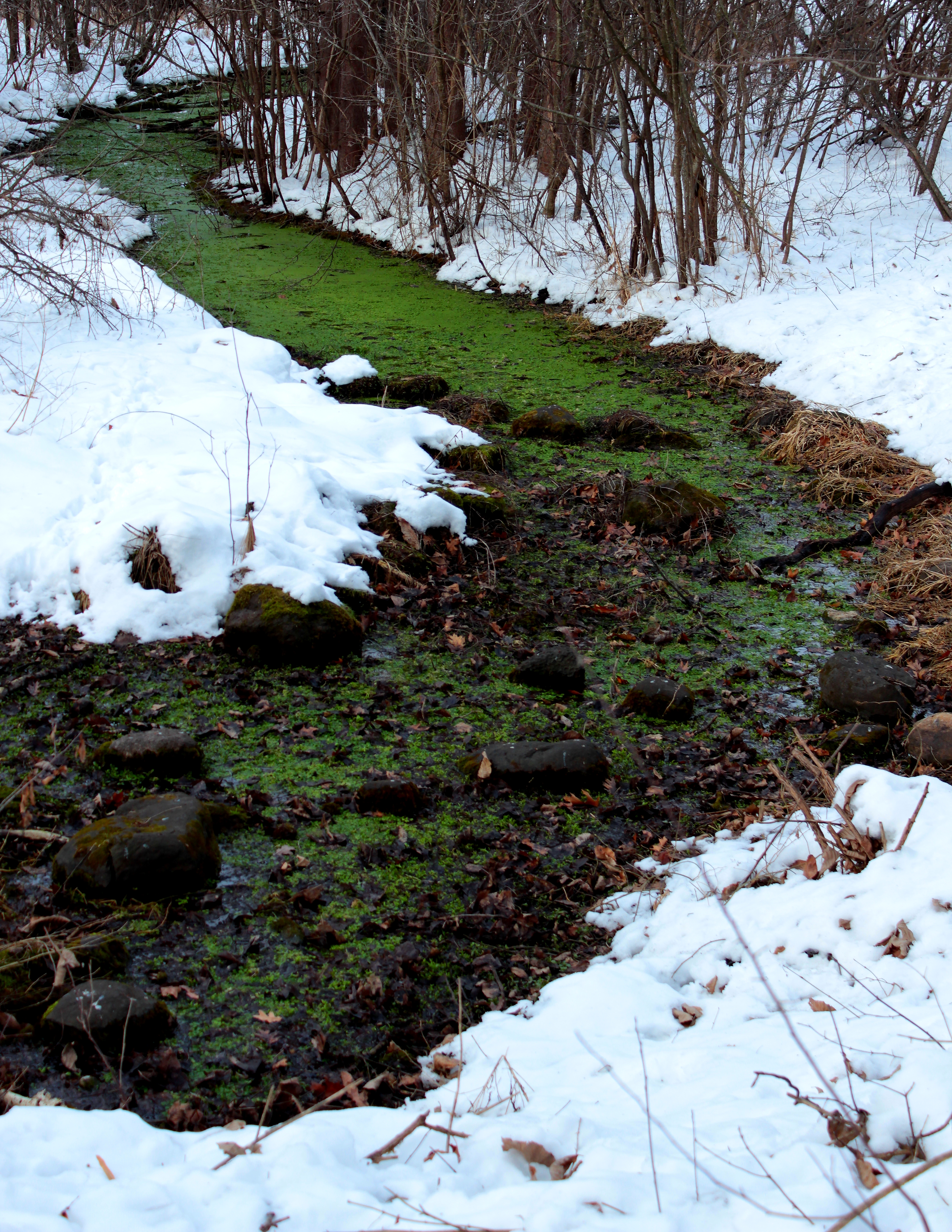
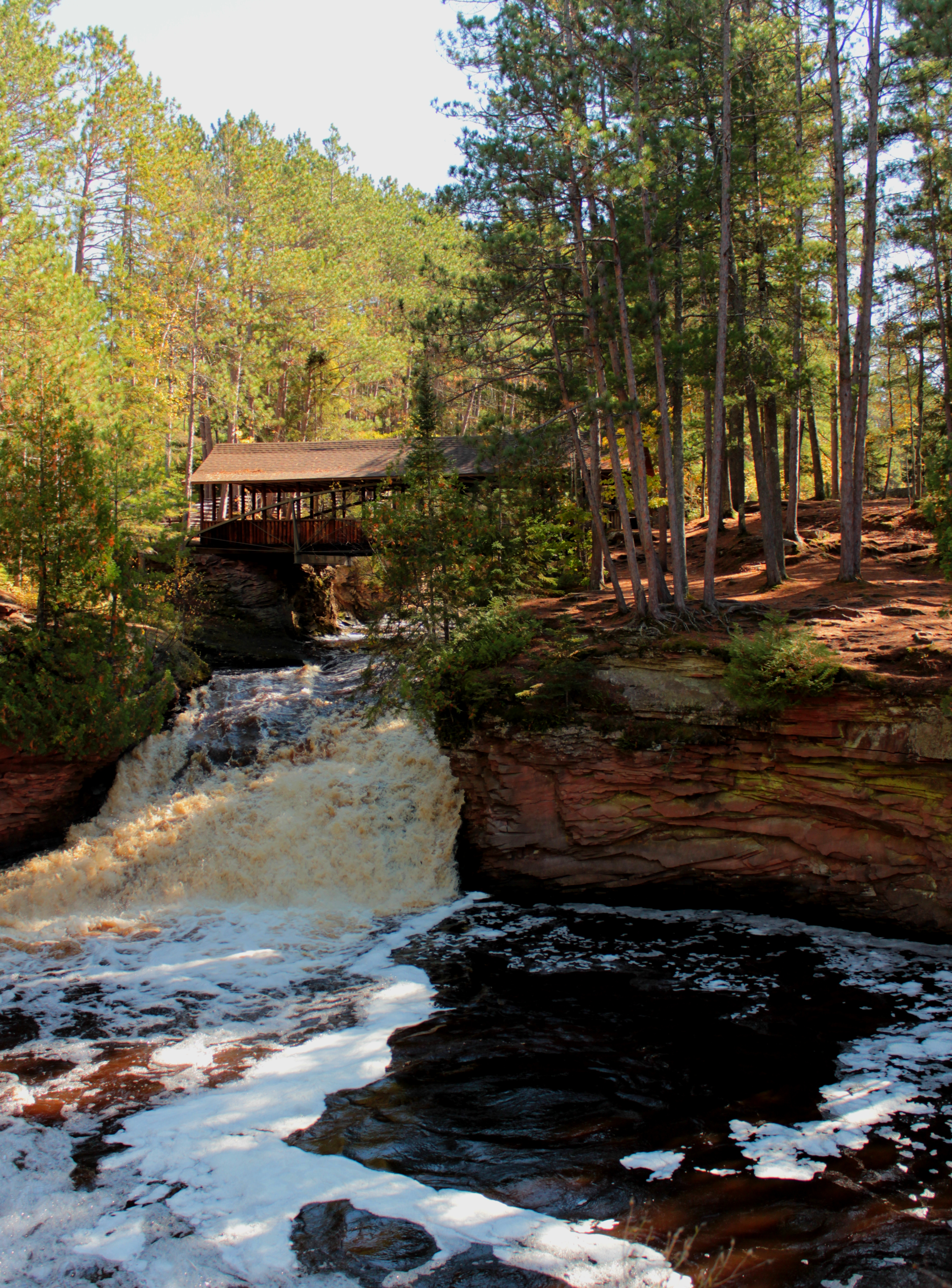
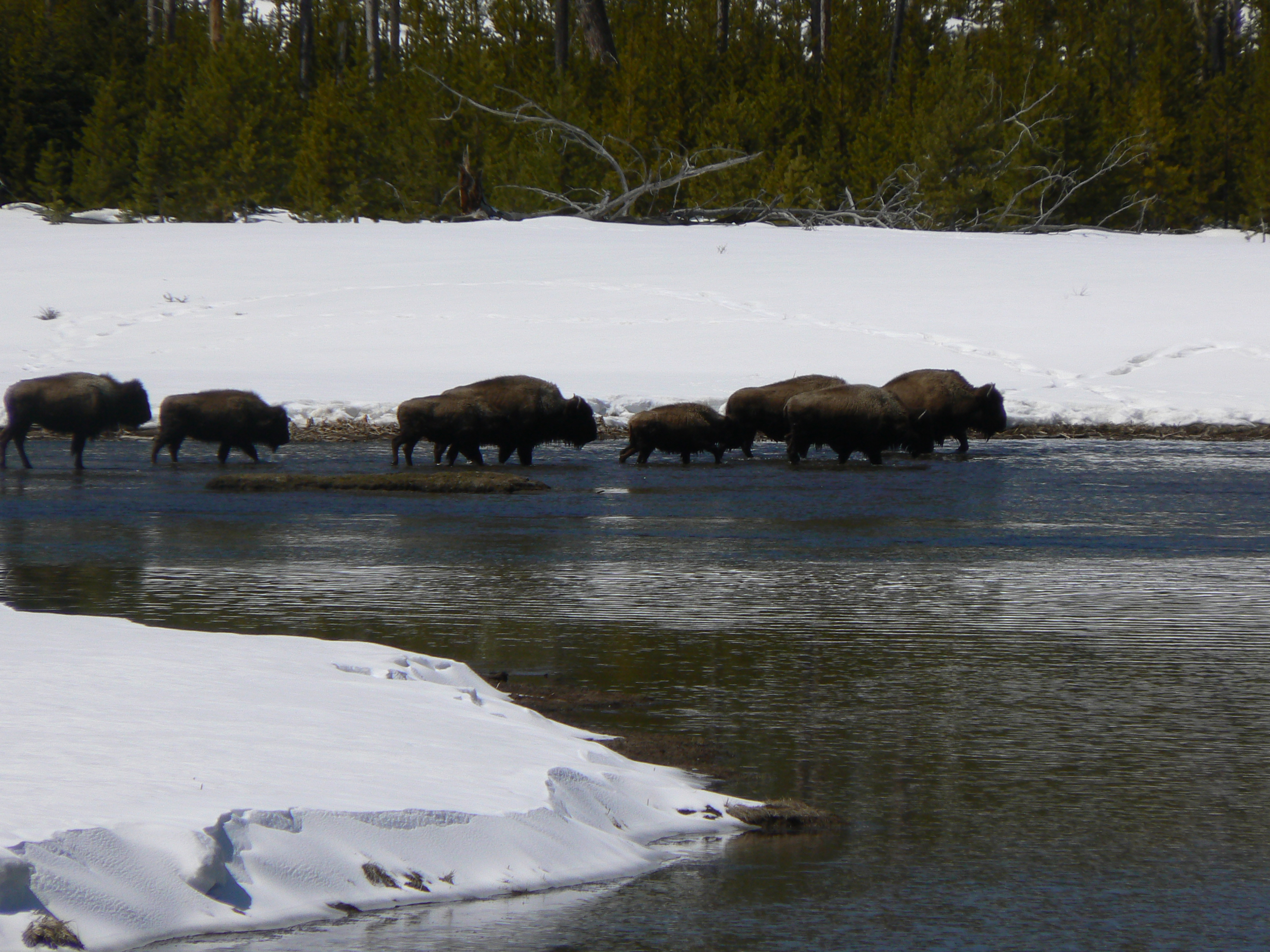
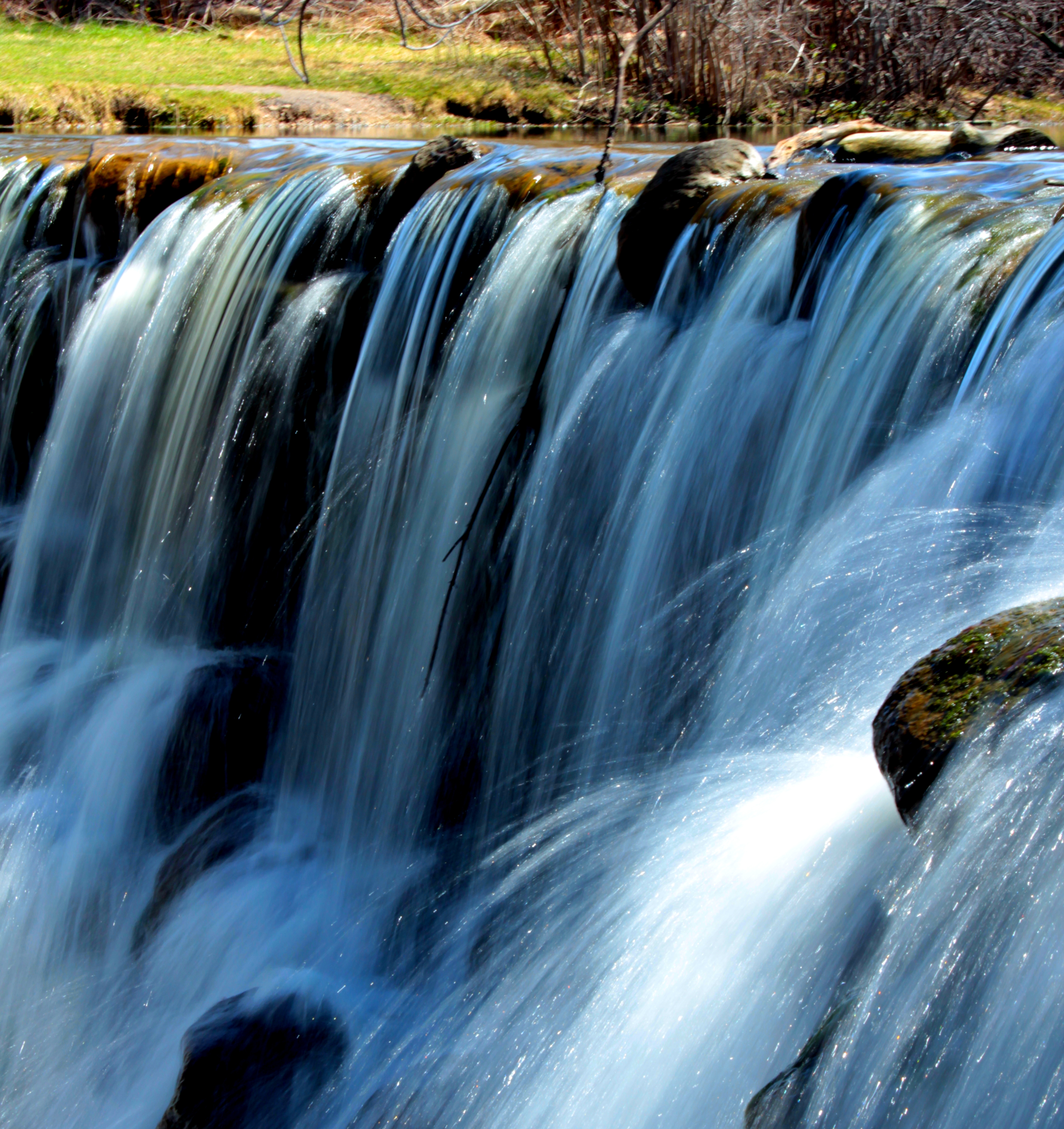
River, stream, creek – “By the time it came to the edge of the Forest, the stream had grown up, so that it was almost a river, and being grown-up, it did not run and jump and sparkle along as it used to do when it was younger, but moved more slowly. For it knew now where it was going, and it said to itself, “There is no hurry. We shall get there some day.” A. A. Milne wrote that, and created the Winnie the Pooh character that inspired all the games of Pooh Sticks I used to play with my sisters when we crossed a moving body of water on a bridge path. We would each choose sticks of similar size and drop them on the upstream side of the bridge. We would quickly turn around and look over the downstream side to see whose stick emerged from under the bridge first. Moving water is unpredictable, dynamic, fascinating, and absolutely the best thing for hot, swollen feet. I have loved seeking out running water and watching it flow and fall. And I love the silky look it gets when photographed in long exposure time!
Thanks to Anne for inviting our Shoreline illustrations!
“The half-circle of blinding turquoise ocean is the love’s primal scene. That this blue exists makes my life a remarkable one, just to have seen it. To have seen such beautiful things. To find oneself placed in their midst. Choiceless.” – Maggie Nelson
John’s challenge to us this week is to depict cool colors. He says, “Cool colors evoke calmness, serenity, and tranquility, feelings often associated with water, sky, and nature.” From green to violet, the short wave colors reflect a part of the spectrum found in abundance on our blue planet. As the northern hemisphere turns away from the sun, days are growing shorter, nights are growing colder, and the change in light brings a mellow calm to the excitement of summer. I wish you well, Friends, as this season comes to an end!
How much do I love you I’ll tell you no lie How deep is the ocean How high is the sky
How many times in a day Do I think of you How many roses are Sprinkled with dew
How far would I travel Just to be where you are How far is the journey From here to a star
And if I ever lost you How much would I cry How deep is the ocean How high is the sky
Irving Berlin penned the lines to this song, trying to express the meaning of an important love. As a human, I sometimes feel my experiences can fill up the whole world, when in truth, they simply fill my own body and mind and soul. Keeping a sense of scale in the Anthropocene Era is difficult. Human impact is literally changing the planet. It’s important to look around at the other branches on the Tree of Life and practice being mindful of their significance.
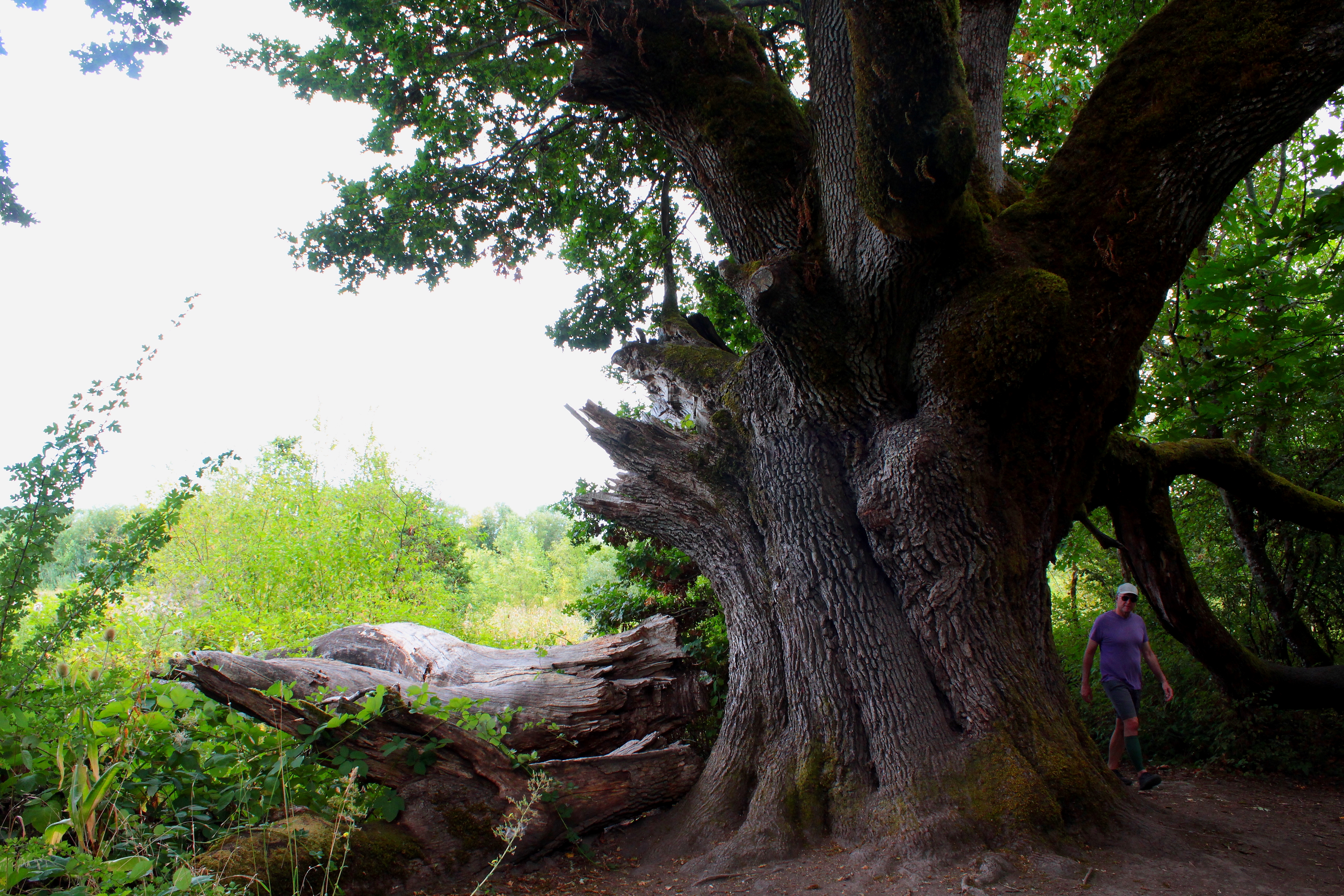
This oak tree in the Ridgefield National Wildlife Refuge near Vancouver, WA is about 400 years old. When the Pilgrims landed at Plymouth Rock in Massachusetts, this tree was but a sprout. When I look at the size of the limb that fell to the ground compared to my friend walking around the tree, I am in awe. This living being has been through a LOT – while staying in one place.
Is there a place you go to put your human self in perspective with the rest of the Universe?
Thanks to Sofia for the technical instruction and inspiration for this Lens-Artists theme.
My last Challenge post on the subject of Garden was three years ago. You can see that post HERE. So how do I answer Ann-Christine’s question in a new way? What IS actually in a garden? Please see HER POST for some examples around the globe.
Wikipedia says: “A garden is a planned space, usually outdoors, set aside for the display, cultivation, or enjoyment of plants and other forms of nature, as an ideal setting for social or solitary human life.”
I am taking care of a friend’s house, pets, and garden for a few days. Her garden is quite whimsical and full of unusual things. Here’s a gallery of shots I took today:
In the Wheel of the Year, we are just past Lammas or Lughnasadh, the first of the harvest festivals. This is the midway point between the Summer Solstice and the Autumn Equinox in the Northern Hemisphere. Invasive Himalayan blackberries are ripening everywhere along the roadsides and creeks. Neighbors are harvesting zucchinis and other veggies in abundance. The blackberries take no planning at all, but the other crops require diligence and sweat equity to nurture them through the dry summer months when pests of all kinds threaten the possible returns. I send my gratitude to the growers who provide an abundance of beautiful produce to the markets here.
“Life belongs to the living, and he who lives must be prepared for a change.” – Johann Wolfgang von Goethe
Our Challenge host for this week, Patti, writes, “It’s time to take a photographic detour off the straight and narrow path and veer into the territory of unexpected turns, switchbacks, detours, and zigzag lines, much like our journey through life itself!”
When I think of meandering rivers or of trails that switchback up and down a steep grade, I think of the dangers of a straight shot. Without zig-zagging a bit, you pick up too much speed. Too much sediment rushes downstream, you tumble head over heels, or you break down in exhaustion trying to go up against gravity. Slowing down and lengthening your path of travel allows you to see more sights, to savor life along the way.
It seems that in building structures, the zig-zag of diagonal beams builds strength and distributes stress. That sounds like something that could benefit us all.
I think seeking and celebrating all things Zigzag is a worthy Challenge!