“What we do see depends mainly on what we look for. … In the same field the farmer will notice the crop, the geologists the fossils, botanists the flowers, artists the colouring, sportmen the cover for the game. Though we may all look at the same things, it does not all follow that we should see them.” ― John Lubbock, The Beauties of Nature and the Wonders of the World We Live In
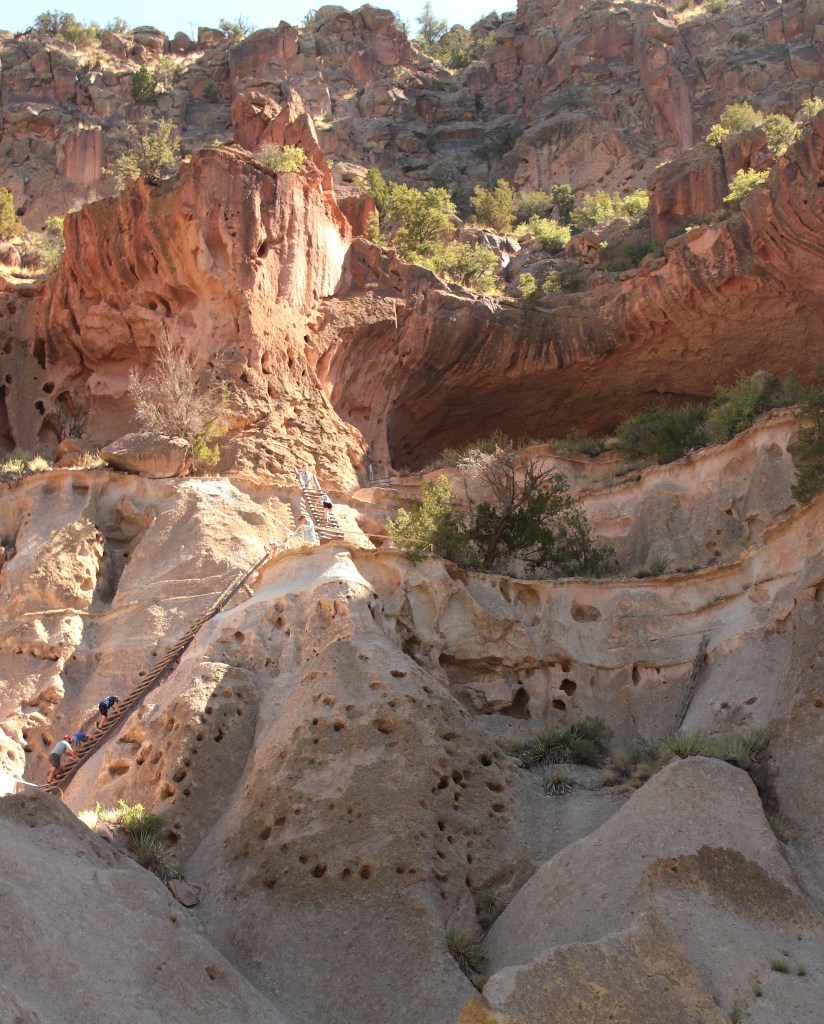
Alcove House, Bandelier National Monument, New Mexico
Imagine looking at a canyon wall, eroded by wind, formed of crumbly volcanic tuff. Would you see in it a choice place to build a home, defensible from attacks, high above the river floods, cool in the summer and warmed by the afternoon sun in the winter? Would you see the path up to the sheltering alcove? And what would you be looking over once you got up there? Also, imagine that it is the year 1150 A.D. Can you look with an archeologist’s or anthropologist’s vision and imagine the ways of the people who lived there?
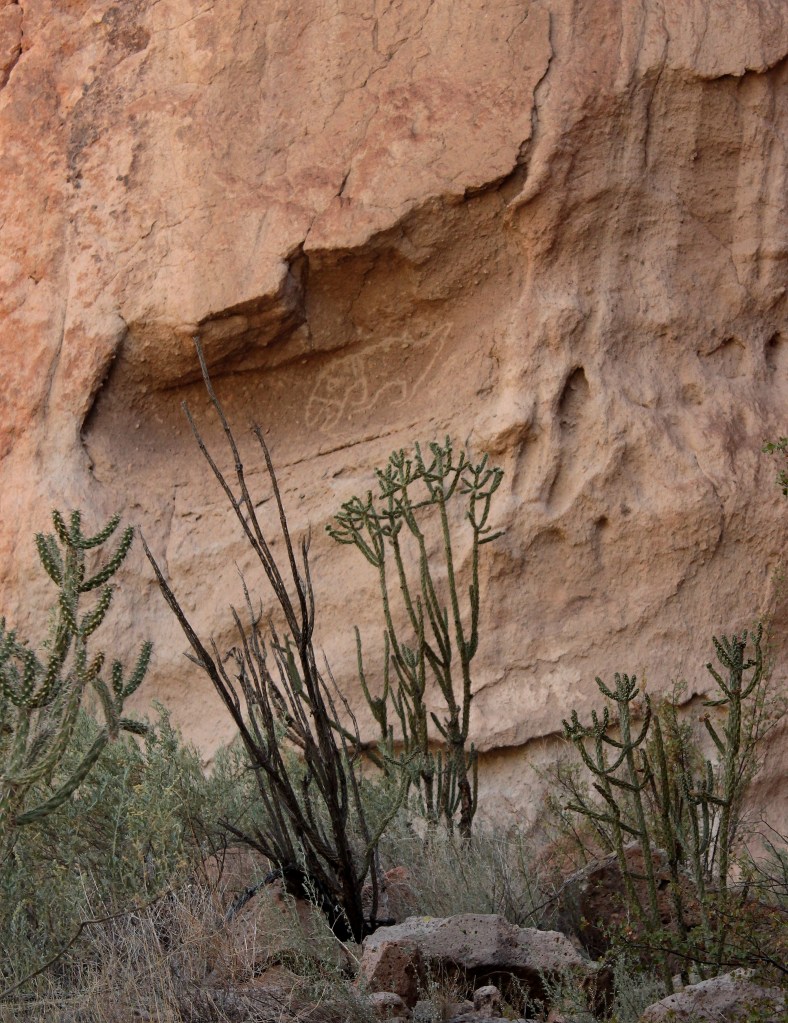
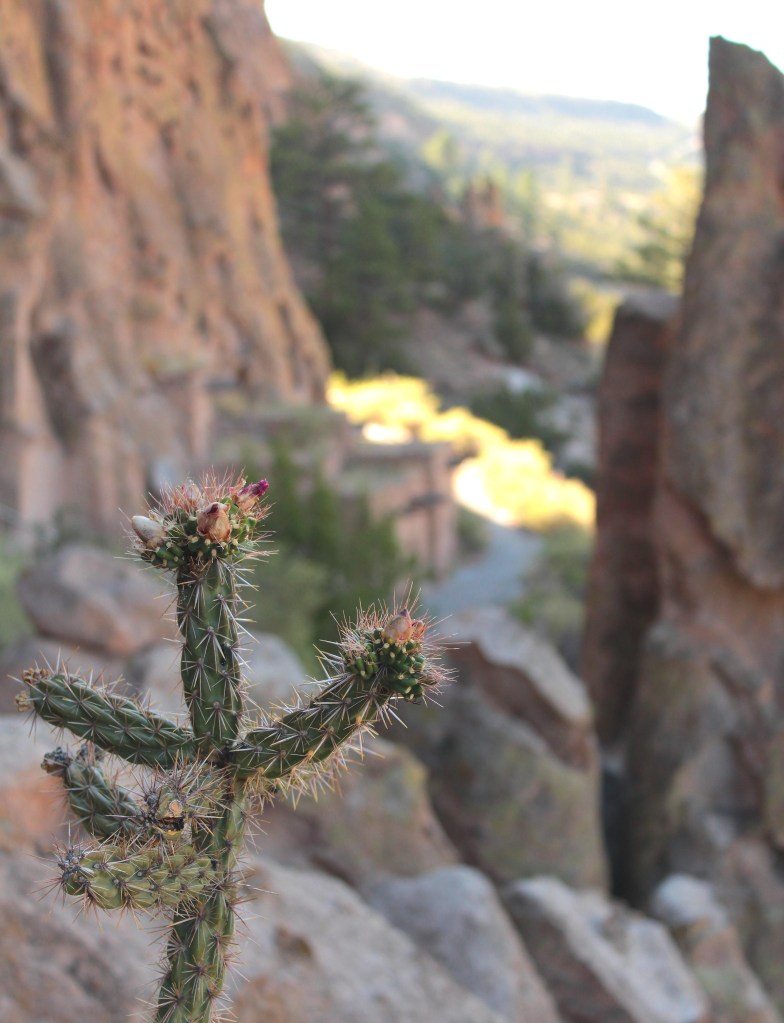
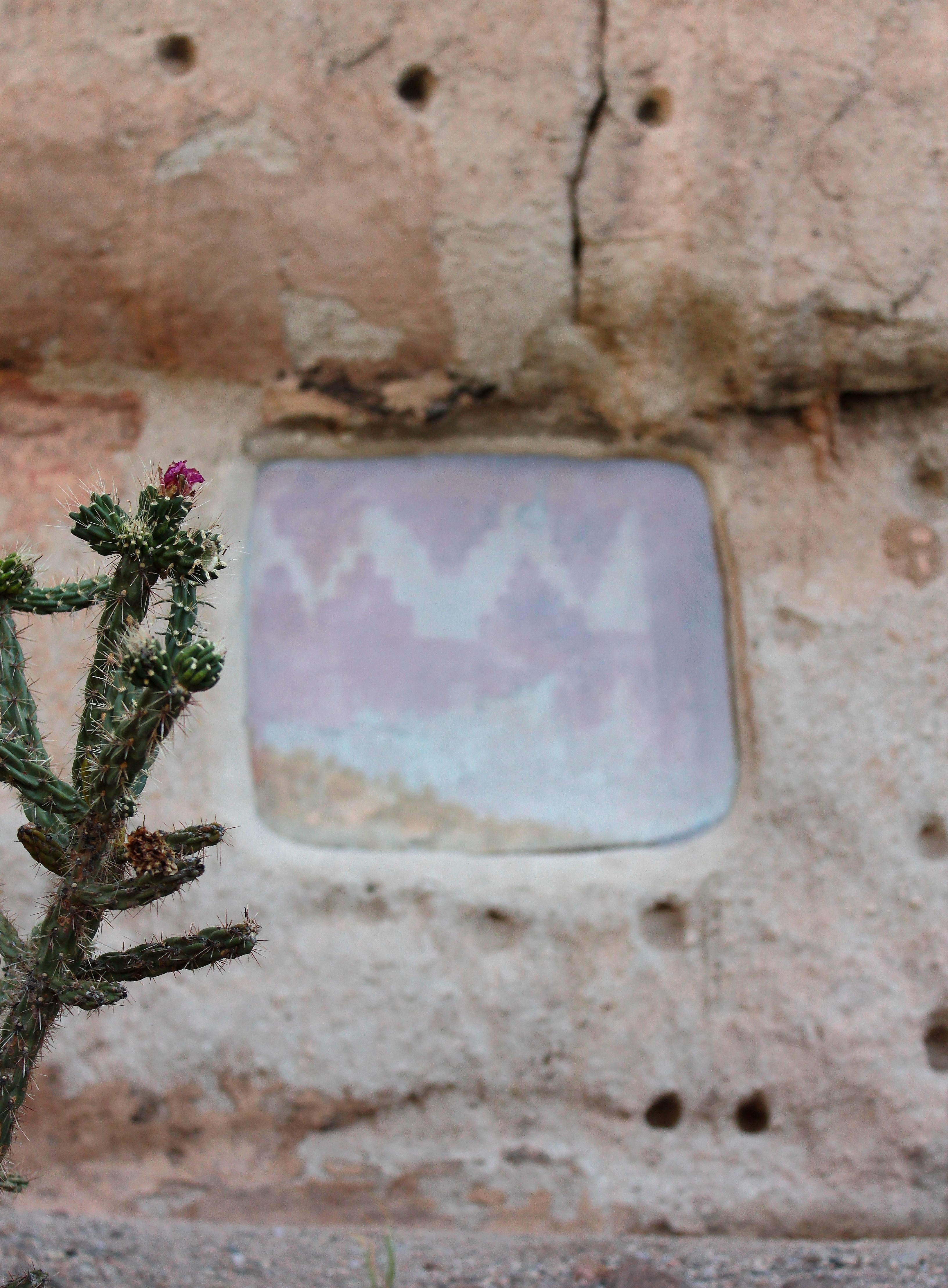
My friend, Ranger Steve, pointed at the canyon wall. “Do you see that petroglyph up there? What do you think it is?” “Um…a person’s head? A bear’s head?” “WHAT?” “You mean that round, red spot above that pale place on the rock?” “NO! Not a pictograph, a petroglyph. Carved into the rock under the overhang, above where that cholla cactus is.” “Ooooh, THAT. I didn’t see it before. Um…a horse bending its head down to drink, maybe?” “A lot of people see that. It’s probably a parrot, actually.” Thick-billed parrots now are found primarily in Chihuahua and Durango, Mexico, but used to range north to Arizona and New Mexico. I completely overlooked that possibility!
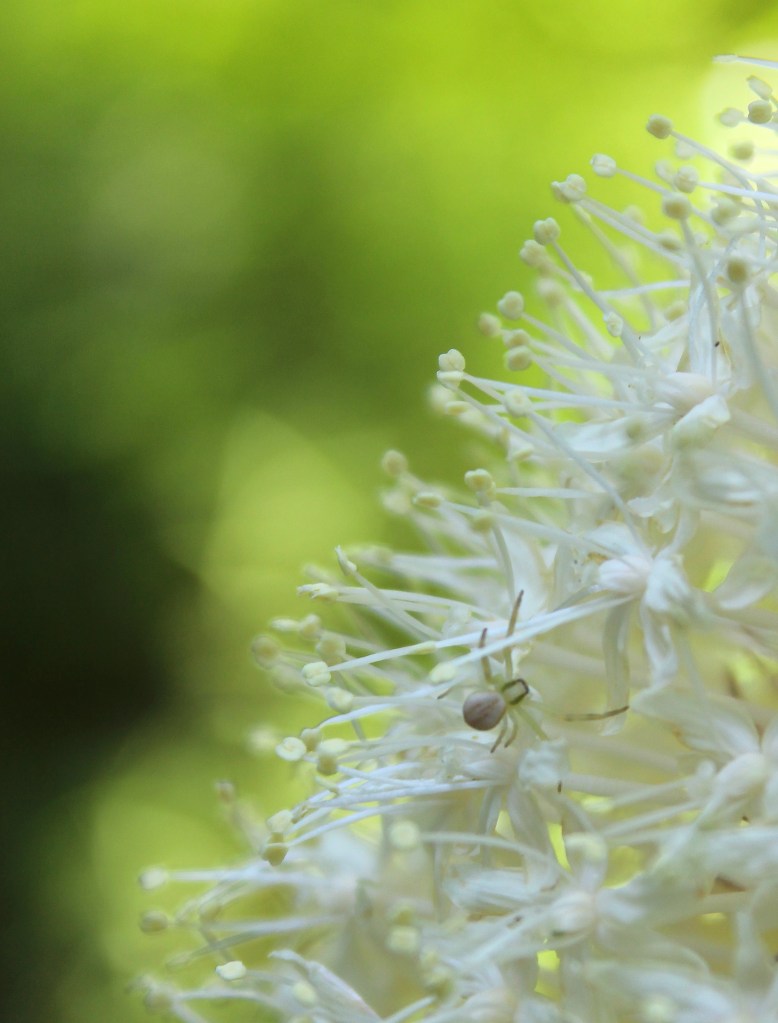
I was doing a botany hike with a learned friend recently. She was pointing out and naming the plants along the trail, and I kept finding what I call Bonus Bugs. This tiny, pale spider was well hidden in the blooming Bear-grass.
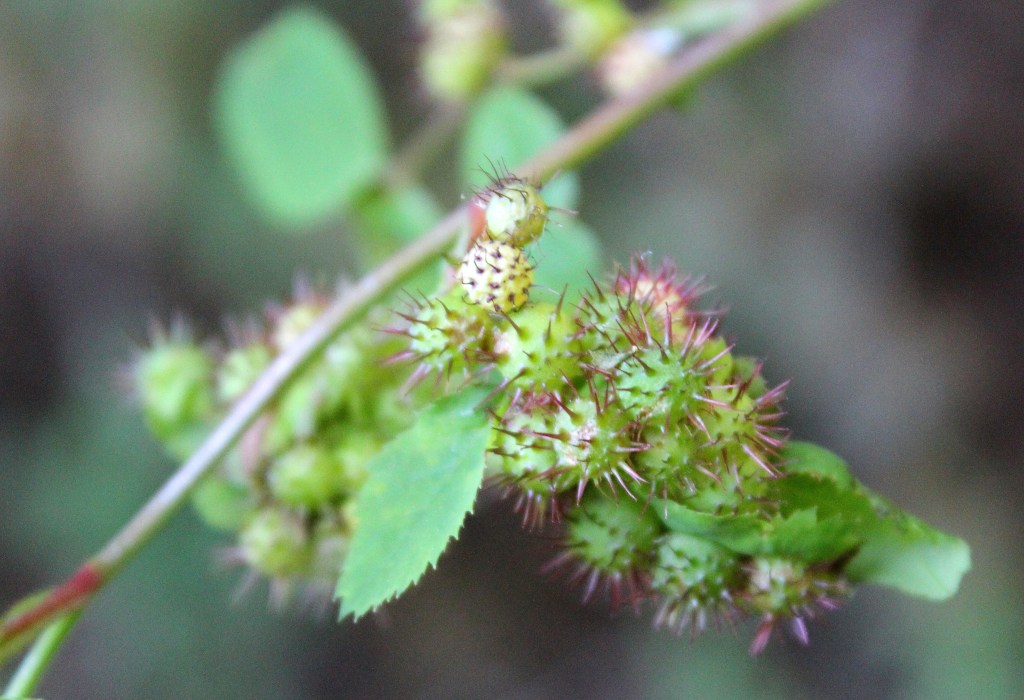
She examined the leaves of a small tree and discovered these spiny little balls. They’re not part of the tree at all, she told me. They’re probably the egg sacs of some insect. Or maybe the tree’s protective reaction to the injury inflicted when the insect deposited the eggs? I don’t know. It’s another one of those innumerable natural mysteries that go overlooked every day. The truth is probably very important to the tree and the insect, though.
Here I want to recommend a book I’m reading: Braiding Sweetgrass by Robin Wall Kimmerer. When European settlers came to North America, they definitely overlooked the ancient and intricate relationships already established on the continent, relationships between many species that were reciprocal and mutually adaptive for sustainability. The wisdom in this book is astounding. The poetry of story and reverence in the writing is profoundly delightful. I believe it is a book to inspire revolution and a new way forward.
Last weekend, for the first time since 2019, I escaped the confines of the Earth’s surface and got on a plane. I flew from Portland, OR to Albuquerque, NM – into a totally different biological environment.
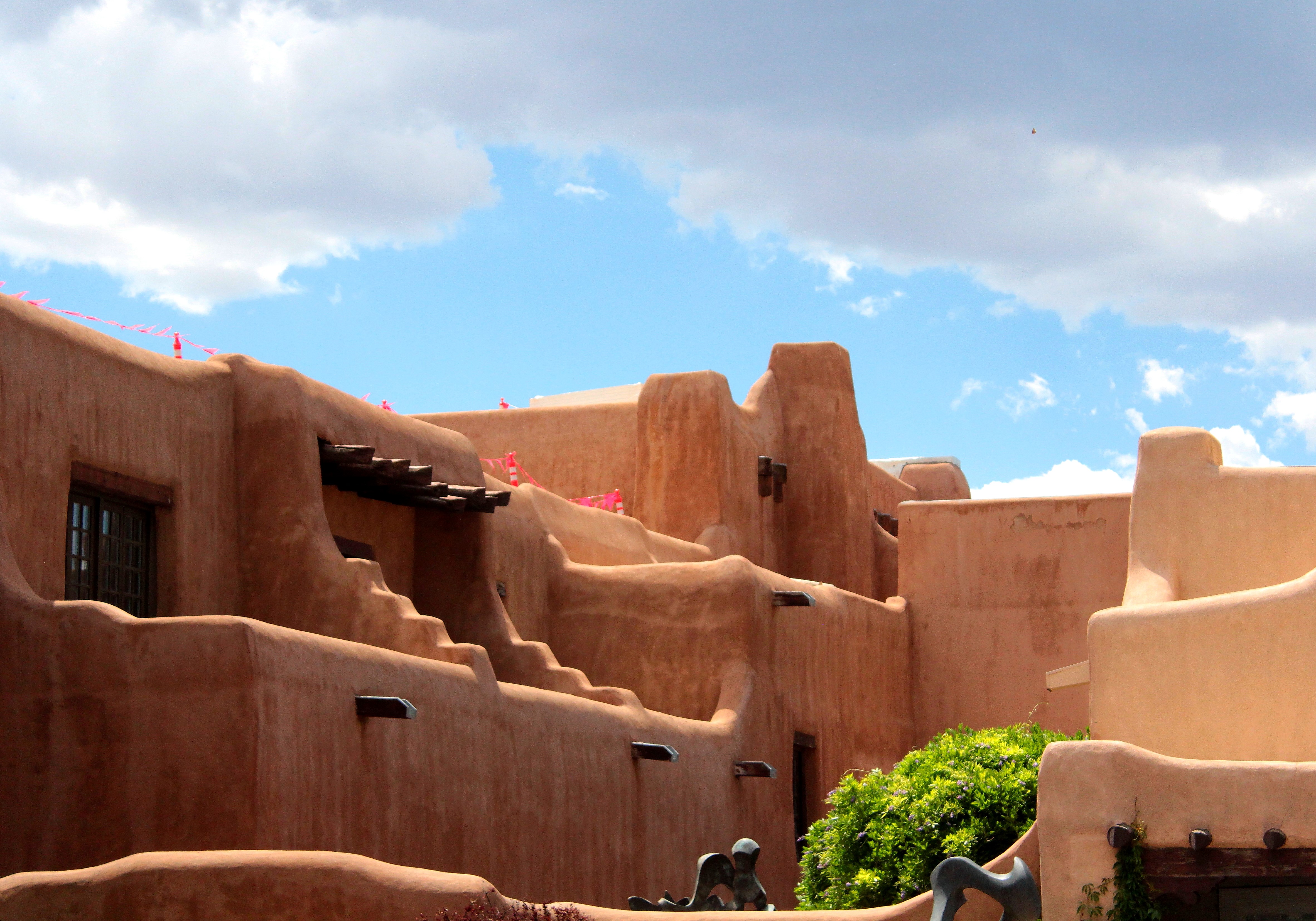
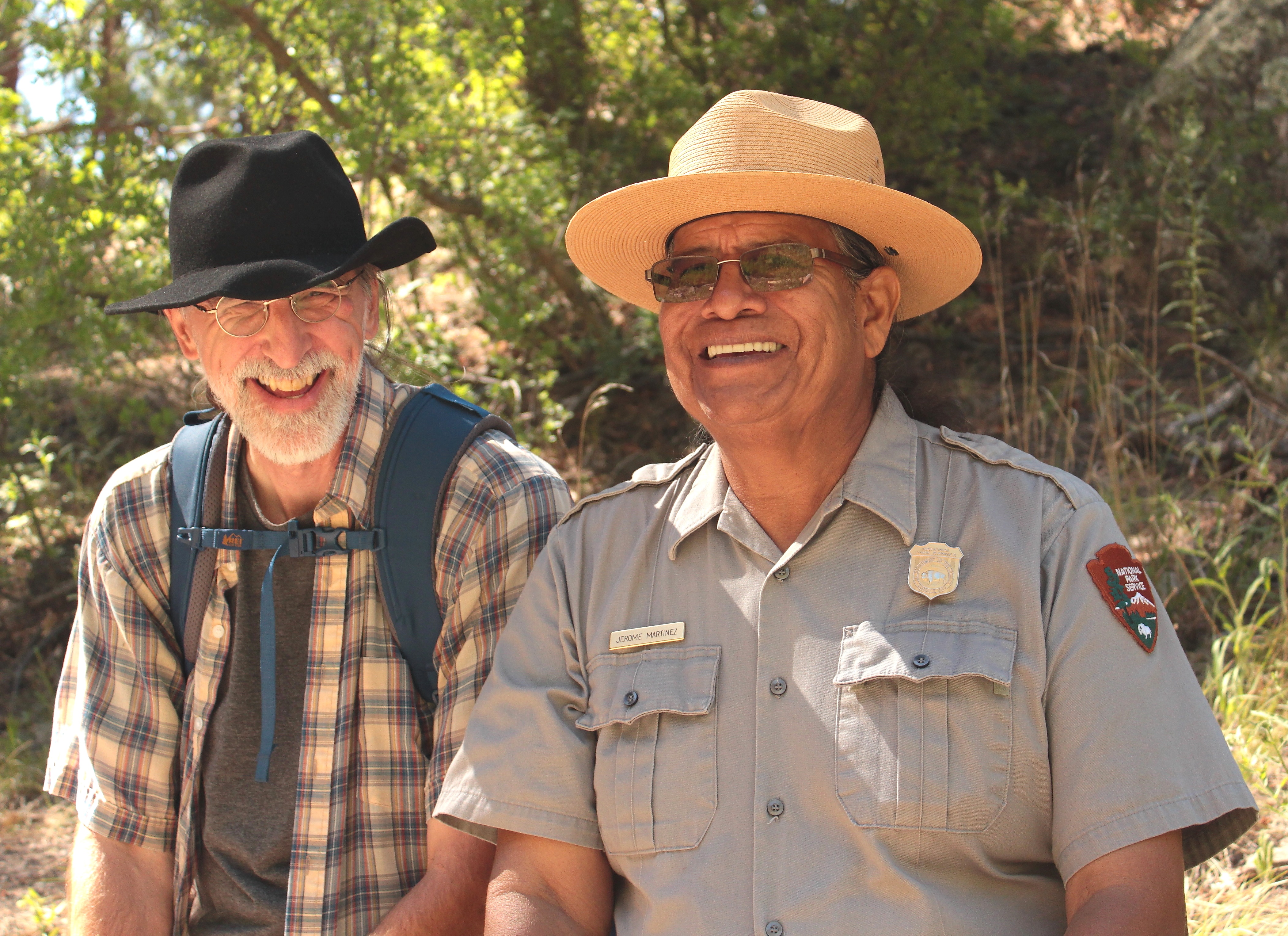
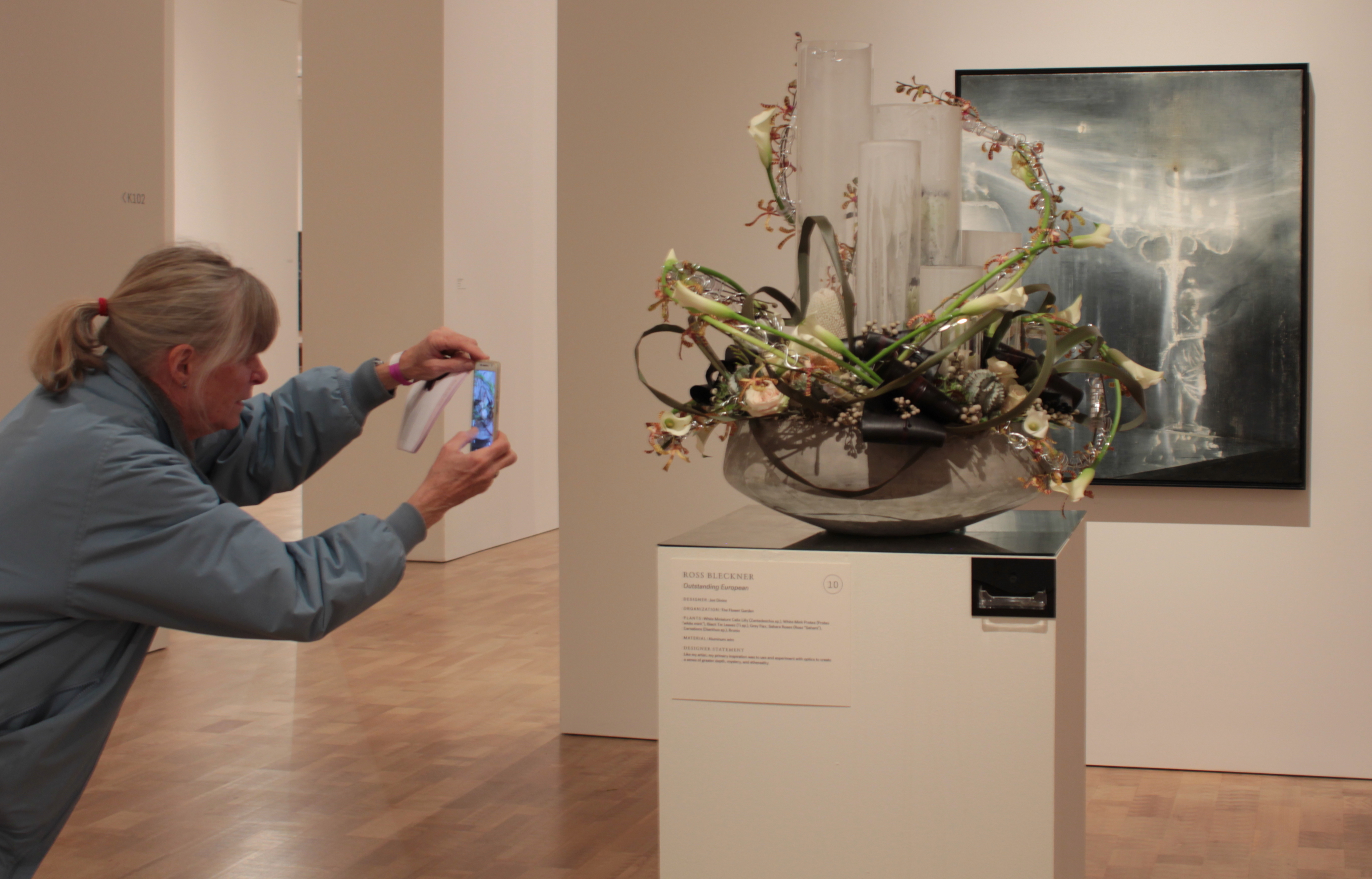
My former partner, Steve, is a Park Ranger at Bandelier National Monument. He escaped his weekly routine at the Park to accompany me to the museum in Santa Fe, a fabulous dinner, and the opera (Debussy’s Pelléas and Mélisande).
The next day, he invited me to his workplace for a tour of the cliff dwellings, a hike in the wilderness, and an encounter with a juvenile black bear in its natural habitat. (That last item was mostly a surprise.)
It was delightful to have a trusted companion to hang out with for four days. And returning to my solo life became a pleasant change as well.
“Even the smallest changes in our daily routine can create incredible ripple effects that expand our vision of what is possible.” ― Charles F. Glassman
“The beginnings and ends of shadow lie between the light and darkness and may be infinitely diminished and infinitely increased. Shadow is the means by which bodies display their form. The forms of bodies could not be understood in detail but for shadow.” – Leonardo da Vinci
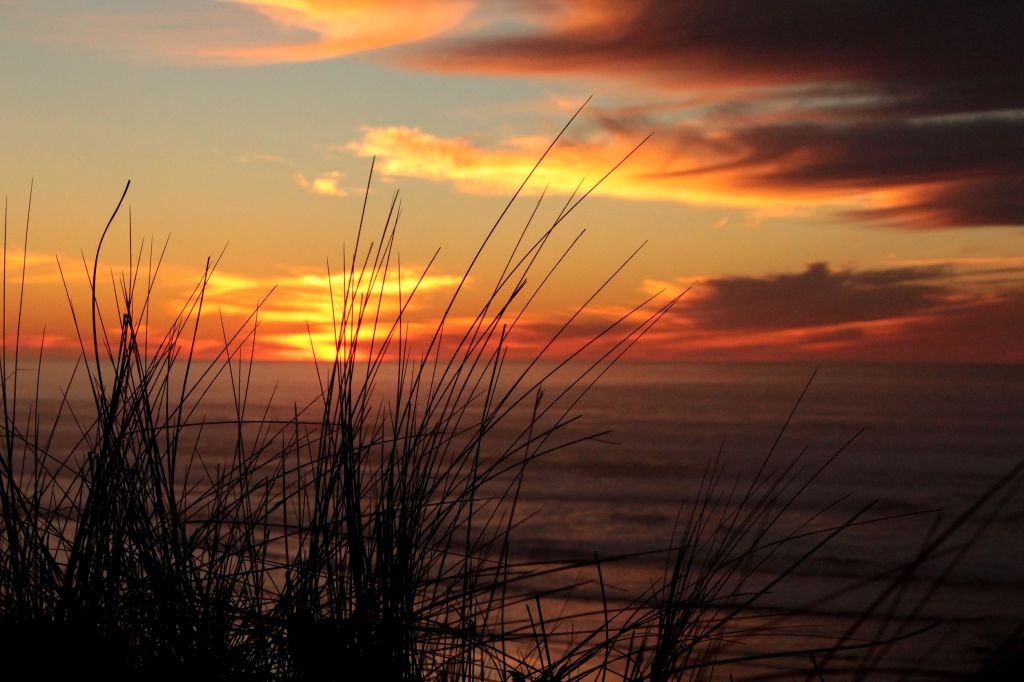
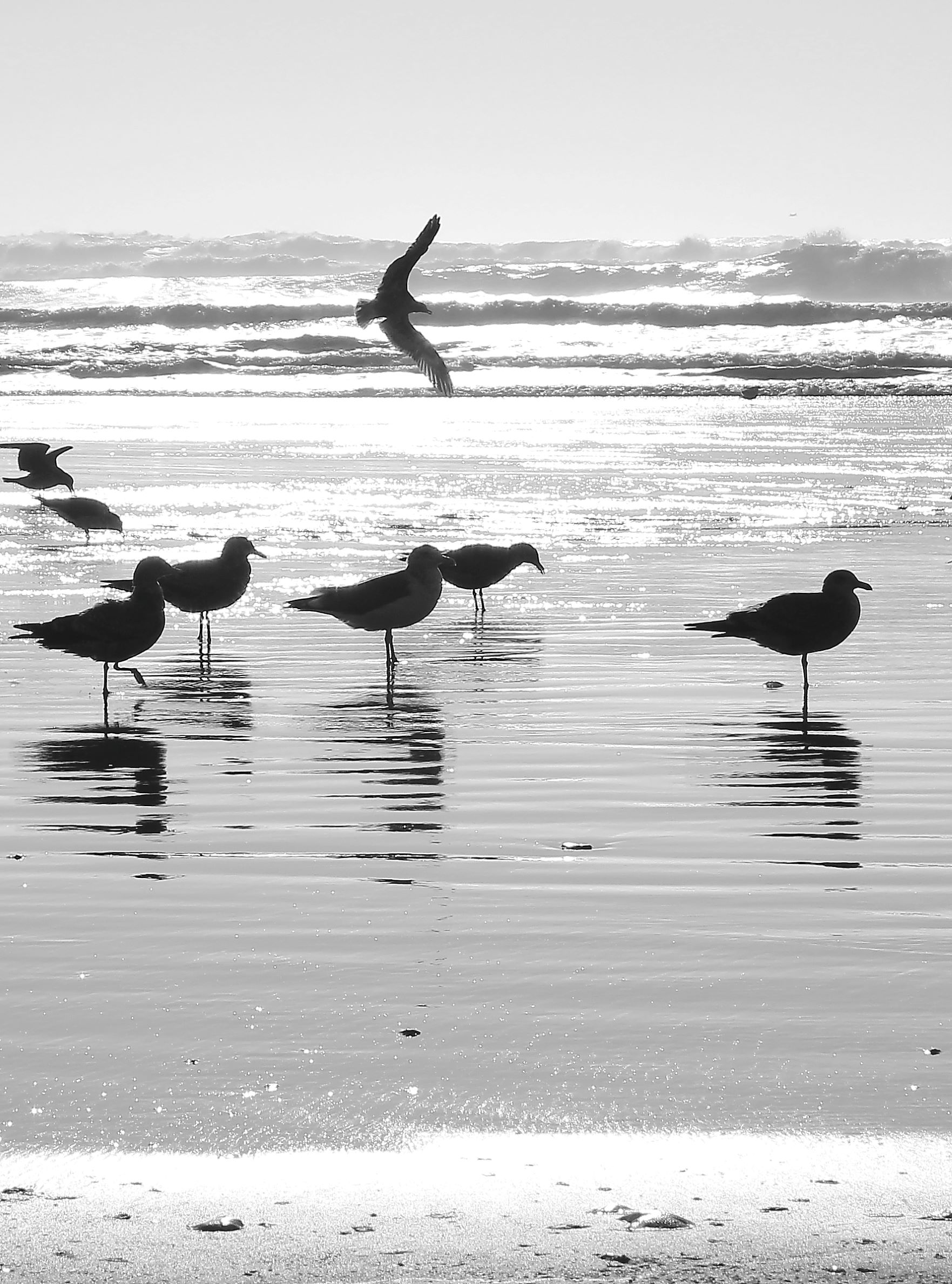
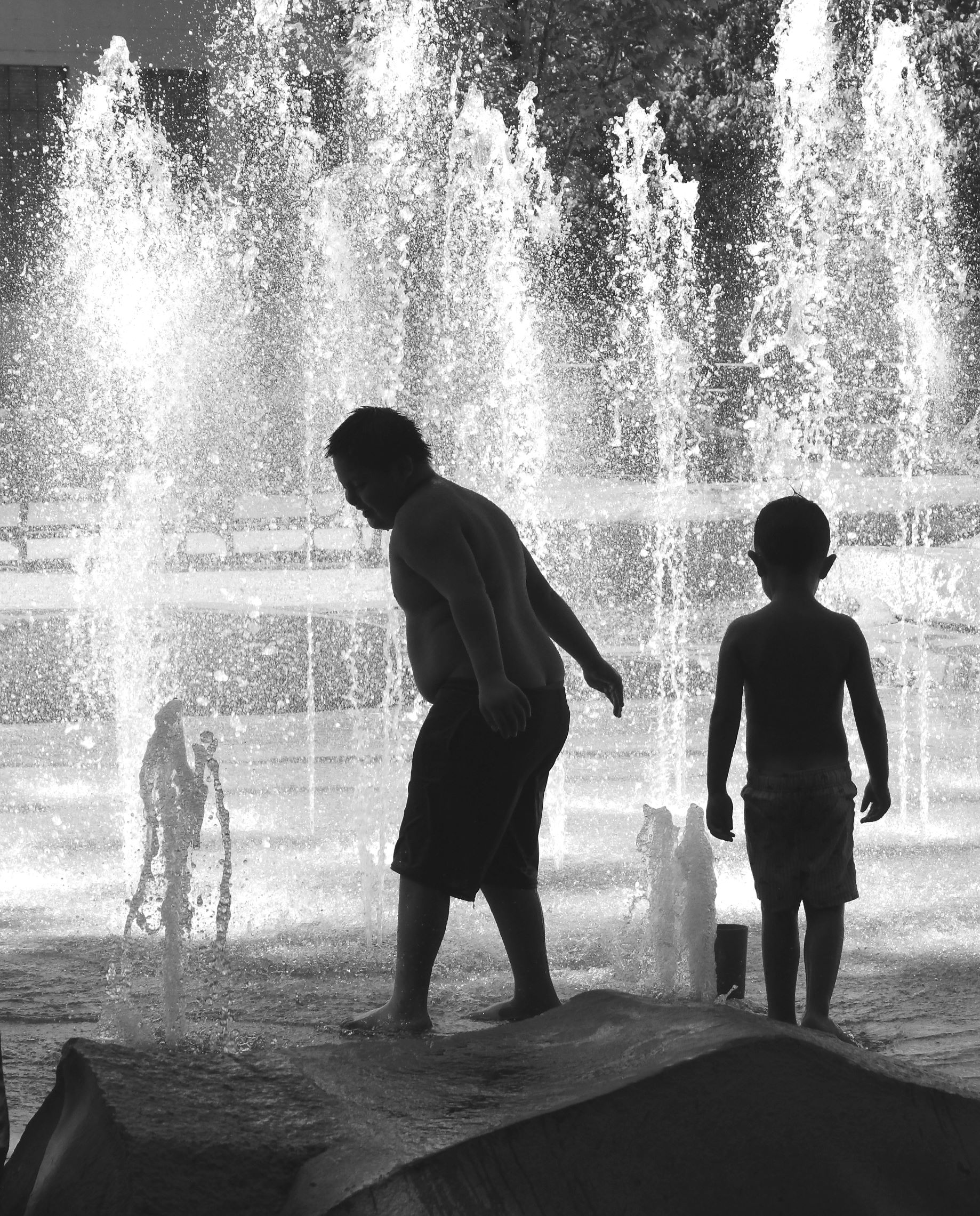
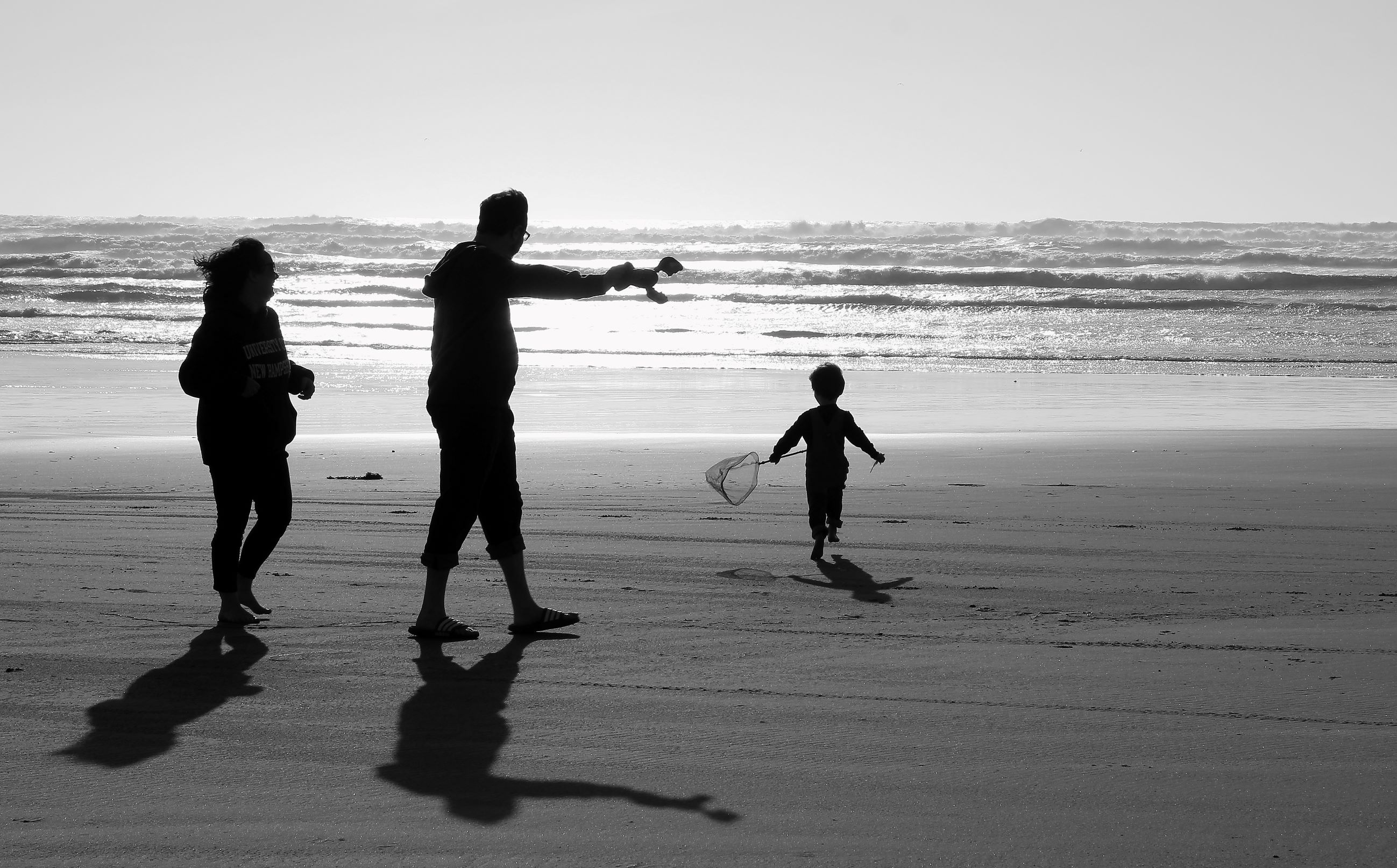
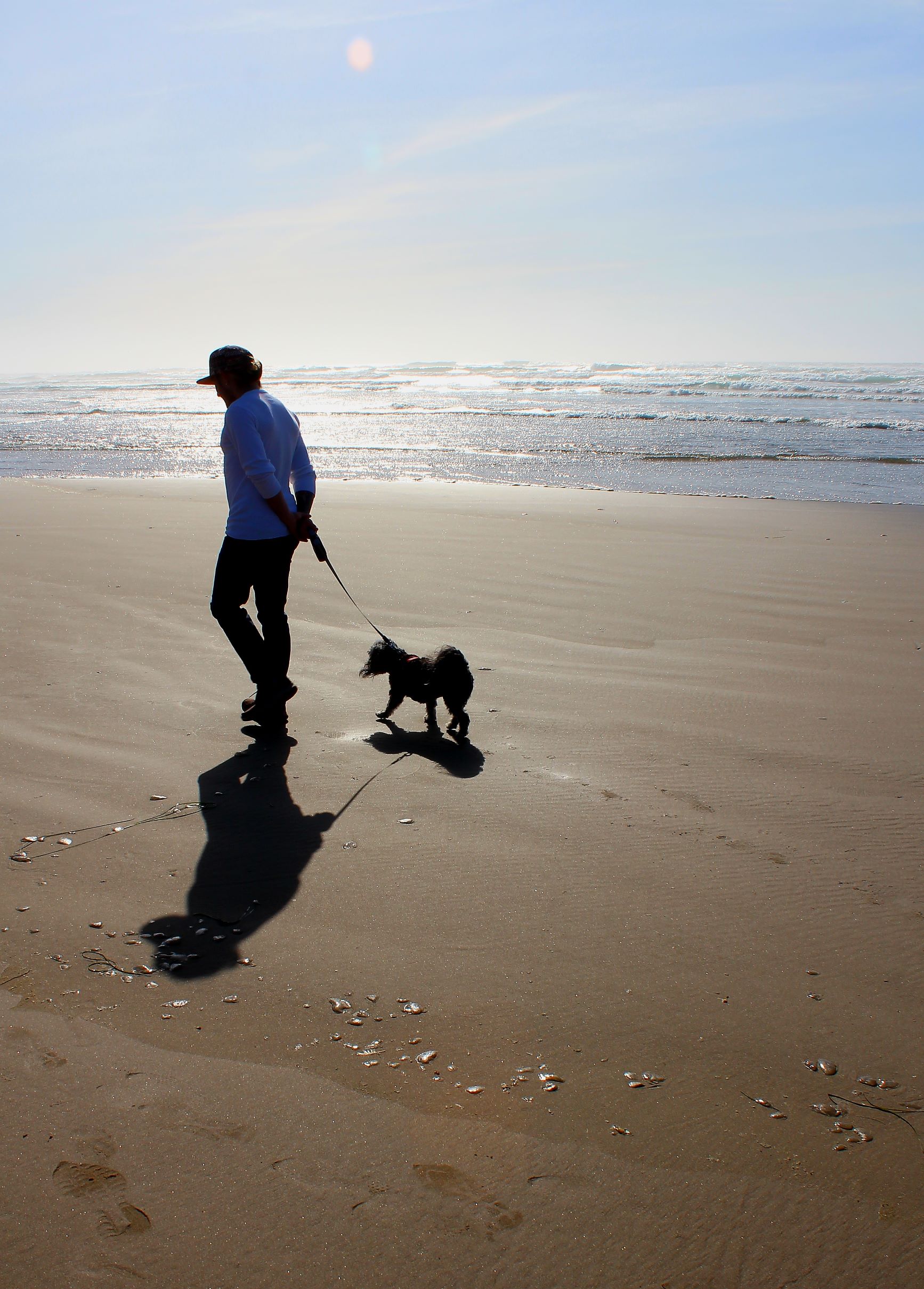
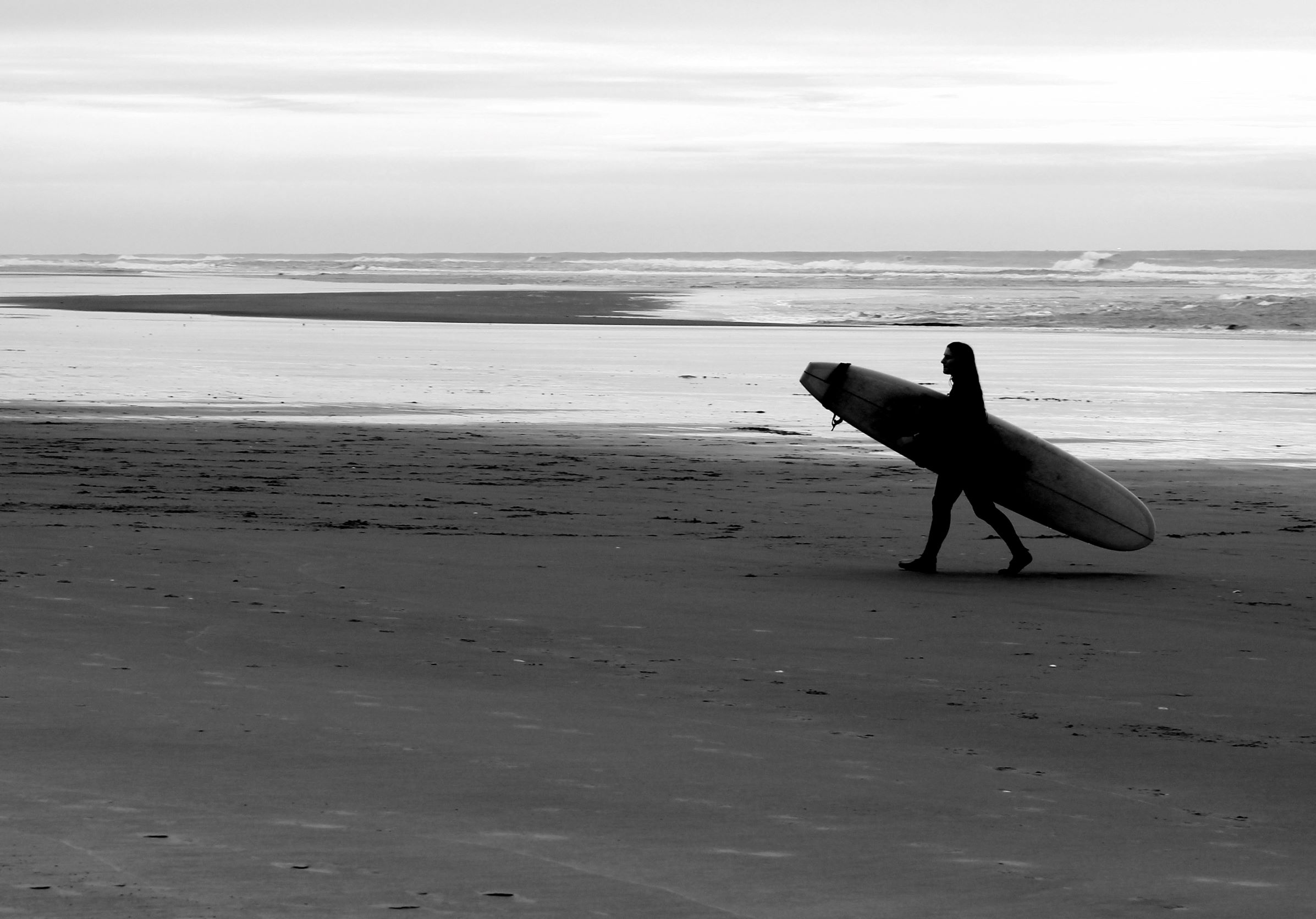
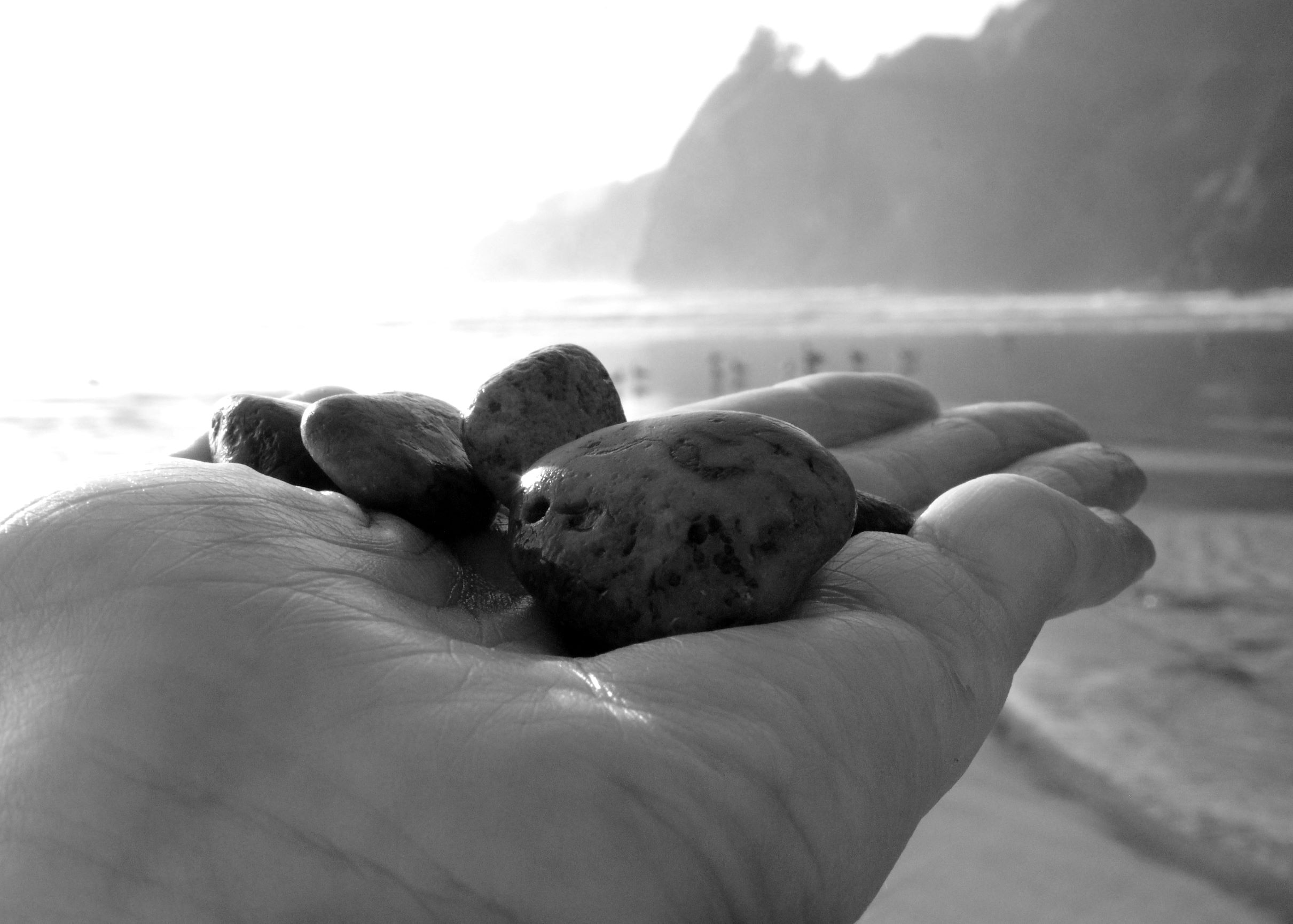
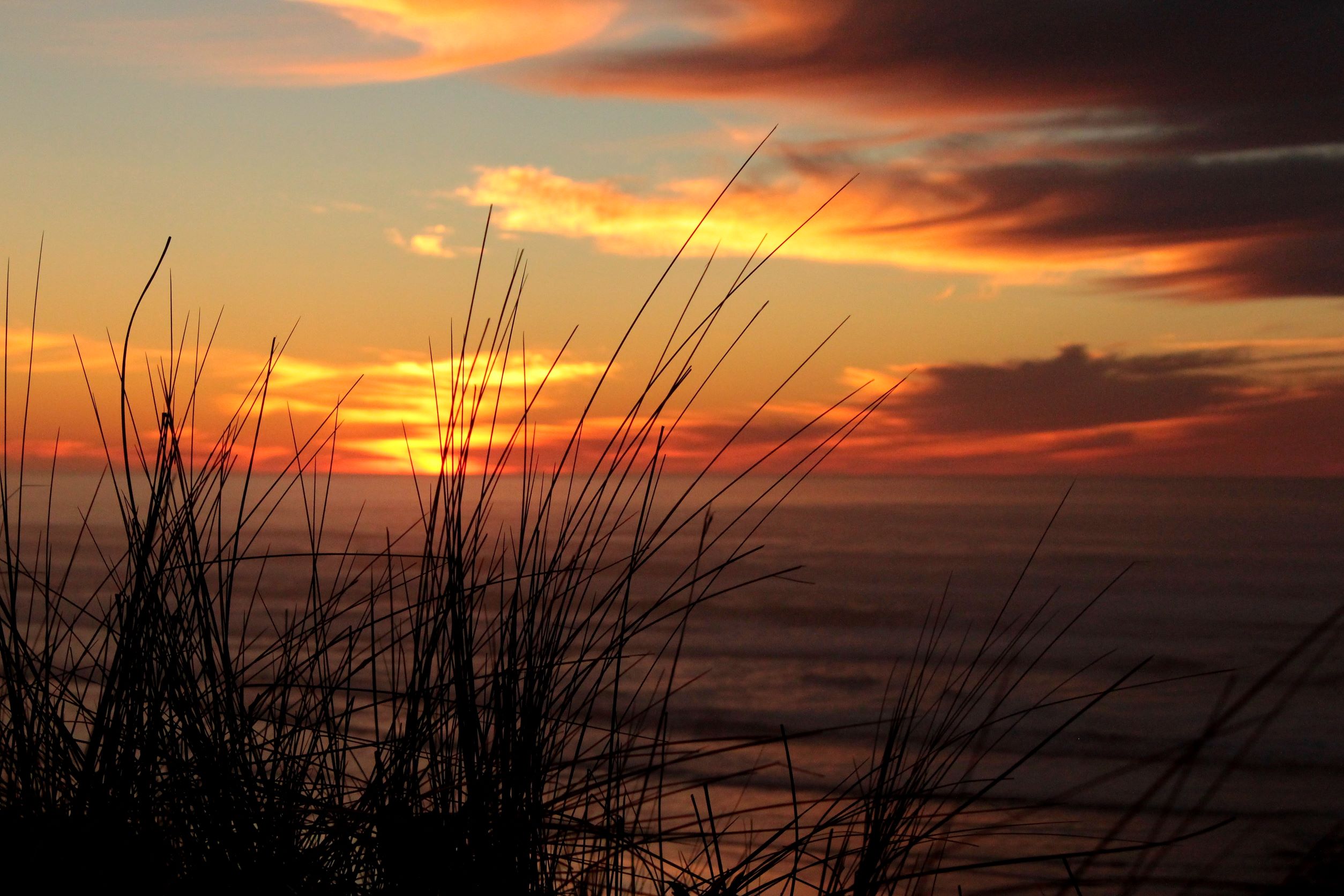
This week’s photo challenge comes from Ann-Christine, who writes, “Backlight is a versatile instrument in making pictures really come alive, even if they are only silhouettes or very dark. For landscapes it can be magical.” I find that especially true when water is part of the landscape, adding reflection, glow, and sparkle. I am really happy that the rain in Oregon has let up, and warm sunshine is bedazzling the Coast. I had a glorious day there yesterday, and will return soon!
“I went to the woods because I wished to live deliberately, to front only the essential facts of life, and see if I could not learn what it had to teach, and not, when I came to die, discover that I had not lived.” – Henry David Thoreau
For this week’s challenge, Tina of Travels and Trifles asks about our preferences for our Environment and reminds us of the story of the City Mouse and the Country Mouse.
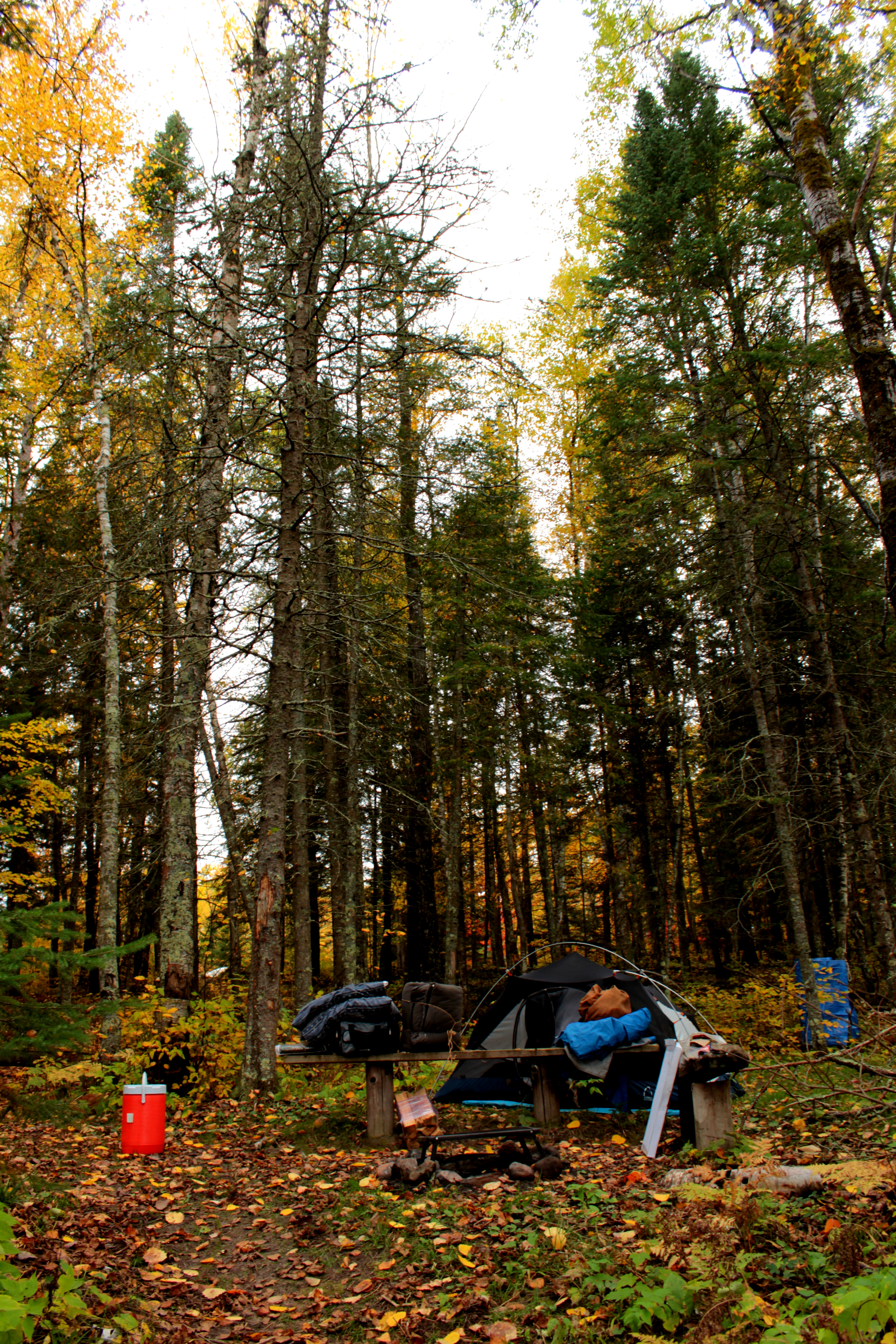
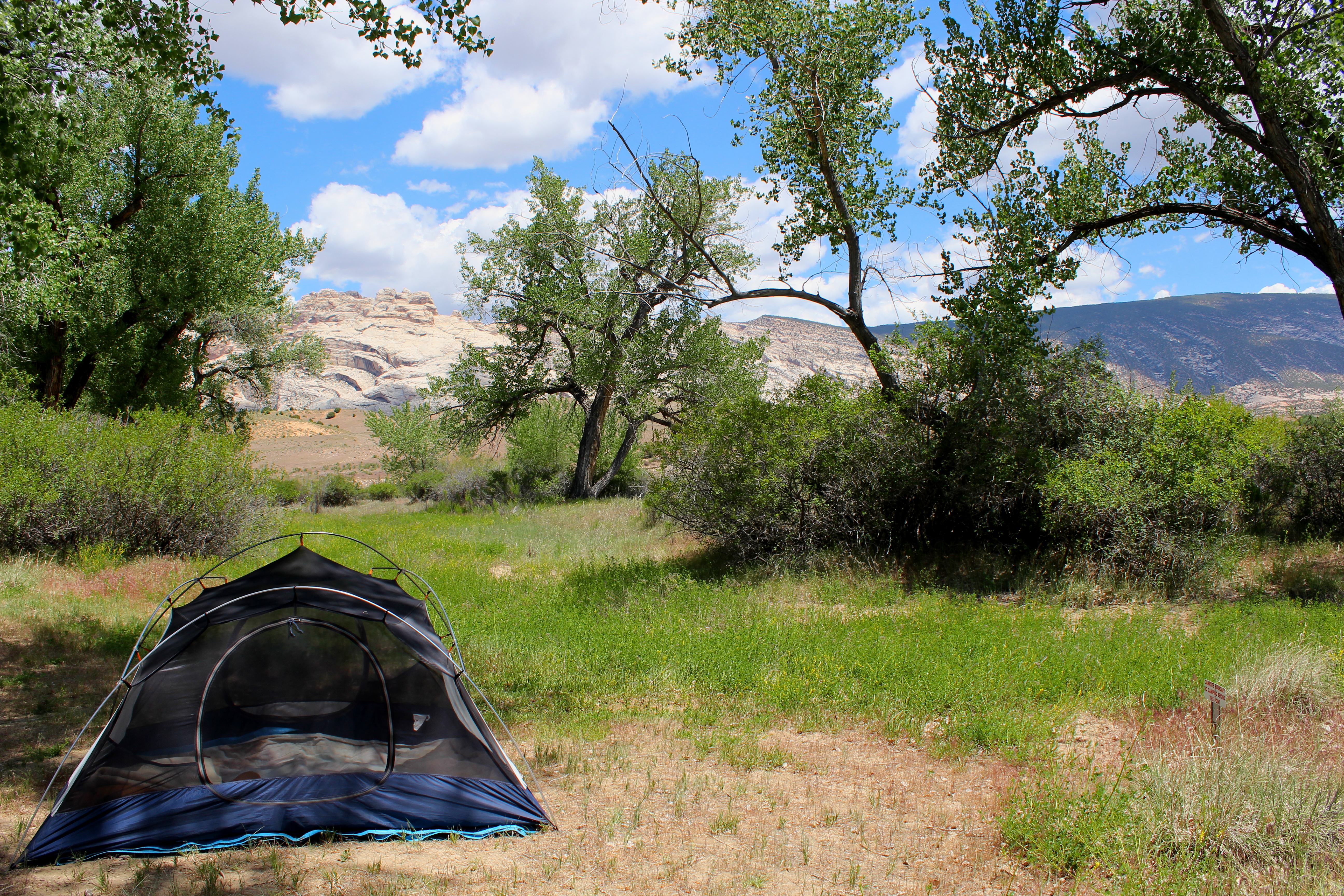
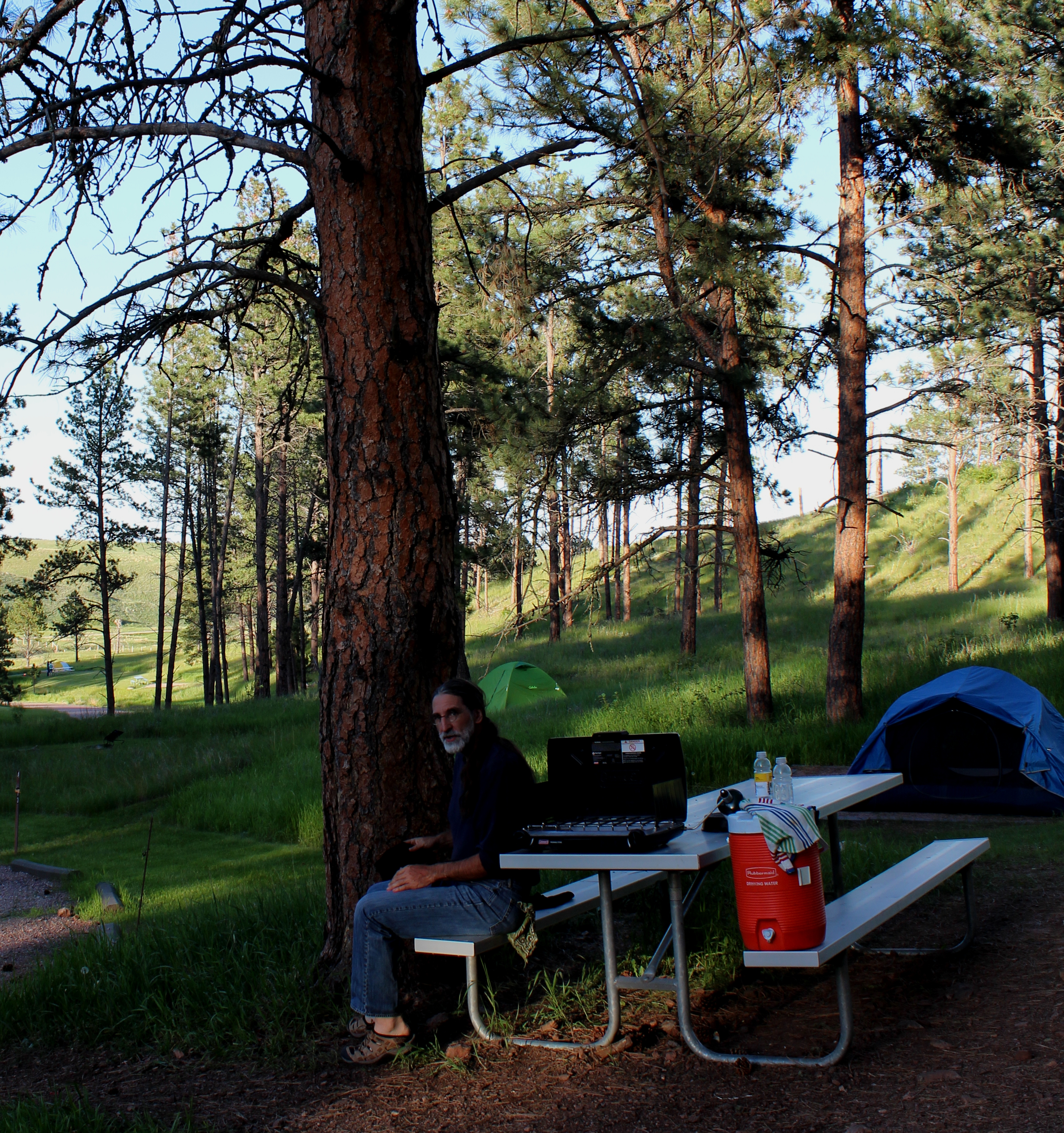
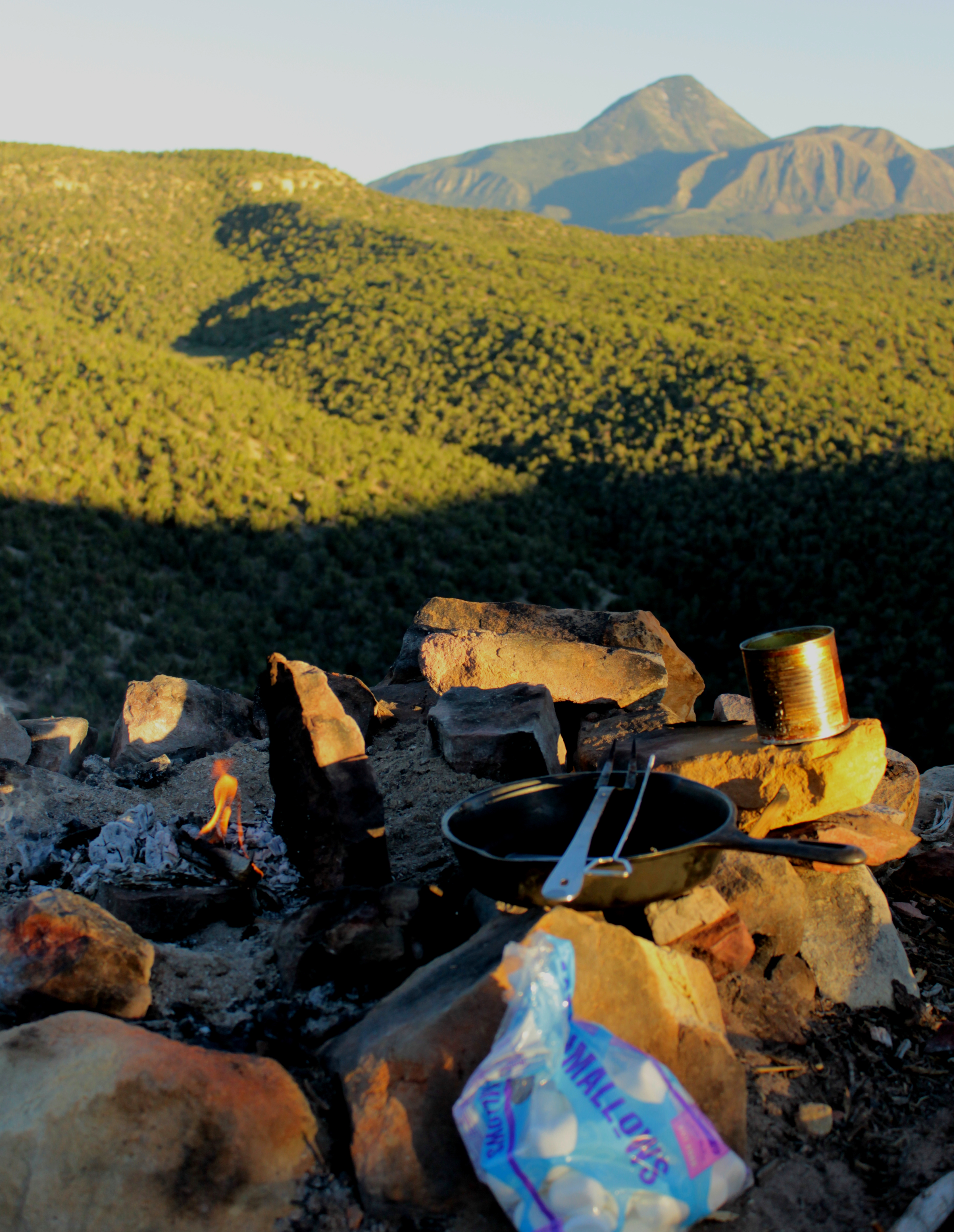
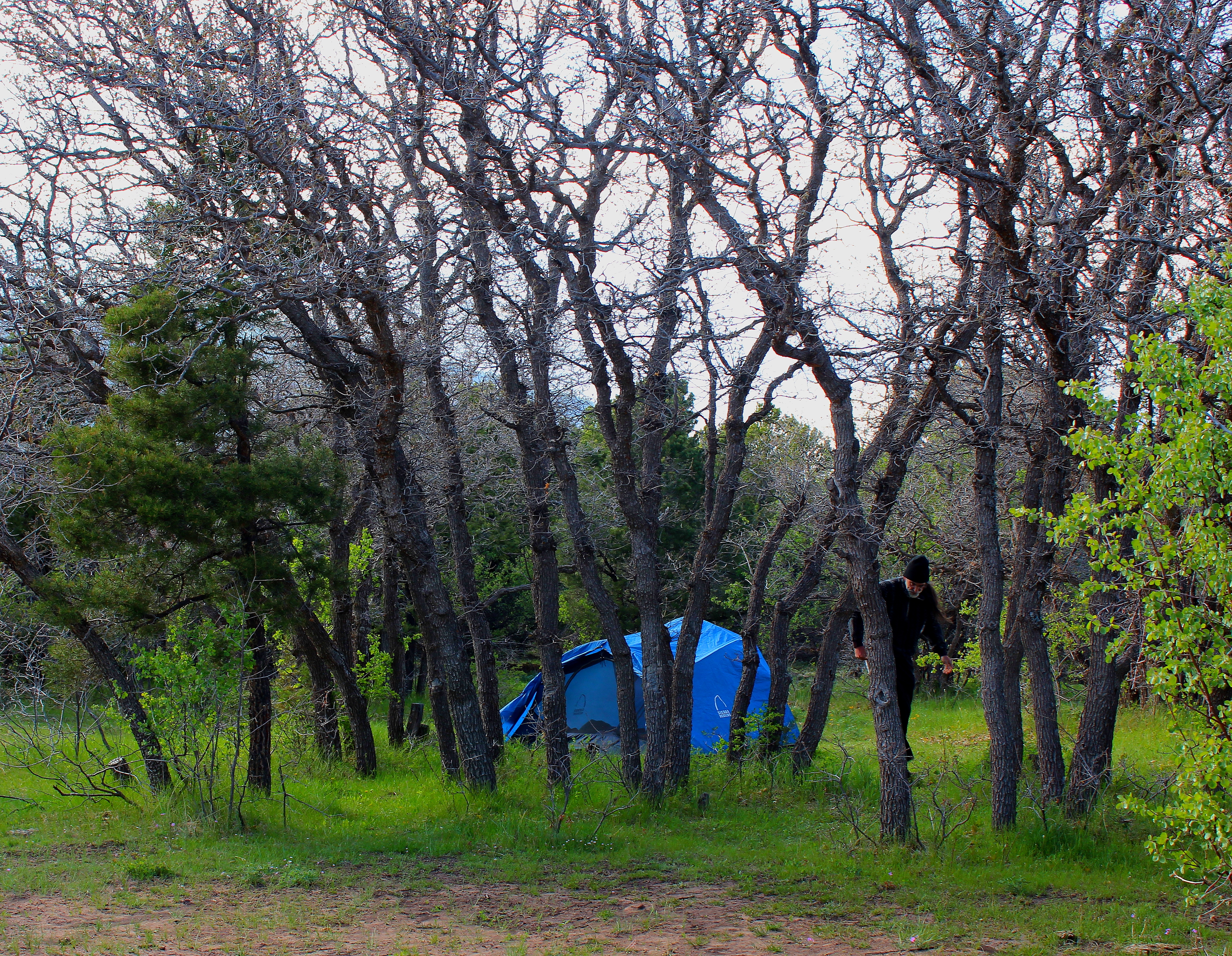
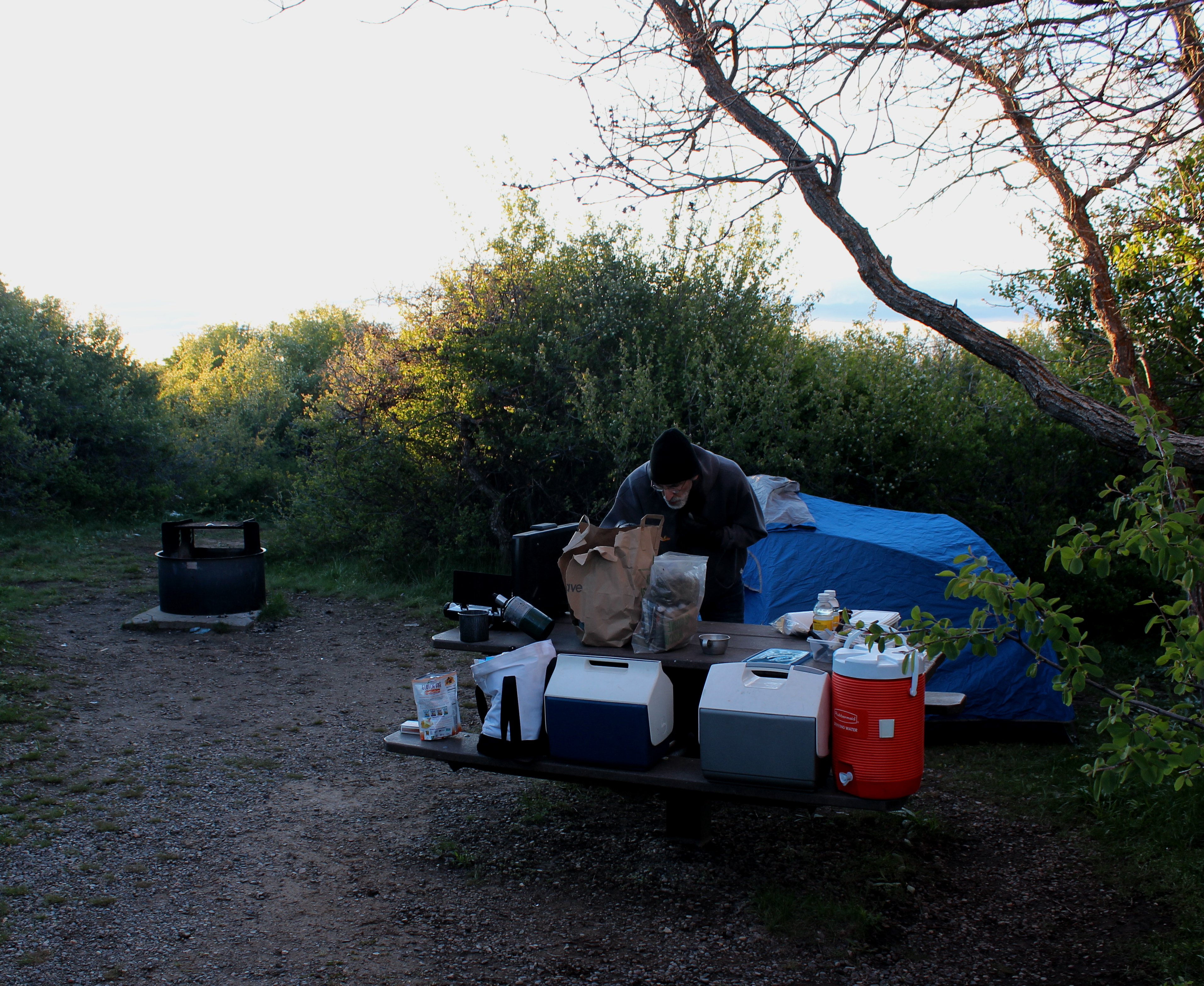
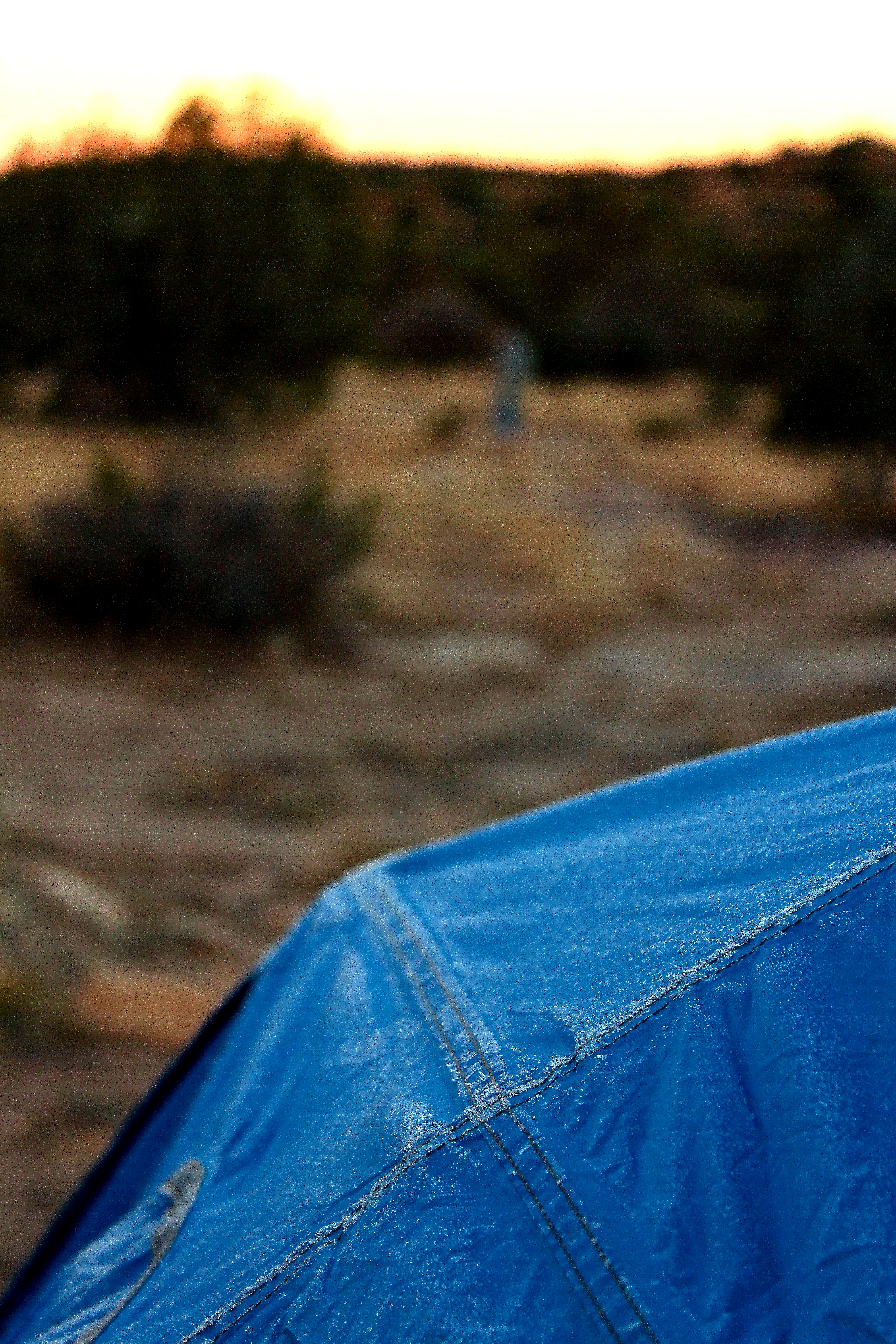
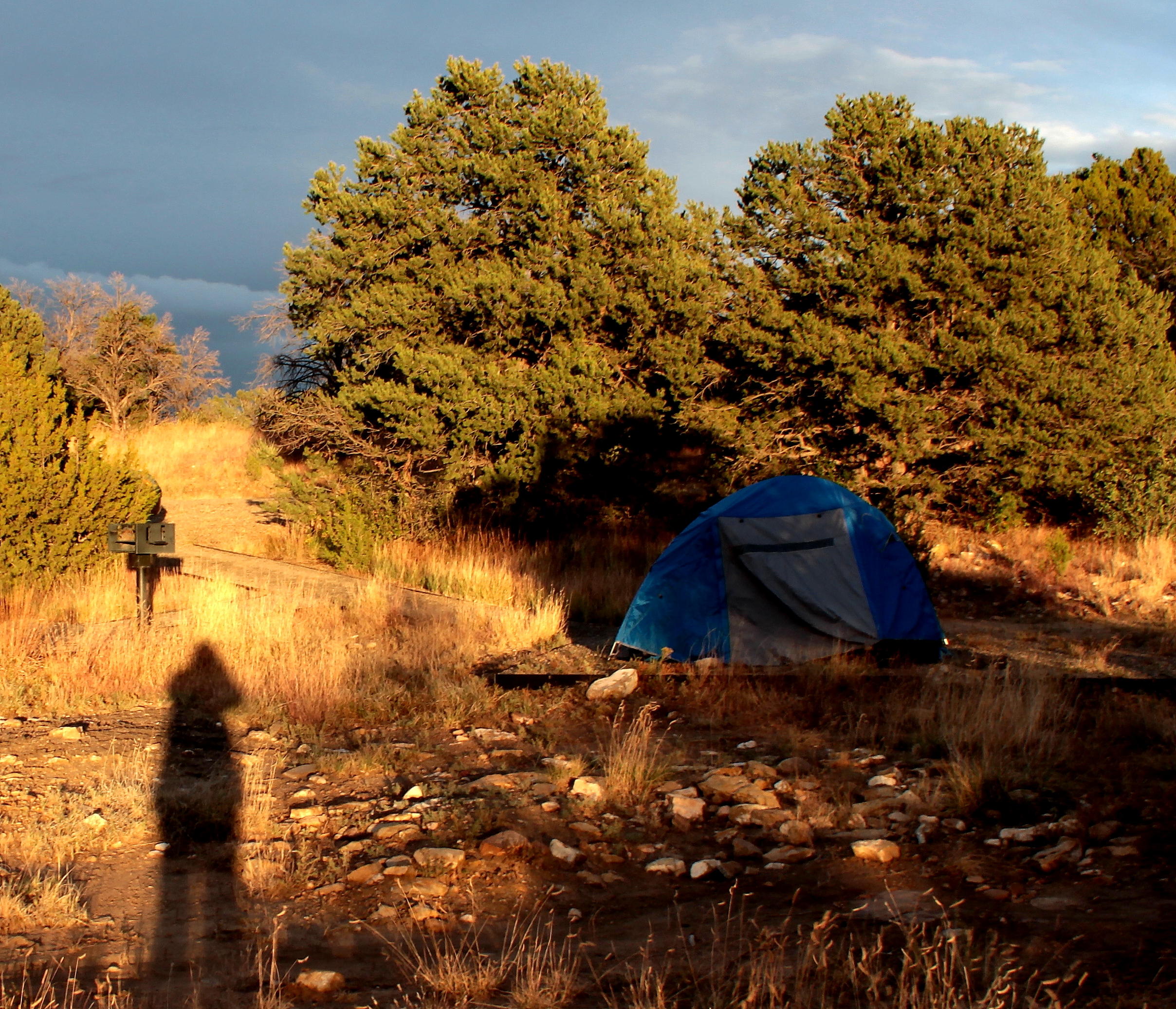
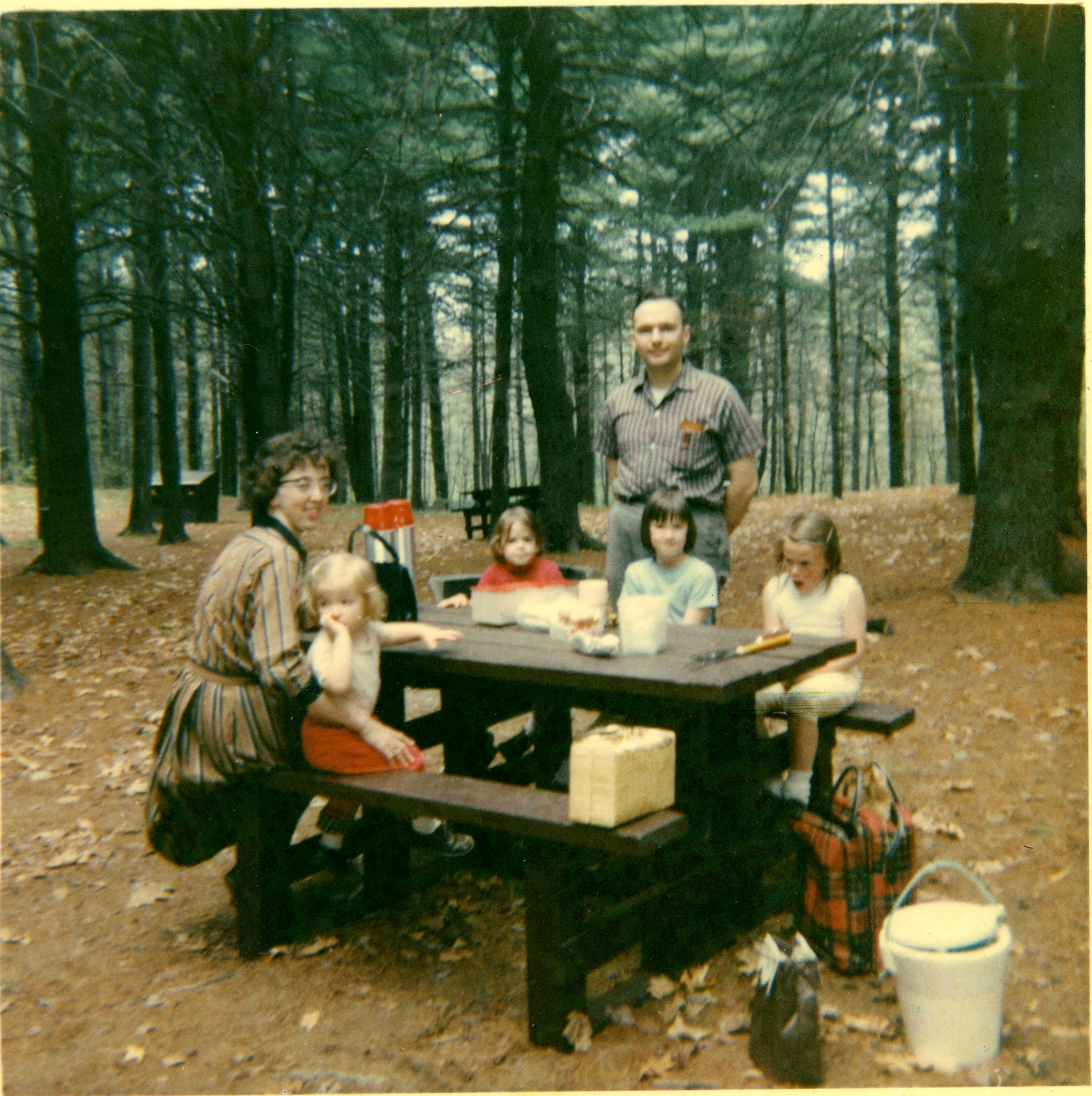
I happen to love tent camping. The first photo in the gallery was taken two years ago on a backpacking trip to the Strawberry Mountain Wilderness in Oregon; I was a month shy of 60 years old. The last photo was taken, I believe, in Acadia National Park in Maine; I was three years old. I didn’t take those photos. All the others were taken on various car camping trips in the last ten years. The smell of wood smoke and the crisp feel of fresh air make me feel more alive than any other environment. To me, a baked potato raked from the coals and covered in butter and salt and pepper can taste as heavenly as a gourmet meal at a 5-star restaurant. (It helps to be ravenously hungry!) The feeling of self-reliance and freedom that settles around me as I’m making camp in a spot I’ve chosen for its magnificent view is priceless. It makes me feel like I belong on this Earth, just as I am.
Others can have their cities of man-made majesty. I’m a happy camper in a cathedral of tall trees.
“Hospitality means primarily the creation of free space where the stranger can enter and become a friend instead of an enemy. Hospitality is not to change people, but to offer them space where change can take place.” ― Henri J.M. Nouwen
“If a foreigner were to spend a week or a month traveling your home country with you, where would you take them? What sights would you tell them to be sure to see? Where have you found some of your own favorite images? What is it you truly love about where you live, or places you’ve seen in your home country?” ―Tina of Travels and Trifles sets our Challenge this week.
If I were showing a foreign visitor what I like about my home country, I think I’d ask what my visitor was interested in exploring and hope that we could agree on some beautiful outdoor places (like National Parks) that would make good road trip destinations, as well as some nearby walking trails, restaurants, museums, and music concerts. I think that would be a relaxed approach, without any pressure to see the most iconic of places. I’m not a fan of crowds, you see. Hopefully, my visitor would forgive me for not including New York City…unless a really good Broadway musical enticed me.
“Meaningless! Meaningless!” says the Teacher. “Utterly meaningless! Everything is meaningless.” What does man gain from all his labor at which he toils under the sun? Generations come and generations go, but the earth remains forever. The sun rises and the sun sets, and hurries back to where it rises. The wind blows to the south and turns to the north; round and round it goes, ever returning on its course. All streams flow into the sea, yet the sea is never full. To the place the streams come from, there they return again. All things are wearisome, more than one can say. The eye never has enough of seeing, nor the ear its fill of hearing. What has been will be again, what has been done will be done again; there is nothing new under the sun. – Ecclesiastes 1:1-9
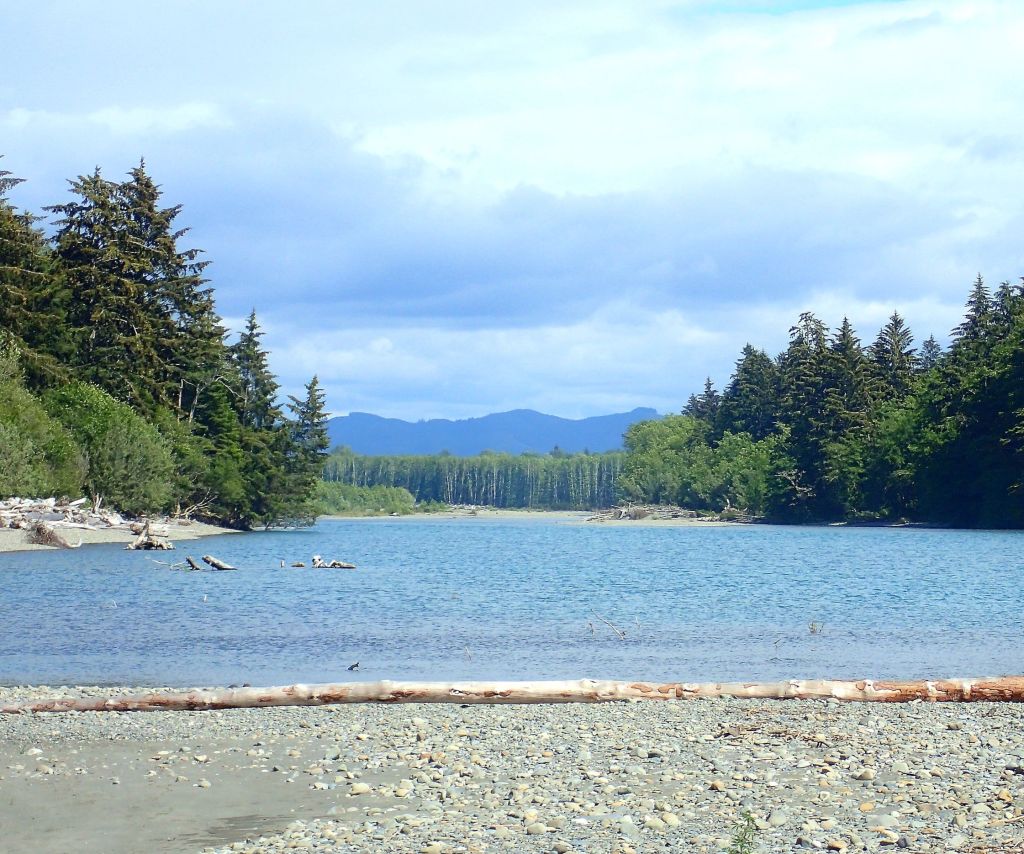
From 93 million miles away, the Sun’s light and heat affects each day of our lives. It comes to us as an ancient ray, a Source for all of life on this planet. I think of the ancient ways of life under the Sun, and I feel that I was closest to those ways last month on my backpacking trip to the Olympic National Park wilderness coastline. The trailhead is at the place where the Hoh River meets the Pacific Ocean. South of the river is Hoh tribal land.
“The Hoh River Indians are considered a band of the Quileutes but are recognized as a separate tribe. The Hoh Indian Reservation was established by an Executive Order in 1893. The Hoh Reservation consists of 443 acres located 28 miles south of Forks, and 80 miles north of Aberdeen. The Hoh Reservation has approximately one mile of beach front running east from the mouth of the Hoh River, and south to Ruby Beach.” – Hoh Tribe website: hohtribe-nsn.org
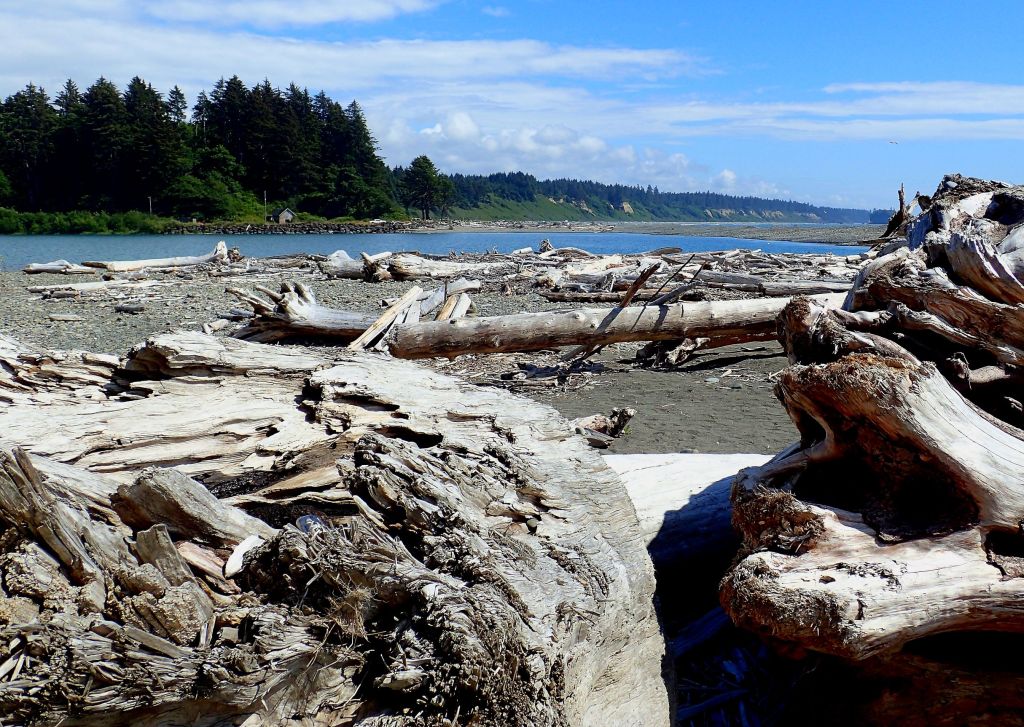
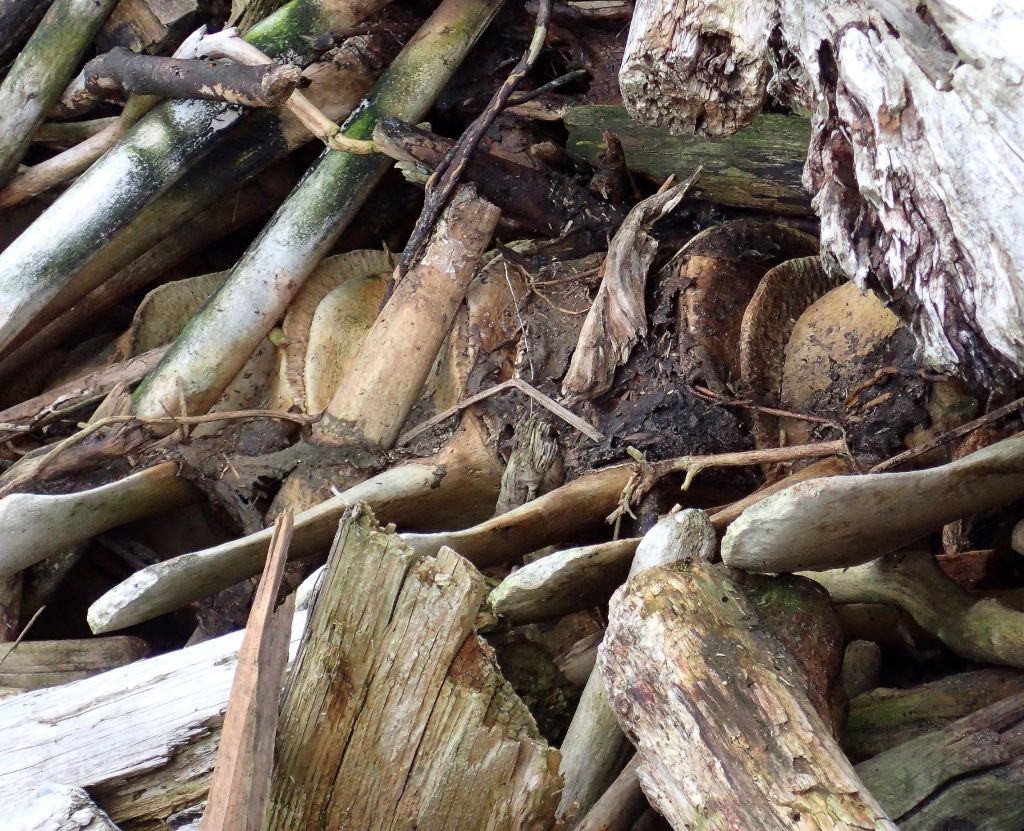
All over the beach lie the sun-bleached bones of the Ancients – cedar and fir trees, washed up by the tides in a jumble of giant driftwood. Among these bones you might also find the bones of less ancient giants: whales.
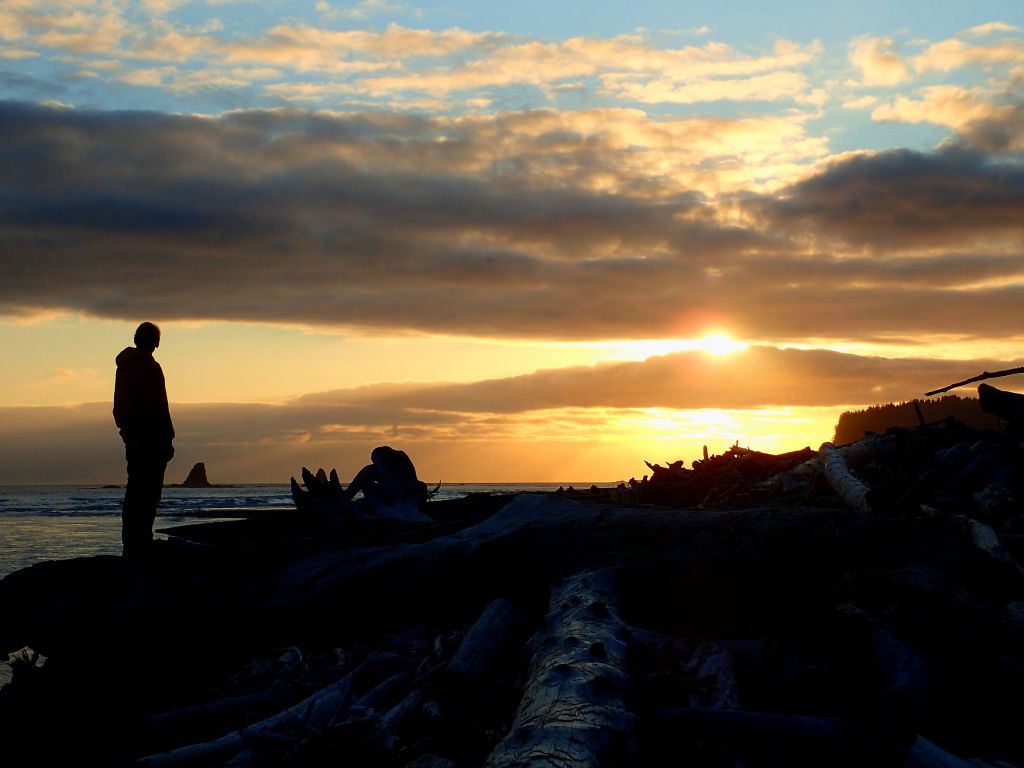
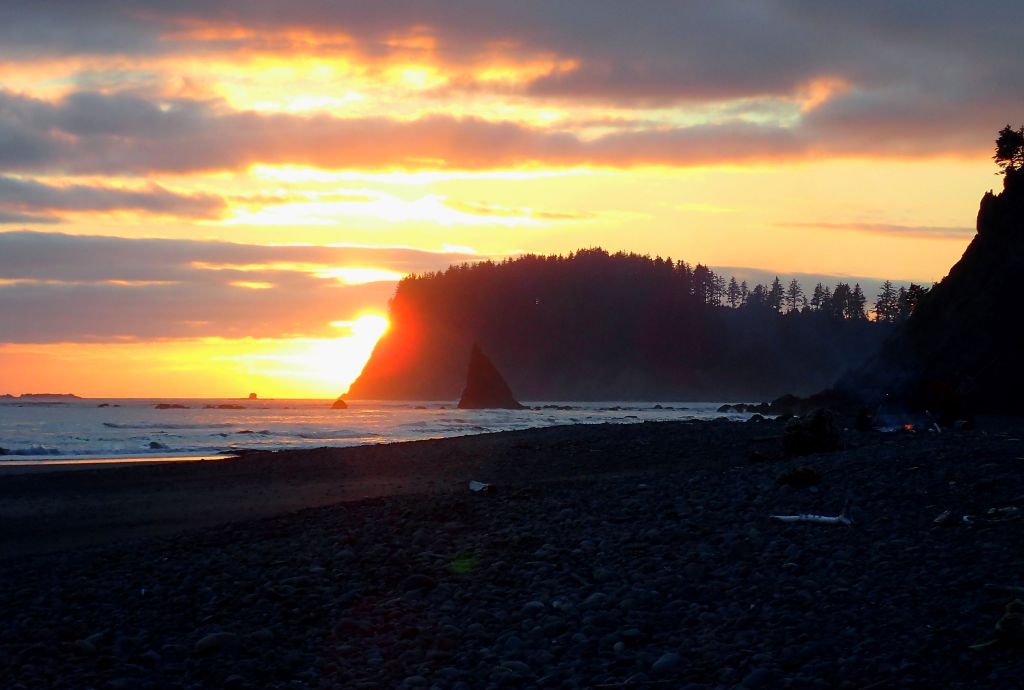
From our beach camp, we watched the Sun slide further and further down into the waves.
My small story of the next day includes the little detail that I slipped in the mud, fell with the weight of my whole body plus my pack on my outstretched left hand, and broke my wrist.
Being that we were in wilderness and had just come over the most difficult terrain, the quickest way to get to a hospital was simply to continue to trek the next two days up the coast. The tidal tipping points prohibited doing it at any faster pace. With tremendous assistance from my five hiking partners, we continued our journey and saw the Sun go down and come up on this beautiful coast two more times.
Even though there may be nothing new under the Sun, the unexpected can still happen. When my mind is reeling and my footing is uncertain, it’s good to feel the return of sunlight, the assurance of the day’s arc. It gives me the motivation to just keep going and see what will be. And I say, “It’s all right.”
Thanks to Amy for hosting this week’s Challenge. Do visit HER POST to see the Sun in many facets of its glory!
My personal world is a bit surreal at the moment. I fell and broke my wrist on a wilderness backpacking trip on Monday. I had to hike two more days to get out to the car and off to a hospital. My hiking buddies were absolute angels, and I have an epic tale to tell. But I don’t have two working hands with which to create photos.
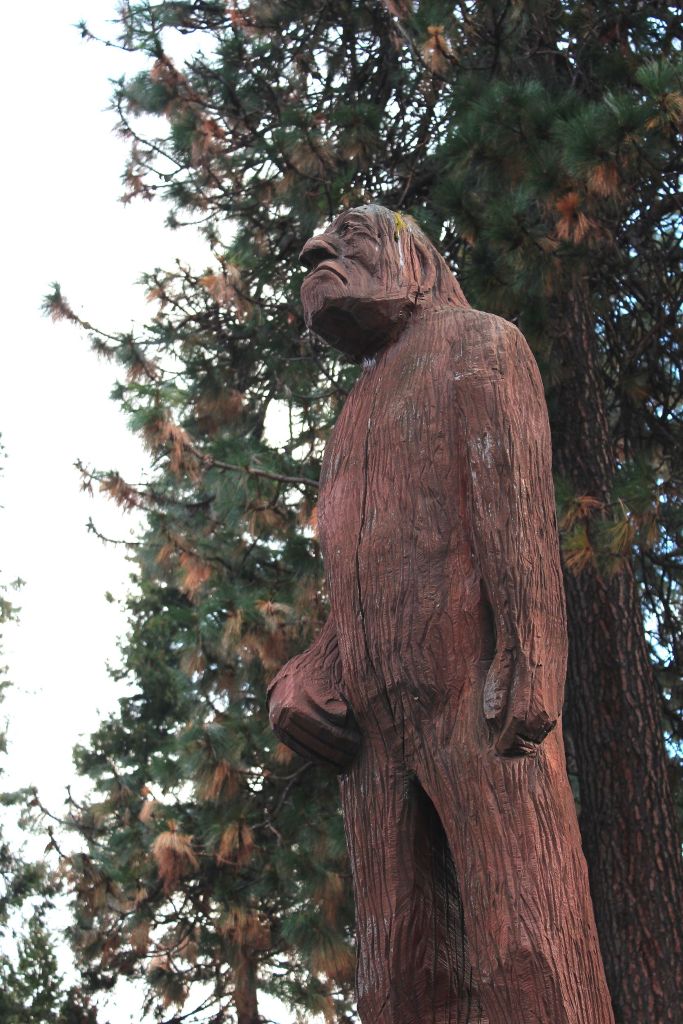
I was hiking a stretch of coastline in Olympic National Park in Washington state. The rainforest of the Pacific Northwest gets an average of 100 inches of rain a year. The trees are giants. The legendary Bigfoot or Sasquatch is said to roam these parts. I would love to have captured him emerging from the fog (or created that impression in a photo), but current limitations make that difficult. So these are very real shots on the theme of Bigfoot, instead.
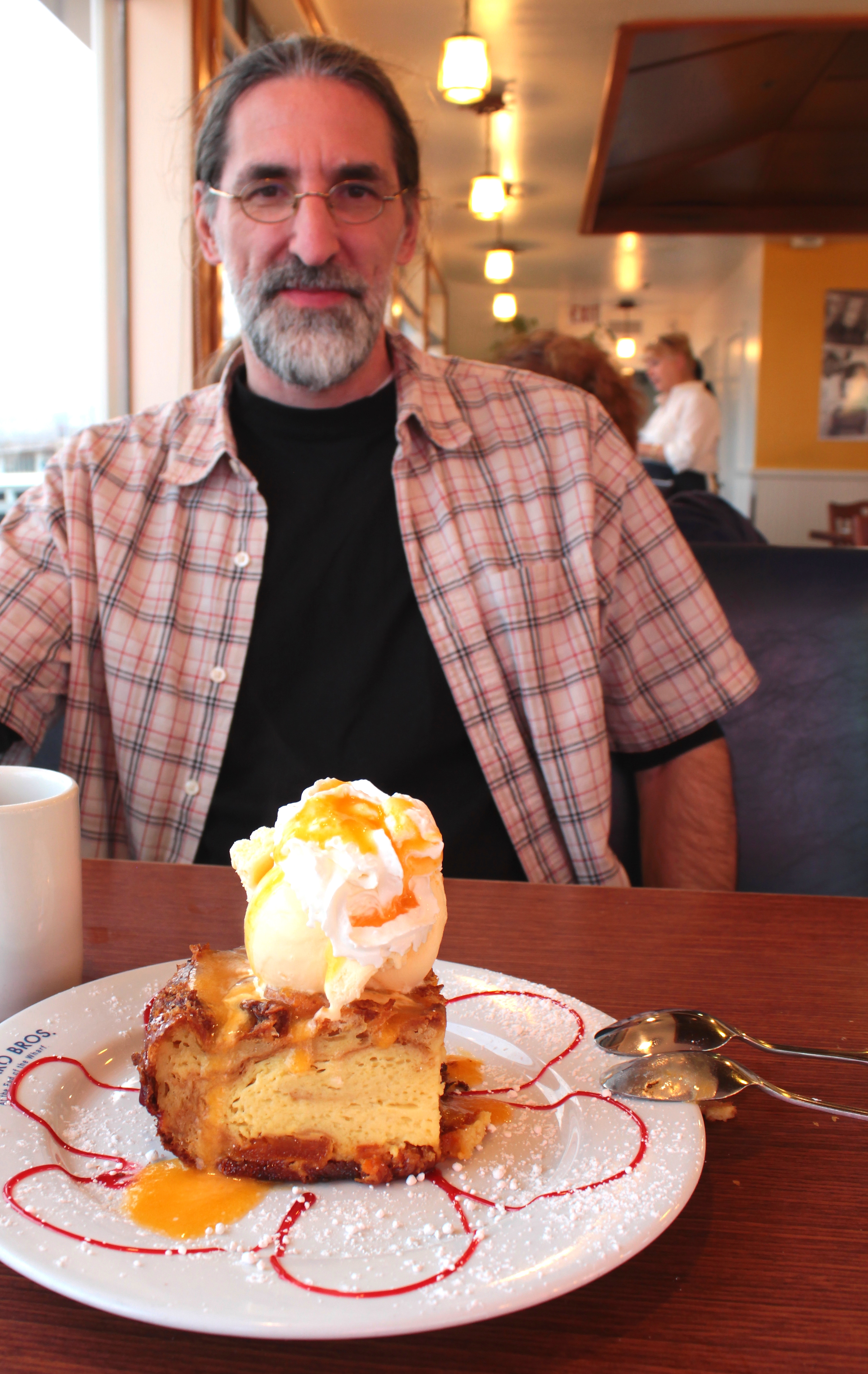
My attempt at this challenge falls far short. Do visit our host, Tracy, to see Surreal treated well. I wish I had some cheesecake…
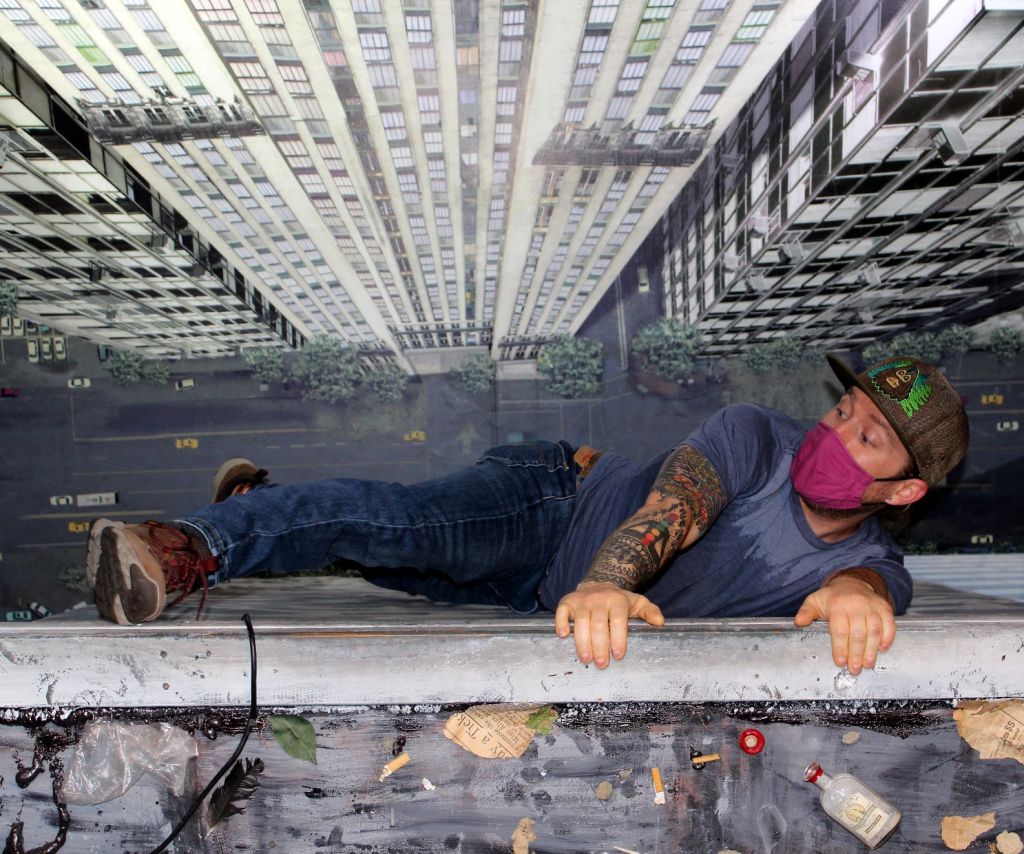
This week’s challenge is hosted by Ann-Christine and invites us to find captures of the weird and wonderful. My thoughts center around defining what is sufficiently odd to be ‘weird’ and what arouses wonder. The subject of most of my photos is something in Nature, so then I become conscious that there’s a difference between ‘natural’ and ‘weird’. In my mind, human beings push the boundaries of ‘weird’ more than any other species. And it becomes something of a wonderment how we celebrate the weird! In Portland, OR, there is a museum/novelty store called the “Freakybuttrue Peculiarium”. My 30-something kids find that kind of thing very entertaining, so we took a detour home from the airport to check it out.
“We’re all a little weird. And life is a little weird. And when we find someone whose weirdness is compatible with ours, we join up with them and fall into mutually satisfying weirdness — and call it love — true love.” ― Robert Fulghum
I do love my kids, and I love their weirdness! And I am often in awe and wonder over things in Nature that I find unfamiliar and unique, and I find them beautiful.
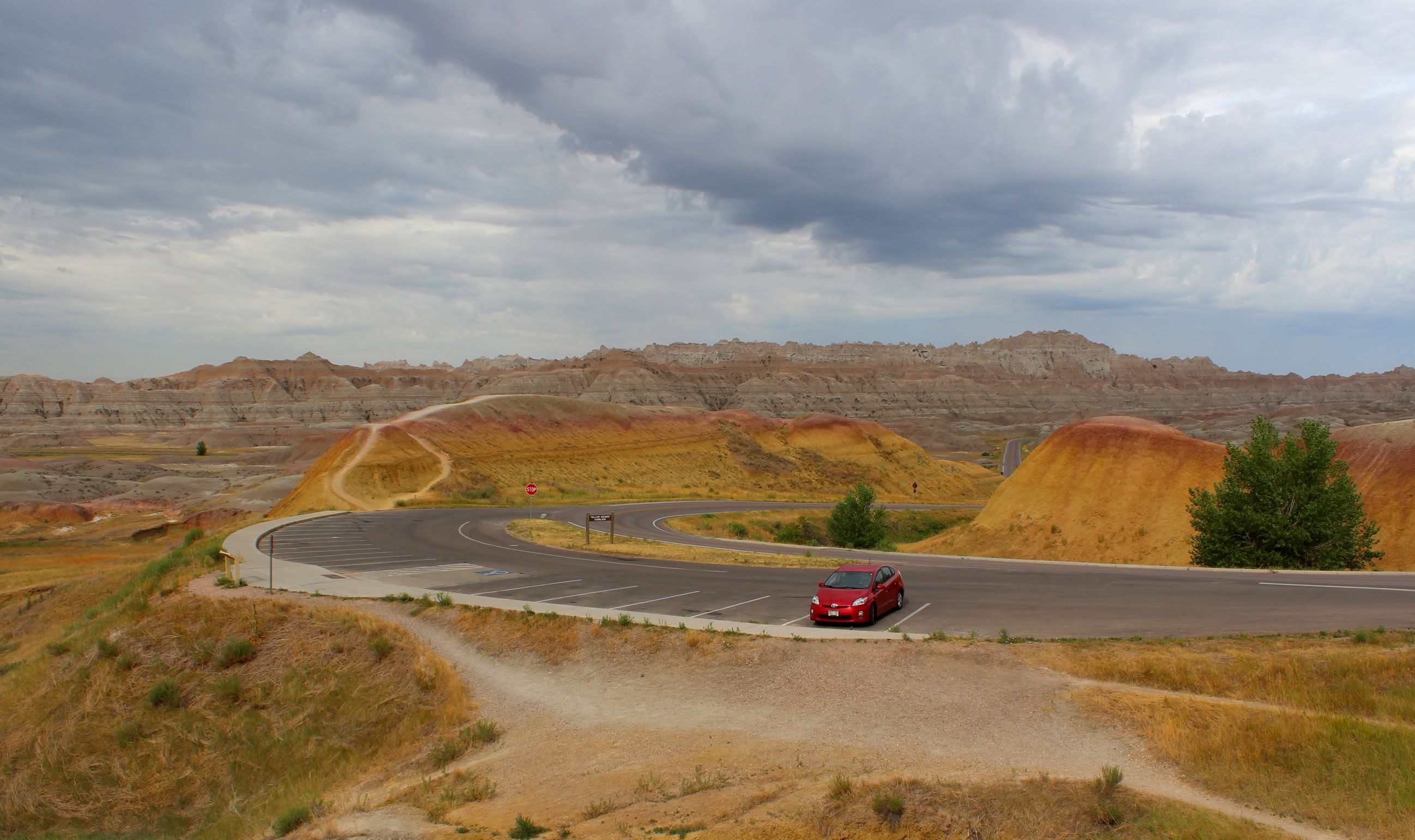
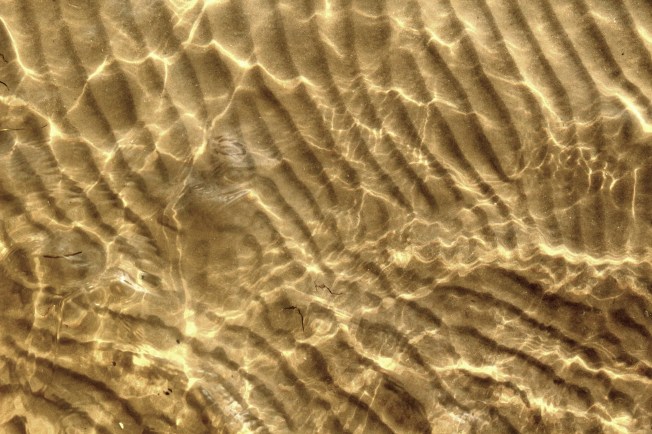
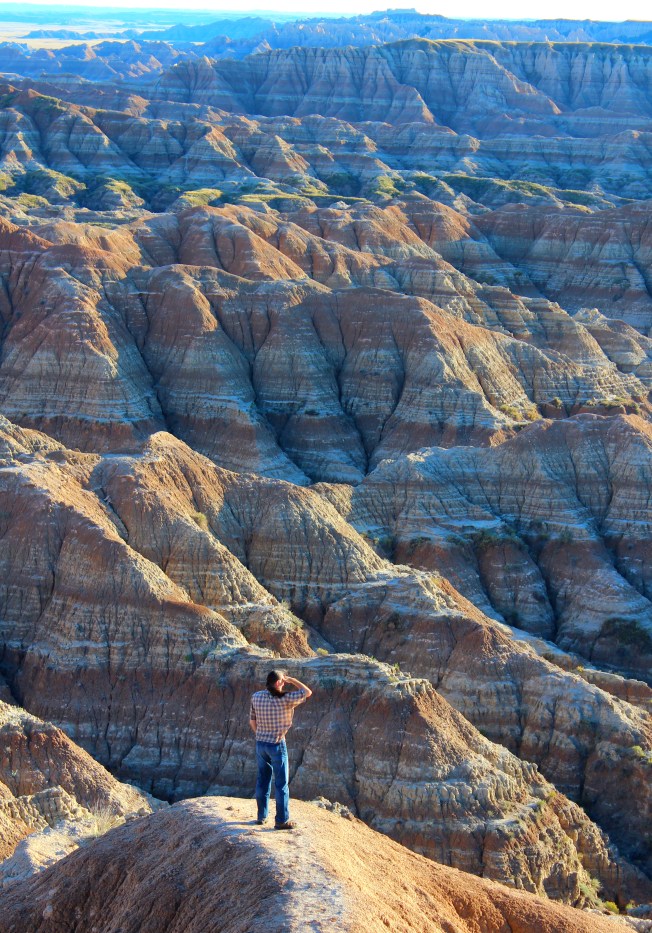
Lake Superior sandy bottomBadlands National ParkBoxwork formations at Wind Cave National Park
Fly your freak flags with joy, people, and gaze in wonder at the world around! Happy Weird and Wonderful Weekend!
“Oregon welcomed me like a beloved child, enfolded me in her cool arms, shushed my turbulent thoughts, and promised peace through her whispering pines. ” ― Colleen Houck
“Oregonians don’t tan. They rust.” ― Unknown
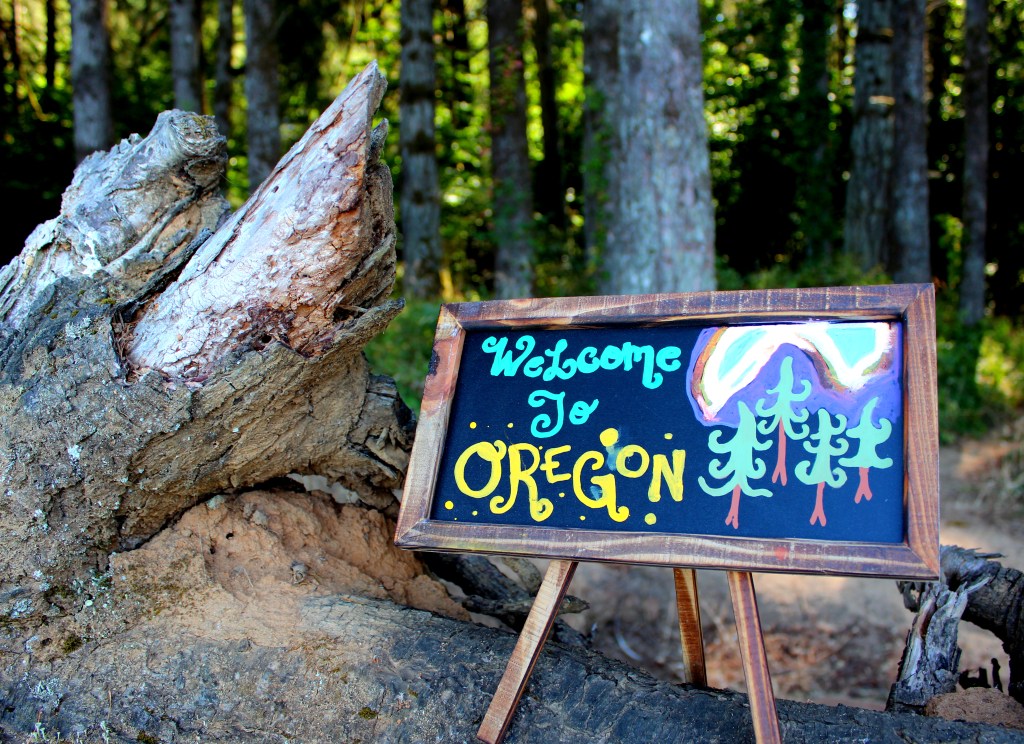
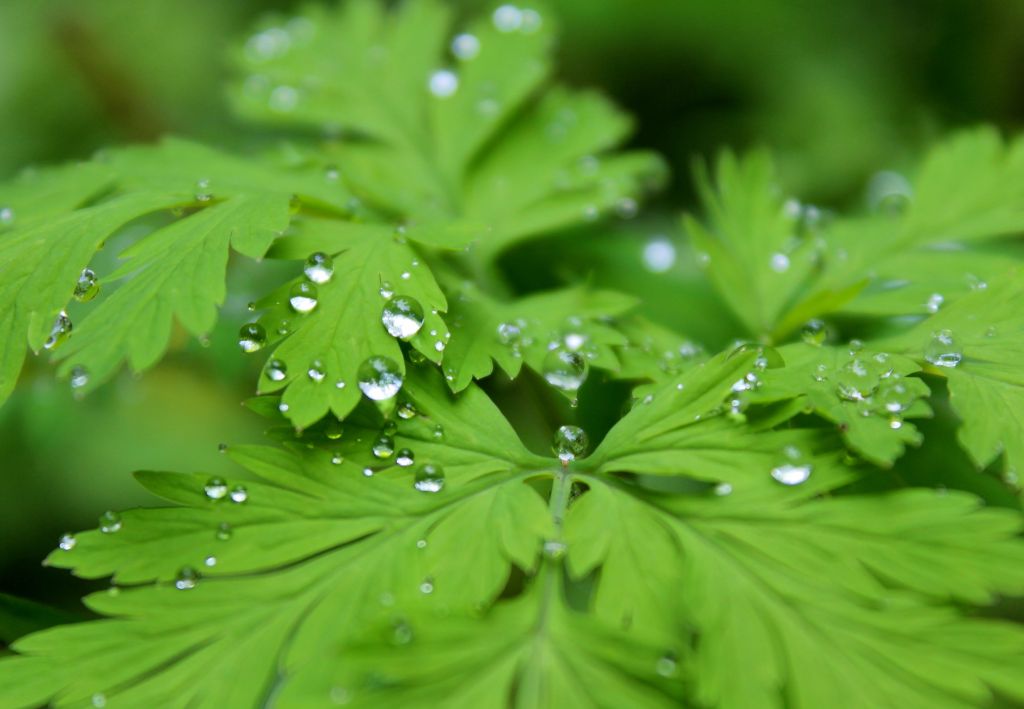
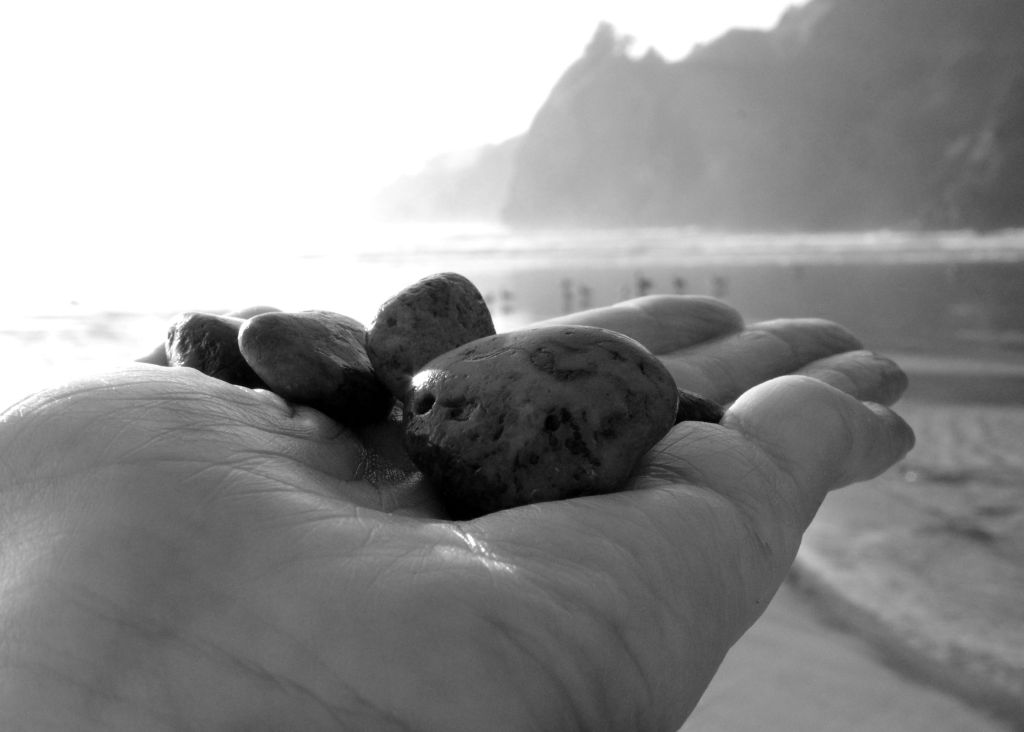
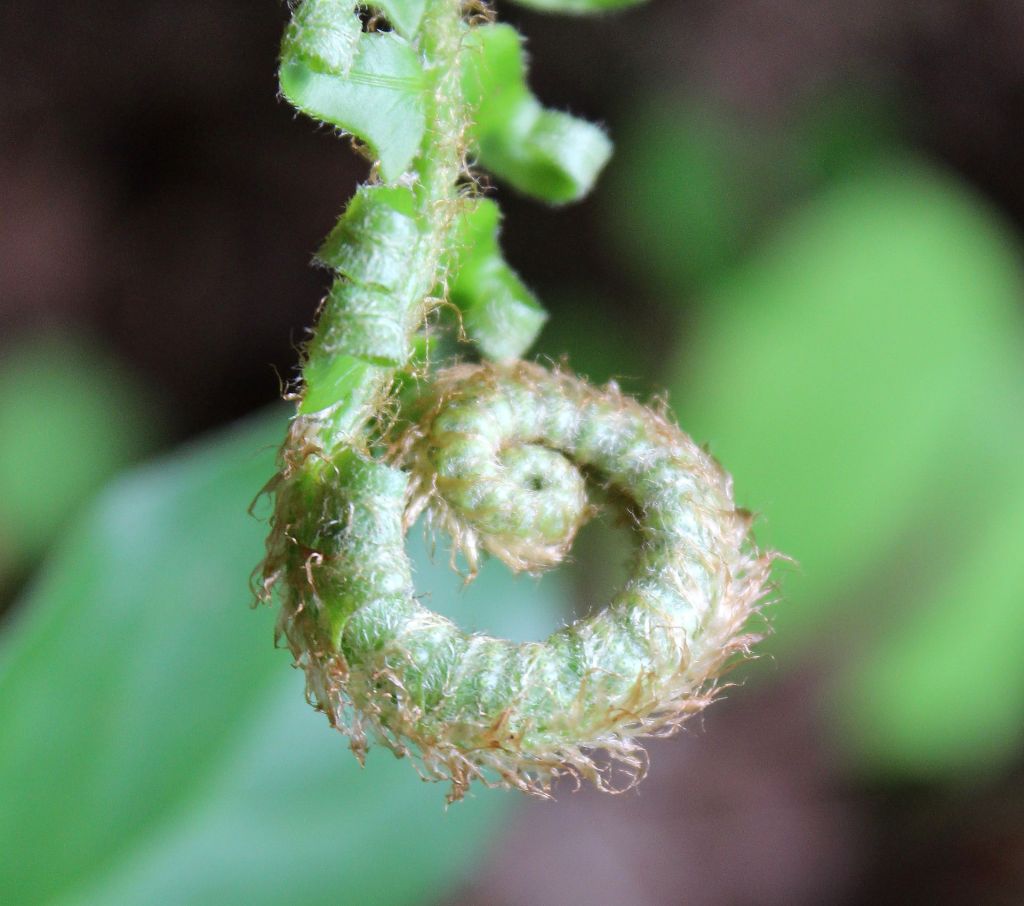
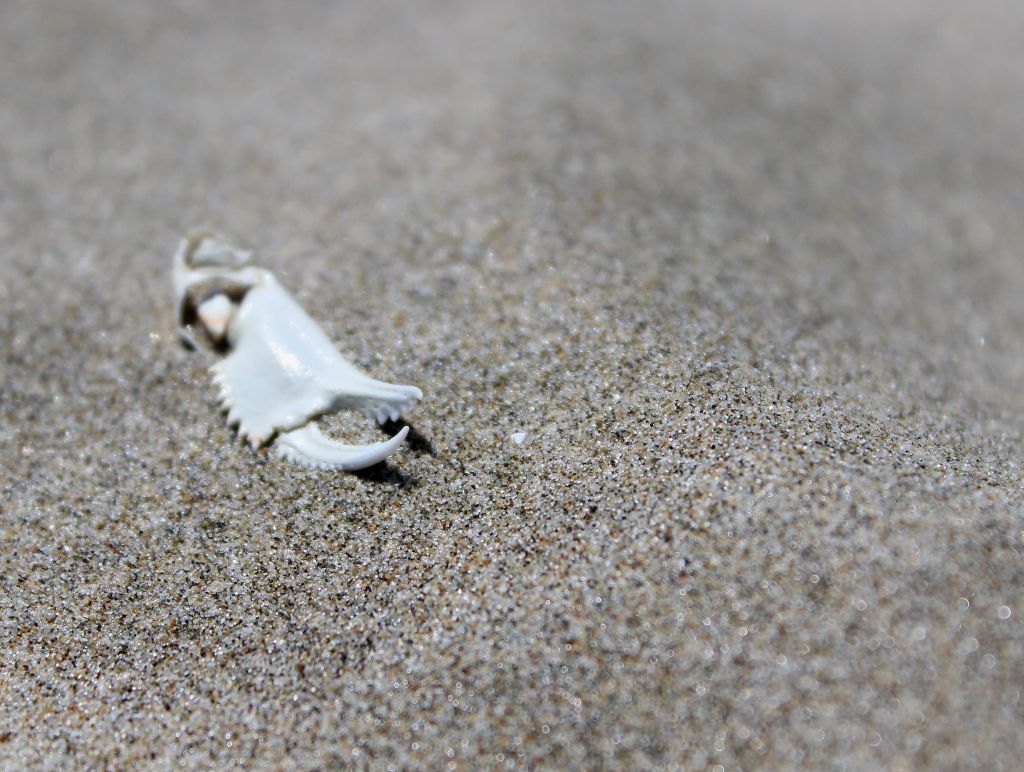
I have now lived in Oregon for a year. The most ordinary things at hand here are extraordinarily beautiful: raindrops, rock, wood, plants, the ocean.
On any given day, what is at hand is something exquisite, alive, and breath-takingly complex in its interaction with its environment. Just like each one of us humans. I haven’t been around a lot of humans during this entire strange year, so I’m glad to have the company of these common things. Thanks to I J Khanewala, this week’s guest host for Lens-Artists, for inviting us to take another look at Ordinary things.
“See the pyramids along the Nile Watch the sunrise on a tropic isle Just remember darling all the while You belong to me See the market place in Old Algiers Send me photographs and souvenirs Just remember when a dream appears You belong to me” – recorded by Patsy Cline
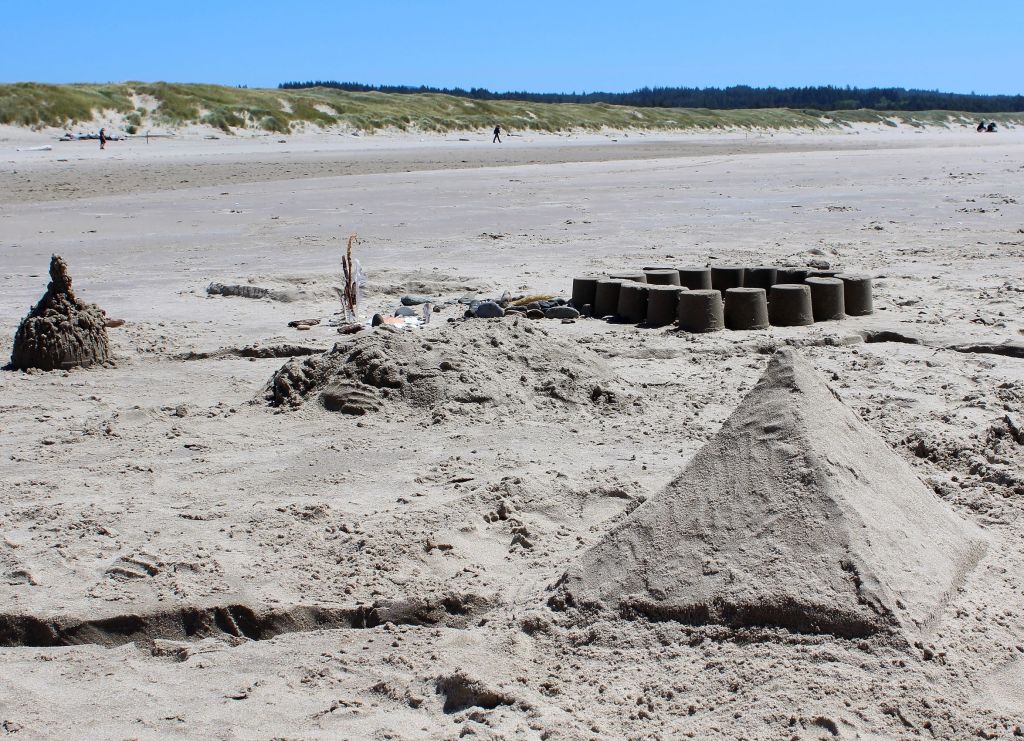
South Beach State Park, Newport, Oregon
Ana evokes wonderful sentiments in her guest post for Lens-Artists this week on the theme of Postcards. My favorite postcards from home were from my father when I was at summer camp as a young girl. They were clever and funny. He sent one of the Chicago skyscrapers along Lake Michigan and instructed that buildings grow naturally along the shores of lakes, and if I looked carefully at the banks of the small lake on the Girl Scout Camp property in Wisconsin, I might see some tiny structures hidden in the plants. When my fiancé was touring Europe with his University choir, he sent postcards showing the most iconic scenes of cathedrals and palaces along with his sweetest statements of love and longing. Those cards were exotic and precious and carried the potency of romance as well.
I moved to Oregon exactly a year ago. It seems that every time I explore this beautiful state, I send my fiancé, my late husband, a mental postcard of the places I go. I’m sure he would love it. I wish he were here…




















 scillagrace