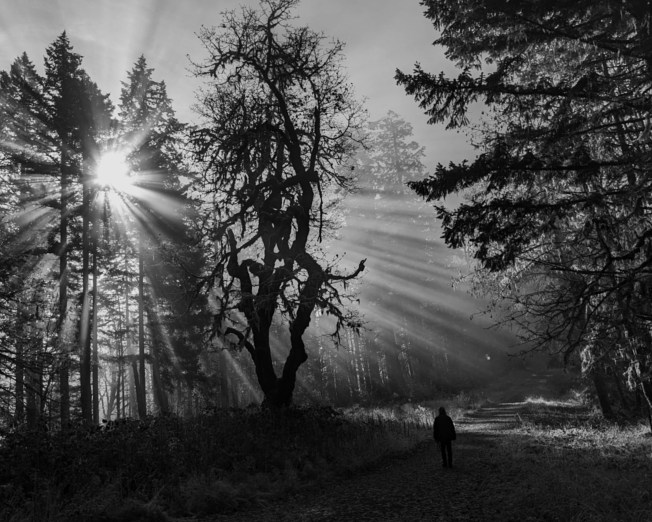
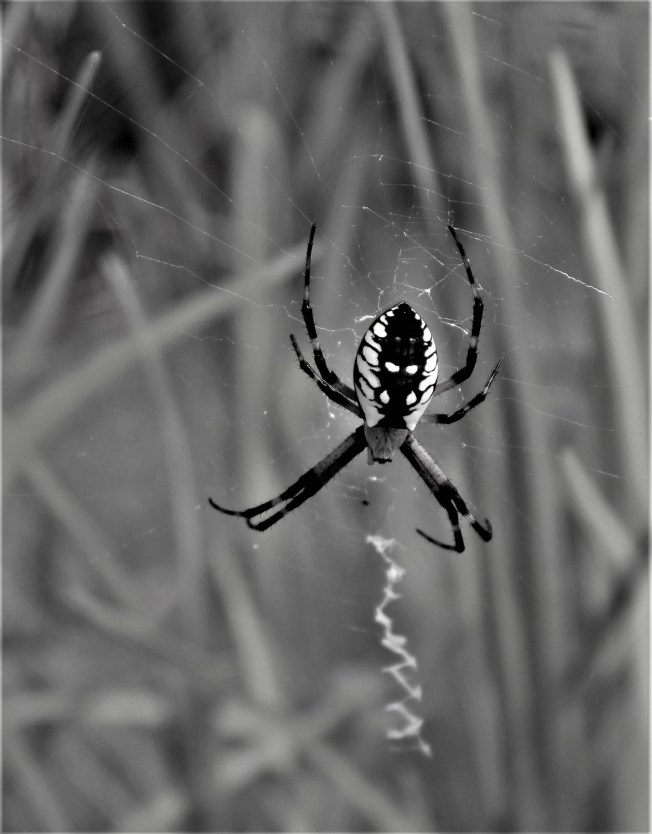
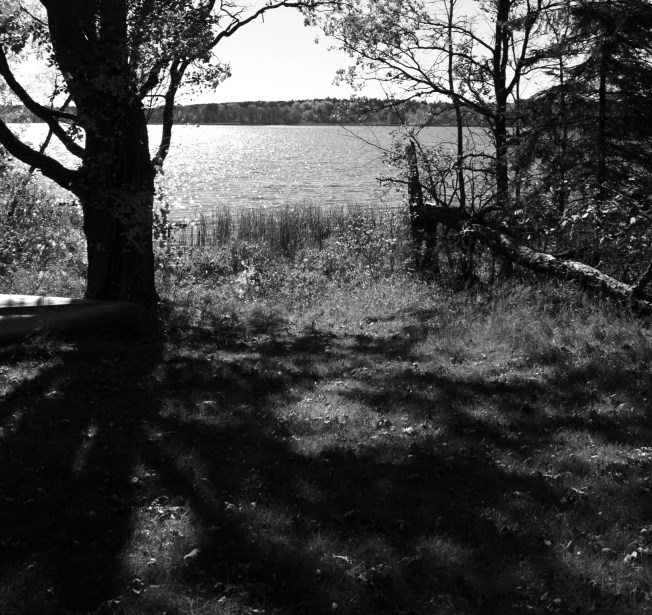
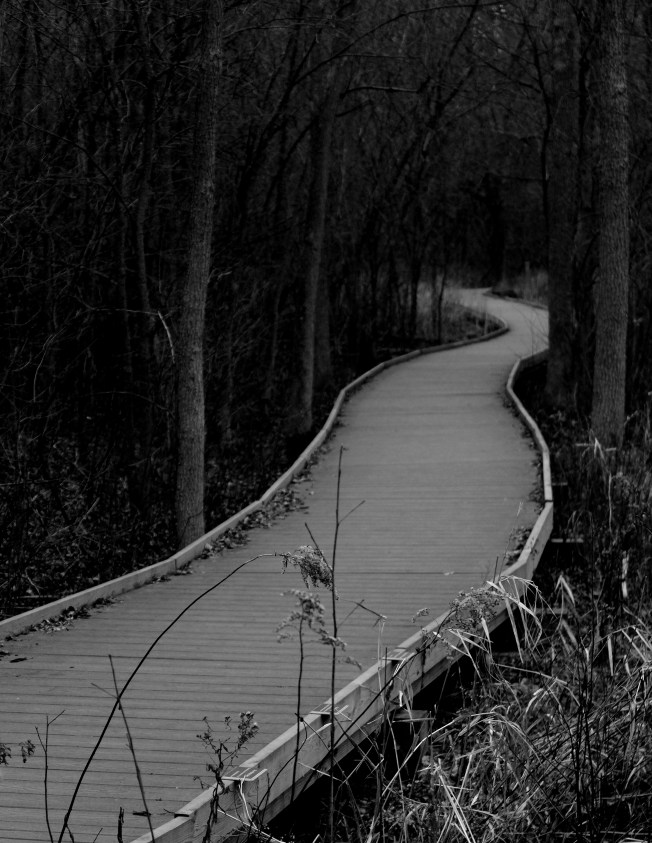
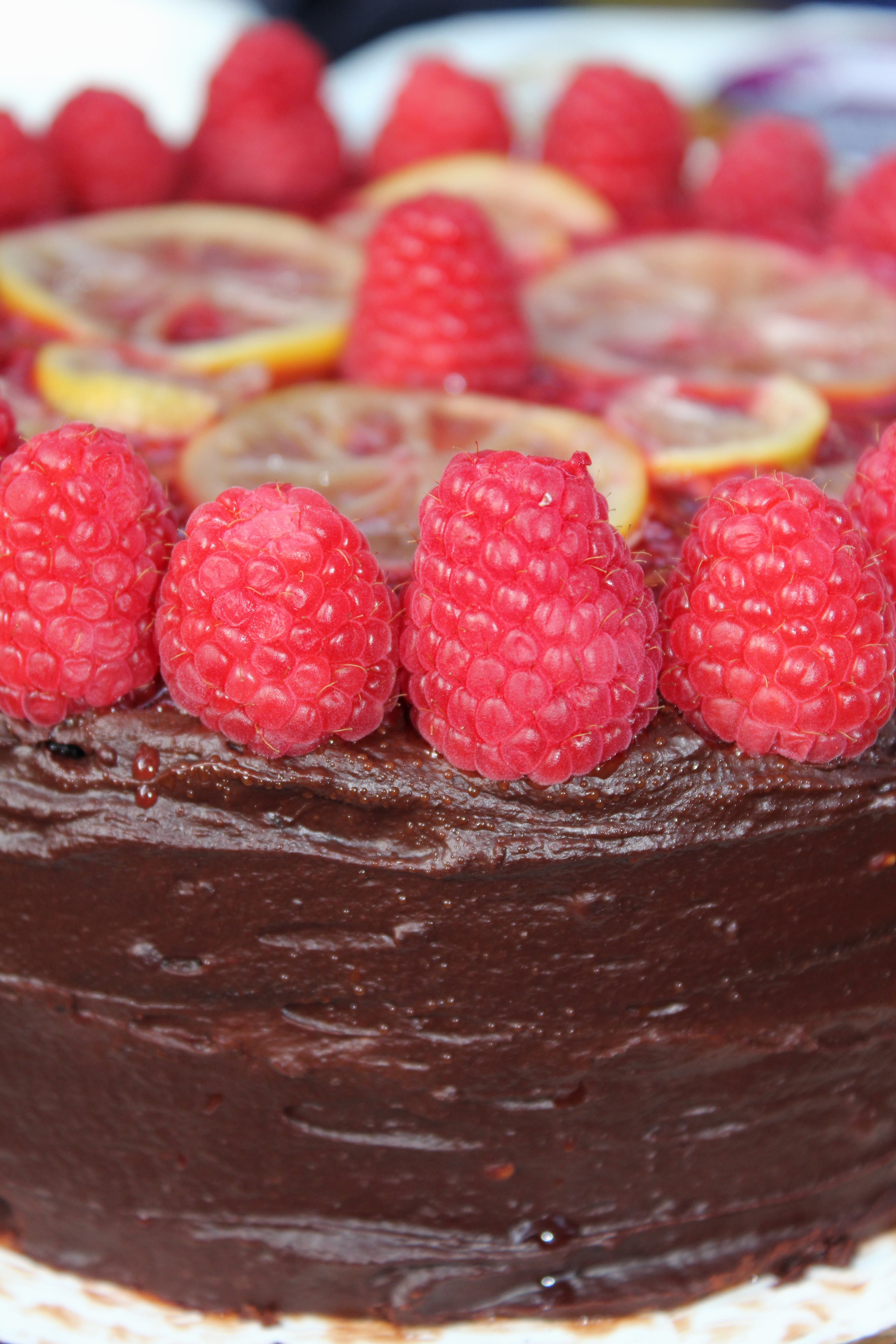
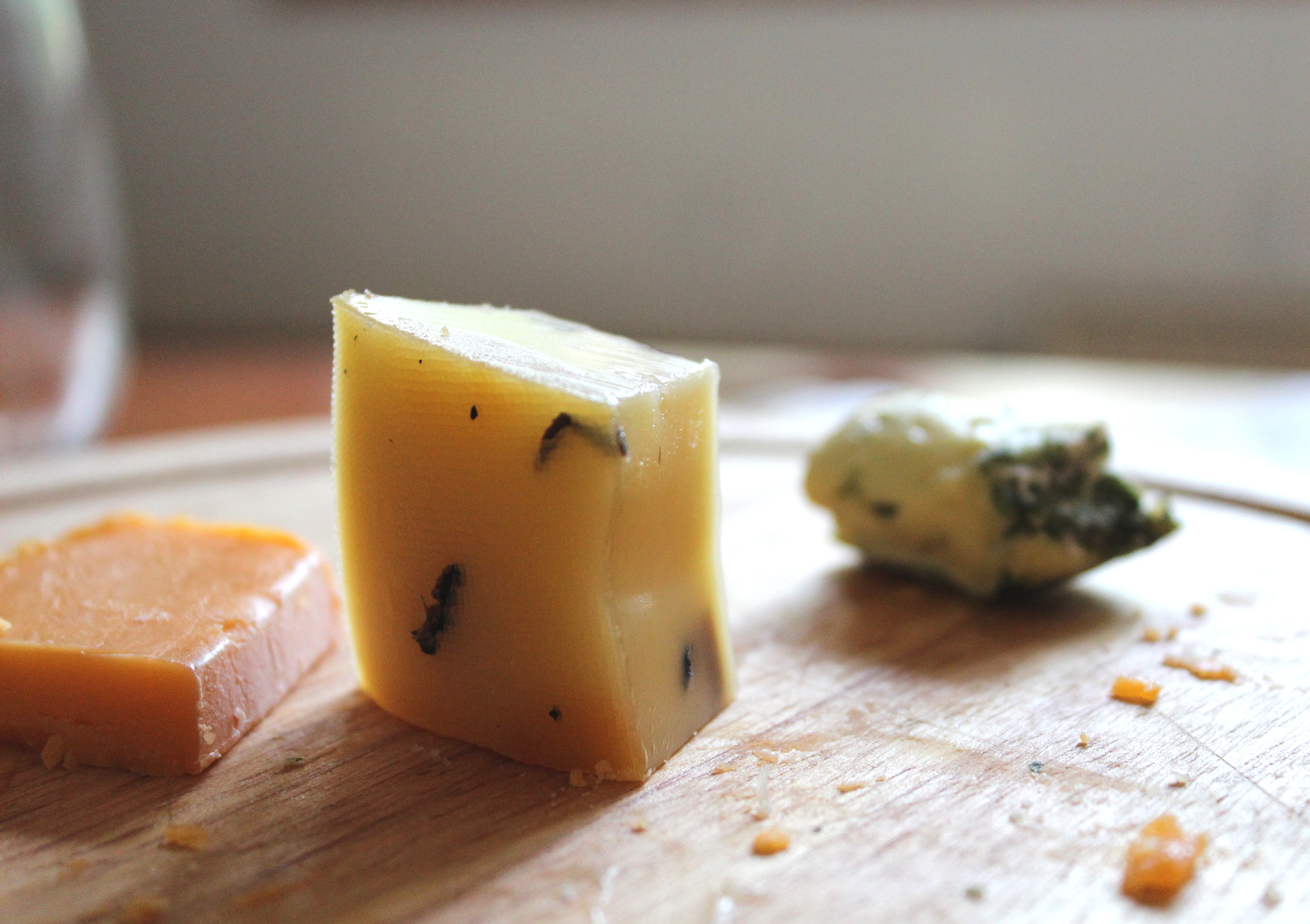
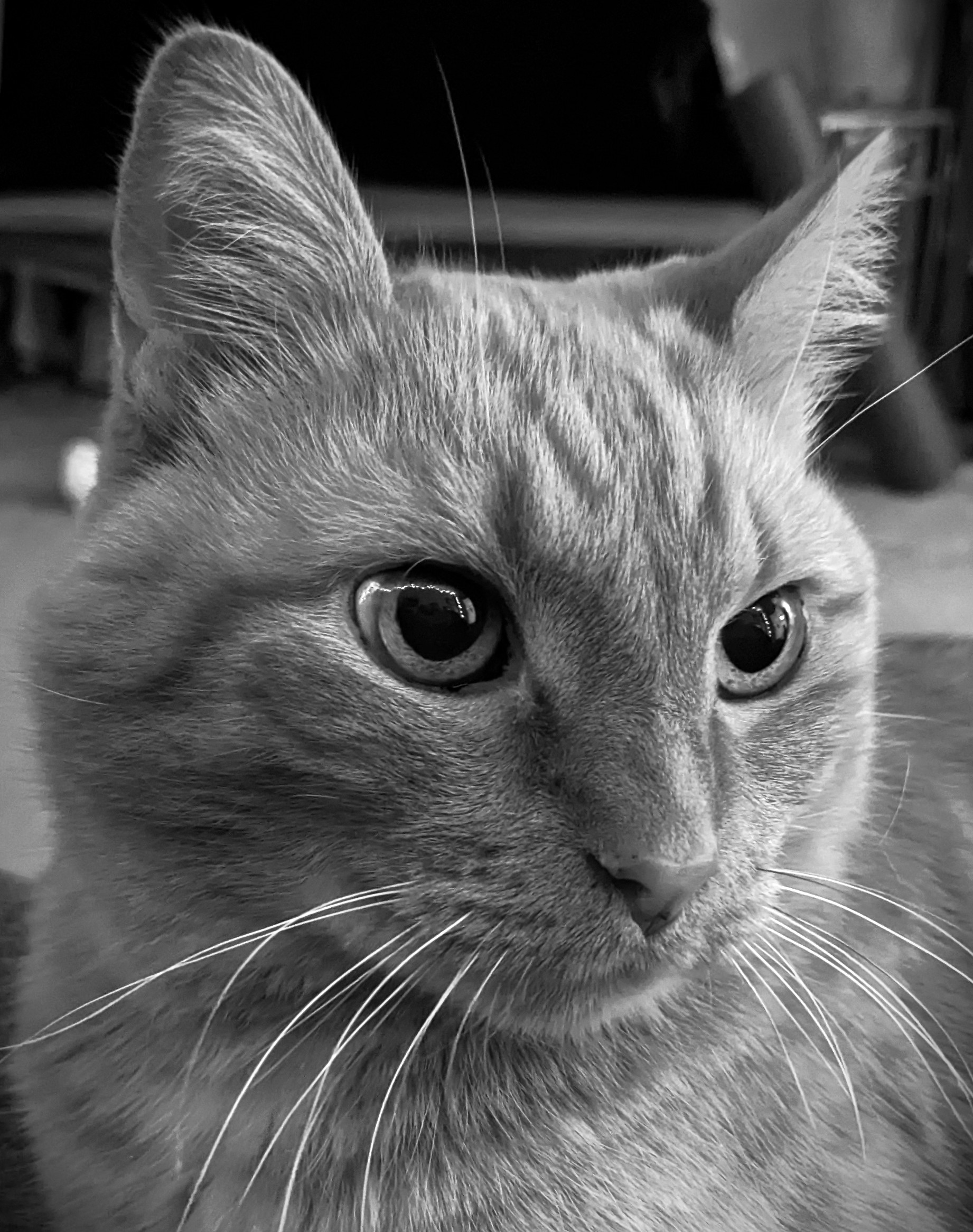
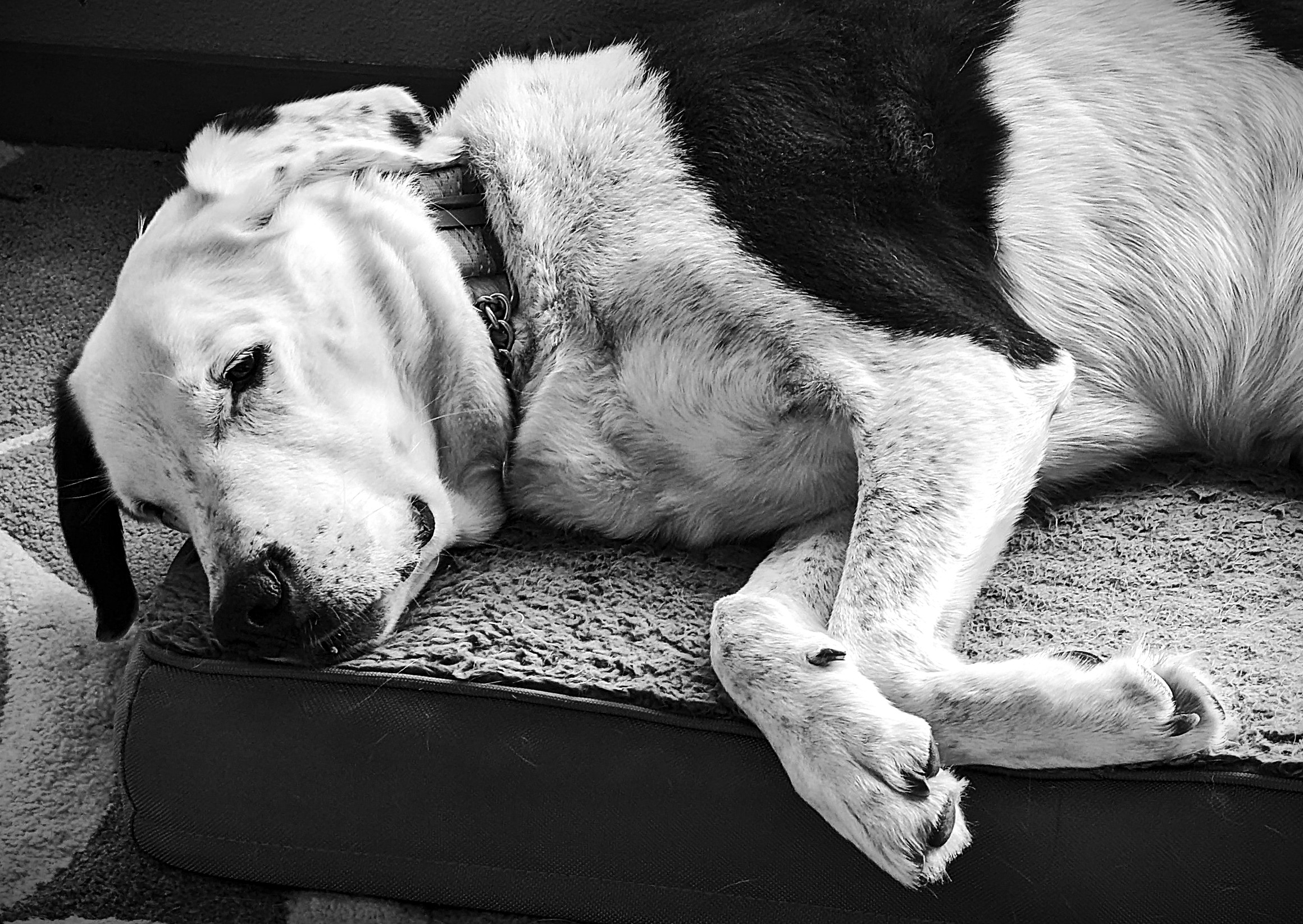
“The most beautiful experience we can have is the mysterious. It is the fundamental emotion that stands at the cradle of true art and true science.” ― Albert Einstein, The World As I See It
“We need the tonic of wildness…At the same time that we are earnest to explore and learn all things, we require that all things be mysterious and unexplorable, that land and sea be indefinitely wild, unsurveyed and unfathomed by us because unfathomable. We can never have enough of nature.” ― Henry David Thoreau, Walden: Or, Life in the Woods
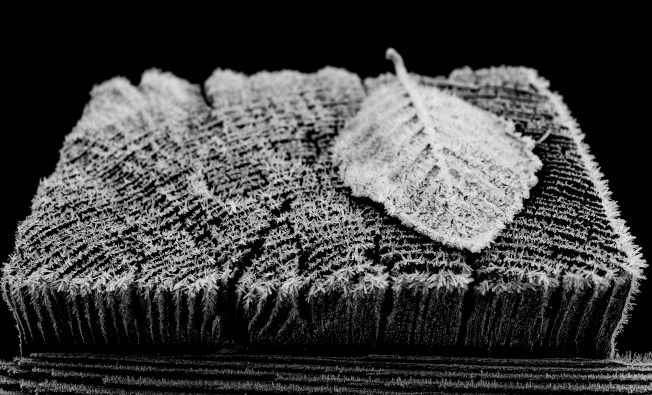
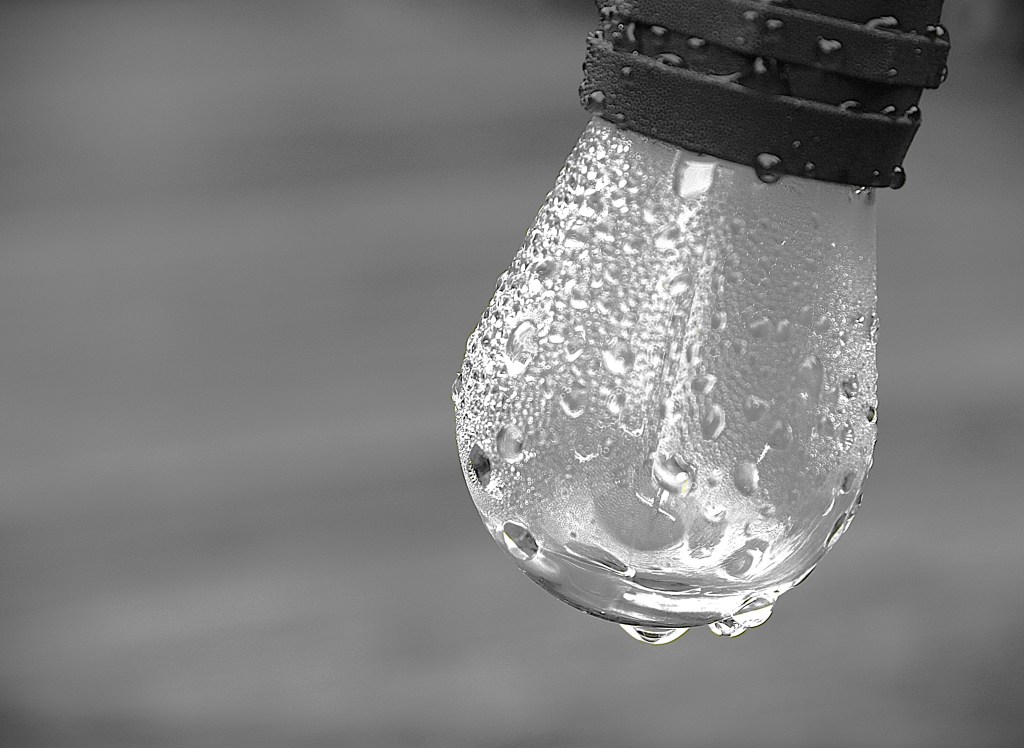
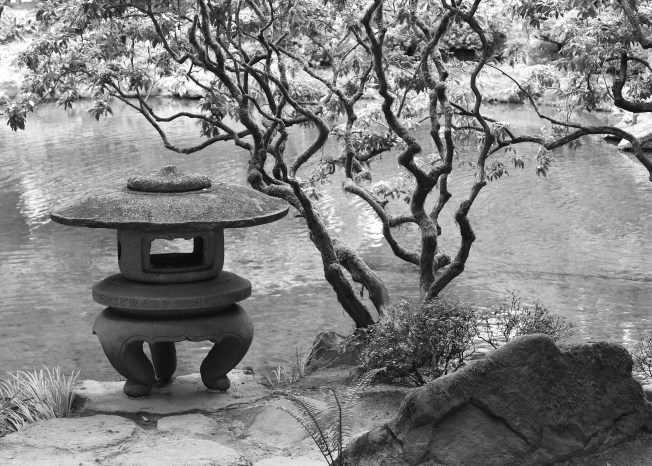
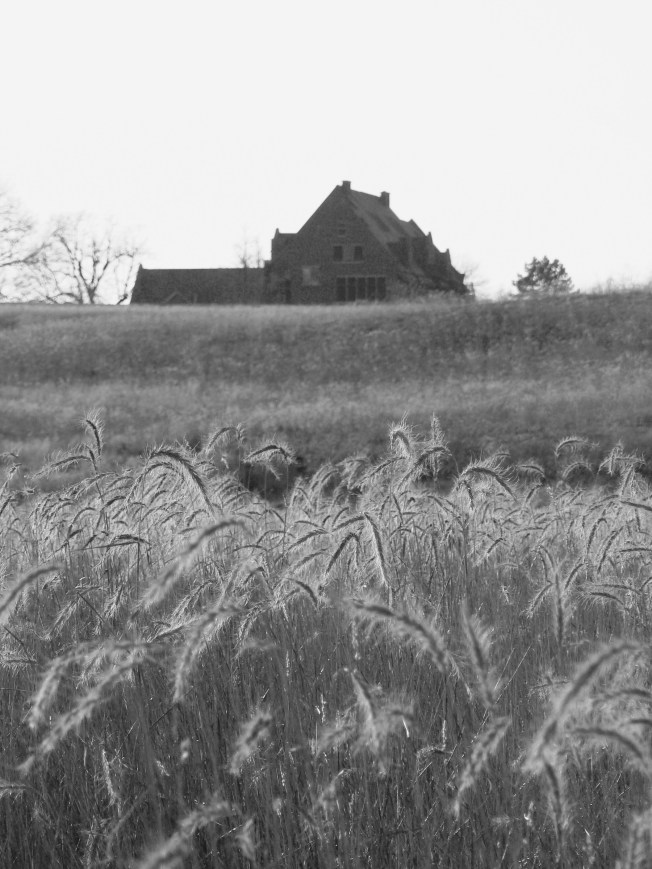
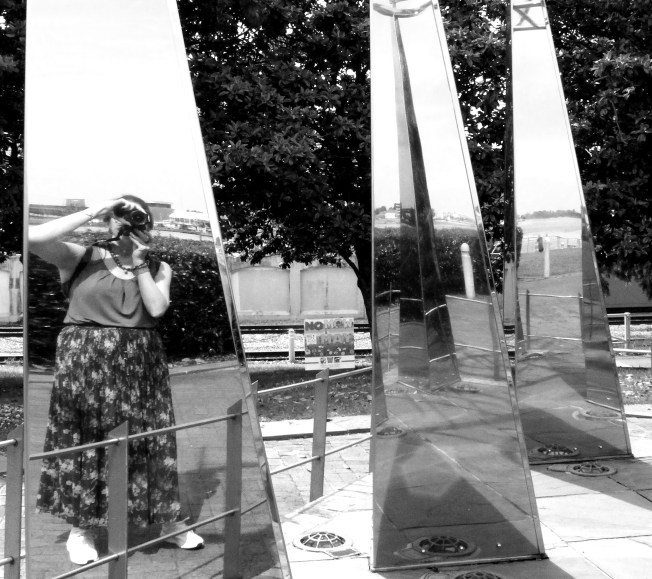
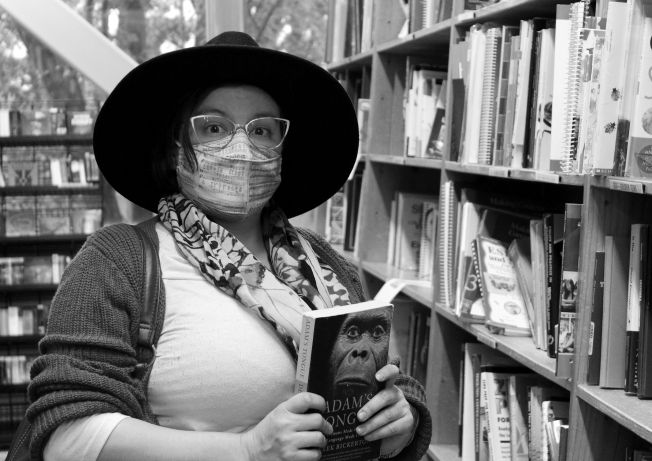
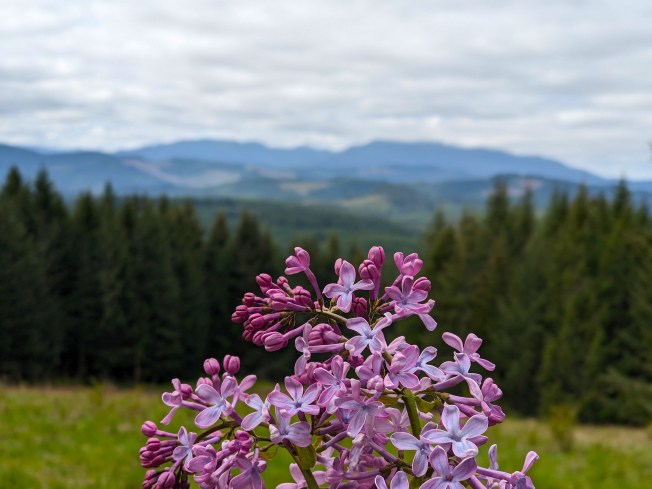
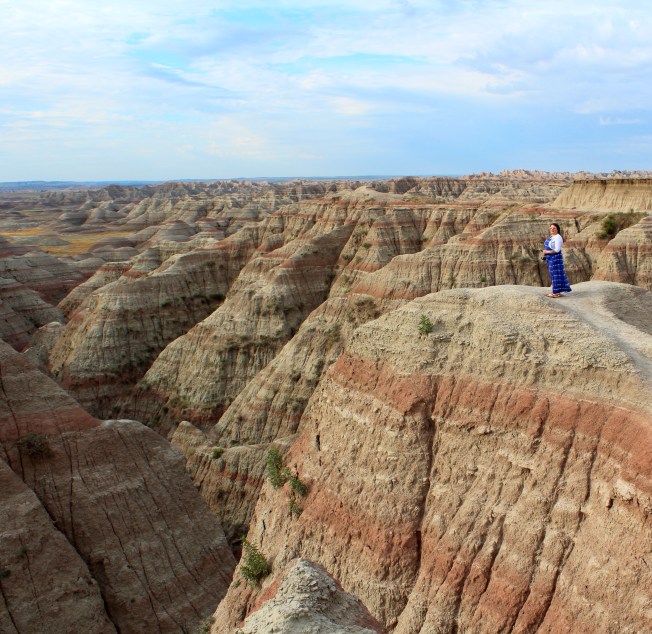
The lure of mystery is perhaps a fundamental part of being human. We yearn to know and understand and fill our large brains with certainty, and yet, we are enthralled by those things that are beyond our scope. We are forever asking questions and posing stories. When I think of how mystery is portrayed in images, I immediately think of black and white photography. There’s something iconic and photojournalistic about the feel of monochrome. And there’s a philosophical point in trying to capture reality in black and white while always including a million shades of gray. Cinematically, there’s the trick of using black & white film to depict a night time scene that was actually shot during the daytime. Is that moonlight? Or sunlight?

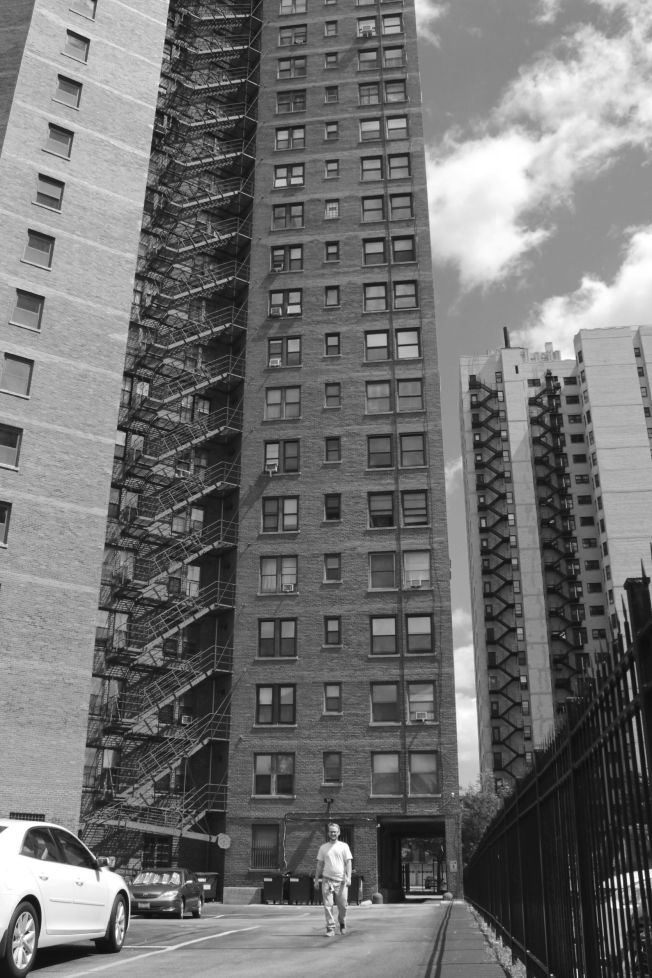
Alfred Hitchcock built his legendary fame by creating cinematic mystery. One technique he used was high angle shots in dramatically contrasting black & white.
Perhaps mystery is where curiosity and fear intersect. Do you really want to know what lies ahead?
When the scene is painted in shades of gray and the picture seems a bit hazy, almost anything is possible. What would you like to happen?
A Town Mouse once visited a relative who lived in the country. For lunch the Country Mouse served wheat stalks, roots, and acorns, with a dash of cold water for drink. The Town Mouse ate very sparingly, nibbling a little of this and a little of that, and by her manner making it very plain that she ate the simple food only to be polite.
After the meal the friends had a long talk, or rather the Town Mouse talked about her life in the city while the Country Mouse listened. They then went to bed in a cozy nest in the hedgerow and slept in quiet and comfort until morning. In her sleep the Country Mouse dreamed she was a Town Mouse with all the luxuries and delights of city life that her friend had described for her. So the next day when the Town Mouse asked the Country Mouse to go home with her to the city, she gladly said yes.
When they reached the mansion in which the Town Mouse lived, they found on the table in the dining room the leavings of a very fine banquet. There were sweetmeats and jellies, pastries, delicious cheeses – indeed, the most tempting foods that a Mouse can imagine.
But just as the Country Mouse was about to nibble a dainty bit of pastry, she heard a Cat mew loudly and scratch at the door. In great fear the Mice scurried to a hiding place, where they lay quite still for a long time, hardly daring to breathe. When at last they ventured back to the feast, the door opened suddenly and in came the servants to clear the table, followed by the House Dog.
The Country Mouse stopped in the Town Mouse’s den only long enough to pick up her carpet bag and umbrella. “You may have luxuries and dainties that I have not,” she said as she hurried away, “but I prefer my plain food and simple life in the country with the peace and security that go with it.”
Poverty with security is better than plenty in the midst of fear and uncertainty. – The Aesop for Children, Library of Congress
Thanks to Tina for suggesting this whimsical and wise tale for our weekly challenge! Do visit HER SITE for a broader interpretation of contrasting City/Country photographs.
Lens-Artists are starting a periodic series of retrospective challenges. This week, Ann-Christine is reaching back to revisit “Creativity”. Click HERE to view my original post on that theme.
So, once again, creativity inspires more creativity, like a series of mirrors.
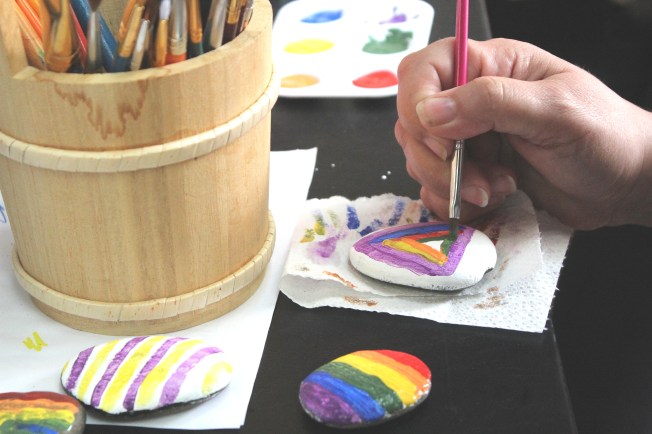
I can’t say that I’m a painter, except that last month I helped paint the interior of a preschool. I used a roller and a 4-inch brush. I did exactly as I was told, with very little creativity.
Sometimes I will try hard to do a craft. Again, I follow directions and try to copy the example. The results are routinely unremarkable.
I am more adventurous with music and dance and often improvise. I love the freedom of expression I’ve gained after decades of practice and years of aging to the point of no longer trying to impress. Maybe that’s something the very young, the very old, and the very confident can get away with.
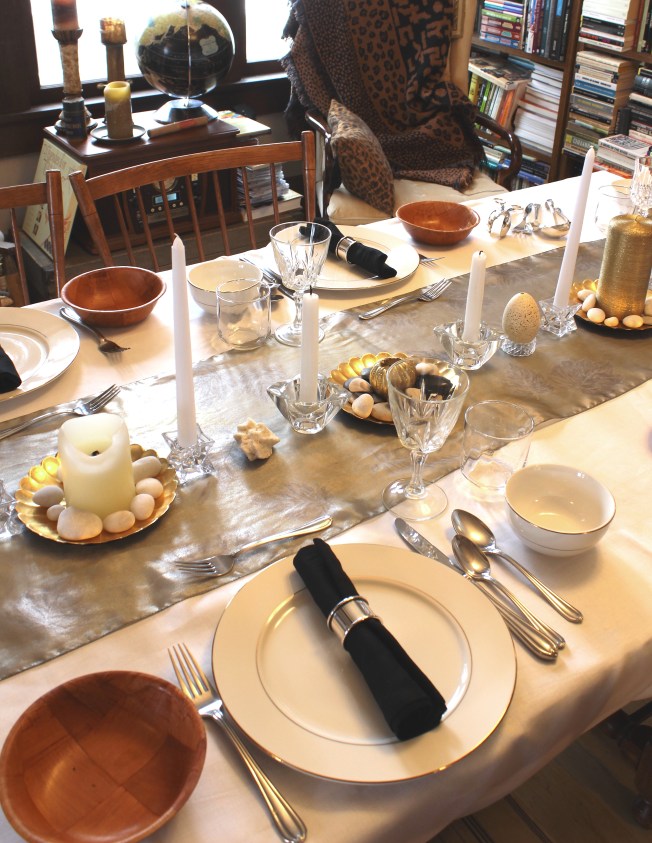
Once upon a time, I gave dinner parties. I’ve never been a good cook, but I can follow a recipe. What I really enjoyed as a creative exercise was setting the stage!
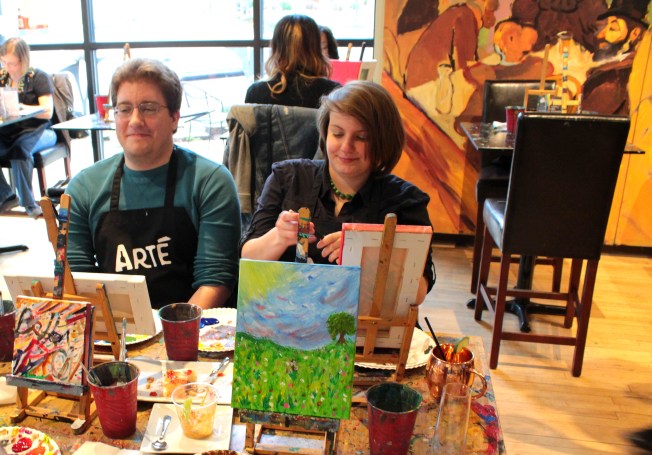
My daughter Susan is a very good artist. She took me to an open studio bar once for a Mother’s Day gift. We had a blast, and I got to keep all the art.
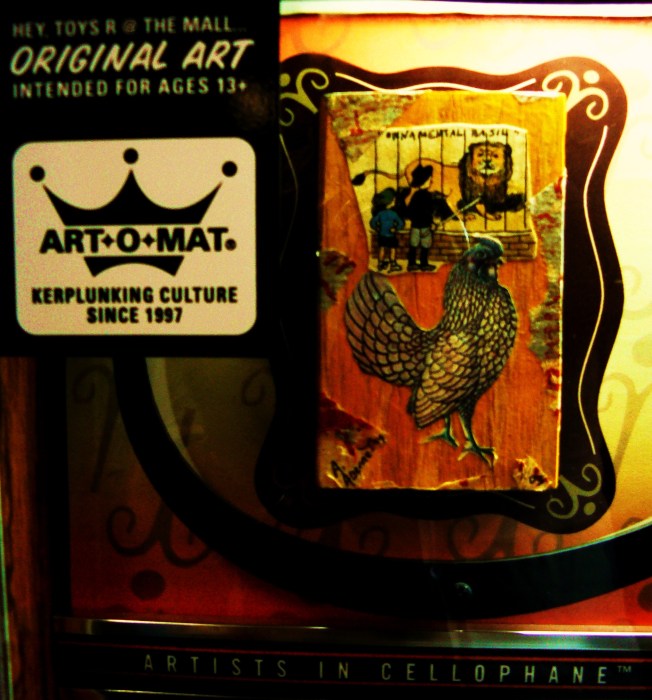
At a healthy, creative restaurant and store in Milwaukee, Wisconsin, I came across this re-purposed cigarette vending machine that was selling original artwork the size of a pack of cigarettes. I’d never seen anything like it before or since.
No one creates in a vacuum. We are all influenced, we all use shared resources. We are co-creators or collaborators, really. I’m most proud of the contribution I made to creating four wonderful human beings. They are all stunning, vibrant, living works of art. I’m proud of the work I do each day to try to create meaning. I’ve scrapped much of that work, but I keep at it. The exhibit that is my Life is a work in progress. I’m grateful for the opportunity to engage in the process that Einstein called “intelligence having fun”.
“It is what you read when you don’t have to that determines what you will be when you can’t help it.” ― Oscar Wilde
I want to tell you the story of my eldest child, whom I’ve watched adore books longer than anyone else I know. Forty years ago, when Susan was an infant not more than 6 months old, we’d put her in the playpen to entertain herself with toys and cloth books. She would literally chew the pages. Then we gave her board books with stiff pages that she quickly learned to turn, one by one, as she’d seen us do when we read to her. For her second Christmas, my husband bought her a phonics cassette tape with a workbook. Before she turned three years old, she was sounding out words. By the time she was four, she was reading chapter books like James and the Giant Peach by Roald Dahl. I’m not joking – we have it on video. When she was older and I found her getting behind in her chores, I tried to take away her reading privileges by turning her bookshelf toward the wall. That was not very effective, as there were things to read all over the house. And someone was always reading.
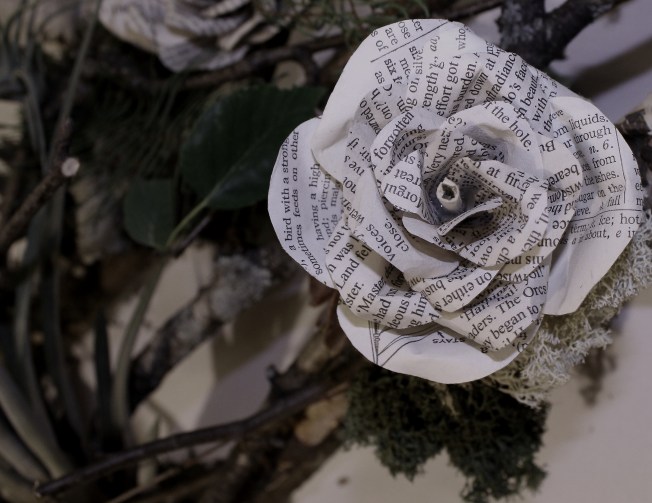
Susan was an excellent student and competed in Spelling Bees and Scholastic Bowls throughout her schooling. She eventually got a Master’s degree in Linguistics. When she was planning her wedding, she decided to make all of the flowers for the tables at the reception out of old paperback books.
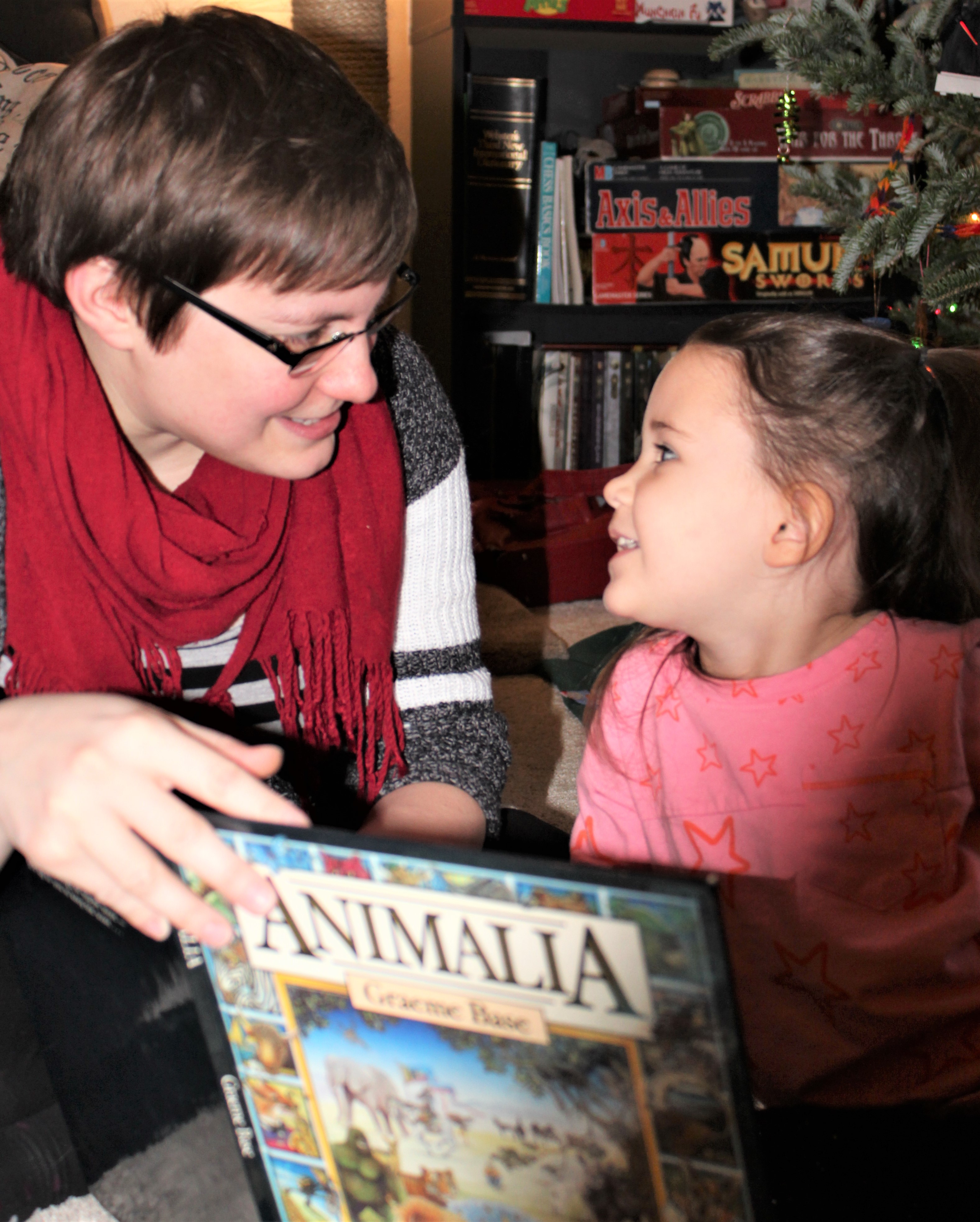
Her best friend since grade school is an elementary school music teacher. Susan is a favorite Auntie to her friend’s children; I caught her one Christmas sharing one of her favorite picture books.
When she visited me in Oregon during the pandemic, we had to visit Powell’s bookstore in Portland. I love to watch her get enthusiastic over almost every title she sees.
“I cannot remember the books I’ve read any more than the meals I have eaten; even so, they have made me.” ― Ralph Waldo Emerson
I am continually amazed at the person my baby has become. I am sure that my late husband and I played some part in that, but I have to acknowledge that what she’s read may have played an even bigger part. I admire her thoroughly for her wealth of knowledge and her empathy, and I’m sure that her reading has informed that tremendously. And she has always been able to keep herself entertained and engaged – the world is her playpen now, and she will always have a good book to keep her company.
Thanks, Ritva, for this inspiring challenge and your beautiful images!
This week’s challenge is “Cinematic“, hosted by Sofia. She describes the theme this way:
“There are a few things that give a photo that cinematic feel: camera angles, bold and high-contrast colors, light, locations, just to name a few. The main objective is to take a shot that is part of a story, there’s mood and a sense of location; our image is but a snapshot of a much wider situation.”
My opening image was taken in a meadow that always reminds me of the opening scene in The Sound of Music. Imagine the helicopter shot through the clouds, and the camera swooping closer to Julie Andrews as she begins to spread her arms and sing. The cinematography is iconic and plays up the contrast between a sweeping landscape and a single character. Background and foreground allude to a wider situation. If I were to expand on my image, I’d imagine the camera panning down to a vase of lilacs on a picnic blanket, a bottle of wine, a loaf of bread, a wheel of cheese, and two fascinating characters…perhaps a talking Douglas squirrel and Steller’s jay.
Two movies stand out in my mind for their cinematography. The Brutalist is a 2024 film that looks and feels just like the title. It’s full of abstract, angular shots. I felt as I was watching it that I was less aware of the story than I was of the photography.
The second movie that came to my mind is Lawrence of Arabia. I was advised to see it on the big screen so that the cinematography could have its full affect on me. I will never forget the desert sunrise scene. It has been hailed as the “greatest cut of all”, a close-up shot of the main character blowing out a match, and then the desert sun rising on the horizon in an extremely sparse long shot. Of course, the music enhances the scene: eerie and mesmerizing, then triumphant and glorious.
I feel like ending this with a 1970s “rom-com” shot…
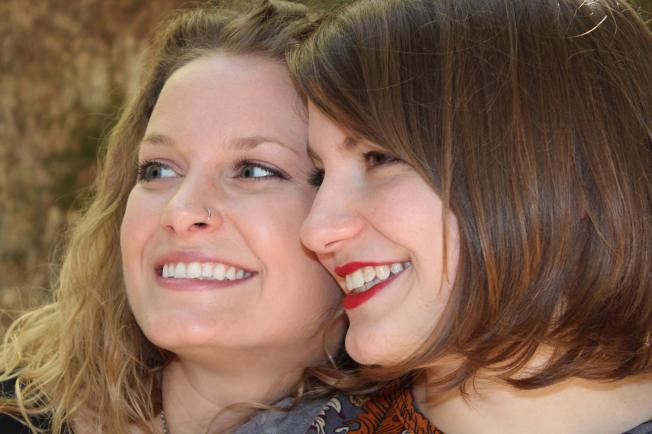
The portrait above is one of my favorites, taken while I was doing the photoshoot for my son’s wedding. These are my daughters, hamming it up for a selfie. My oldest, on the right, turned 40 years old in January. That’s a life change, for me as well as for her.
Photo credit: Richard O’Dell
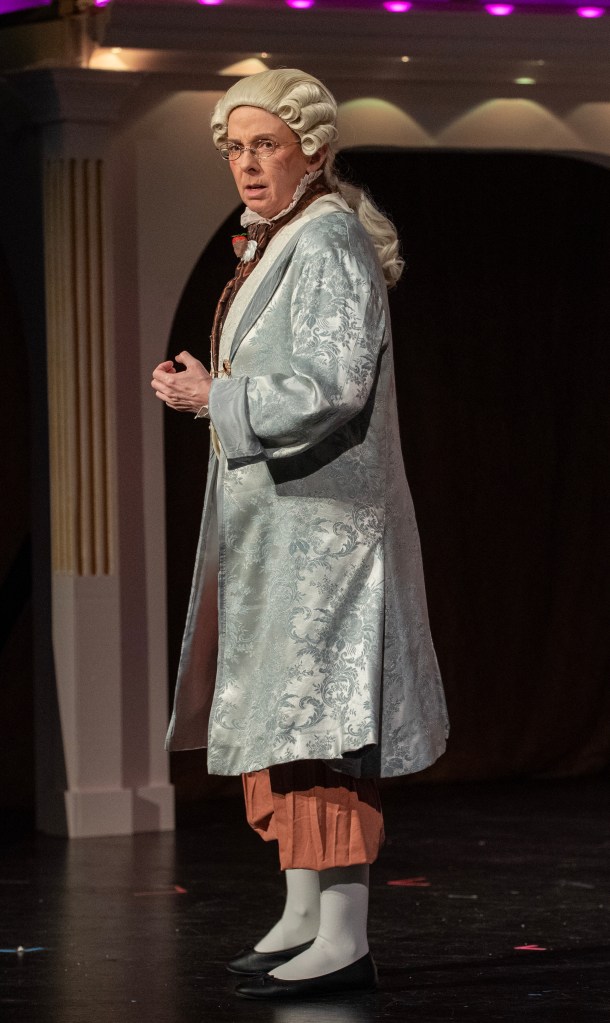
It has been a busy month, Reader, and I have not participated in the last few LA Challenges. I’m attempting to make up for that now. What have I been up to? Thanks for asking! I was onstage for six performances of the play Amadeus with my youngest child in the title role. I am immensely proud of my local community theater for the vision, excellence, and creativity that went into this production. My kiddo’s spouse was also in the production, so it was quite a personally significant experience – an opportunity to work and play with them and their best friends. The respect, the trust, and the love that we built in this process will stay with me forever. I do believe that it has changed our lives.
Life has changed a lot in the last 40 years. I still take photographs, and my family is still my favorite thing about life.
I’m still in awe of the beauty of the world every day.
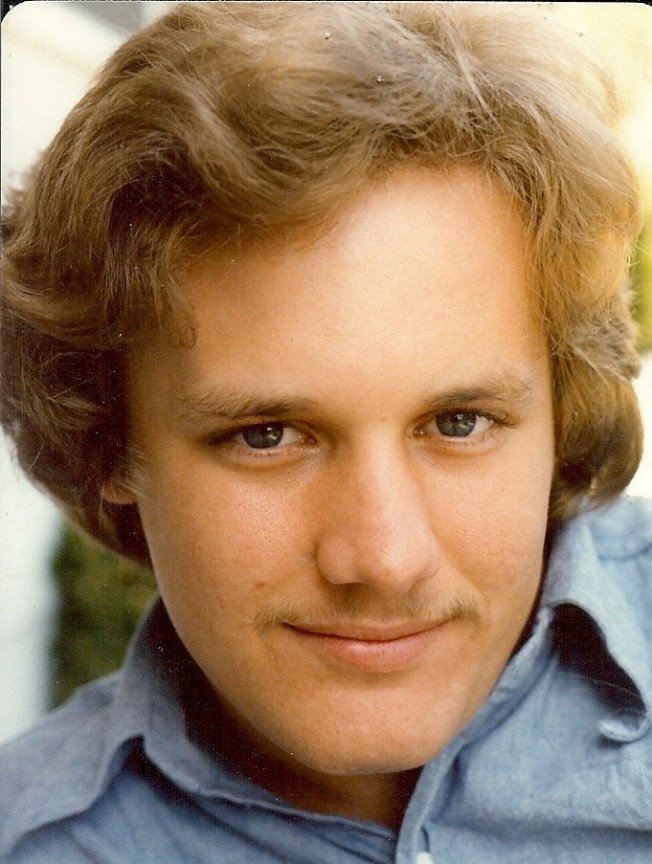
And the intersection of personal favorites, portraits, and life’s changes is still personified in this photo I took of my late husband in 1980. Our kiddo dedicated their performance to him, and we miss him very much. He would have been so proud of us, so full of laughter and appreciation. And always, full of love.
Thanks to Tina for this week’s Challenge, and a shout out to Ritva (Portraits) and Anne (Life’s Changes) as well.
Why bother to take a picture of a common object? Well, in my mind, a photograph elevates the common to the extraordinary when the lighting and the composition are exceptional. There’s something very exciting about being able to capture the beauty of everyday items.
“The only difference between an extraordinary life and an ordinary one is the extraordinary pleasures you find in ordinary things.” ~ Veronique Vienne
“Even the common articles made for daily use become endowed with beauty when they are loved.” ― Soetsu Yanagi, The Beauty of Everyday Things
“Beautiful things of any kind are beautiful in themselves and sufficient to themselves. Praise is extraneous. The object of praise remains what it was—no better and no worse. This applies, I think, even to “beautiful” things in ordinary life—physical objects, artworks. Does anything genuinely beautiful need supplementing? No more than justice does—or truth, or kindness, or humility. Are any of those improved by being praised? Or damaged by contempt? Is an emerald suddenly flawed if no one admires it? Or gold, or ivory, or purple? Lyres? Knives? Flowers? Bushes?”
― Marcus Aurelius, Meditations
If you’ve never thought of a simple egg as beautiful, check out our Challenger’s post: Ritva is amazing at seeing beauty and capturing it in light and composition!
My driveway, good for gathering blackberries or snowballs
Elizabeth of Albatz Travel Adventures hosts the Challenge this week with a tutorial on creating photographic diptychs. I’ve been playing around with the WordPress image gallery options, and this makes me think of pairing up mis-matched socks or table place settings. Do you wear imperfectly mated socks? Do you put differently colored dishes together? Do you match up contrasting fabrics and textures and patterns to create an ensemble (or a room) that is balanced and pleasing? I am in awe of people with that kind of design sense. This is a fun way to play along! I will close with one of my very favorite pairings…
This week’s challenge offers a photography technique about composition. Edigio of Through Brazilian Eyes illustrates how two dominant rectangular areas in a photo create a balanced and pleasing image. I thought the example below seemed to offer a good example.
The porch pictured above belonged to a historic building on the William L. Finley National Wildlife Refuge not far from my home. Unfortunately, it burned to the ground last December. Here’s a news photo I found of it in flames.
(Photo by Damien Miller/USFWS)
When I first read of this composition technique, I was reminded of an annual event that I visited in the Milwaukee Art Museum. It was called “Art in Bloom” and featured a contest of flower arrangements inspired by the artwork on exhibit. I tried to photograph the original art and the flower arrangement in a way that would showcase the similarities. Lo and behold, the two rectangles technique seemed to emerge!
In this case, more than two rectangles…
Thank you, Lens-Artists, for continually engaging our creative community. I wish you all the best – see you next week!
“She would only point out the salvation that was latent in his own soul, and in the soul of every man. Only connect! That was her whole sermon. Only connect the prose and the passion, and both will be exalted, and human love will be seen at its height. Live in fragments no longer. Only connect, and the beast and the monk, robbed of the isolation that is life to either, will die.” – E.M. Forster, Howard’s End
My mother, a Radcliffe English major, used to quote Forster often. “Only connect!” she’d say, referring to a variety of ways that she’d joined thoughts and anecdotes and facts and trivia. I was mystified by this reference for a long time. I wrote a poem about her once, comparing this practice with my visual memory of her pairing up socks while sorting laundry. Helpfully, a Google search has led me to a new interpretation of that quote. The connection of prose and poetry, of head and heart, of physical, sexual, spiritual and intellectual energy alluded to in Forster’s novel reminds me of the theme in the 1927 film Metropolis – the intersection of industry and humanity.
I searched my recent photos to find illustrations of this concept. I quickly realized that I’d set my aspirations pretty high. I’m reaching for artistic expression that mirrors sweeping novels and ground-breaking cinema in my amateur snapshots! Well, let’s embrace that absurdity. Why not?
I finally came across a display of Love Locks on this pier on the Mississippi River in New Orleans. Here’s an AI generated summary of this cultural phenomenon (nodding to John’s challenge of last week): “Love locks, or padlocks of love, are a way for couples to symbolize their love by attaching them to a public fixture, such as a bridge, fence, or statue. The locks are often engraved with the couple’s names or initials, and sometimes the date, and the key is thrown away to symbolize their unbreakable bond. The tradition is thought to have originated in Serbia over a century ago when a young woman named Nada died of heartbreak after her lover was unfaithful. Inspired by her tragedy, local women began attaching padlocks to bridges with their names and those of their loved ones. The poet Desanka Maksimović later memorialized the story in a poem that helped spread the practice around the world. Today, love locks can be found in many cities: Paris, Cologne, Malta, Mount Huangshan.”
How do you anchor passion and hope? How do you create loving connection that endures in this technological age?
I find a precious connection in this moment between my sister and my son-in-love. It depicts two different generations connecting face to face, while his cell phone is idling in his hand.
This modern world can be overwhelmingly distorted and fragmented, filled with hard angles that force our soft bodies into tight spaces. How do we live in connection with all this, in right relationships where we are good for and good with the world around us?
Donna at Wind Kisses initiated this wonderful online connection between us Lens-Artists. Do go visit her post HERE for beautifully illustrated and intricate connections in Italy, Greece, and Turkey.