Category Archives: Nature
Weekly Photo Challenge: Happy Earth Mother May Day!
What a perfect topic for a photo challenge! Mother Earth is my favorite subject, and I’ve got LOTS of nature photos featured on this blog. Check out my Wisconsin Outdoors and Wilderness pages in the header above for some of my favorites!
Since this is the beautiful, lusty, bright month of May, I think I will highlight one of the woodland ephemeral wildflowers that emerge in my neck of the woods at this time: the Mayapple. Yes, the tiny bud eventually becomes a little green fruit rather like a crab apple, but I hear it’s unwise to eat them in any quantity…because…well, you know… Anyway, here’s one small citizen of Earth, from bud to maturity.
Weekly Photo Challenge: Abstract Earth Day
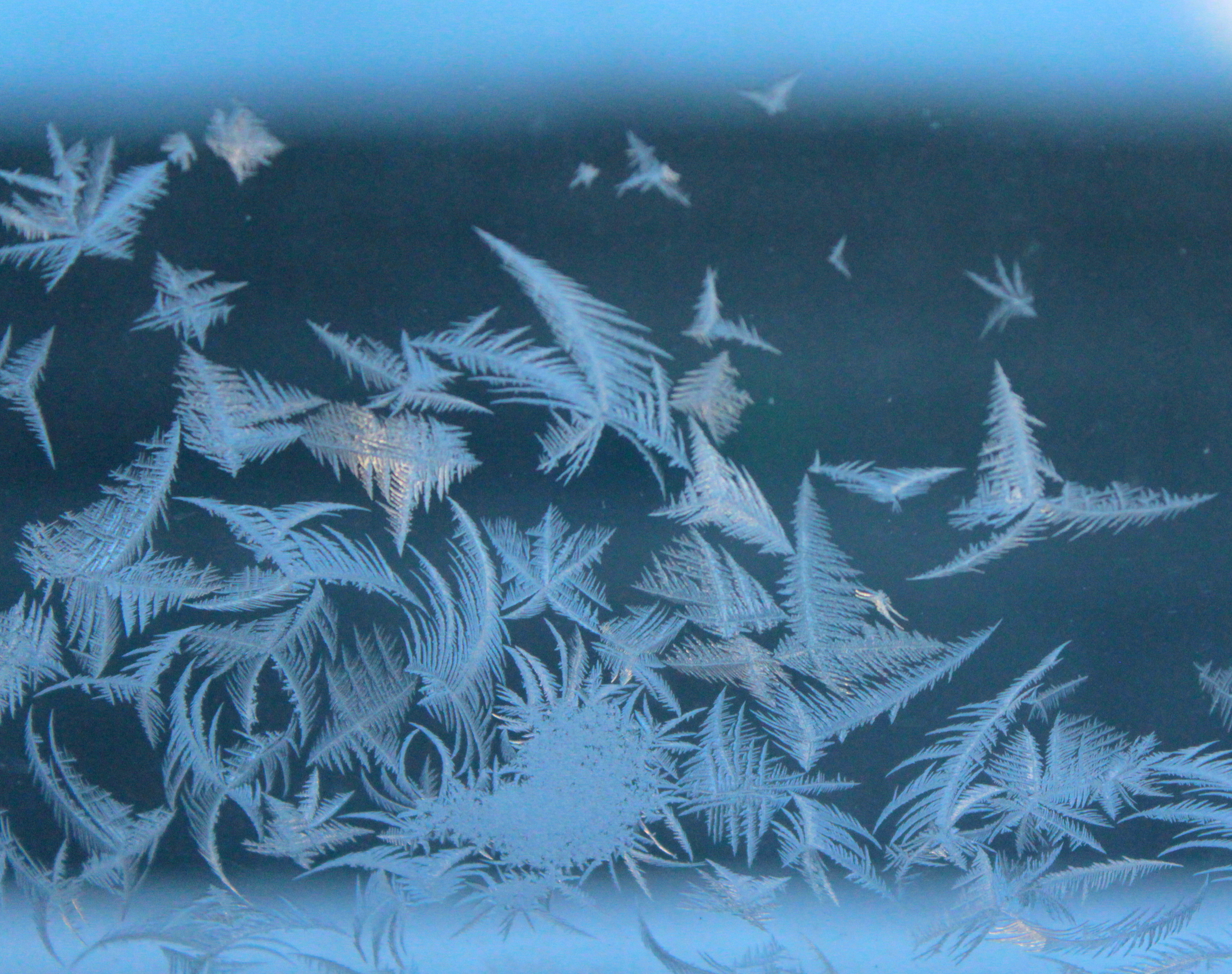
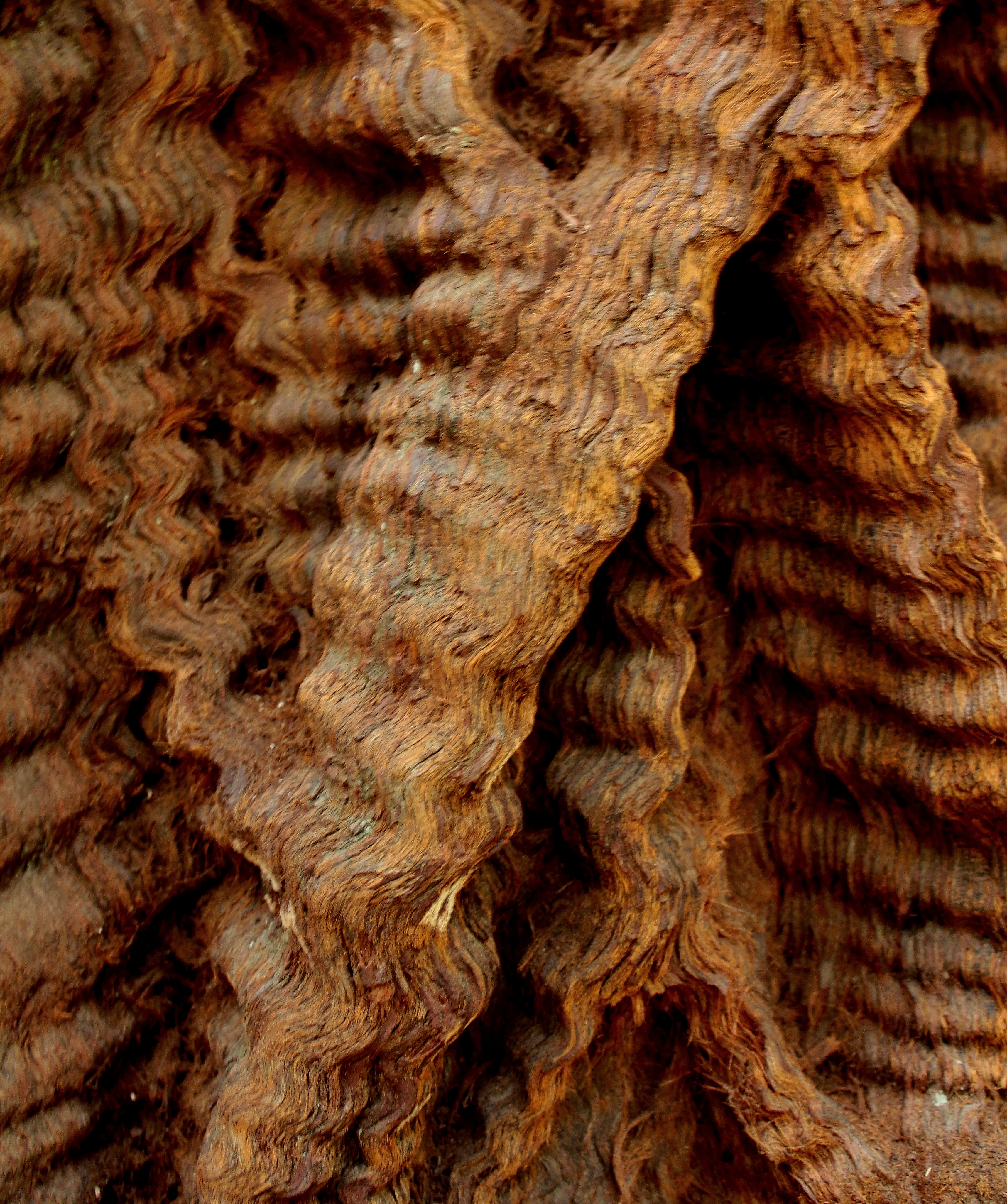
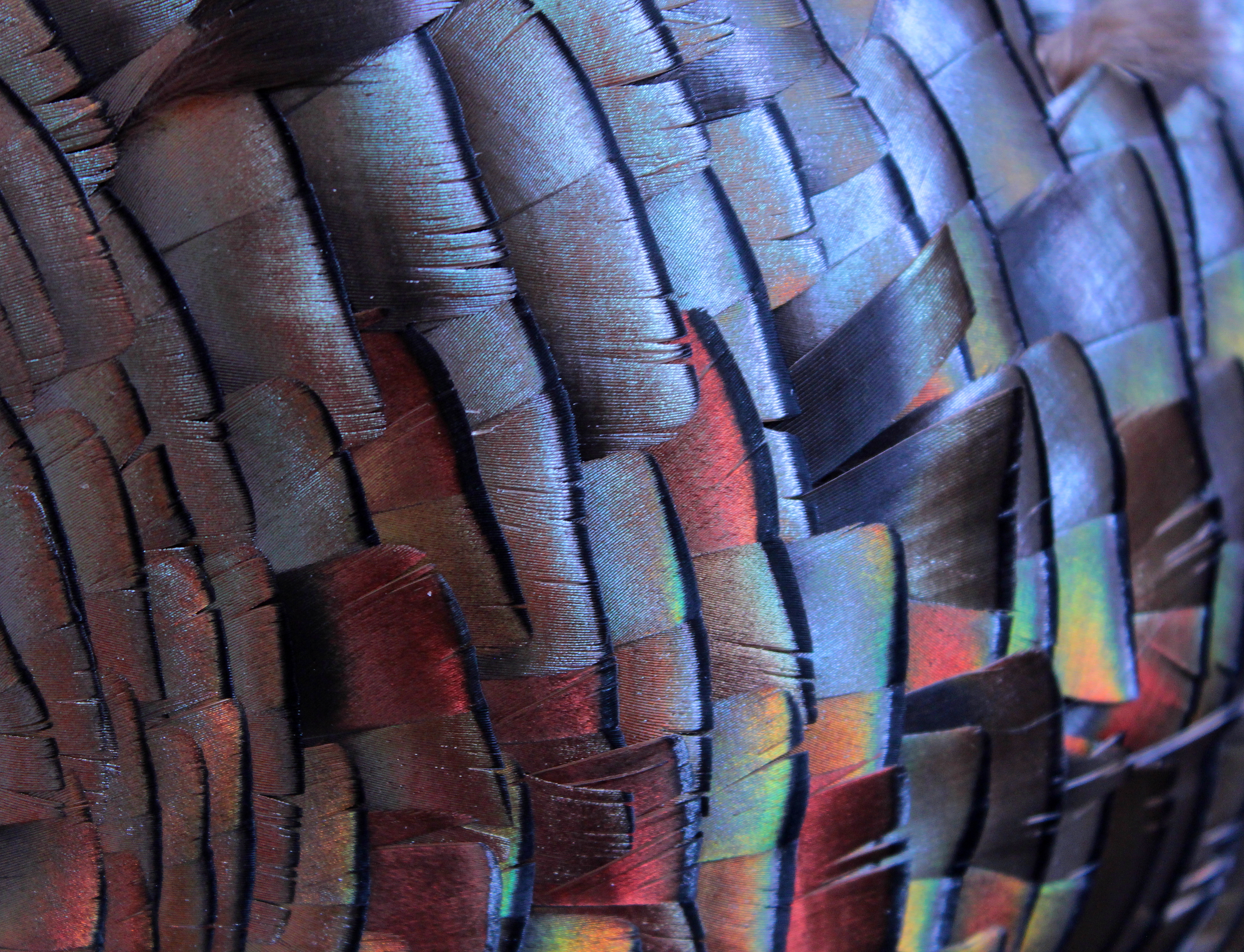
Today’s challenge is “Abstract”, and it’s Earth Day. So many beautiful textures and forms in nature that may be completely unrecognizable close up although familiar at a distance.
One definition of “abstract” is to remove, as in remove it from its context.
When you abstract something, you may consider it theoretically and separately from its surroundings. This is something that scientists do particularly.
And then the challenge is to put it back into context and look at it holistically, as a whole, interconnected thing.
This is exactly the way we need to look at our Earth. Parts are interesting to study, but the whole, living thing is what we need to protect.
The complexities of our planet, the delicate balance and harmony of its interdependent eco-systems, are perhaps far beyond our capacity to understand. Therefore, it’s important to respect them and strive to preserve their integrity. And it’s equally important simply to revere them and enjoy the awe they inspire.
May you enjoy the Earth today, in abstract detail and in whole.
Weekly Photo Challenge: Future
Another morning of Spring snow, slowing changing to rain. The future comes to us haltingly, moment by moment. The human consciousness is capable of projecting thought far beyond this present moment. Other species don’t bother. The future is in the bud, the seed, the egg. They are content to let it belong there.
I sometimes don’t know what to do with my human consciousness of the future. It can cause anxiety and expectation, which is often very unsettling.
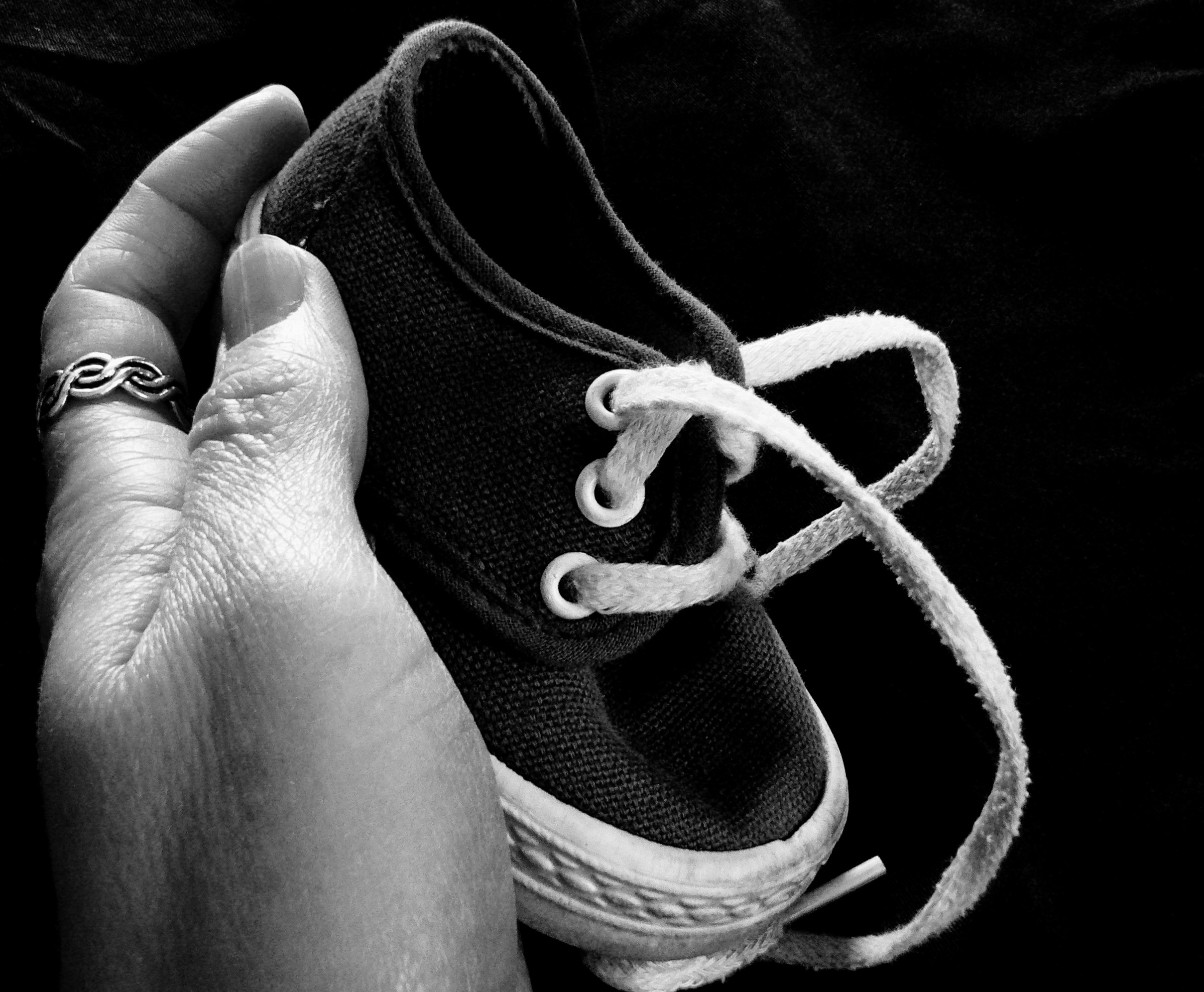
The boy who wore that shoe turned 29 years old this week. I’ve thought of his future for that much time, and more. Perhaps that awareness has been helpful.
But sometimes, I wonder if it’s not as helpful as my awareness of the moment.
The flicker of the present, the warmth, the light. This is where we are most alive.
Weekly Photo Challenge: Landscapes of my Life
I am pleased that Joshua Tree National Park and Jeff Sinon were both mentioned in this challenge. I happen to be fans of both! And of Wilderness, of course. (There’s a page dedicated to Wilderness above – please take a look!)
Landscape has been an inspiration for me from a very young age. My father used to take me for walks in the Morton Arboretum in the far western Chicago suburbs. I was overjoyed to be set free running across open expanses of rolling lawn dotted with dandelions and trees. Suburban landscapes are quite domestic, though. I longed for something wilder.
I would stare out my second floor bedroom window towards the west, imagining that the frontier started just beyond the GAR Memorial Forest Preserve and the Des Plaines river. I finally learned that there were just more suburbs on the other side. Then, when I was 10, we went to Colorado to visit my cousins, and I saw a mountain for the first time. It was like all the magic of a fairy tale come true, more majesty than I could take in with my arms spread wide and my feet clambering tirelessly upward!
When I was 14, we moved to California, and I discovered a diversity of landscapes to love – the shore, the deserts, the redwood forests, the foothills and the Sierras.
By my 30th birthday, I had moved back to the Midwest to raise my four children in a less dramatic but safer environment. I fell in love again with the prairie.
But Wilderness calls me to the North Woods and the West whenever I can travel, and these landscapes are the ones I want to photograph with more care and passion (and better equipment!) in the future.
Landscape
Weekly Photo Challenge: Swans at Half Light
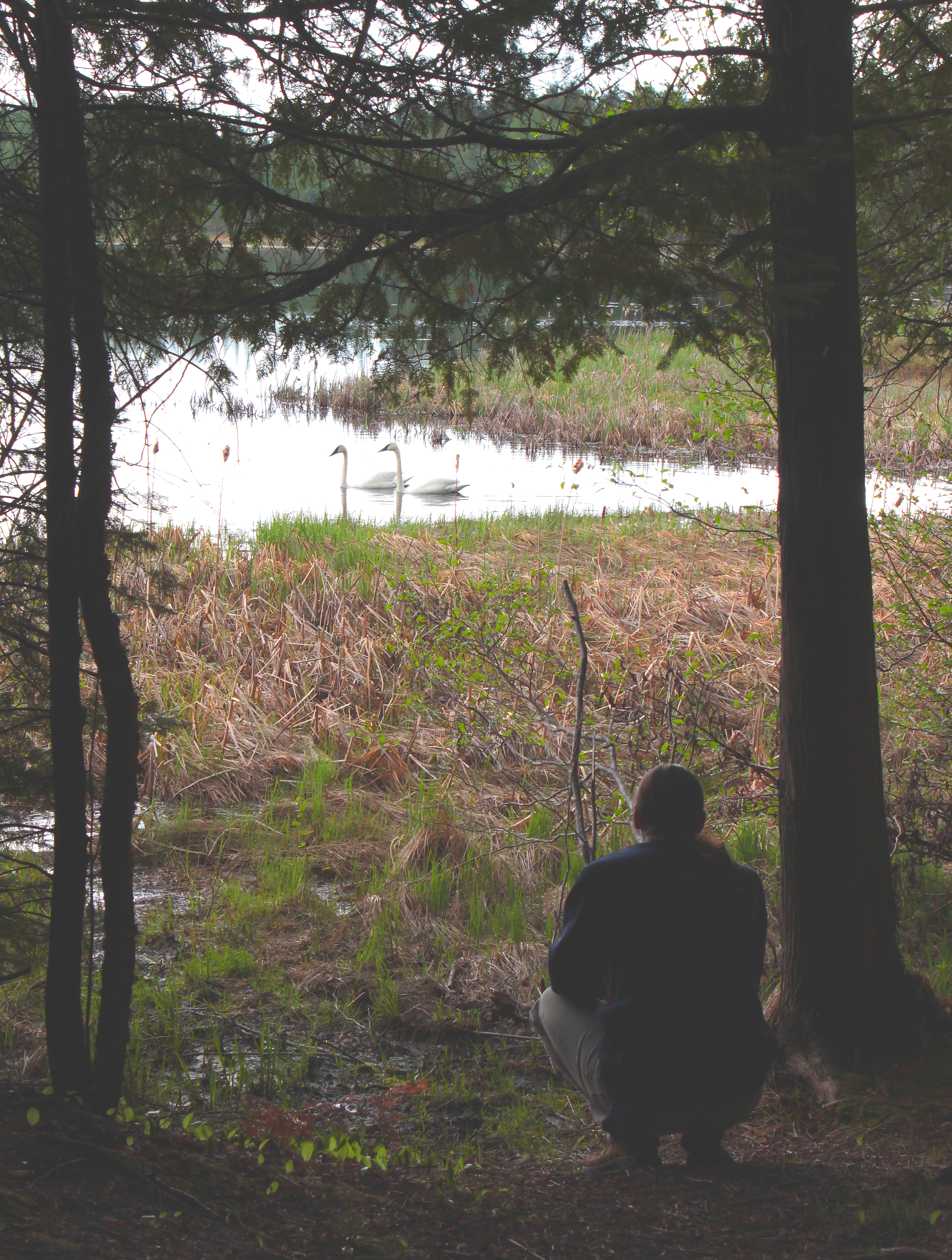
When I was a little girl, my father read to me from E.B. White’s story “The Trumpet of the Swan”. I was 8 years old when that book was published, and I can imagine my father buying it to read to me and my 3 older sisters with his own great curiosity about that remarkable writer neatly disguised as paternal generosity. I had a fascination with the part where the young swan stays at the Ritz Carlton in Boston and eats watercress sandwiches provided by room service, probably in part because I was born in Massachusetts. We had moved to the Midwest when I was 4 years old. When I was 14, we moved to California. When I was 29 and had 4 kids of my own, I moved back to Illinois. Five years ago, I moved up to Wisconsin. In the north woods, and the edge of designated Wilderness, I saw my first wild swans in the half light of evening as I was setting up camp with Steve. I thought of Louis the swan and of finding your true wild voice. I heard the deep silence of that Place and felt the tender understanding of my father, who loved the outdoors. I stood on the soft, summer pine forest floor and took these pictures. To me, the world is poetry – in moment and memory.
The Color Green
I’ve never been to Ireland, but I love the color green. I carry a bit of it with me at all times, in my eyes.
I do have a great-grandmother who I think was born there. My grandmother’s name was Marion Keefe McFarland. My husband’s grandmother’s name was Mabelle Claire Mahanna Sargent. Today I think of them, for I knew them both, a little. But mostly, I think of green.
For all of you celebrating Irish, I wish you the best of St. Patrick’s Days!
I Love This Place!
This month, I was honored to be the Associate Editor of The Be Zine, and the theme of the issue is “The Joys of Nature: Wilderness, Gardens and Green Spaces”. Browse the entire blogazine here.
What exactly is our relationship with Earth, its wilderness, its gardens and its green spaces?
Of course we all value this place in some way. I won’t call it our home, although we all live here; we can live nowhere else. To me, the idea of ownership seems inappropriate at least and inaccurate at best. This place may be closer to owning me, in fact. And ‘home’ makes it seem so domesticated. Is that what it is? Or is it unapologetically wild and autonomous? I have decided to approach this place as I would an equal: with humility and respect for both of us. That seems to be the best moral decision I can make.
Others don’t agree. They consider this place a servant in need of stewardship. They talk of ‘eco-system services’ and measure the value of this place by the benefits it provides to one species, a single leaf on the great Tree of Life – Humans. They extract the elements that serve them, but they are not producers, like plants; they are consumers. They talk in economic terms, like ‘board feet’, but the only thing they truly produce is waste, of which only a minimal amount can be absorbed and re-used. They concern themselves with ‘management’, imagining a parental responsibility for the growth and training of this place. It’s ironic to me that the child they attend is billions of years their senior. 
This place is often valued for its beauty, prized for delicate and powerful sensual elements that fill the soul and spark the imagination. Many who praise it lift it far up on a pedestal of mysticism but decline to offer it their understanding or their presence. To them, it can become remote, surreal and alien, a romantic fantasy on an epic canvas.
Some view this place with disinterest, perturbation, or downright disgust. Standing on it just means that it’s beneath them; they will not allow themselves to be grounded. It takes a great expenditure of energy to maintain this separation, but they achieve this distance by employing every distraction and applying every veneer currently available.
This has been called the “Athropocene Era”, the geological epoch of Humans. We are the dominant species at the moment and the major force impacting the Earth. We’re no longer a hunter-gatherer society, and our advancing technology is always at the expense of natural resources, even if our intention is to use it for conservation efforts. For example, the ‘progress’ we have made in recycling plastic still uses tremendous energy to break down the material and still results in the production of waste and toxins. The unchecked growth of our species has effected the climate of the entire planet and threatens a mass extinction.
It stands to reason that the only way to lessen our impact is to become less numerous, consume less, and produce less waste. We must slow down and live simpler, more sustainable lifestyles in order to stop this growth mentality that has become a global menace. Then we can begin to nurture an equal relationship to this place and its inhabitants.