Unknown's avatar

Farming a Dancing Landscape

Some Thoughts on Poverty – Spiritual Lessons from Nature Series

This article appears in this month’s issue of The BeZine.  To read the entire issue, click HERE.

Raising a child is not rocket science. It is more complex than that. Rocket science is merely complicated. What’s the difference? The Latin root for complicated means “folded,” like pleats. There are hidden surfaces, but you can unfold them and draw an iron straight across it. Rocket science requires a long series of problems to solve, but with enough time and effort, you can get through them all and even repeat the entire process with very similar and predictable results. (Any one with more than one kid knows this is not the case in parenting!) In the same way, you can determine which peak is the tallest one in the Appalachian Mountains. You probably can’t guess correctly just by looking out over the landscape from a single overview, but get enough people with GPS tools to climb the hundreds of peaks on the horizon and take measurements, and eventually, you can figure out which one is the tallest. Complicated, but do-able.
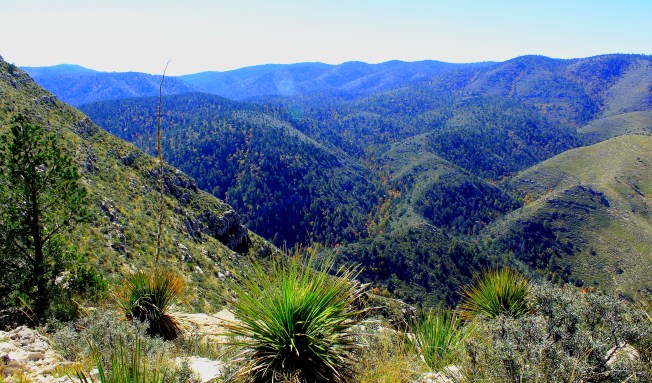
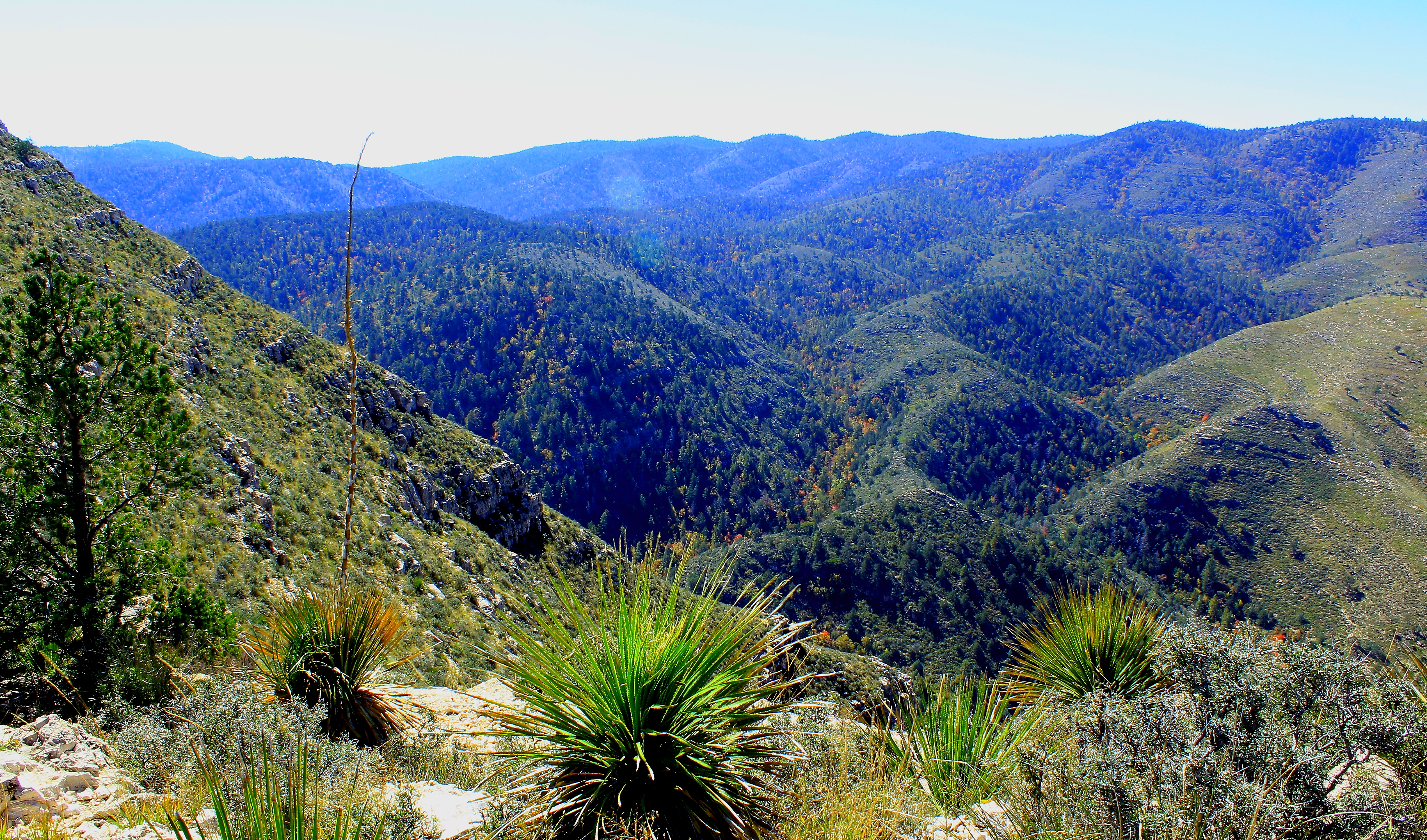
Guadalupe rangeComplex is a whole different story. The root of that word means “inter-woven,” like a spider’s web, where each fine thread is connected to another. And they’re all sticky except for the ones the spider uses to climb directly over to her stuck prey. But can you tell which is which? Can you tell that the one you just stepped into is sending a ripple right over to where the spider is sitting? She now knows exactly where you’re stuck, but she doesn’t know that you harbor a parasite that will kill her and make its way to yet another host when yonder sparrow snaps up her dead carcass. That’s complex.
spider web

Raising a child is complex. Trying to tell which peak in the Appalachian range is the tallest is complex, too, if the landscape is dancing: changing in an unpredictable pattern , moving to the rhythm of an imperceptible music. Which peak is tallest now? And NOW? And why are we even trying to find the answer to that question while watching this mysterious dance?

Poverty is complex. It is not something that is solved by simply devoting more time and effort to the problem. If it were, we would not be looking at thousands of years of history on the subject. We give in to the temptation to simplify poverty into a matter of dollars over time, reducing it to something measurable, predictable, and controlled, a mere graphic—the poverty line. But poverty is an inter-woven network of relationships and concepts—self worth, social justice, resources and their extraction, economic policies and global politics. It is as complex as our planet’s environment.
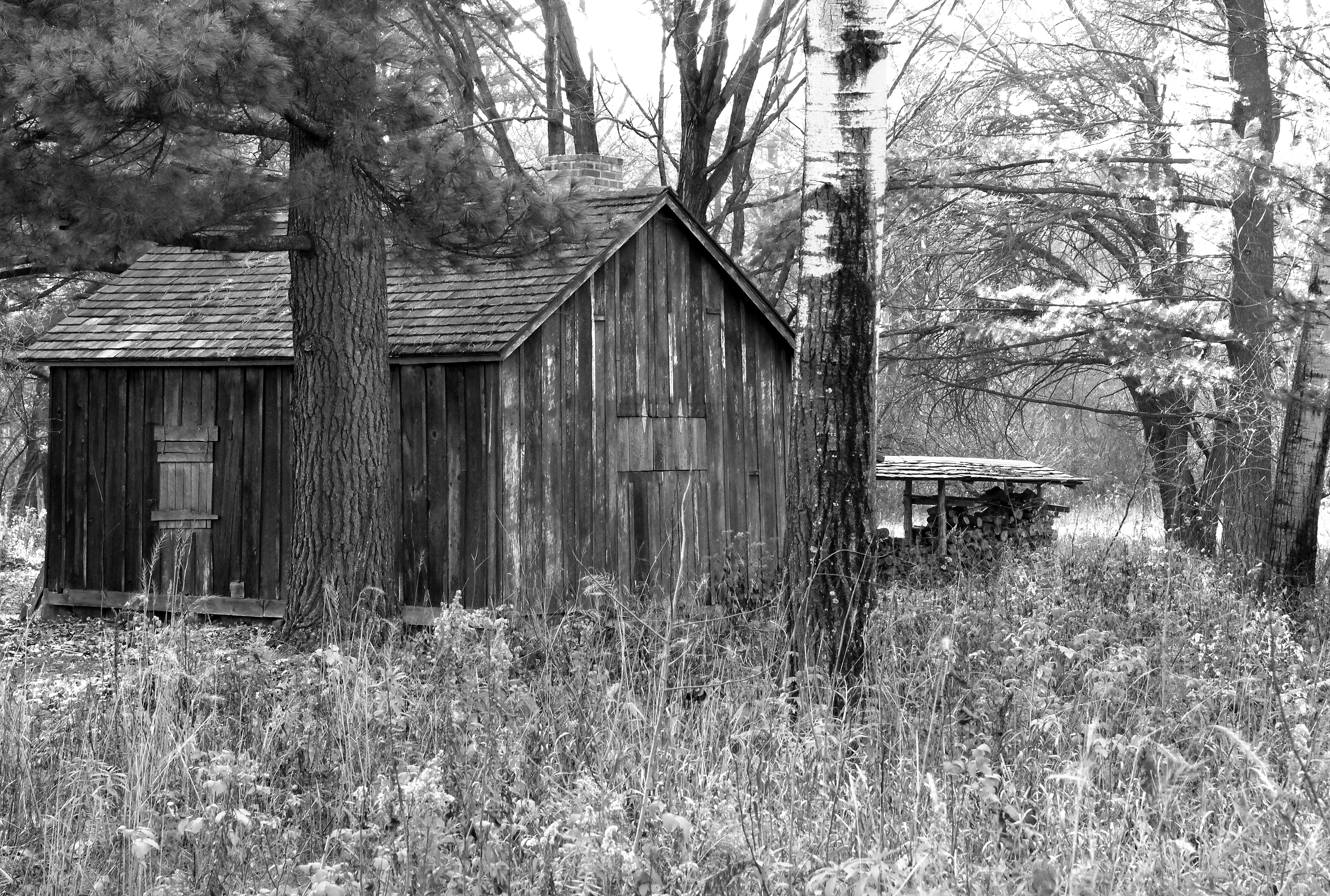
the shack

So how do you engage with a complex issue like poverty?

Aldo Leopold arrived at a Land Ethic after years of developing and recording a relationship to a particular place in Wisconsin. In the book A Sand County Almanac, he writes: “A thing is right when it tends to preserve the integrity, stability and beauty of the biotic community. It is wrong when it tends otherwise.” Making personal decisions about right and wrong based on your relationship to the community is the responsibility of every individual. Applying that ethic rigorously and non-dogmatically is the work of love. How do you love your neighbor? How do you preserve the integrity, stability and beauty of the biotic community on this planet of inestimable and finite resources? How do you alleviate the suffering caused by poverty?  These are complex questions. 

“We shall never achieve harmony with land, any more than we shall achieve absolute justice or liberty for people. In these higher aspirations the important thing is not to achieve, but to strive.”  —Aldo Leopold

Maybe a more accessible question is this: How shall we strive to end poverty?  To that question, I can imagine simple answers.  Start early in your learning. Teach children about sharing and portion, not dogmatically, but in relationship. Strive toward understanding basic needs and toward a sense of what is enough.  Build trust and hope and compassion.  Be flexible, changing with the land and its resources. Be present with the multiple factors involved; do not look away, diminish or dismiss what is real.  Be authentic and honest and diligent, and finally, believe that even on a dancing landscape, food is growing underfoot.

© 2015, essay and photographs, Priscilla Galasso, All rights reserved

Unknown's avatar

Weekly Photo Challenge: Today Is a Special Day – Birthday & Wedding

Today is a GRAND day!!  It’s my birthday, actually.  My birthday present to myself 3 years ago was to buy my first digital camera.  It is not a phone; it is a Canon.  I do not upload ‘apps’ on my flip phone; I talk or text.  Therefore, I do not have a Mesh gallery.  I have been using the WordPress gallery display for almost all of my photo challenge posts, and I like how it looks. 

A grand day is a day of living in the moment; a day of real, physical interaction with living things.  I have lots of those days, and sometimes, I have my camera with me.  It groups all the photos I took in a single day together, so I do have chronological records.  I admit, though, it takes a long time to download, edit, and upload them into WordPress to post them in a blog.  I do not hate technology, but I do want to be very careful and aware of how I use it and how much I use it.

So, what does it mean to ‘share’ a day?  My definition will always include being present and only tangentially include technological media.  That said, here is a gallery of photos from a very grand day that I shared with my family 3 months ago.  My brother’s wedding day:


Today Was a Good Day

Unknown's avatar

Oscar Wilde and “The Critical Spirit”

This article is my submission to the July edition of The BeZine.  For the  table of contents with links to my colleague’s work, click here.

“THE CRITIC AS ARTIST: WITH SOME REMARKS UPON THE IMPORTANCE OF DOING NOTHING” — Oscar Wilde wrote this essay in the form of a dialogue between two characters, Gilbert and Ernest, in the library of a house in Piccadilly.  Here are some key quotes from that piece:

“The one duty we owe to history is to re-write it.  That is not the least of the tasks in store for the critical spirit.”

“When man acts he is a puppet.  When he describes he is a poet.”

I confess I have not read The Critic As Artist in its entirety and so have not discovered Wilde’s “remarks upon the importance of doing nothing”.  However, I do have some understanding of our critical mind, the ways we apply it, and the results of being dominated by it.

First of all, what is ‘the critical spirit’?  I think what the author is getting at is the individual thought process that creates meaning.  What we ‘know’ of the world might be broken into 3 categories: Fact, Experience and Story. Fact is the measured detail of life — how old it is, how big it is, how it reacts chemically, that kind of thing. We learn some things from it, but it has no emotional arch, no meaning.

Experience is the raw sensation of the moment: emotions, smells, sounds, tastes, sights, awareness, feeling.  It is how we know we are alive.

And then there’s Story, and this is how we are all poets: we take in data, we see events transpire, we feel emotion and sensation, and then, we put that together into a narrative that makes ‘sense’ to us.  We have created a story, a meaning, and attached it to history.  That work is largely supervised by our Ego as our thought processes select and omit and weigh the data according to our own preferences and values.  We imagine and imitate what we like, we suppress what we don’t; we spin what comes out.  These stories become part of the body of data that we use to create further meaning as well.  It is essential to realize that we are constantly making up stories.  Civilization is a story.  Religion is a story.  Philosophy and Art and Psychology and Anthropology and so many other pursuits are simply ways that we have manufactured meaning by creating stories.  There is wonderful wisdom in recognizing “the danger of a single story”, and so it is a fortunate thing to have so many different ones.  (a Nigerian novelist, Chimamanda Ngozi Adichie, fleshes this out in her profound TED talk, HERE) Stories are ubiquitous.  There is no ‘right’ story.  Good stories point at Truth, but there are lots of ways to construct them.

This awareness of the creation of story by your own Ego is the key to “the importance of doing nothing” as well.  The plethora of stories and the facility of story-telling in our culture tends to dominate our reactions and expectations, creating drama, manipulation and anxiety along with meaning.  In some ways, we want that.  We find it exciting.  But it’s also exhausting and can be exploitative.  To be able to leave the story-telling aside and simply BE is important for my well-being and my personal peace.  Meditation is helpful in the practice of stilling the ego and refraining from making up meaning.  When I concentrate on the present moment and return to the simple activity of breathing, I allow the world to be what it is instead of conscripting it into the service of my creative ego.  Then I am free to relax my mind and let go of my anxieties about how the story will turn out.  My energy is renewed, and I am at peace.  (This is a practice that I am only just beginning to employ.  Awareness is the first step!)

“The imagination imitates; it is the critical spirit that creates.”  We are invited to engage with the world on many different levels, all of which can be useful and appropriate at certain times.  Wisdom is the art of choosing how to engage in a way that is edifying for yourself and others.  For everything, there is a season: a time to imitate, a time to create, and a time to refrain from creative ego activity.  May each of us find joy in the exploration of this Wisdom and delight where we recognize this exploration in others!

Vivid

© 2015, essay and photographs, Priscilla Galasso, All rights reserved

Unknown's avatar

Weekly Photo Challenge: The Intricate Nature of Wilderness

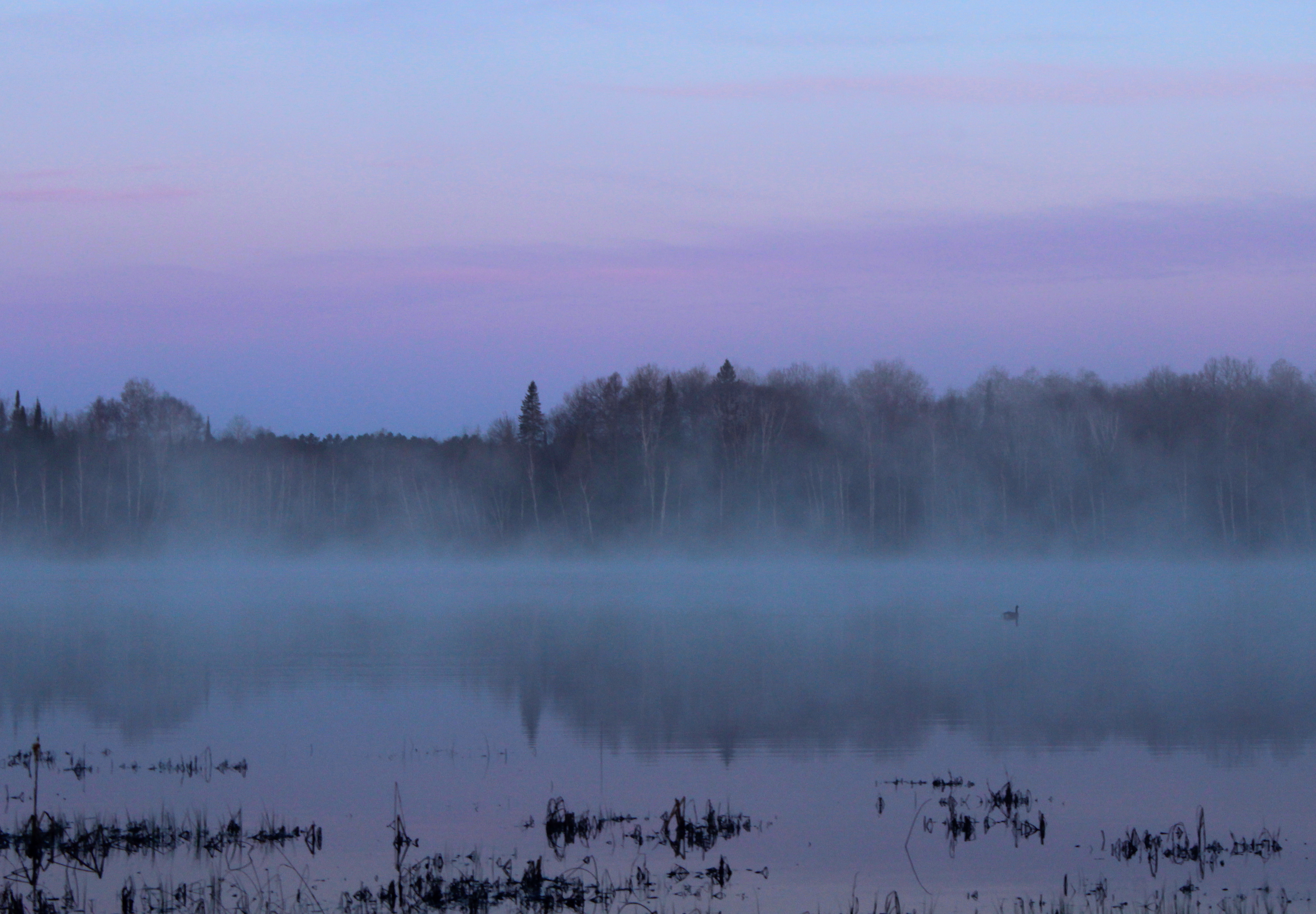
Usually, I reserve Friday mornings for Word Press and open the Daily Post promptly at 11:00 to see what the photo challenge is for the week.  Yesterday, however, I was camping in the Whisker Lake Wilderness area in northern Wisconsin.  I was up just before dawn, roused by a chorus of woodpeckers and swans, red-winged blackbirds and Canada geese.  The early ecophony (a great term Steve recently ran across in an environmental essay: a portmanteau of ecology and cacophony) was only slightly less raucous than the previous moonlit night’s melee of frog song.

intricate 2Have you ever wondered at the intricacy of co-habitation in an eco-system?  Around Perch Lake there were mammals, birds, amphibians, insects and reptiles all doing their interconnected dance with time and space in the most amazingly complex overlapping of rhythms.  The full moon, the night frost, the dawn mist, the swelling heat of day: the ebb of one activity and the flow of another as time marches forward spins a never-ending tapestry of living. 

On a single rock on the side of the hiking trail, I found another intricate web of life, a microcosm of mosses.

IntricateAnd in a single catkin about to burst into bloom, the green fire of life glows in a delicate pattern of possibility.

intricate 3The Earth is a multi-layered, intricate web of pattern, design, and interconnection.  How marvelous to look at even one tiny corner!

© 2015, essay and photographs, Priscilla Galasso, All rights reserved

Intricate

Unknown's avatar

Weekly Photo Challenge: Early Bird Curiosity Eclipsing Fear

There is something in me that craves a sunrise.  I’ve known this for a long time.  It’s an exhilarating feeling, a feeling of adventure, of anticipation, of freedom.   Perhaps it’s because getting up early means you have a special mission…to board a plane or set off on a journey or explore a new day.  I think I first experienced this adventurous feeling when my sister and I set off cross-country on a road trip when she was 20 and I was 16.  She was going back to college in Ohio in her newly purchased car.  We set off from our home in California, and I was along for company.  Unfortunately, we never made it to Ohio because we crashed in Nebraska and she was killed.  That rather put a damper on my adventurous spirit for quite a while.  But I recently discovered that I still love a road trip even though I can never put disaster completely out of my mind.  Learning to embrace that perceived conflict, that life is exciting and wonderful and not entirely safe all at the same time, has been a great journey in itself.

Sunrise in Kansas on my most recent road trip

Sunrise in Kansas on my most recent road trip

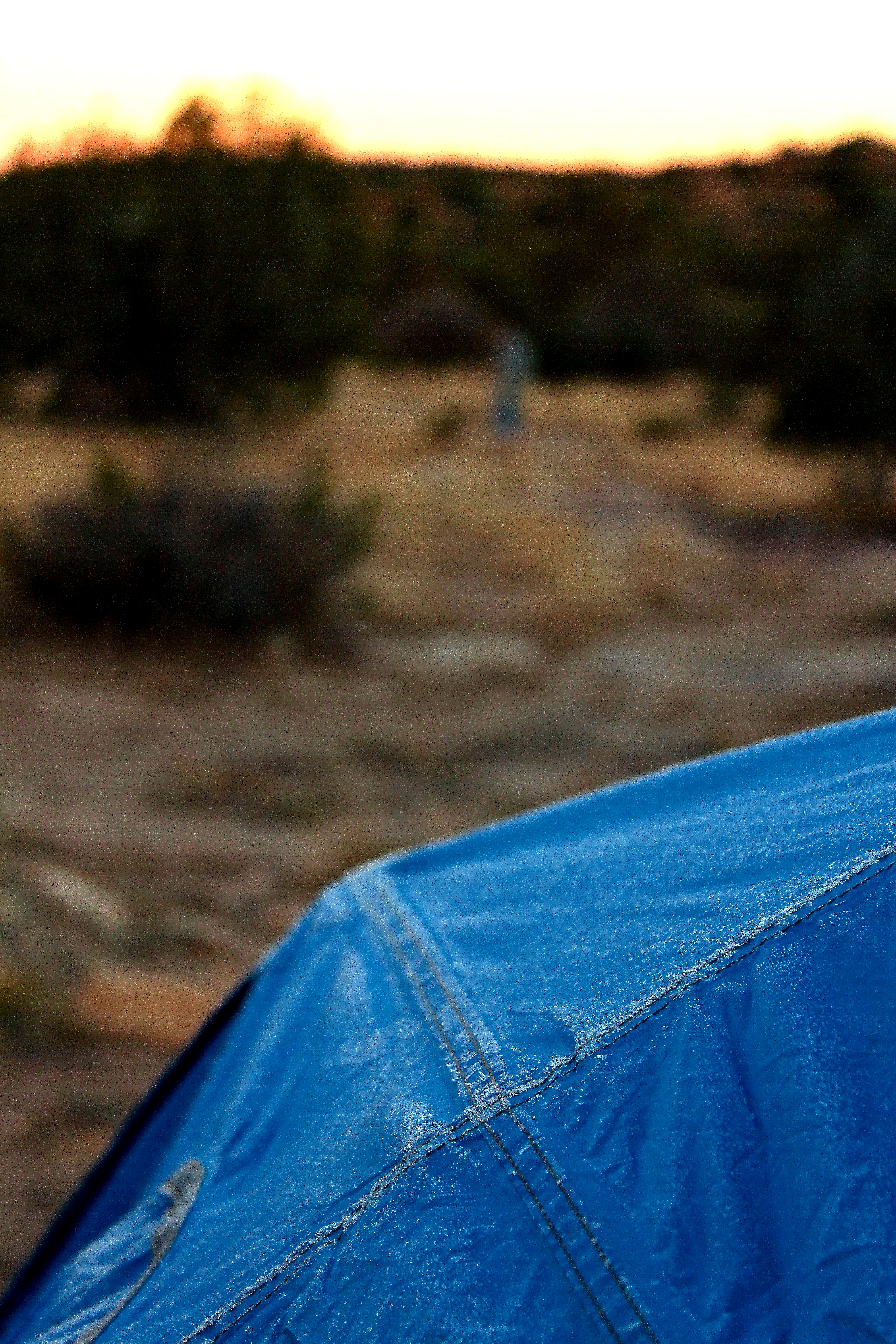
It’s like the feeling I get when I’m camping ‘far from civilization’.  The nights seem very dark and very long as I lie awake in a tent with howling winds or other unidentified sounds surrounding me.  I feel aware and a bit afraid and very alive.  When the sun begins to rise, I feel eager to rush outside and see the light dawn on all those things that felt so mysterious and vaguely threatening.  I realize then that a sense of curiosity is eclipsing my fear.  That is what I want to develop more and more.  Perhaps that’s a return to childhood; perhaps that’s what maturity is.

Early morning frost on the tent in New Mexico - same trip

Early morning frost on the tent in New Mexico – same trip

Early Bird

Unknown's avatar

Weekly Photo Challenge: Afloat, temporarily

Afloat: borne on the water, free of difficulties. 

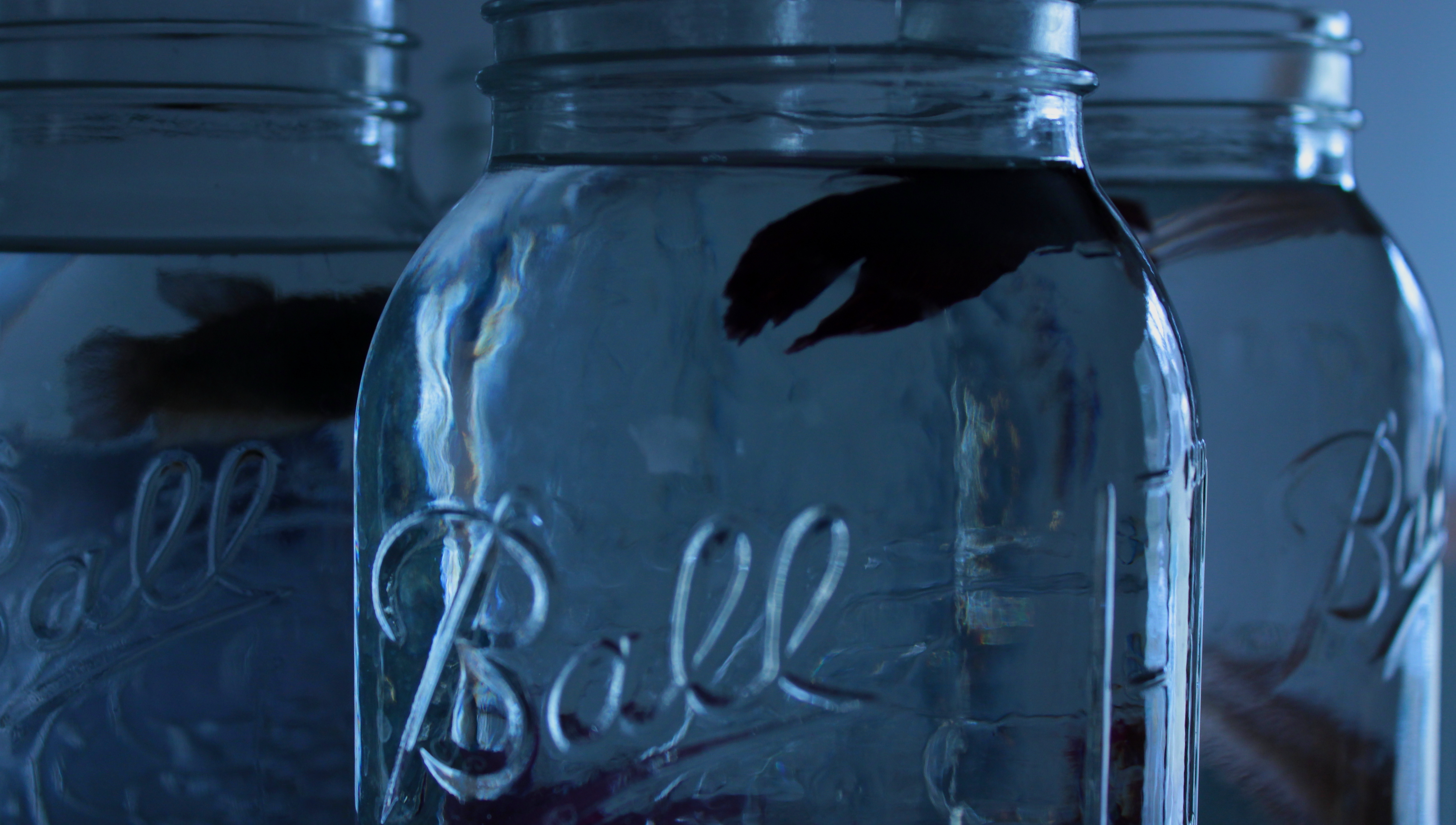
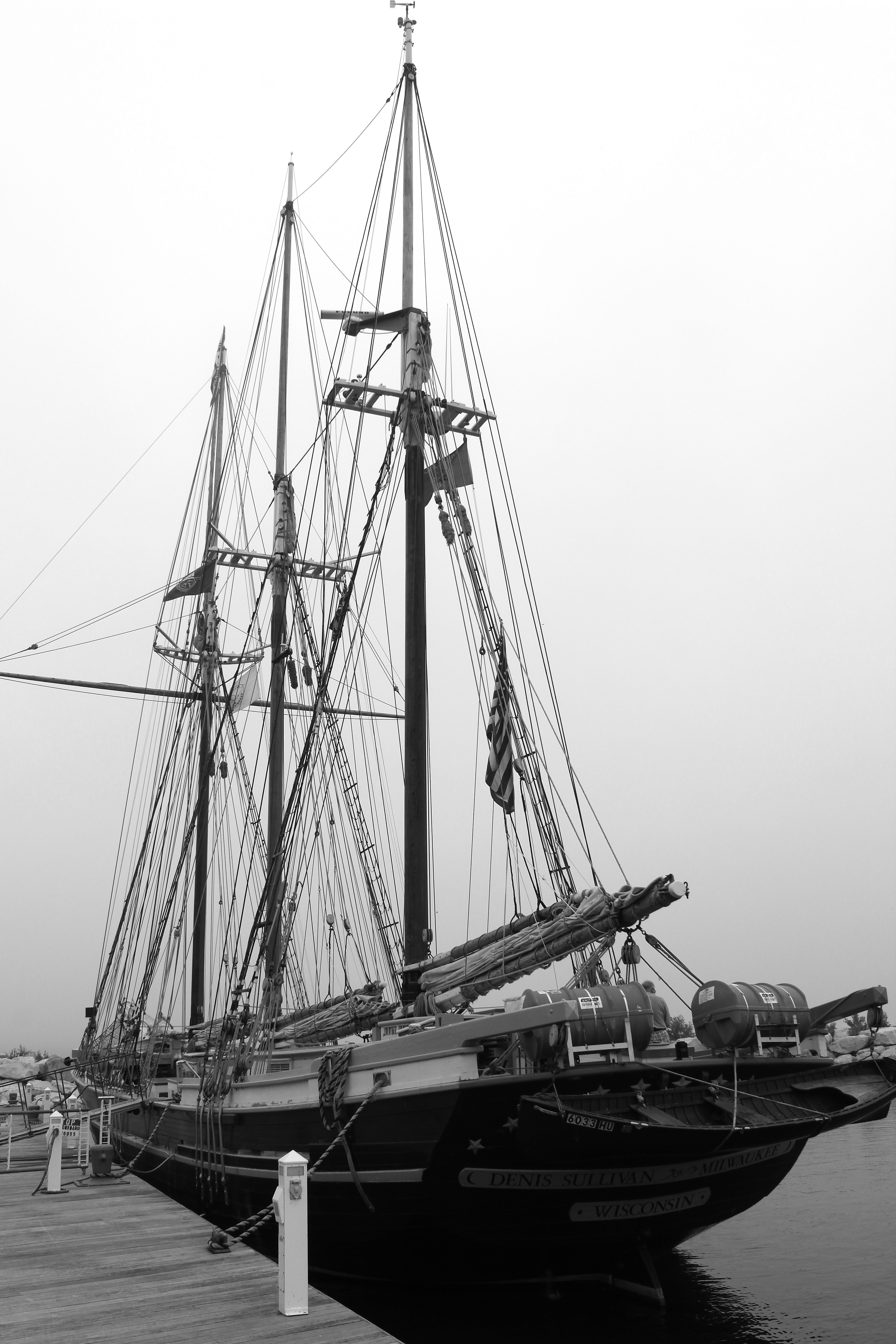
glass 4Not exactly the same as ‘adrift’.  You can be anxious, being adrift, afraid you’ve lost your bearings, veered off course, or abandoned your purpose.  Afloat is the feeling of being supported gently, effortlessly.  It’s a kind of dreamy state, I think.  Last year, the day after my birthday, I treated myself to a sail on the Denis Sullivan, a facsimile of a 19th century lake vessel owned by the museum where I worked at the time.  The day was completely calm and foggy. 

dreamy denisThere was a very quiet, gentleness to the water.  It was very relaxing.  The crew still went through the activities of raising the sails, and we helped (a little), but mostly hung around idle.

It’s nice to be afloat, but I wouldn’t want to do it every day.  I like being engaged in a stimulating effort to take responsibility for myself in my life.  I don’t want to expect an easy ride, and I don’t want to complain or blame some other entity for not supporting me.  I appreciate resources, but I don’t feel entitled to them, and I’m very willing to go without a lot of things.  I think this attitude is very simple and useful.

connect 2

© 2015, essay and photographs, Priscilla Galasso, All rights reserved

Afloat

Unknown's avatar

Weekly Photo Challenge: A Merciful Blur

“It’s all a merciful blur…” is one of my mother’s signature responses.  (from a description of 10 Silly Sayings that characterize her 80-year-old personality, from THIS POST)  Blurring can be a good coping skill.  It can be a result of too little sleep, too much crying, too much alcohol, or too much fantasy.  That’s not necessarily a bad thing, now and again.  Softening edges can be useful when you’re feeling scraped and bruised.  But it’s only temporary, for me.  I really want to live my life in clear focus, as aware as I can be, facing reality.  Consequently, I doubt I’ve kept many blurry photos.  Here’s one I took yesterday…

blurry gate

…and here’s one I took from the passenger’s seat on I-94.  I was trying to imitate Karen McRae from “draw and shoot”.  Her art is superb (which explains why she’s got almost 15,000 followers!).

winter blurWhat I mostly get are blurry photos of people who don’t stay still…

picnic blur…or places that are poorly lit.

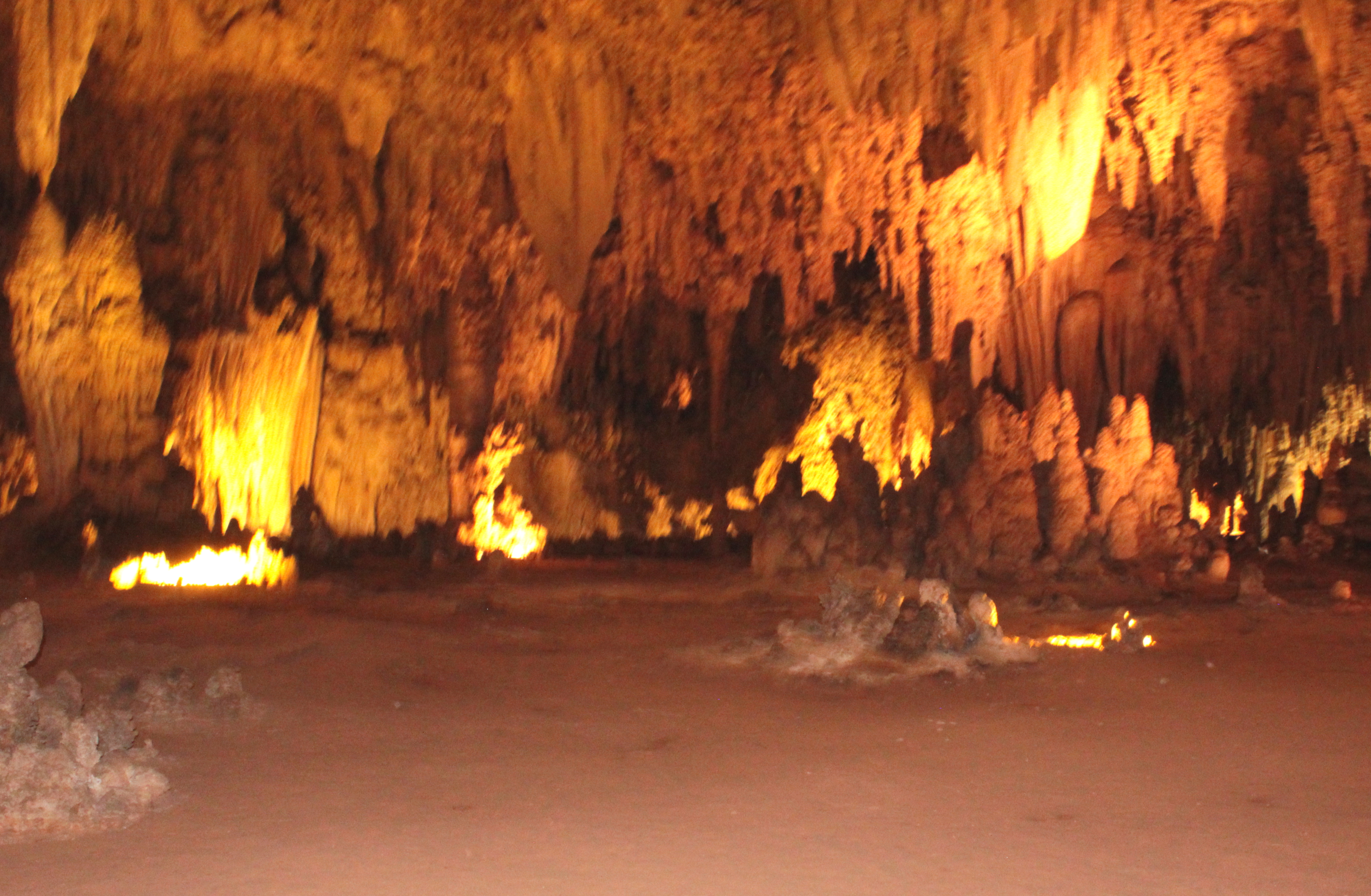
cave blurIt is a challenge to develop the appropriately artistic “merciful blur”, to be used in scary situations (like on the Jersey turnpike?).  Still working on it…spider blur

Blur

Unknown's avatar

Renewed Like an Eagle – Spiritual Lessons from Nature

Do you remember when your baby teeth fell out? Do you have any memories of being without central incisors, lisping and whistling when you spoke, unable to bite into an apple or an ear of corn? How much do you remember of the physical changes associated with your passage through puberty?

Would you ever choose to re-live those changes? (I imagine in response a loud chorus of ‘Noooo!’ and laughter.)

Why do we find change so awkward and uncomfortable? Why do we imagine a state of perfection achieved and unchanged, and why is that stasis desired? Consider this: change is natural; metamorphoses are observed and documented in every species — birth, maturation, reproduction, aging, death, decay, absorption, and birth. All around us there is a process of movement, going from one thing to another, losing some properties and gaining others. This is Life. It is dynamic; it is not good or bad; it is. Often, however, we decide we like where we are. We want to stay put. It’s familiar. It’s comfortable. But we are, in fact, stuck, and it takes a great deal of energy to stay there, resisting the current of Life all around. We feel drained, exhausted, spent, sapped, worn out. We want to feel the flow of energy again, but in order to do that, we must make a change. Fear holds us back. This is a pivotal point of decision – we must choose Change to choose Life.

The Old Testament talks about having youth renewed like the eagles’, about mounting up with wings as eagles and being borne on the wings of an eagle. Golden eagles populated the Holy Land, and their lifespans were observable to the ancient poets. I have seen bald eagles in the wild on a few occasions now, but not before I was 45 years old. What do I know of an eagle’s life? I did a little research. Southwestern Bald Eagle Management told me “In their five year development to adulthood, bald eagles go through one of the most varied plumage changes of any North American bird. During its first four weeks of life, an eaglet’s fluffy white down changes to a gray wooly down. At about five weeks, brown and black feathers begin to grow. It becomes fully feathered at 10 weeks of age. In its first year, the mostly dark-colored juvenile can often be mistaken as a golden eagle. However, the bald eagle progressively changes until it reaches adult plumage at five years. Notice in the pictures how its dark eye lightens throughout its first four years of life until it becomes yellow. Also, see how its beak changes from gray-black to a vibrant yellow. It is believed that the darker, more mottled plumage of a young eagle serves as camouflage, while the white head and tail announce that it is of breeding age.”

Renewal is for the purpose of maturity. It is not about going back to a juvenile state. It is about soaring with the movement of Life toward the next place of energy. It is not about resuscitation; it is about resurrection. We shall all be changed.

My daughter recommended to me a book titled Being Mortal by Atul Gawande. The author is a medical doctor and a gerontologist. He tackles the real and practical implications of growing old and dying in this culture: nursing homes, DNR orders and advance directives, heroic life-saving surgeries, hospice and what it is to live with meaning and dignity. This book terrified me. I read it in small doses. It made me face denial and delusions head on. It was not a comfortable read, but I would recommend it to anyone. It puts Change in the forefront and invites you to get real. I would not have been able to read it 7 years ago, right after my husband died. I wasn’t ready. The book I read then that helped me to accept change was Pema Chodron’s book When Things Fall Apart (which I recently discovered is a phrase from Yeats’ poem “The Second Coming”).

Where are you in the flow of Life? Where are you stuck? What are you afraid of when you face Change? How have you embraced Maturity? How have you run from it? What images of Peace in harmony with Change are meaningful to you? These may be your symbols of Renewal.  Here are a few of mine:

© 2015, essay and photographs, Priscilla Galasso, All rights reserved

This article is featured in the blog magazine The ‘B’ Zine.  Please click on the Zine link to view the rest of the Renewal volume and support my Into the Bardo & Beguine Again colleagues!

Unknown's avatar

Weekly Photo Challenge: Rule of Thirds


I’ve been aware of this technique of thirds with a blurry bokeh background for maybe a year or two, and I’ve been working on it.  “Working” is a term I use loosely, because I don’t take pictures on any regular basis.  But it’s nice when I’m composing a shot that now I have some guidelines in my head to apply.  I would love to be able to say that I practice photography with some discipline.  I would love to be able to say that I practice meditation and exercise with discipline.  Sadly, I don’t.  But I really admire people who do.  Like Pablo Casals.  Here’s my favorite anecdote about him:

When Casals (then age 93) was asked why he continued to practice the cello three hours a day, he replied, “I’m beginning to notice some improvement.”

I suppose that his practice has something to do with him being alive at 93 as well.  Ya think?  Follow your bliss, photographers, and practice for your own well-being!

Rule of Thirds

Unknown's avatar

A Little Story About Loving Yourself

If you’re puzzled by relationships…

might he be the one…and feel that perhaps something is missing in your life…

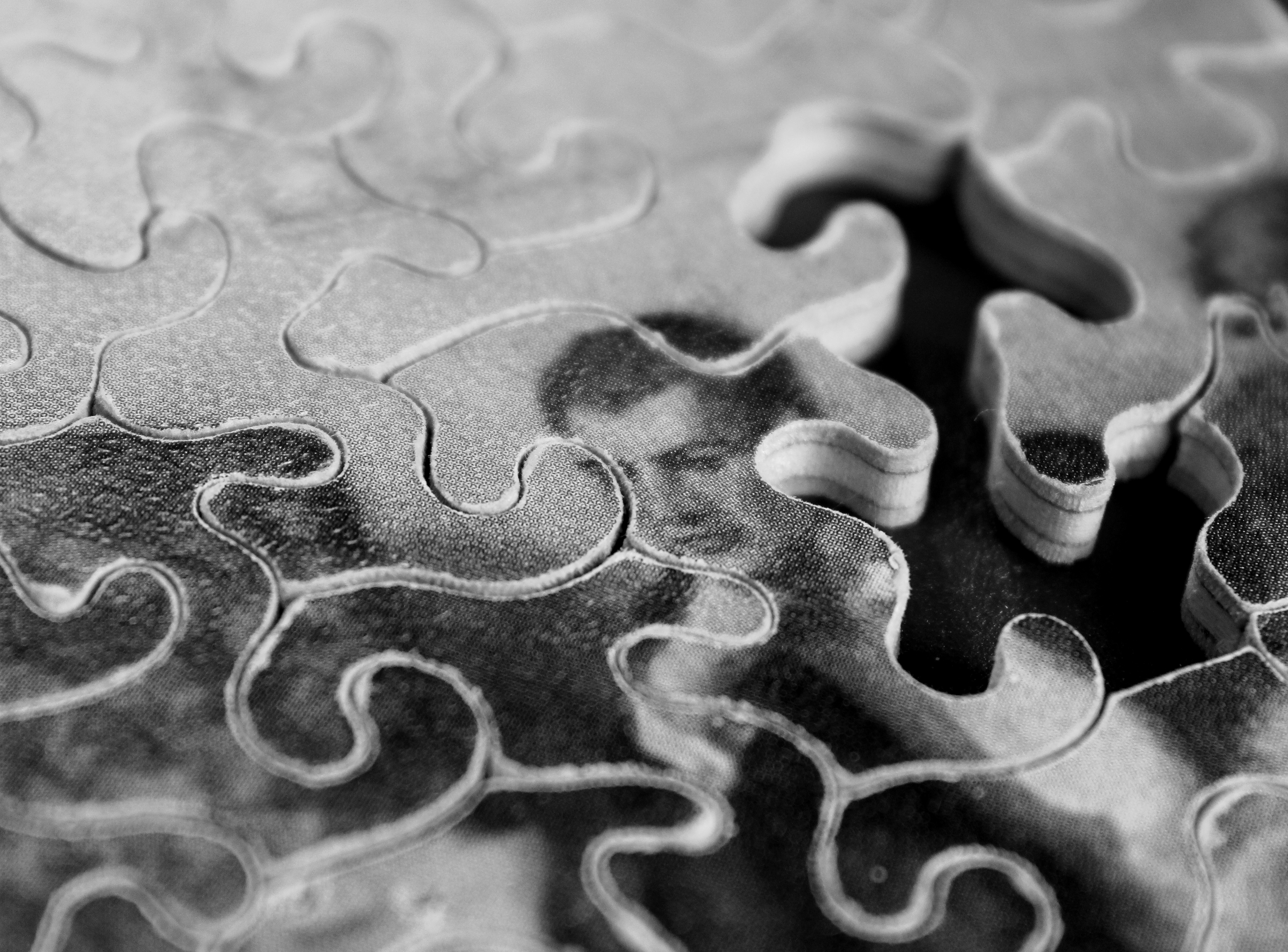
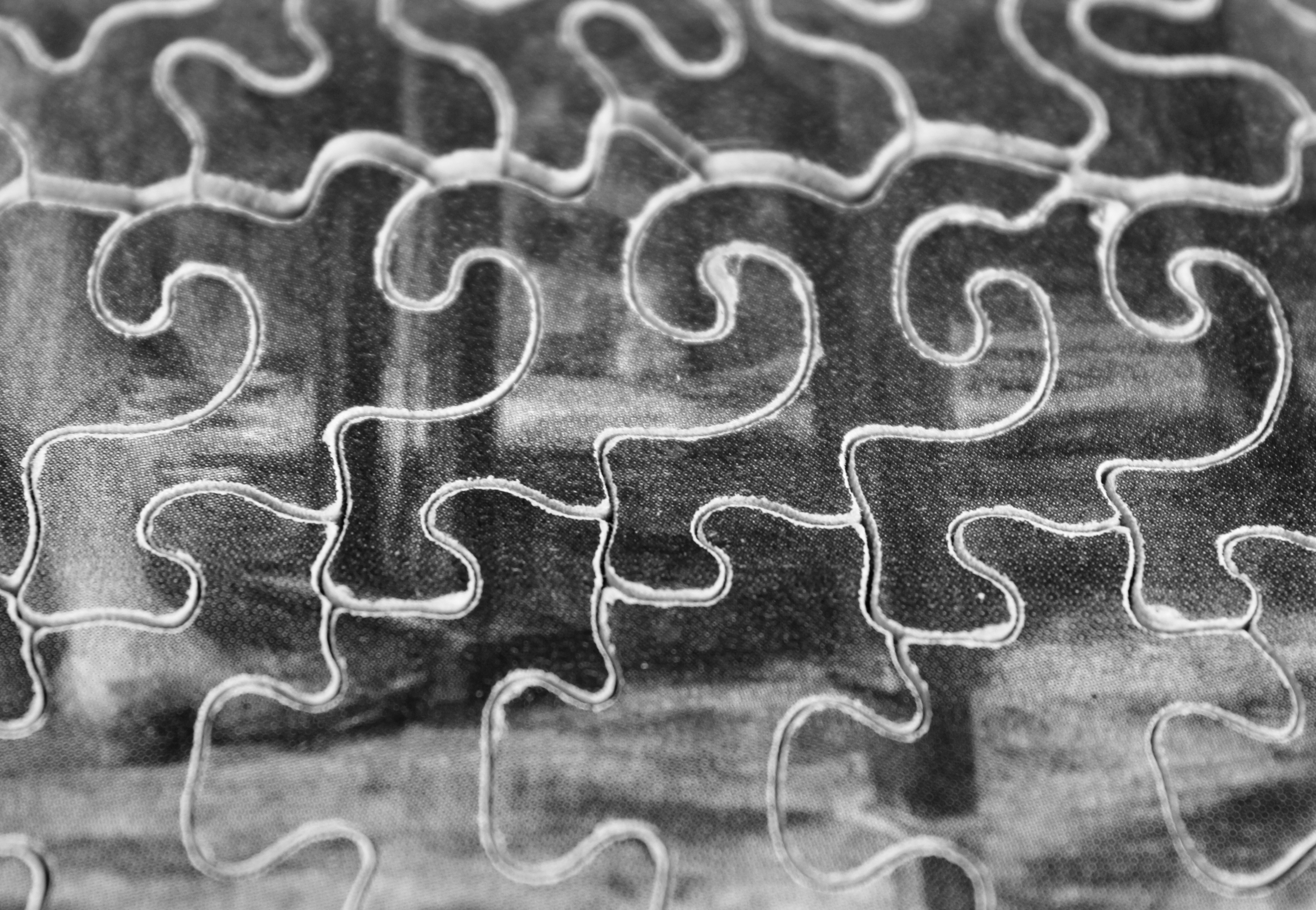
something's missing…and you’ve done the same thing over and over, hoping something different might result…

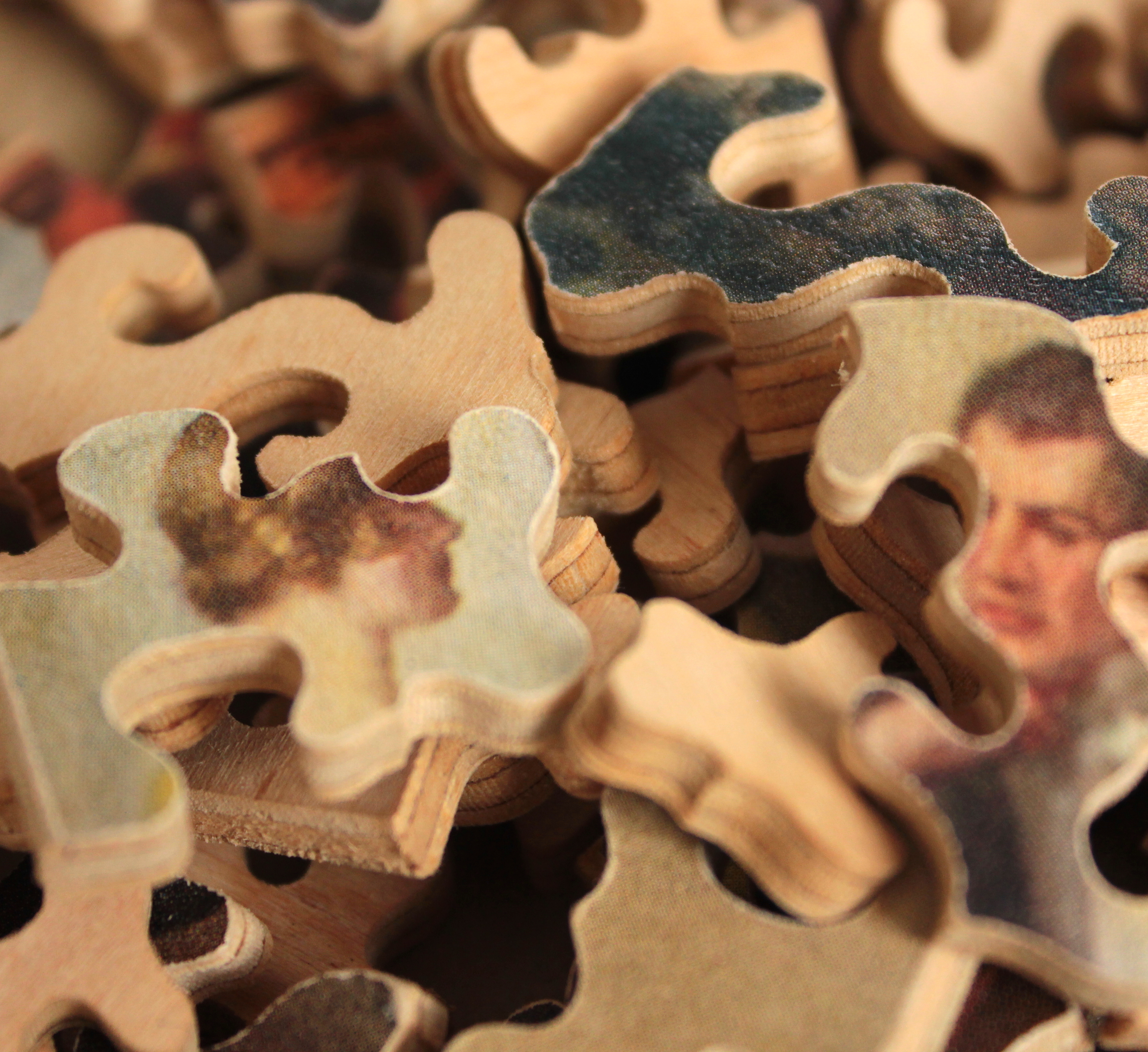
patternimagine what might happen if you simply followed your bliss and did what you love.

do what you loveA life may emerge that is not what you dreamed or expected or even what you may have been promised.  Still, it is actual and dynamic…and there you are, being yourself and still doing what you love.  That’s not a bad outcome, is it?

whole scene

© 2015, essay and photographs, Priscilla Galasso, All rights reserved