“It’s a time for celebration! 2014 marks the 50th anniversary of the 1964 Wilderness Act, the landmark conservation bill that created a way for Americans to protect their most pristine wildlands for future generations. The 1964 Wilderness Act…created the National Wilderness Preservation System, which protects nearly 110 million acres of wilderness areas from coast to coast. This anniversary is a wonderful chance to celebrate all that’s been achieved for wilderness in the past 50 years and remind Americans of all that we can achieve in the next 50.” (from The Wilderness Society website, http://www.wilderness.org)

I read this call to celebration with great delight. My partner Steve is also turning 50 this fall. We’d been searching for a way to live out the next half of our lives more intentionally embodying all that we’ve come to value. He’s been reading up on ‘Deep Ecology’ lately and examining his own philosophy of land ethic, relationship to the Earth, and living responsibly. It can all be a very thick soup to me, but at the mention of “WILDERNESS”, I began to find a kind of clarity. Images, feelings, an intuitive sense of freedom and sanctity began to emerge from the murky definitions and contradictions. Yes, I value ‘wilderness’. I need it. I know this, deep in my soul. What is this recognition about? What does ‘wilderness’ mean, and what do I learn from it?
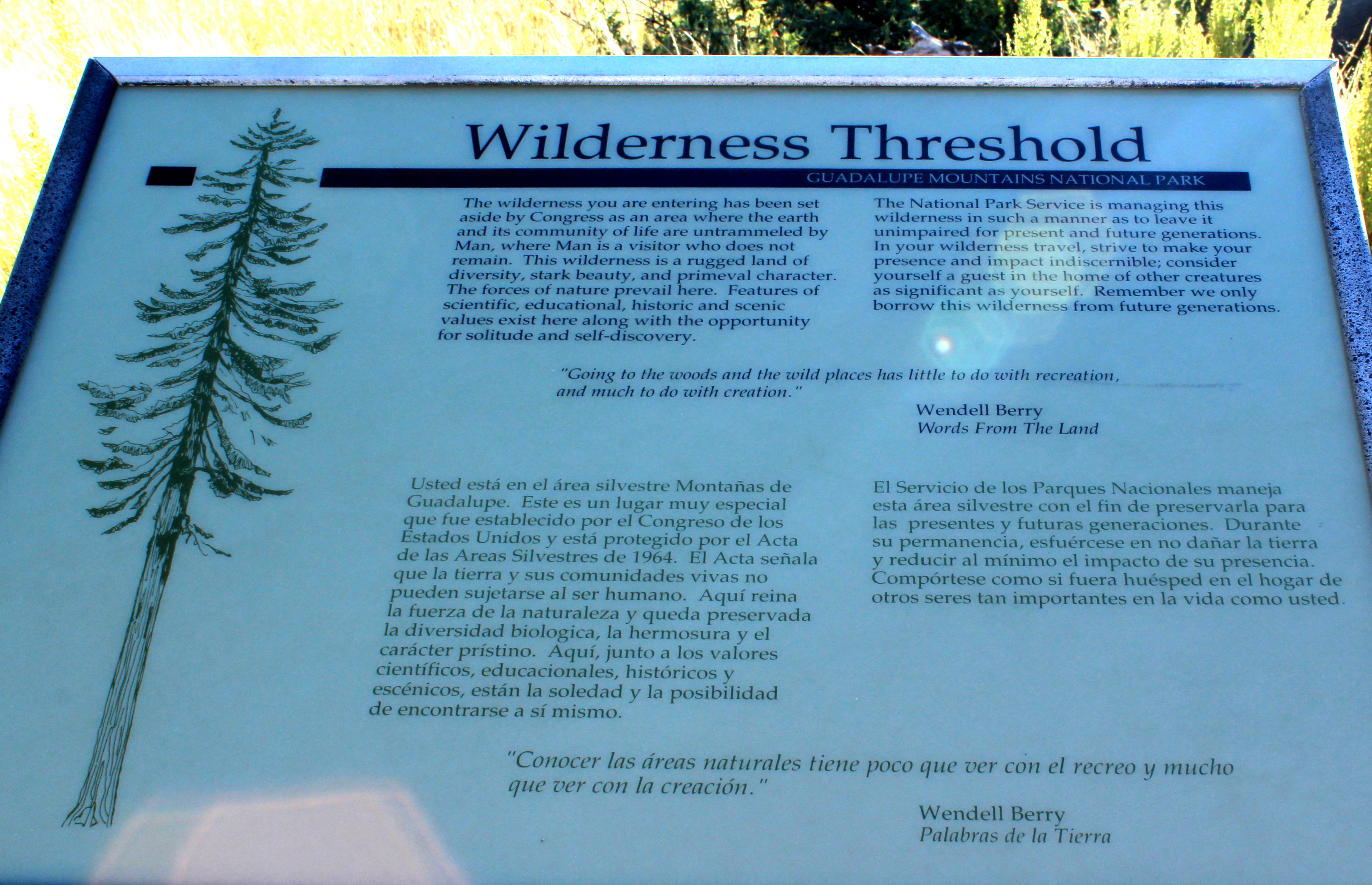
“A wilderness, in contrast with those areas where man and his own works dominate the landscape, is hereby recognized as an area where the earth and its community of life are untrammeled by man, where man himself is a visitor who does not remain.” The Wilderness Act of 1964

What is our relationship to wilderness – or to Nature, for that matter? Are we visitors? Are we managers, stewards, masters? Conquerors? I hear the ‘beep, beep, beep’ of construction vehicles in reverse and the thud of jack-hammers that are currently tearing down the green space near my home and widening the interstate highway to create a Research Park, and I know that a large part of my culture is dedicated to conquering and altering the land and calling it ‘development’.

I am drawn to the prairie, to the woodlands, to green space wherever I find it, but I don’t want to be a mere visitor. I belong to this planet. My ancestry is here. When I was a little girl, I used to play in the Forest Preserve across the street from my house. I would duck beneath the shady boughs of a bush and sweep out some floor space with a stick. I would set up rooms and fashion utensils of twig and bark. I played House for hours on end, staking my claim, perhaps, to domesticity within that habitat. I want to live on the Earth, with the Earth, not in dominance or enmity, but in peace and harmony. In order to live in peace, however, I have to know when to leave well enough alone. I know this in my relationship with people, and I know this in my relationship with animals. It’s called Respect. Why shouldn’t this be true of my relationship to land and sea and air as well? Let it do what it wants to do. Let it enjoy autonomy, as I do. Let it be “untrammeled by man”.
If future generations are to remember us with gratitude rather than contempt, we must leave them a glimpse of the world as it was in the beginning, not just after we got through with it.” – Lyndon Baynes Johnson, President who signed The Wilderness Act into law.

Is it naive to think that there exists any place on Earth that is truly pristine? Perhaps. And that need not be grounds to dismiss the idea of wilderness with a cynical roll of the eyes. I believe there is merit in creating what I call ‘secondary wilderness’ by allowing areas that have been previously used and even exploited to return to a more natural state. There is much to be learned by observing what time and non-human agents will do in a particular environment. Steve and I found a section of secondary wilderness right here in Wisconsin. Although most of the 110 million acres of federally designated Wilderness is west of the Mississippi in mountains, deserts, and Arctic tundra, there are forests in the North that have been abandoned by logging operations and allowed to return to wildlands. The Headwaters Wilderness in the Nicolet unit of the Chequamegon-Nicolet National Forest is 22,000+ acres of previously logged forest that has been left wild since 1984. There are 2 Forest Service roads that divide the area into three sections, but enough contiguous acreage to qualify still for wilderness status. Backpacker Magazine’s site has given it the distinction of “deepest solitude” within that Forest. We headed there just after Memorial Day.

wilderness:(1) a tract or region uncultivated and uninhabited by human beings (2) : an area essentially undisturbed by human activity together with its naturally developed life community (Webster’s Collegiate Dictionary)
We found a dispersed campsite across the road from the designated wilderness on the banks of Scott Lake. As we set up camp, we were greeted by two trumpeter swans on the lake, a raucous chorus of frogs and a host of mosquitoes. That night, we had a bit of rain. In the morning, a bald eagle perched high in a dead tree on the far side of the lake, illuminated by the rising eastern sun. Staring at him through my binoculars, I imagined him enjoying an aerial view like ones I’d seen in pictures of Alaska. Could I really be in the wilderness, finally? My rational brain convinced me of the disparities, but my romantic soul glowed. Even here, in Wisconsin, there can be solitude, common-union with nature, and a wild hope.

“…in Wildness is the preservation of the World. Every tree sends its fibers forth in search of the Wild. The cities import it at any price. Men plow and sail for it. From the forest and wilderness come the tonics and barks which brace mankind…I believe in the forest, and in the meadow, and in the night in which the corn grows. We require an infusion of hemlock, spruce or arbor vitae in our tea…” Henry David Thoreau, “Walking” 1862
We found a hiking trail into the edge of the wilderness, marked by a series of white diamonds on the trees. The trail was maintained, after a fashion, but not with meticulous interference. I preferred it to those wide, paved “trails” in city parks where cyclists, boarders and baby strollers whiz by all weekend.
The inevitable down side of climbing the wilderness mountain is returning to ‘civilization’, re-entering the spaces that humans have altered and asking a million critical questions about our involvement. Was this action necessary? Was this change beneficial and for whom? How is this decision going to effect this environment, this habitat, this life? How do I take responsibility when my ignorance is so vast? How do I do my best to learn and choose and be aware? What do I do when I see individuals or systems causing destruction?
I learned the 4 pillars of Environmental Education while volunteering at a local Nature Center: Awareness, Appreciation, Attitude and Action. My experience in the wilderness took me on a journey past those milestones: being aware of the solitude, of the multitude of interconnected lives as well; being awed by the variety and majesty of all that I saw; feeling a deep desire to protect, to respect, and to serve Life; and finally, deciding to make changes and choices in my own life and lifestyle, to learn to embody the experience, not just as a vacation or a change from habit, but as a daily practice.
 Steve & I are planning to attend the National Wilderness Conference in Albuquerque, New Mexico this October. We are eager to explore the sacred space of our common ground, the Earth, with like-minded people who are also interested in fostering the understanding of our life in proximity with each other and with the life around us. I look forward to feeling the refreshment of wilderness in my soul and encountering new ways of expressing the spiritual aspect of this quality of life in art, morality and intellectual discourse.
Please consider this an invitation to join me, if not at the Conference itself, in the exploration of Wilderness as a part of our humanity. Please share comments here and likes here.
“Ben Jonson exclaims: ‘How near to good is what is fair!’ So I would say, How near to good is what is wild! Life consists with wildness. The most alive is the wildest. Not yet subdued to man, its presence refreshes him. One who pressed forward incessantly and never rested from his labors, who grew fast and made infinite demands on life, would always find himself in a new country or wilderness, and surrounded by the raw material of life. He would be climbing over the prostrate stems of primitive forest-trees. Hope and the future for me are not in lawns and cultivated fields, not in towns and cities, but in the impervious and quaking swamps.” Henry David Thoreau, “Walking” 1862
.
© 2014, essay and photographs, Priscilla Galasso, All rights reserved


 Another attitude might be illustrated by The Dancer metaphor. A dancer prepares for a pirouette by checking her starting position, aligning her hips and shoulders in a grounded plié – but not staying in that position so long that it causes her to lose momentum. What really prepares her to execute a graceful turn is years and years of practice leading up to the moment of action. That seems to me to be a distinctly different attitude of preparation.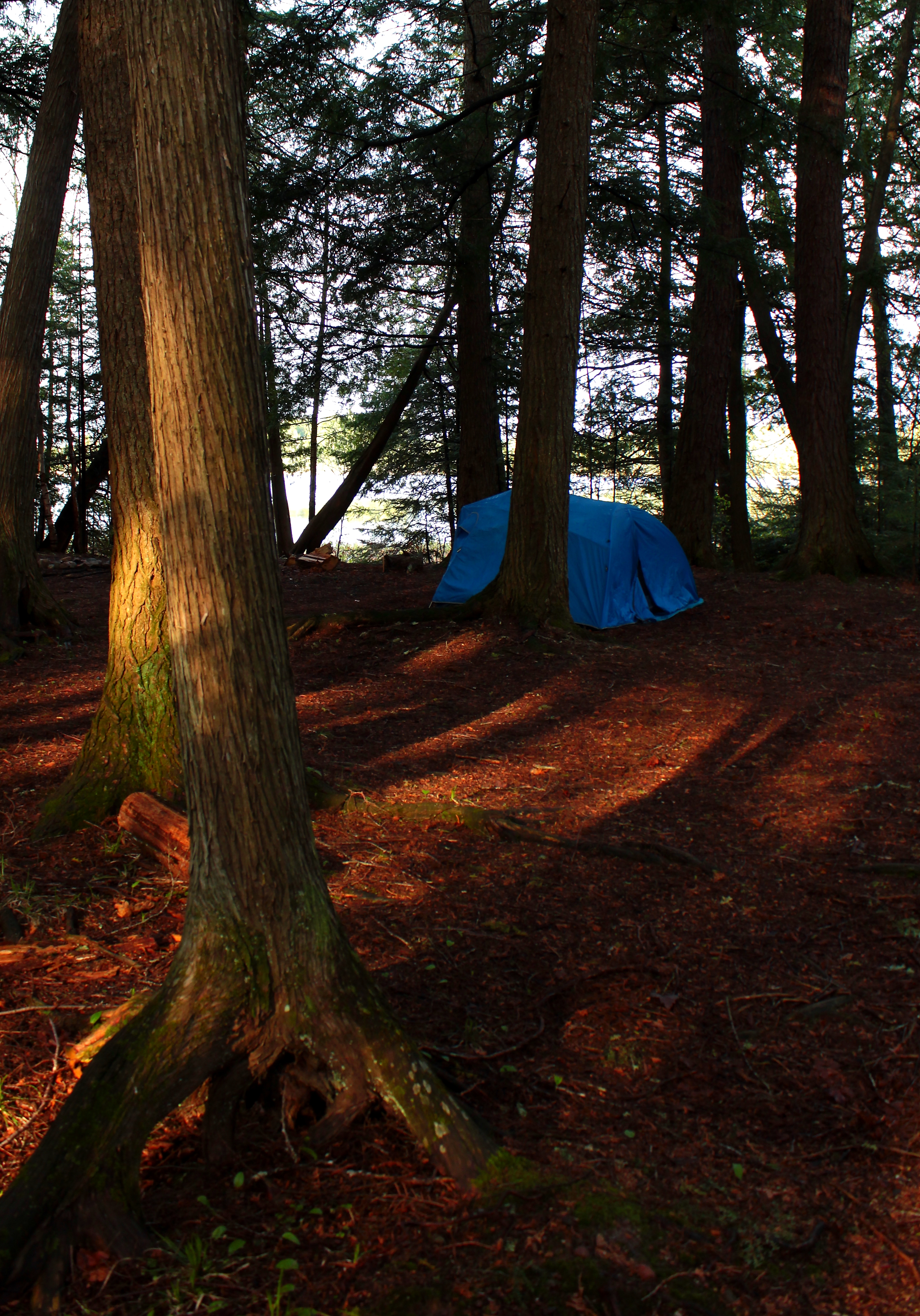



 scillagrace
