“To see a world in a grain of sand And a heaven in a wild flower, Hold infinity in the palm of your hand And eternity in an hour…” – from Auguries of Innocence by William Blake
Calypso bulbosa, or Fairy Slipper orchid
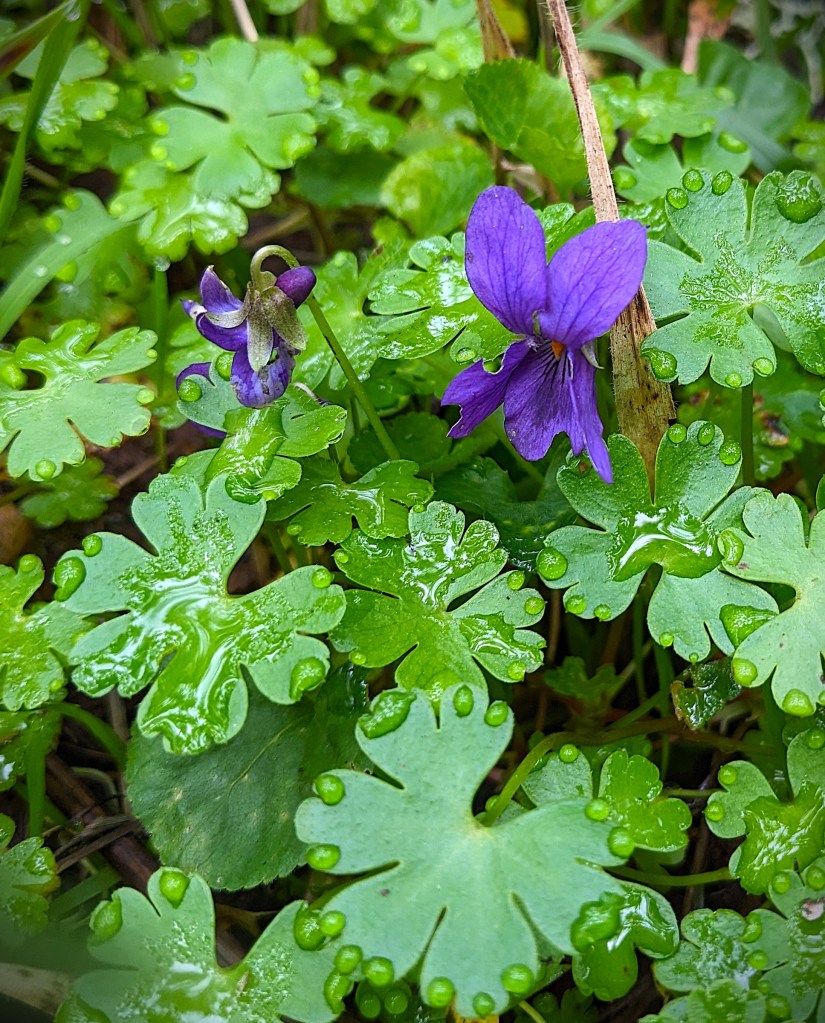
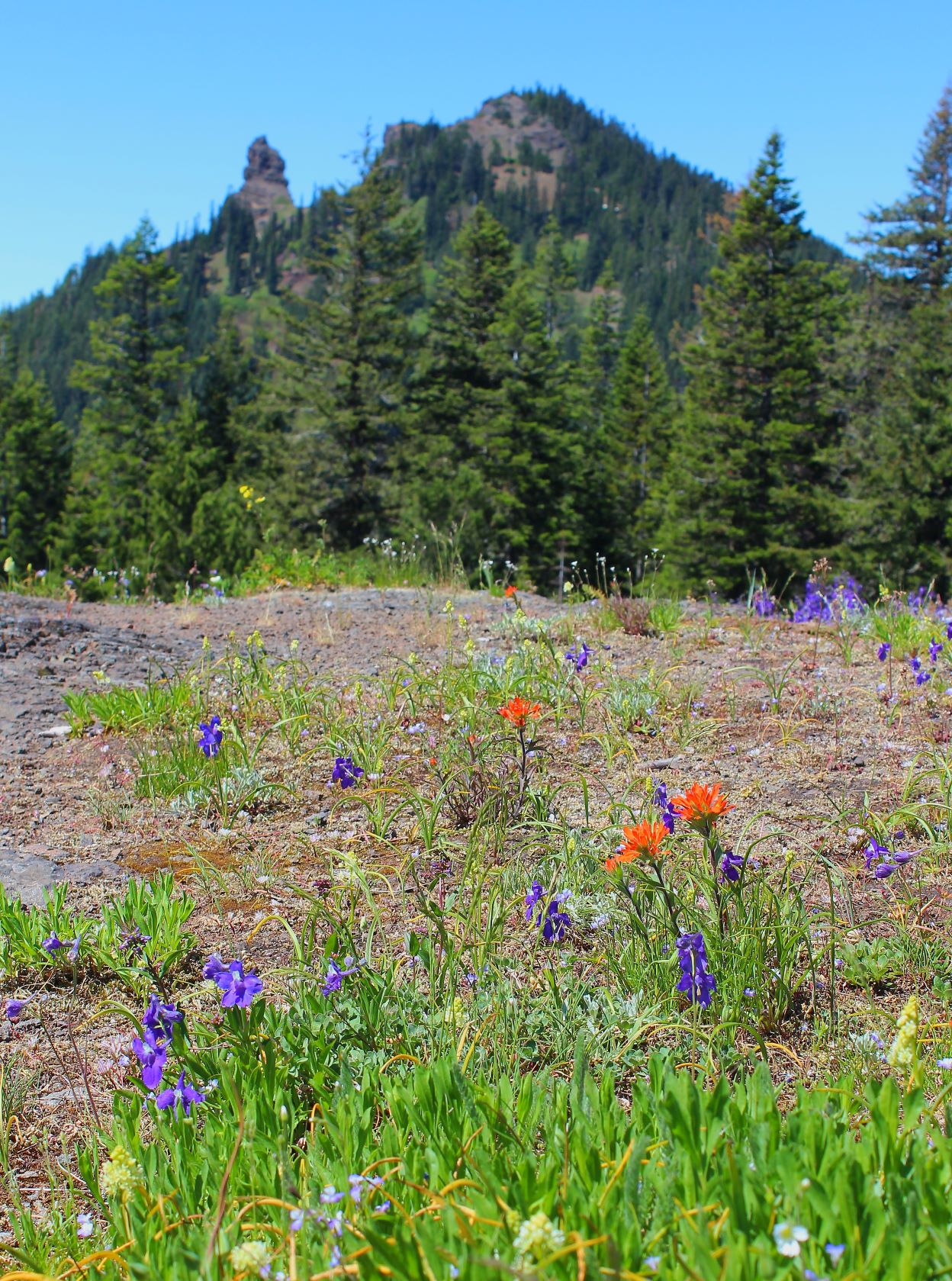
Wildflowers are beginning to bloom in Oregon. When I first discovered that there are species of orchids native to this area, I was delighted and astonished. I felt privileged to live in a place that contained such exotic beauty!
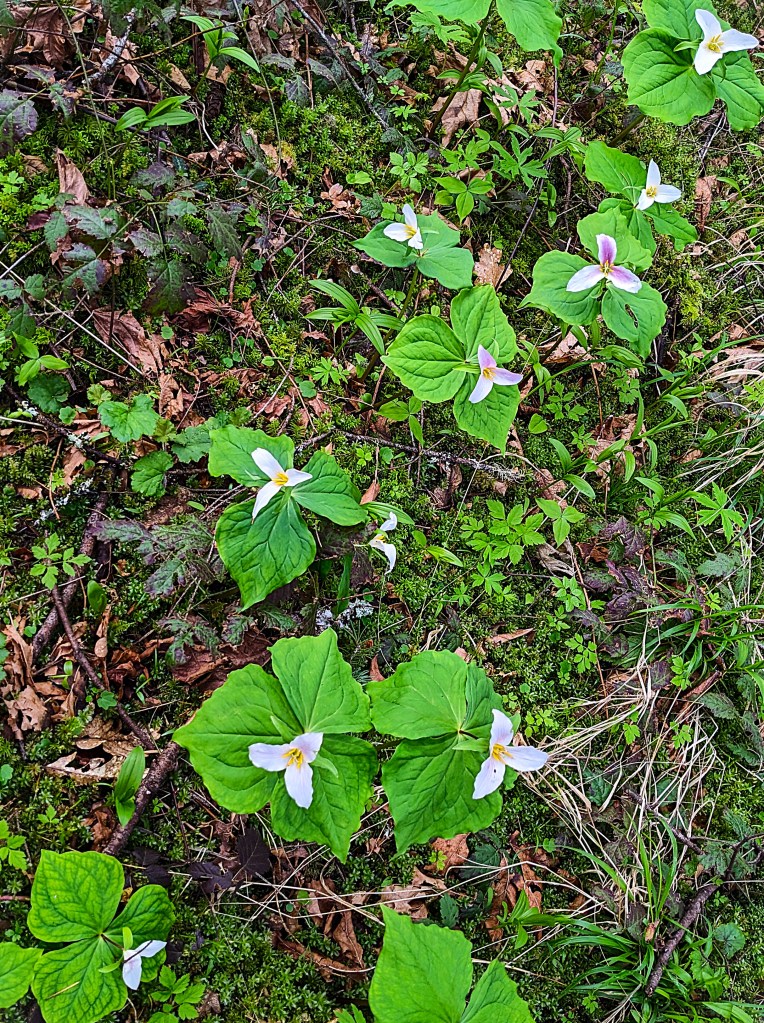
Trillium
“…The wild deer wandering here and there Keeps the human soul from care…” – more of Auguries
The wild life that is natural, undominated or shaped by humans, is what keeps me sane these days in a world that is often wild in another way – unrestrained and violent. I have been fortunate enough to have visited wilderness areas around the country, and I contribute to protecting them. The portion of my blog dedicated to those stories and photos can be found HERE. I find the wisdom of the Wild to be one of the best teachers. Those Spiritual Lessons from Nature can be found HERE on my blog. If you care to explore those links, I would be honored, dear Reader. In the meantime, I’ve been given permission to post five more images on this Challenge, so here are some of my Wild favorites.
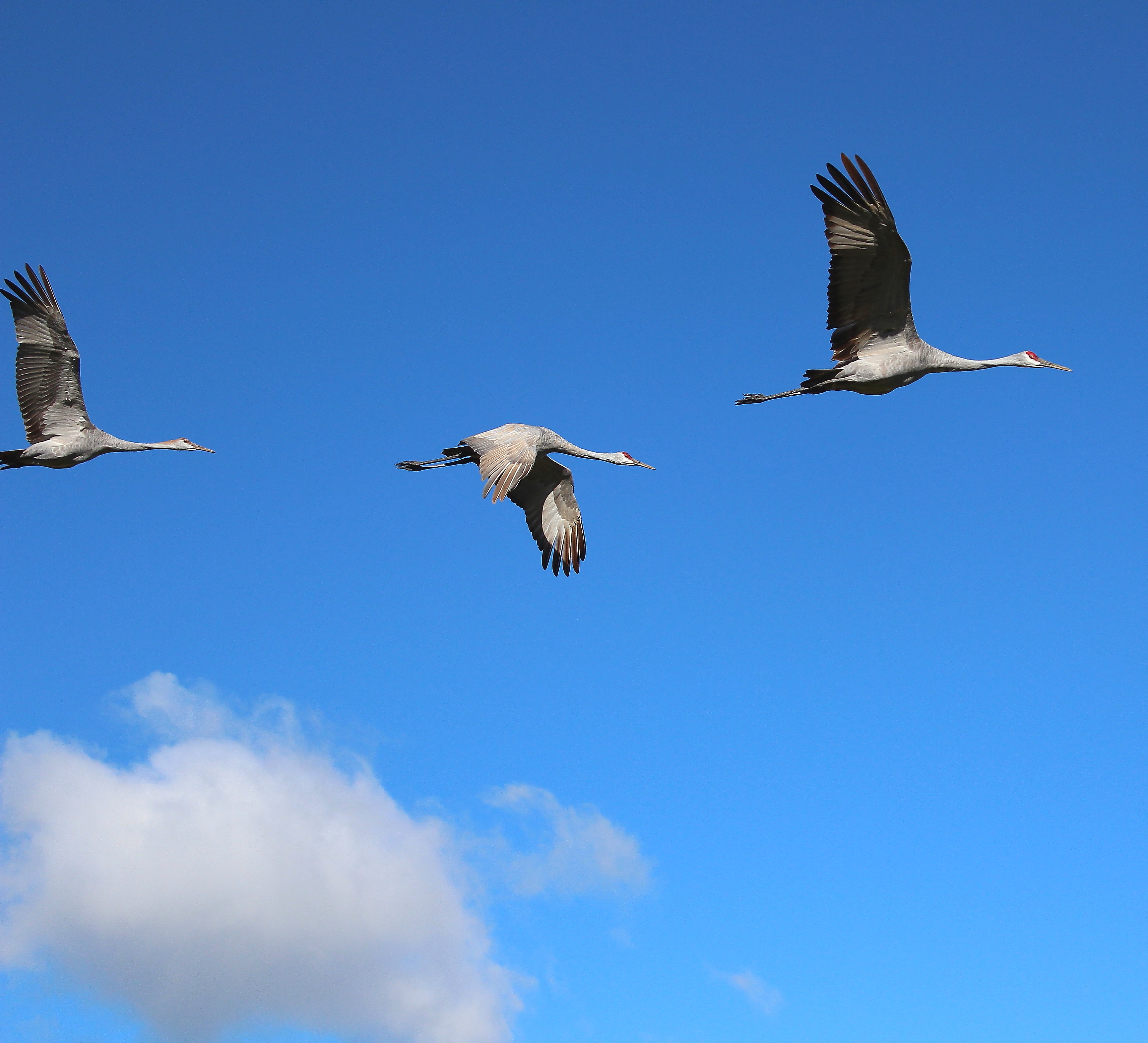
Wild Geese by Mary Oliver You do not have to be good. You do not have to walk on your knees for a hundred miles through the desert repenting. You only have to let the soft animal of your body love what it loves. Tell me about despair, yours, and I will tell you mine. Meanwhile the world goes on. Meanwhile the sun and the clear pebbles of the rain are moving across the landscapes, over the prairies and the deep trees, the mountains and the rivers. Meanwhile the wild geese, high in the clean blue air, are heading home again. Whoever you are, no matter how lonely, the world offers itself to your imagination, calls to you like the wild geese, harsh and exciting – over and over announcing your place in the family of things.
Thanks to Egidio for this worthy challenge that has inspired the sharing of so many beautiful images! Please visit his post HERE.
“Take off your sandals, for the place where you are standing is holy ground.” – Exodus 3:5, NIV
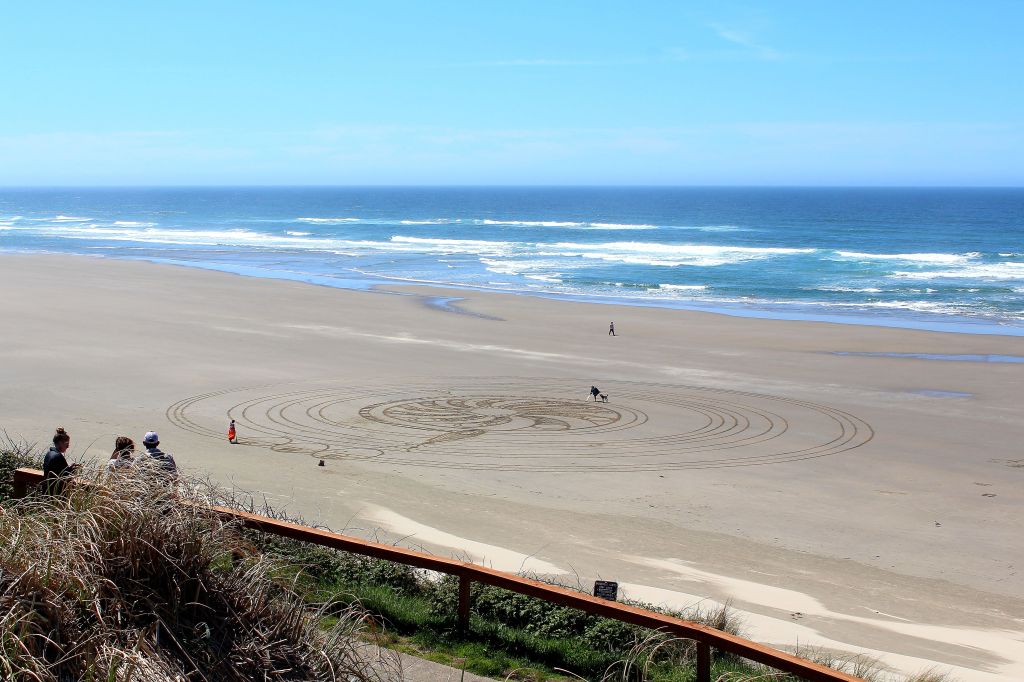
Sand art – a labyrinth? a mandala? – at Nye Beach, Oregon
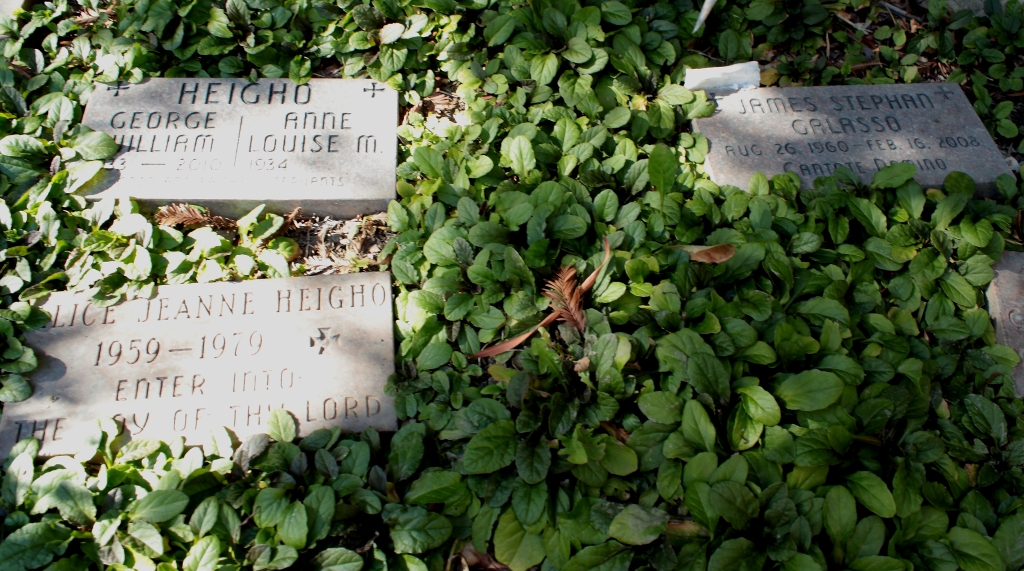
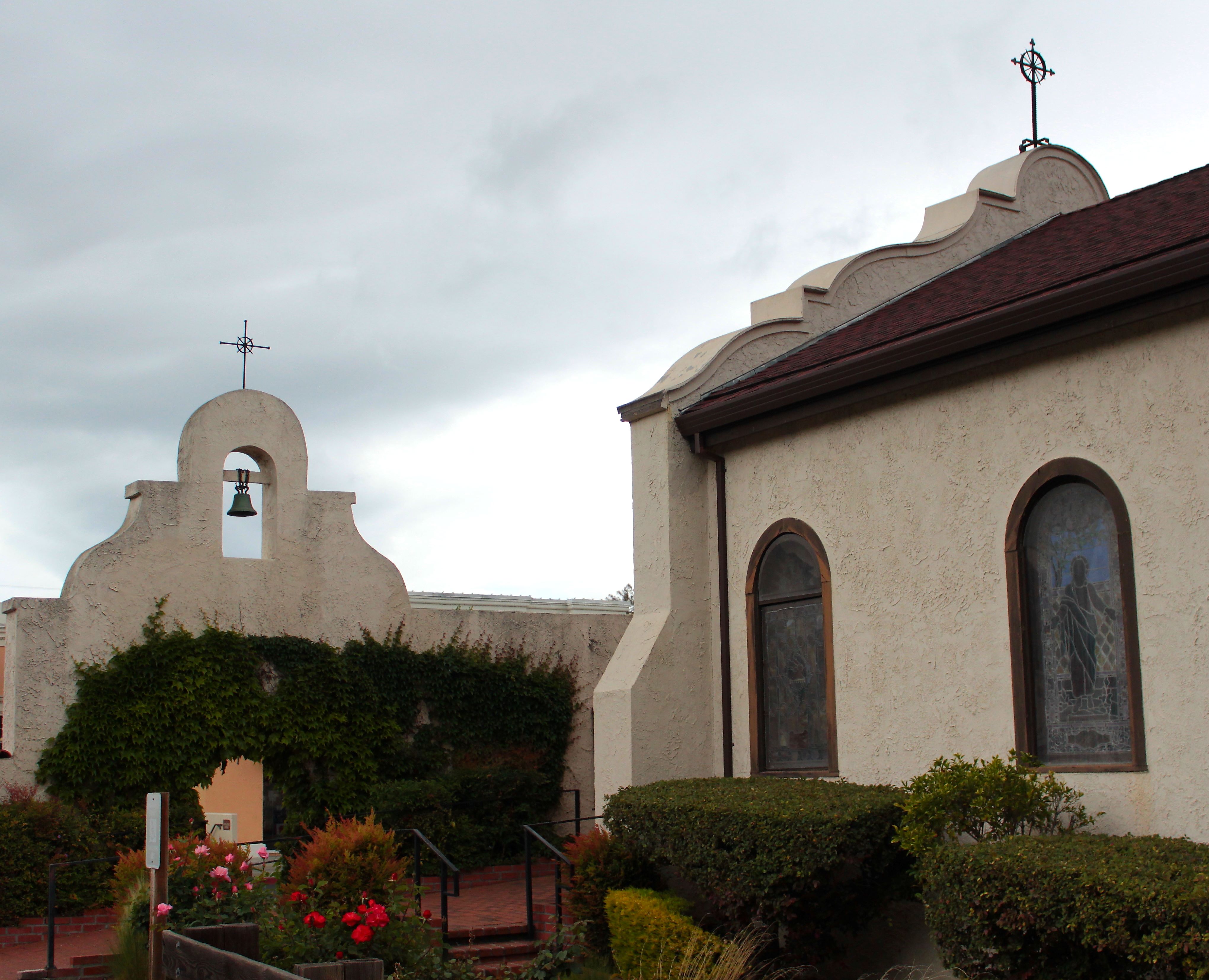
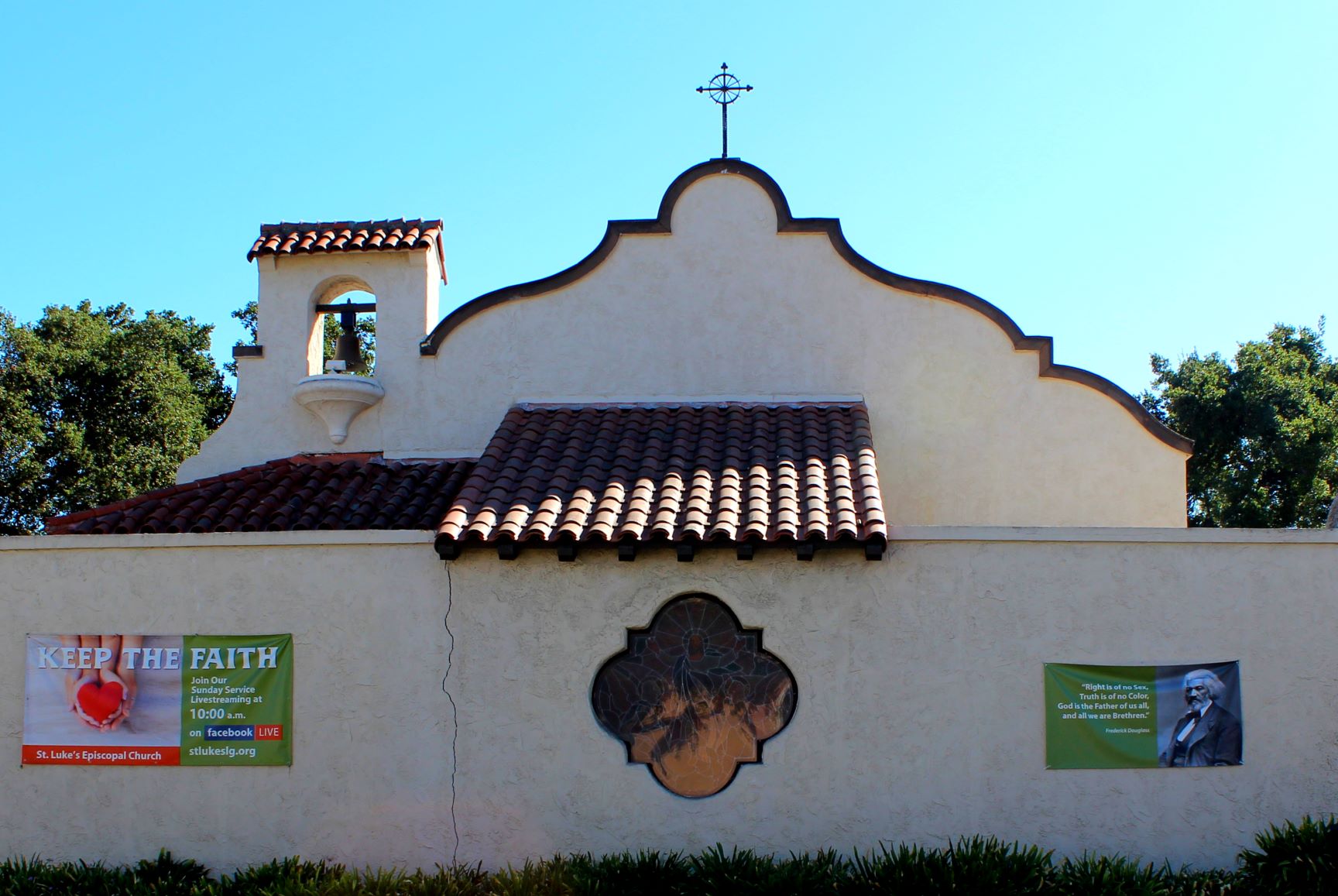
Tina leads the challenge this week with an amazing array of Spiritual Sites from around the world. Spirituality is truly universal. I went to a workshop at the Unitarian Universalist Fellowship here, and we tried to come up with a definition of spirituality. What we landed on was “the dynamic of being in the process of being in relationship and being aware of it”…or at least that’s what I wrote in my notes. For me, that just means that I am trying to be aware that I am in relationship to EVERYTHING, and I want continually to try to make these relationships more harmonious and mutually beneficial. At the top of my awareness is my family relationships. That’s where I began my spiritual journey, as an infant. Ancestors and family members are often honored at spiritual sites. There is a church in California where I was married and where my sister, my husband, and my parents are buried. It is a very meaningful place to me.
From an early point in my spiritual journey, I was also aware of the sacredness of Nature. Since 2014, I have been particularly aware of my relationship with Wilderness.
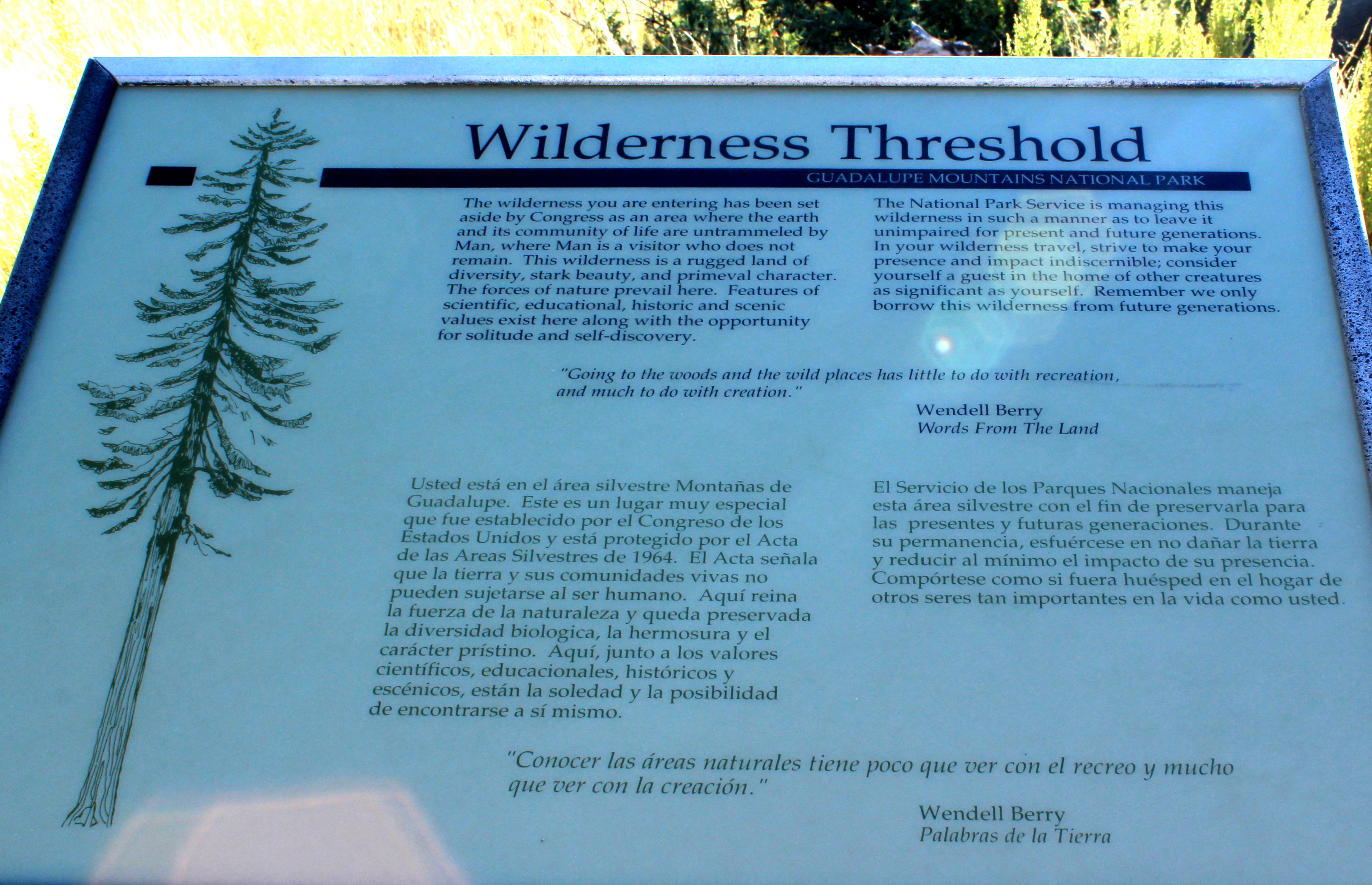
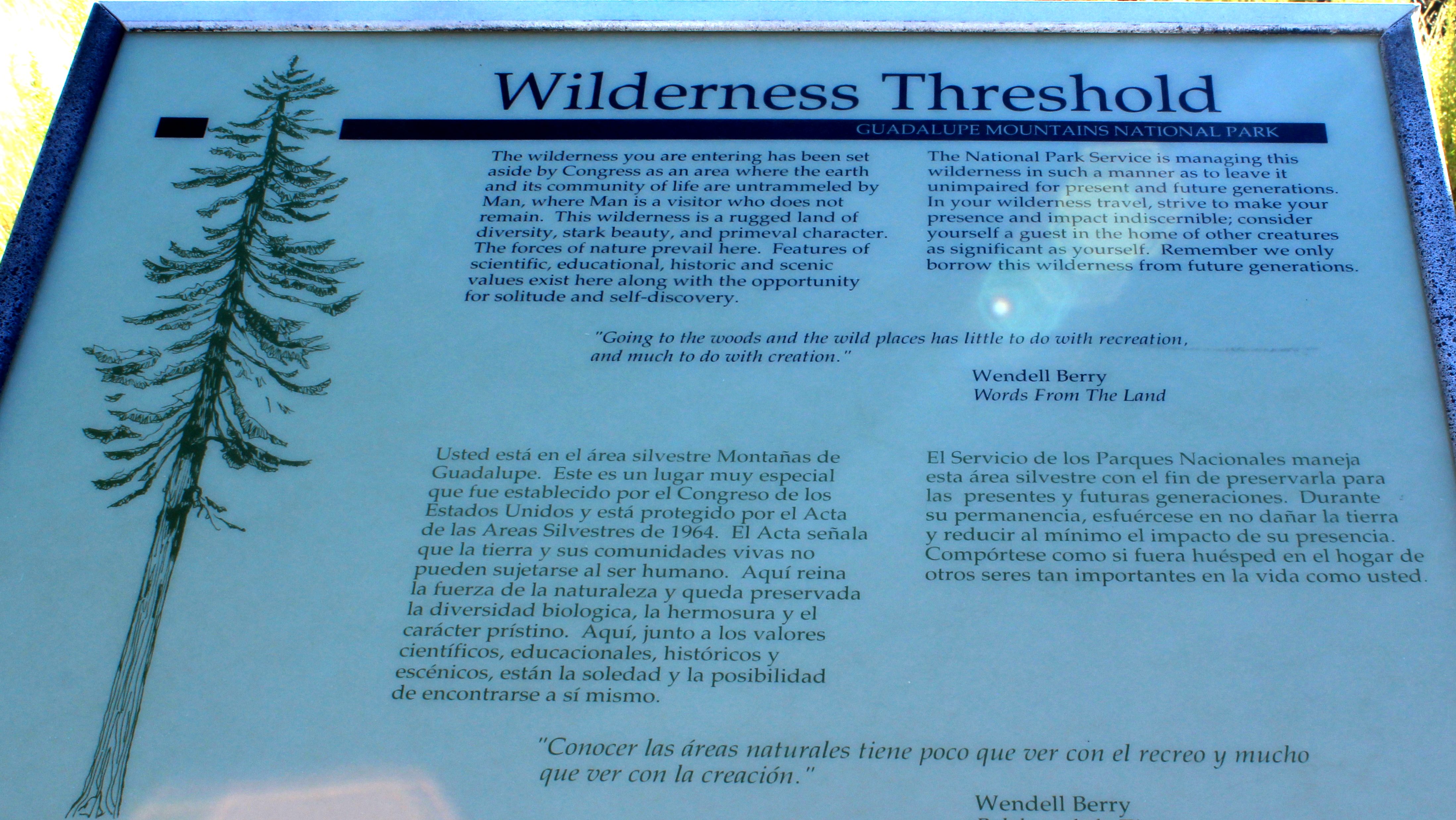
“A wilderness, in contrast with those areas where man and his own works dominate the landscape, is hereby recognized as an area where the earth and its community of life are untrammeled by man, where man himself is a visitor who does not remain.” – The Wilderness Act of 1964
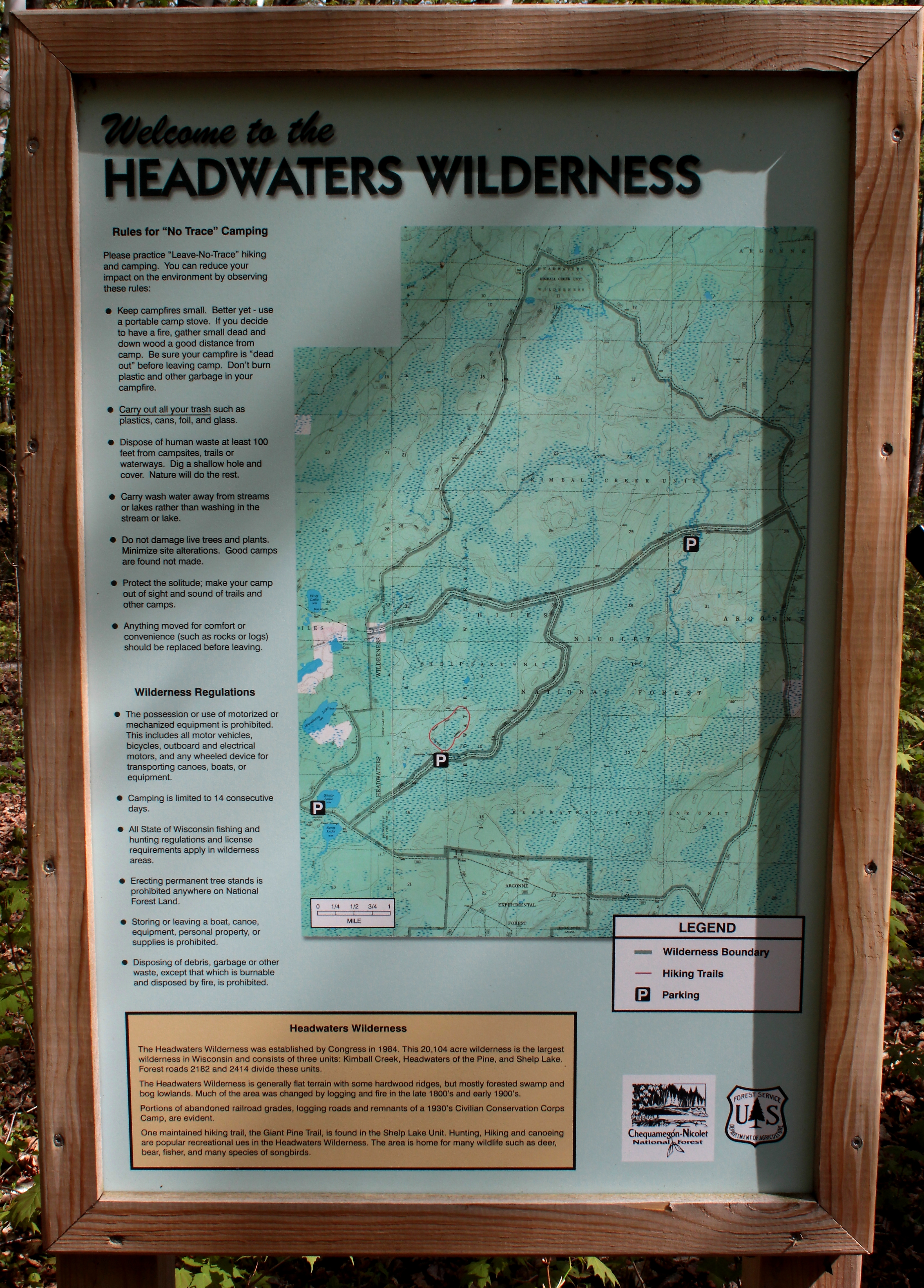
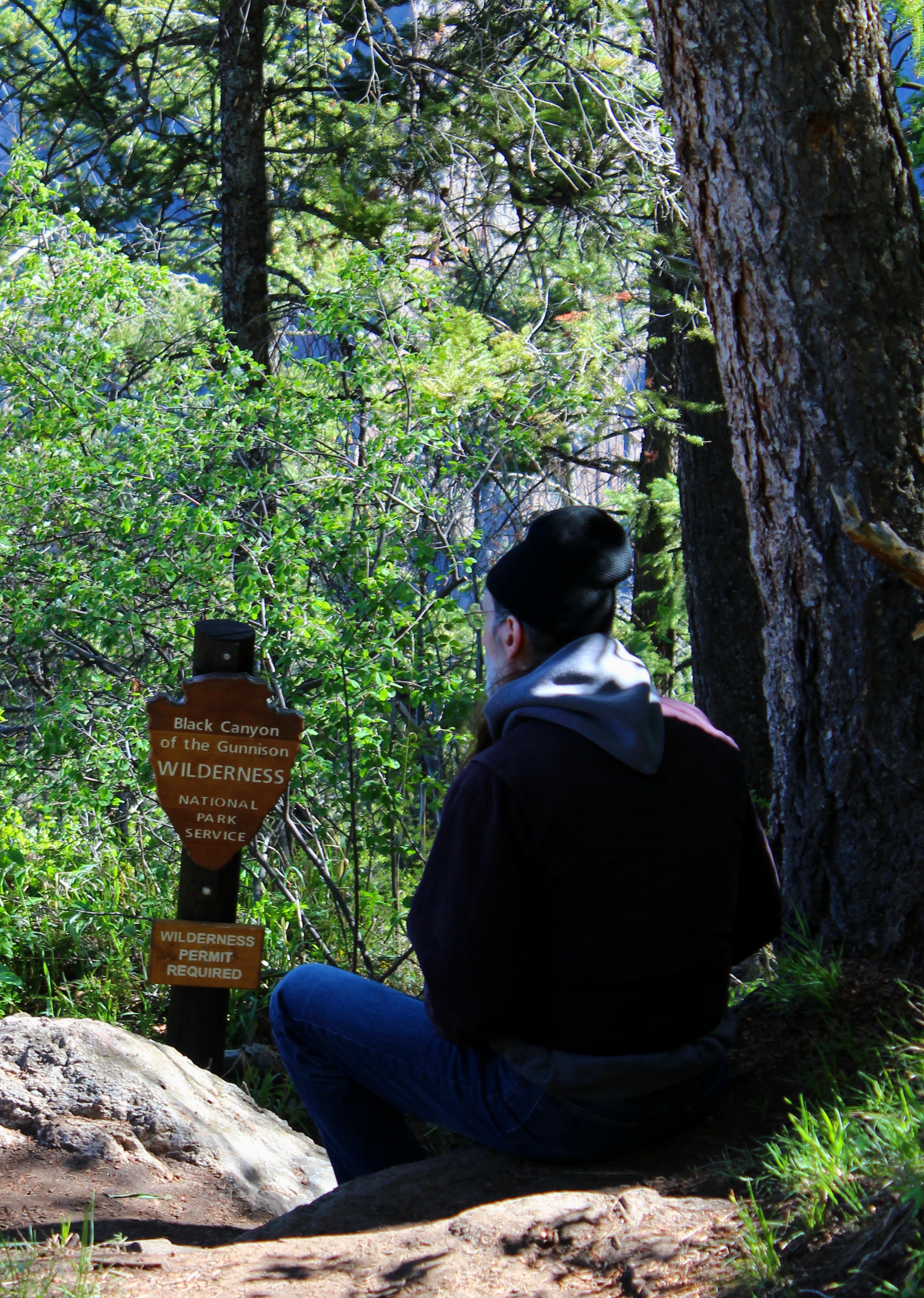
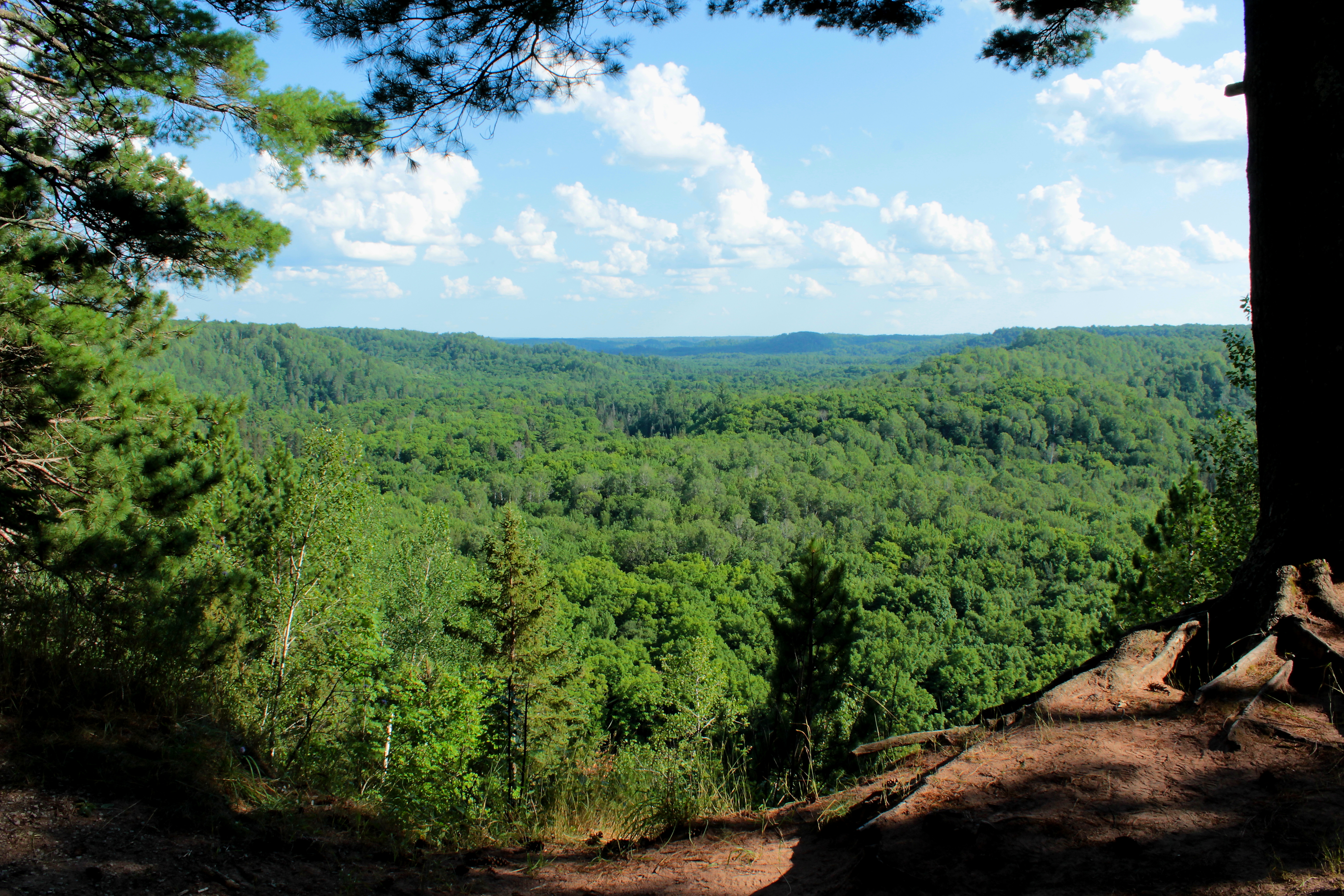
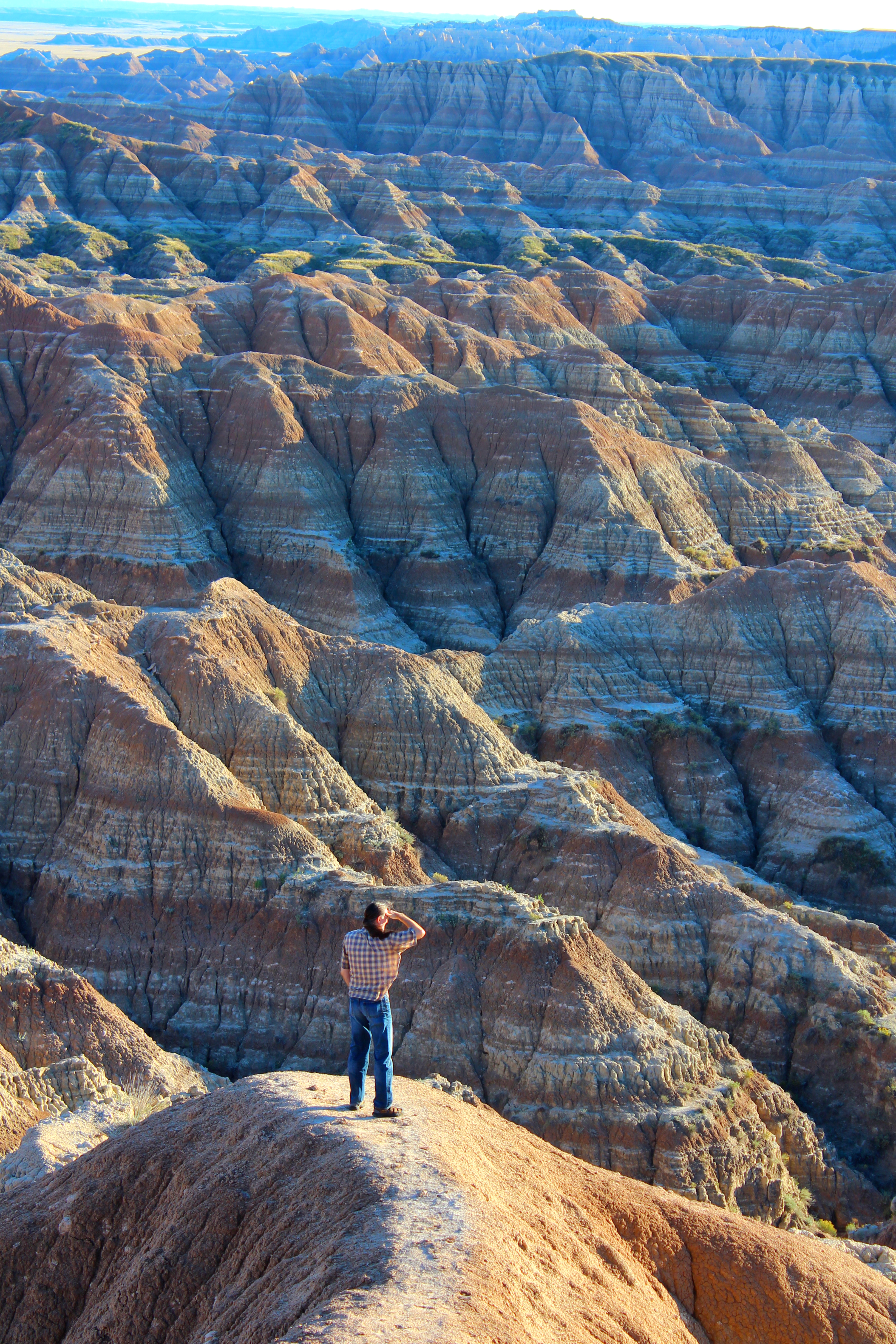
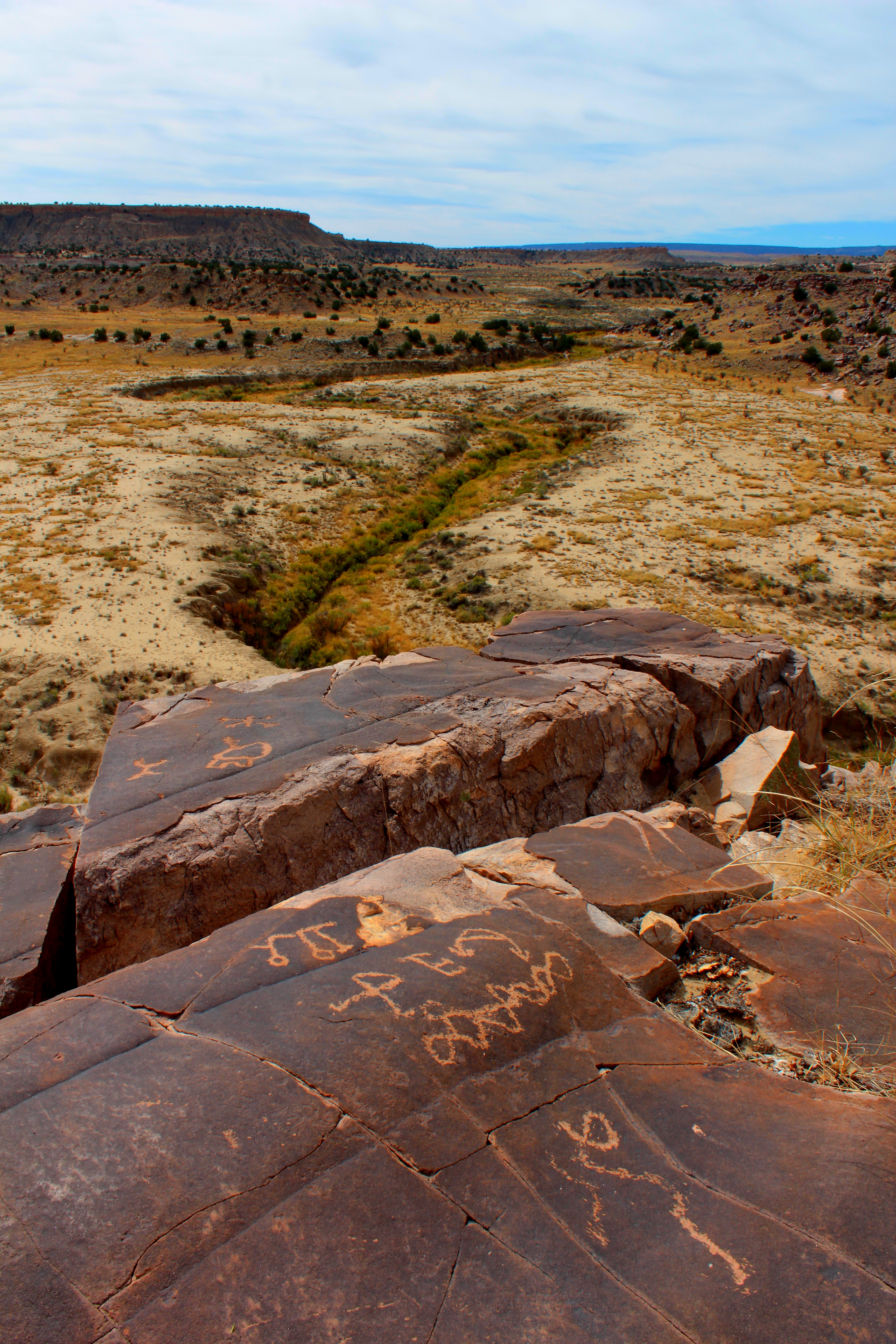
(Gallery top left to bottom right: Headwaters Wilderness, WI; Black Canyon of the Gunnison Wilderness, CO; Guadalupe Escarpment Wilderness sign, TX; Sturgeon River Gorge Wilderness, MI; Sage Creek Wilderness, Badlands, SD; Ojito Wilderness, NM; Drift Creek Wilderness, OR.)
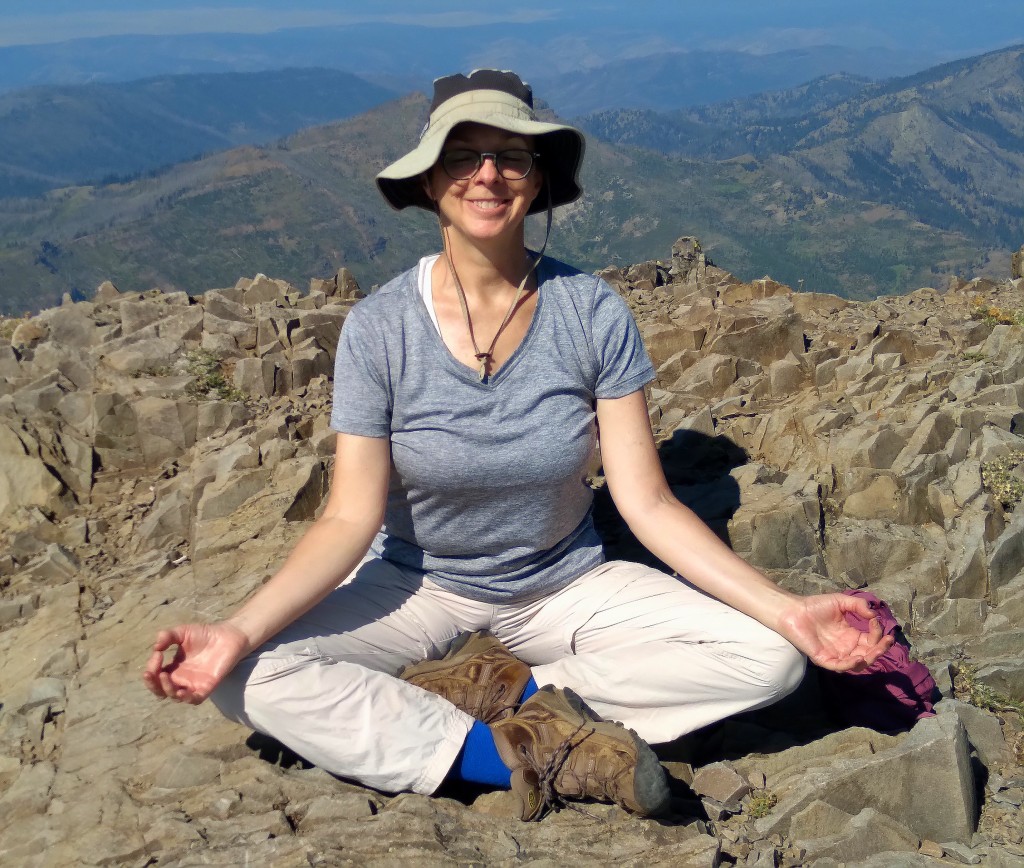
The first overnight backpacking trip I did in wilderness was at Strawberry Mountain in eastern Oregon. After two nights camping in the wilderness, we reached the summit. I was immensely happy! The relationship I had formed with my hiking friends, with the alpine lakes and trees, with mountain goats and wildflowers, and with my own mind and body, made me feel the energy of being alive and dynamic in the world in a gloriously spiritual way. I sat down in the lotus position on holy ground…and my friend snapped this photo:
May you reverence your connections to your inner and out worlds and find peace, love, and joy in your spiritual journey.
“Meaningless! Meaningless!” says the Teacher. “Utterly meaningless! Everything is meaningless.” What does man gain from all his labor at which he toils under the sun? Generations come and generations go, but the earth remains forever. The sun rises and the sun sets, and hurries back to where it rises. The wind blows to the south and turns to the north; round and round it goes, ever returning on its course. All streams flow into the sea, yet the sea is never full. To the place the streams come from, there they return again. All things are wearisome, more than one can say. The eye never has enough of seeing, nor the ear its fill of hearing. What has been will be again, what has been done will be done again; there is nothing new under the sun. – Ecclesiastes 1:1-9
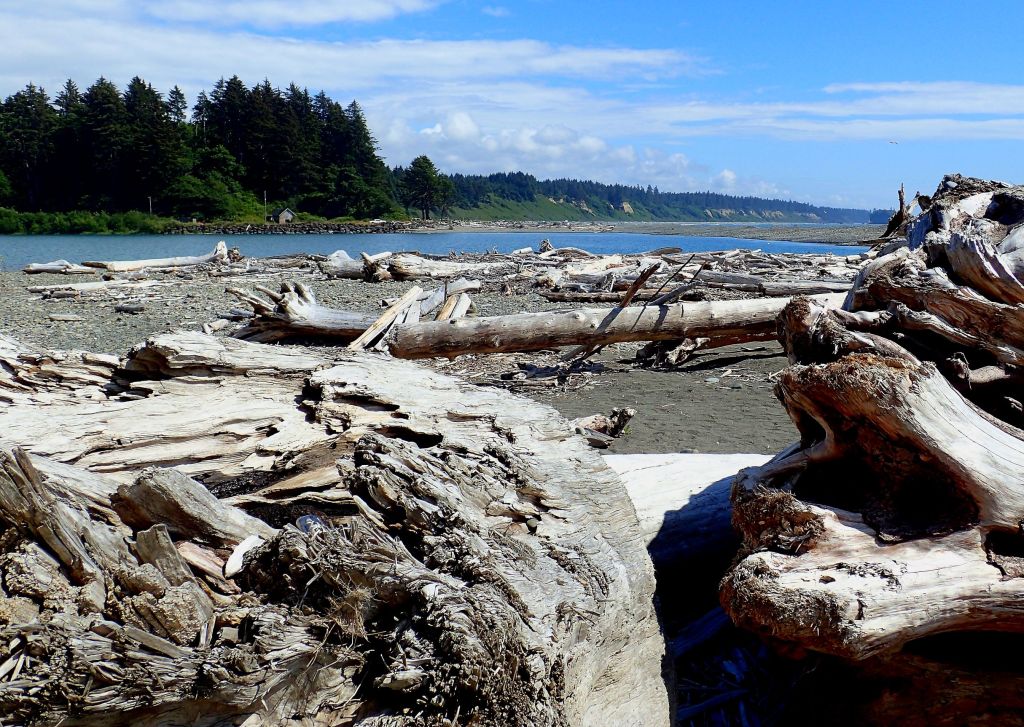
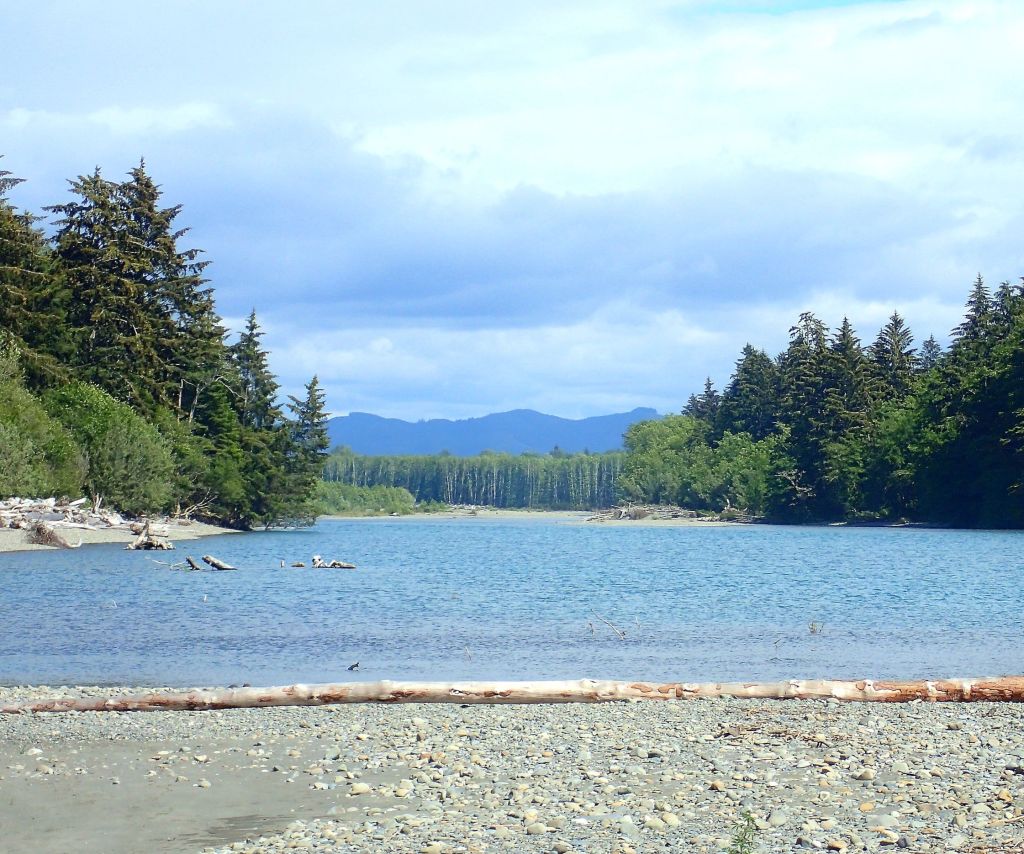
From 93 million miles away, the Sun’s light and heat affects each day of our lives. It comes to us as an ancient ray, a Source for all of life on this planet. I think of the ancient ways of life under the Sun, and I feel that I was closest to those ways last month on my backpacking trip to the Olympic National Park wilderness coastline. The trailhead is at the place where the Hoh River meets the Pacific Ocean. South of the river is Hoh tribal land.
“The Hoh River Indians are considered a band of the Quileutes but are recognized as a separate tribe. The Hoh Indian Reservation was established by an Executive Order in 1893. The Hoh Reservation consists of 443 acres located 28 miles south of Forks, and 80 miles north of Aberdeen. The Hoh Reservation has approximately one mile of beach front running east from the mouth of the Hoh River, and south to Ruby Beach.” – Hoh Tribe website: hohtribe-nsn.org
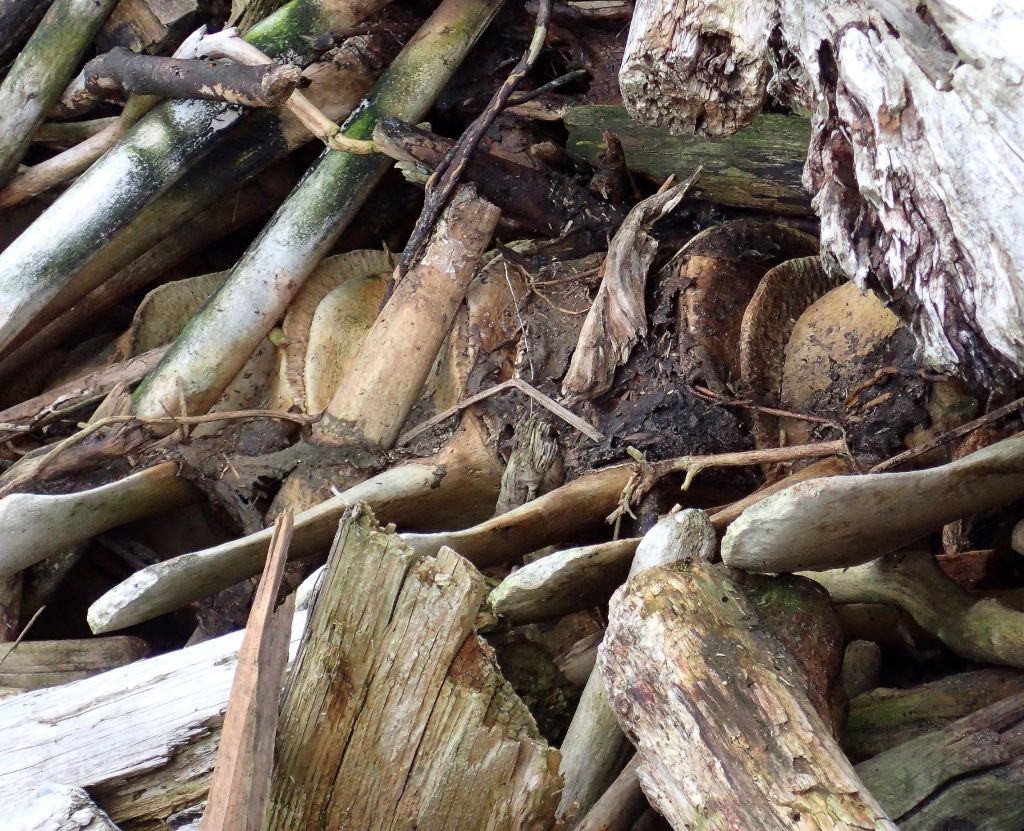
All over the beach lie the sun-bleached bones of the Ancients – cedar and fir trees, washed up by the tides in a jumble of giant driftwood. Among these bones you might also find the bones of less ancient giants: whales.
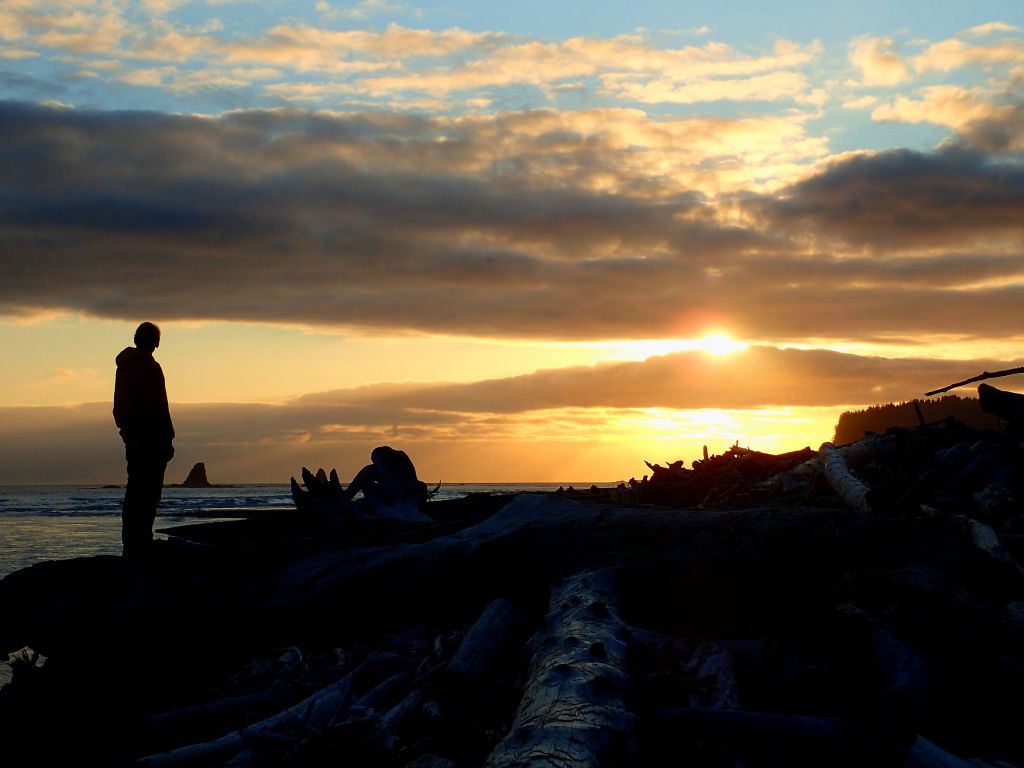
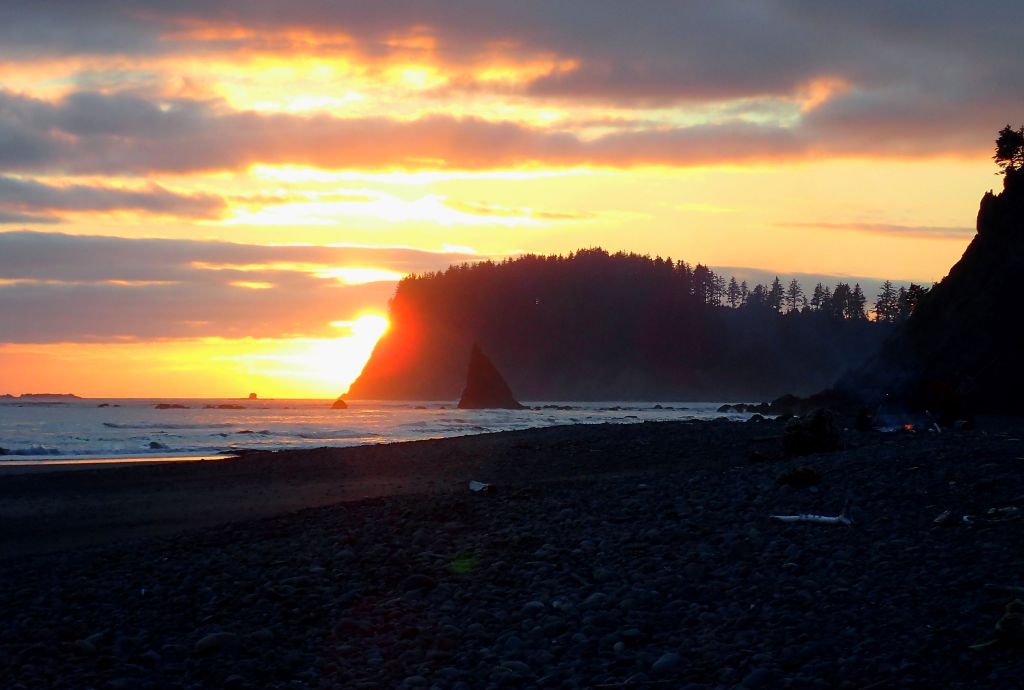
From our beach camp, we watched the Sun slide further and further down into the waves.
My small story of the next day includes the little detail that I slipped in the mud, fell with the weight of my whole body plus my pack on my outstretched left hand, and broke my wrist.
Being that we were in wilderness and had just come over the most difficult terrain, the quickest way to get to a hospital was simply to continue to trek the next two days up the coast. The tidal tipping points prohibited doing it at any faster pace. With tremendous assistance from my five hiking partners, we continued our journey and saw the Sun go down and come up on this beautiful coast two more times.
Even though there may be nothing new under the Sun, the unexpected can still happen. When my mind is reeling and my footing is uncertain, it’s good to feel the return of sunlight, the assurance of the day’s arc. It gives me the motivation to just keep going and see what will be. And I say, “It’s all right.”
Thanks to Amy for hosting this week’s Challenge. Do visit HER POST to see the Sun in many facets of its glory!
“When this old world starts getting me down And people are just too much for me to face…”
Not being a city girl, I have never escaped the hustling crowd by climbing the stairs to find solitude “Up on the Roof”, like the Carole King/Gerry Goffin song describes. I prefer to travel to and explore places of natural quiet where there is (ideally) no human presence. Wilderness is my favorite Get Away. I am heading out tomorrow to Strawberry Mountain Wilderness in the Mahleur National Forest on my very first backpacking trip. I will not be tethered to a powered vehicle or a “civilized” infrastructure for three whole days. I will be relying on my own two feet and the company of a few experienced hikers. This is something I’ve been wanting to do for more than 40 years!
I have done day hikes in designated Wilderness before, but never an overnight. It is extremely important that our group Leave No Trace of our visit. Keeping wild spaces as pristine as possible ensures that conservation and spiritual values are not compromised.
If we lose the ability to get away from the impact of human domination, we may lose sight of humility and perspective altogether.
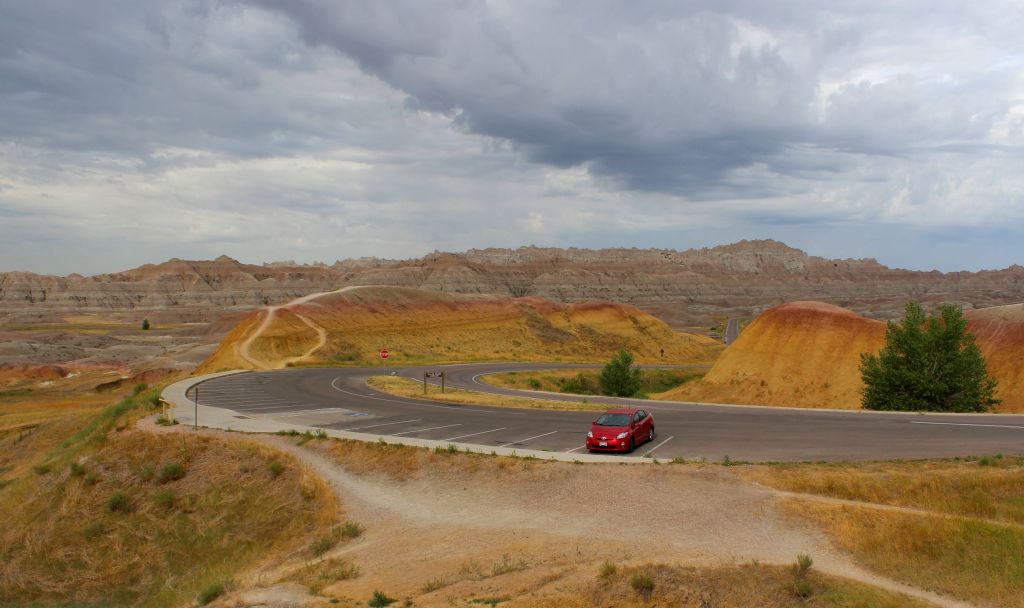
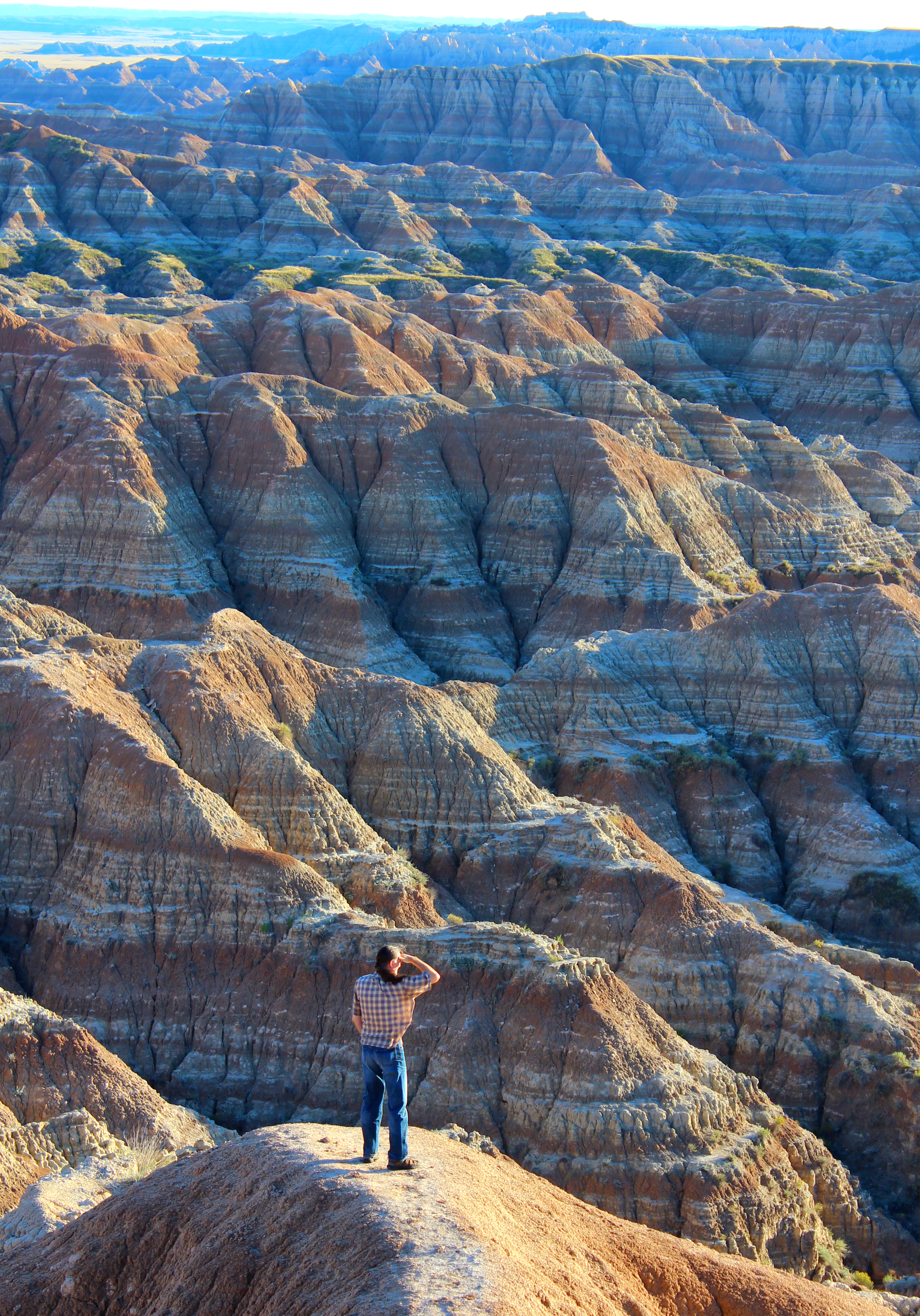
Sage Creek Wilderness, Badlands National Park, South Dakota
“A wilderness, in contrast with those areas where man and his own works dominate the landscape, is hereby recognized as an area where the earth and its community of life are untrammeled by man, where man himself is a visitor who does not remain.” — The Wilderness Act of 1964
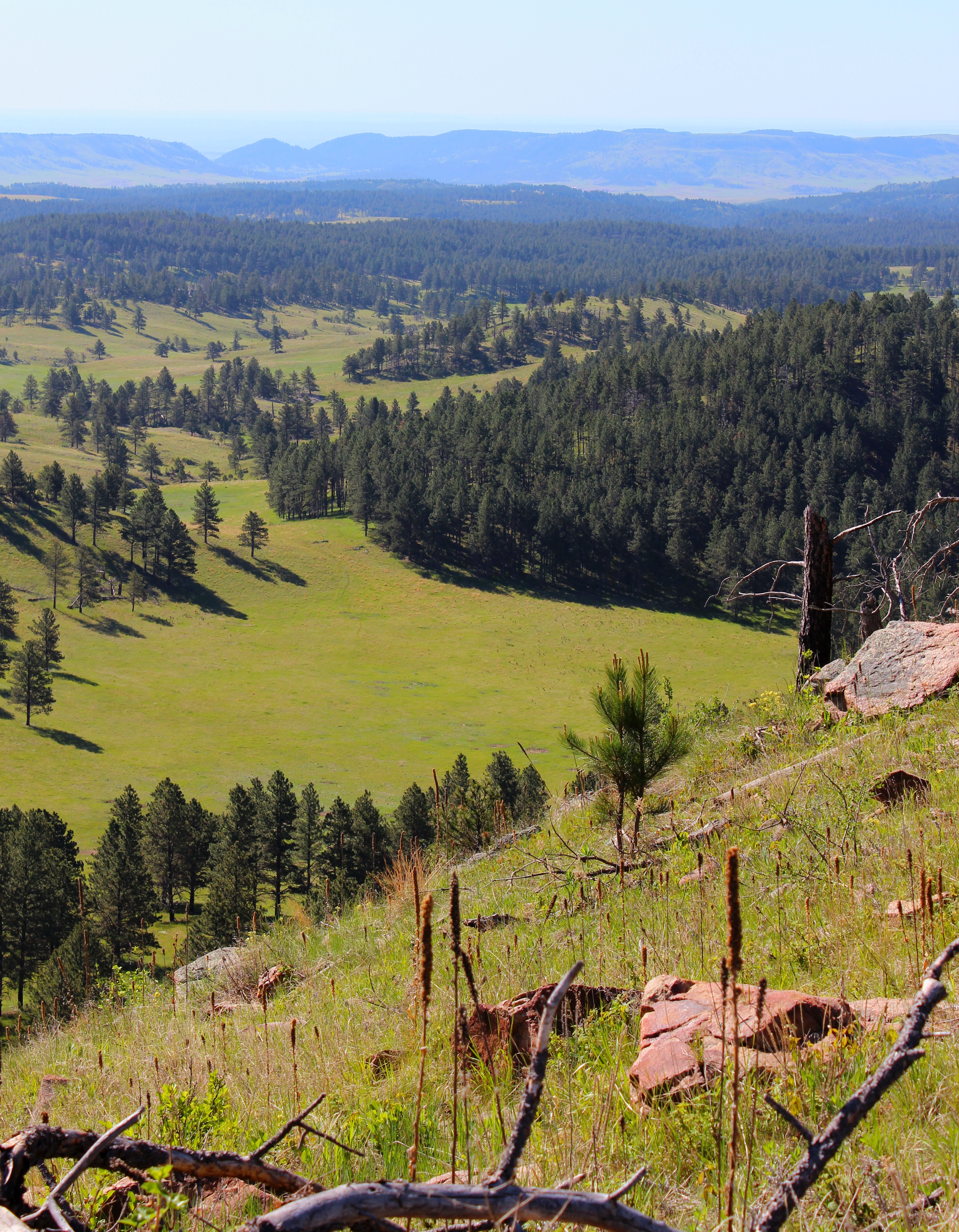
Guadalupe Mountains, Texas
If future generations are to remember us with gratitude rather than contempt, we must leave them a glimpse of the world as it was in the beginning, not just after we got through with it.” – Lyndon Baynes Johnson, President who signed The Wilderness Act into law.
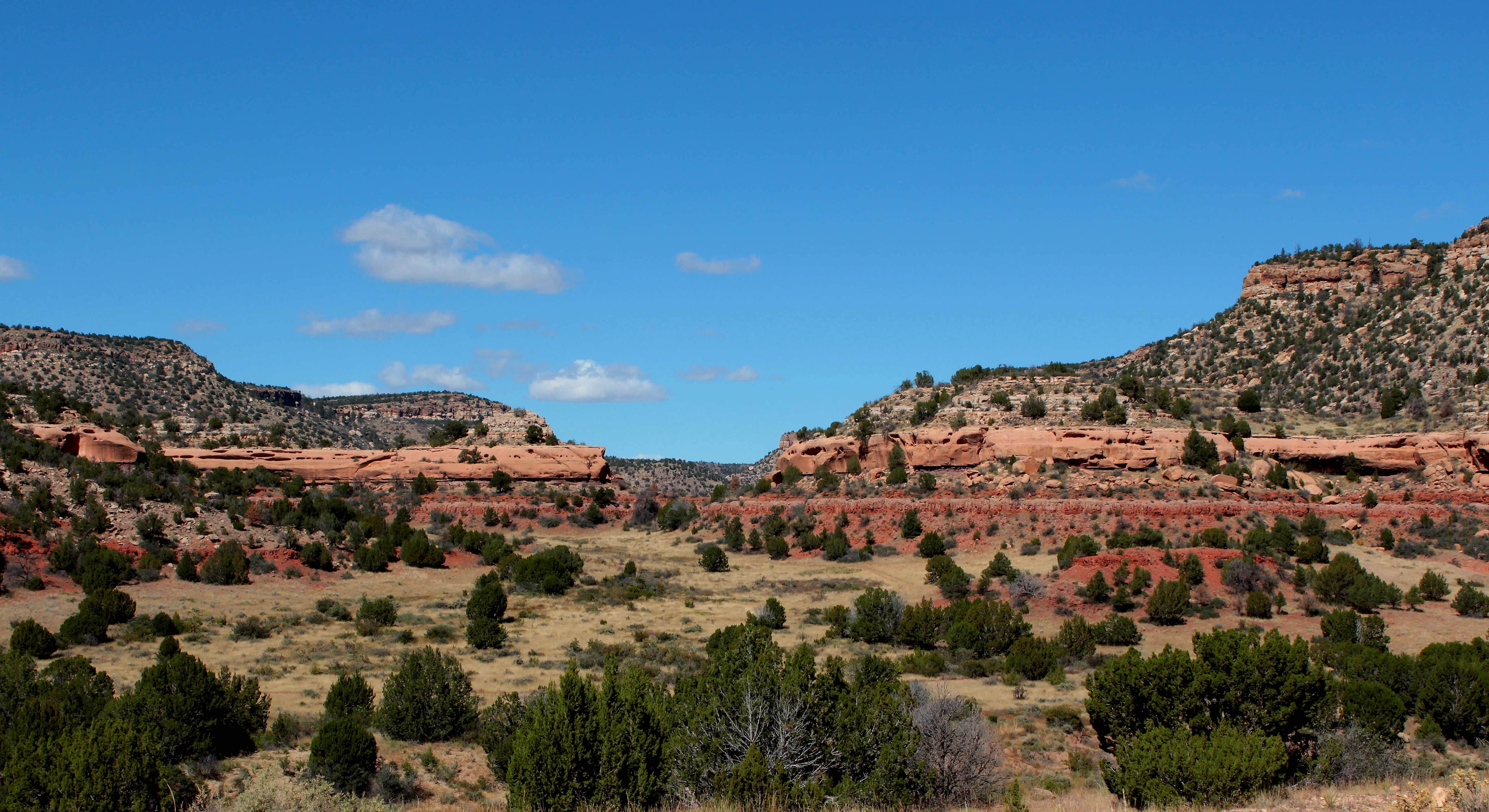
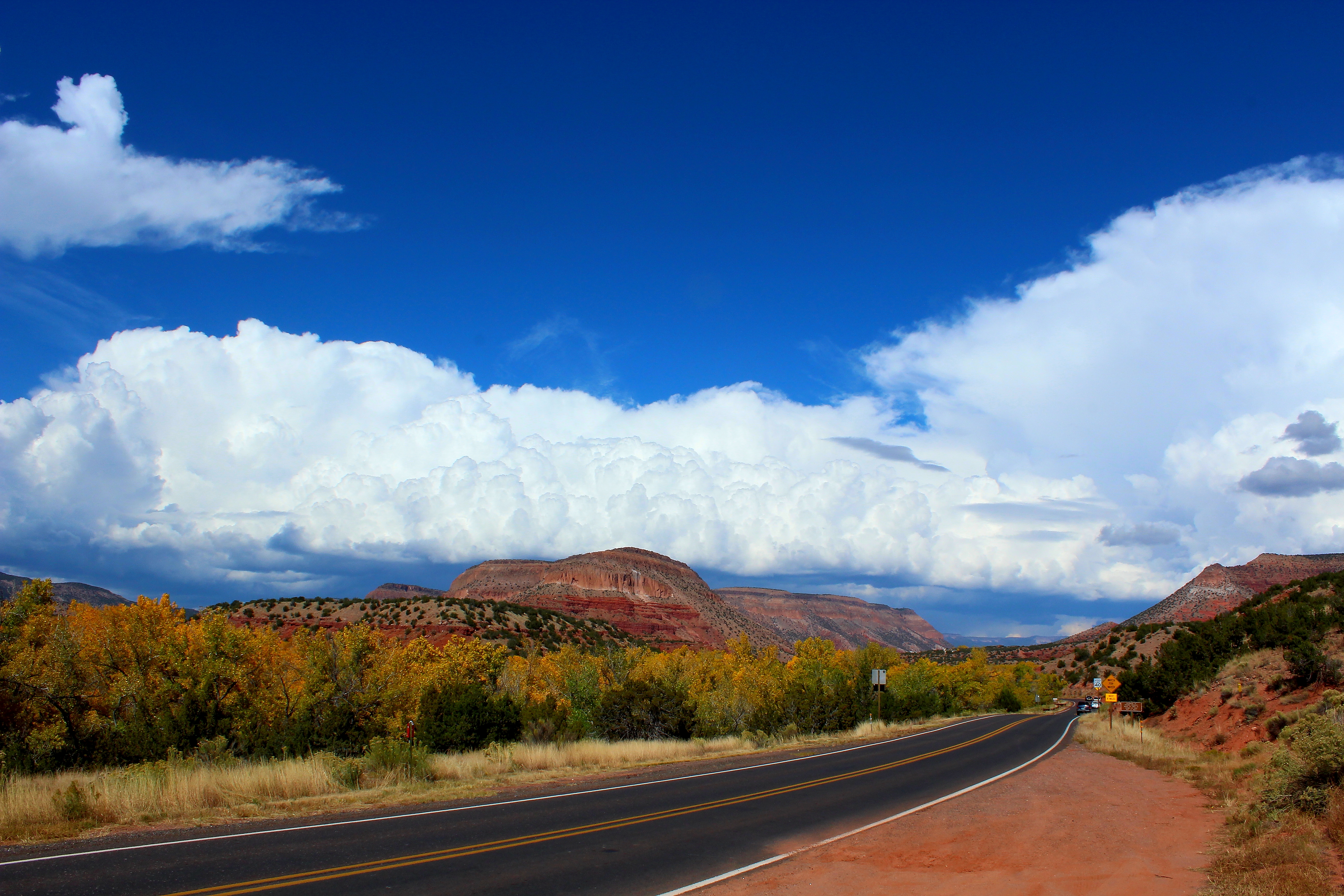
Ojito Wilderness, New Mexico
“…in Wildness is the preservation of the World. Every tree sends its fibers forth in search of the Wild. The cities import it at any price. Men plow and sail for it. From the forest and wilderness come the tonics and barks which brace mankind…I believe in the forest, and in the meadow, and in the night in which the corn grows. We require an infusion of hemlock, spruce or arbor vitae in our tea…” — Henry David Thoreau
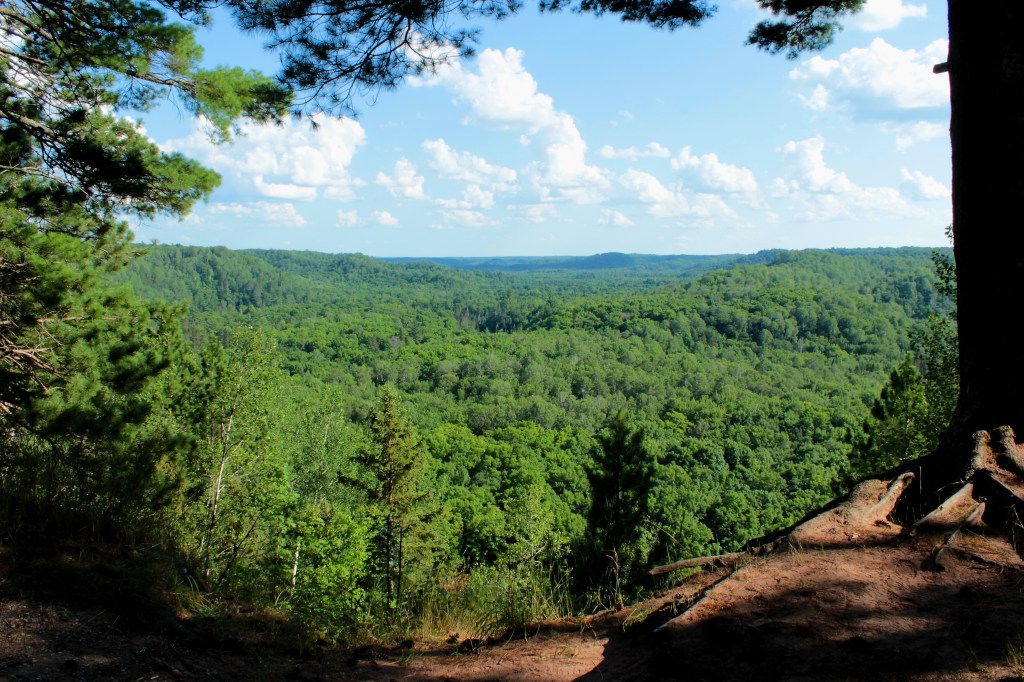
Sturgeon River Gorge Wilderness, Michigan
“Idolatry always reduces to the worship of something ‘made with hands,’ something confined within the terms of human work and human comprehension. Thus, Solomon and Saint Paul both insisted on the largeness and the at-largeness of God, setting Him free, so to speak, from ideas about Him. He is not to be fenced in, under human control, like some domestic creature; He is the wildest being in existence. The presence of His spirit in us is our wildness, our oneness with the wilderness of Creation. That is why subduing the things of nature to human purposes is so dangerous and why it so often results in evil, in separation and desecration. It is why the poets of our tradition so often have given nature the role not only of mother or grandmother but of the highest earthly teacher and judge, a figure of mystery and great power.”— Wendell Berry
In 2014, I went to New Mexico to participate in a Wilderness 50 Conference celebrating the 50th anniversary of the signing of the Wilderness Act into law. I didn’t go as a delegate from any conservation organization or as an employee of any of the agencies associated with U.S. public lands. I went as a citizen eager to learn about how wild places are being protected in this country. I went to lectures, panel discussions, break-out seminars, film presentations and information kiosks. I went on a field trip to a nearby designated wilderness. And then I went home, east of the Mississippi River. I determined that I wanted to visit wilderness areas and work to protect land whatever way I could. I got a job at a land trust six months later.
The greatest tracts of wilderness land in the U. S. are west of the Mississippi, but there are a few in the Great Lakes region, in the North Woods, with dispersed campsites scattered around. I found a dispersed campsite across the road from the designated wilderness on the banks of Scott Lake. As I set up camp, I was greeted by two trumpeter swans on the lake, a raucous chorus of frogs and a host of mosquitoes. That night, there was a bit of rain. In the morning, a bald eagle perched high in a dead tree on the far side of the lake, illuminated by the rising eastern sun. Staring at him through my binoculars, I imagined him enjoying an aerial view like ones I’d seen in pictures of Alaska. Could I really be in the wilderness, finally? My rational brain convinced me of the disparities, but my romantic soul glowed. Even in Wisconsin, there can be solitude, common-union with nature, and a wild hope.
Near Headwaters Wilderness, Wisconsin
The inevitable down side of climbing the wilderness mountain is returning to ‘civilization’, re-entering the spaces that humans have altered and asking a million critical questions about our involvement. Was this action necessary? Was this change beneficial and for whom? How is this decision going to effect this environment, this habitat, this life? How do I take responsibility when my ignorance is so vast? How do I do my best to learn and choose and be aware? What do I do when I see individuals or systems causing destruction? I learned the 4 pillars of Environmental Education while volunteering at a local Nature Center: Awareness, Appreciation, Attitude and Action. My experience in the wilderness took me on a journey past those milestones: being aware of the solitude, of the multitude of interconnected lives as well; being awed by the variety and majesty of all that I saw; feeling a deep desire to protect, to respect, and to serve Life; and finally, deciding to make changes and choices in my own life and lifestyle, to learn to embody the experience, not just as a vacation or a change from habit, but as a daily practice.
I am thrilled to meet another wilderness enthusiast through the Lens-Artists group and urge you to visit this week’s host at her blog, Rambling Ranger. Dianne has been a National Park ranger in both Alaska and Death Valley, California. She’s a fabulous photographer and writer…and I am now one of her followers!
Tina posts a Wild challenge featuring the wildlife of Africa. My response features the designated Wilderness lands of America.
“Wilderness is not a luxury, but a necessity of the human spirit.” — Edward Abbey
Sage Creek Wilderness, Badlands National Park, South Dakota
“A wilderness, in contrast with those areas where man and his works dominate the landscape, is hereby recognized as an area where the earth and its community of life are untrammeled by man, where man himself is a visitor who does not remain.” — definition of Wilderness from the Wilderness Act of 1964
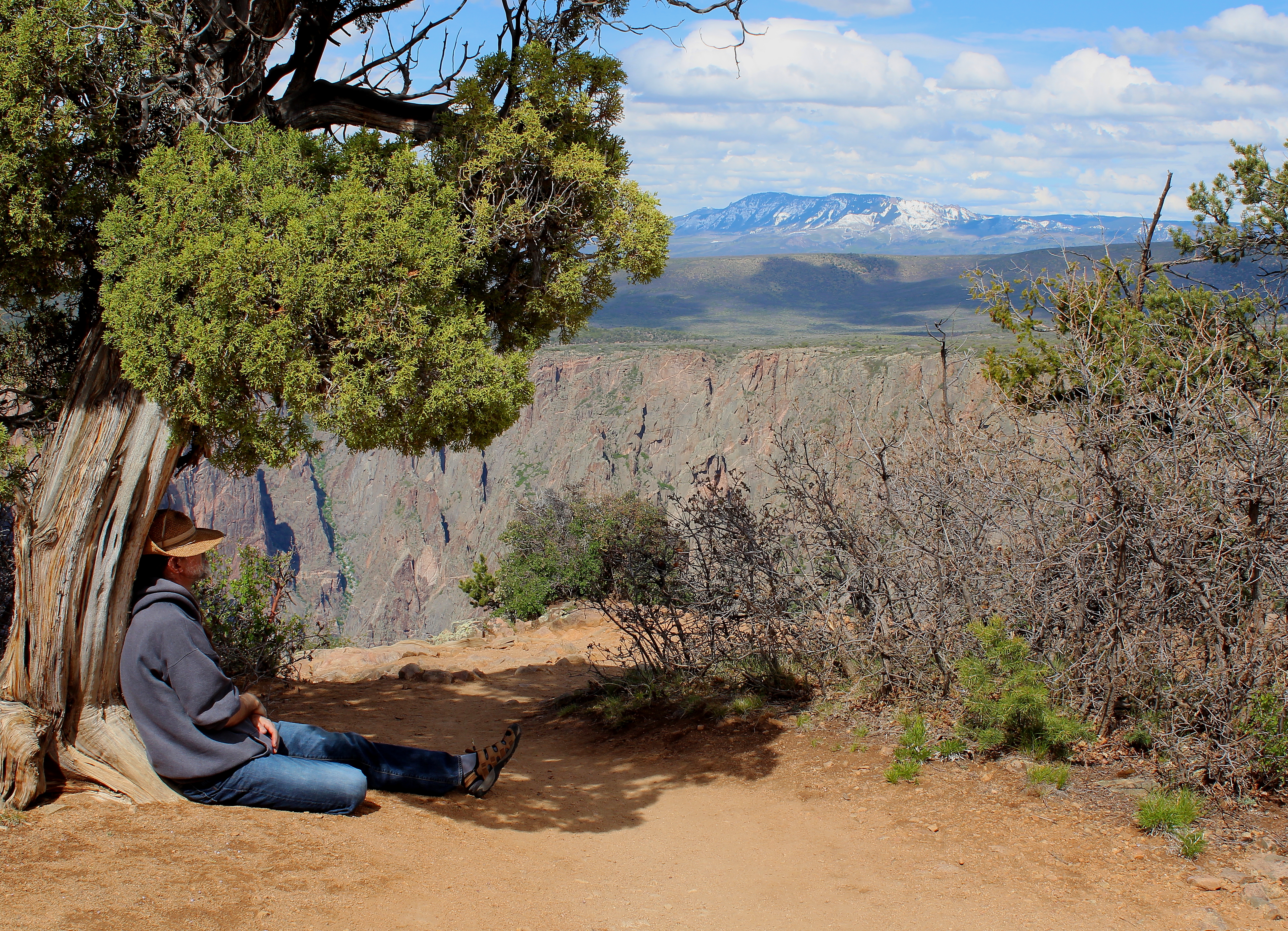
Black Canyon of the Gunnison Wilderness, Colorado
“In order to assure that an increasing population, accompanied by expanding settlement and growing mechanization, does not occupy and modify all areas within the United States and its possessions, leaving no lands designated for preservation and protection in their natural condition, it is hereby declared to be the policy of the Congress to secure for the American people of present and future generations the benefits of an enduring resource of wilderness. For this purpose there is hereby established a National Wilderness Preservation System to be composed of federally owned areas designated by Congress as “wilderness areas”, and these shall be administered for the use and enjoyment of the American people in such manner as will leave them unimpaired for future use and enjoyment as wilderness, and so as to provide for the protection of these areas, the preservation of their wilderness character, and for the gathering and dissemination of information regarding their use and enjoyment as wilderness; and no Federal lands shall be designated as “wilderness areas” except as provided for in this Act or by a subsequent Act.” —from the statement of policy in the Wilderness Act of 1964
Sturgeon River Gorge Wilderness, Upper Peninsula Michigan
“There is just one hope for repulsing the tyrannical ambition of civilization to conquer every inch on the whole earth. That hope is the organization of spirited people who will fight for the freedom and preservation of the wilderness.”— Bob Marshall, Founder of The Wilderness Society
Amy at “The World Is A Book” has invited the Lens-Artists to share Landscapes this week, and has given us absolutely stunning examples from her own albums.
This is my favorite photographic subject.
When I was just 10 years old, I got my first camera – a Kodak Brownie Starmite – so that I could take pictures on our family vacation to Hawaii. I had seen mountains for the first time just two years prior on a family vacation to visit cousins in Colorado, and felt engulfed by a deep awe. I wanted to take the scenery home with me to Illinois, but had no camera then. I soaked in every vista, eyes and arms wide open. I was so excited to be able to take my own photos when I got to Hawaii.
I remember feeling a crushing disappointment when I discovered that the little printed picture didn’t quite take in all that I wanted to fill it. I still feel that way, but it hasn’t stopped me from trying.
What do I love about landscapes? Long views give me a sense of freedom, a sense of the vast beauty of the world.
When I was a kid, my parents took me to the Field Museum in Chicago to watch travelogue presentations. I would emerge from the hall bounding like a gazelle. I loved the open spaces filled with natural wonders, like an alpine meadow of wildflowers begging me to run through them.There is nothing as exhilarating to me as a panoramic view of Earth.
It’s so difficult to get all that BIGNESS into a two dimensional frame.
I wish I had a lens that could do it justice.
There’s that “pinch me, I can’t believe I’m here” excitement of actually feeling the space around you in a beautifully large setting that’s impossible to get into a photo.
But I keep trying because I don’t want to let go of that feeling…ever.
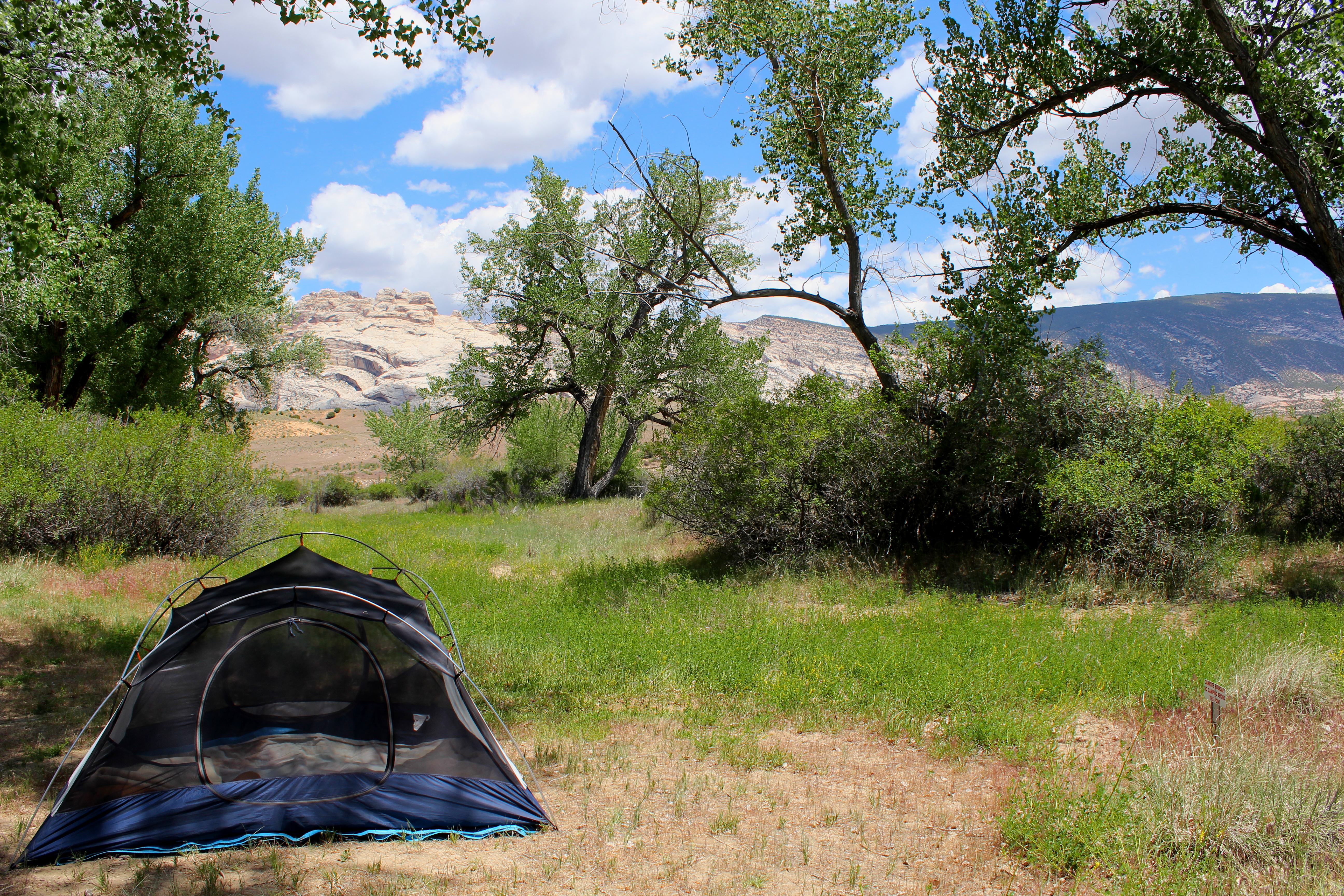
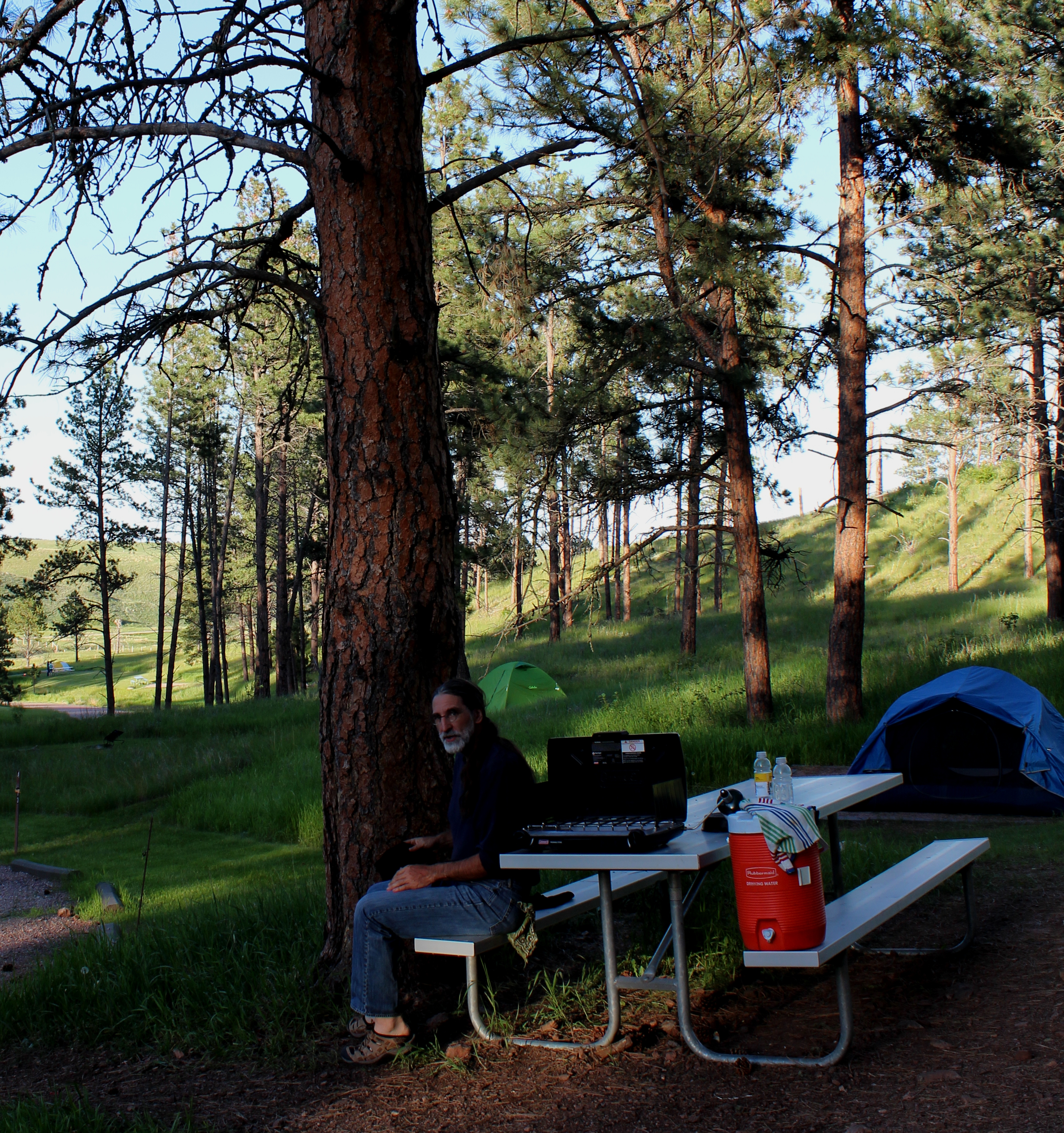
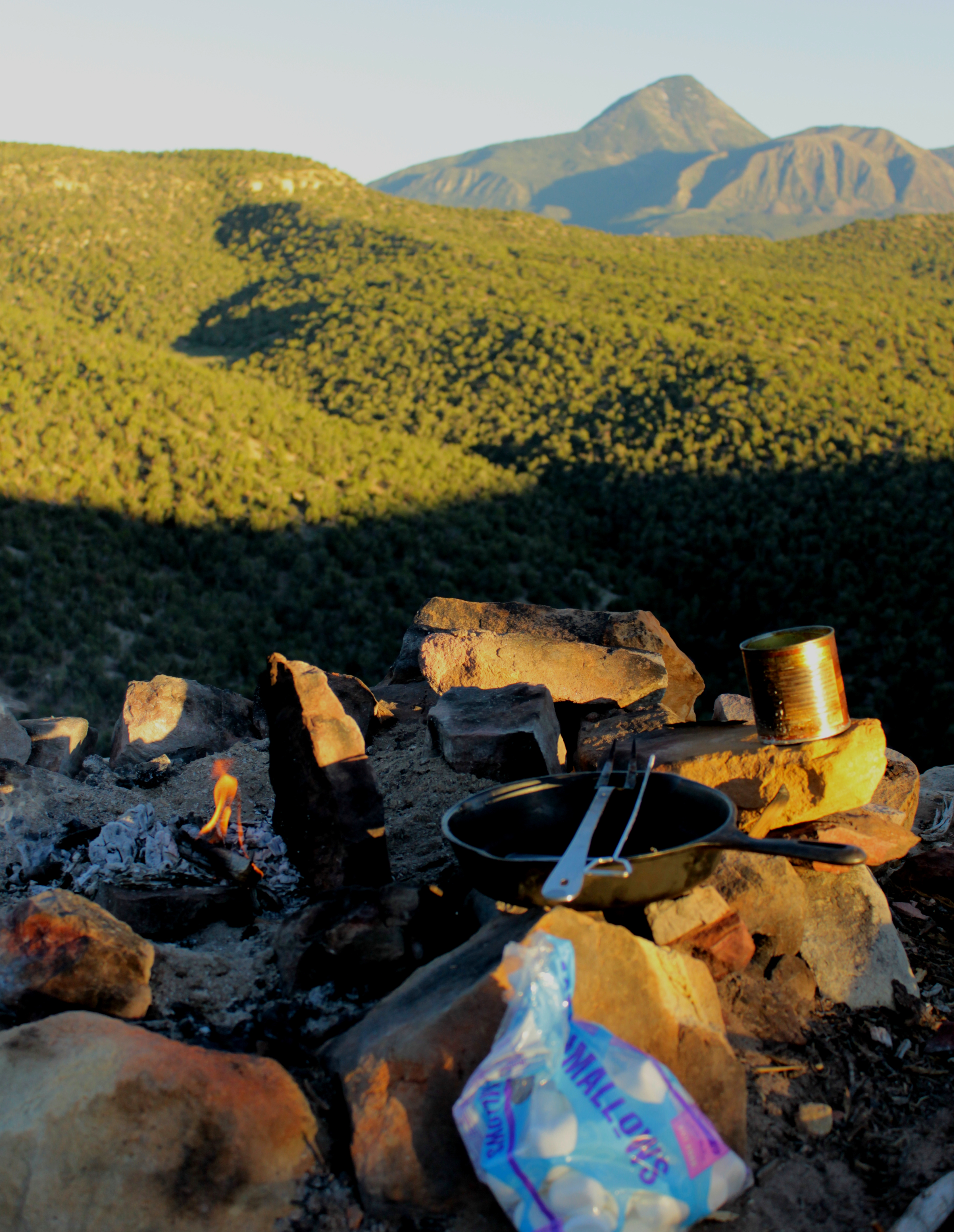
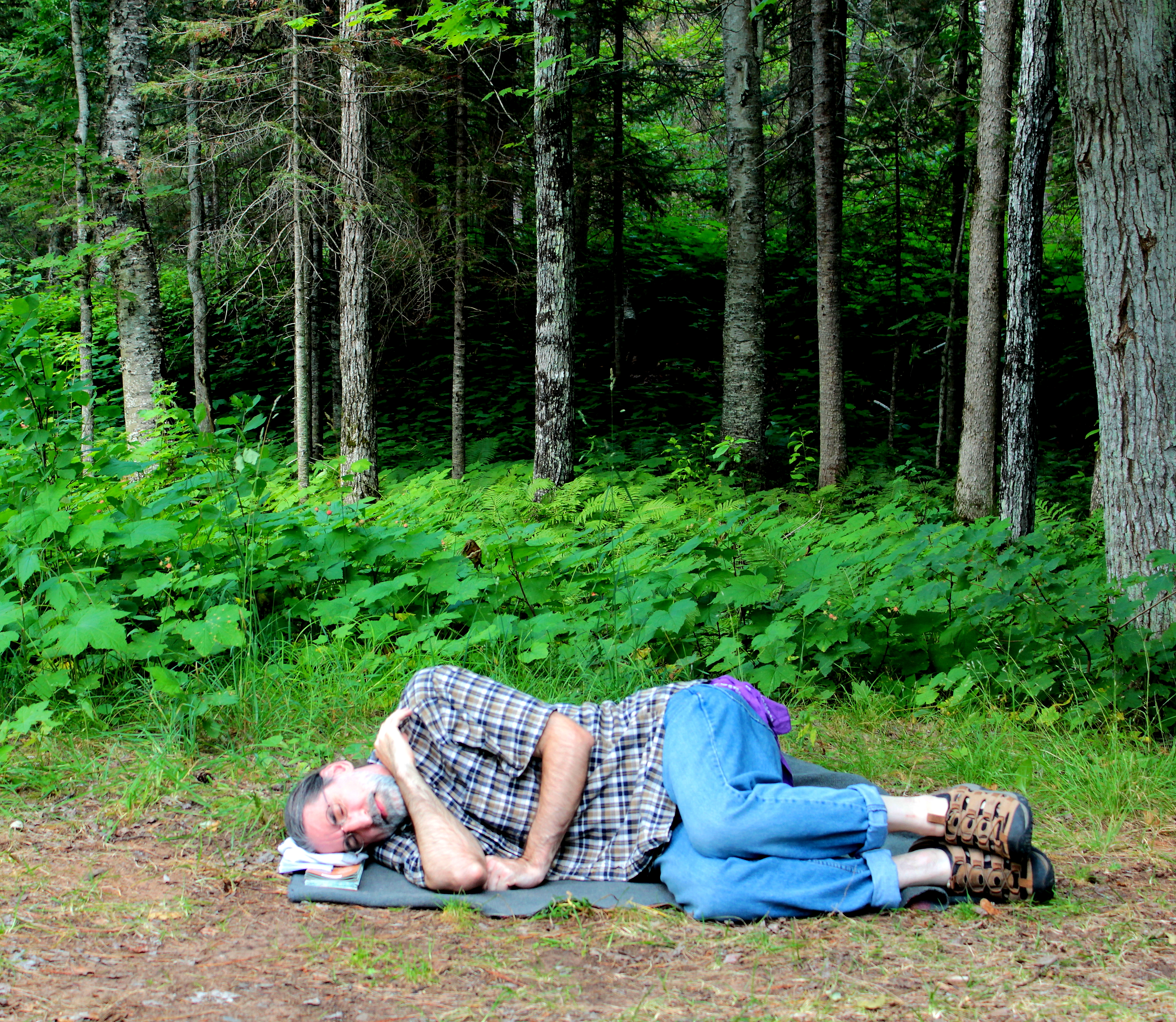
I met Steve eight months after I was widowed. In the tumult of grief and transition, he offered me something that was transformational – a chance to go camping. My husband and four kids and I did not camp together. I hadn’t been camping for years, but I consider myself a lifetime Girl Scout. Getting back into the outdoors, practicing self-reliance and adaptability, and surrounding myself with the beauty and non-judgmental, non-moral embrace of Nature was just what I needed to consider Life worthwhile again. Steve’s style of camping has a distinct difference from mine: his motto is not “Be Prepared”. His motto is “Be Open”. My instinct to make lists and consult maps was challenged at the very outset. We spent the first hour of one of our early trips parked at the curb outside my house in a deep philosophical discussion of what it means to be on an adventure.
Steve also introduced me to the wonder of the National Forests of the U.S.A. There is no fee for camping in the National Forests, but there are Leave No Trace rules. A world of freedom opened up for us when I discovered we could easily make camp, cook, clean up, sleep and deal with personal waste (!) outside of crowded developed campsites.
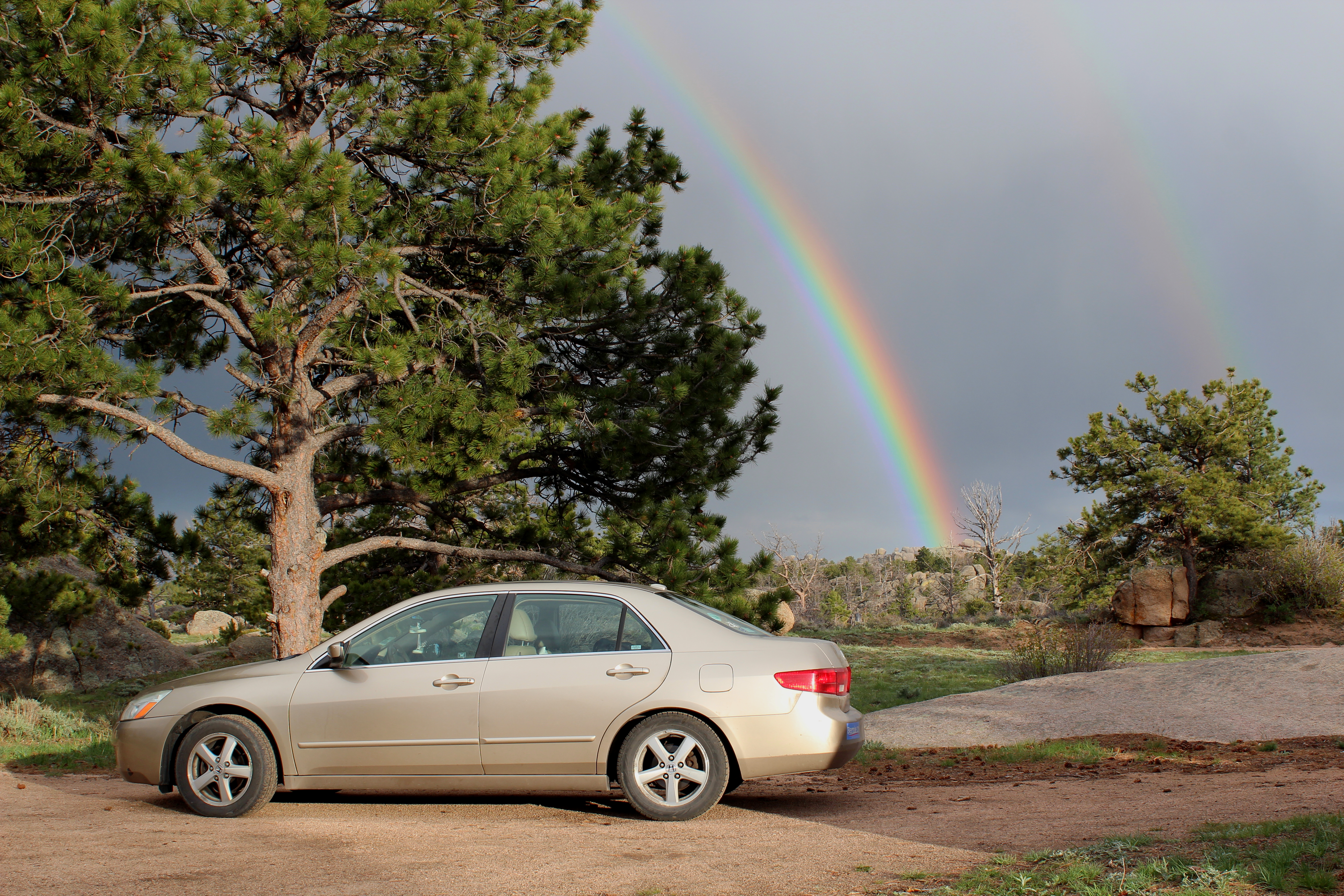
We have, however, depended on either his former Toyota or my late husband’s Honda to transport all our gear.I would love to be able to experience the freedom of going into even more remote wilderness areas, either with a 4-wheel drive vehicle with higher clearance or a backpack. (The latter would be more realistic if I were ten years younger and in better shape…)
Wehave enjoyed the diversity, the grandeur, and the autonomy of places not dominated by human impact. I find those sacred spaces truly inspiring… and extremely photogenic.
The Green River, Kentucky
(I had to include that last photo just to prove I’m not kidding about the Girl Scout bit…) I thank Amy for sharing her inspirational Travel stories and for inviting us into this Travel Challenge.
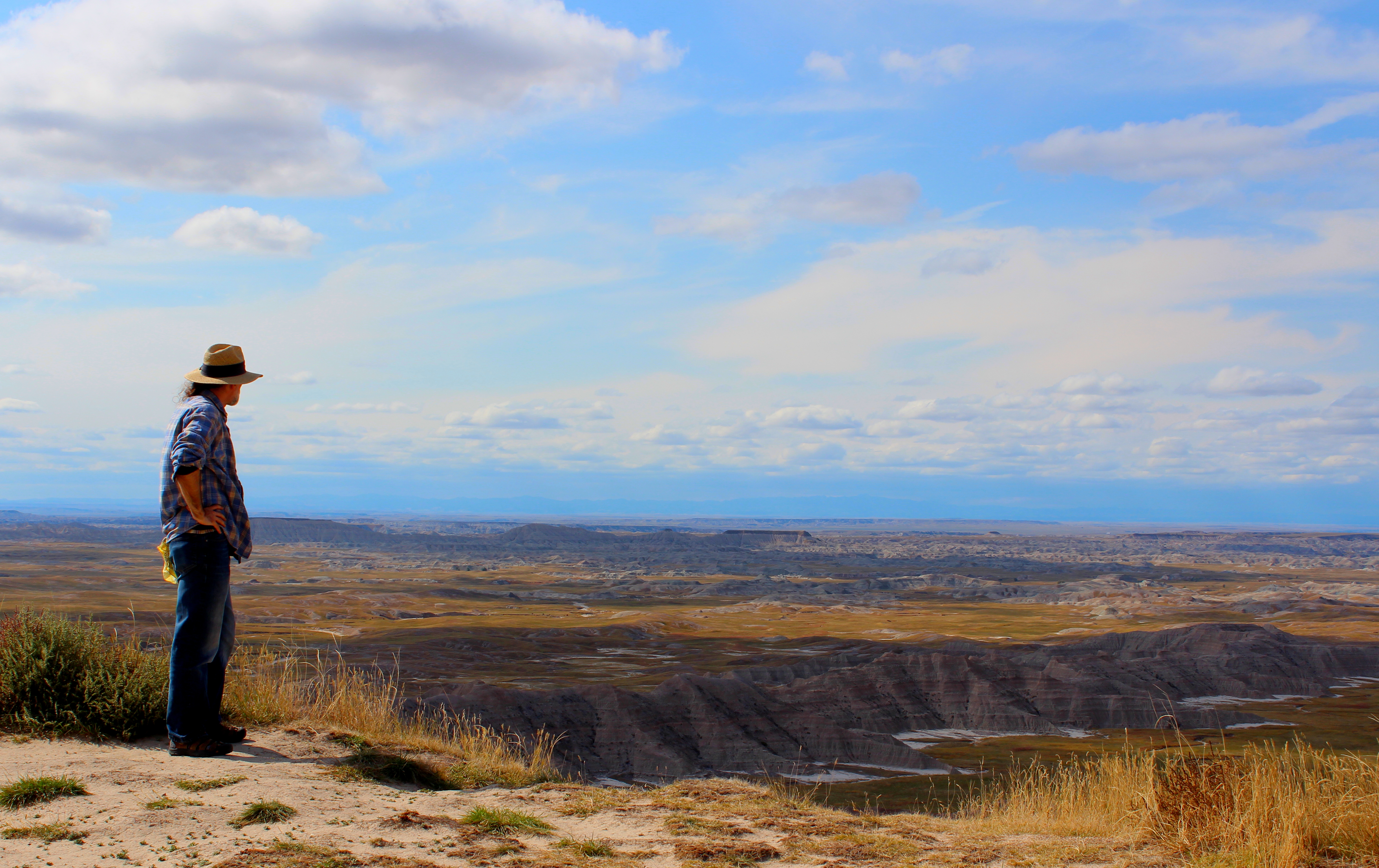
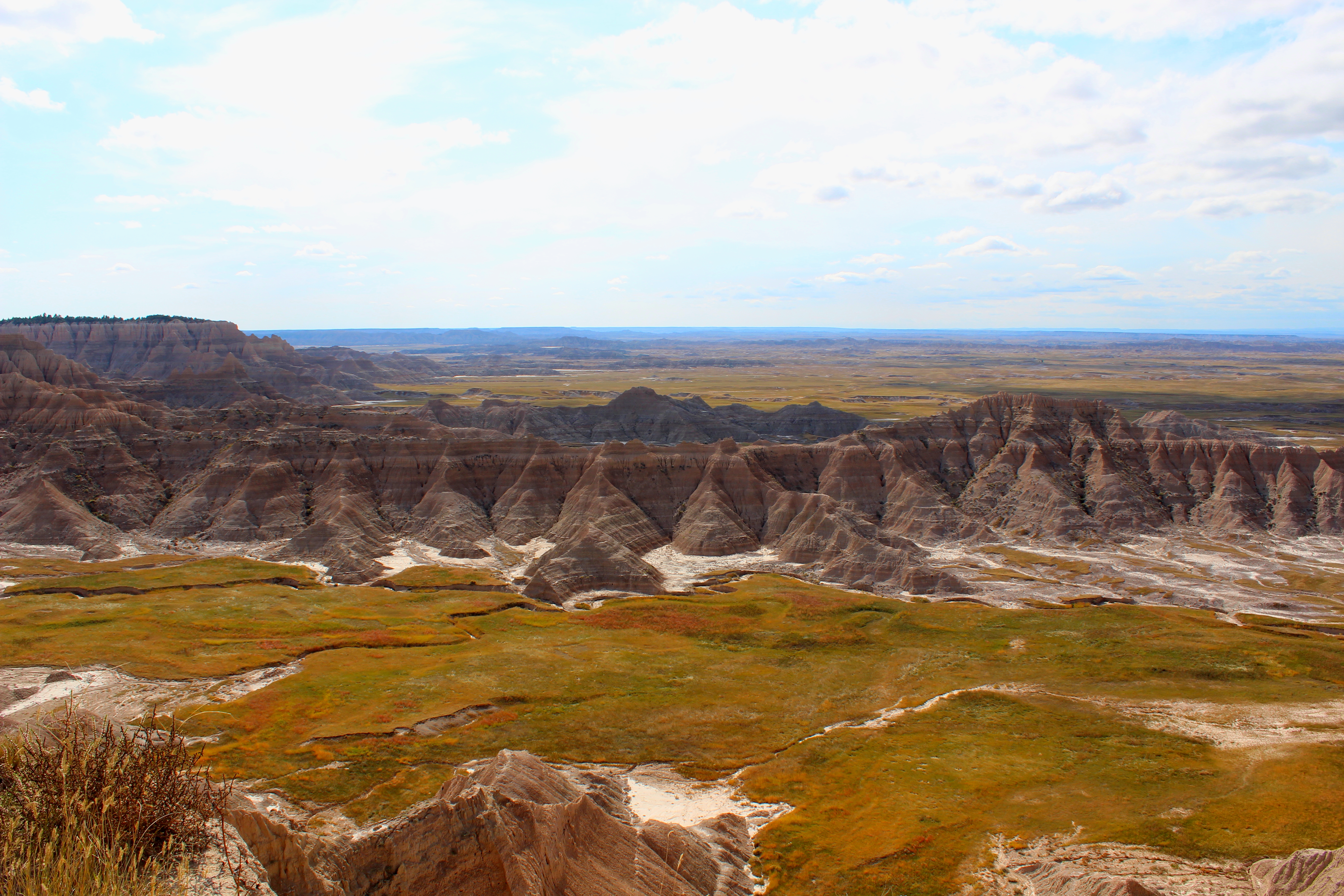
The southern portion of Badlands National Park is jointly managed by the National Park and by the Oglala Lakota. The hope was that one day this section of the park would be the first Tribal National Park in the country. Those plans have not yet become a reality. The northern unit of the park hosts the scientific interpretation of the land and holds all of the associated resources you’d expect at a National Park.
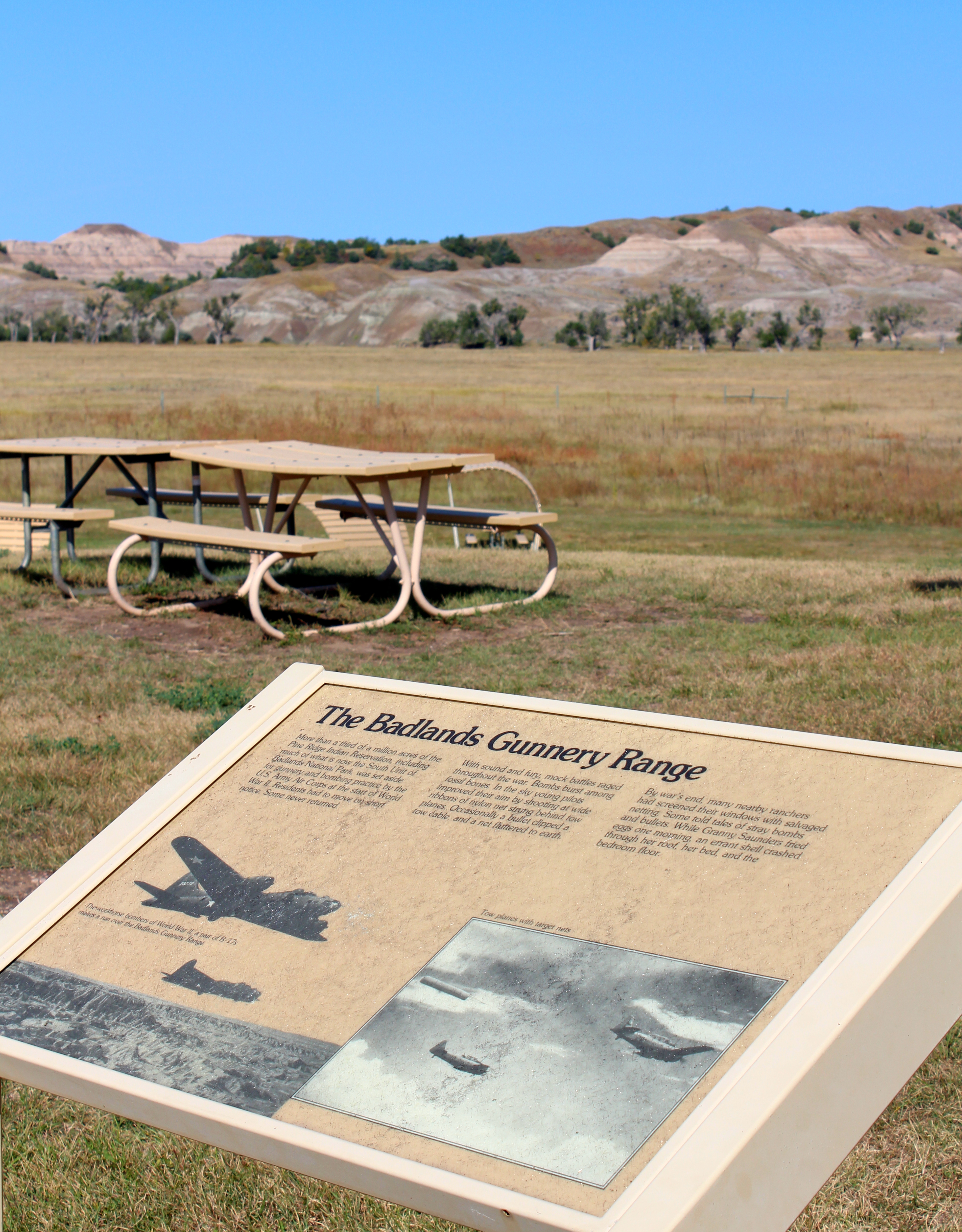
The southern unit is entirely within the Pine Ridge Reservation. At the White River Visitor Center, you can hear the historical interpretation of the people of this area, from paleo-Indians to European settlers to US Army Air Force troops in WWII who used the reservation land for a gunnery range and bombing practice. Just under 350,000 acres were acquired by eminent domain from the Oglala Lakota in 1942 on the pretext that it was “unused, unoccupied, and blighted”.
Wounded Knee is not within the boundaries of the Park. Its history is told in signs, tombstones, graffiti and the living words of people who live in extreme poverty, mistrustful of neighbors and governments and directly impacted by changes in climate and habitat for the animals that provide their sustenance. I am grateful to Mr. Apple (age 25) and Mr. Fast Horse (age 13) for sharing their story.
My heart aches for these people, for their wounded dignity, for their invisibility, for their spoiled livelihood. That “living off the land” was ever possible for humans in this place year-round is doubtful, especially after the buffalo herds were decimated by European immigrants. This is an area of seasonal extremes, a place to which you’d make a sacred pilgrimage, spend a time in awe, and respectfully vacate.
To see the land as sacred, wild, and autonomous allows an attitude of humility to flourish and banishes thoughts of domination, extraction and exploitation. It brings truer balance and harmony to the relationship. Perhaps from this new understanding, a more sustainable future will develop for our species.
The example set for this challenge is exceptional. Please take a look at Krista’s post on WordPress.
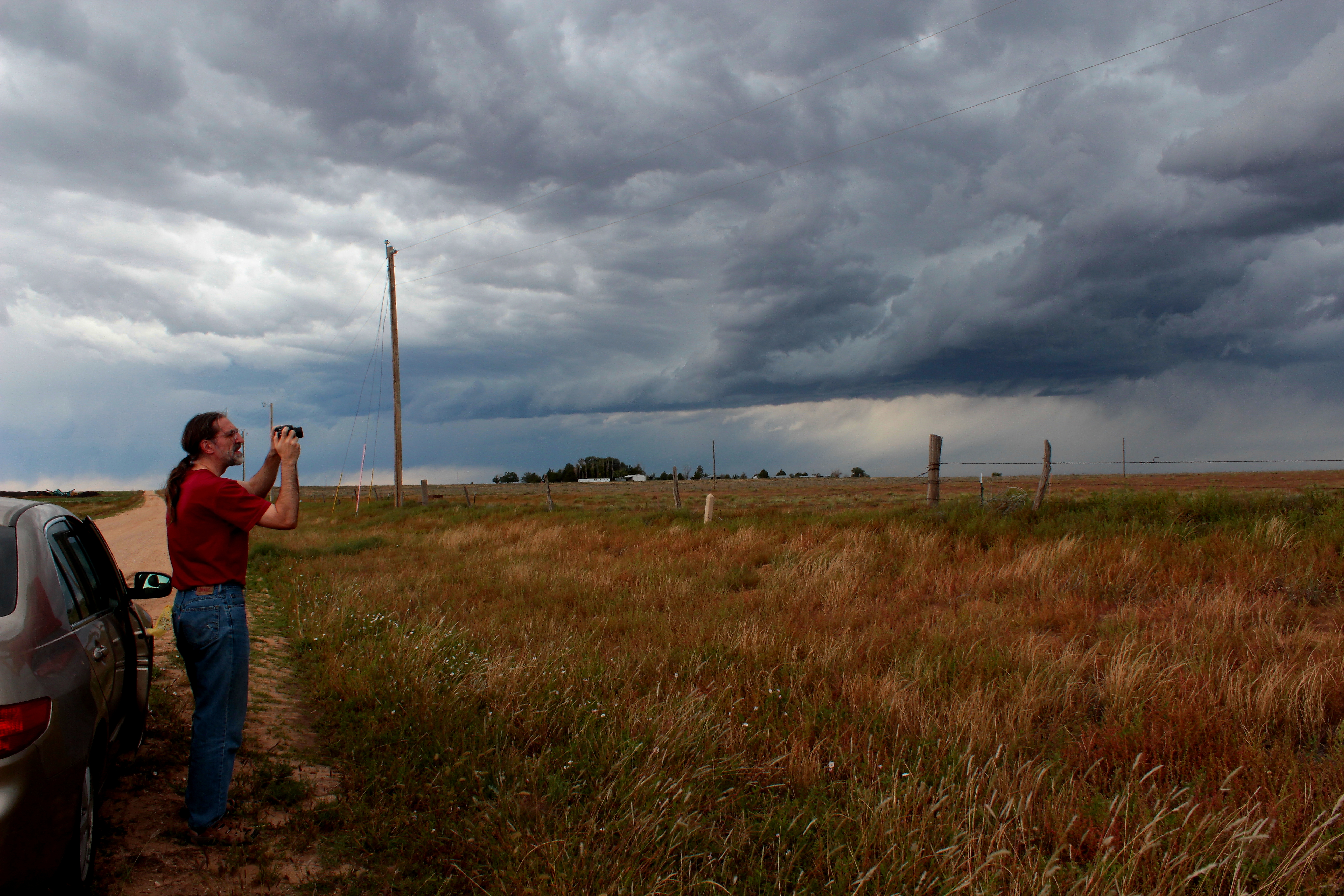
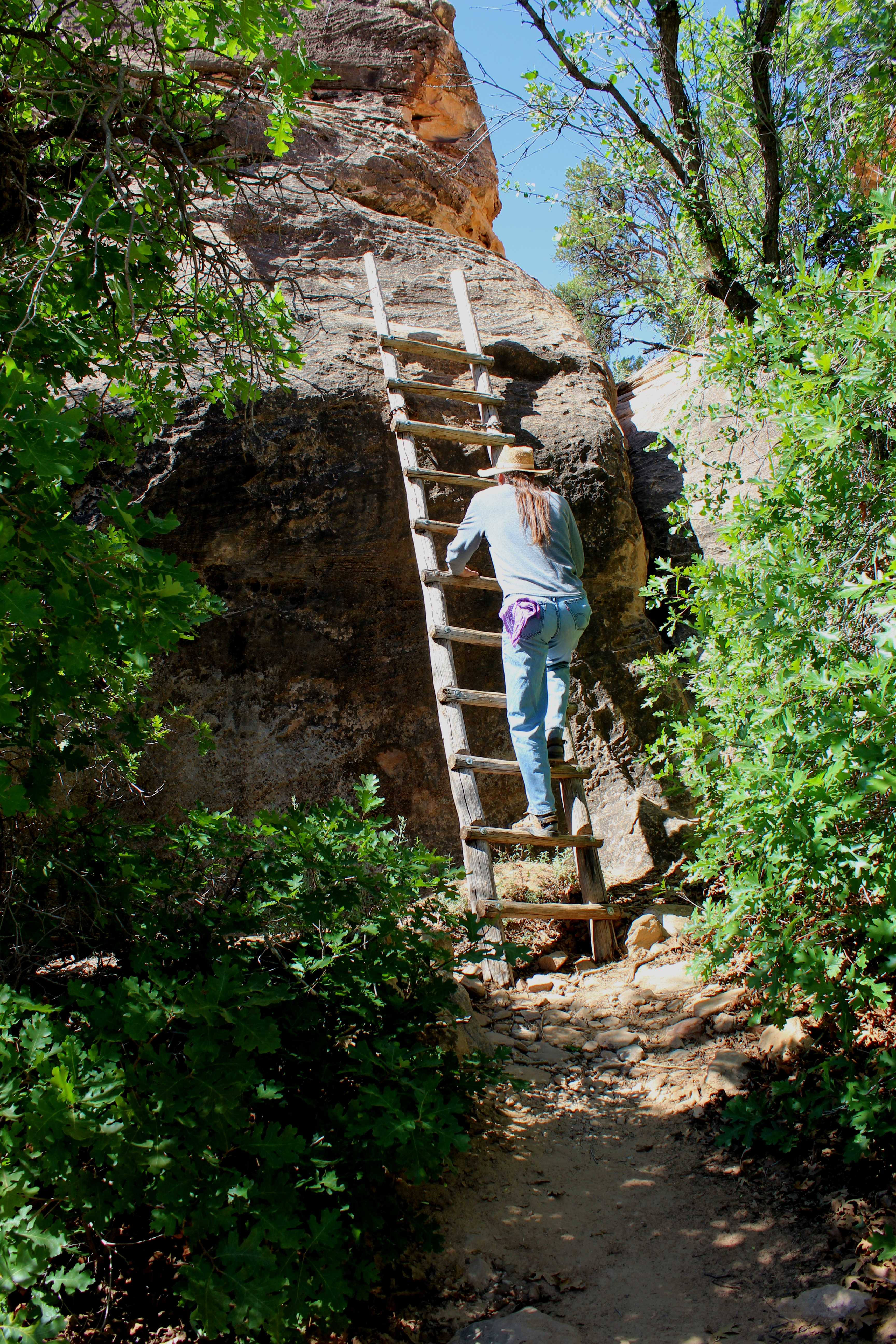
I am thrilled when someone sets the bar high.“We can do better,” Steve often says, as a sort of mantra to a deeper call to “do no harm”. Here he is in Canyonlands National Park, just outside of Bears Ears National Monument. Can we ascend to higher thinking about how we treat wild places?
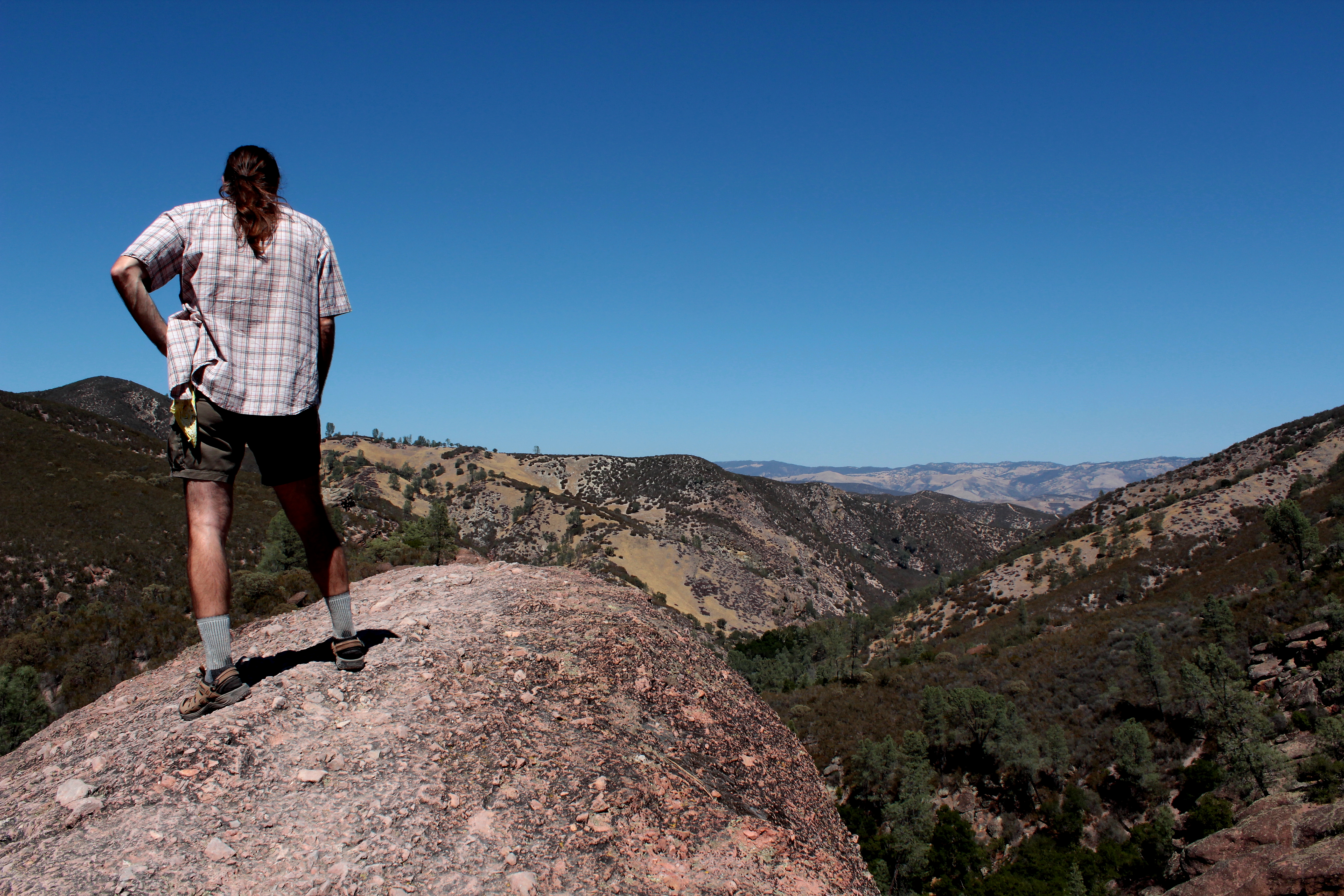
The newest addition to the National Park system is Pinnacles National Park. What is our goal for protecting the natural beauty and balance of this place we call America? Have we reached that summit? Are we striving to ascend towards it?
“We can do better.” It doesn’t matter where you start. Ascend, and see how your perspective changes.




















 scillagrace