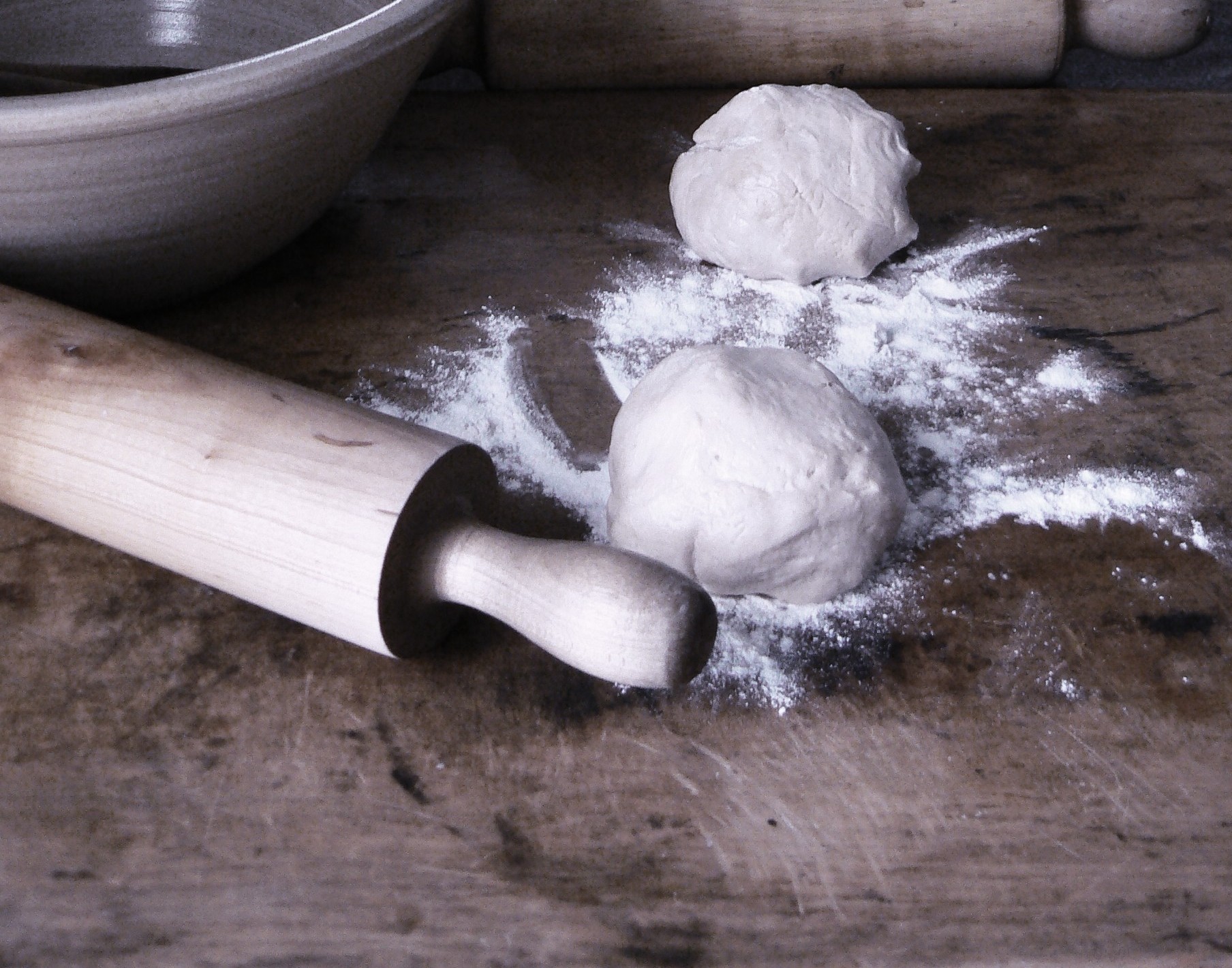
“People all over the world honor their workers in a variety of ways. In the U.S., we honor those who labor by setting aside the first Monday of September as Labor Day. But world-wide, people pour themselves into their work — paid or unpaid — with commitment, ingenuity, and a sincere desire to make a difference. For them, work has become more than just work. It has become a LABOR OF LOVE.”
— Rusha Sams, Oh the Places We See
Tag Archives: photography
Lens-Artists Photo Challenge: Pick a Word
Comfortable
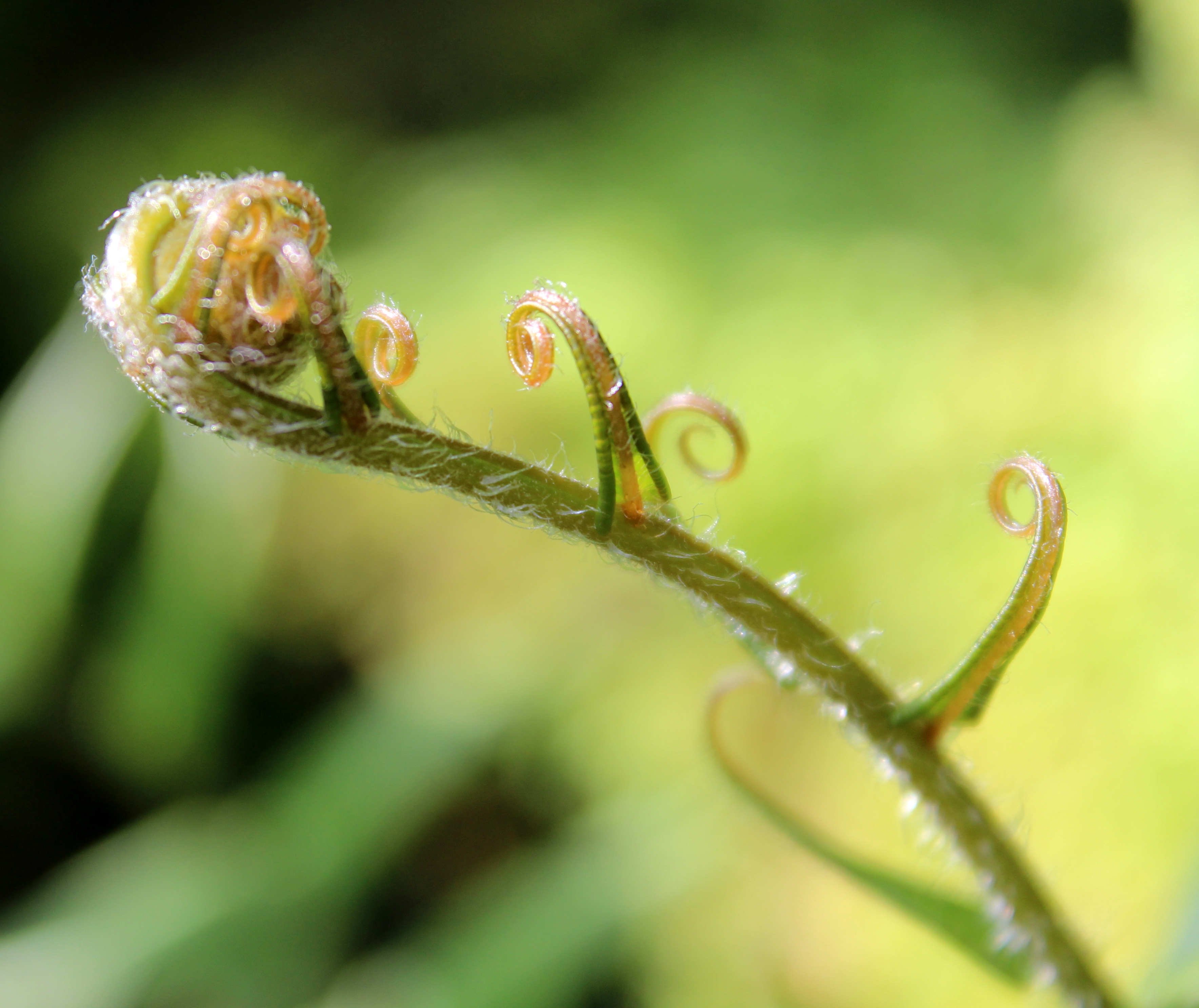
Growing
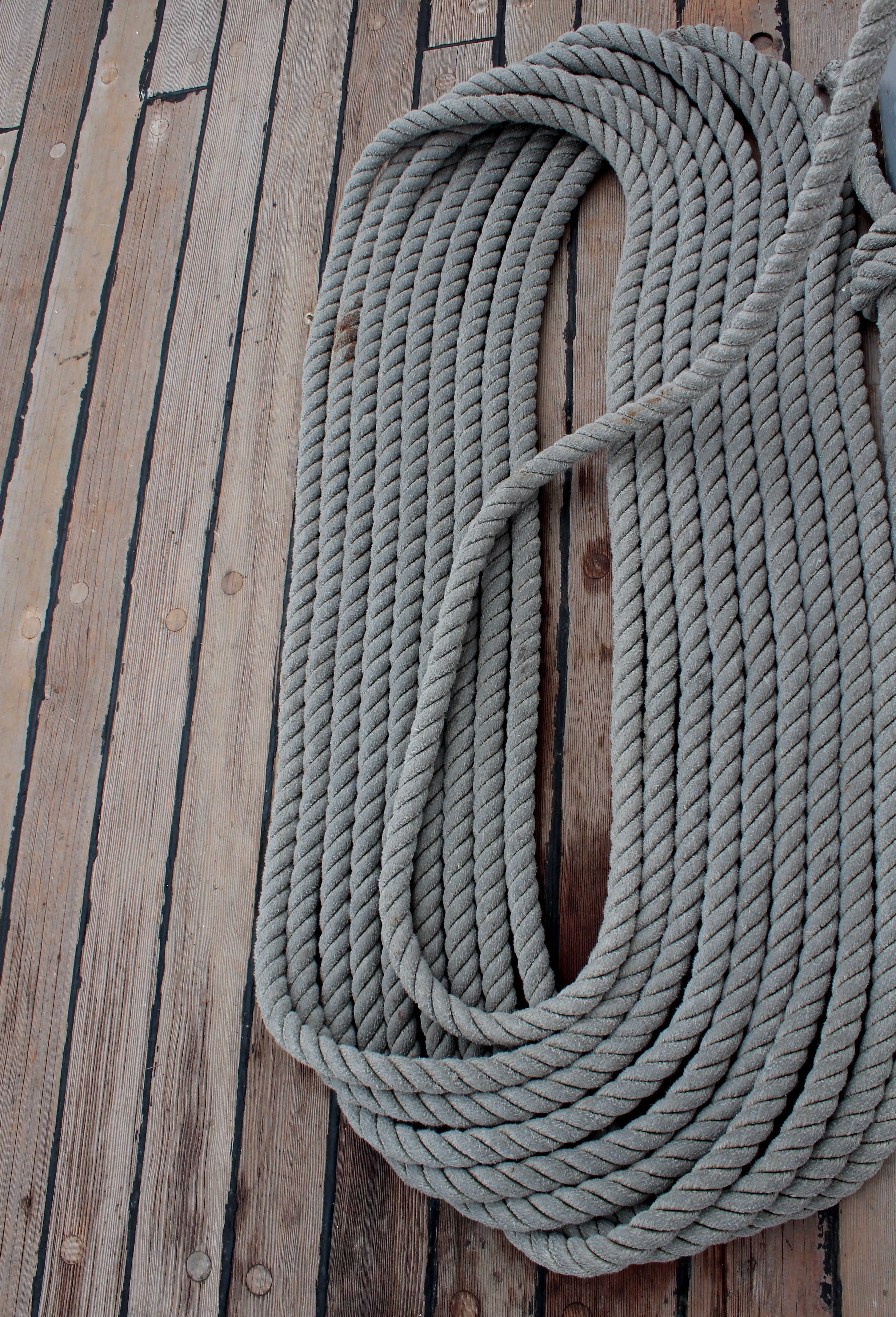
Tangled
Untangled
Crowded
Spacious
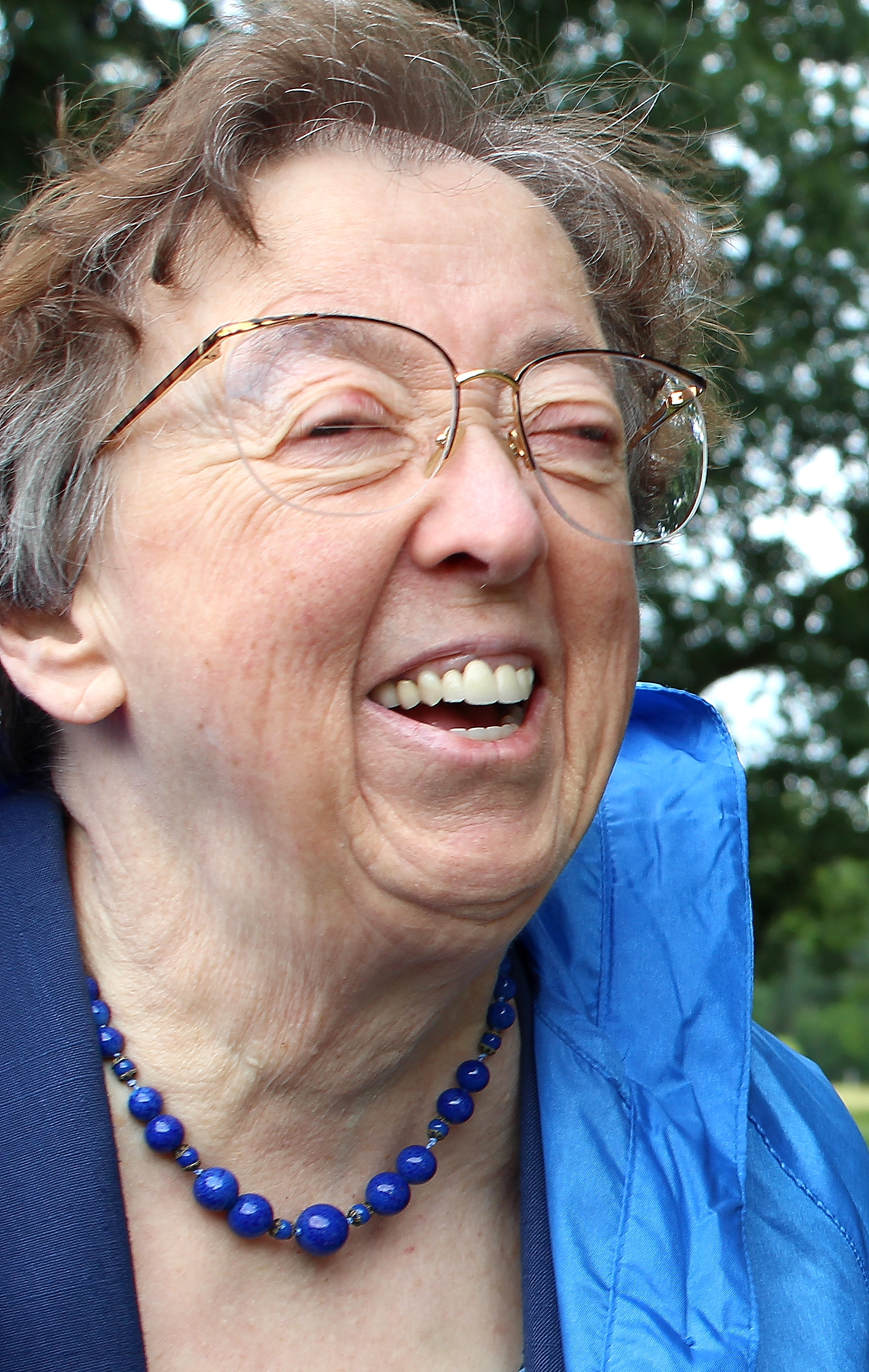
Exuberant
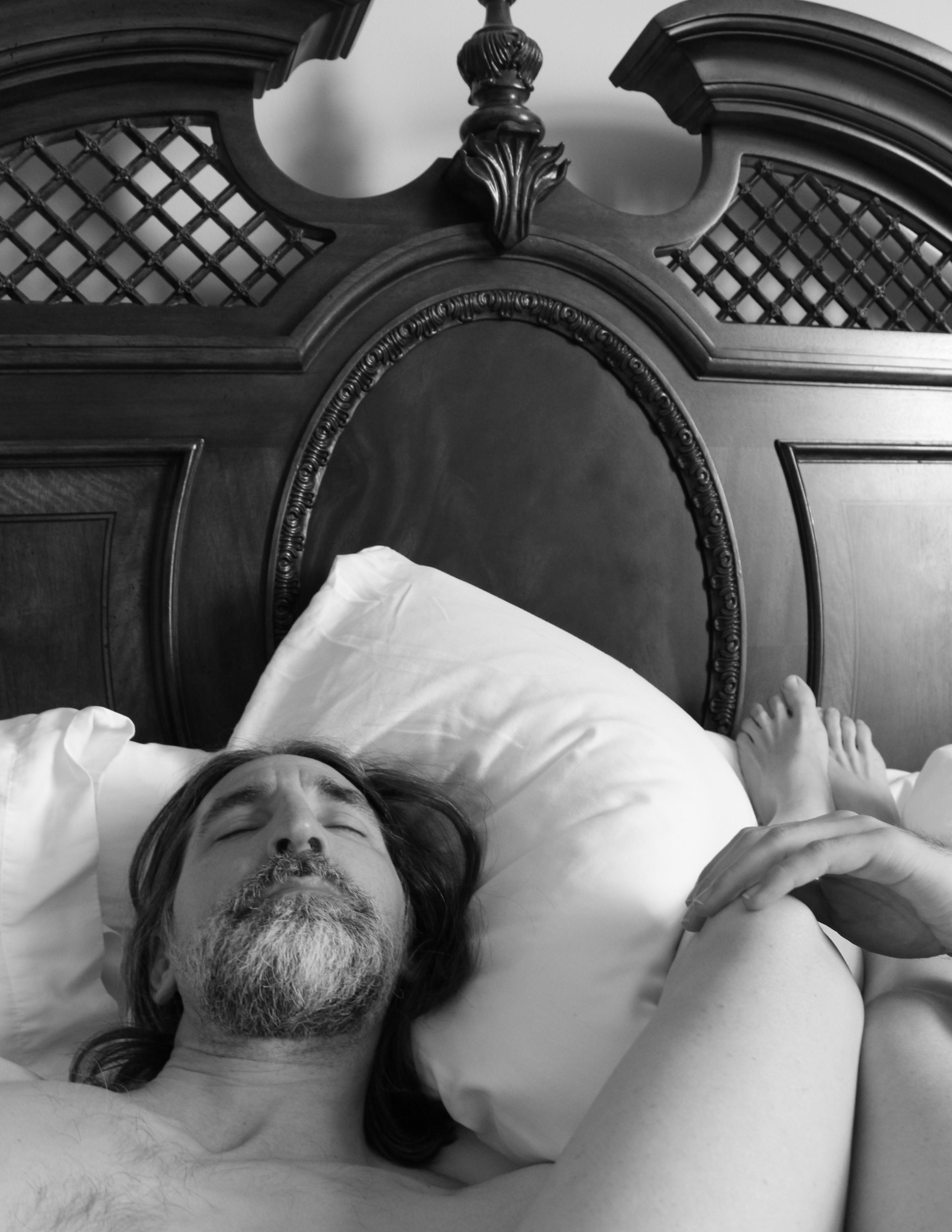
Lethargic
For this week’s Photo Challenge, Ann-Christine gives us a list of words to illustrate. I threw in a couple of antonyms as well, just for fun. Join Lens-Artists and play along!
Lens-Artists Photo Challenge: Everyday Objectives
“How we spend our days is, of course, how we spend our lives.” ― Annie Dillard
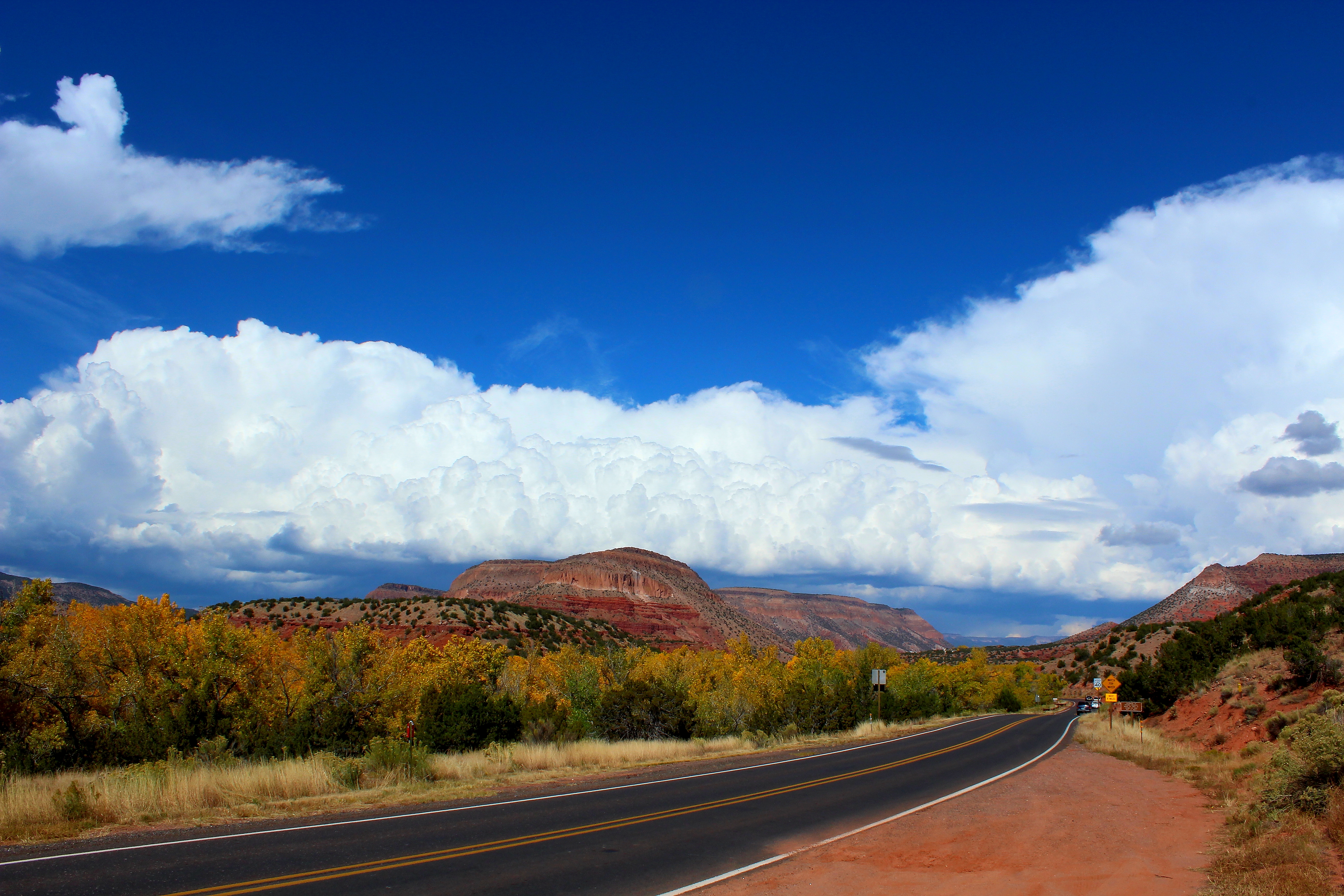
I moved to Oregon from Wisconsin in order to be closer to my adult children, in order to spend more time with them, in order to make the special occasion of a family gathering into a more frequent habit – not to make it less special, but to make it more accessible.
“Write it on your heart that every day is the best day in the year.”
―
Yesterday, we celebrated my birthday and a host of other August birthdays in our extended circle of family and friends. There were 15 people on the Zoom call with six of us present at my new place.
If every day you see people you love who love you back, if every day you have food to eat, then I should think that each of your days would give you occasion to be grateful.
“In dwelling, live close to the ground. In thinking, keep to the simple. In conflict, be fair and generous. In governing, don’t try to control. In work, do what you enjoy. In family life, be completely present.”
―
Still life is still life. I am grateful for food and tools and objects of beauty. I am amazed at how these things can be used to create meaning and purpose and alleviate suffering. My heart is mindful of many who are suffering in the pandemic, the wildfires, the process of aging, the loneliness of separation. I wish them comfort; I send them love. 
Special thanks to Patti, our host for this week’s challenge.
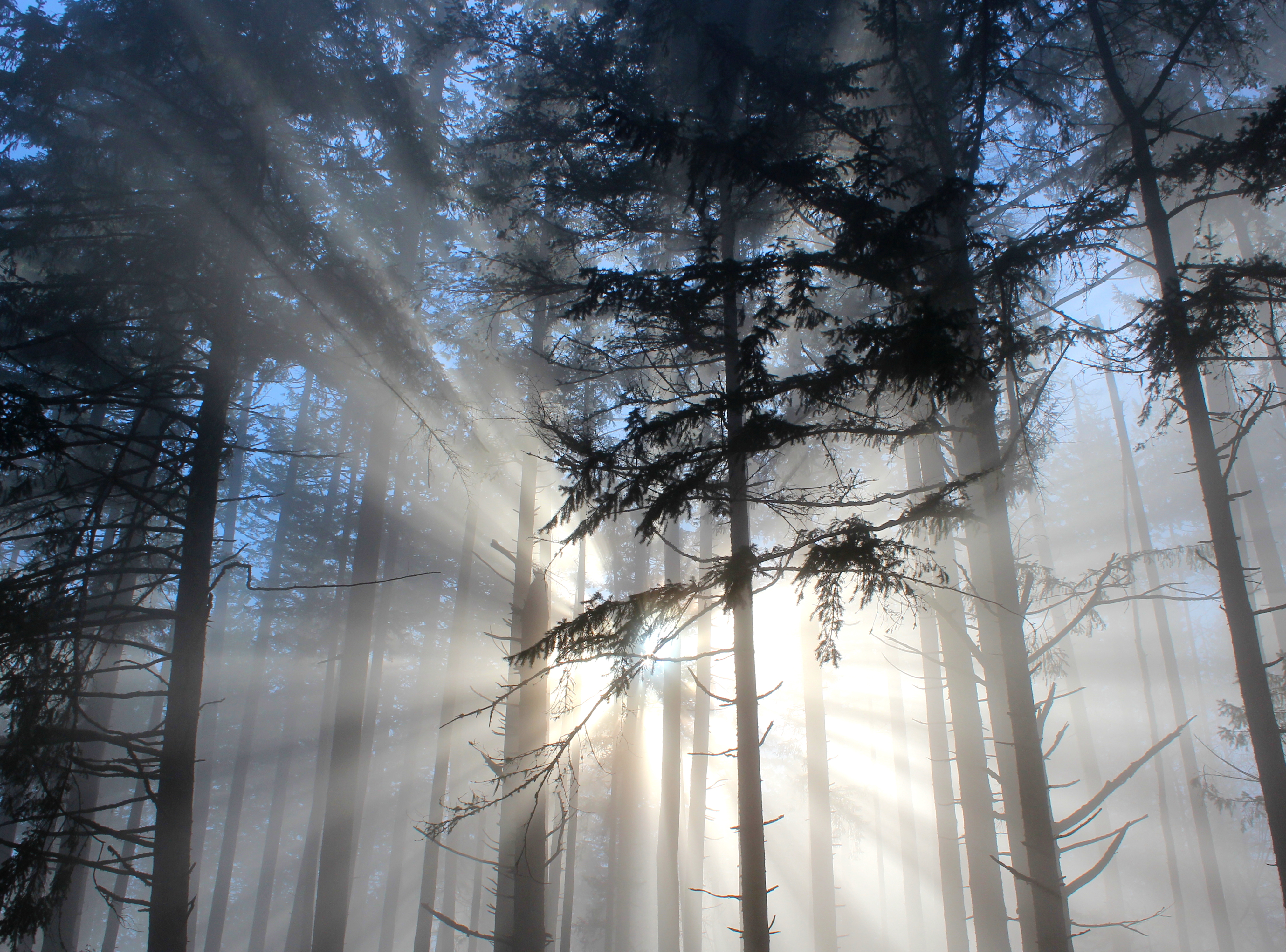
Lens-Artists Photo Challenge: Under the Sun
“What has been will be again,
what has been done will be done again;
there is nothing new under the sun.” – Ecclesiates 1:9
The Sun, our home star, energizes the life of our planet from 93 million miles away. It has been doing that day in and day out for a very long time. When my perspective of change is tied to my own lifespan, it is easy to feel tossed about in dramatic arcs. To feel the peaceful constancy of the Universe, I need only to look up from my life.
While there is nothing new under the sun, there is more than enough that is new to me. If I ask around, though, I may find connections to the processes that continually have influence here and learn from them. That, I believe, is where wisdom is found. King Solomon might have been thinking about that when he set down the thought which opens this post.
“Even
After
All this time
The Sun never says to the Earth,“You owe me.”
Look
What happens
With a love like that,
It lights the whole sky.”―
May you discover joy under the Sun and spread love generously, beginning with yourself!
Thanks to Amy for the inspiration for today’s challenge!
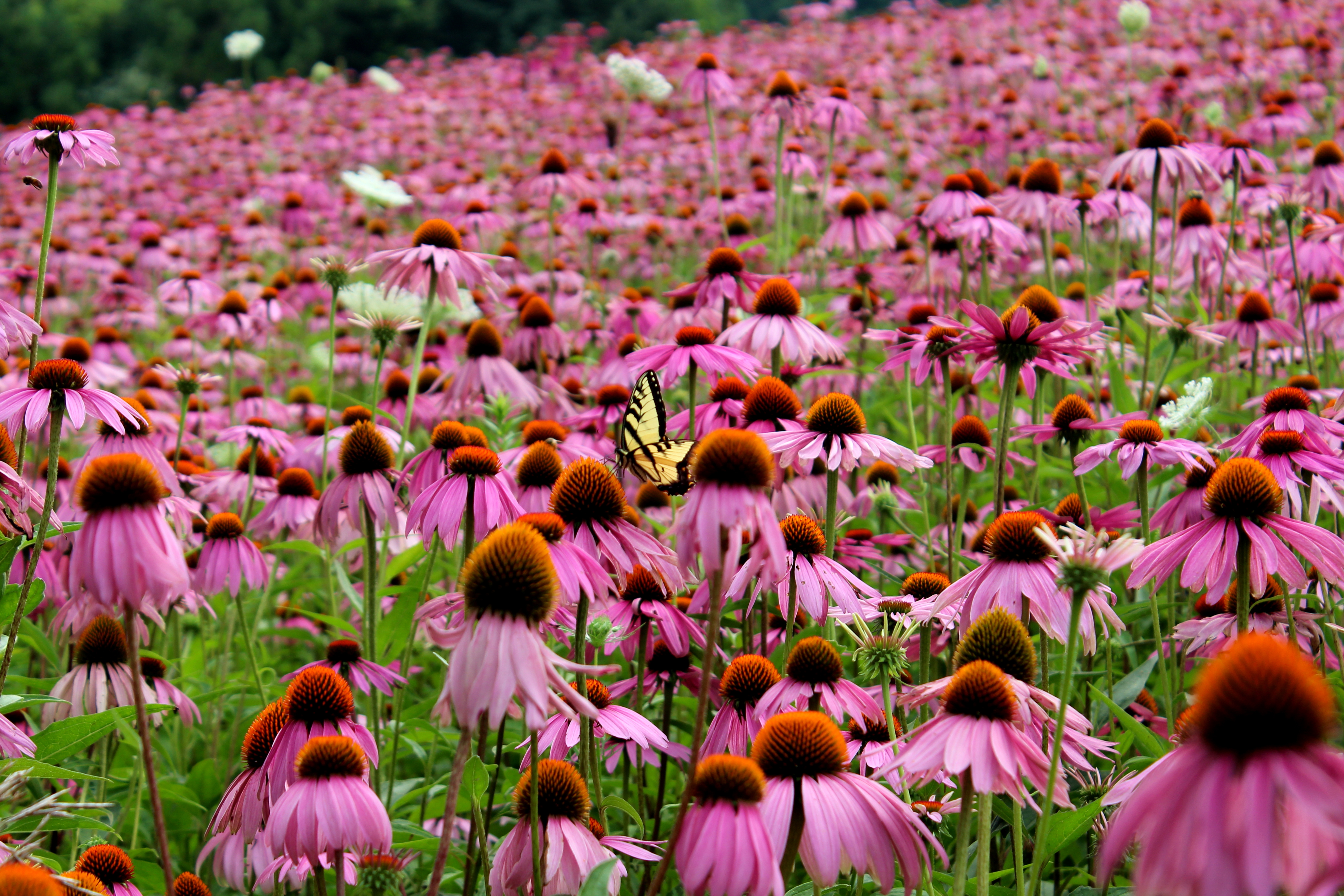
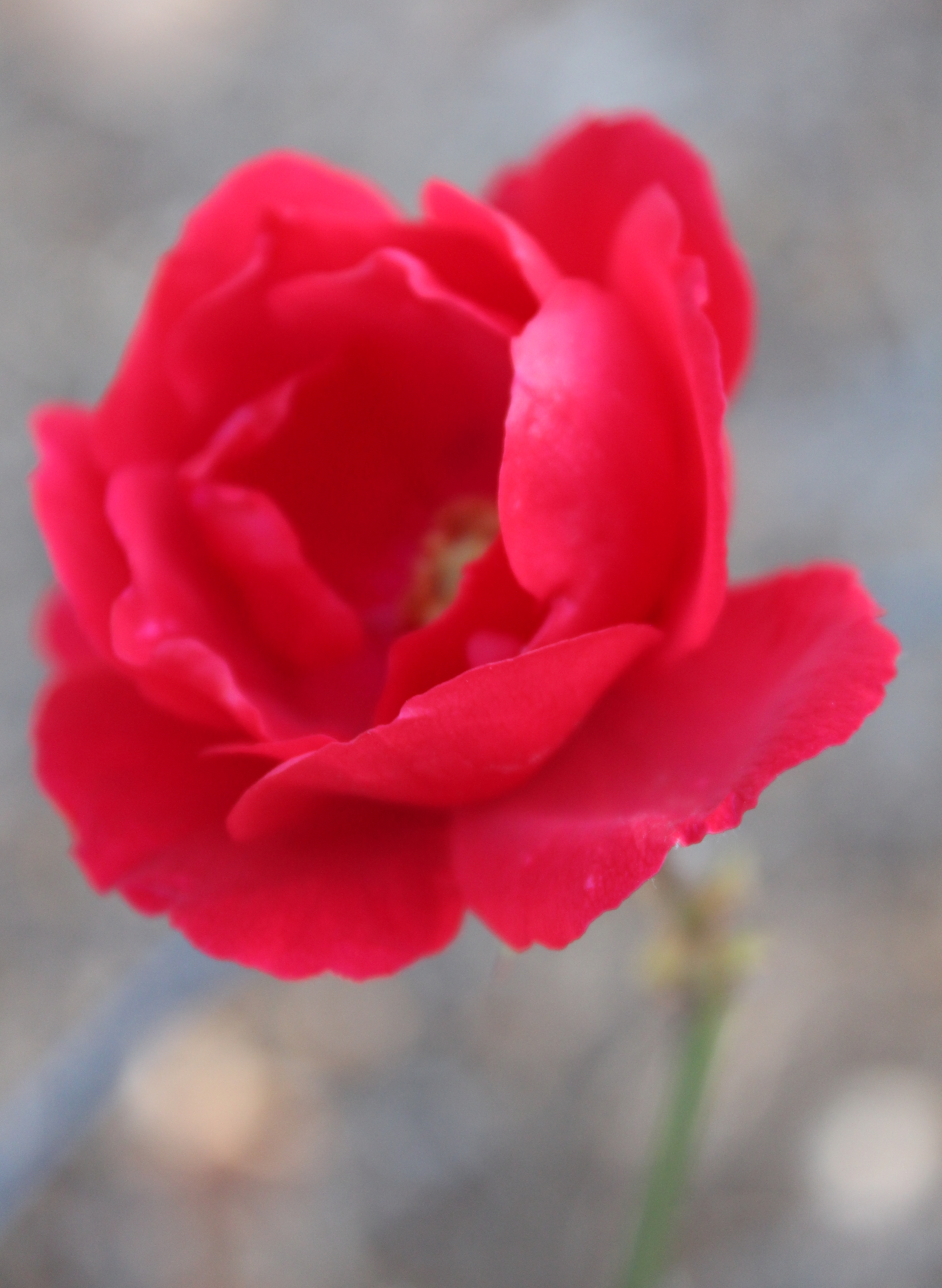
Lens-Artists Photo Challenge: One Single Flower
“When the night has been too lonely and the road has been too long,
And you think that love is only for the lucky and the strong,
Just remember in the winter, far beneath the bitter snows
Lies the seed, that with the sun’s love in the spring becomes the rose.” ― Amanda McBroom
Last week, we Lens-Artists were on the long and winding road. This week, hosted by Cee, we are in search of One Single Flower.
In the first verse of the song The Rose (quoted above) there is the line, “I say love, it is a flower…”
“May our heart’s garden of awakening bloom with hundreds of flowers.”―
What other flowers grow in your garden?
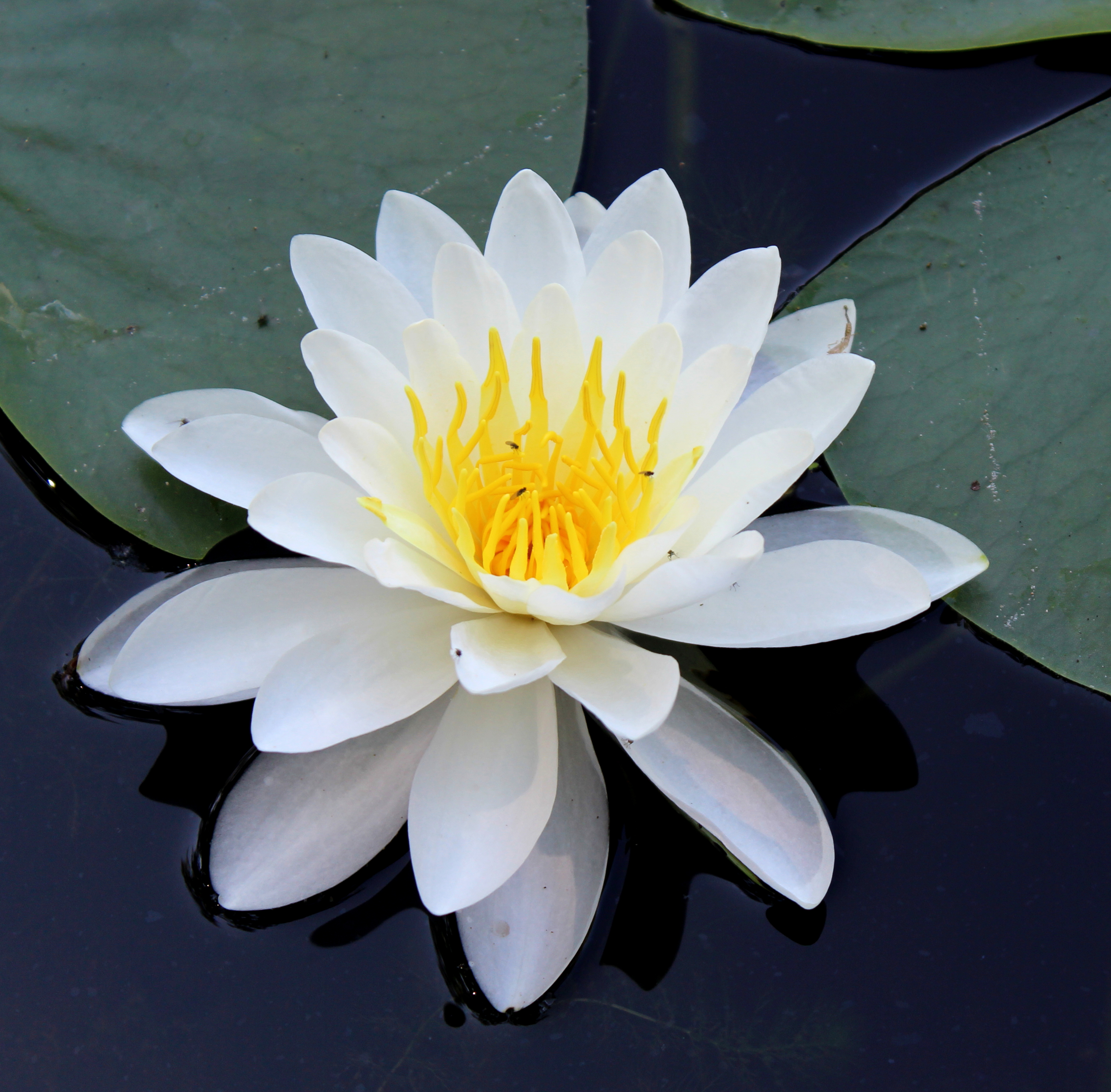
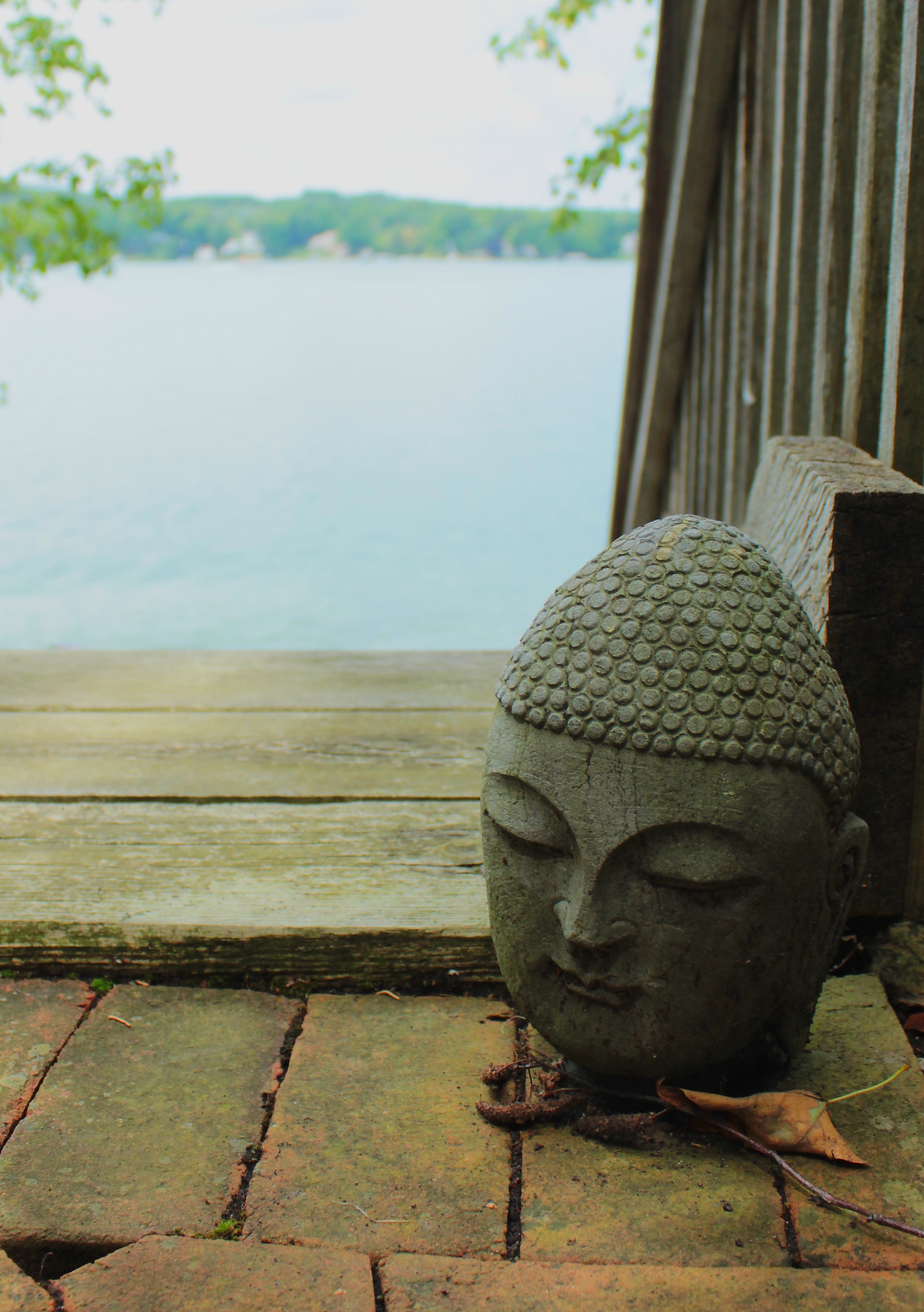
The Lotus flower is regarded in many different cultures, especially in eastern religions, as a symbol of purity, enlightenment, self-regeneration and rebirth. Its characteristics are a perfect analogy for the human condition: even when its roots are in the dirtiest waters, the Lotus produces the most beautiful flower.
“Practice until you see yourself in the cruelest person on Earth, in the child starving, in the political prisoner. Continue until you recognize yourself in everyone in the supermarket, on the street corner, in a concentration camp, on a leaf, in a dewdrop. Meditate until you see yourself in a speck of dust in a distant galaxy. See and listen with the whole of your being. If you are fully present, the rain of Dharma will water the deepest seeds in your consciousness, and tomorrow, while you are washing the dishes or looking at the blue sky, that seed will spring forth, and love and understanding will appear as a beautiful flower.”
― Thich Nhat Hanh
Lens-Artists Photo Challenge: The Long and Winding Road
“If you can’t fly then run, if you can’t run then walk, if you can’t walk then crawl, but whatever you do you have to keep moving forward.”
― Dr.
Congratulations to the Lens-Artists on their 100th week of photo challenges and for building an artistic community that reflects vision and awareness!
I have not participated in all 100 of the challenges; I joined in at week #13. This week, Tina is our host, and she puts together a beautiful and moving post incorporating the theme and thoughts surrounding current world events. Her inspiration is spot on.
We live in challenging times. The struggle to move forward despite grave difficulties threatening survival is a real one. Whenever I am feeling the need to get emotionally grounded for the journey, I head outside for natural inspiration. This afternoon, as I walked the Ice Age National Scenic Trail, I noticed all the biodiversity of a summer woodland scene and the competition for sunlight. There were millions of maple seeds that had sprouted and created a blanket of living green on the forest floor.
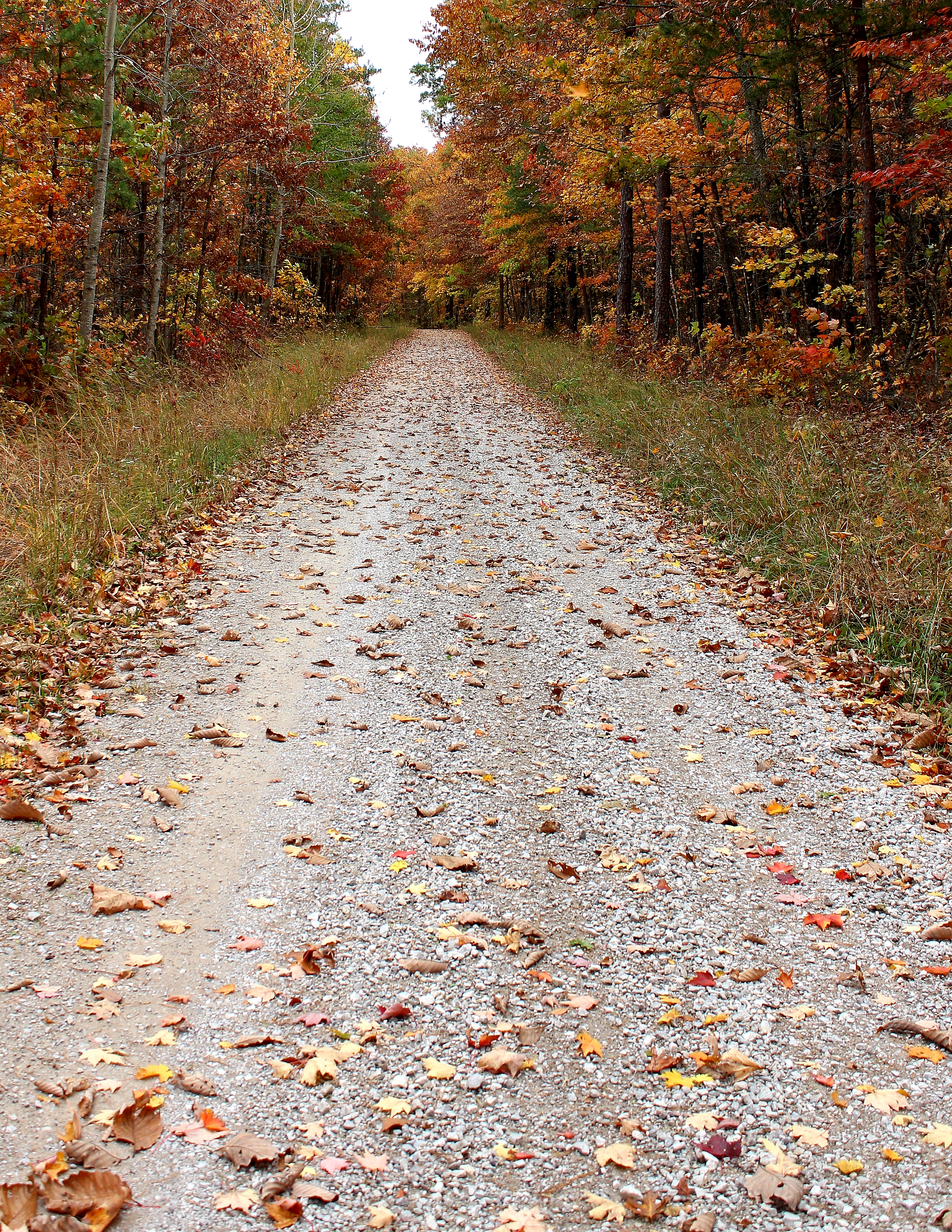
I realized that very few of those delicate sprouts would become seedlings and that even fewer would grow to maturity. Survival and survival strategies are complex and interrelated among all species. And yet each organism is hardwired to try to survive…somehow.
Looking at the teeming abundance of green in a June woodland, you have to respect that Life seeks to survive. I think of myself as a Biophile. I love Life. I think is it beautiful, interesting, awesome, and sacred.
A humble respect for Life is paramount to the health of our Planet and to civilization. The peril of the arrogant human practice of willfully extinguishing Life is realized in a million different examples throughout history. Life has plenty of healthy self-regulating systems already in place. A much more useful human practice is kindness, wonder, and love. 
“I believe that unarmed truth and unconditional love will have the final word in reality. This is why right, temporarily defeated, is stronger than evil triumphant.”
― Dr.
We certainly have a long way to go on the road toward a reality of unarmed truth and unconditional love. Best to strap on our hiking boots and take steps.
Lens-Artists Photo Challenge: Pastimes
I am so happy to join my blogger friend Sue (Mac’s Girl) in her photo challenge! We share the experience of living in the Chicagoland area and became WordPress colleagues several years ago. We have visited many of the same nature areas and museums.
For this challenge, Sue invites photos of pastimes or hobbies.
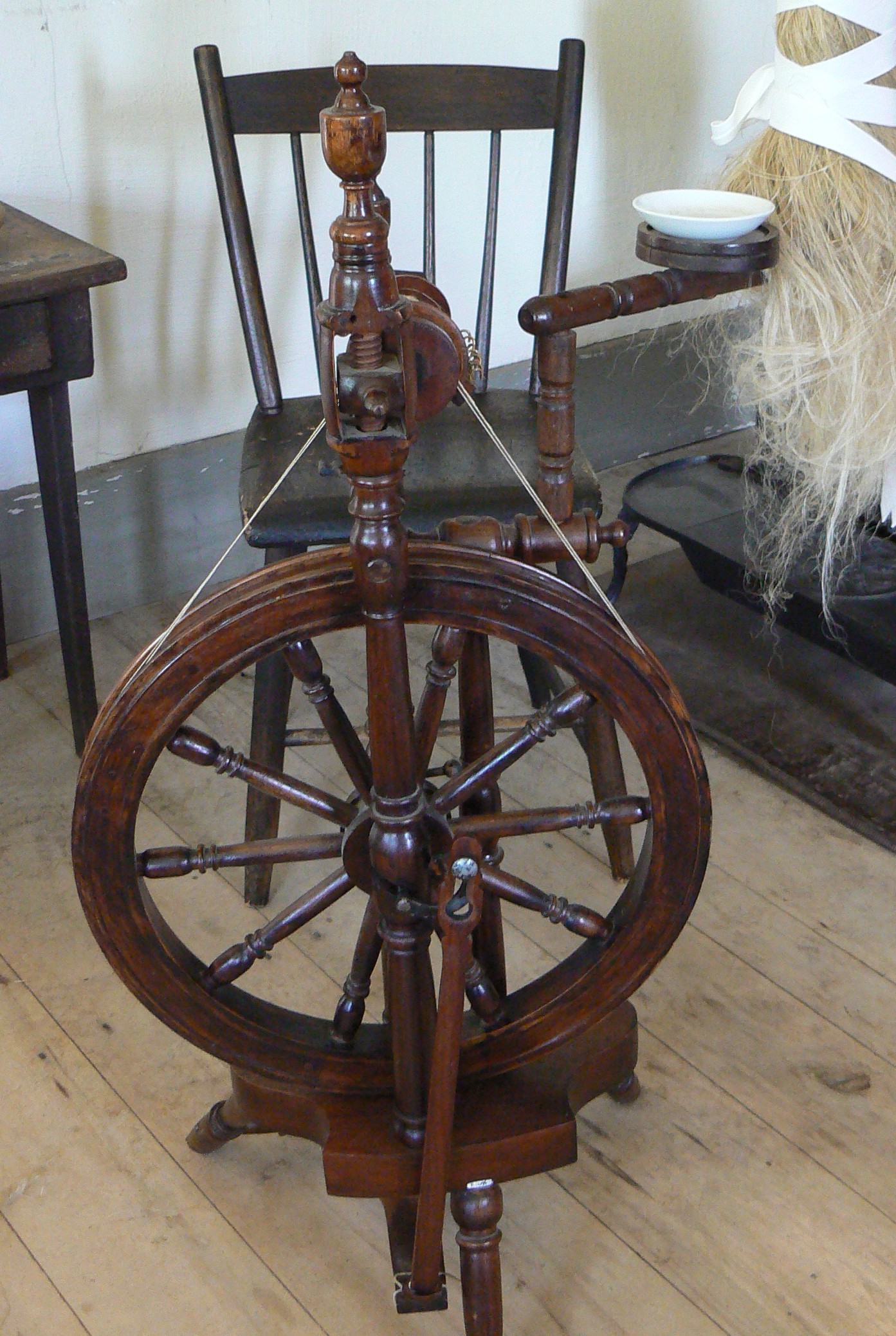
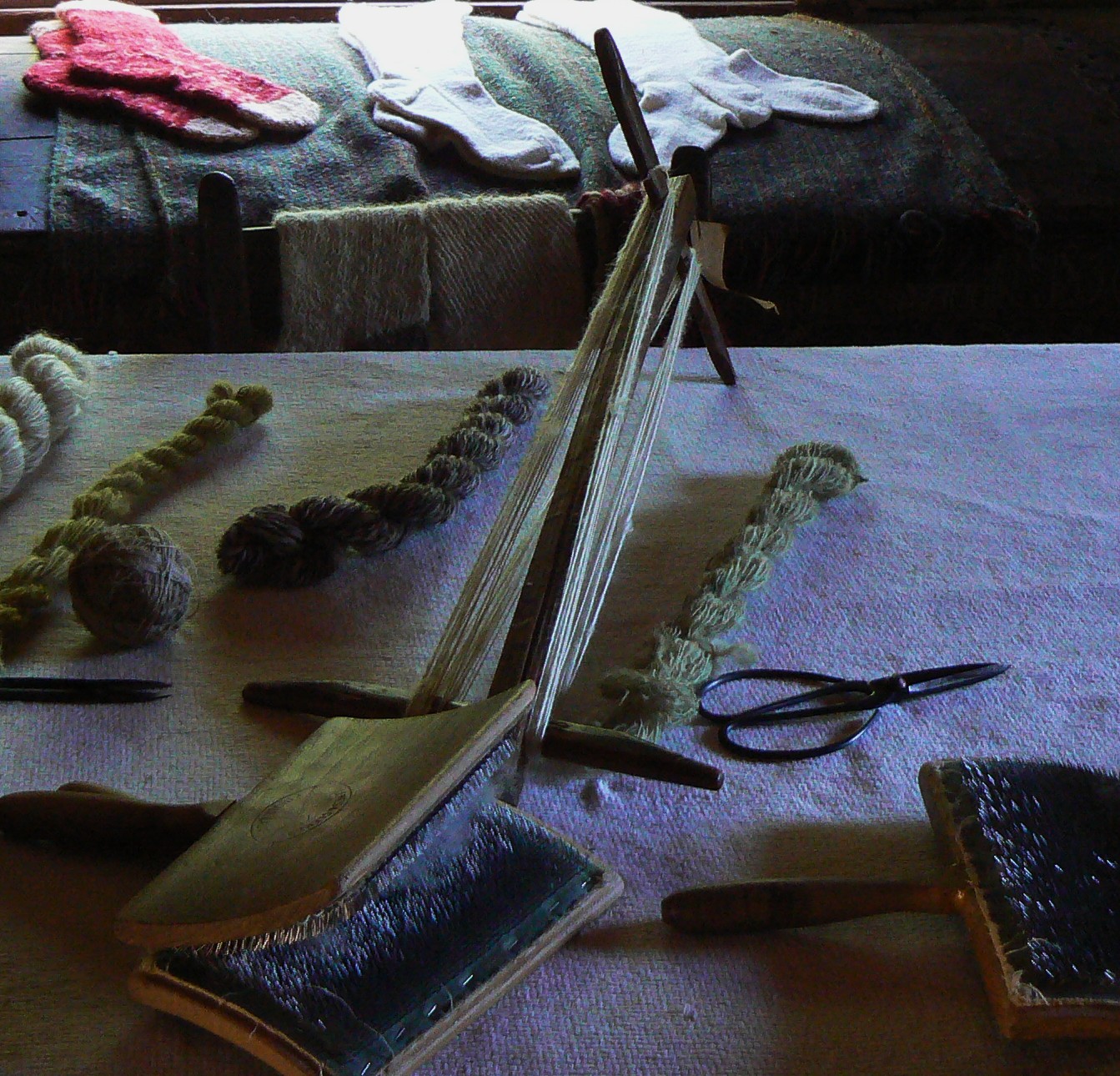
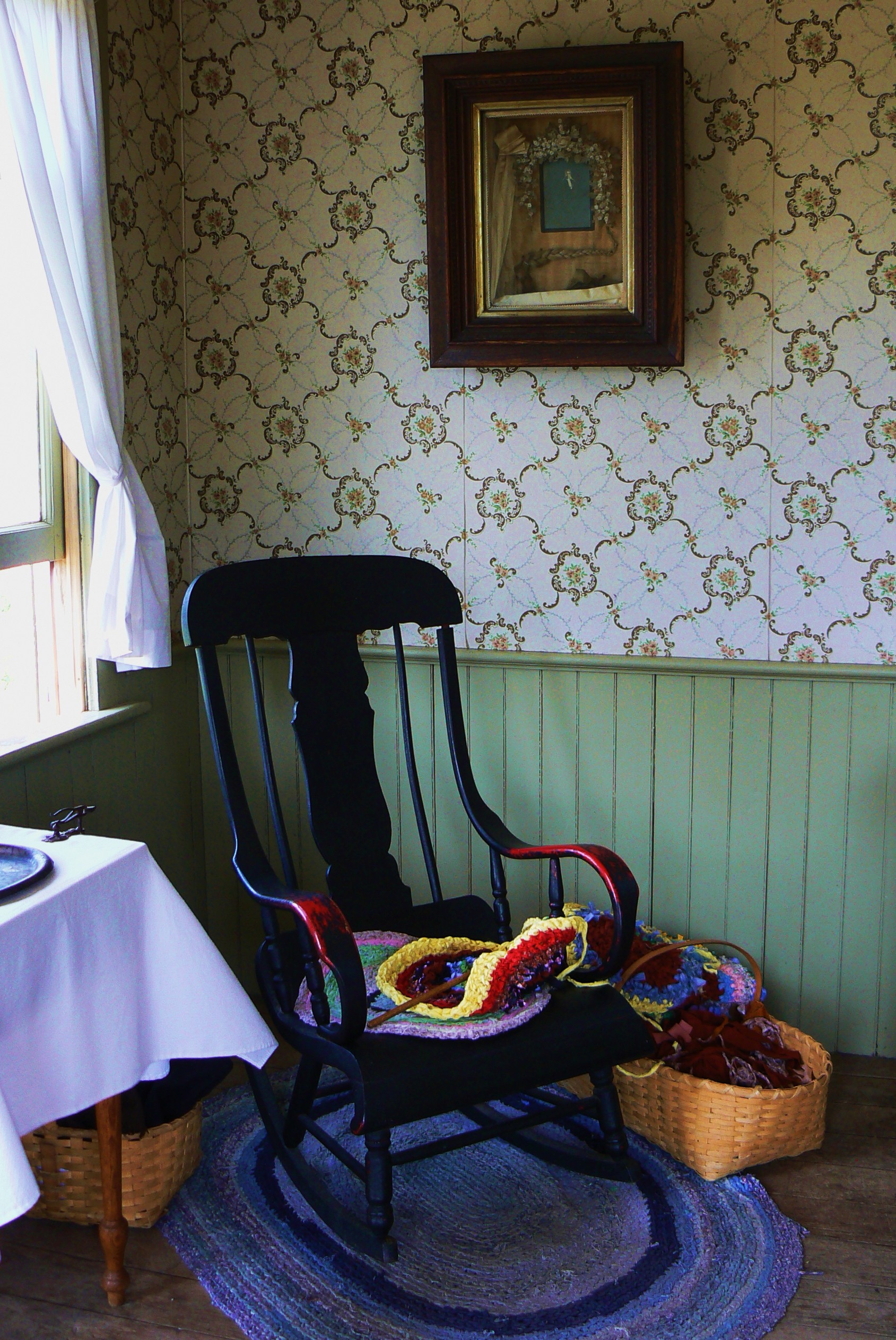
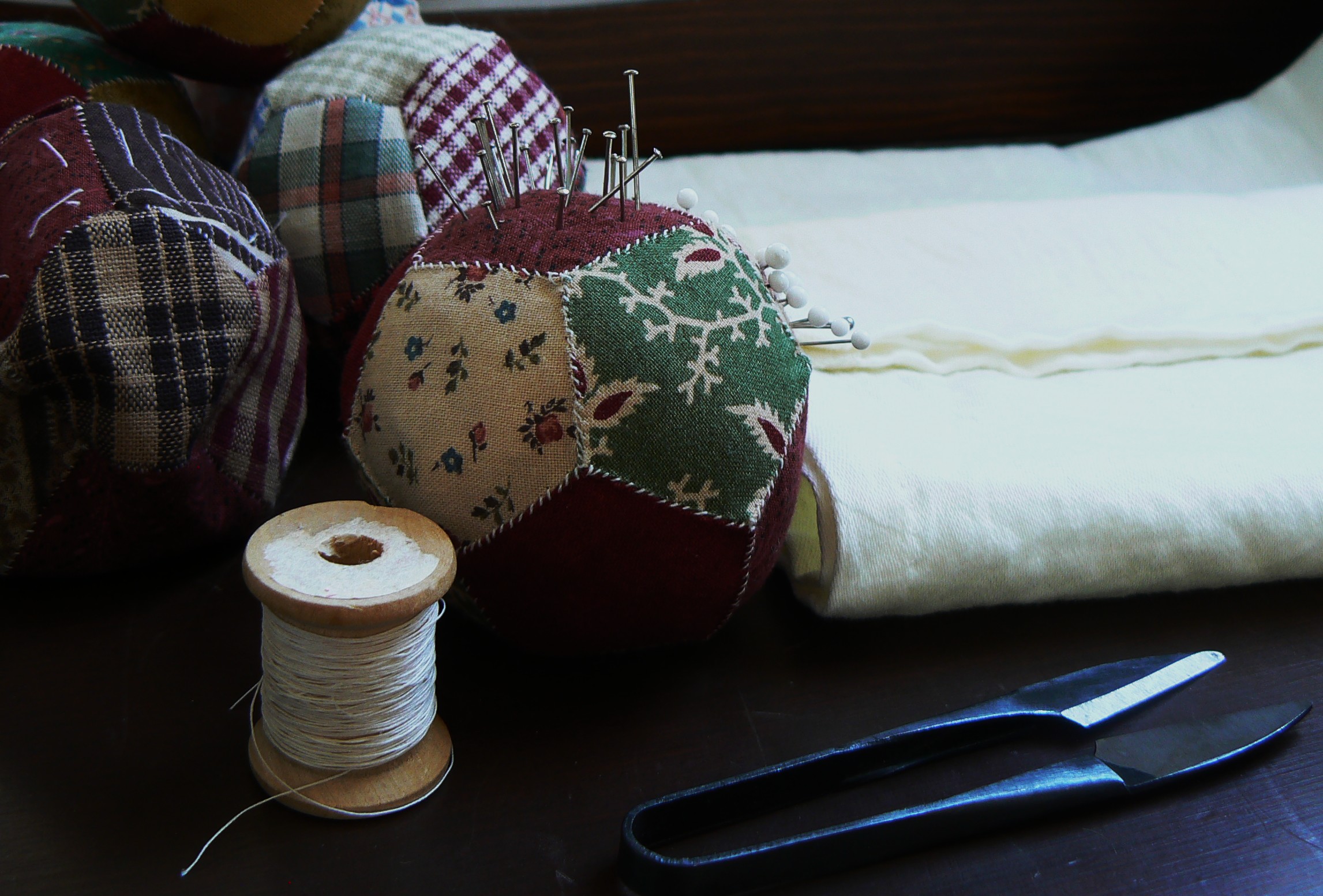
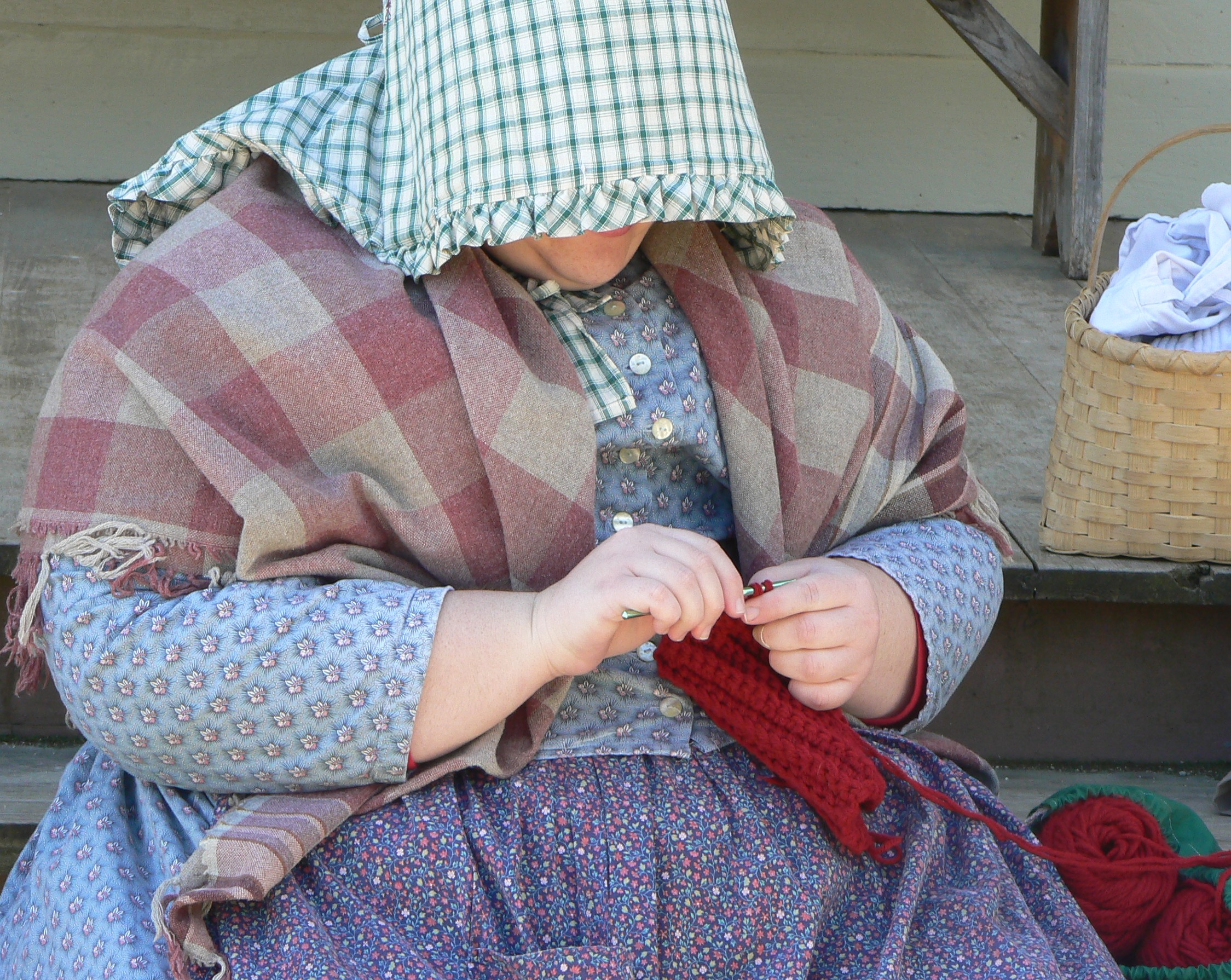
Yes, I collected stamps for a while as a child. I was a Girl Scout and learned skills like embroidery and knitting. I never spent a lot of time doing crafts (I generally don’t have the patience), but when I worked as a costumed interpreter at Old World Wisconsin, crafting was part of the job. It helped pass the time between guest visits, and it helped create artifact replicas that could be used by that living history museum.
Back in the 19th century, spinning and weaving and sewing wouldn’t really be pastimes or crafts, they would be necessary activities. 
Home economics has changed dramatically with technology, but these basic skills represent sustainable living, in my view, and I’d be glad to see them passed down for future generations.
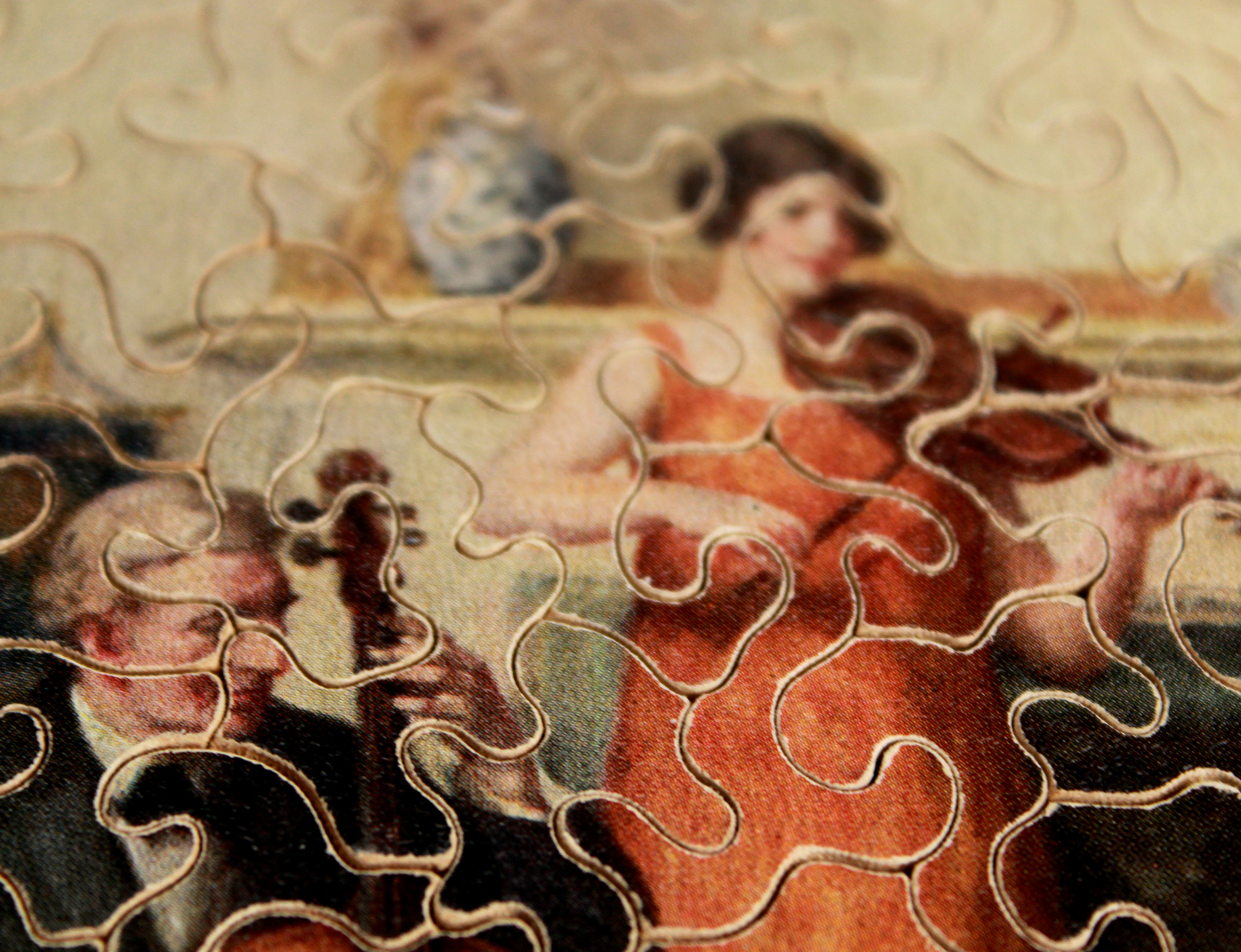
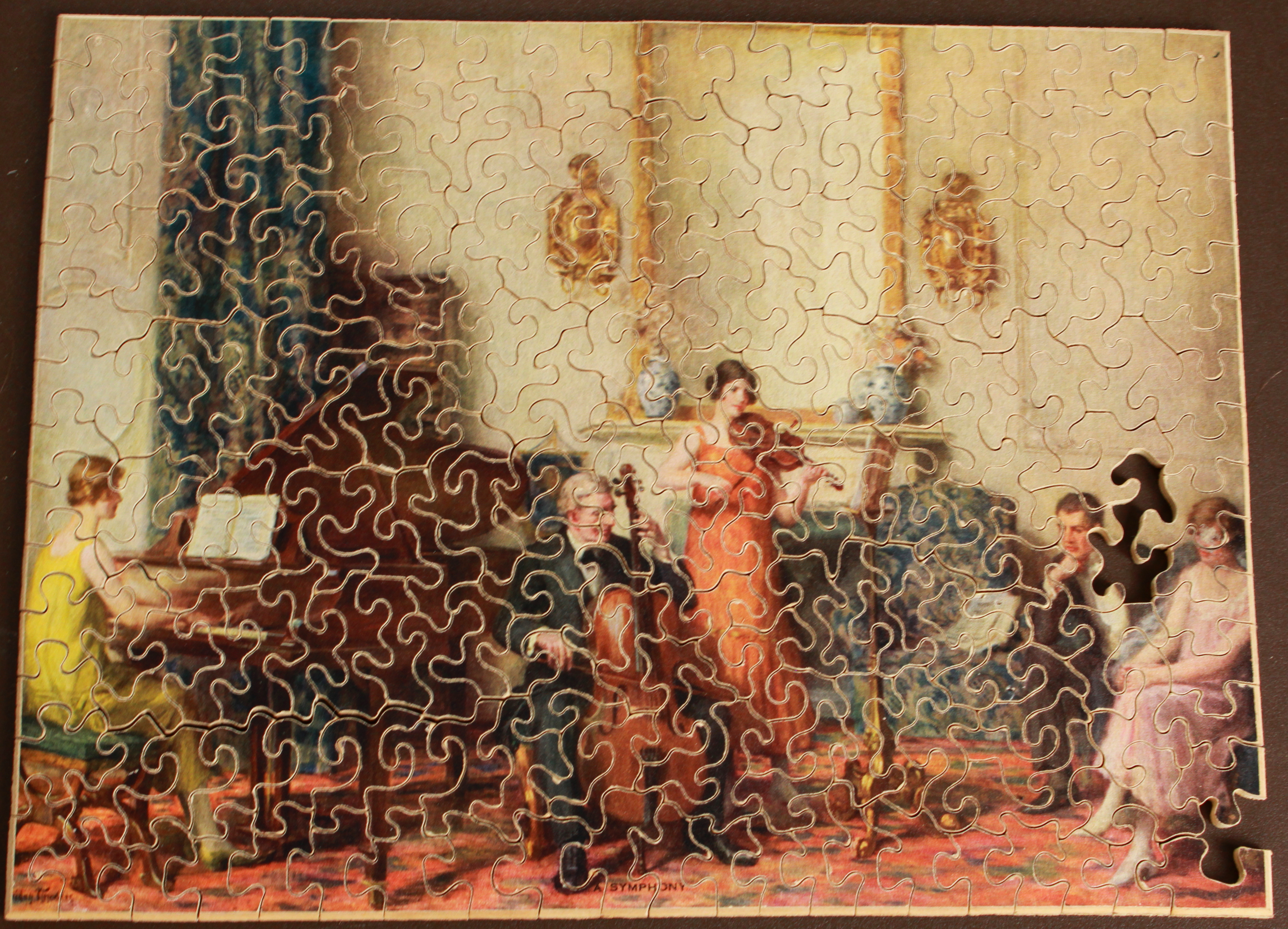
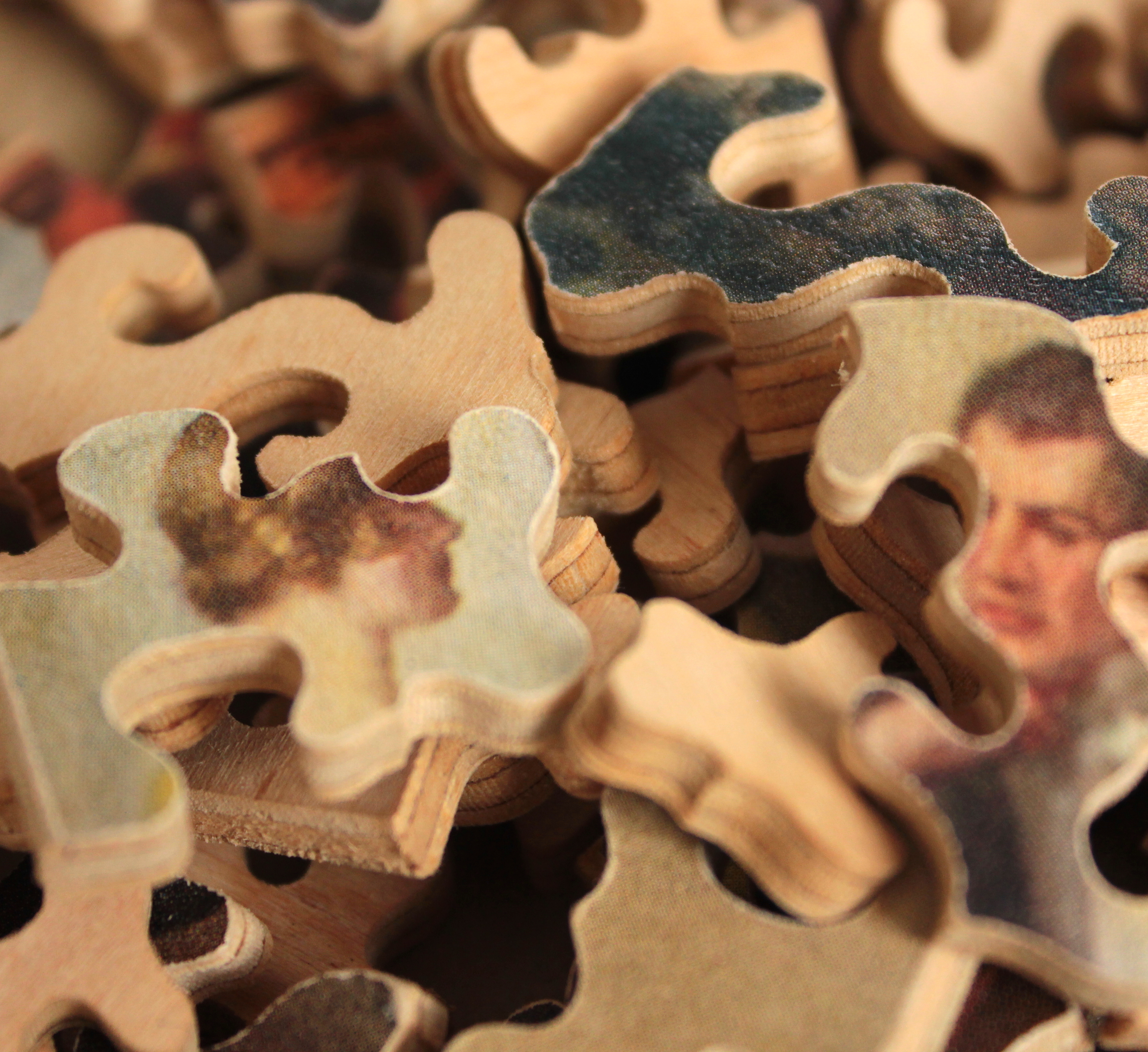
My favorite pastime, however, is jigsaw puzzling. My grandmother owned several Pastime Puzzles, the kind made of wood and intricately designed. They contained iconic shapes like apples and hats and wheelbarrows and hearts along with curly “gazintas” – the piece that “goes in ta” the others.
Growing up, my family would work together on these beautiful puzzles while a fire roared in the fireplace, staving off the winter chill and the Christmas vacation boredom.
I later discovered that this passion for puzzling could become a cottage industry. When I was a partner in Scholar & Poet Books, we bought over 300 cardboard jigsaw puzzles at a church rummage sale, put them together to ensure that they weren’t missing pieces, photographed them, and sold them on our e-Bay store.
I couldn’t begin to calculate the number of hours we spent together talking and assembling these puzzles, sometimes late into the night. Our biggest one was 3000 pieces. We developed a kind of system that played to our strengths. Steve was the “sky expert”. He was adept at matching shape and didn’t mind that all the pieces were the same color. I was the “detail expert”. I looked at what was visible on the piece and how the colors and objects made up the whole picture. I was also the “sorter”. I would pour out a few handfuls of pieces into a shallow box lid and find the edge pieces. I would use 8″x10″ box lids and stack them so that they didn’t take up too much room on the dining room table while still displaying the pieces in a single layer. Once the framed edge was in place, we’d fill in the rest, consolidating box lids as they emptied out. Eventually, we’d get down to sorting the almost indistinguishable ones by shape – the two-knobbed, the 3-knobbed, etc. We made up names for the standard shapes like H-pieces and “spadey-feet”. We didn’t come across very many with “gazintas” unless they were puzzles of a certain vintage.
During these hours of sorting and assembling, we would talk over all sorts of subjects and ideas. Often, we’d listen to music together as well. We don’t own a TV, so this was our evening and weekend entertainment, especially when the Wisconsin weather was dreary or harsh. I imagine that pastimes were developed just to create such intimate time in a household. I hope that one grace that emerges from these quarantine times is that more people leave screens behind and develop the ability to spend quality time creating something intimate and sustaining, face to face.
Lens-Artists Photo Challenge: Simplicity
“I have just three things to teach: simplicity, patience, compassion. These three are your greatest treasures.” ~ Lao Tzu
“Simplicity is the ultimate sophistication.” ~ Leonardo da Vinci
“There is no greatness where there is not simplicity, goodness, and truth.” ~ Leo Tolstoy
“Three Rules of Work: out of clutter, find simplicity; from discord, find harmony; in the middle of difficulty, lies opportunity.” ~ Albert Einstein
“Life is really simple, but we insist on making it complicated.” ~ Confucius
“The secret of life is enjoying the passage of time. Any fool can do it; there ain’t nothing to it. Einstein said we could never understand it all.” ~ James Taylor