Unknown's avatar

Lens-Artists Photo Challenge: Inspiration

Inspiration…that moment when you draw in breath, a gasp, an awe-filled audible inhalation, the desire to take in the spirit of something beautiful, breath-taking.

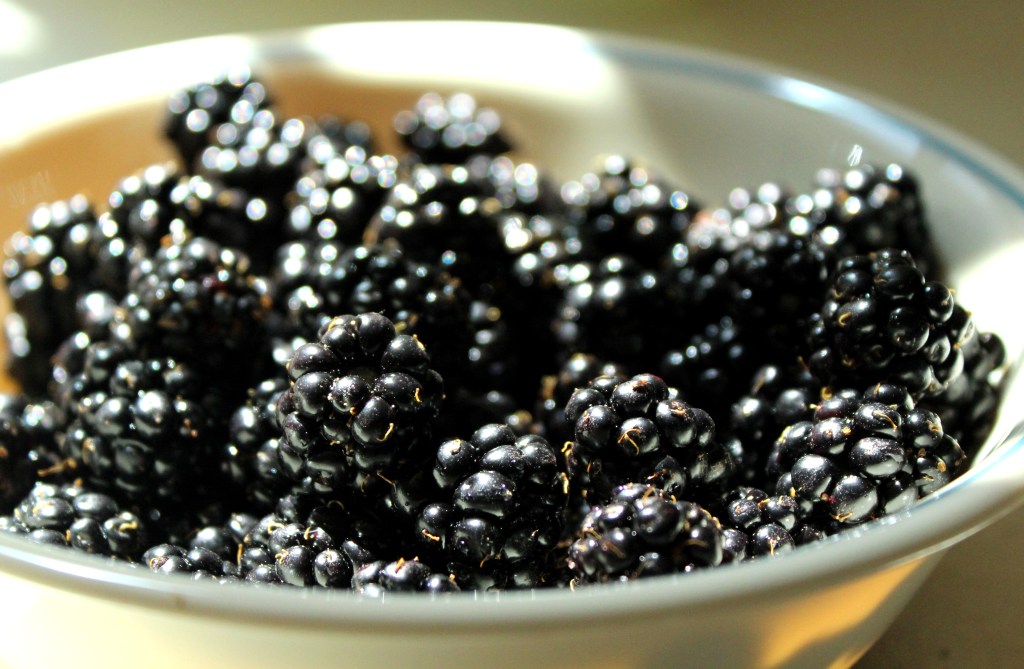
I moved to Oregon exactly one year and one week ago. I have been inspired by something about it every single day I’ve been here, I think. The natural communities are incredibly diverse and resilient and interesting and beautiful. Today, for example, I joined a work party collecting camas seeds. These little seeds are nestled in the dried flower petals like beans in maracas. They shake and rattle as you walk through the meadow grass. Indigenous people roasted the bulbs of these plants as a food staple, high in natural sugars, similar to sweet potato. When I returned from this adventure, I walked down my driveway and began collecting blackberries from the invasive Himalayan canes that grow as a huge, prickly nuisance to most landowners, a deliciously irritating problem. They are everywhere. Free food!

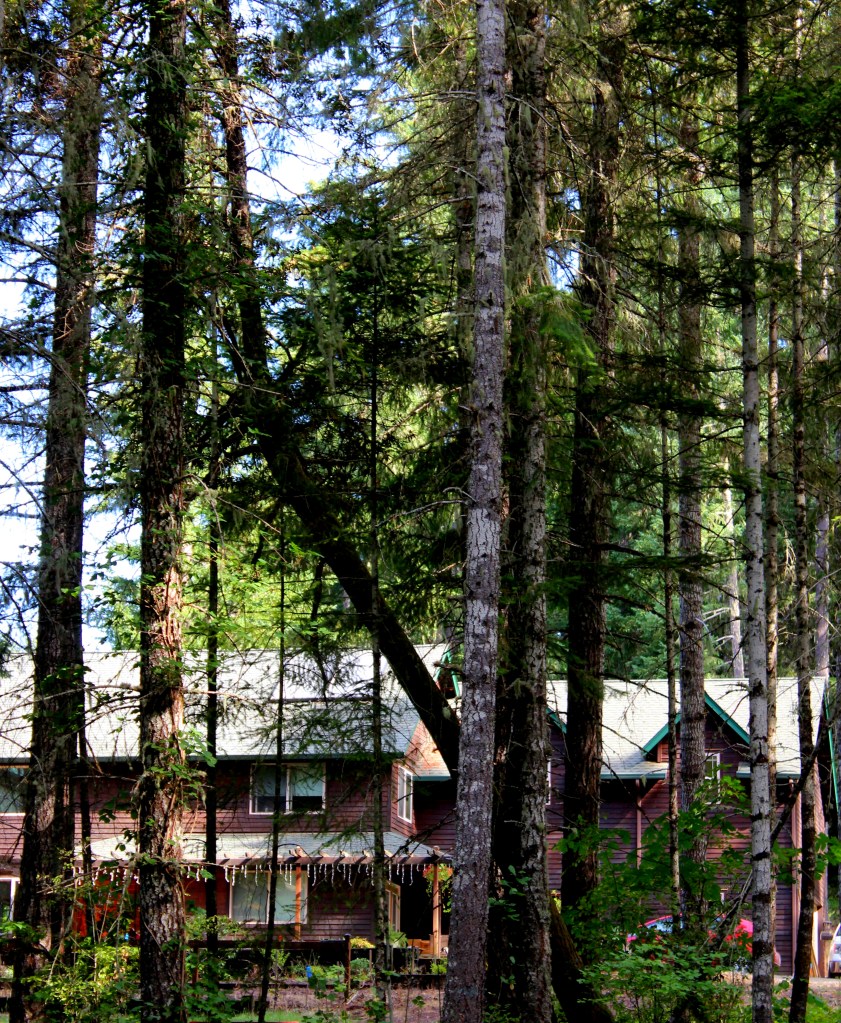
This has not been an easy year for me by any means. It hasn’t been an easy year for most people. On top of the universal griefs and fears, I am new in town, isolated, unemployed, and missing my mother who died in October. There are always mornings when I find it hard to get up and get on with my life. But when I look out my window at OREGON, I find motivation to join the young hawks and the gentle deer, step outside and breathe in the rich scent of Douglas fir.

In such a setting, I feel like I belong to the Earth, like a tree taking root and creating a tall, strong life. I’m grateful to have this new inspiration in my life. If you’re curious about previous explanations of my blogging inspiration, visit THIS POST. Thanks to Patti for creating this challenge and sharing her beautiful photos.

Unknown's avatar

Lens-Artists Photo Challenge: Getting Away

When this old world starts getting me down
And people are just too much for me to face
…”

Not being a city girl, I have never escaped the hustling crowd by climbing the stairs to find solitude “Up on the Roof”, like the Carole King/Gerry Goffin song describes. I prefer to travel to and explore places of natural quiet where there is (ideally) no human presence. Wilderness is my favorite Get Away. I am heading out tomorrow to Strawberry Mountain Wilderness in the Mahleur National Forest on my very first backpacking trip. I will not be tethered to a powered vehicle or a “civilized” infrastructure for three whole days. I will be relying on my own two feet and the company of a few experienced hikers. This is something I’ve been wanting to do for more than 40 years!

I have done day hikes in designated Wilderness before, but never an overnight. It is extremely important that our group Leave No Trace of our visit. Keeping wild spaces as pristine as possible ensures that conservation and spiritual values are not compromised.

If we lose the ability to get away from the impact of human domination, we may lose sight of humility and perspective altogether.

Thank you to this week’s hosts, Rusha and Bert of Oh the Places We See.

Unknown's avatar

Lens-Artists Photo Challenge: On The Water

“The sea, once it casts its spell, holds one
in its net of wonder forever.”
– Jacques Yves Cousteau

“Perhaps the truth depends on a walk around the lake.”

– Wallace Stevens

When despair for the world grows in me…
I come into the presence of still water. And I feel above me
the day-blind stars waiting with their light.
For a time I rest in the grace of the world, and am free.”
– Wendell Berry

“A lake carries you into recesses of feeling
otherwise impenetrable.”
– William Wordsworth

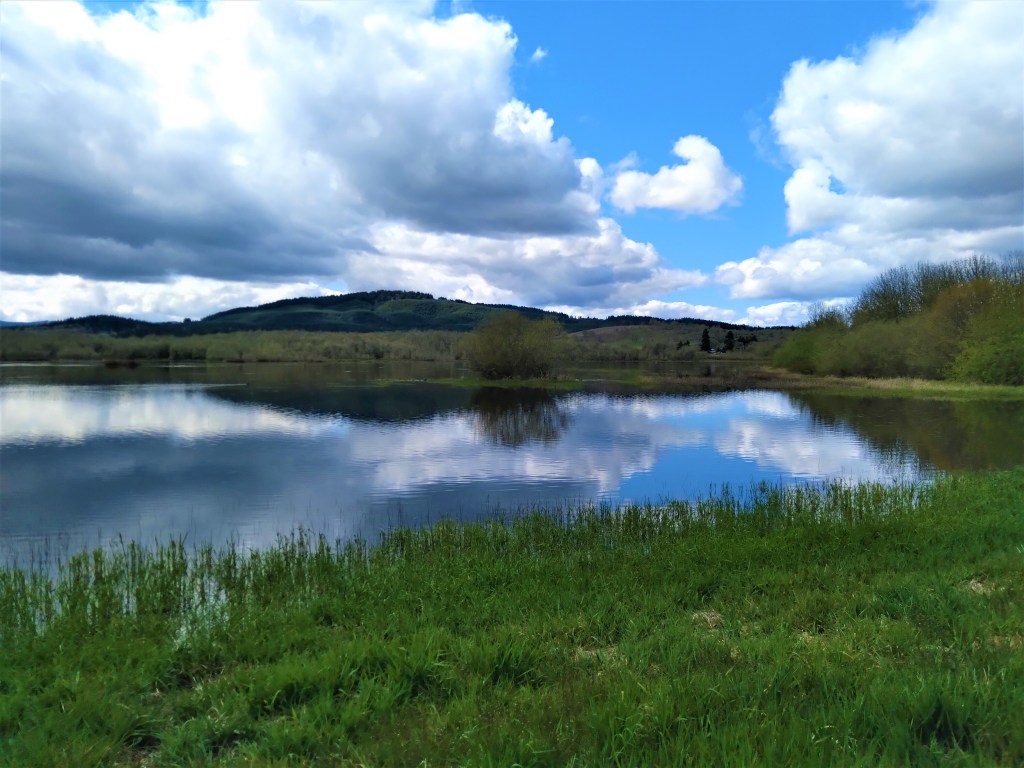
Being “On The Water” is a perfect vantage point for reflections on vastness, on stillness, on currents and exhilarating sparkles of light. There is perhaps no better environment to illustrate the simultaneous refreshment and danger of being alive on this planet. Our impact on our waterways, our uses and abuses of water, will affect future generations of all species in great ripples and waves. Take care, but enjoy the beauty around you whenever you find yourself on the water.

Congratulations to our guest host this week – John – for an excellent Challenge post!

Unknown's avatar

Lens-Artists Photo Challenge: One Photo, Many Moods

“Don’t shoot what it looks like. Shoot what it feels like.”
– David Alan Harvey

Soft color, diffused light, water falling as gracefully as a diaphanous gown over the form of a posed dancer – the picture above puts me in a mood of dreamy peace.

In black and white, water and rock are opposing elements. There is work being done, erosion and the exposure of contrasting light.

In this cropped version, the multiple paths of falling water suggest possibilities, nuance, ambiguity, secret diversions. In monochrome, it suggests a kind of sexiness that distorts reality. Our Lens-Artists host, Tina, says, “This week, we’d like you to think about the various ways you create your images. Show us the same subject captured using multiple, different approaches.” Her post shows fabulous examples of her photographic skill. Click HERE to see!

In working with the photo above, I made a couple of discoveries. First, I converted it to black and white, which felt more nostalgic to me. If I had a sepia option, it might make me think of an historic war zone.

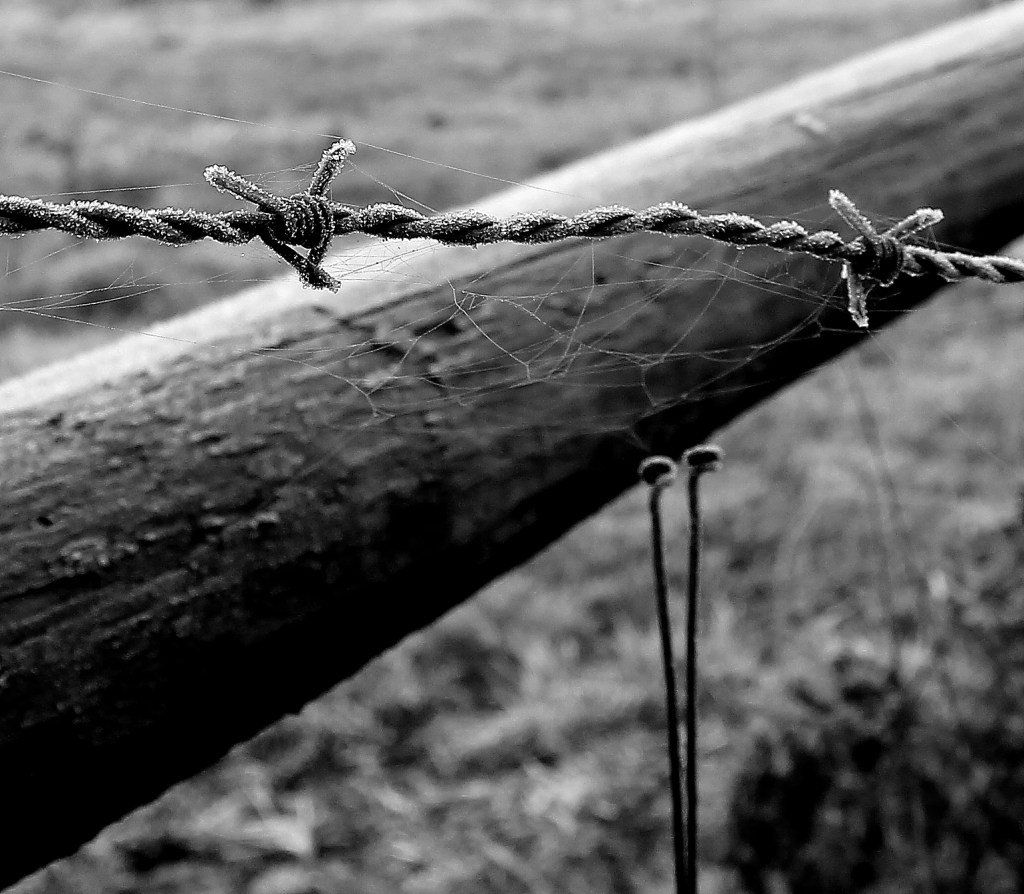
Then, I zoomed in for a cropped version and noticed a spider web with intersecting lines that mirrored the angles of the fence material, creating an abstract I hadn’t foreseen.

This abstract evokes philosophical thoughts about boundaries and materials. How resistant are the fences that keep me from crossing into new territory?

“Photography is about finding out what can happen in the frame. When you put four edges around some facts,
you change those facts.”
– Garry Winogrand

This photo exercise yielded some interesting results. I find it worthwhile to experiment with my vision and allow for unexpected rewards. Thank you, Tina, for the challenge!

Unknown's avatar

Lens-Artists Photo Challenge: From Large to Small

White … is not a mere absence of color; it is a shining and affirmative thing, as fierce as red, as definite as black…. God paints in many colors; but He never paints so gorgeously, I had almost said so gaudily,
as when He paints in white.
— Gilbert Keith Chesterton, British author, 1874–1936

For this challenge, Patti asks us to “pick a color and select several photos that feature that color.  Start with a photo of a big subject in that color (for example, a wall) and move all the way down to a small subject in that same color (for example, an earring).”

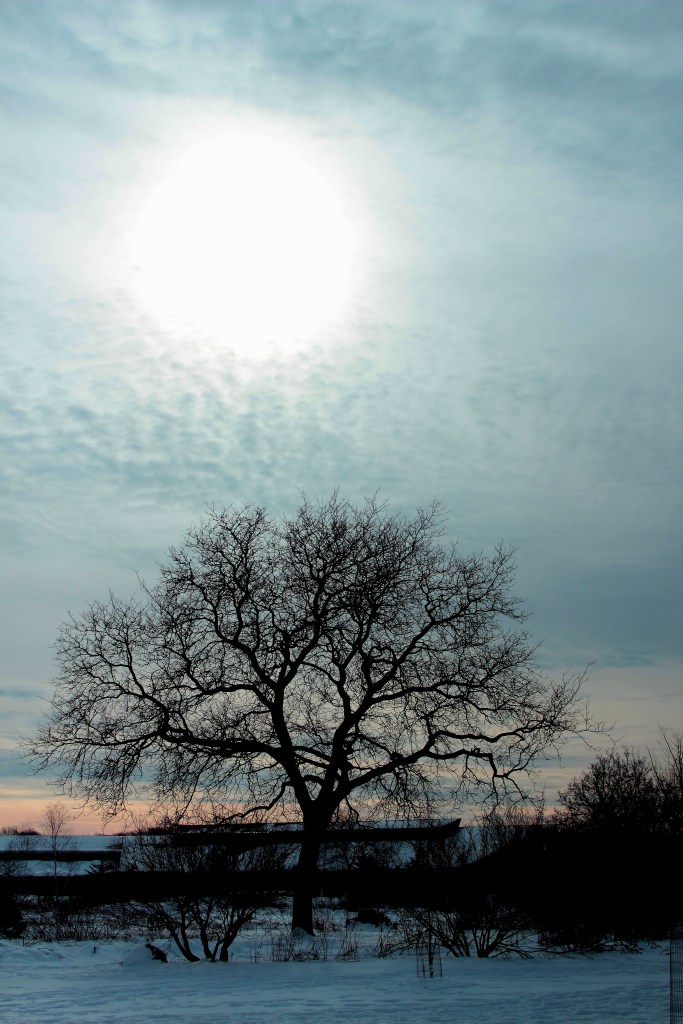
The Sun is 109 times bigger than the Earth, and its mass is 330,000 times greater. The Sun’s light allows us to see everything we do see, from the largest things on the planet to the smallest. It illuminates water in the form of vapor, liquid, and solids which cover 71% of the Earth’s surface and float in the atmosphere. It’s not surprising to see white in a skyscape or a seascape or as snow on the landscape.

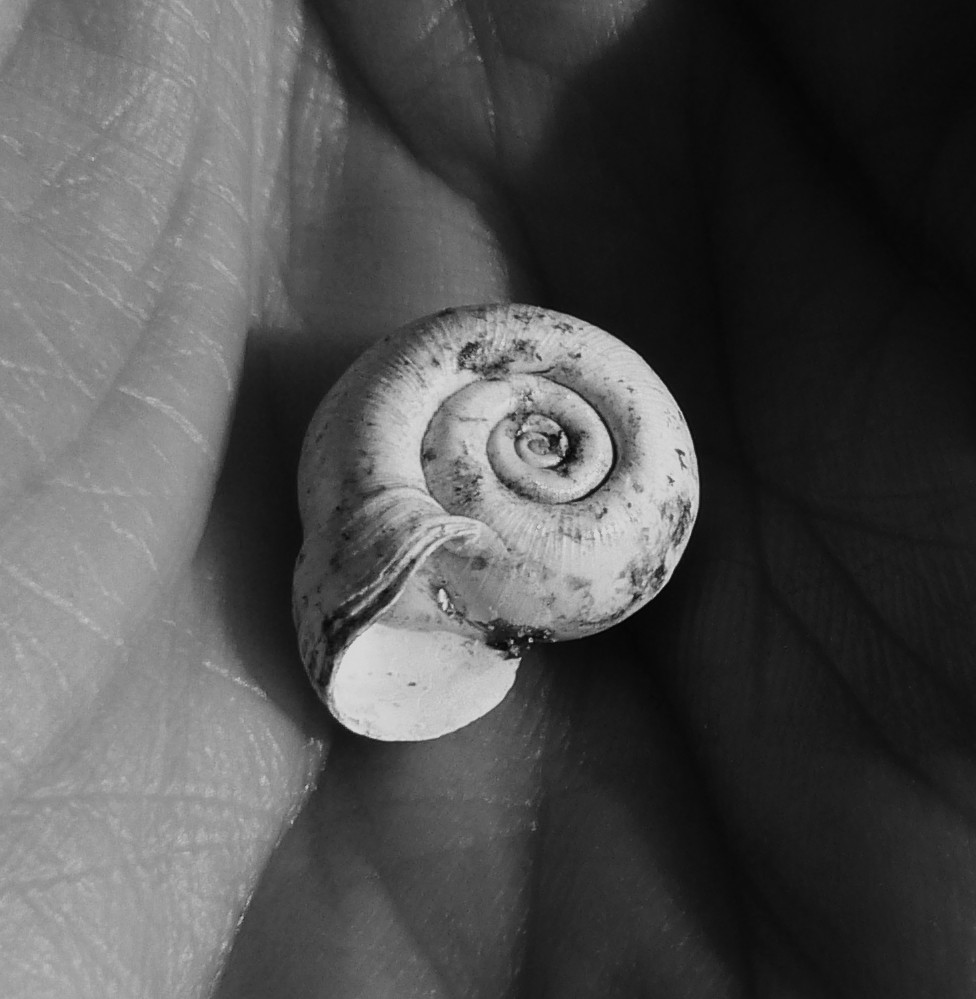
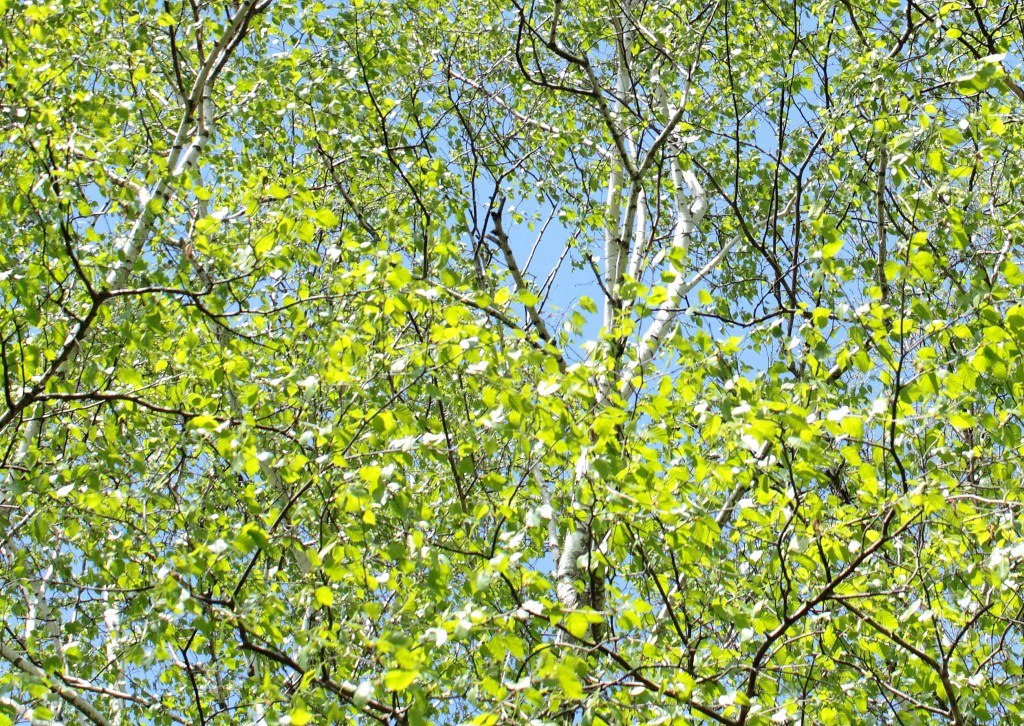
Of course, sunlight and water come together in every living thing on Earth, and many of these smaller things are white as well, like birch trees, caterpillars, and snail shells.

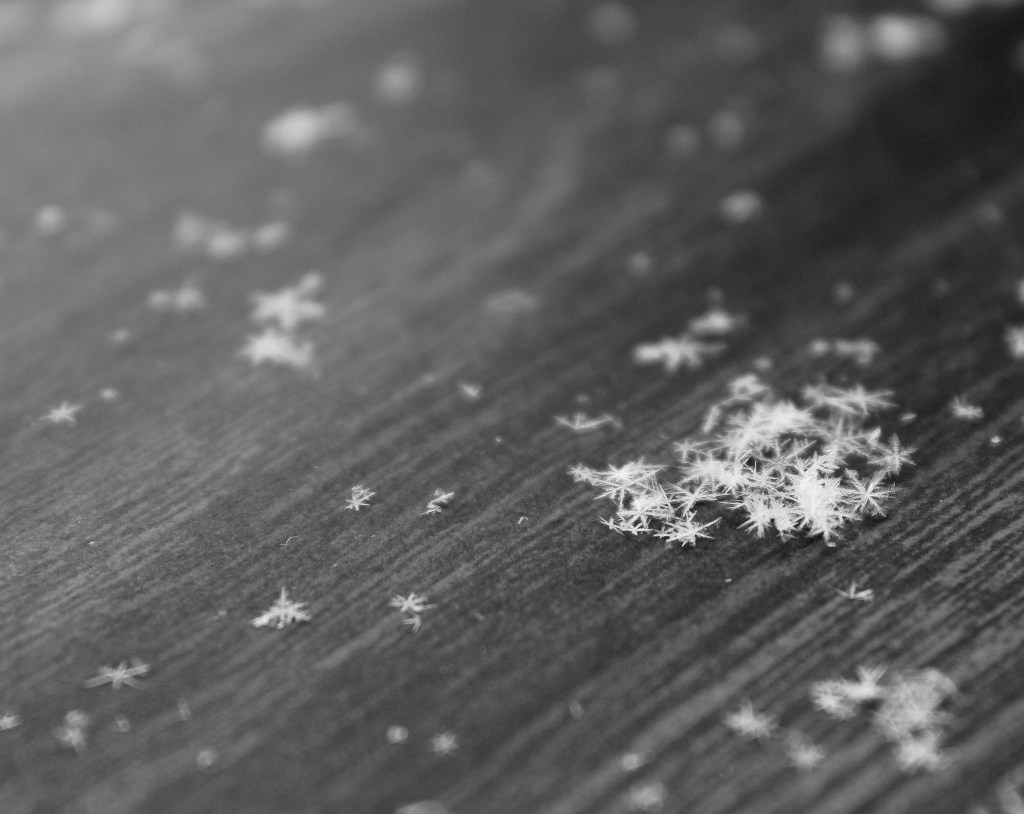
Finally, a single snowflake, delicate, unique and perfect, is a very small example of the cosmic marriage of light and water in bridal white.

Unknown's avatar

Lens-Artists Photo Challenge: Let’s Get Wild!

A wilderness, in contrast with those areas where man and his own works dominate the landscape, is hereby recognized as an area where the earth and its community of life are untrammeled by man, where man himself is a visitor who does not remain.” — The Wilderness Act of 1964

If future generations are to remember us with gratitude rather than contempt, we must leave them a glimpse of the world as it was in the beginning, not just after we got through with it.” – Lyndon Baynes Johnson, President who signed The Wilderness Act into law.

“…in Wildness is the preservation of the World. Every tree sends its fibers forth in search of the Wild. The cities import it at any price. Men plow and sail for it. From the forest and wilderness come the tonics and barks which brace mankind…I believe in the forest, and in the meadow, and in the night in which the corn grows. We require an infusion of hemlock, spruce or arbor vitae in our tea…” — Henry David Thoreau

“Idolatry always reduces to the worship of something ‘made with hands,’ something confined within the terms of human work and human comprehension. Thus, Solomon and Saint Paul both insisted on the largeness and the at-largeness of God, setting Him free, so to speak, from ideas about Him. He is not to be fenced in, under human control, like some domestic creature; He is the wildest being in existence. The presence of His spirit in us is our wildness, our oneness with the wilderness of Creation. That is why subduing the things of nature to human purposes is so dangerous and why it so often results in evil, in separation and desecration. It is why the poets of our tradition so often have given nature the role not only of mother or grandmother but of the highest earthly teacher and judge, a figure of mystery and great power.” — Wendell Berry
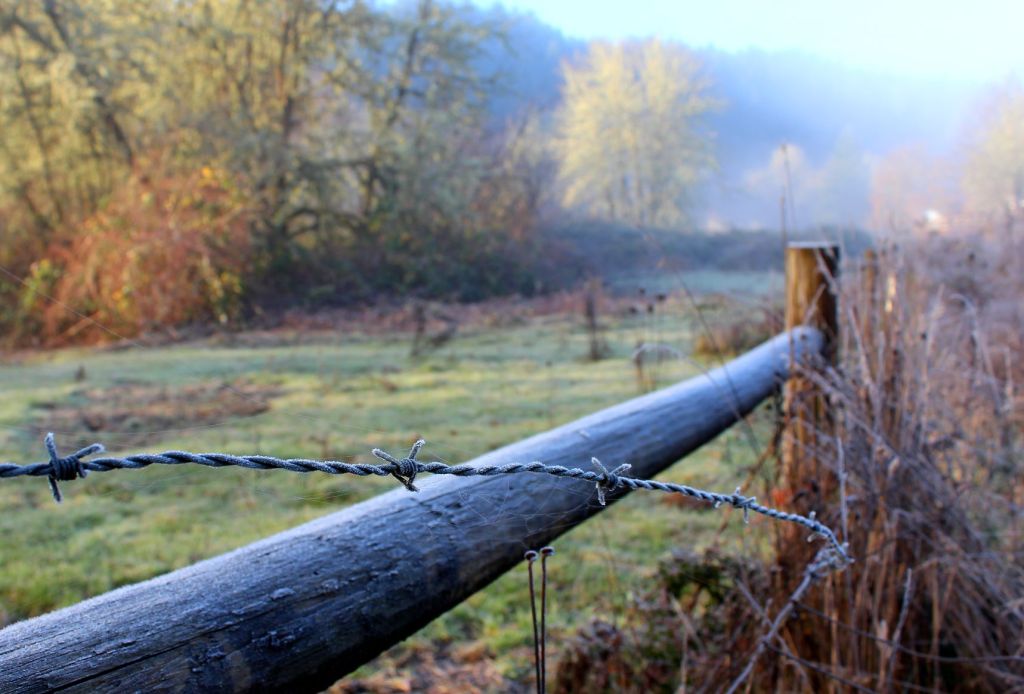
In 2014, I went to New Mexico to participate in a Wilderness 50 Conference celebrating the 50th anniversary of the signing of the Wilderness Act into law. I didn’t go as a delegate from any conservation organization or as an employee of any of the agencies associated with U.S. public lands. I went as a citizen eager to learn about how wild places are being protected in this country. I went to lectures, panel discussions, break-out seminars, film presentations and information kiosks. I went on a field trip to a nearby designated wilderness. And then I went home, east of the Mississippi River. I determined that I wanted to visit wilderness areas and work to protect land whatever way I could. I got a job at a land trust six months later.
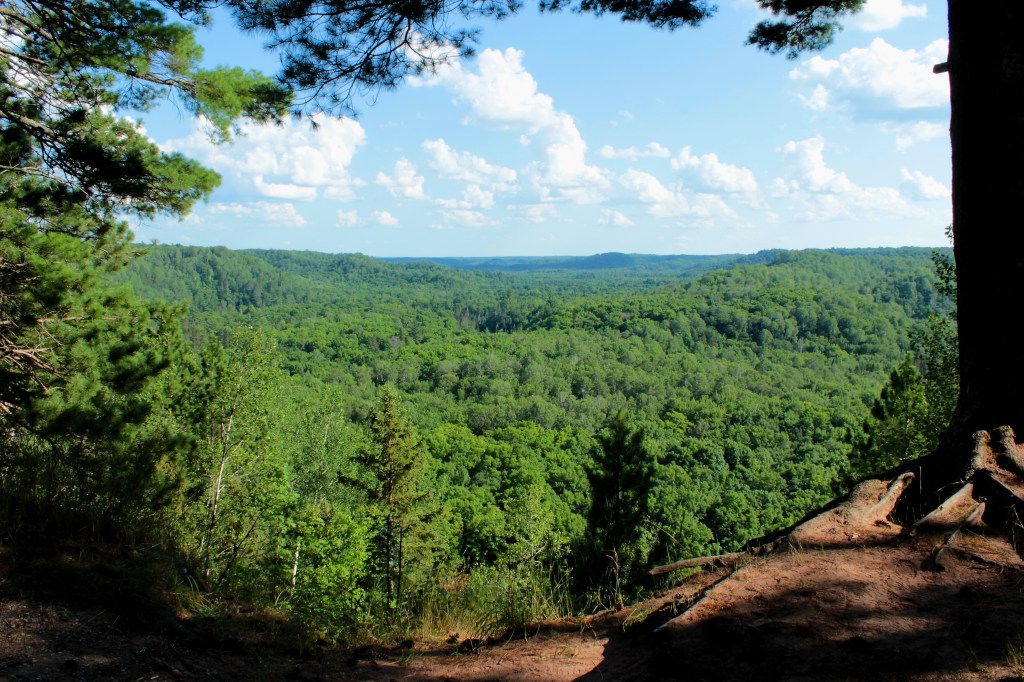
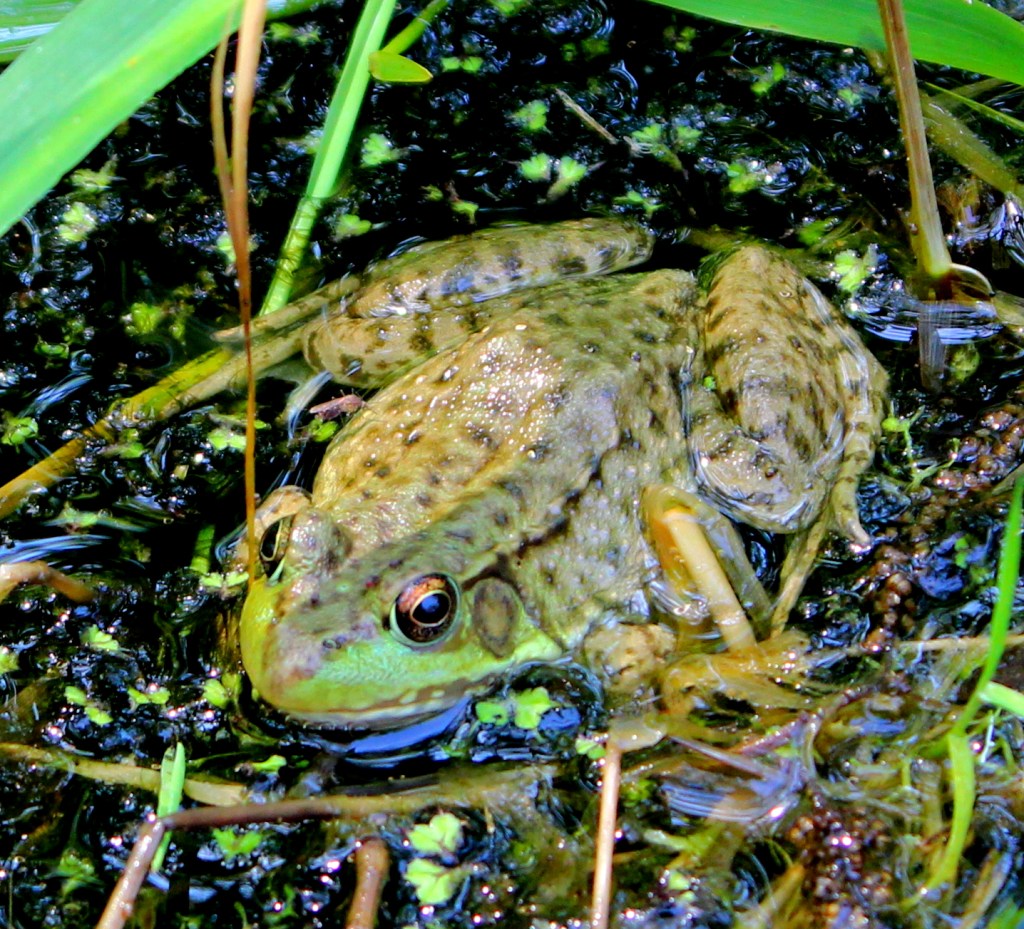
The greatest tracts of wilderness land in the U. S. are west of the Mississippi, but there are a few in the Great Lakes region, in the North Woods, with dispersed campsites scattered around. I found a dispersed campsite across the road from the designated wilderness on the banks of Scott Lake. As I set up camp, I was greeted by two trumpeter swans on the lake, a raucous chorus of frogs and a host of mosquitoes. That night, there was a bit of rain. In the morning, a bald eagle perched high in a dead tree on the far side of the lake, illuminated by the rising eastern sun. Staring at him through my binoculars, I imagined him enjoying an aerial view like ones I’d seen in pictures of Alaska. Could I really be in the wilderness, finally? My rational brain convinced me of the disparities, but my romantic soul glowed. Even in Wisconsin, there can be solitude, common-union with nature, and a wild hope.

The inevitable down side of climbing the wilderness mountain is returning to ‘civilization’, re-entering the spaces that humans have altered and asking a million critical questions about our involvement. Was this action necessary? Was this change beneficial and for whom? How is this decision going to effect this environment, this habitat, this life? How do I take responsibility when my ignorance is so vast? How do I do my best to learn and choose and be aware? What do I do when I see individuals or systems causing destruction?
I learned the 4 pillars of Environmental Education while volunteering at a local Nature Center: Awareness, Appreciation, Attitude and Action. My experience in the wilderness took me on a journey past those milestones: being aware of the solitude, of the multitude of interconnected lives as well; being awed by the variety and majesty of all that I saw; feeling a deep desire to protect, to respect, and to serve Life; and finally, deciding to make changes and choices in my own life and lifestyle, to learn to embody the experience, not just as a vacation or a change from habit, but as a daily practice.

I am thrilled to meet another wilderness enthusiast through the Lens-Artists group and urge you to visit this week’s host at her blog, Rambling Ranger. Dianne has been a National Park ranger in both Alaska and Death Valley, California. She’s a fabulous photographer and writer…and I am now one of her followers!

Unknown's avatar

Lens-Artists Photo Challenge: Cool Colors – Blue and Green

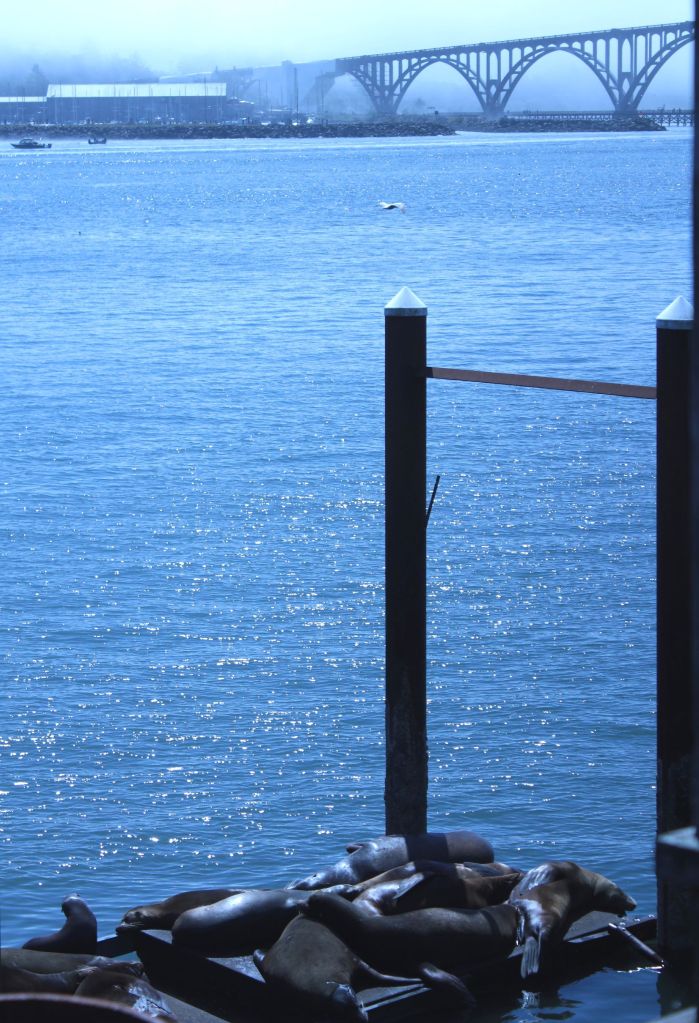
ADVICE FROM A SEA LION
Soak up some sun
Keep your whiskers clean
Let troubles roll off your back
Don’t flip out
Spend time at the beach
Have a playful spirit
Make a splash!

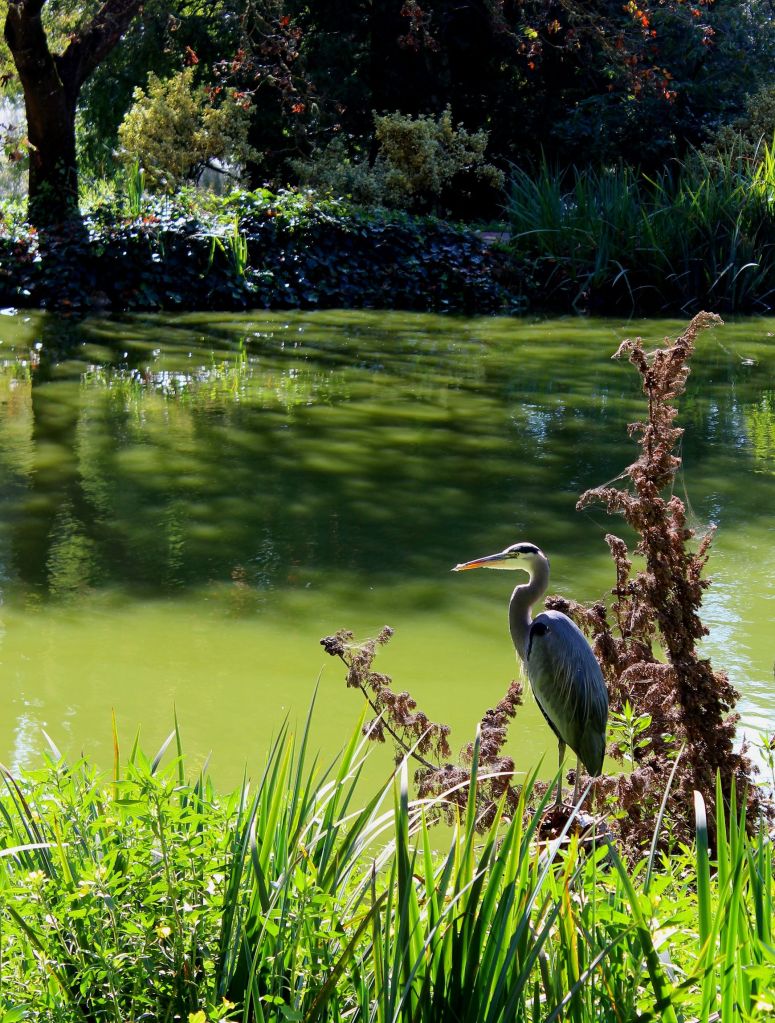
It is a negligence of the mind not to notice how at dusk heron comes to the pond and stands there in his death robes,
perfect servant of the system, hungry,
his eyes full of attention, his wings pure light…
– Mary Oliver

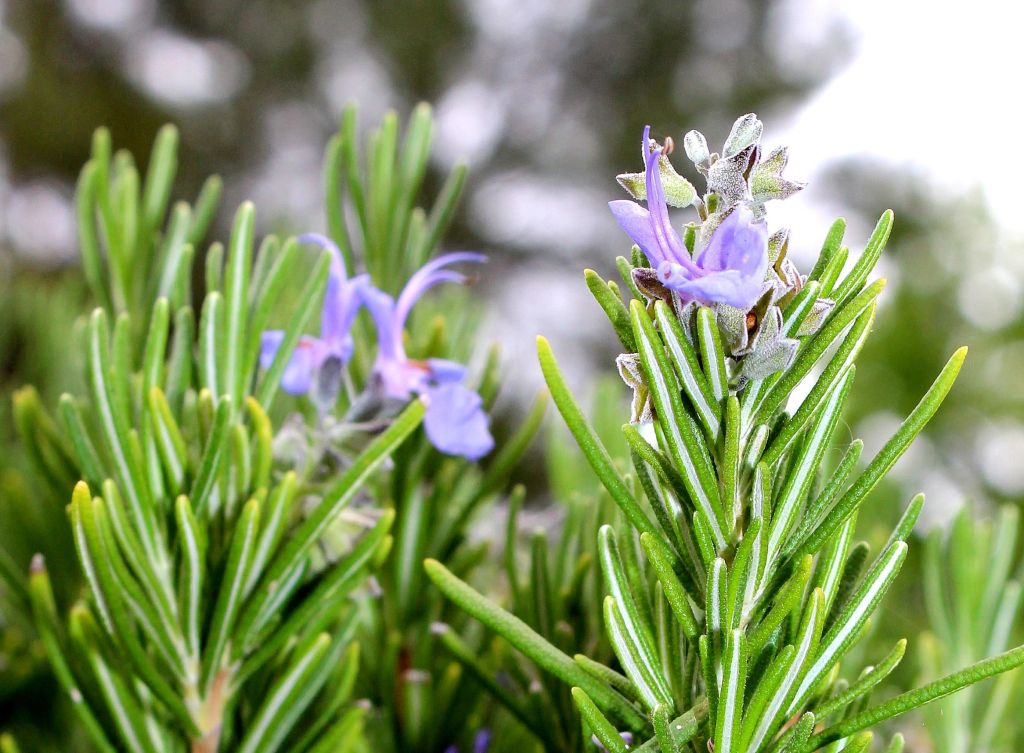
“There’s Rosemary for you, that’s for remembrance!
Pray you, love, remember.” (Ophelia, Hamlet)
– William Shakespeare

I can’t help wondering how many more years we will be able to view sea lions and great blue herons in places where humans predominate. We’re in the midst of a mass-extinction event called the Holocene or Anthropocene extinction. If the current rate of human disruption of the biosphere continues, one-half of Earth’s higher lifeforms will be extinct by 2100. Seventy percent of biologists polled in 1998 acknowledged this event. It is happening, humans are causing it, and it is ongoing. What is being done to educate the human community and dismantle the anthropocentrism, the human supremacy, that drives behaviors that contribute to the destruction of our planet? Oceans, grasslands, mountaintops, and a host of unique habitats have been plundered and colonized to suit the human appetite for consumption.

Environmentalists are in despair. You can read a million articles and books on the subject. In the last one I read, Eileen Crist says, “In the twenty-first century there will be a reckoning with how we’ve lived, what we’ve done to the planet and ourselves, and that reckoning will set in motion an awakening: a different way to go about things.” Rather than just feeling BLUE about being GREEN, I hope to inspire the humans I know humbly to consider their place in the Tree of Life. Back in the 1940s, Aldo Leopold said we should change the role of homo sapiens “from conqueror of the land-community to plain member and citizen of it.” That attitude, combined with our ability to solve problems, may finally lead us to restrict the damage that we inflict and bring our species back in balance and scale with the rest of the biotic community.

My thanks to Tina Schell, our host this week for the Photo Challenge. Visit her blog to see gorgeous photos of one of the United States’ unique habitats, Kiawah Island.

Unknown's avatar

Lens-Artists Photo Challenge: Spots and Dots

Philosophically, the universe has really never made things in ones. The Earth is special and everything else is different? No, we’ve got seven other planets. The sun? No, the sun is one of those dots in the night sky. The Milky Way? No, it’s one of a hundred billion galaxies. And the universe – maybe it’s countless other universes.
– Neil deGrasse Tyson

Ann-Christine’s challenge for this week revolves around two little words: Spots and Dots. She encourages a broad range of interpretations.

I found a wonderful waterfall only 40 minutes from my home. I plan to visit this spot frequently, in different seasons, to try to improve my skills at photographing falling water. Here’s my favorite shot from my first visit, last week.

I returned just yesterday under sunnier skies and found that my photos of the SPOT included DOTS as well. What causes these sun spots? Dust on the lens? No sun shade?

Sometimes extra spots and dots in a shot are intentional, like in this portrait of my daughter’s partner practicing his DJ skills.

Spots and dots occur in the natural world for all kinds of fascinating reasons involving physics, camouflage, or other factors.

It’s a big Universe out there, or Universes, full of astonishing spots and dotted with wonders beyond imagination. My knowledge of them is miniscule, but my delight grows each day as I connect the dots and fill in the empty spots.

Unknown's avatar

Lens-Artists Photo Challenge: Garden

Tom Paxton wrote the song “Whose Garden Was This?” for the first Earth Day in 1970. John Denver released an album that same year, named for the song, which he covered.

Whose garden was this? It must have been lovely
Did it have flowers? I’ve seen pictures of flowers
And I’d love to have smelled one

Tell me again, I need to know
The forests had trees, the meadows were green
The oceans were blue, and birds really flew
Can you swear that was true?

Whose river was this? You say it ran freely
Blue was its color, I’ve seen blue in some pictures
And I’d love to have been there

Tell me again, I need to know
The forests had trees, the meadows were green
The oceans were blue, and birds really flew
Can you swear that was true?

Those who imagine the Earth as a garden, as opposed to a wilderness, consider humans to be the primary architects of plant communities and responsible for their creation and maintenance. In this Anthropocene Era, human impact dominates the landscape, and the soil serves our needs – for food, for resources, for beauty, for creativity. It’s important to remember, though, that one of our needs is to have a healthy planet, one that will be resilient to our mistakes, our greed, our hubris. There is always a need for observation and humility, an imperative that we learn from autonomous ecosystems.

Whose garden was this? It must have been lovely
Did it have flowers? I’ve seen pictures of flowers
And I’d love to have smelled one..

Thank you to AMY for this week’s challenge theme, and Happy Mother’s Day tomorrow to all you blogging Moms (like me)!

Unknown's avatar

Lens-Artists Photo Challenge: Focus on the Details

I want to thank the Lens-Artists team – Patti, Amy, Tina, and Ann-Christine – for giving me the opportunity to host last week’s challenge. I thoroughly enjoyed Getting to Know (those of) You who participated and learning so much about things, places, people, and cultures that I never knew before.

This week, Patti is challenging us to Focus on the Details. A few days ago, I went out to wander in the sunshine down at the creek just down the hill. On the way, I found a wild iris.

In a few moments, I noticed another detail about this flower.

Down by the creek, sipping water from the rocks, I found several little butterflies with bright lilac wings. When they landed, they folded their wings together, hiding the bright color. They were no bigger than my thumbnail. When I look at my photo, I also notice that their antennae are striped. Nature’s details never cease to amaze me!

On my way back up the driveway, I stopped to look closely at the treetops. In this case, the top of this Douglas fir was only about four feet off the ground. It may grow to be 250 feet tall one day, with a diameter of 5-6 feet, if it’s allowed to stand for a couple of hundred years.

Details and complexity in Nature and in Life are often overwhelming and incomprehensible. When I slow down to fully appreciate them, I feel humbled and awestruck. I marvel that we are all composed of the same material, the star stuff that fills the galaxies. What a privilege to look, to open our eyes and our hearts to the fine craft of our planet and to see ourselves there, too.

“Look deep into nature, and then
you will understand everything better.”
Albert Einstein