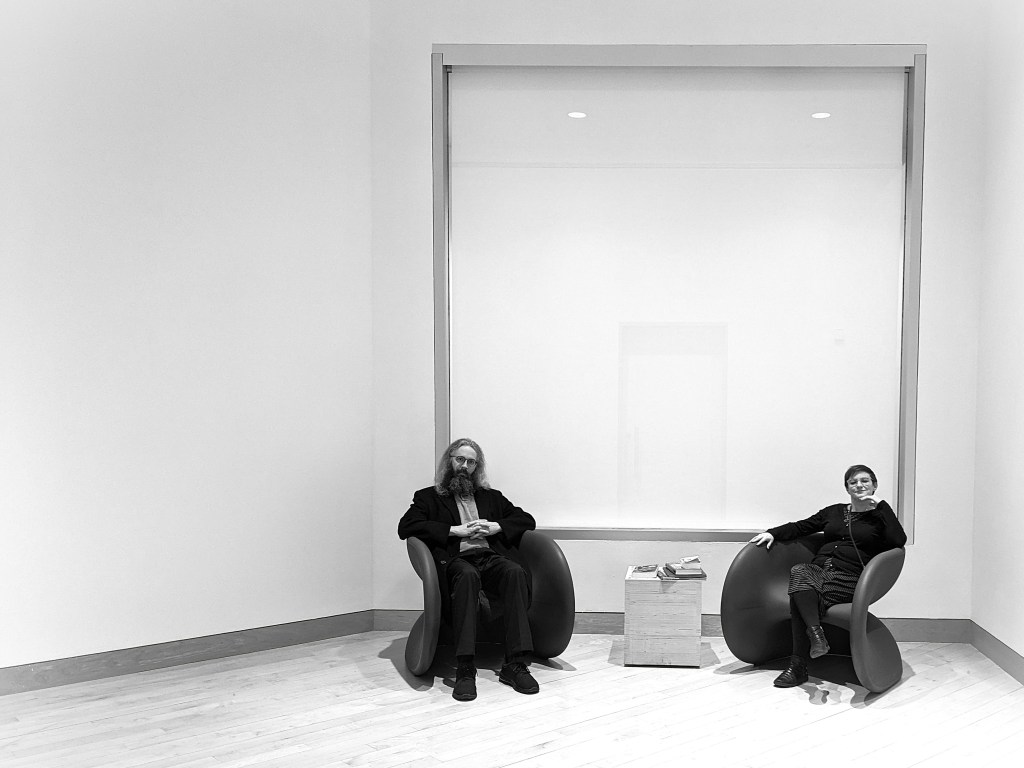
“The most beautiful experience we can have is the mysterious. It is the fundamental emotion that stands at the cradle of true art and true science.”
― Albert Einstein, The World As I See It

“We need the tonic of wildness…At the same time that we are earnest to explore and learn all things, we require that all things be mysterious and unexplorable, that land and sea be indefinitely wild, unsurveyed and unfathomed by us because unfathomable. We can never have enough of nature.”
― Henry David Thoreau, Walden: Or, Life in the Woods

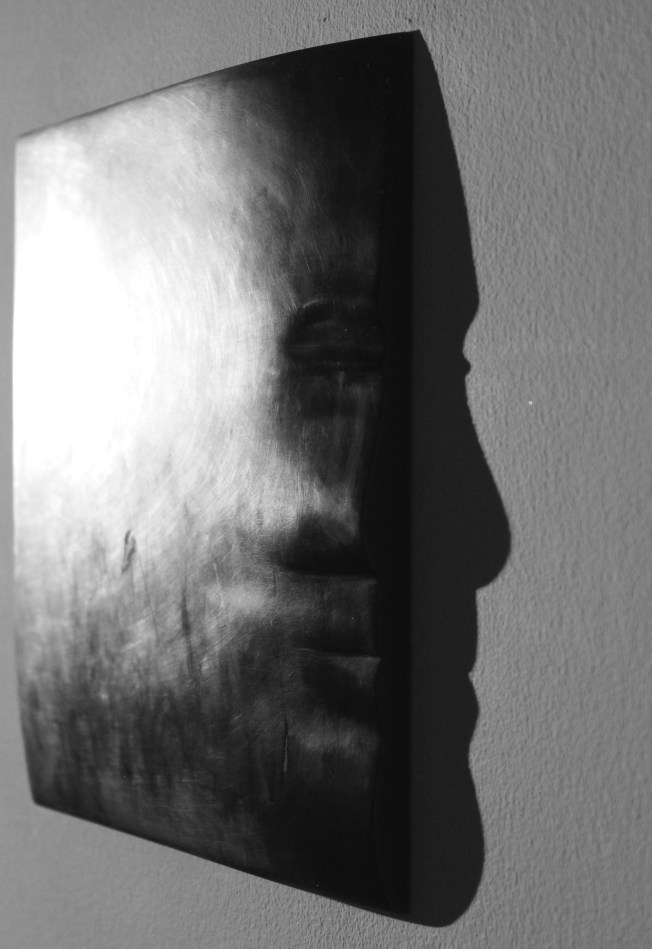
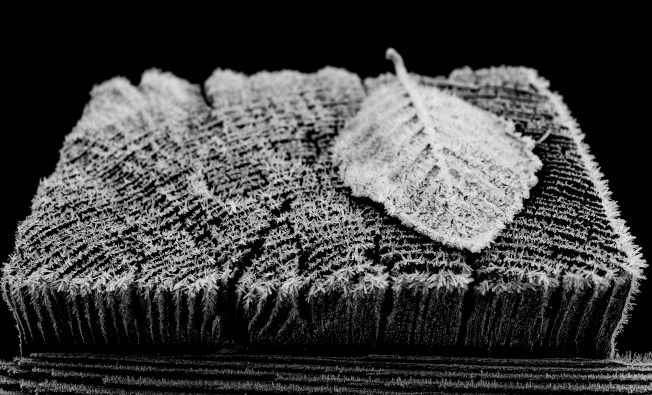
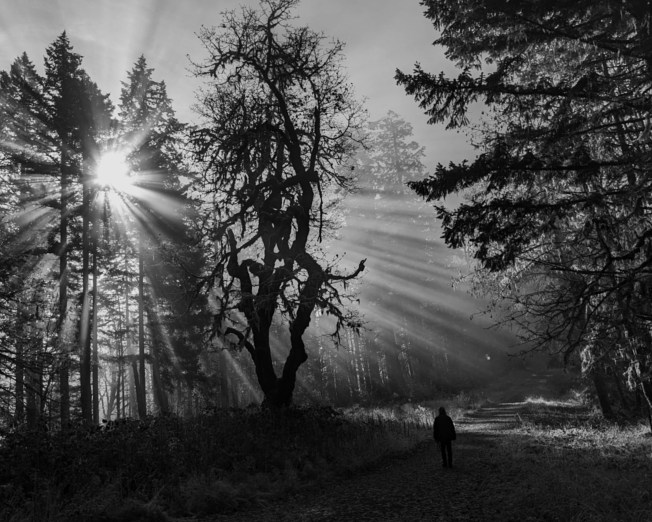
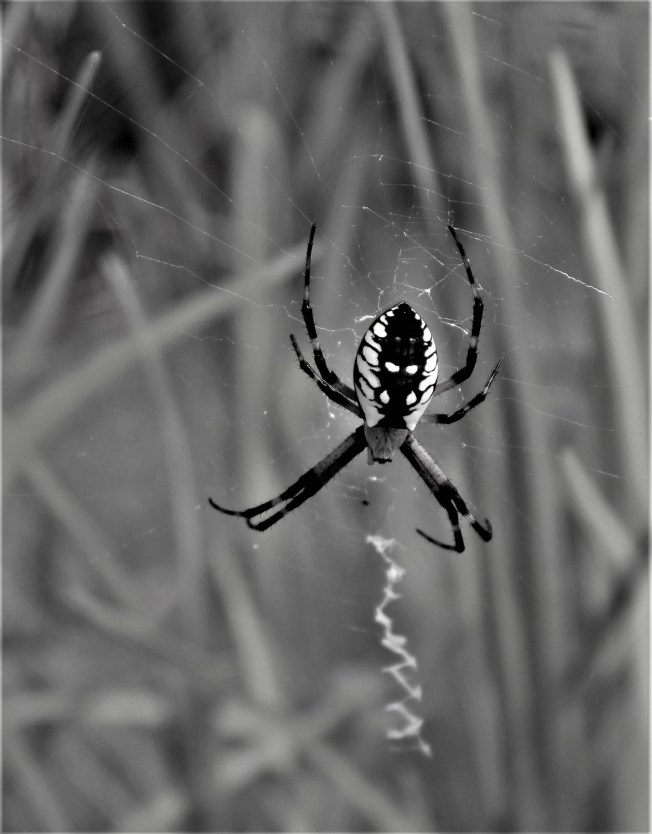
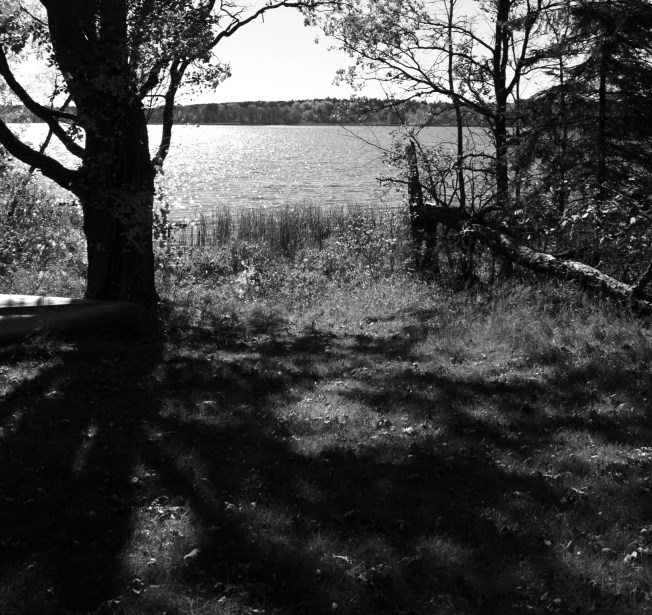
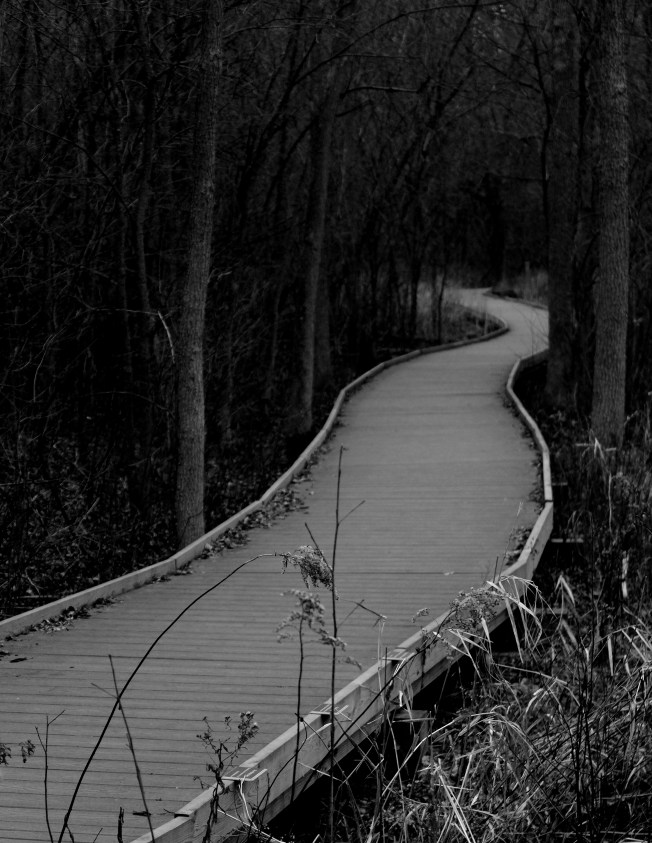
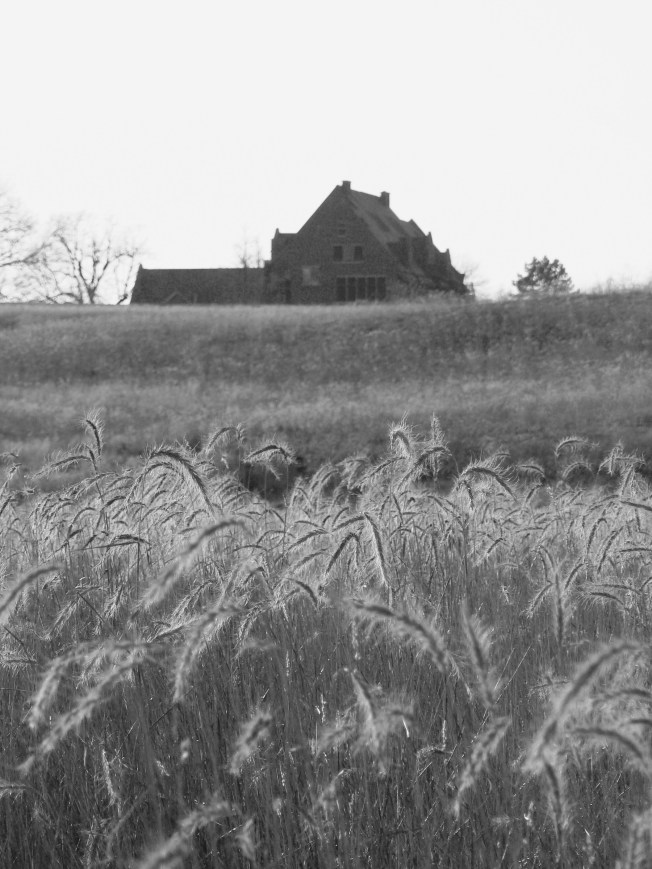
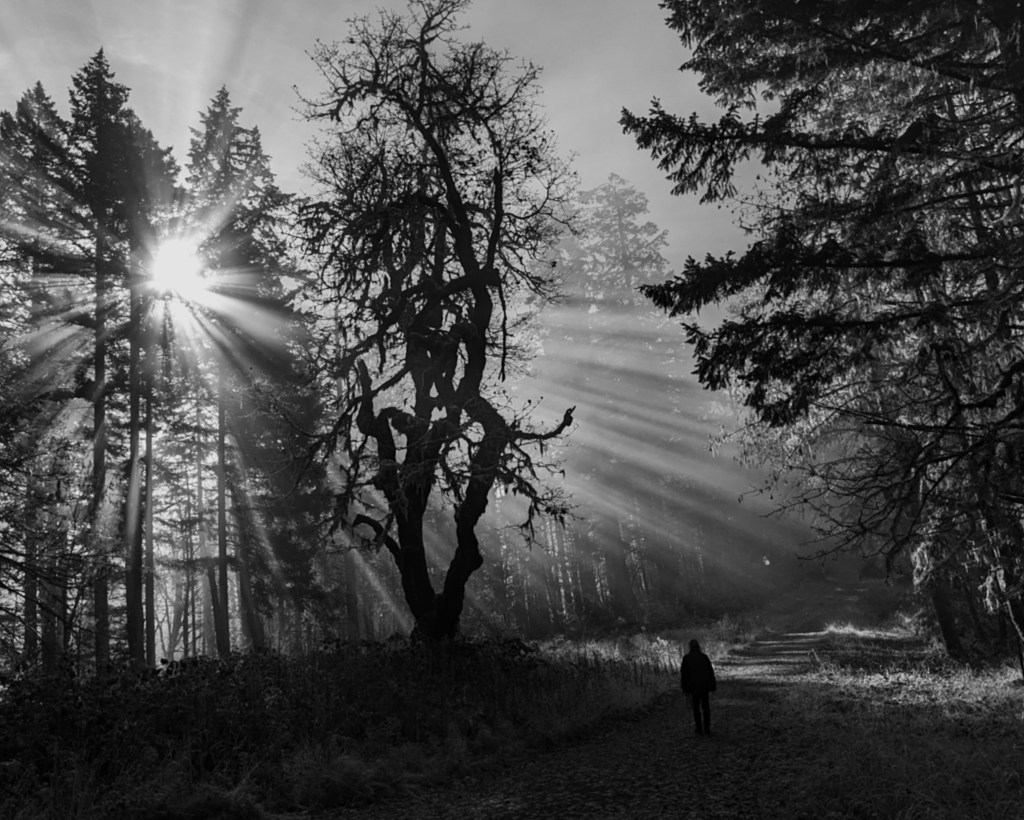
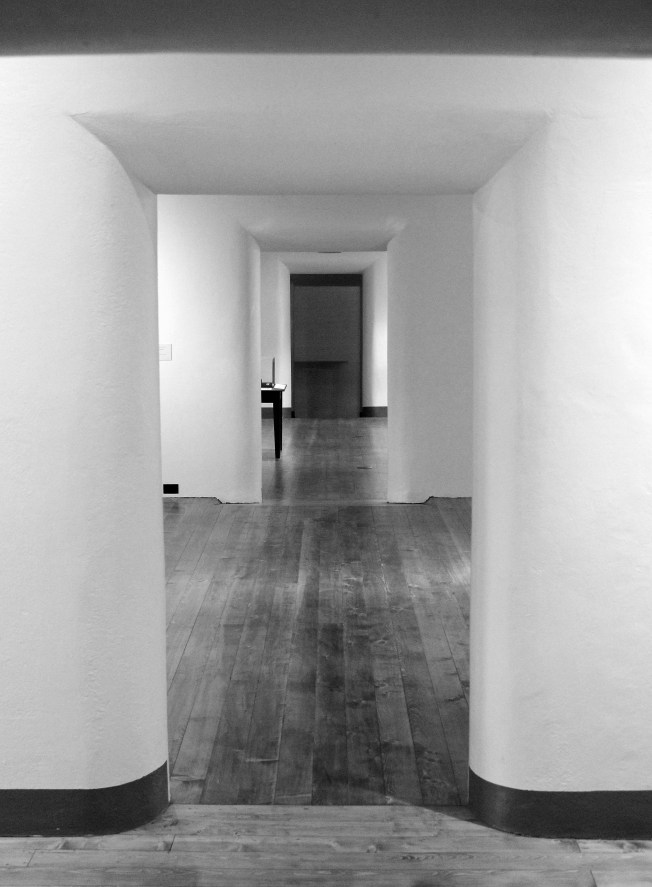
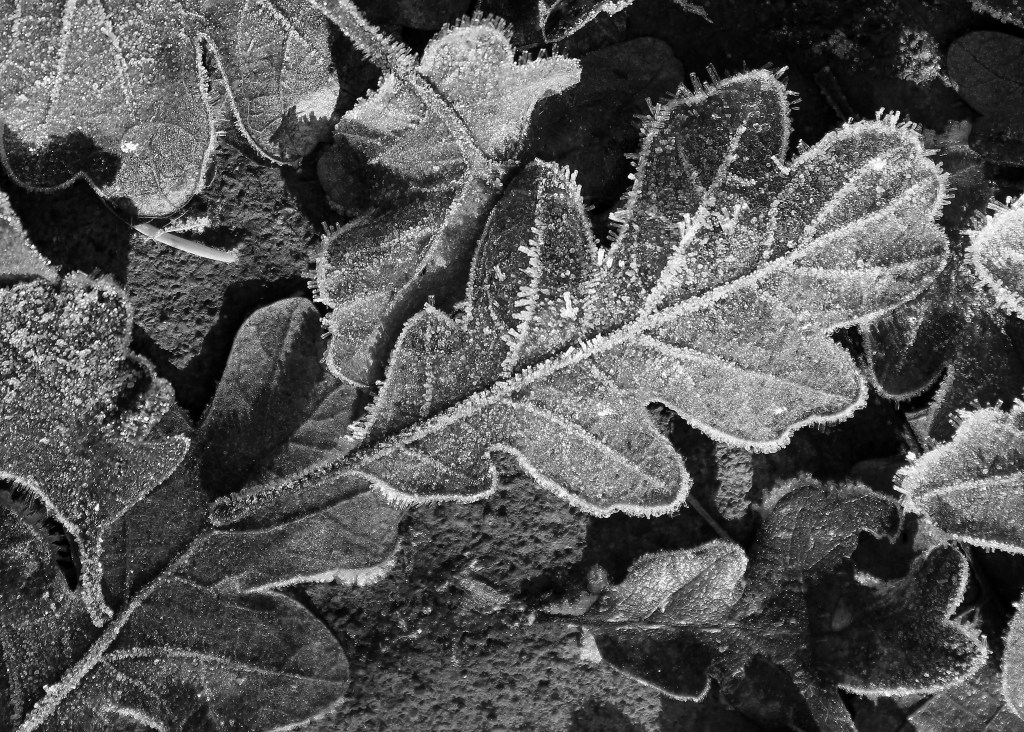
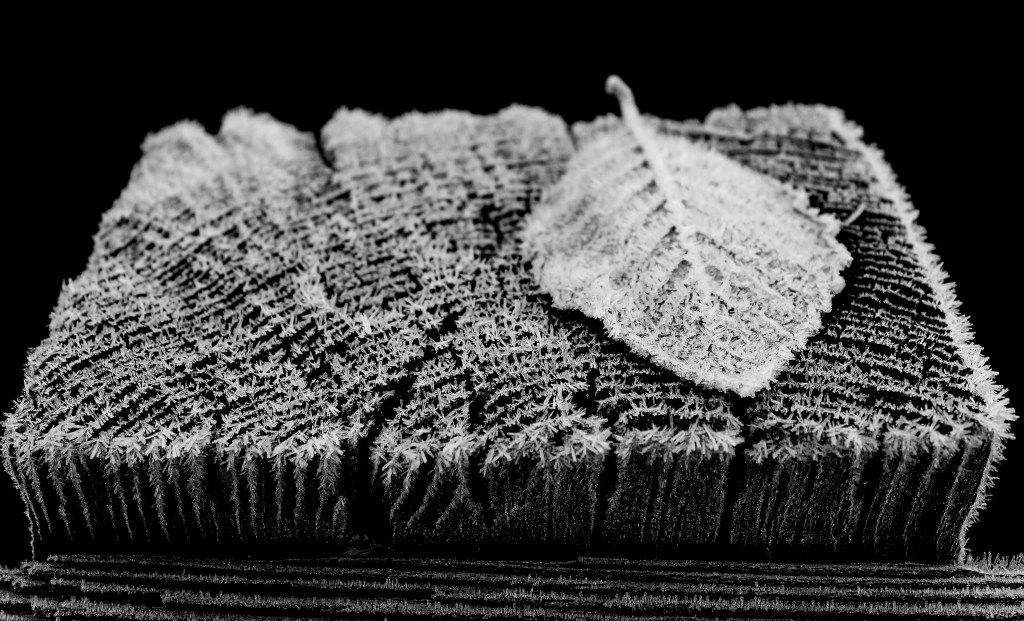
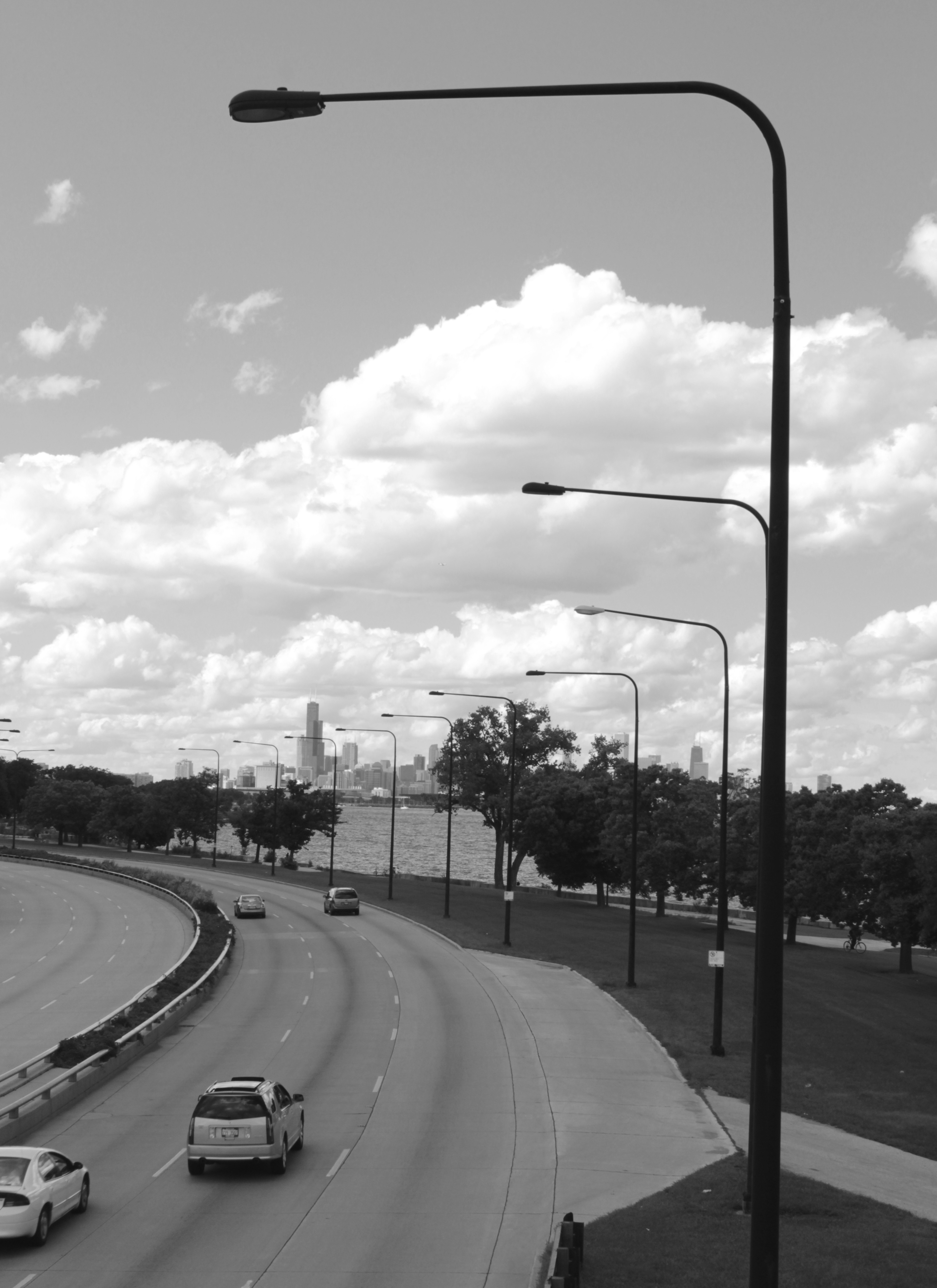
The lure of mystery is perhaps a fundamental part of being human. We yearn to know and understand and fill our large brains with certainty, and yet, we are enthralled by those things that are beyond our scope. We are forever asking questions and posing stories. When I think of how mystery is portrayed in images, I immediately think of black and white photography. There’s something iconic and photojournalistic about the feel of monochrome. And there’s a philosophical point in trying to capture reality in black and white while always including a million shades of gray. Cinematically, there’s the trick of using black & white film to depict a night time scene that was actually shot during the daytime. Is that moonlight? Or sunlight?

Alfred Hitchcock built his legendary fame by creating cinematic mystery. One technique he used was high angle shots in dramatically contrasting black & white.

Perhaps mystery is where curiosity and fear intersect. Do you really want to know what lies ahead?

When the scene is painted in shades of gray and the picture seems a bit hazy, almost anything is possible. What would you like to happen?