Category Archives: Photography
The Grandparent Project: Part Three
Today is the day after Grandpa George’s birthday. He’s been on my mind quite a bit as I do this Grandparent Project. He was the family photographer when I was growing up, and I used to beg him to get out the slide projector and put on a show. I always loved seeing pictures of myself, naturally, but I loved the stories that went with them, too.
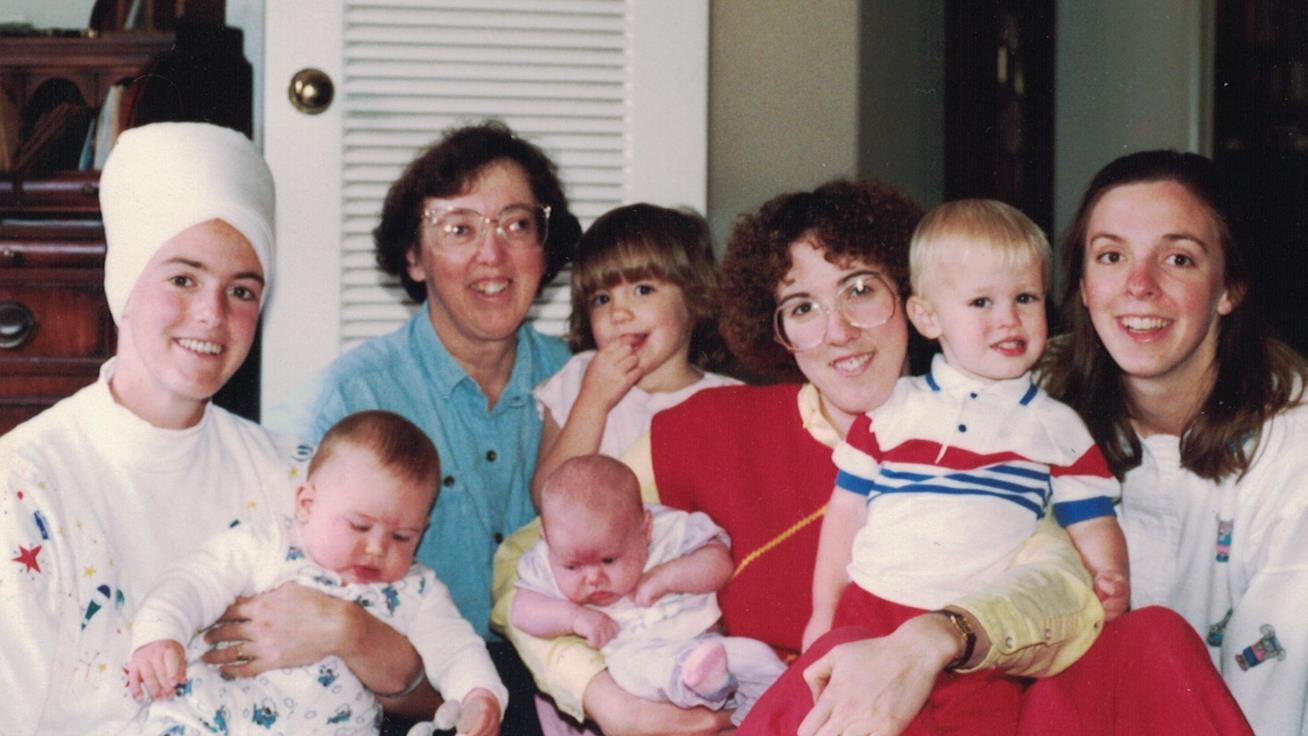
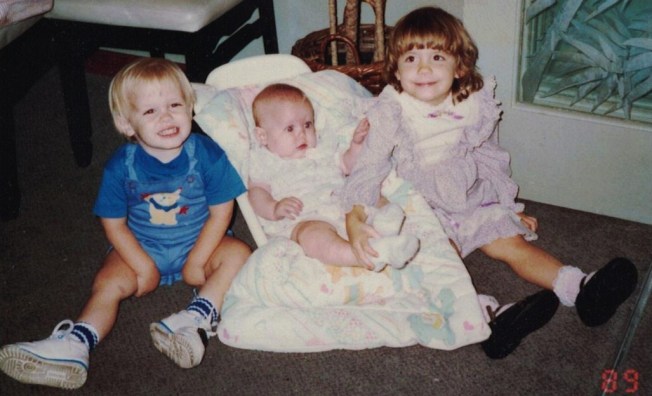
We are in the third installment of this family story, and I have introduced four of my parents’ seven grandchildren. In the summer of 1989, here’s what they looked like:
That’s Aunt Dharam, Cousin Guru Bakshish, my mom, baby Becca, Susan, Aunt Sarah, Josh and me. I’m guessing Uncle David took this picture. This was the first Cousins Day we celebrated. It became a tradition to get everyone together whenever the Galassos visited the Bay Area. Here are a few more of that visit that include Uncle David and Uncle John:
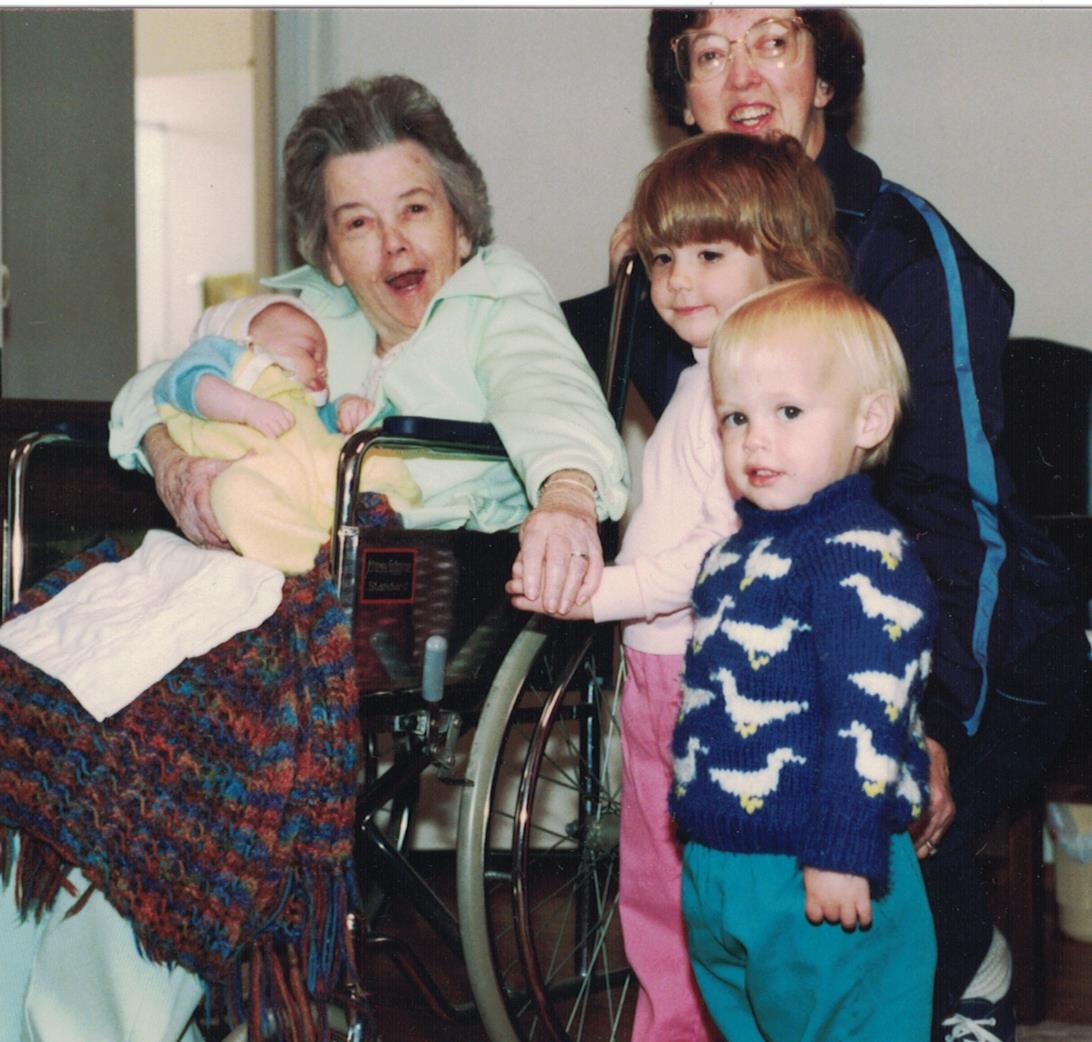
And this is, I believe, the only photo of Rebecca and Josh with their great-grandmother Marion:
My Grandma Marion turned 84 about a month after this was taken, and she died the next spring. (* this one of those places where family members can help by adding corrections, comments, other photos and details)
Rebecca’s baptism was on the weekend of my parents 34th wedding anniversary, September 3. Yes, she’s wearing the same baptismal gown that her sister and her mother wore.
We had a party at a Chinese restaurant that included Grandpa Mo & Wendy, GranMarni, Aunt Maggie, Godfather Michael and my dad’s childhood friend and best man, Jim Ajemian…as well as Uncle David, Aunt Sarah & Uncle John, and a few others.
These photos were taken by Aunt Maggie. My camera is in one of the pictures, but I don’t seem to have any pictures of the whole company. (* help?)
In the summer of 1990, we visited Los Gatos again and had another opportunity for a Cousins Day and some outdoor fun.
* my husband is absent in these photos, which caused me to remember that I took an Amtrak train from LA to San Jose with these 3 kids, thinking that it would be more entertaining for my active toddler to be able to walk the aisles of the train than to be confined to an airplane seat. What I didn’t figure accurately was that I was trading 10 hours of this “entertainment” for 1 hour of that “discomfort”. I was pretty exhausted by the end of it.
And at the beginning of 1991, I looked like this.
Which means that the story of Grandbaby #5 is next!
Weekly Photo Challenge: Delta
Δ Delta
“This week, share a photograph that signifies transitions and change to you… Explore the ways in which a single photograph can express time, while only showing us a small portion of any given moment.”
Time and change symbolized in a static, 2-dimensional image — not an easy trick. However, all around us there are clues to the way that Nature has changed things over time. How about:
1) The resting place of the bleached pelvic bone of an elk who once wandered this tall grass prairie in South Dakota
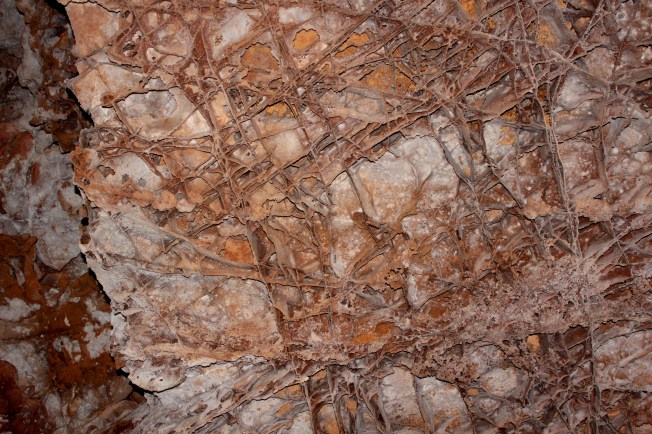
2) The abstract art of calcite deposits left in a cave long after limestone has dissolved 
3) The fossilized bones of dinosaurs that roamed the Earth some 150 million years ago, exhibited for present day tourists to see and touch

4) These stately forms of sandstone, layered and eroded over time

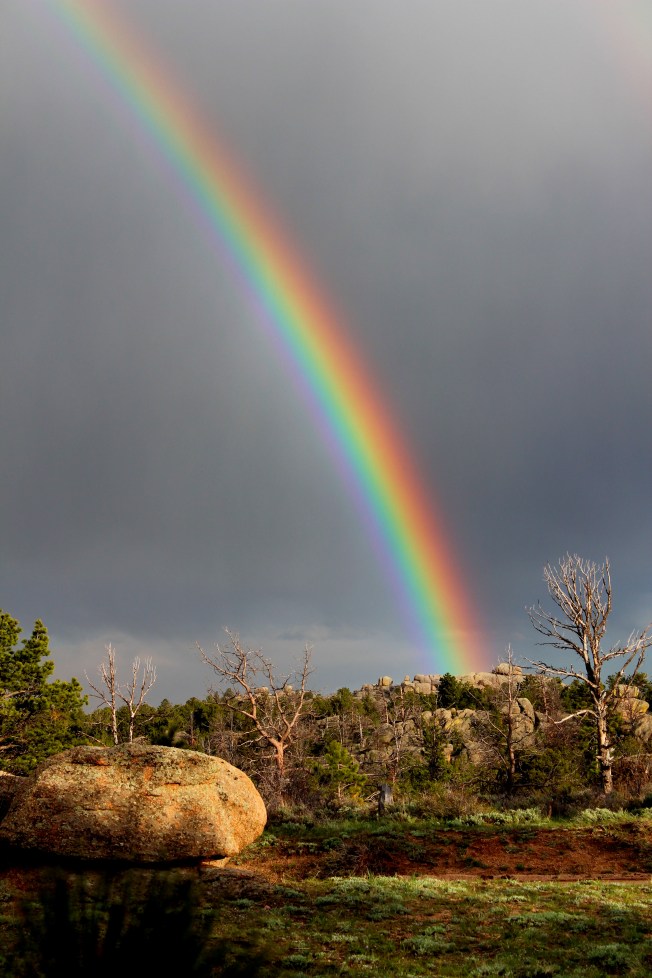
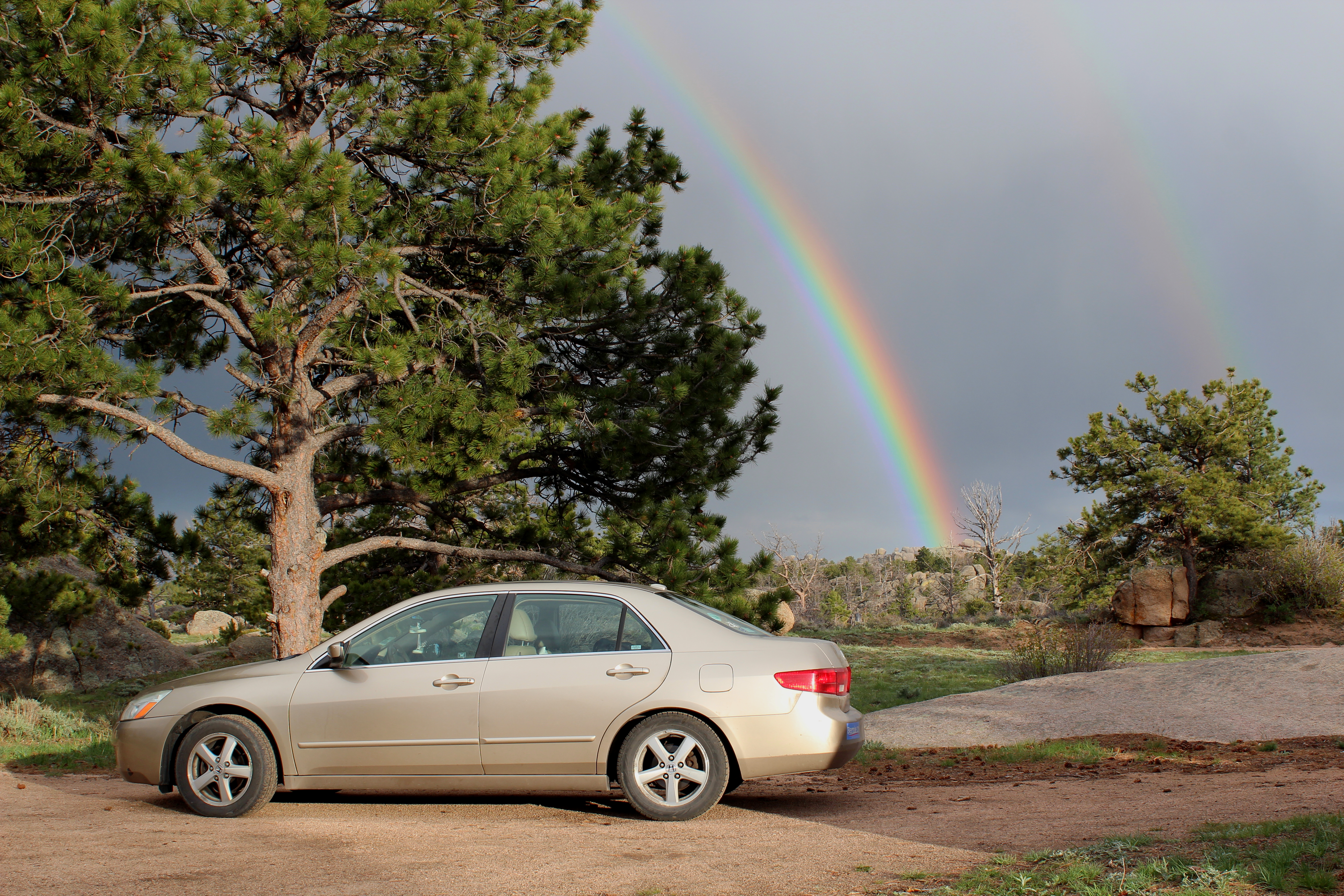
5) The moment in time when light, air, water and Earth meet in a colorful conjunction, only to disappear in the next movement of the elements
Of these five examples, which one speaks to you of the joy in change and movement?
An American Adventure: Part Fifteen
Medicine Bow National Forest
Where to now?
With Memorial Day over and the commitment to be back at the office in one week, we faced a point of decision. Steve felt that we had missed the chance to go deeply into a single Place and was willing to drive straight home to Wisconsin. I wanted to see some sights along the way and avoid spending a night napping in the passenger seat or in a truck stop. We reached a compromise and decided to head toward the Black Hills for a few more days of exploring.
Heading northeast from Vernal, Utah on Highway 191, we found ourselves traveling the Flaming Gorge Scenic Byway. Two state parks are along this road, and then the Ashley National Forest and Flaming Gorge National Recreation Area. Where the land isn’t protected, mining operations have stripped off the top of the mountains. The sight of those huge scars made me shake. Along the way, we realized we were on the “Drive Through the Ages Geological Tour”. This section of road traverses the Morrison Formation. Roadside signs name the various geological features and approximate their age. It was like having a review of the Geology 101 talk we heard at Dinosaur National Monument by going down the symmetrically opposite side of that bell curve.
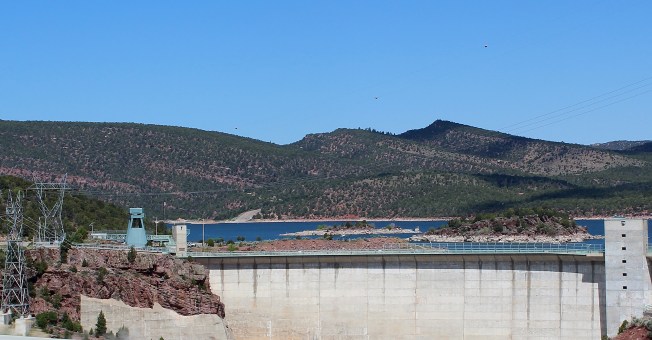
The Flaming Gorge Recreational Area was created by damming up the Green River that flowed by our campsite the previous night. I have so many questions about how this man-made alteration affects the land, why it was proposed and built, who benefits and who loses. I have questions about others in the west as well: Glen Canyon dam, Hoover dam, and the rest along the Colorado River. Coming over the top of the Uinta Mountains, all I could say when I saw these structures through my cracked windshield was, “Dam!”
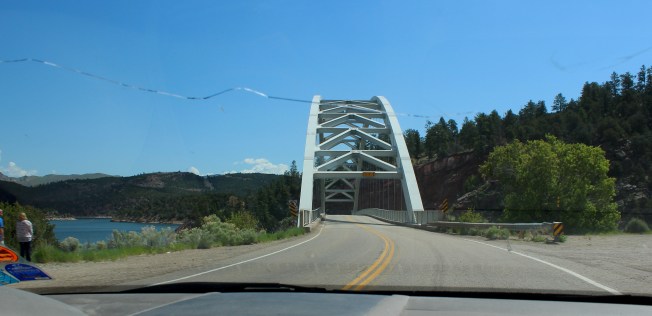
We headed on to Interstate 80 going east through Wyoming and crossed the Continental Divide again…twice. At this lower elevation, it splits into two lines on the road map, and it seems there is a dry basin area in the middle. In eastern Wyoming, we camped in Medicine Bow National Forest for the night. It was quite close to the Interstate, convenient but noisy. Rain was falling as we pitched the tent. I scrambled inside, but emerged shortly because I had forgotten something in the car. I’m so glad I did not miss this sight!
At the end of the day, no matter what humans have done, built or destroyed, there is still Air, Water, Sun and Earth. I am glad. And I am humbled.
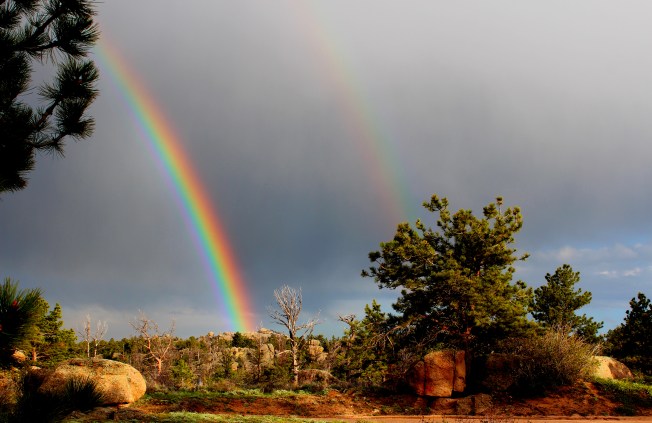
This is the Medicine Bow.
Weekly Photo Challenge: Transient
The Wilderness Act of 1964 protects designated wilderness and defines it as “an area where the earth and its community of life are untrammeled by man, where man himself is a visitor who does not remain”.
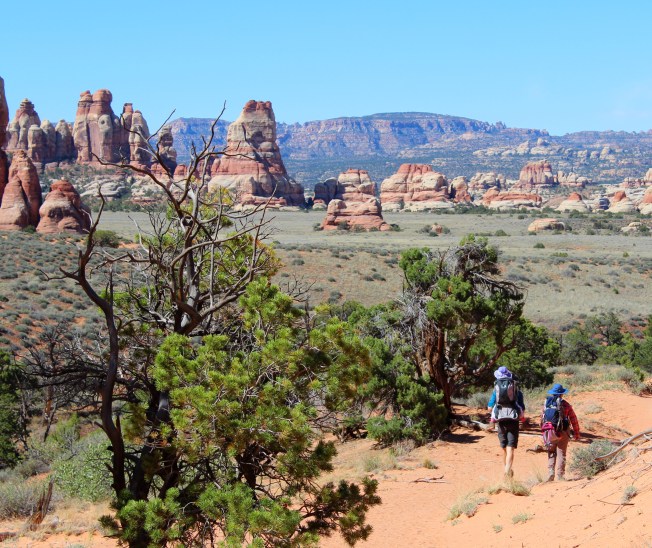
Hikers passing through in Canyonlands National Park, Utah, leave no trace…
Ancient desert communities left the pueblos centuries ago…
And my tent is pitched on this Earth for just a short while.
An American Adventure: Part Eleven
The Needles
We left our mountain camp very early and made breakfast at a picnic table beside the Visitor Center. The early morning light was gorgeous, and it was still quite cool. I was eager to get started!
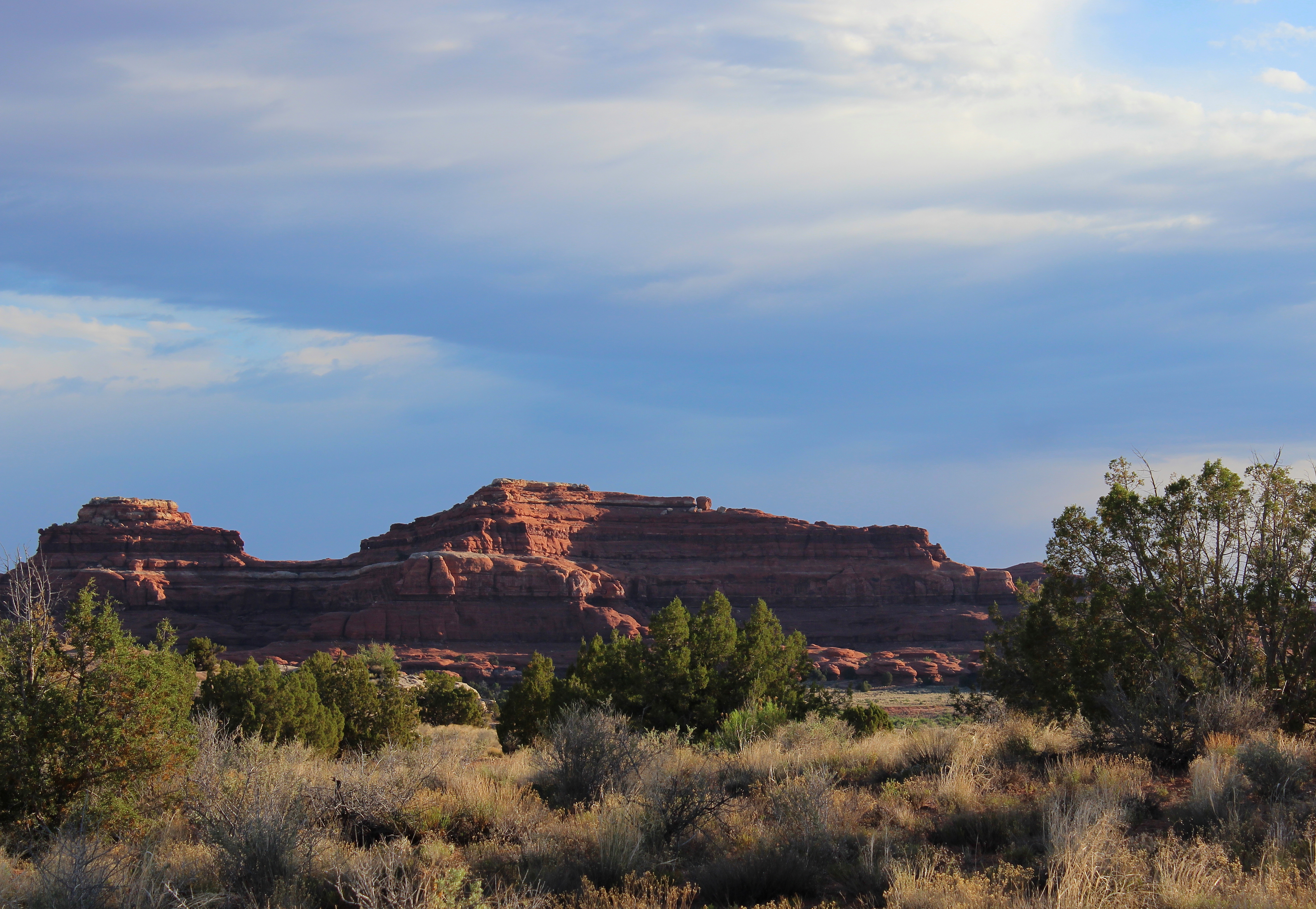
We drove to the trailhead on a dirt road of switchbacks and wondered how more than one car could be accommodated on such a narrow thoroughfare. The parking lot was occupied by several vehicles, and hikers were checking their gear and getting started. After clamoring up the initial ascent on the trail, though, we slowed to allow others to pass and to feel the expanse of the place and let its still beauty sink in. I took a big breath and felt the tears sting in my eyes. The clouds were opening up, the sun was rising through them, the quiet sentinels invited us to enter holy ground. I felt welcomed and embraced and deeply happy.
I thought of my first trip out West when I was ten years old. My father was fond of exclaiming throughout our journey, “Look! Geology sticking out all over!” I had seen the exhibit at the Visitor Center explaining how all this was formed, but it did not compare to the feeling of being in this living landscape. I began to feel the sentience of the rocks, the sage, and the open spaces. How can I share that? I fear that photos don’t even give you a hint. But perhaps they do. (click on the first to view a slide show of larger images)
As we topped the pass into the Chesler Park area, a small family of hikers passed us. The father was carrying his daughter in a backpack…and she looked to be about 6 years old. I was impressed! I was gratified to see more families hiking together as we made our way back to the car, couples with babies in packs and even a pregnant Mom trailing a very quizzical boy and his Dad at enough distance to give her a break (as she explained)! A hiker with service dog carrying fitted water packs also passed us. Closer to the parking lot, a troupe of costumed folk began the steep ascent. I was amazed to see a hiker in top hat and butterfly wings coming up the trail toward me. (So amazed that I didn’t get a good photo.)
When we reached the car lot, it was full. Overfull. Cars lined the narrow roadway back to the last switchback. It was just past noon on the Saturday of Memorial Day weekend. Which made us think about park usage. Who visits the National Parks? What motivates them to come out? How do they relate to this place? Now that I’m back in Wisconsin, I’m eager to hear Terry Tempest Williams lecture at the Madison Public Library on July 7 on her book The Hour of Land: A Personal Topography of America’s National Parks. I trust that she will share some answers.
Weekly Photo Challenge: Focus
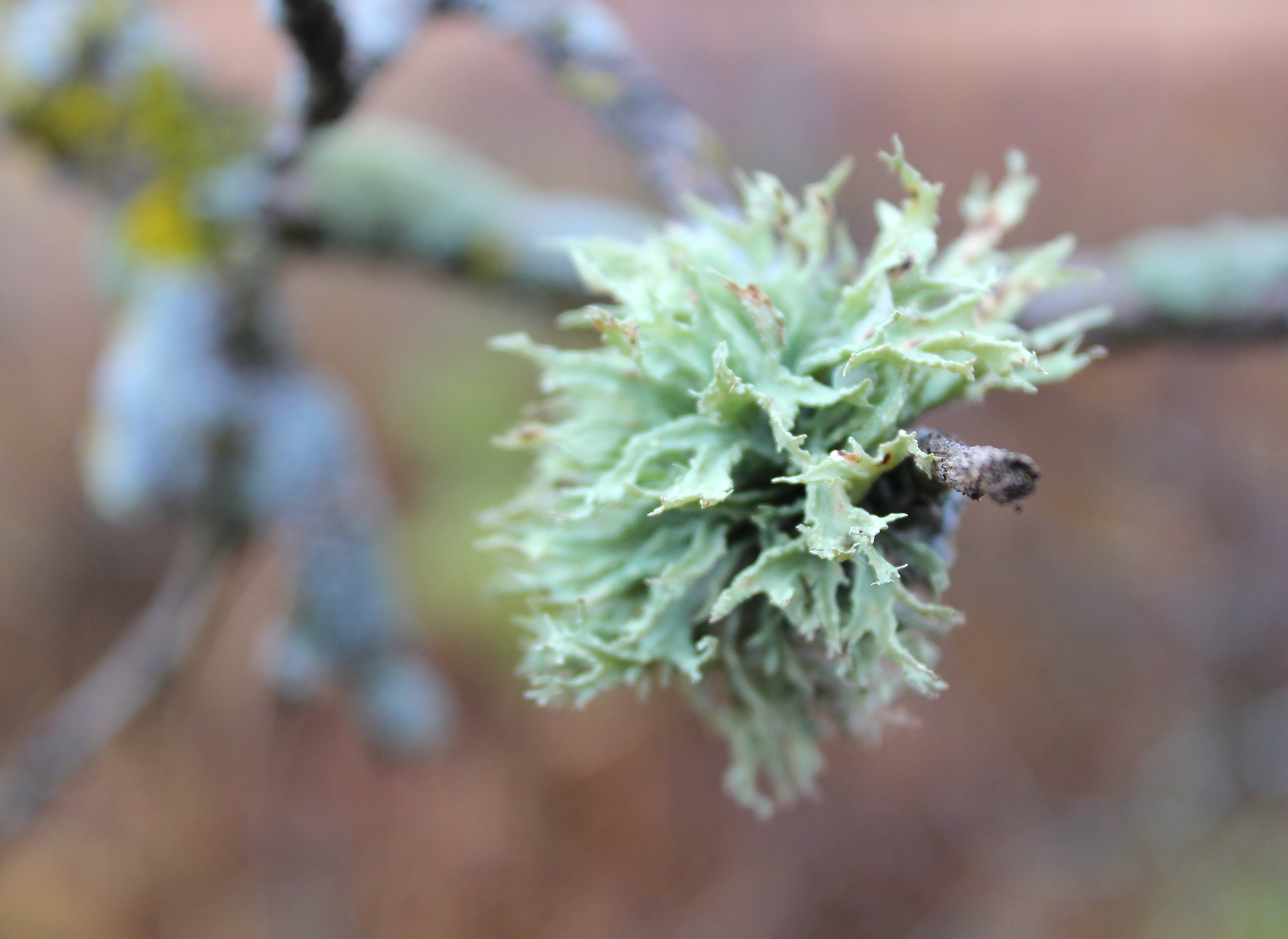
I couldn’t tell you exactly how I got this quality of focus, but these are some of my favorites.
An American Adventure: Part Six
Canyons of the Ancients
Initially, when I proposed this trip to Steve, I said I wanted to see “Canyonlands”. I had just finished reading another Ed Abbey novel, The Fool’s Progress, after having submerged myself in Desert Solitaire late last summer. What I began to realize as our journey went on is that the American West is full of canyons of many descriptions. The rock type, the elevation, the water speed and volume – lots of things effect how a canyon is formed and what kind of environment is created around it.
Our campsite in the Black Canyon was visited by mule deer (just as we were setting about making dinner – obviously they were not shy!) foraging for vegetation and shaded by pinyon pines and serviceberry bushes at an elevation of about 9,000 feet. Our next campsite was on B.L.M. (Bureau of Land Management) land near Canyons of the Ancients National Monument, one canyon west of Sand Canyon. We were on a rock outcropping surrounded by juniper and yucca at an elevation of about 6,500 feet.
Oh, but before we got down to that level, we drove through Telluride. For those of you who haven’t heard of it, it’s a swanky ski resort town. The storm the week before had left the mountaintops covered in white, while the spring green aspen leaves were bright in the sunlight. It was a truly spectacular drive!
Descending to drier, warmer temperatures near the Four Corners region brought a dramatic change in the landscape. Steve started getting really excited; this is the country of his heart – the high desert of the Colorado Plateau. He became enamored of this place more than 25 years ago while volunteering on archaeology projects. He seems to thrive in the heat, both physically and emotionally.
We scouted through BLM roads and discovered a campsite on the rim of this little canyon.
This is public land. There is no fee for camping here. Cattle were grazing in the area, but this side of the dirt road didn’t have much grass. There were some trails for ATVs and dirt bikes in the area, too, but not near the rim. It was Monday, so weekend recreation was over; we saw only three vehicles in three days. There’s no running water and no latrine, but someone had already made a fire circle and there was plenty of juniper and Gambel oak to gather for firewood. This is just what we look for in dispersed camping.