Category Archives: conservation
Weekly Photo Challenge: Green is Easy on My Eyes
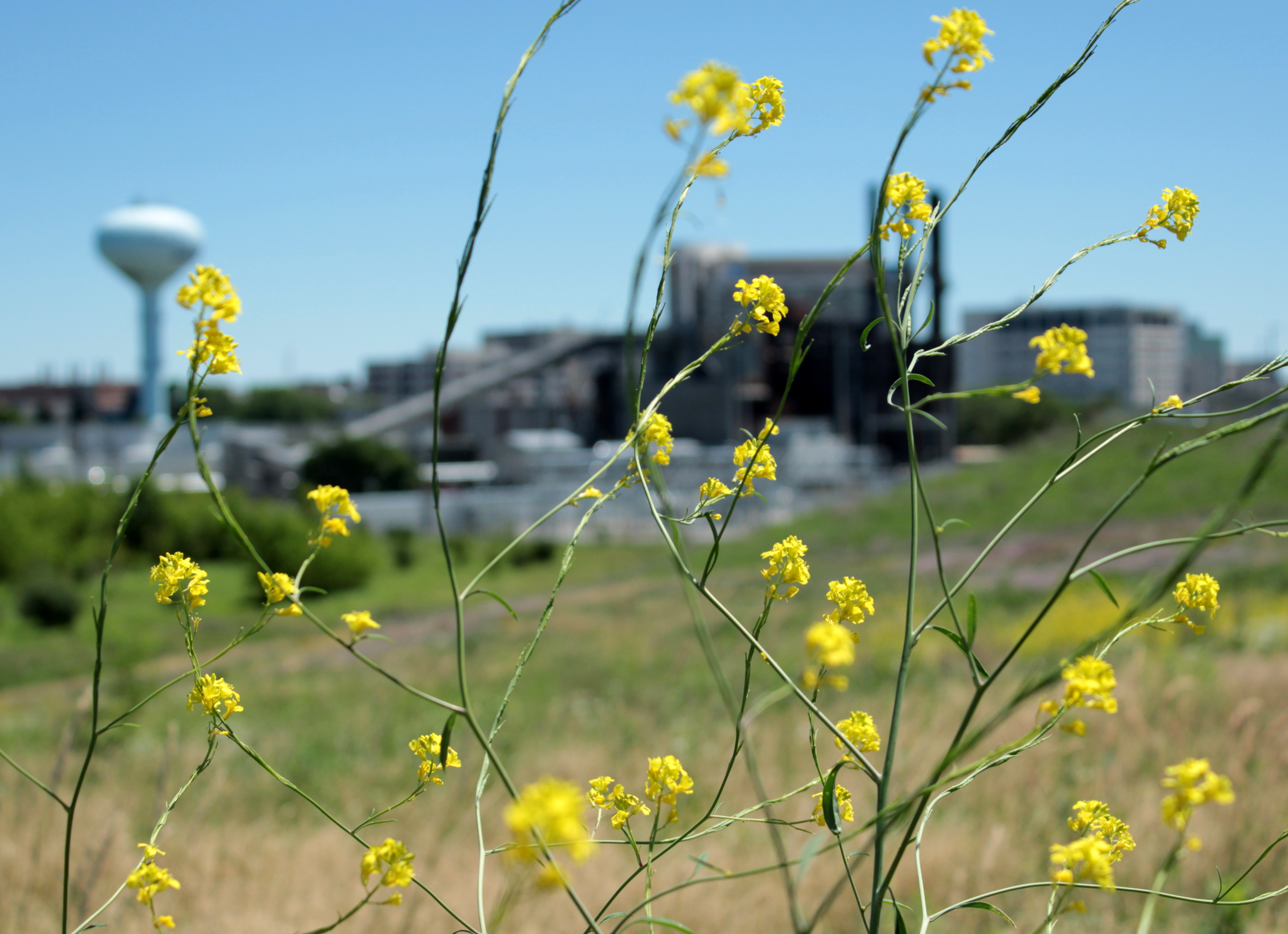
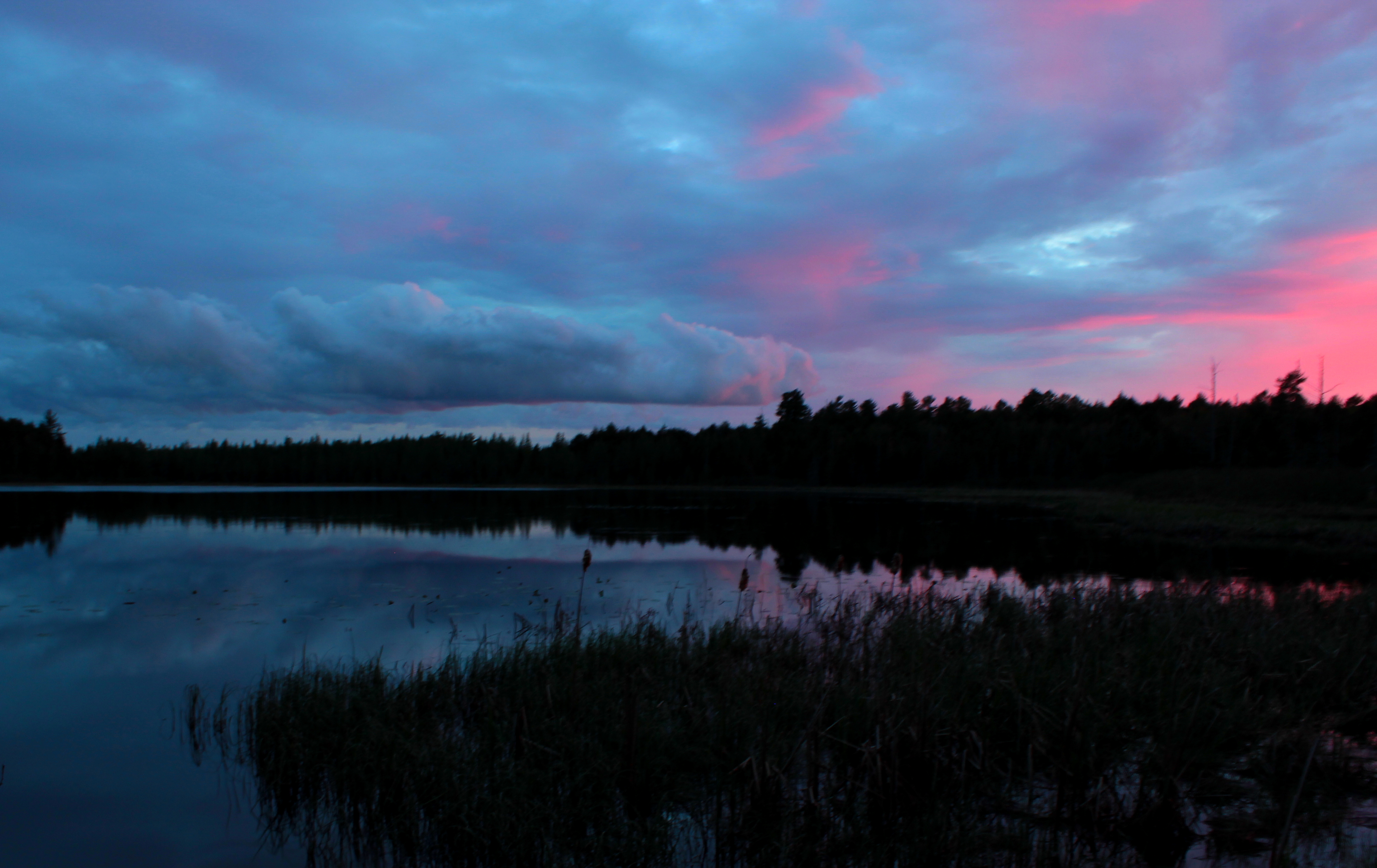
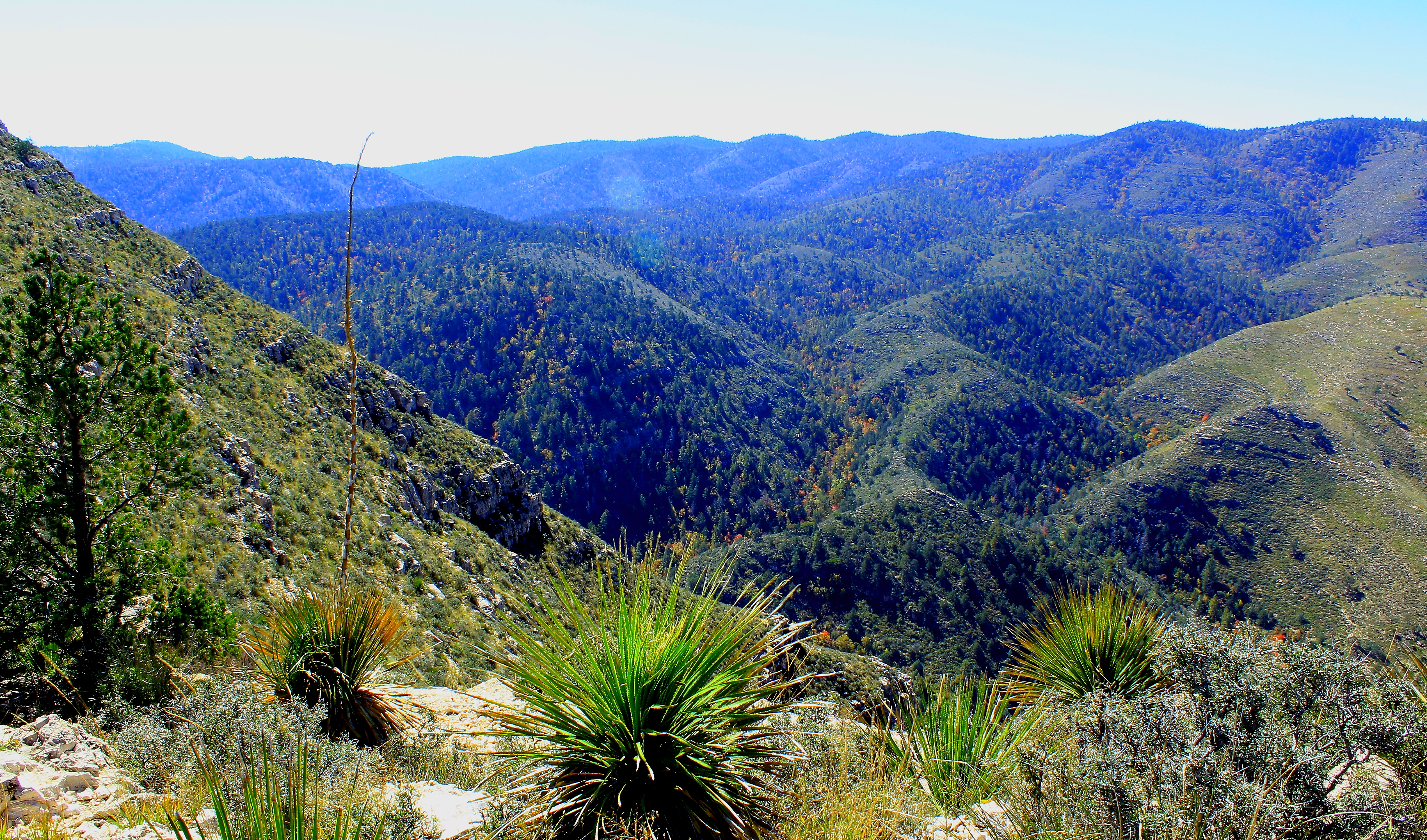
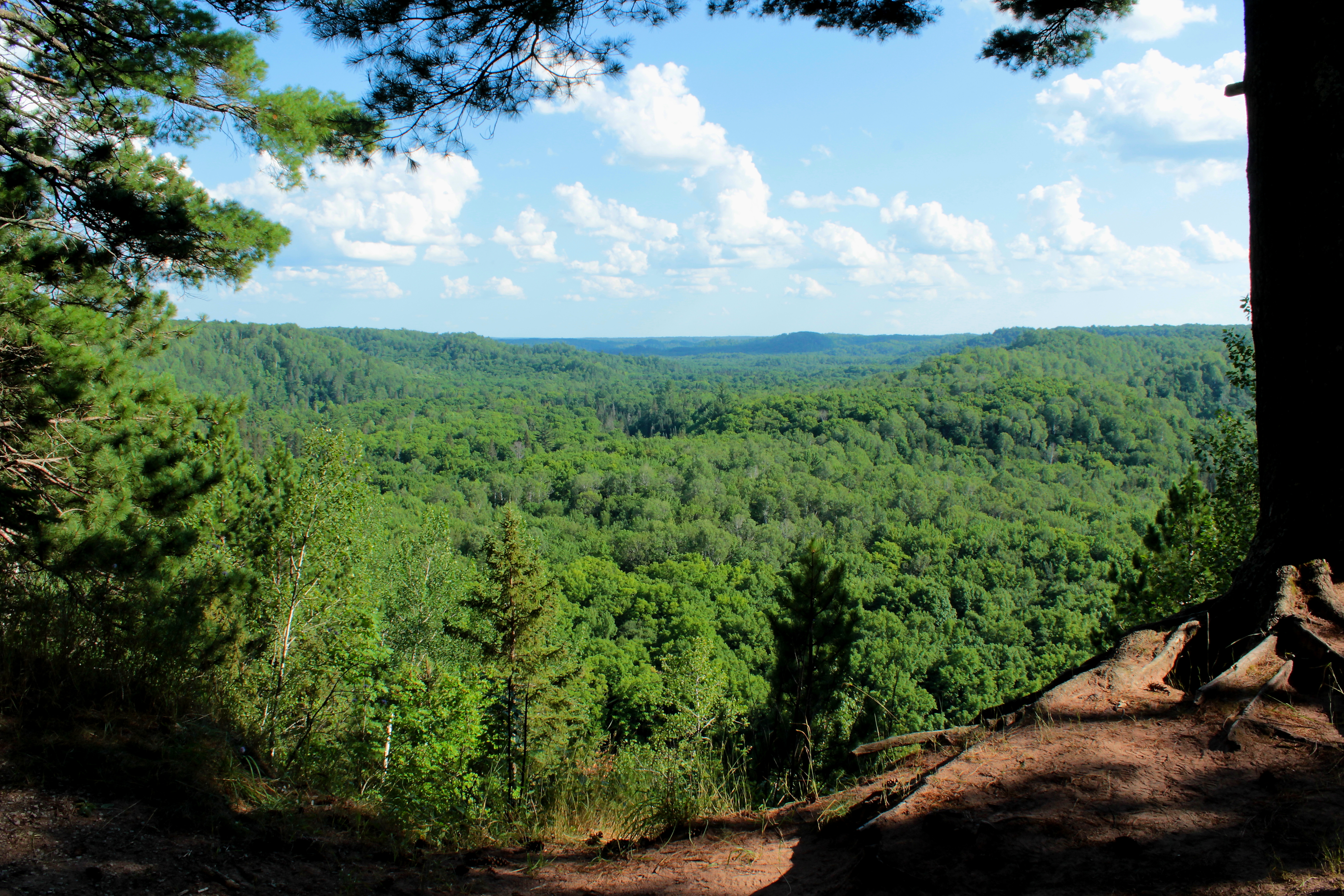
I work for a Conservation Foundation. We try very hard to be green! Protecting watersheds and wildlife habitat while preventing the development of natural lands into human-dominated environments is a labor of passion and commitment for me. Green is not just my favorite color and the highlight in my eyes, it is my preferred world view! Here’s my green gallery:
It IS Easy Being Green!
Weekly Photo Challenge: Local
What a coincidence! Here I am packing up my home and home business and getting ready to move to the place where I have a part-time job with a Conservation Foundation. Why? So that I can live locally with the land that I’m working to conserve. And this week’s word is LOCAL.
Living where you work, working where you live, eating what grows on the land where you live, using your energy to shape your life — not extravagantly, not wastefully, but sustainably — is important to me. I think it makes good, common sense. So, here’s a gallery of my office, my new home, and the surrounding area that’s in the land trust.
Local
Weekly Photo Challenge: Water, Water, Everywhere
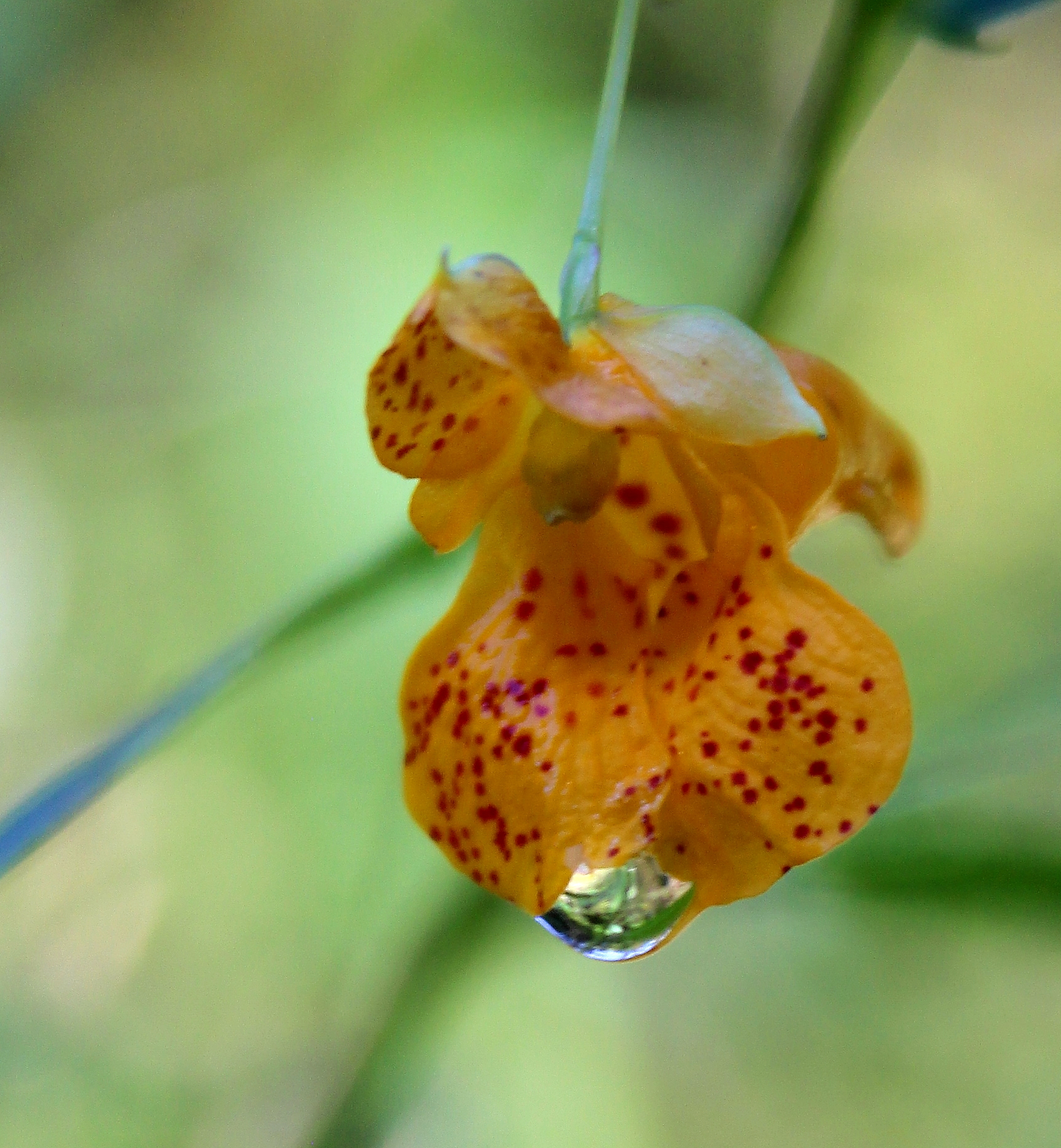
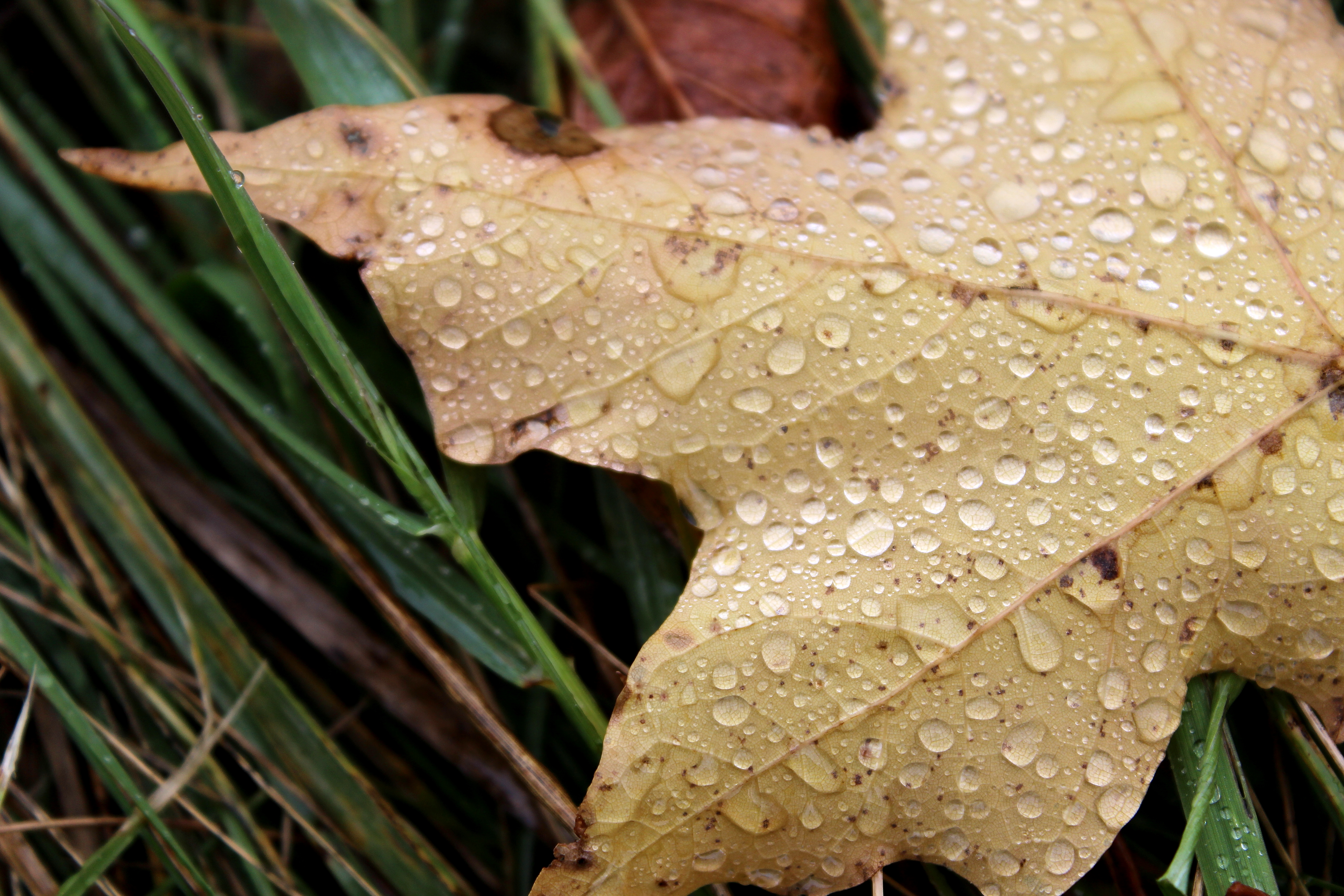
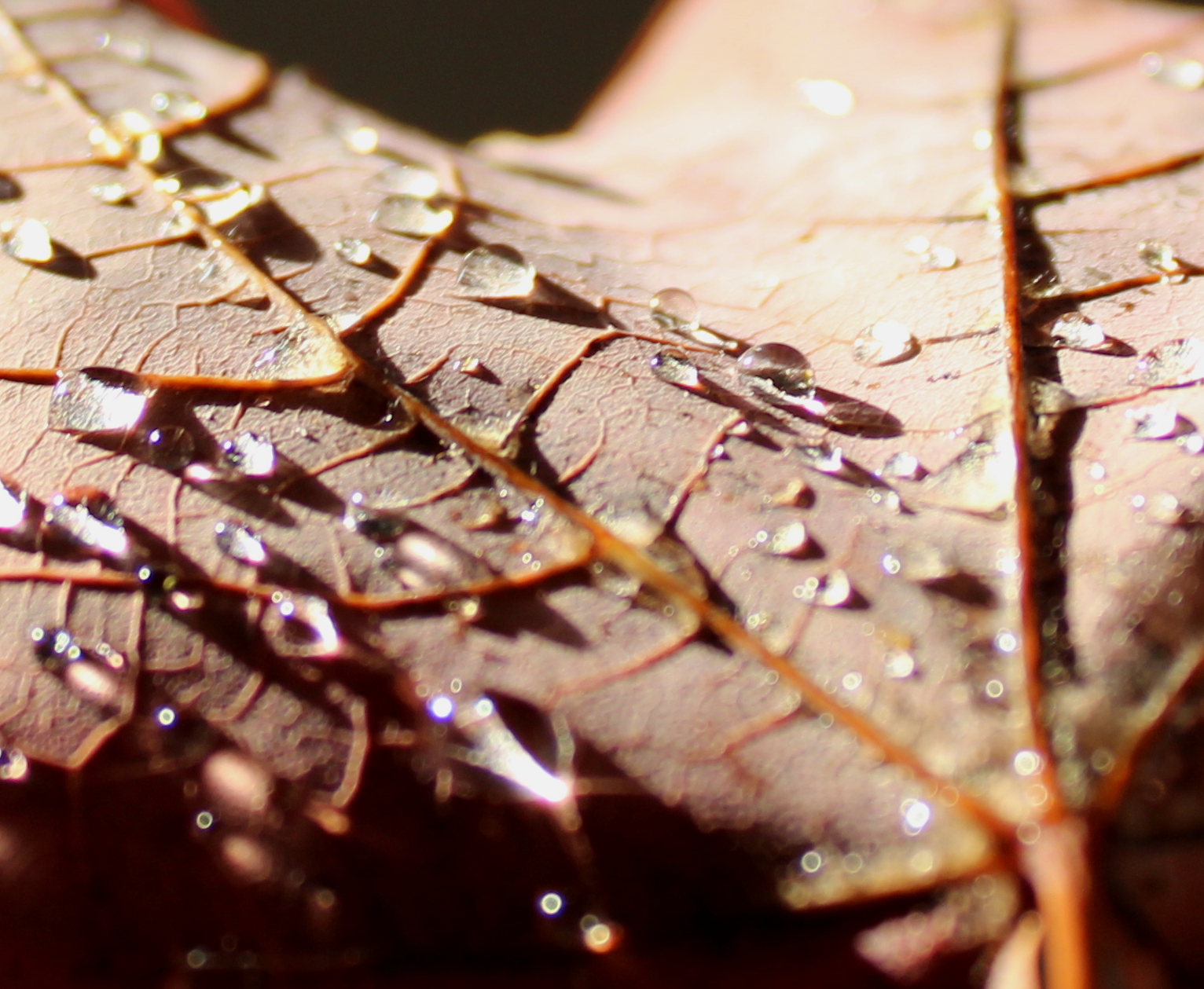
“Death Valley is all about water.” So we were told by Jay Snow, the National Park Service ranger, an Okie character with an over-the-top presentation. It’s the lowest point in the country, parts of it falling below sea-level. It would make sense that gravity would bring a lot of water to that place. And it does. It’s just below the surface of the salt flat. Fascinating! Water does not behave in ways we often assume it will. It remains mysterious, a shape-shifter. It goes from warm color droplets…
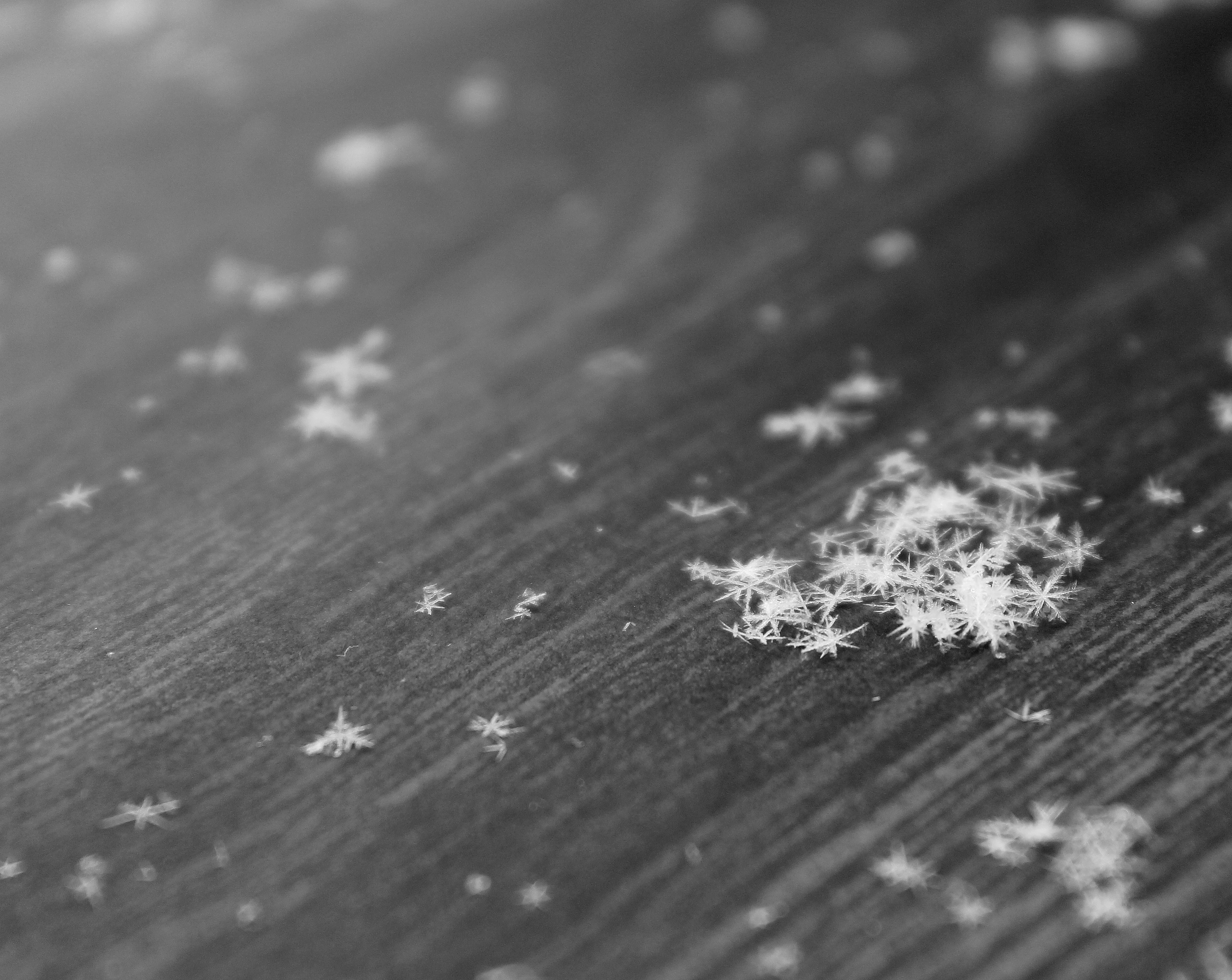
…to sharp-angled crystals…
…it will eventually dissolve and transform even rock, paper, or scissors.
Water is life, practically the very definition of it. What would we “dew” without it?
It may threaten to destroy us; at the same time, we can’t live without it.
For all of these reasons, H2O commands awe, wonder, reverence. We ought to treat it with a great deal of respect and not tamper with it in its natural state unadvisedly or lightly.
Weekly Photo Challenge: Precious Few
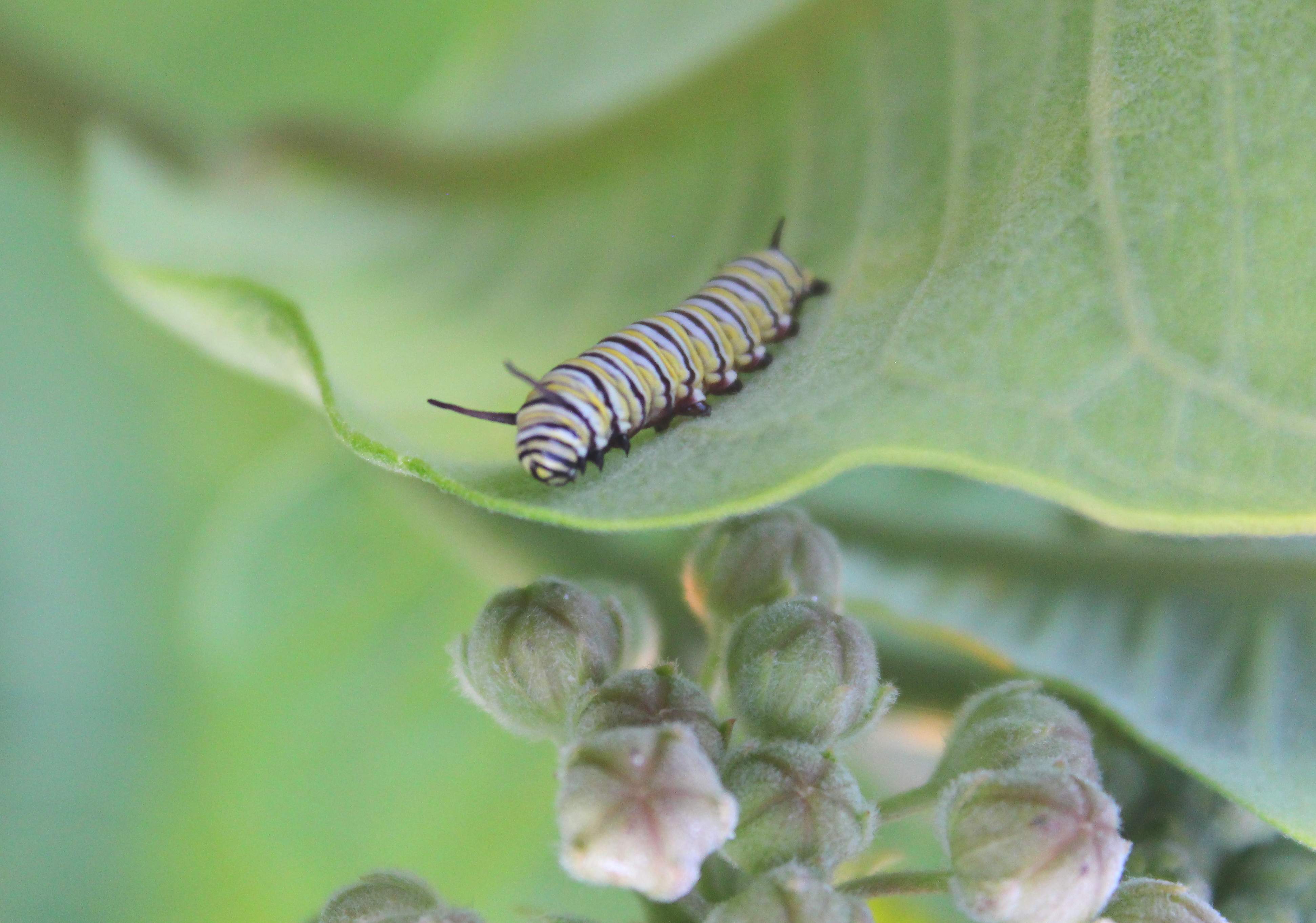
“After a ten-fold drop in the population of the eastern monarch butterfly population over the last decade, a 2016 study predicted an 11%–57% probability that this population will go quasi-extinct over the next 20 years.” Wikipedia
Monarch butterflies used to be so plentiful. I would see them as a child living in the Midwest and study the way they emerge from their chrysalis in school. The Fall breeze was always full of milkweed seeds floating by. Their habitat was ubiquitous – all that open field land hosted several species of milkweed, the Butterfly Plant. When we moved to California where I went to High School, I would see Monarchs by the thousands at Natural Bridges State Beach in Santa Cruz hanging in great clusters on the eucalyptus trees. Then I moved back to the Midwest and noticed how quickly all that open field land, the prairies, was being developed into shopping malls, parking lots and subdivisions. Here in Milwaukee, we had a Monarch Trail on the County Grounds where there was about 350 acres of open land. Then the city decided to put in a “research park” – meaning technical buildings and apartments – and reduced the Monarch habitat to 11 acres adjacent to the interstate that’s been under construction for 2 years…so far. Once a common insect, the Monarch Butterfly is becoming increasingly rare on the landscape. The life of this wonder includes the amazing feat of migration, which is also being threatened by climate change.
The age of Kings is just about over, as the modern world encroaches more and more on his kingdom. I found this one at George W. Mead State Wildlife Area during the weekend of Independence Day.
I wish you a long life and numerous progeny, Little Prince.
Weekly Photo Challenge: Dangerous Curves
The environmentalist in me immediately thought of the graph of carbon emissions from “An Inconvenient Truth” with Al Gore up on a scaffolding trying to get across the frightening point of our increasing threat to our planet. But I don’t have a photo of that. I do have symbols of how man-made things are eclipsing the natural. I have playground curves with a very small moon…
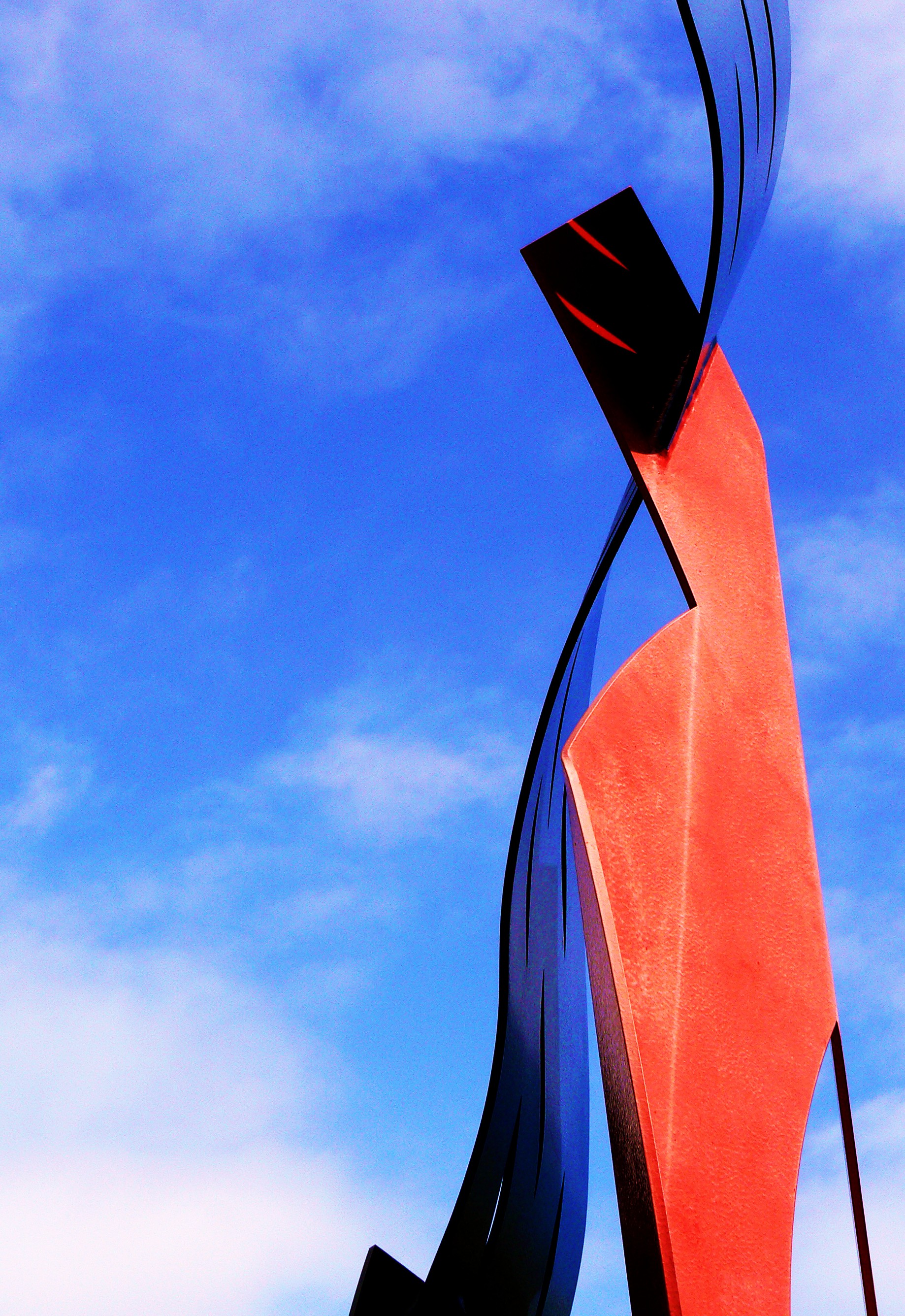
and outdoor art thrown up against the sky…
and wheels, which have dominated the environment for about a thousand years now.
Finally, I have a symbol of Natural grace, curvy and sharp and wild. A yucca plant.
I think the most dangerous curves are the ones we humans impose.
All That Matters
(this is a featured article in this month’s issue of The Be Zine. Click here to see the whole thing.)
Once upon a time, there were a bunch of Big Brains who decided that living things (which they rarely called ‘living beings’) needed to be neatly organized. Grouping things together based on similarity was important to them for some reason. So they made up categories and named them Kingdom, Phylum, Class, Order, Family, Genus, Species, in succession from broad to specific. Then they had to remember these categories, so they memorized “Kindly Professors Cannot Often Fail Good Students” – apropos of nothing much. (Personally, I think “Kindly People Courageously Offer Fauna/Flora General Sympathy” might make better sense.)
Meanwhile, some other Big Brains decided that everything in the Universe was made by one Creator and that He gave humans dominion over all the other animal species on Earth and gave every plant for human use. That made them feel they were Most Important among the creatures on the planet. They felt very comfortable with that and valued themselves, and those that looked and acted most like them, very highly.
As for those creatures who were terribly different from them, well, they were kind of “icky”.
Well, these Big Brains were very clever. They prospered and multiplied (and divided and conjugated and came up with quantum physics). They learned how to make a Big Impact on the Earth, making things they liked out of the raw materials Earth had. And every year, there were more of them. They liked to be comfortable, so they tried to eliminate things that bothered them. Like locusts.
And dandelions. 
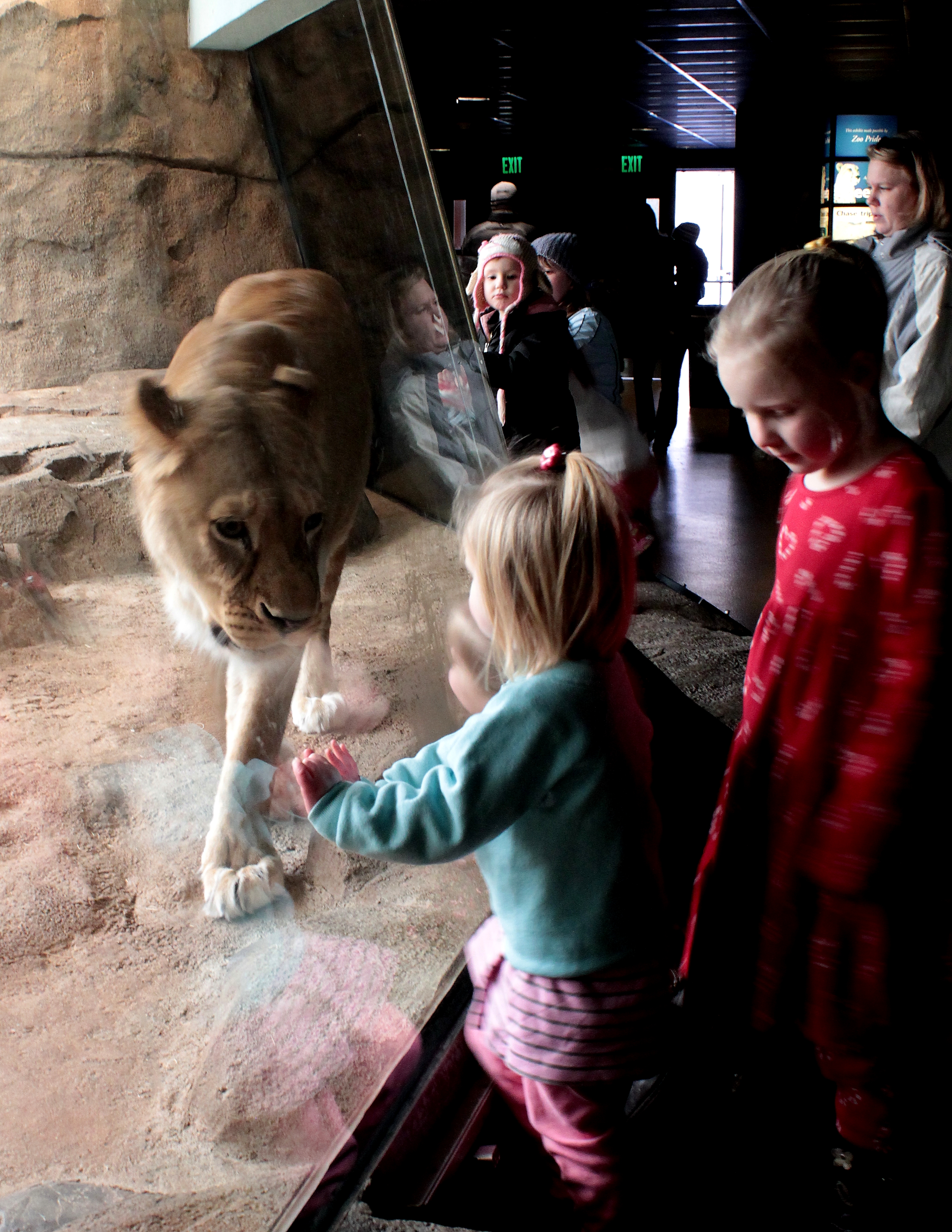
They liked to be powerful, so they claimed victories over other living things that had power. Like lions.
And giant sequoias.
Gradually, they noticed that some of the other living things (or Living Beings) were disappearing completely.
Some people thought that was a shame, especially if the thing was useful or furry or had a face.
Others noticed that when one type of thing was gone, things began to change for the rest as well.
A few Big Brains began to ask some really Tough Questions about why things on the Earth were changing so quickly and whether the Big Impact of humans had anything to do with it.
I can’t tell you the ending of this story. Perhaps the Big Brains will disappear like so many other Living Beings did,
and Earth will go on without them.
Perhaps the Big Brains will become less numerous, less dominant, and Earth will go on with them.
Perhaps something altogether different will happen. It doesn’t really matter how I tell the story.
What does matter?
Well, here on Earth, ‘matter’ can also mean every Living Being
and every non-Living Thing.
What we Big Brains decide to do with all matter will matter and will help tell the end of the story. 
© 2016, essay and all photographs by Priscilla Galasso, All rights reserved
Diversity and Car(ry)ing Capacity — Spiritual Lessons from Nature #3
This essay is my contribution to the monthly ‘Be Zine’, found here. Check out the other contributions by my colleagues!
According to Wikipedia, the term “biodiversity” came into popular usage in 1985 as the 1986 National Forum on Biological Diversity was being planned. A decade earlier in scientific studies, the term “natural diversity” was the expression used to describe the variety of different types of life found on earth, and “species diversity”, “species richness”, and “natural heritage” are even older terms. The same Wikipedia article goes on to describe how biodiversity benefits humanity. This is where I want to jump off the Wiki-wagon. I have a diminishing tolerance for anthropocentric thinking. Diversity isn’t important because it’s good for us. Diversity is important because it IS.
Where diversity exists, you know the carrying capacity of the environment is at a high level. This means that there are enough resources to support a large community of biota. There is abundance and health….for everything. There are food sources, water sources, shelters, places to meet others of your species, safe habitats in which to reproduce and raise young, and plenty of predators, large and microscopic, to keep the population in balance. Where diversity is threatened, you see widespread extinction, the development of large mono-cultures, and the altering of climate and landscape. (For a fascinating example of this, see this story on how the re-introduction of wolves into Yellowstone Park changed the course of a river. How Wolves Change Rivers on youtube.com.)
Diversity and abundance or extinction and scarcity. These are snapshots on either end of the spectrum of possible futures for our planet…or for any small subset of it. My question isn’t about how diversity benefits humanity. My question is about how diversity feels. Not only to you, or to us, but to the Universe. As Eckhart Tolle would say, think beyond the Egoic Mind. What is diversity to the Power and Source of Life? It is essential; it is essence poured out on reality. You might say that the Divine is manifest in diversity. What is diversity to the Ego? It is a threat. It is Other and Dangerous. I’m sure you can see how this plays out across different parts of history in different parts of the world. Where mono-cultures restrict diversity in the human community, what is the effect? Take a moment here to think of all you’ve ever read or heard, seen or felt about genocide, extinction, ‘ethnic cleansing’, segregation, persecution, and intolerance. The human Ego fighting the reality of diversity is a war that makes no sense to me. There is no possible victory in it anywhere, for anyone.
My final questions are these: what is diversity to the Person you want to be, in the world where you will live? How is your carrying capacity, your caring capacity, today?
© 2015, essay and photographs, Priscilla Galasso, All rights reserved
Morning Dove
In praise unceremonious
birds sing to greet the morning.
In liberty they make their voices heard.
Each separate tune a secret speech upon Creation’s ear,
an intimate awakening of love. What expression can I give you
to welcome your affection,
to place myself within your waiting arms?
The murmur of my scattered dreams,
the sigh of lonely longing,
a wish for lasting closeness on my lips.
Hear in my stuttering, open heart,
Oh, lover and companion,
the grateful, private music of the dawn.
Happy Earth Day (one day late) and Happy Poetry Month! I am also happy to report that I am now employed in my first environmental job – as the office manager for the Cedar Lakes Conservation Foundation. I feel very fortunate to be able to use my time and energy toward preserving habitat, safe-guarding watersheds from pollution, and halting development and building in Washington County, Wisconsin. It was Wisconsin senator Gaylord Nelson who founded Earth Day 45 years ago; the natural beauty of this state has been an inspiration to a number of prominent environmentalists: Aldo Leopold, John Muir and Sigurd Olson, to name just a few. I celebrate the spirit of the land and the people who love it, and I invite you to join in! Write me a comment and let me know how you spent Earth Day!
© 2015, poem and photographs, Priscilla Galasso, All rights reserved