
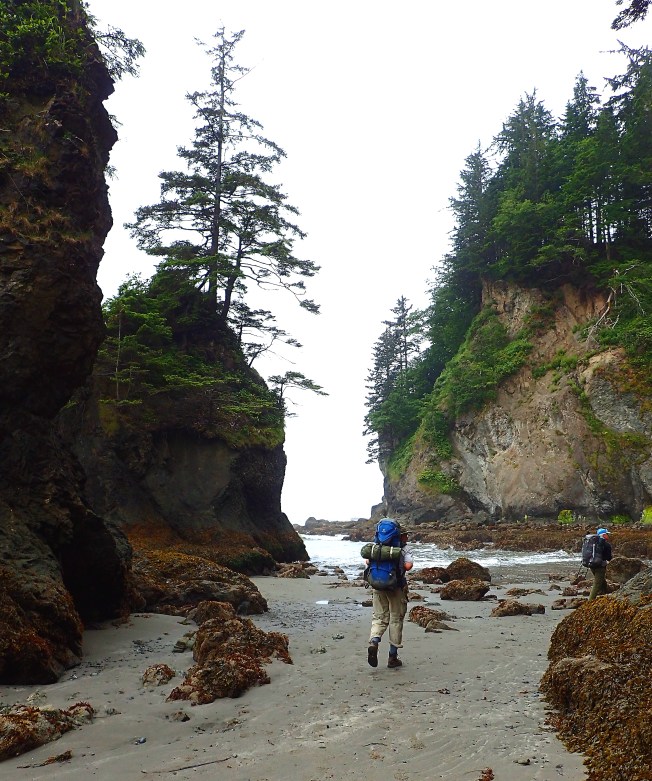

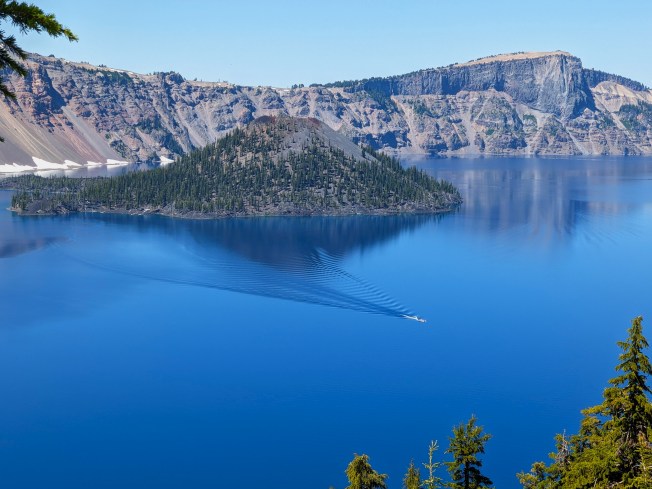
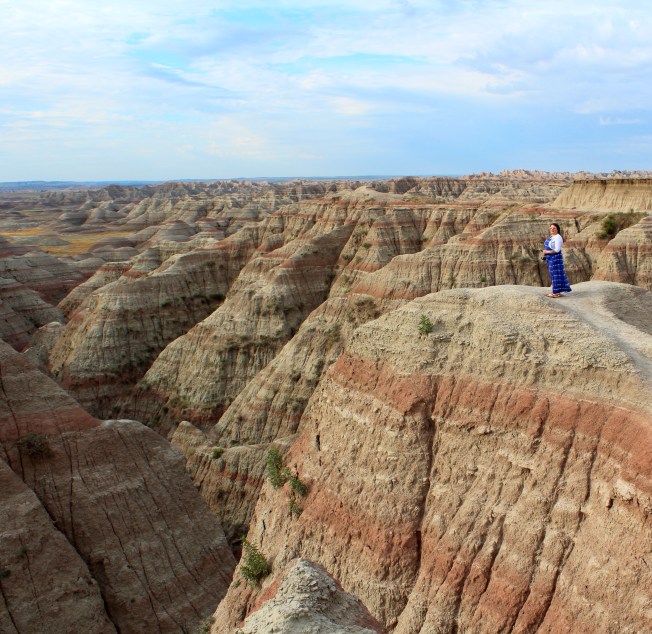

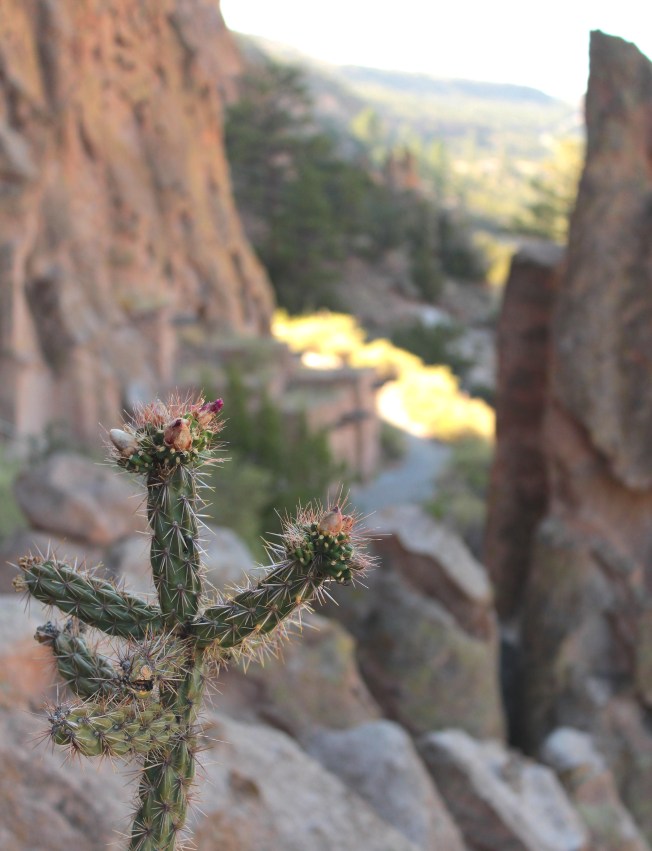
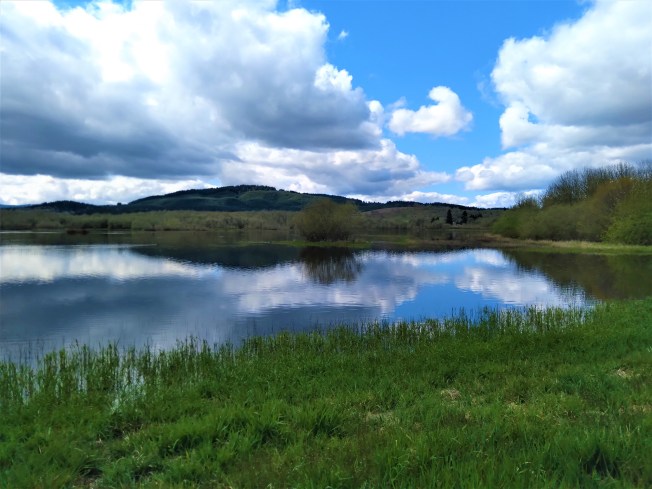
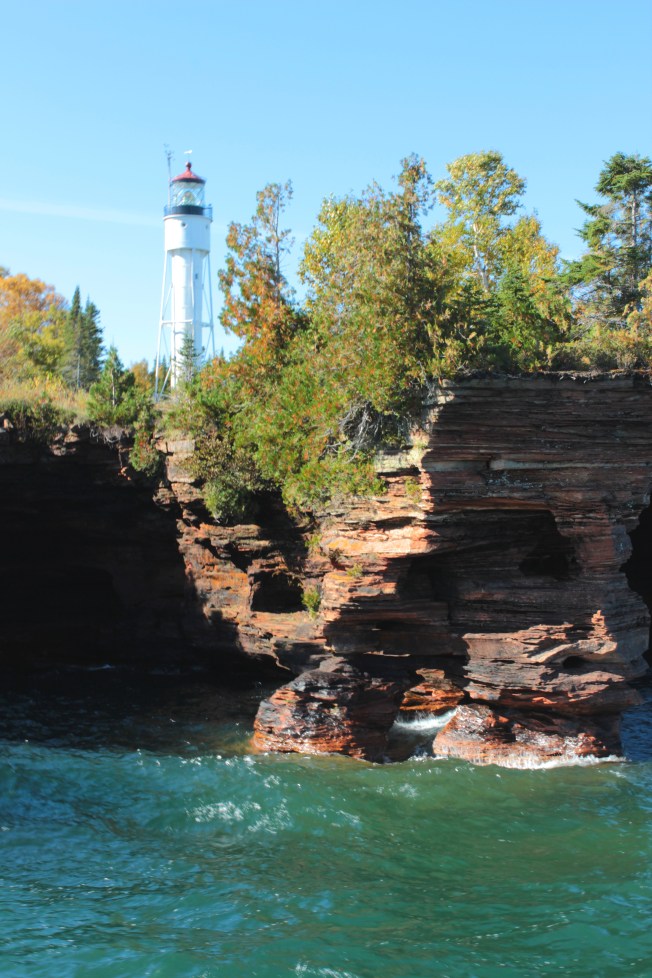
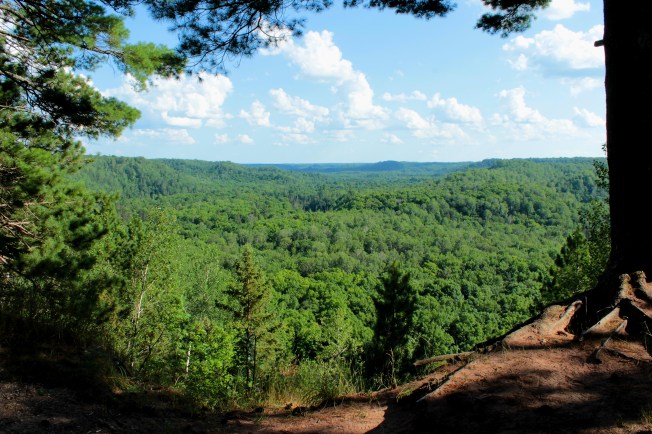


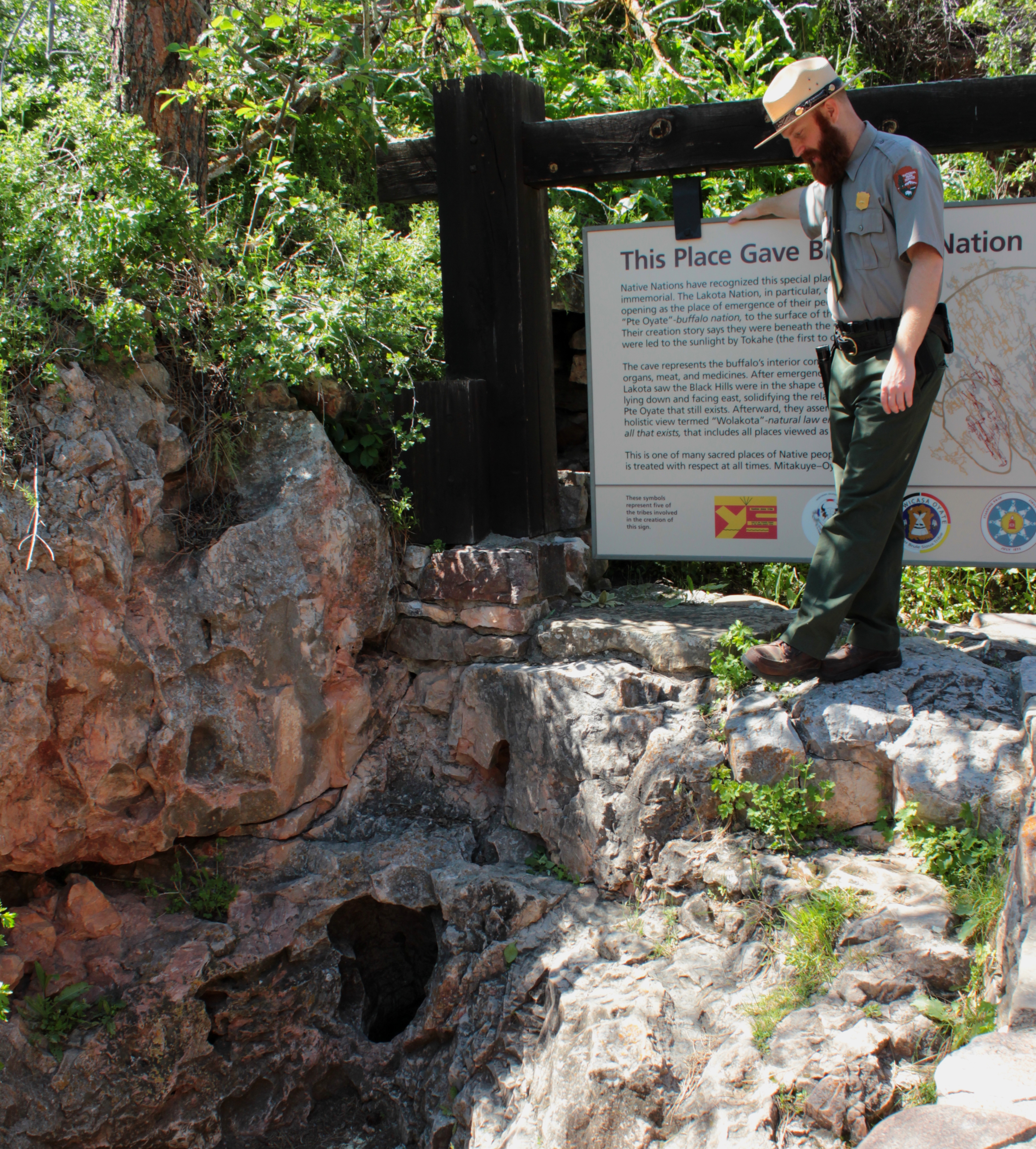

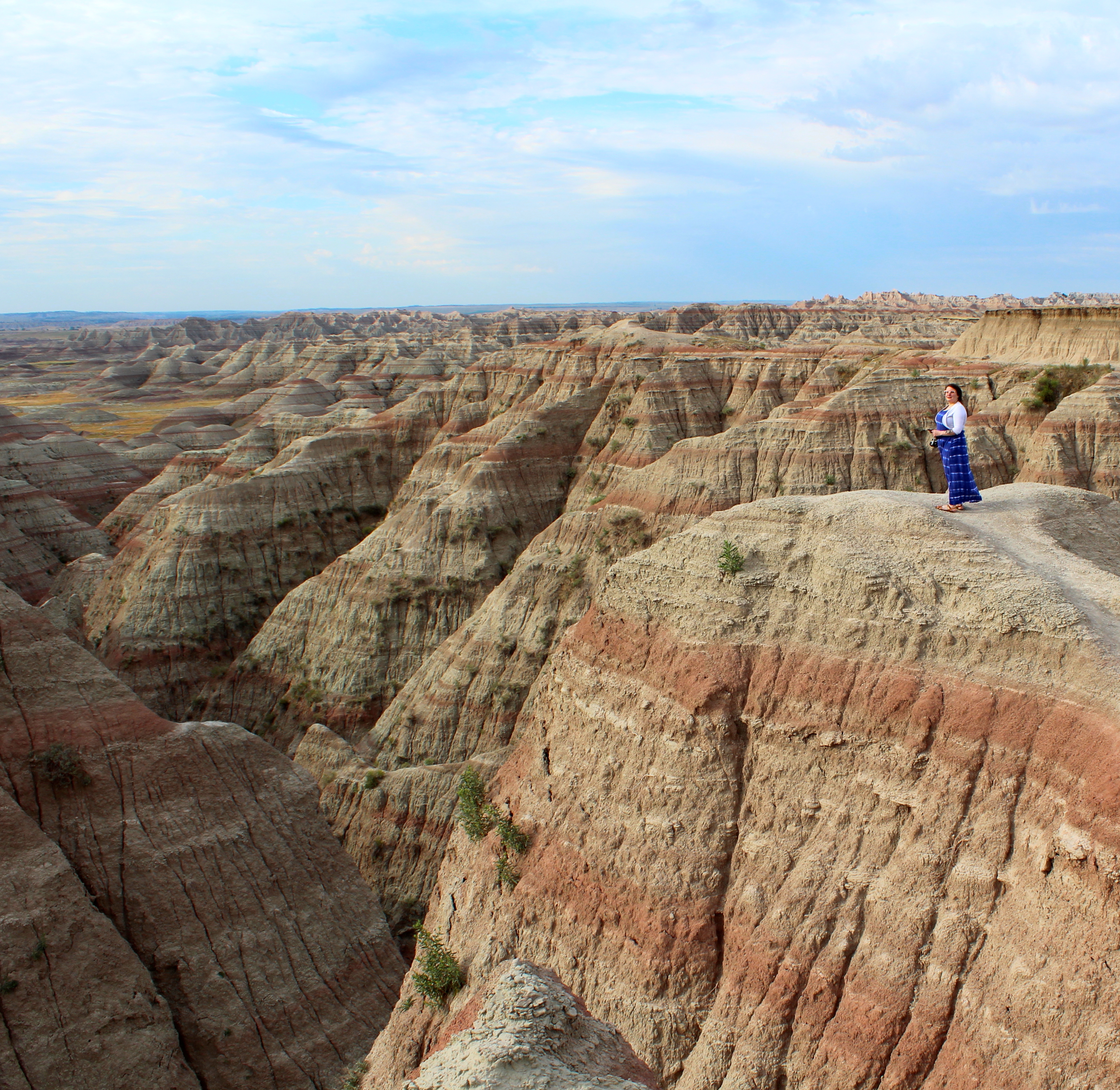
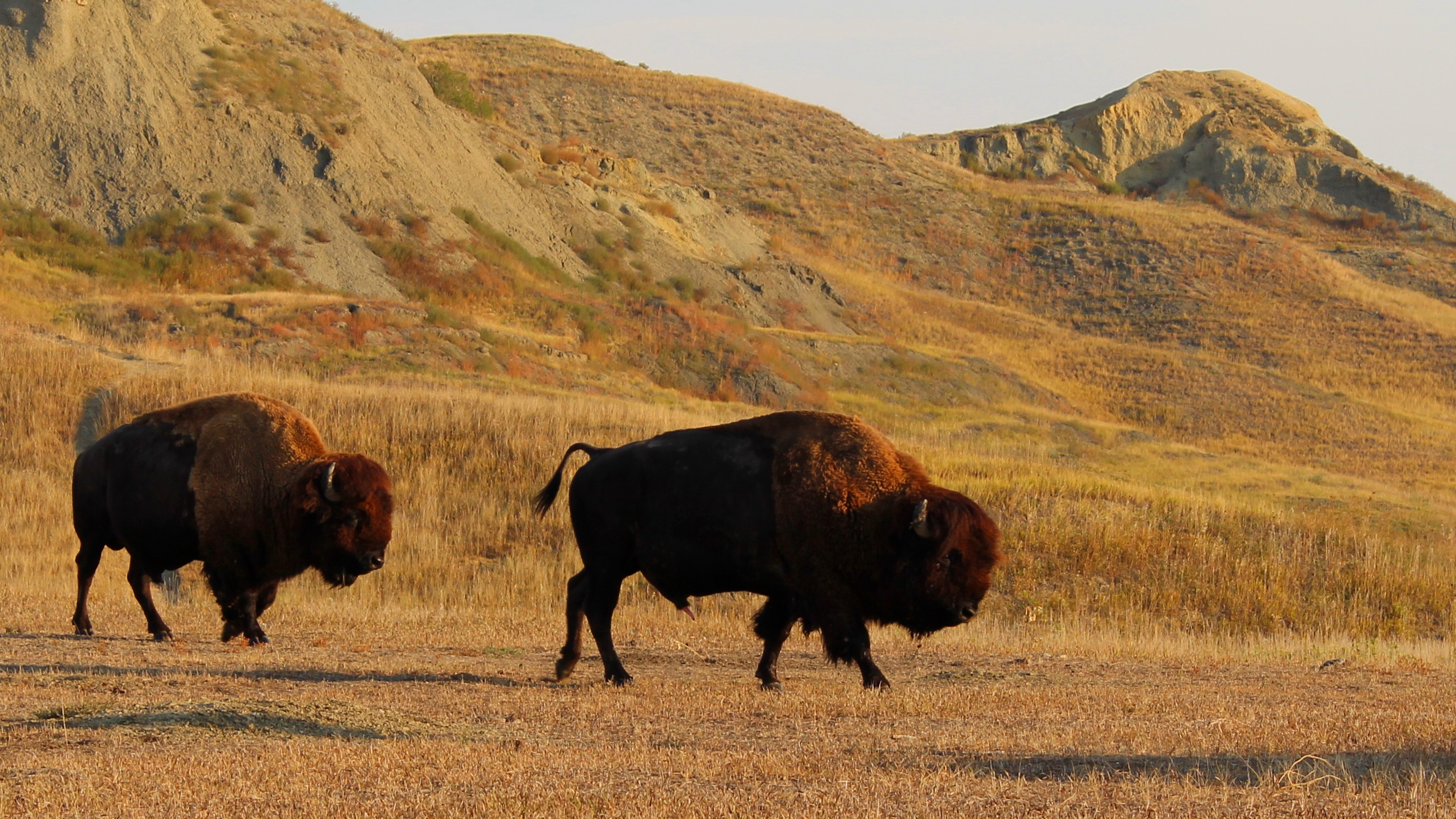
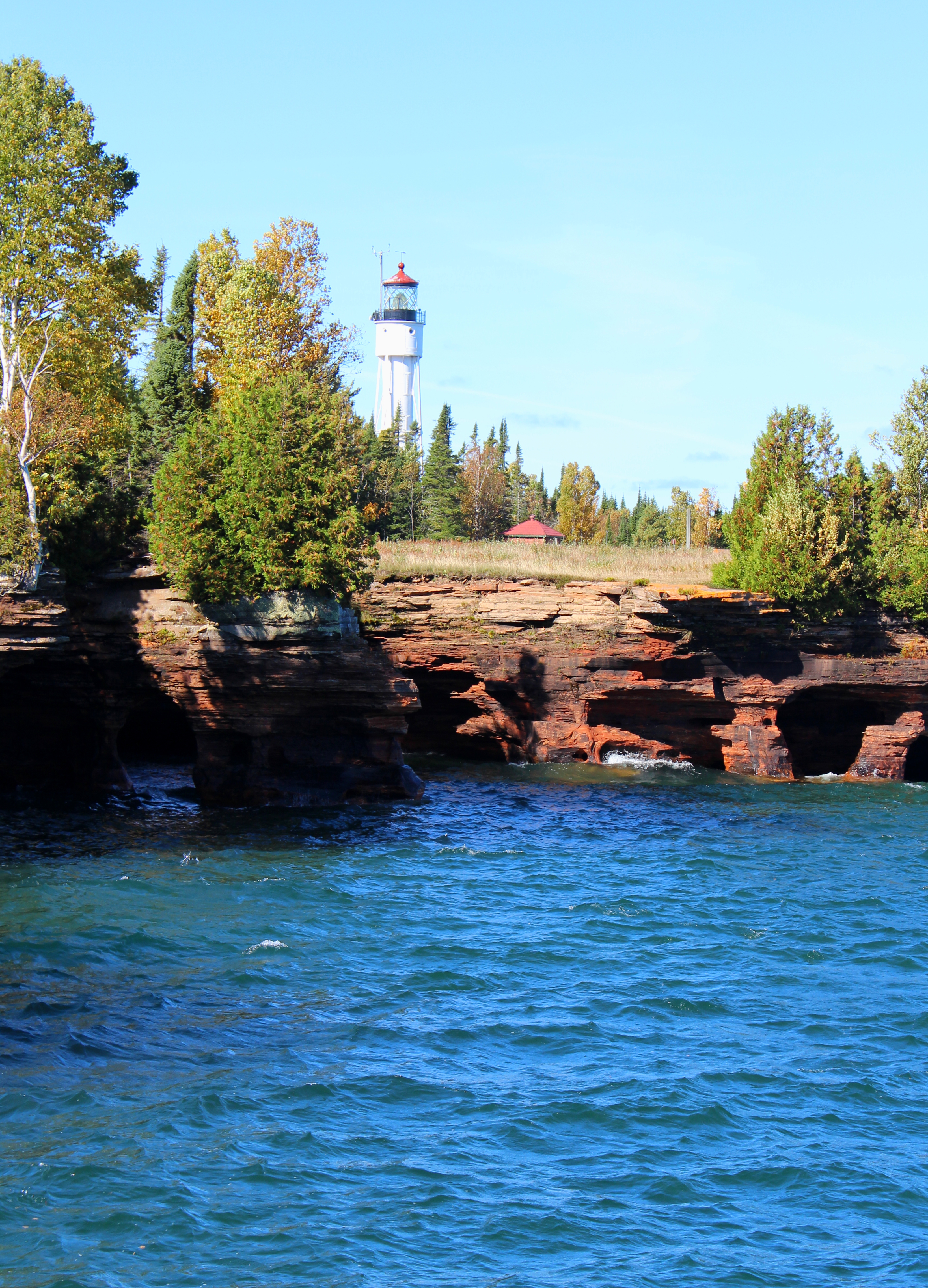
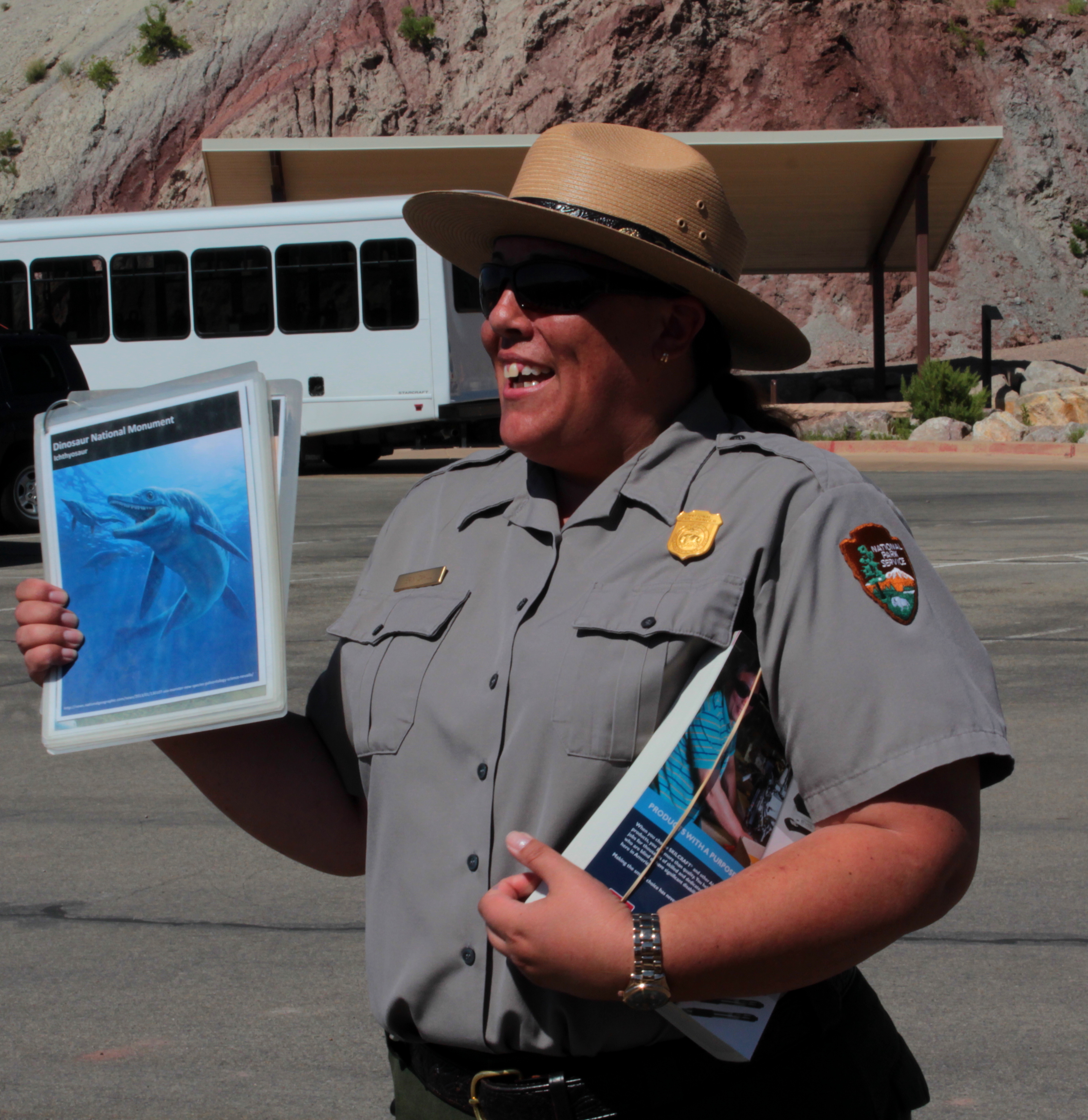

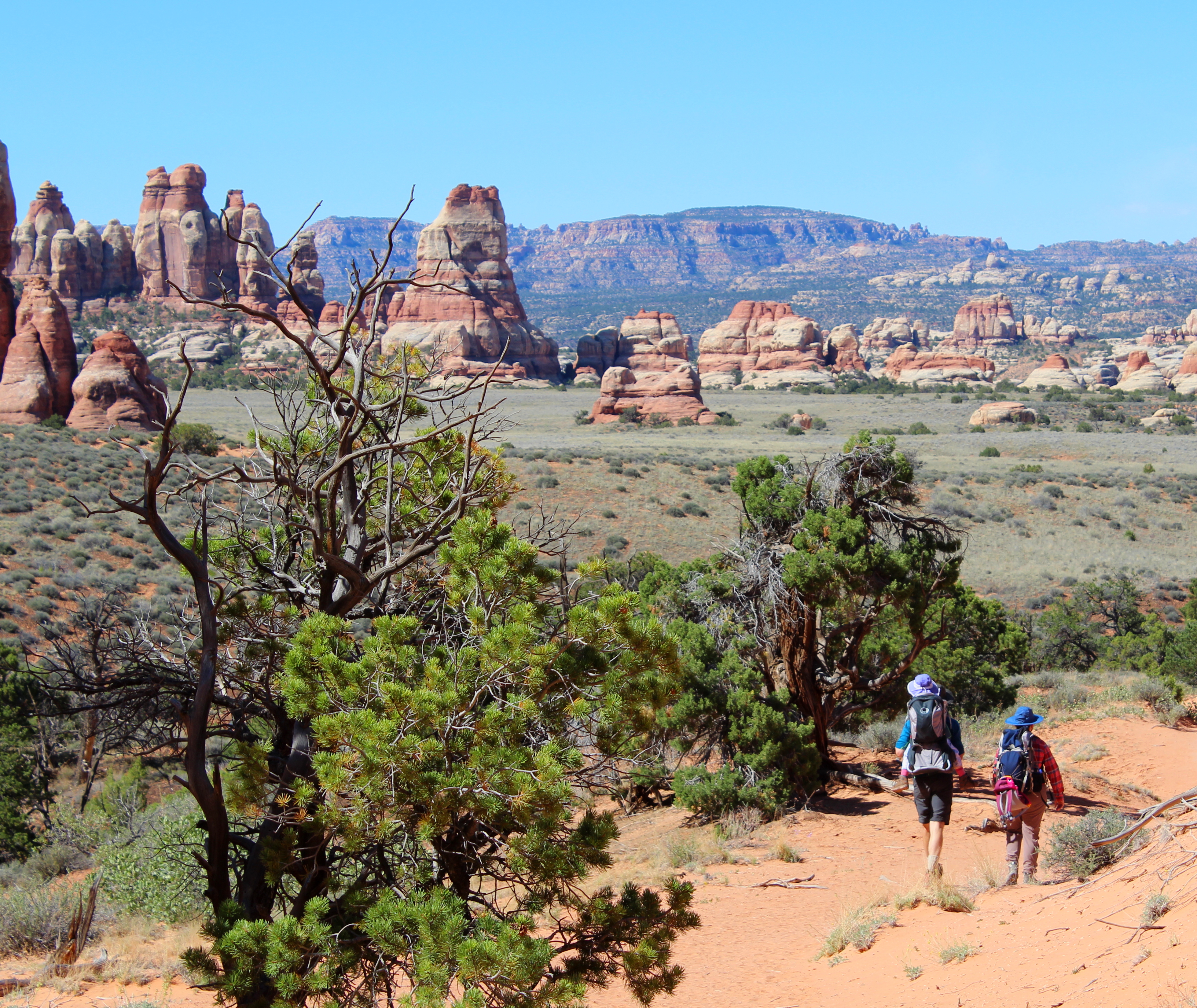
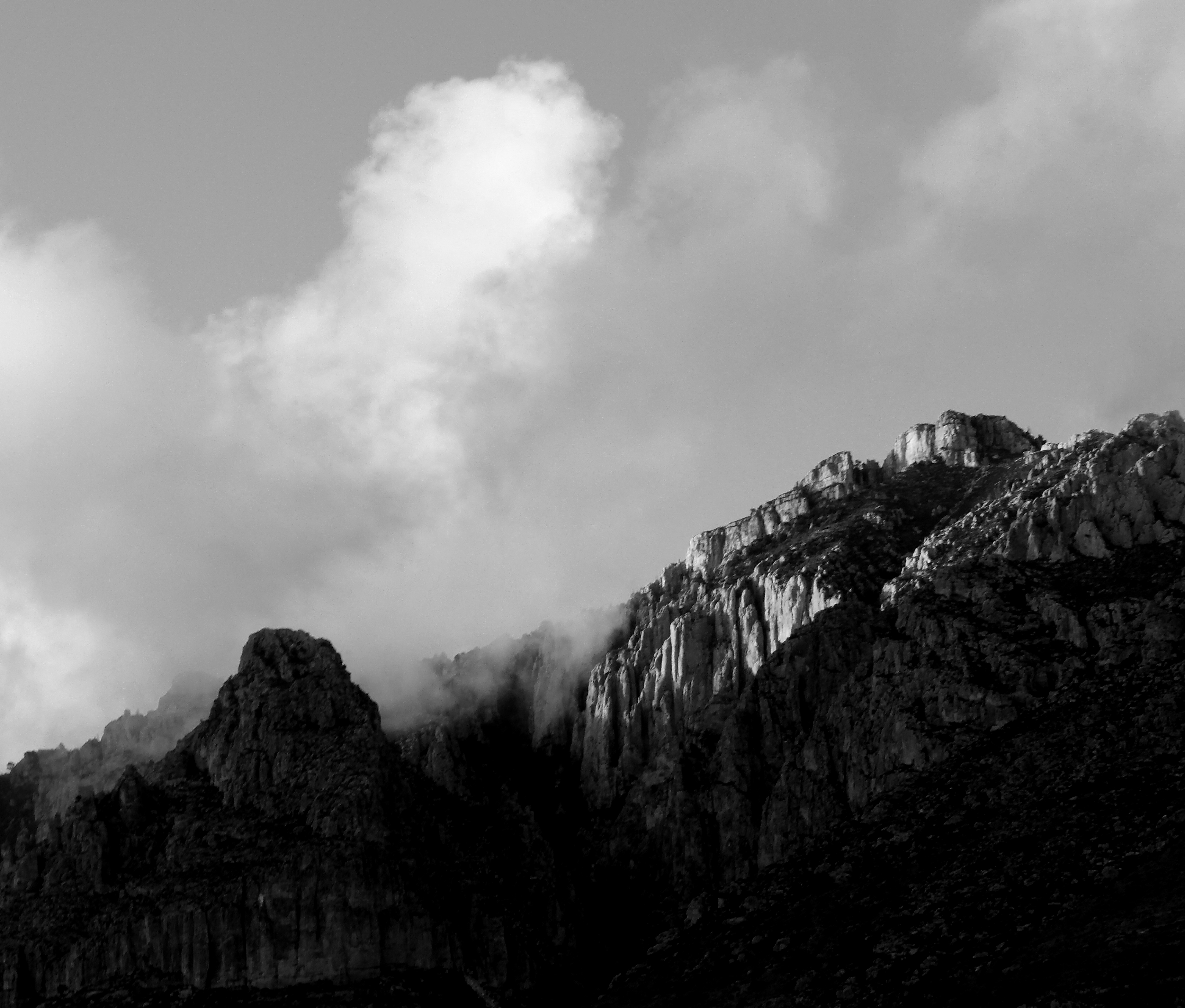
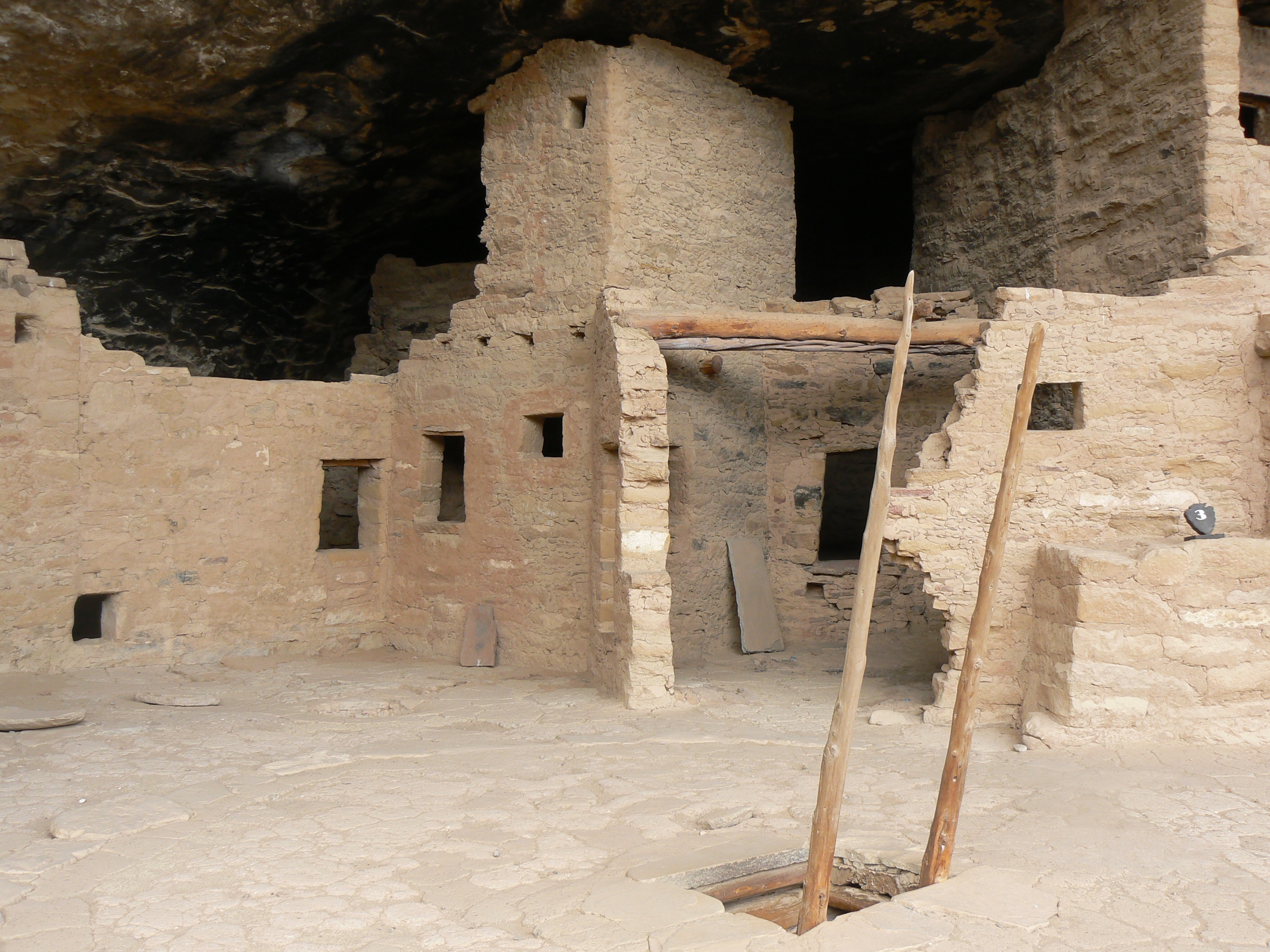
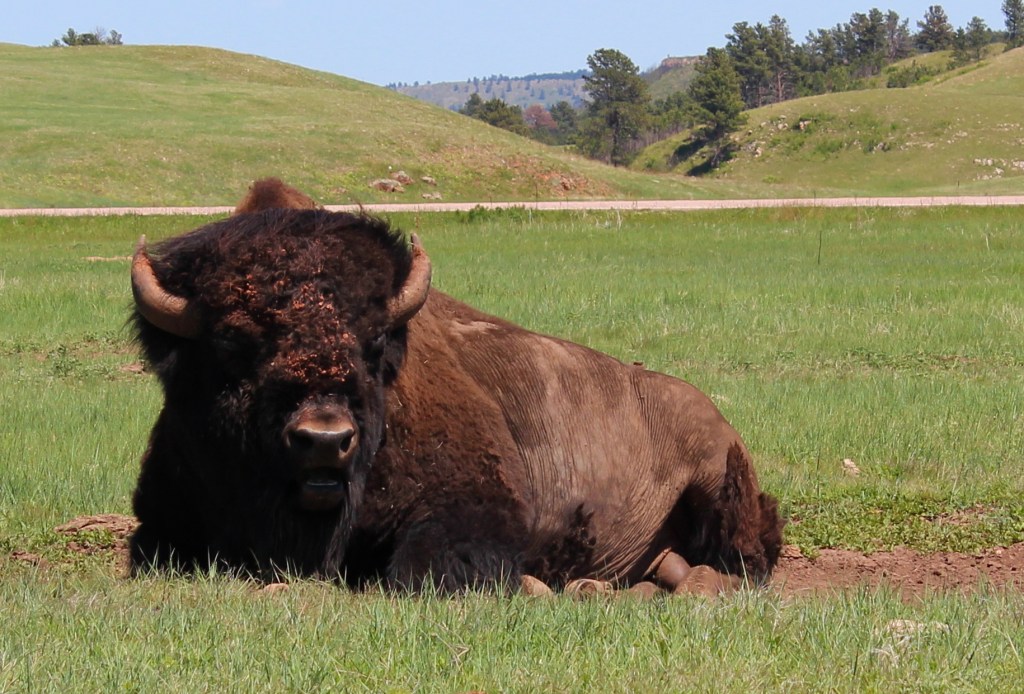
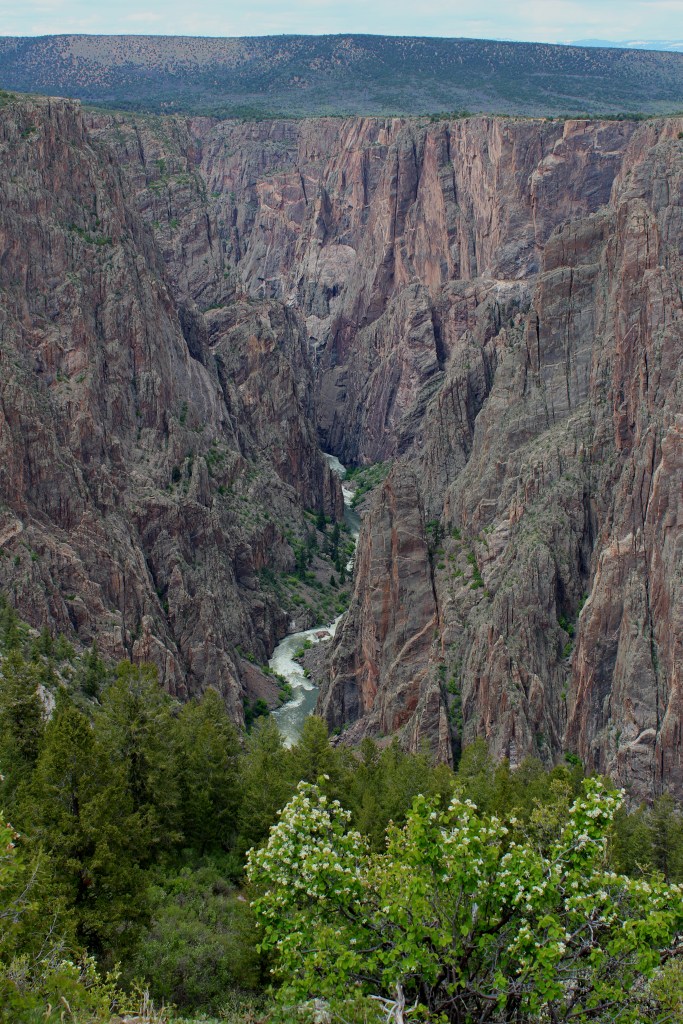
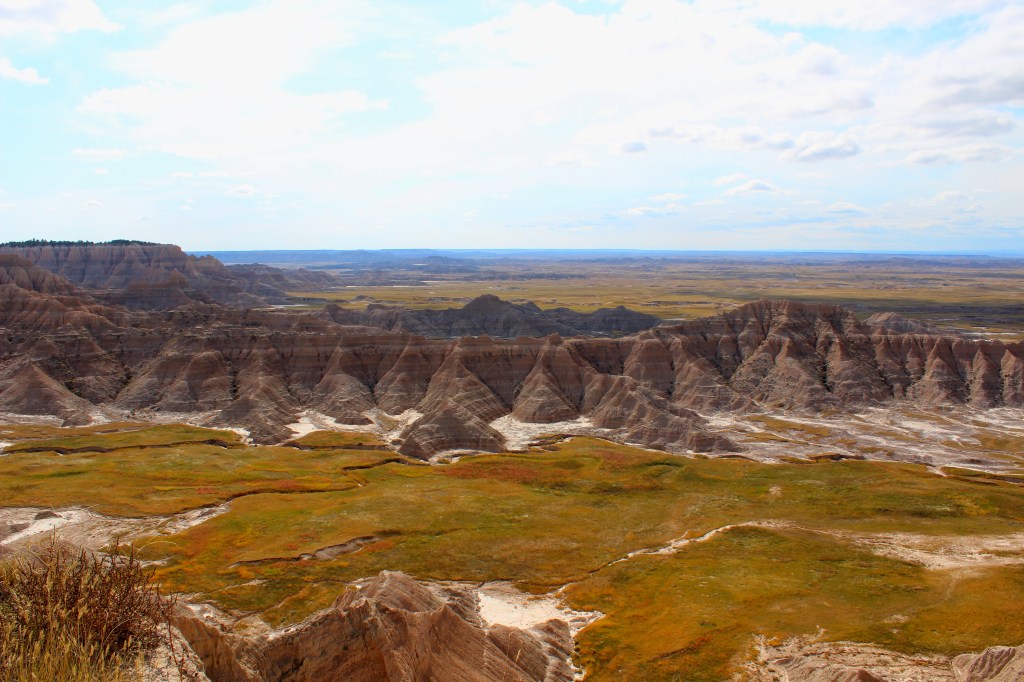
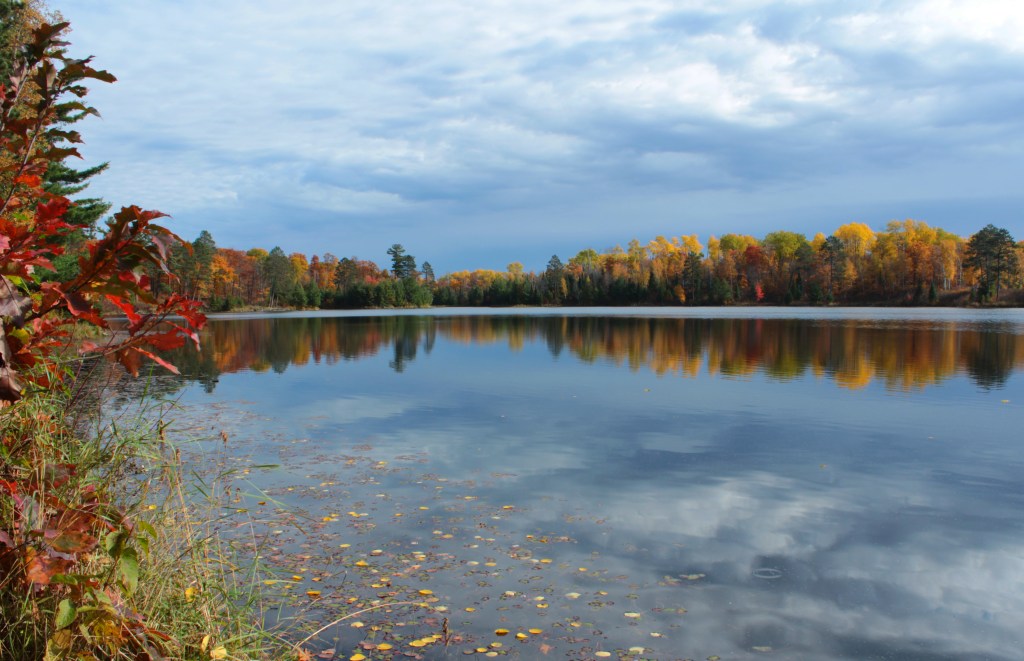
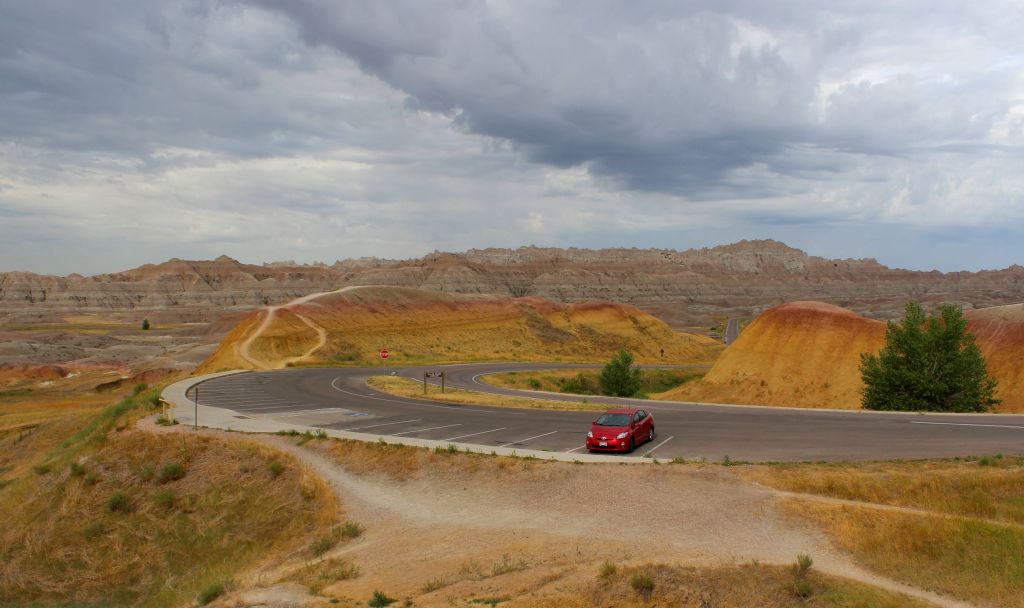
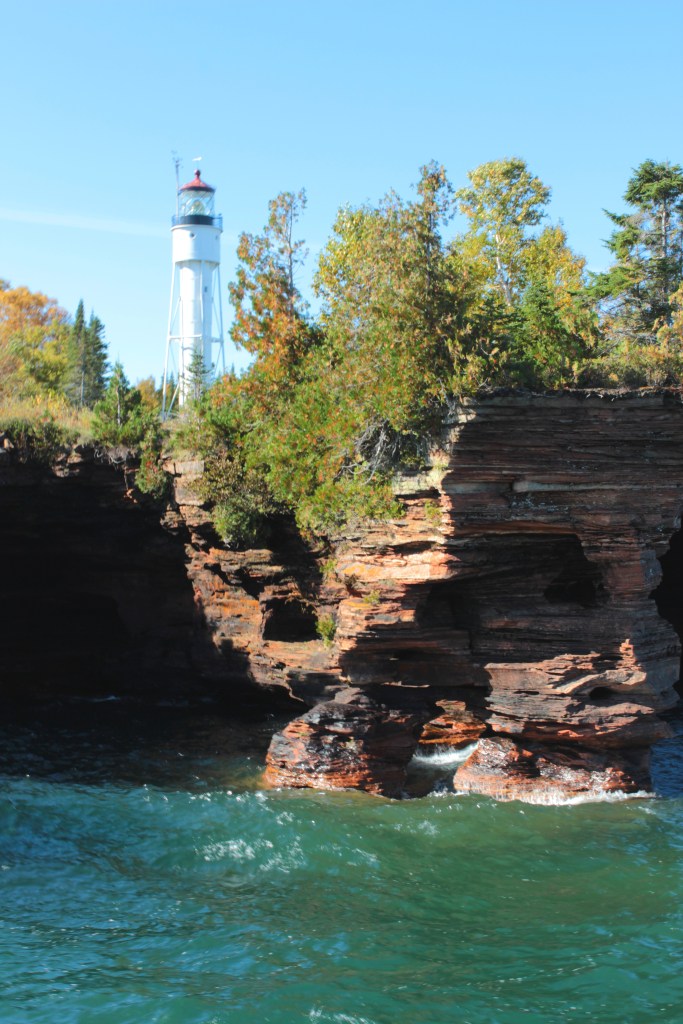
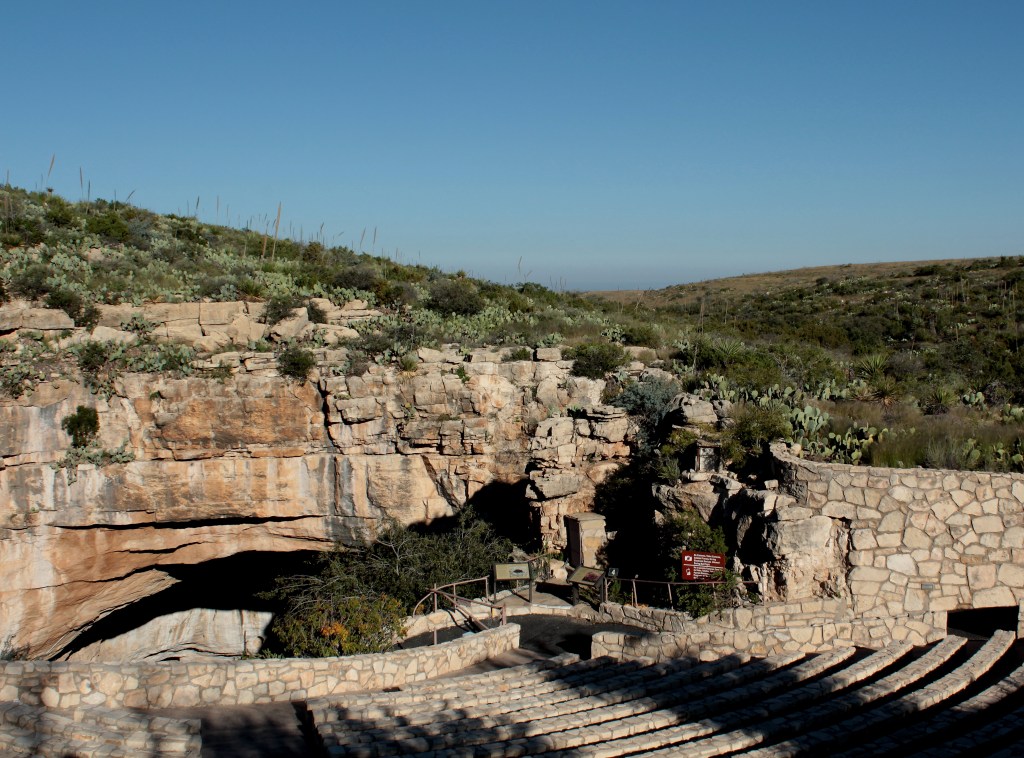
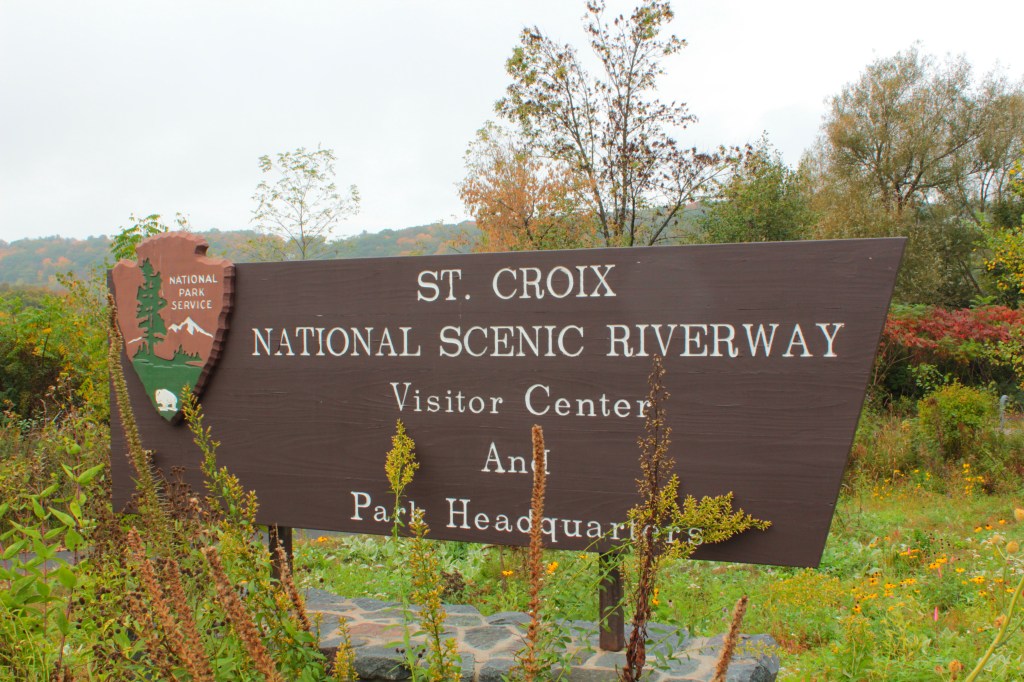
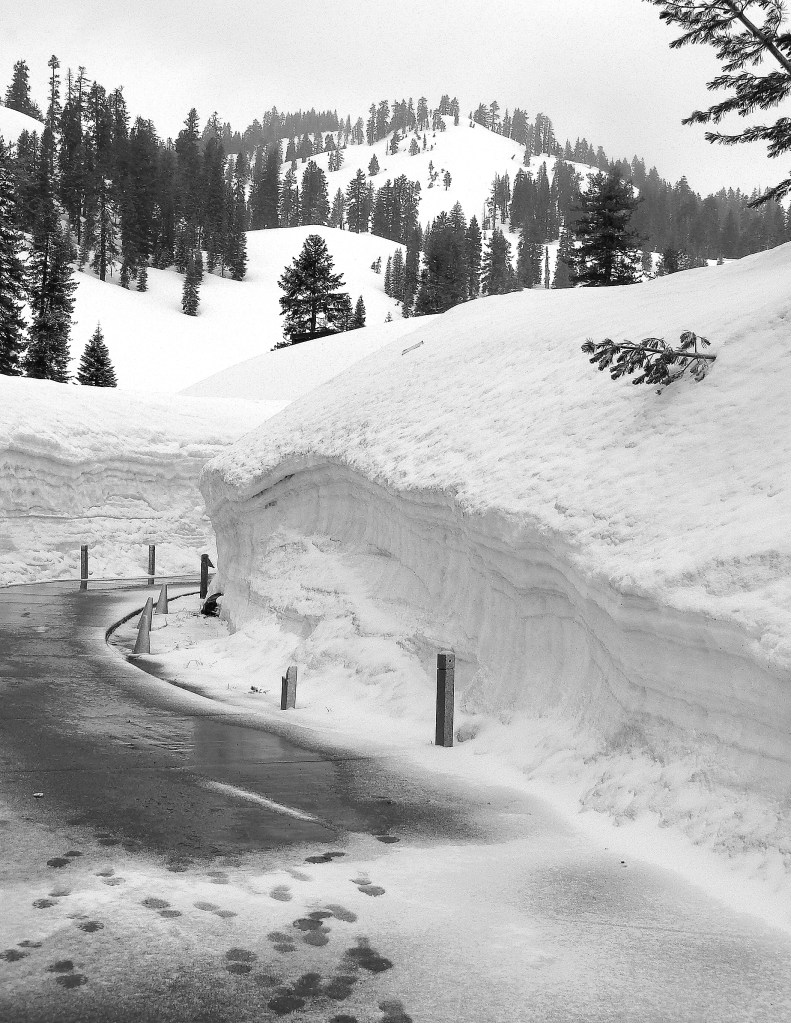
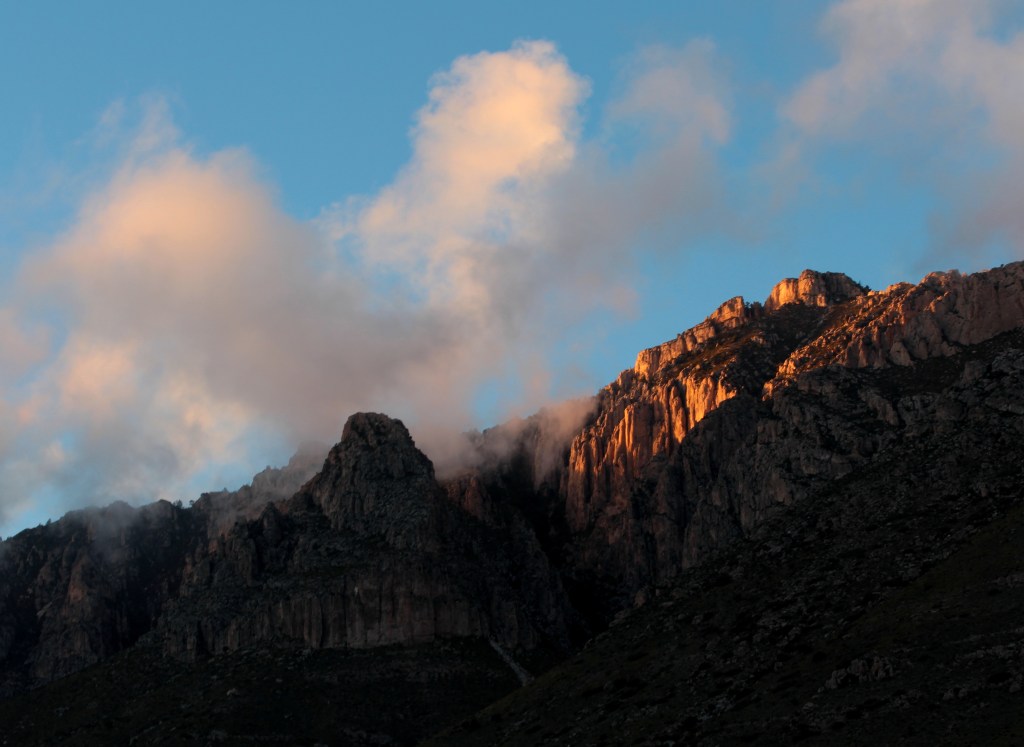
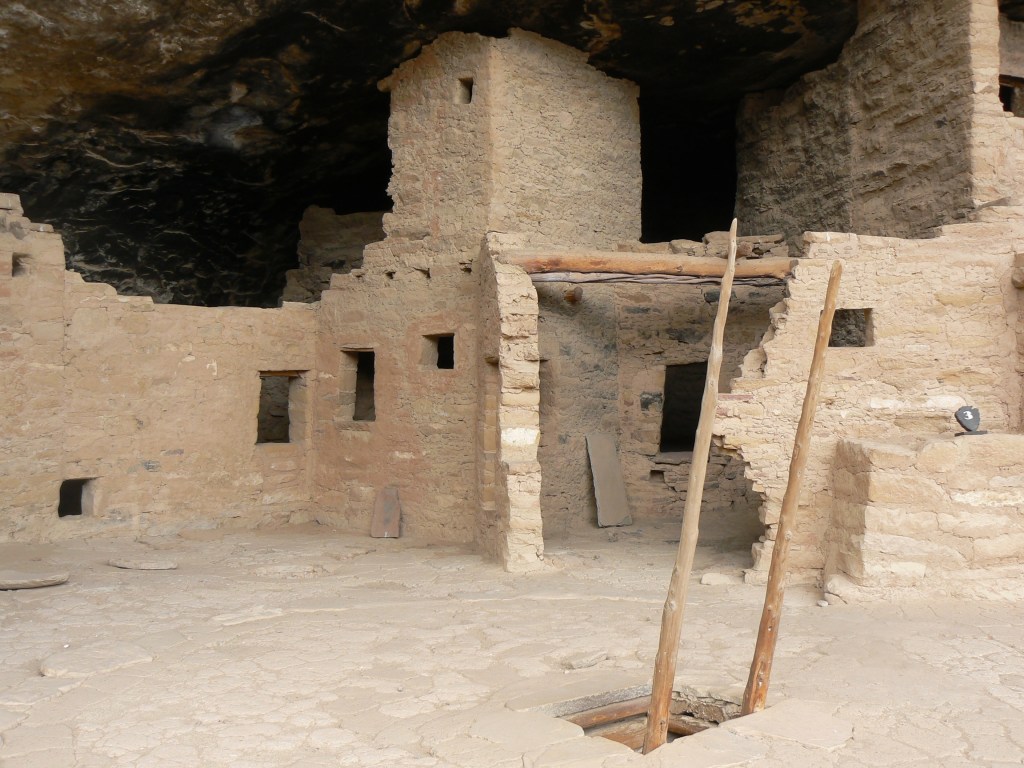
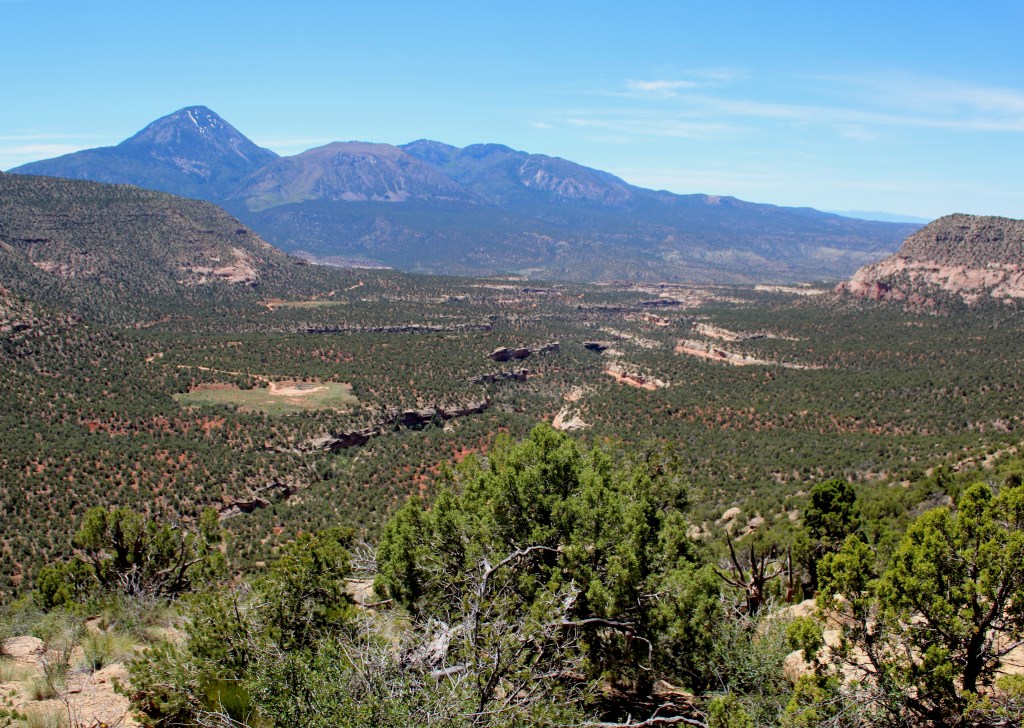
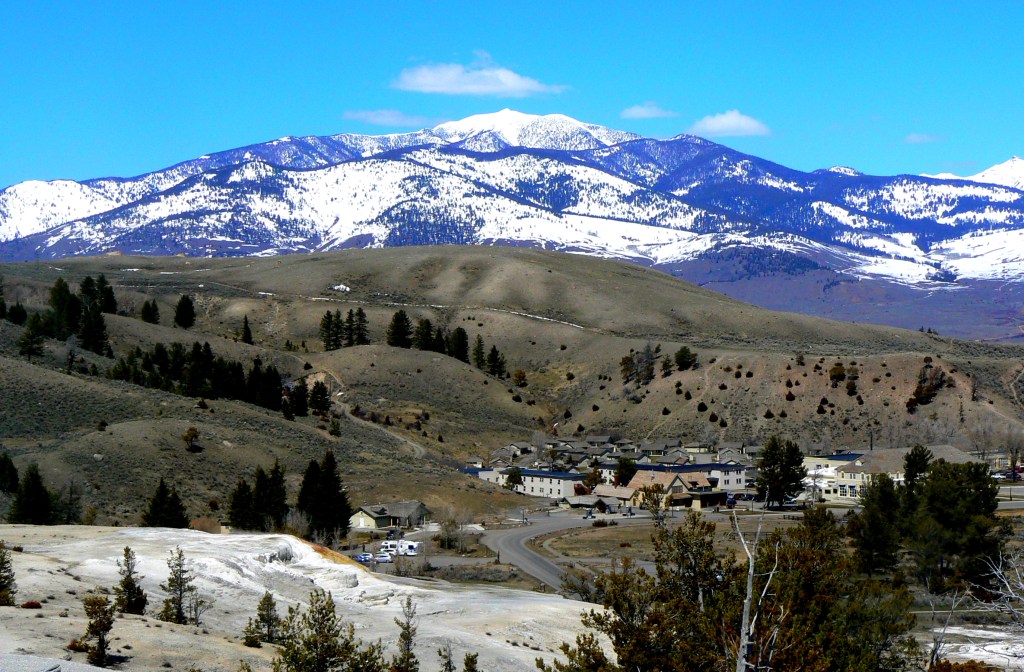
Left to right, by row: Olympic National Park, Wind Cave National Park, Bandelier National Monument, Badlands National Park (top and bottom), Apostle Islands National Lakeshore, Dinosaur National Monument, Black Canyon of the Gunnison National Park, Canyonlands National Park, Guadalupe Mountains National Park, Mesa Verde National Park.











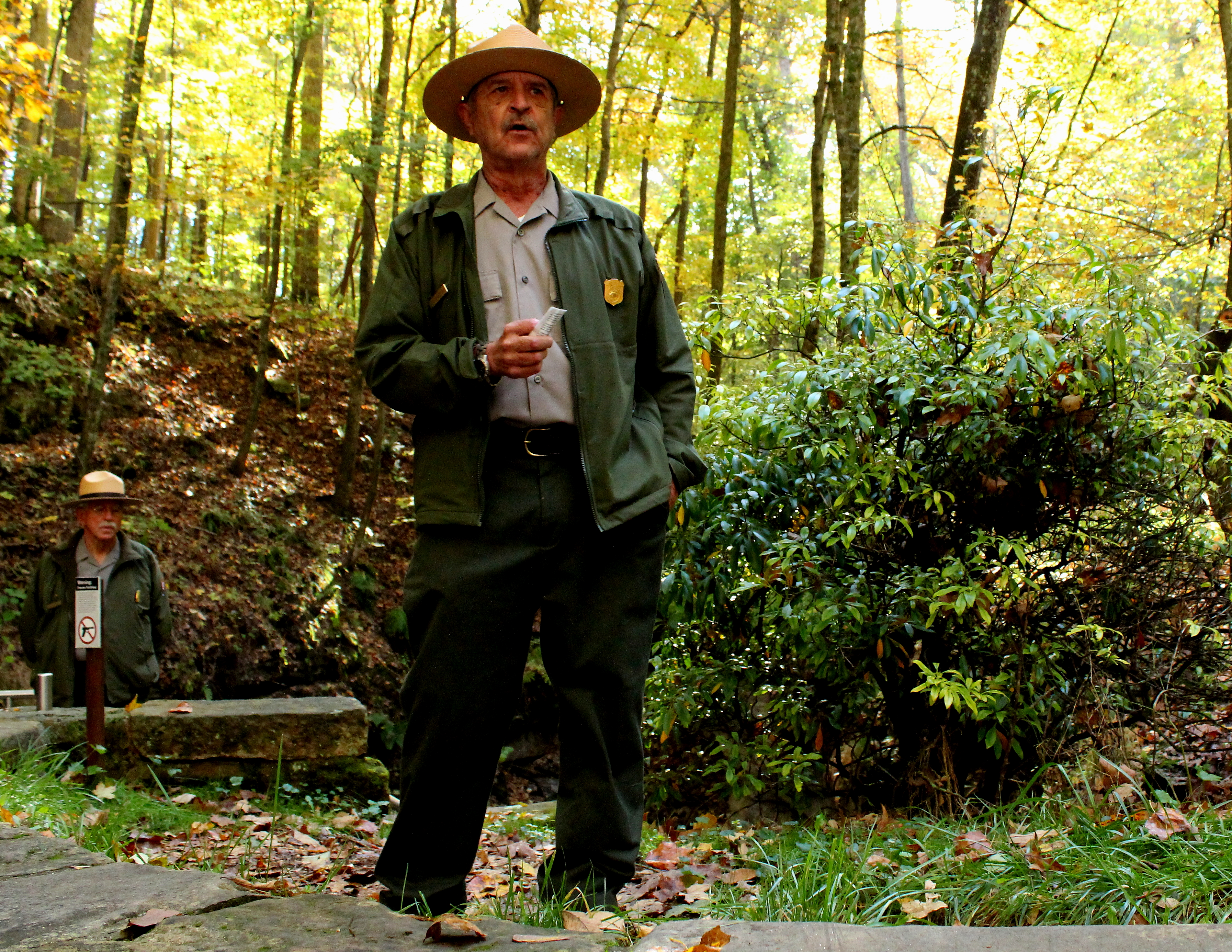
“When your spirit cries for peace, come to a world of canyons deep in the old land, feel the exultation of high plateaus, the strength of moving waters, the simplicity of sand and grass, the silence of growth.” — August Frugé
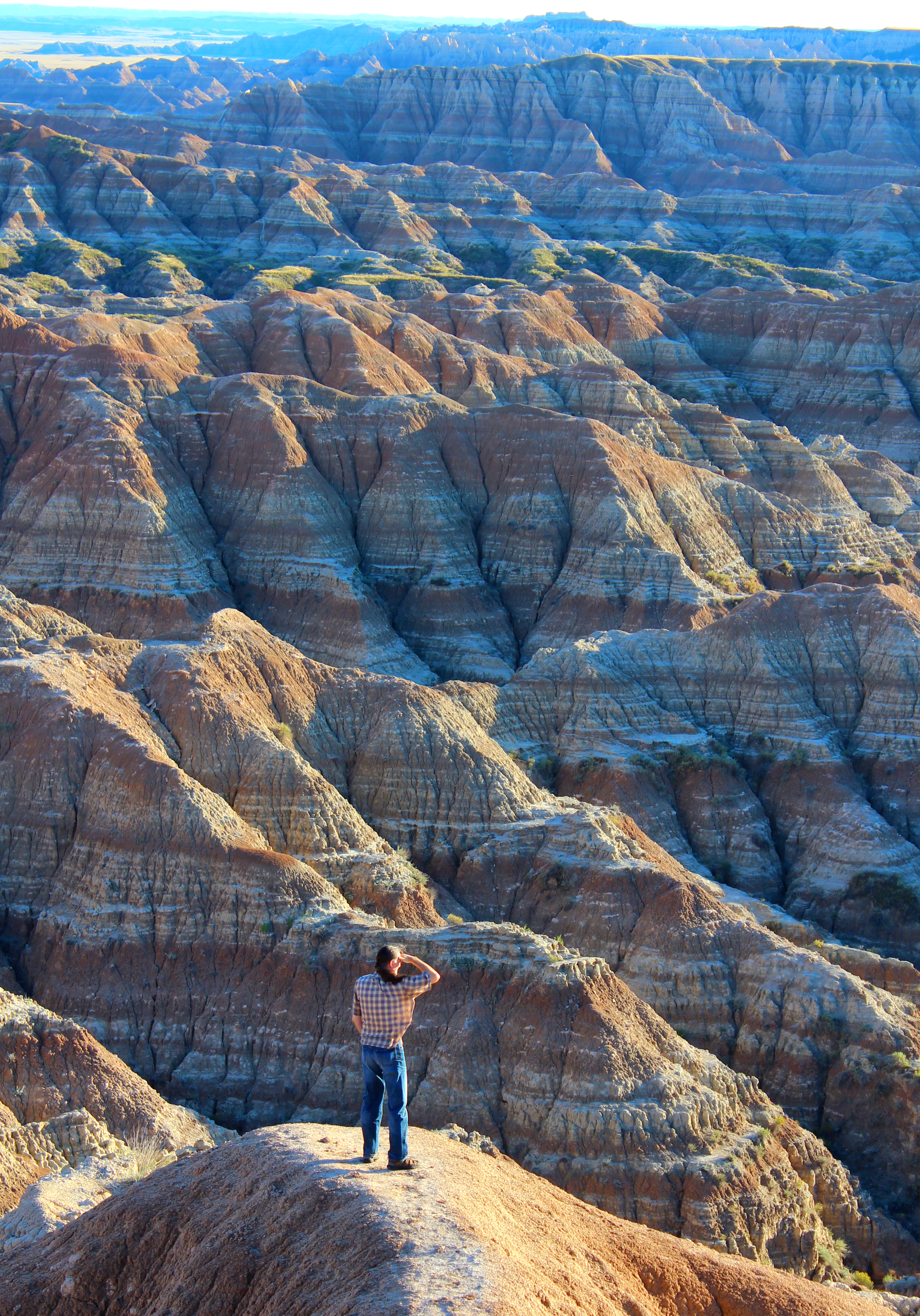
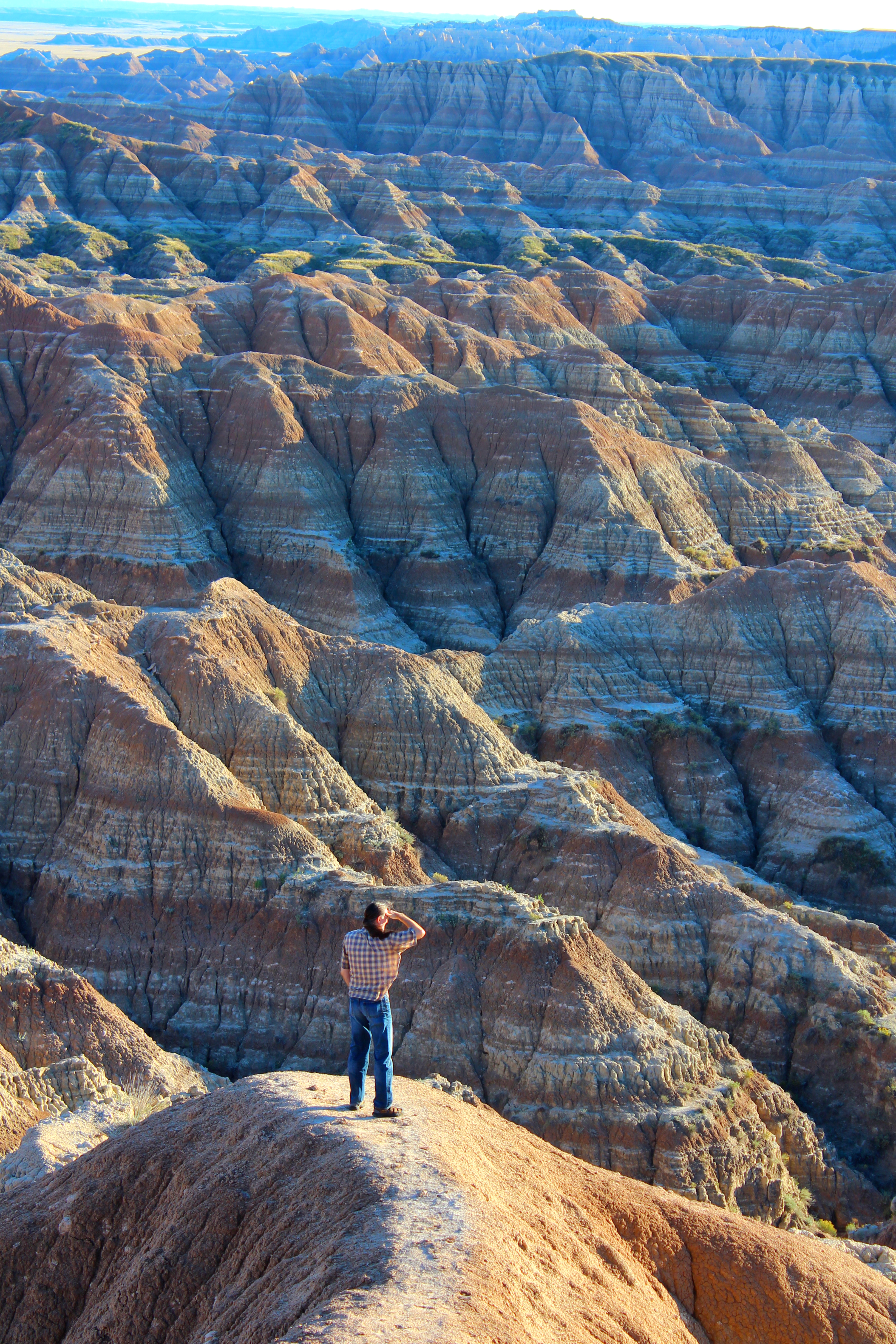
Badlands National Park, South Dakota

Badlands National Park, South Dakota

Badlands National Park, South Dakota
“Should you shield the canyons from the windstorms you would never see the true beauty of their carvings.” —
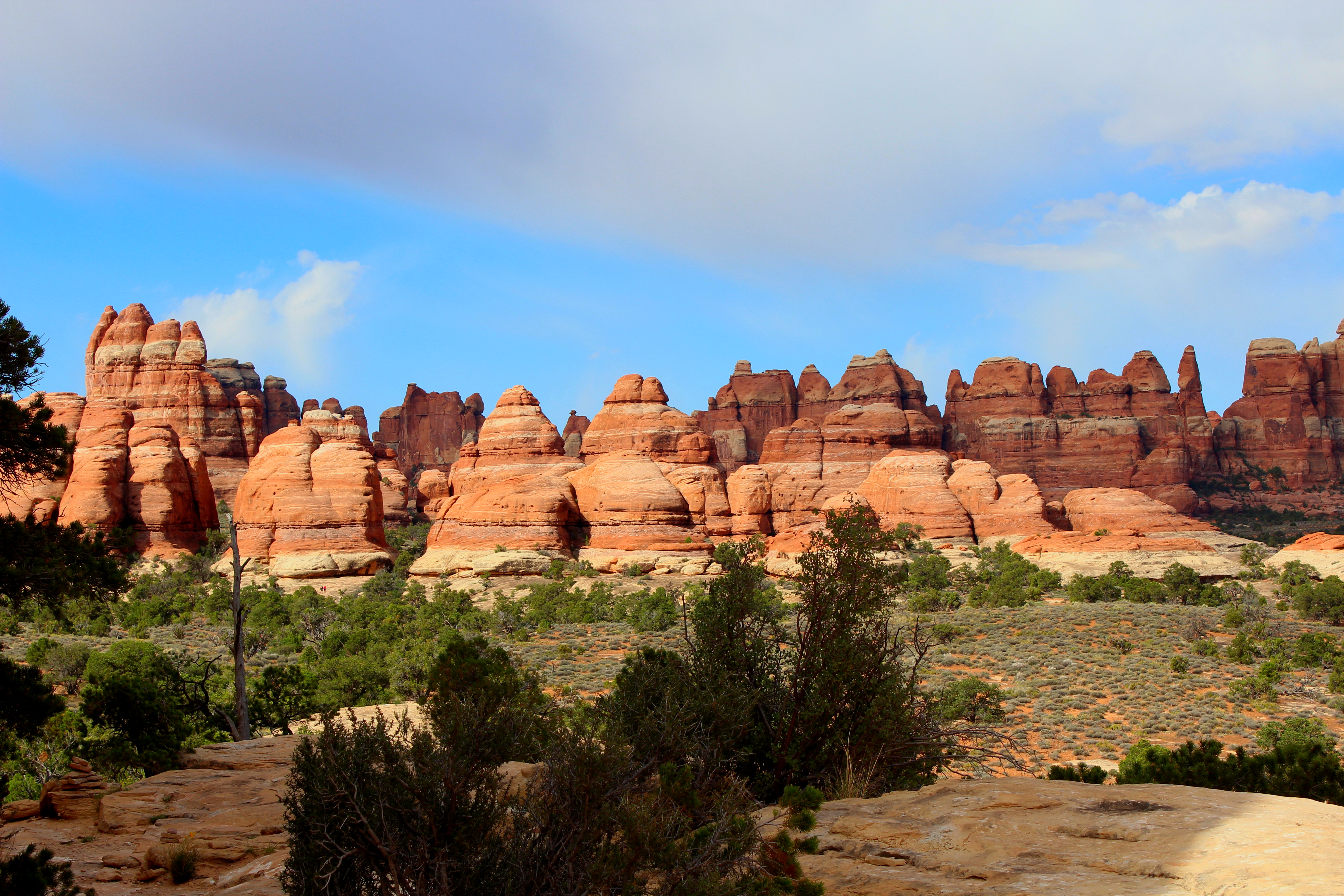
Canyonlands National Park, Utah

Canyonlands National Park, Utah

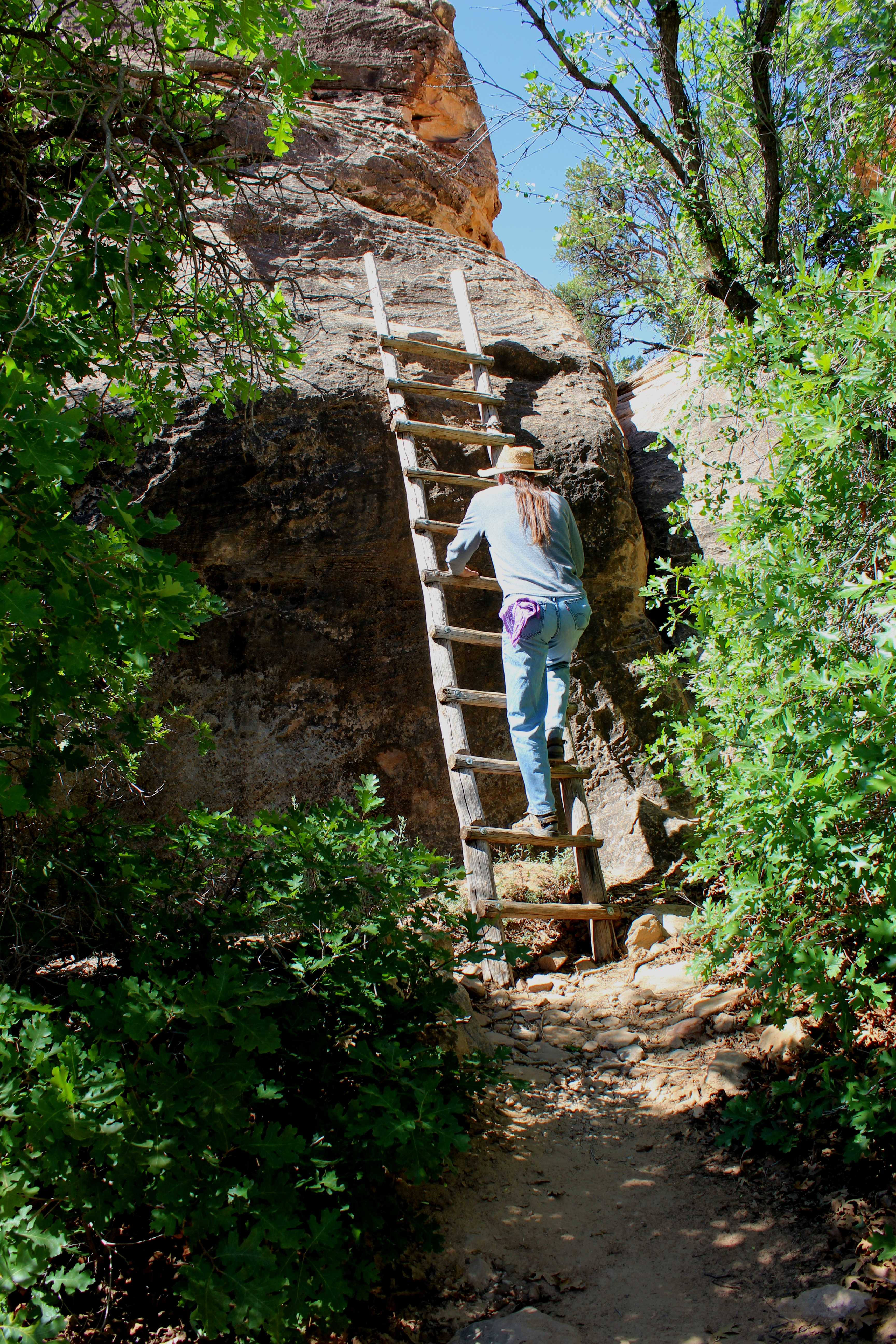
Sand Canyon, Canyon of the Ancients National Monument, Colorado

Canyon of the Ancients National Monument, Colorado
“Beauty in front of me, Beauty behind me,
Beauty Above me, Beauty below me,
Beauty all around me,
I walk in Beauty…” — Navaho prayer
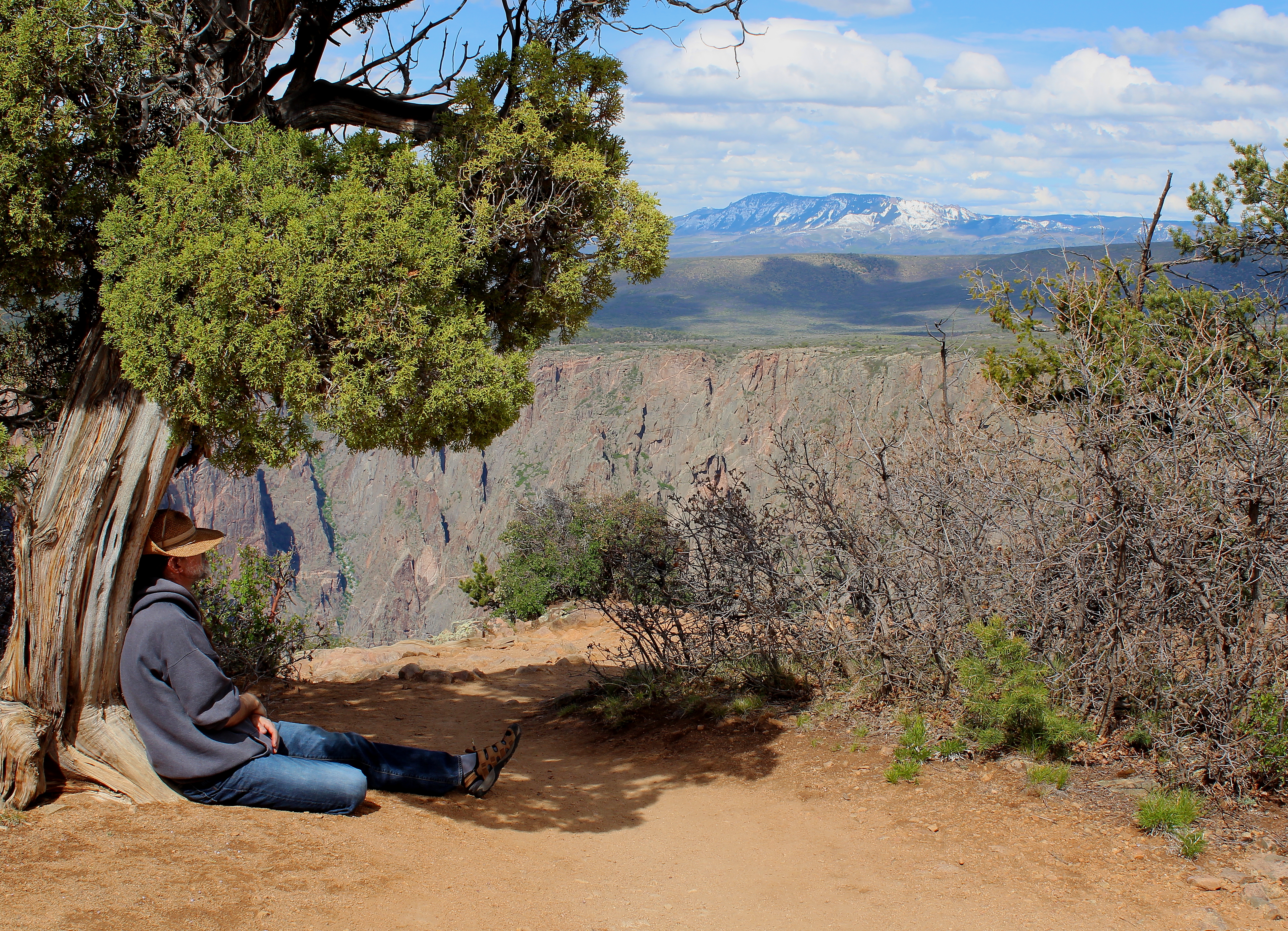
Black Canyon of the Gunnison National Park, Colorado

Black Canyon of the Gunnison National Park, Colorado
Gunnison River, Black Canyon of the Gunnison National Park, Colorado
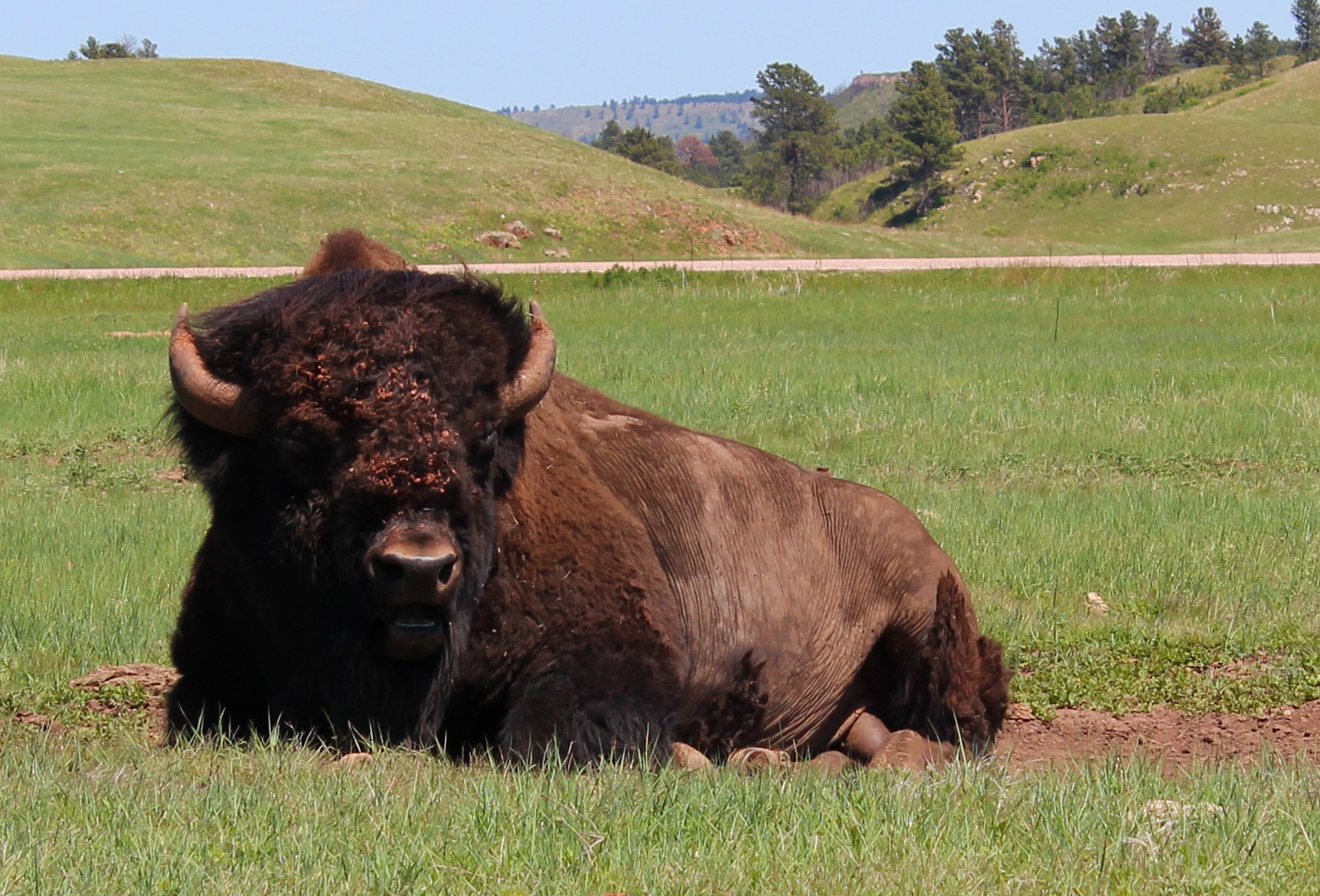
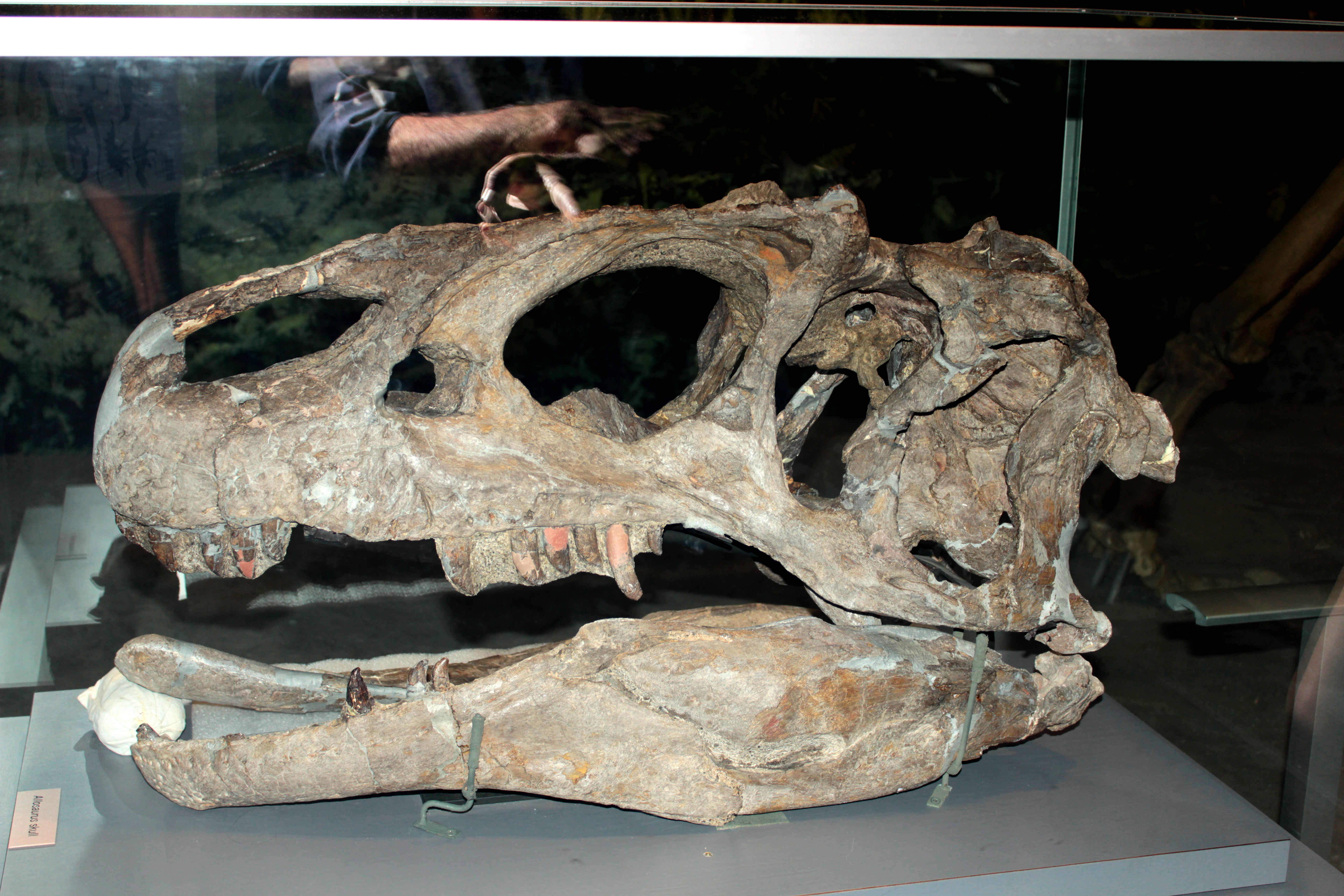

Thanks, Tina, for this Lens Artist challenge!
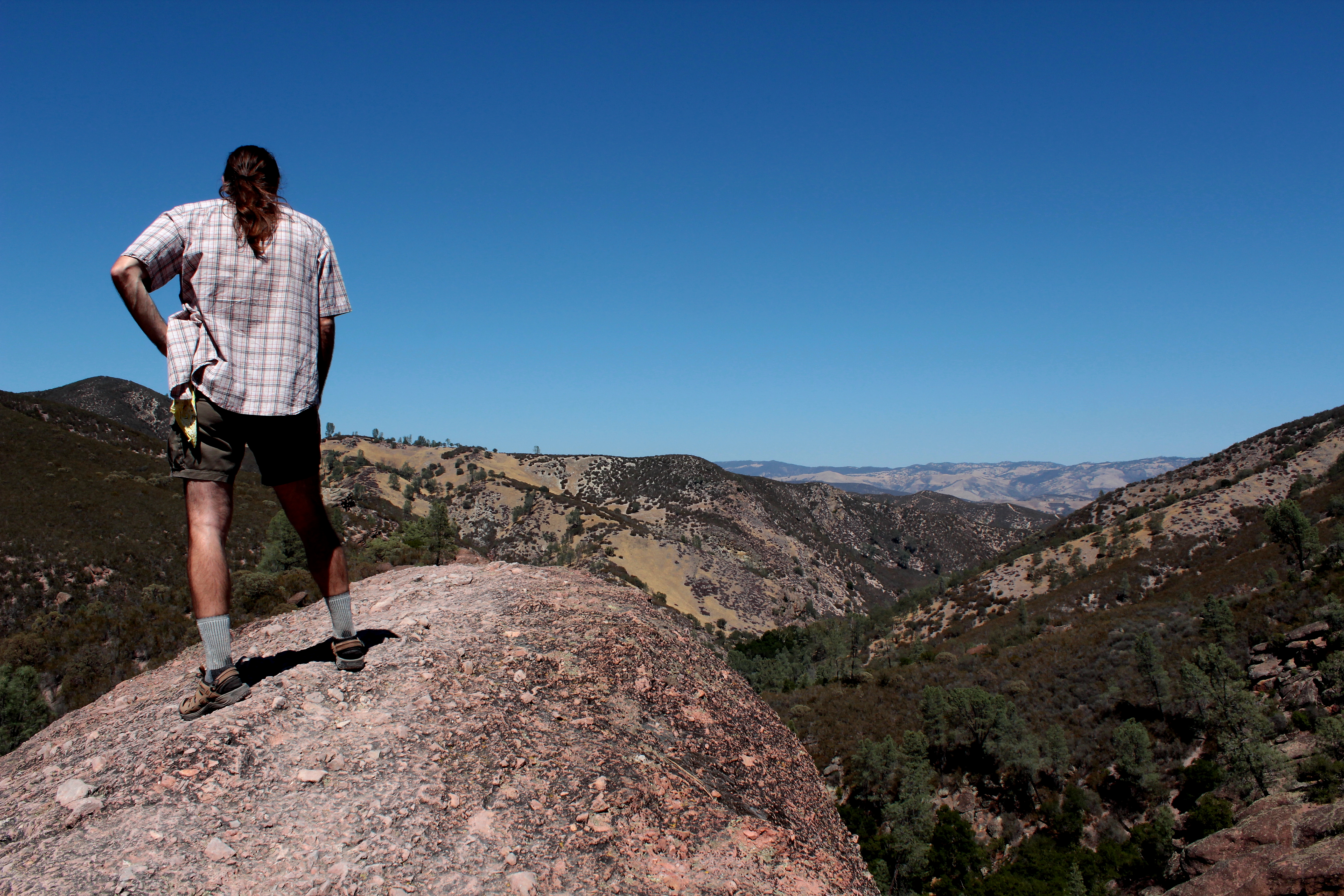


 How were you breathed into being?
This cave differs from the others I’ve visited (Mammoth Cave, KY; Carlsbad Caverns, NM; Cave of the Mounds, WI) in that its formations are mostly boxwork, rather than stalactites and stalagmites. Boxwork is kind of like what you’d see if you built a castle of sugar cubes and mortared it with cement. The sugar cubes dissolve, and what is left is a kind of honeycomb of borders, criss-crossing each other. The calcite “mortar” that filled cracks in the limestone and dolomite is what remains. These structures were formed at the genesis of the cave, and not later by the action of dripping moisture, so they are speleogens rather than speleothems. (My new word for this section of the trip!) The ranger asked us what we thought it looked like. My first response was “a Jackson Pollack painting”. 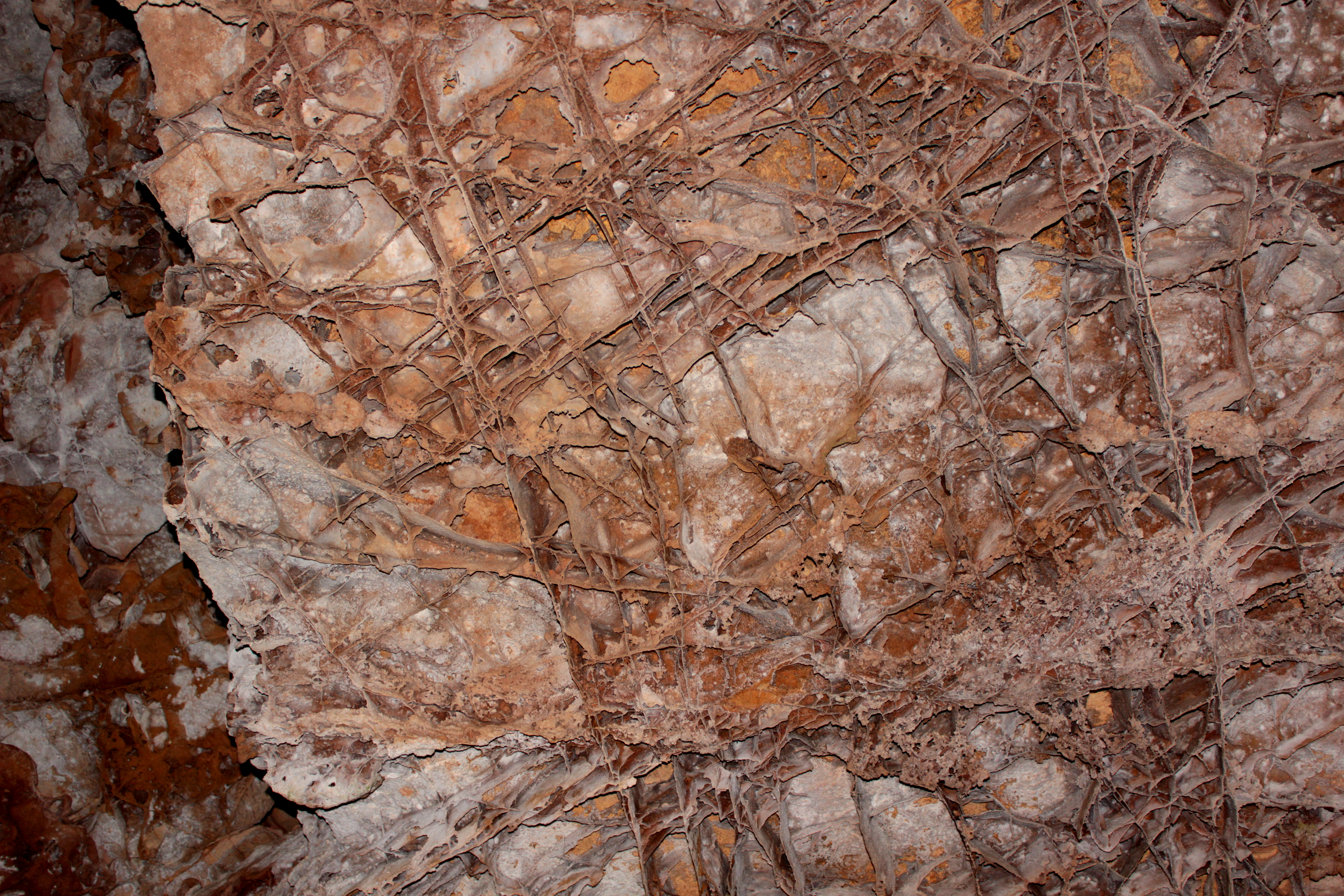
 Cave tours are absolutely spellbinding, but they don’t make good photography hikes. Watching my head and my footing, looking around at the surroundings, asking questions and trying not to hold up the single-file line of tourists took too much concentration for me to get many pictures.
I was reminded of the phenomenal bat program at dusk at Carlsbad Caverns, but learned that Wind Cave doesn’t have one. The number of bats is far less and the egress far smaller than the natural arena at Carlsbad. (If you’d like to read about that experience and see a photo of the natural entrance at Carlsbad Caverns, click HERE.)
Cave tours are absolutely spellbinding, but they don’t make good photography hikes. Watching my head and my footing, looking around at the surroundings, asking questions and trying not to hold up the single-file line of tourists took too much concentration for me to get many pictures.
I was reminded of the phenomenal bat program at dusk at Carlsbad Caverns, but learned that Wind Cave doesn’t have one. The number of bats is far less and the egress far smaller than the natural arena at Carlsbad. (If you’d like to read about that experience and see a photo of the natural entrance at Carlsbad Caverns, click HERE.)
So, early the next morning, we headed home across the tall grass prairie of South Dakota, past Badlands (which we will return to see), through Minnesota, across the Mississippi River, and back to our Wisconsin home on the conservation prairie. The lawn hadn’t been cut yet this year and was absolutely lush and about waist high. It made us almost giddy! A good old Midwestern thunderstorm washed my car of all the insects and dirt we’d accumulated on our trip.
Five thousand miles, eight National Parks and Monuments, five hundred photographs, and four new brake pads later…I’m back at the computer, dreading the news about what is happening to our public land. I am so glad to have had an opportunity to walk in those places, to breath, to see, to sleep under the stars. I hold a hope in my heart that my children and my future grandchildren will have the opportunity to get to know the America that I visited on this journey, and that it will endure in its character. I may never know what they will inherit, but I will try to do my part to protect it.
 scillagrace