

“Hope is a dimension of the soul … an orientation of the spirit,
an orientation of the heart. It transcends the
world that is immediately experienced and is anchored somewhere beyond its horizons. … It is not the conviction that something will turn out well, but the certainty
that something makes sense regardless of how it turns out.”
― Vaclav Havel
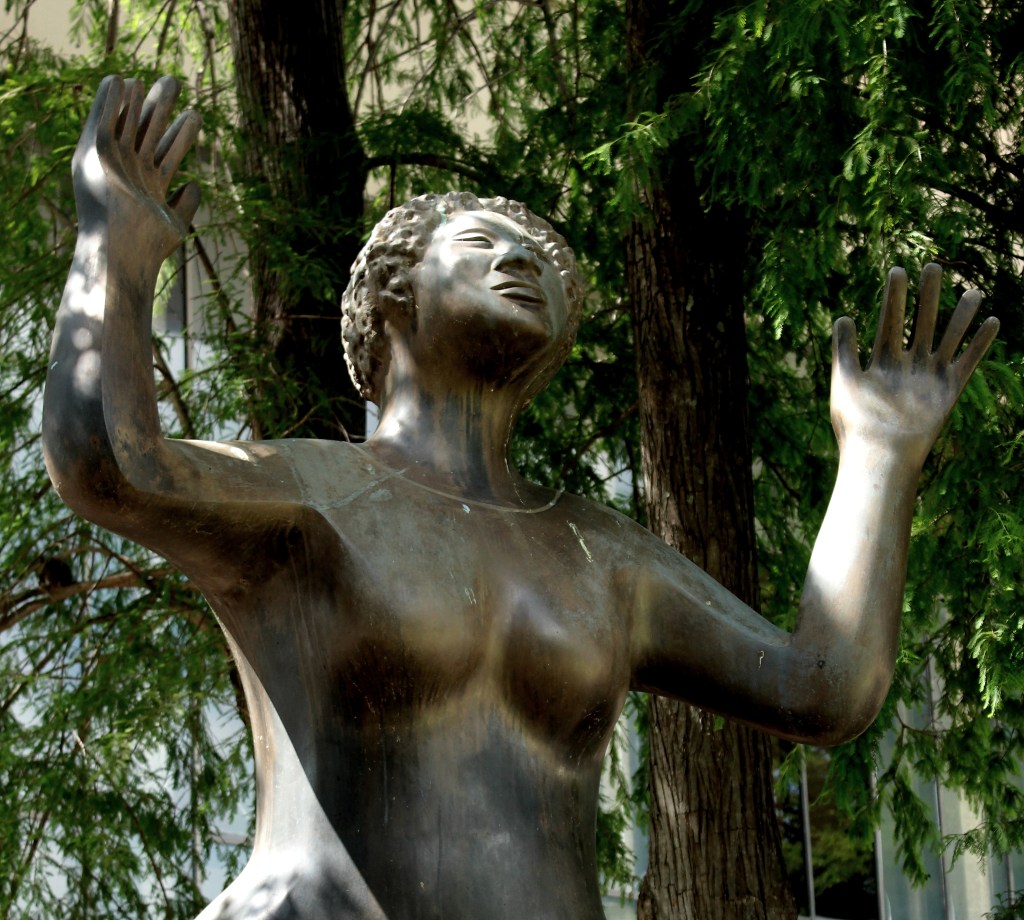
In this time of systemic and environmental collapse, which some call “unprecedented”, HOPEFULness is a very hot topic. Thank you, Patti, for having the courage to put it out there as our challenge this week! (See her interpretation HERE.)
My illustrations of Hopefulness were all gleaned from my very first trip to New Orleans, Louisiana (NOLA) last weekend. NOLA is a city with a unique history, a colorful layering of cultures and suffering and community awareness. I visited during the annual Jazz Festival with nine other members of my family. Humanity was evident everywhere! And the stories of relationships were palpable in the streets: indigenous, Creole, French, Spanish, African, and American people interacting in every way.
“It isn’t outcomes that matter. It’s our relationships
that give meaning to our struggles. If we free
ourselves from hope and fear, from having to
succeed, we discover that it becomes easier to love.”
― Margaret J. Wheatley (author of Warriors for the Human Spirit)
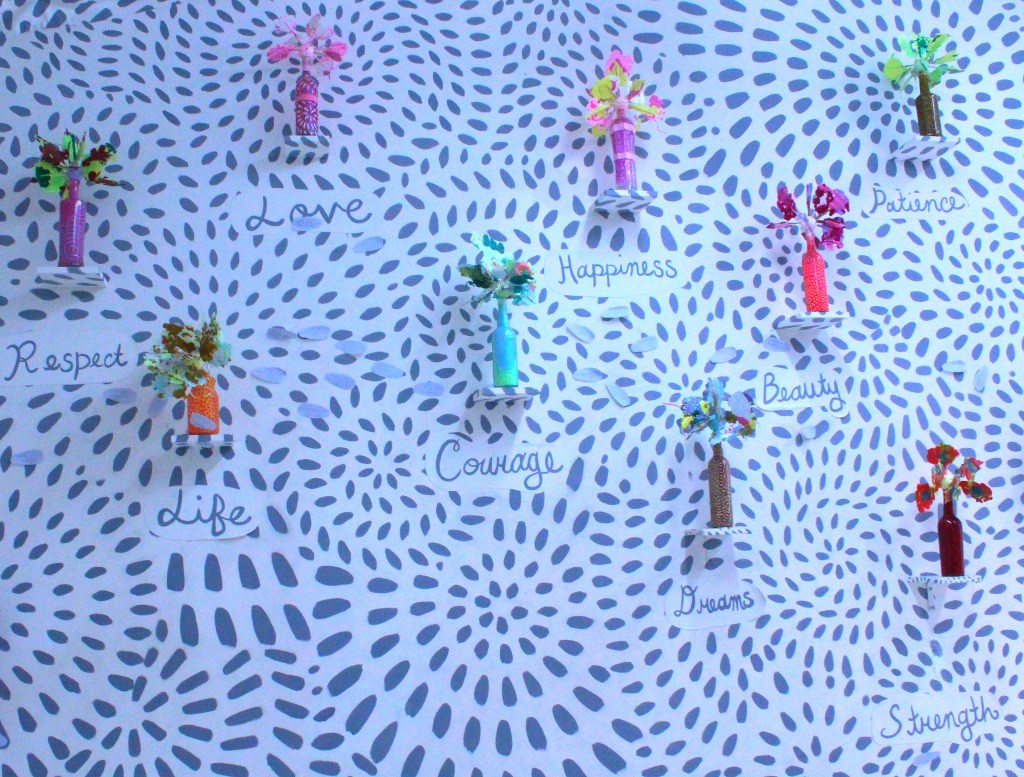
Traveling with my sisters, and my adult children and their partners was a heart-filling intergenerational experience. We are all unique individuals, and we are all family. We value our own choices, and we value each other.
“We’ve learned that no matter how despairing the circumstance, it is our relationships that offer us solace, guidance, and joy. As long as we’re together, as long as we feel others supporting us, we can persevere.” ― Margaret J. Wheatley
I was struck by the stories of the Mardi Gras or Carnivale parade traditions in New Orleans. I suppose I had assumed they were about debauchery, hedonism, or self-aggrandizement. I now have learned that they are also about honoring the human spirit and community support. The African-American “krews” who make and parade in elaborate feather costumes in semblance of indigenous cultures are paying homage to the bravery of those tribal people who assisted slaves escaping on the Underground Railroad at the risk of their own lives. They raise their children in awareness of the price and practice of solidarity as they prepare annually for these parades as a family.

 scillagrace