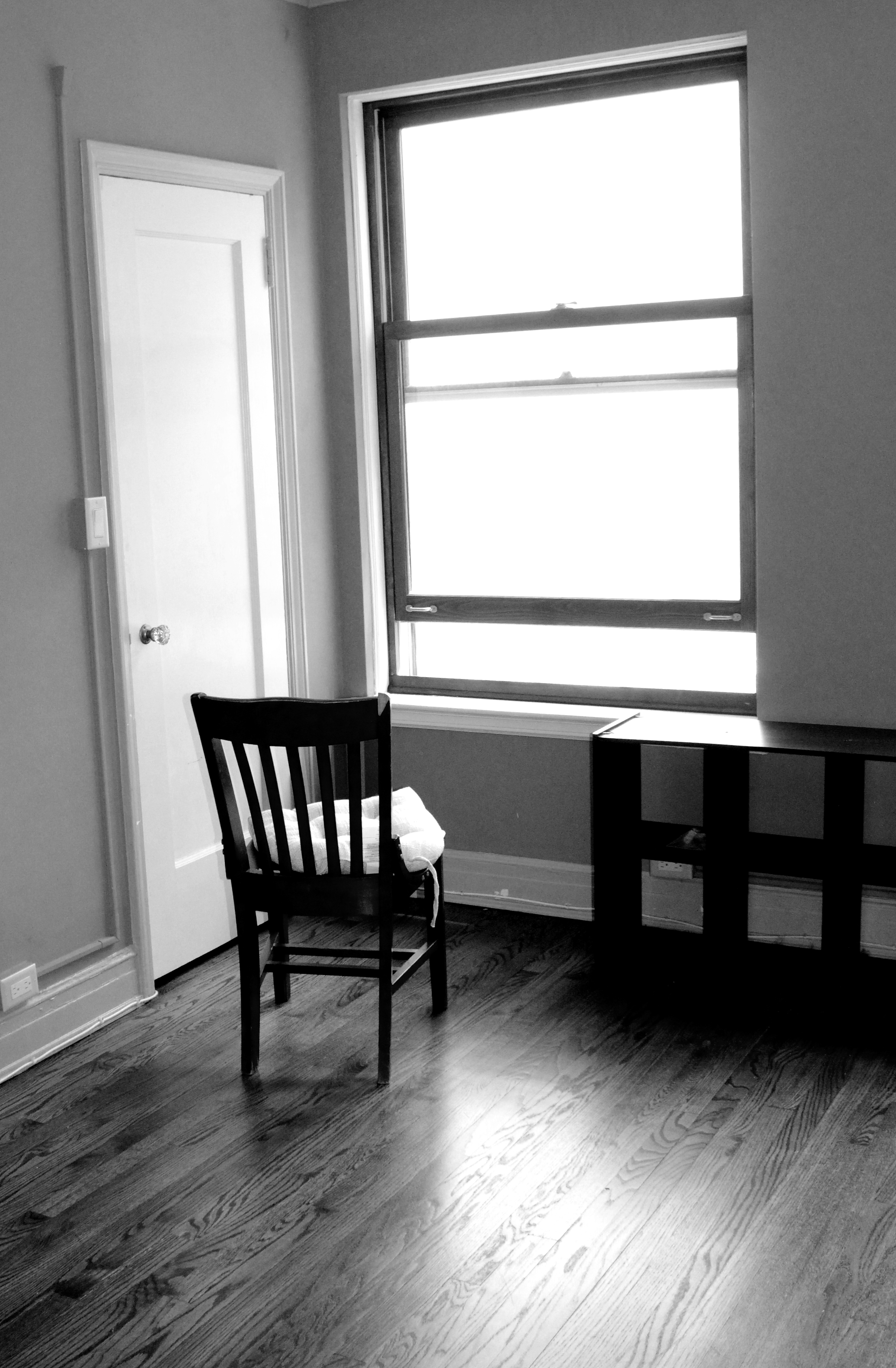
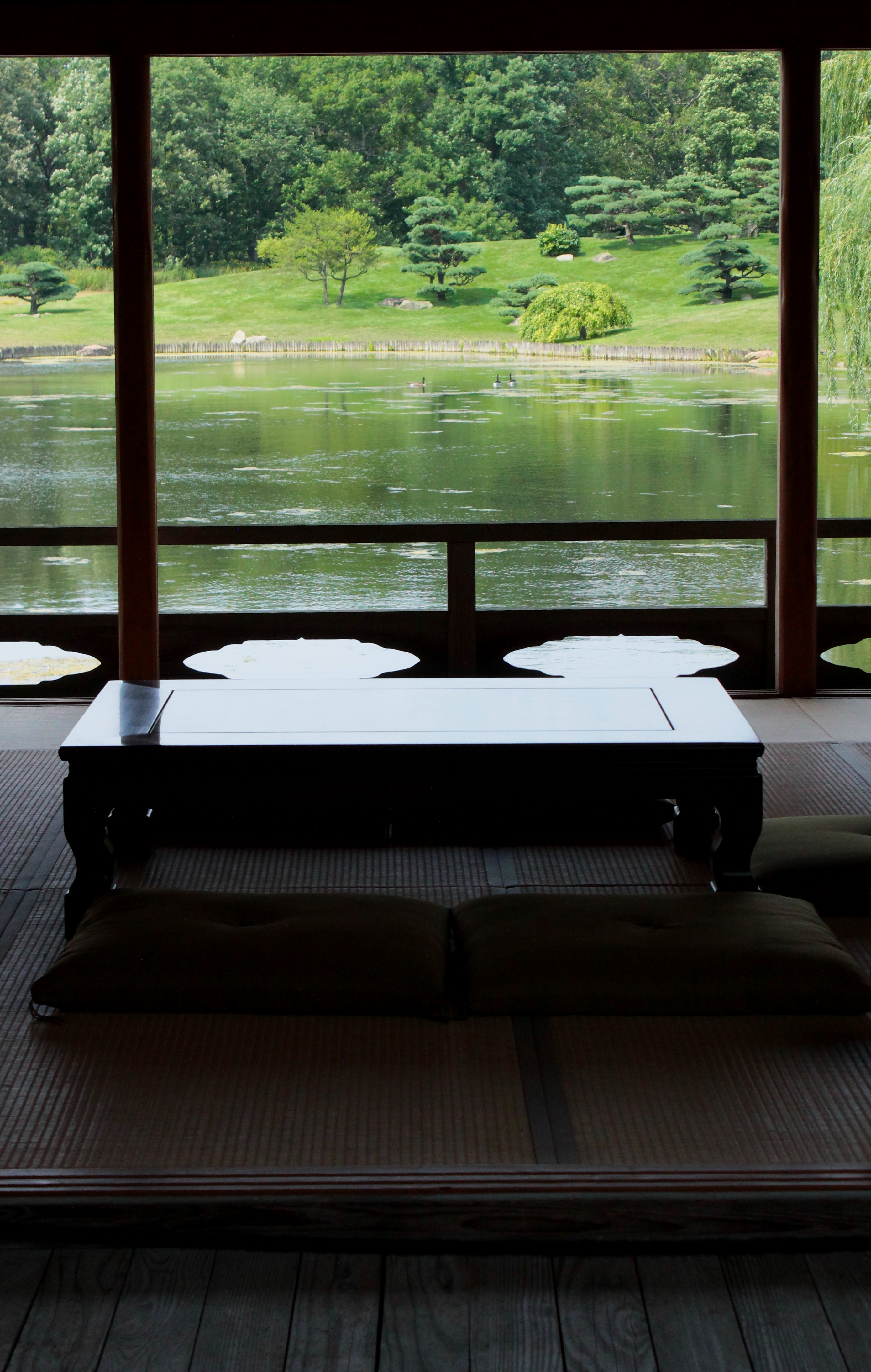
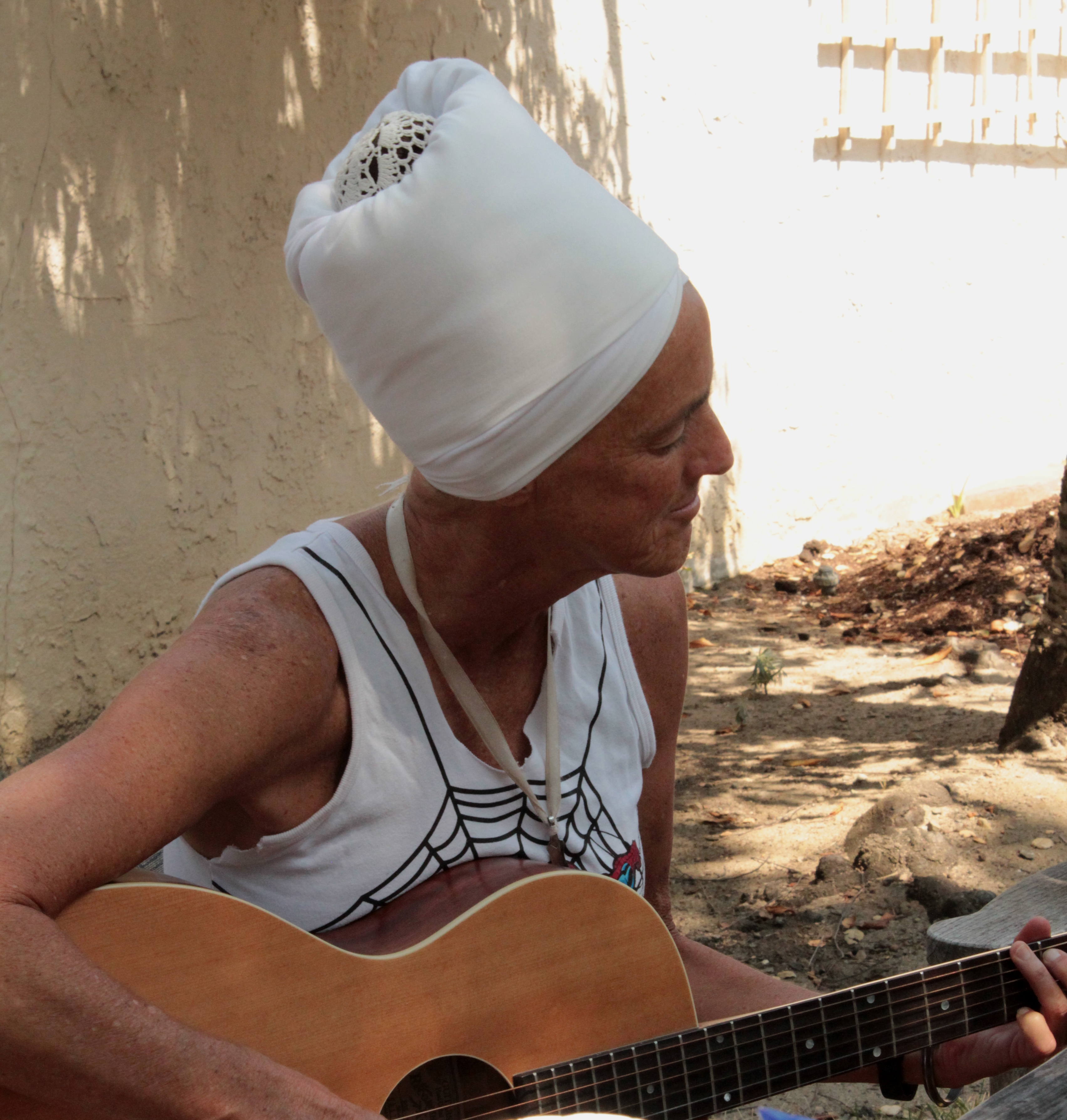
Lens Artists Photo Challenge: Windows & Doors
“Our senses are our windows to the world, and sometimes the wind blows through them and disturbs everything within us. Some of us leave our windows open all the time, allowing the sights and sounds of the world to invade us, penetrate us, and expose our sad, troubled selves.” ―
“When you follow your bliss…doors will open where you would not have thought there would be doors, and where there wouldn’t be a door for anyone else. ” – Joseph Campbell
“The setting sun is reflected from the windows of the almshouse as brightly as from the rich man’s abode; the snow melts before its door as early in the spring. I do not see but a quiet mind may live as contentedly there, and have as cheering thoughts, as in a palace.”
―
This week’s challenge is brought to Lens-Artists by Leya.
New Photo Challenge: Lens-Artists “Look Up”
I have been suffering with Photo Challenge withdrawal symptoms, but it’s good to know I’m not alone and that new challenges are always out there. The Lens-Artist group is posting weekly challenges on Saturdays, so I’ve signed up. If you’re interested in joining, HERE is more info.
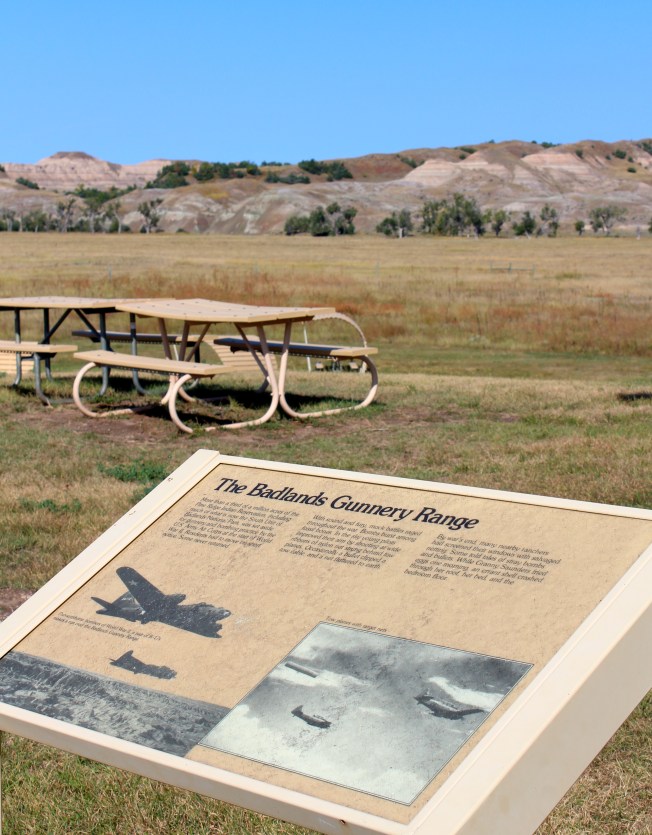
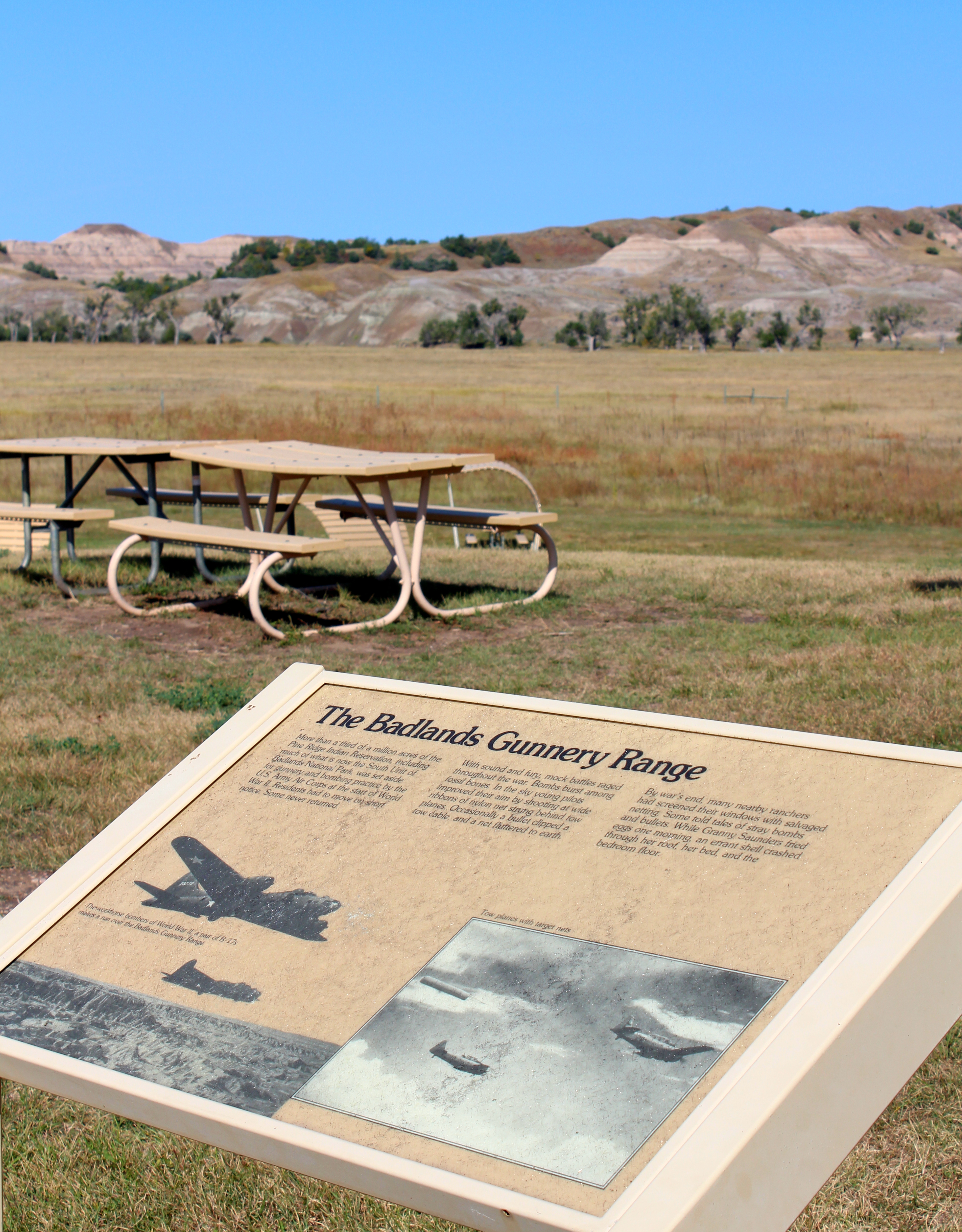
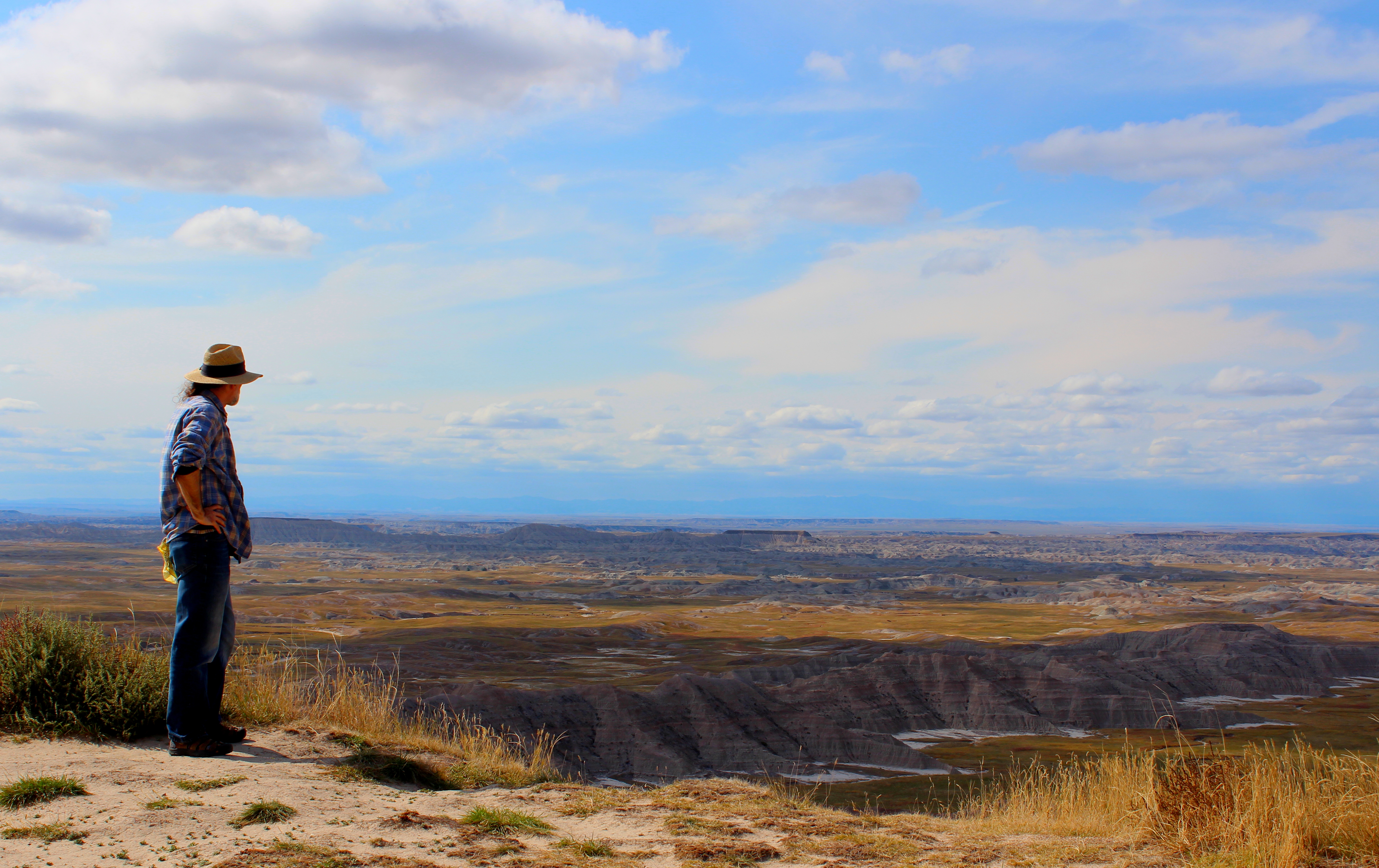
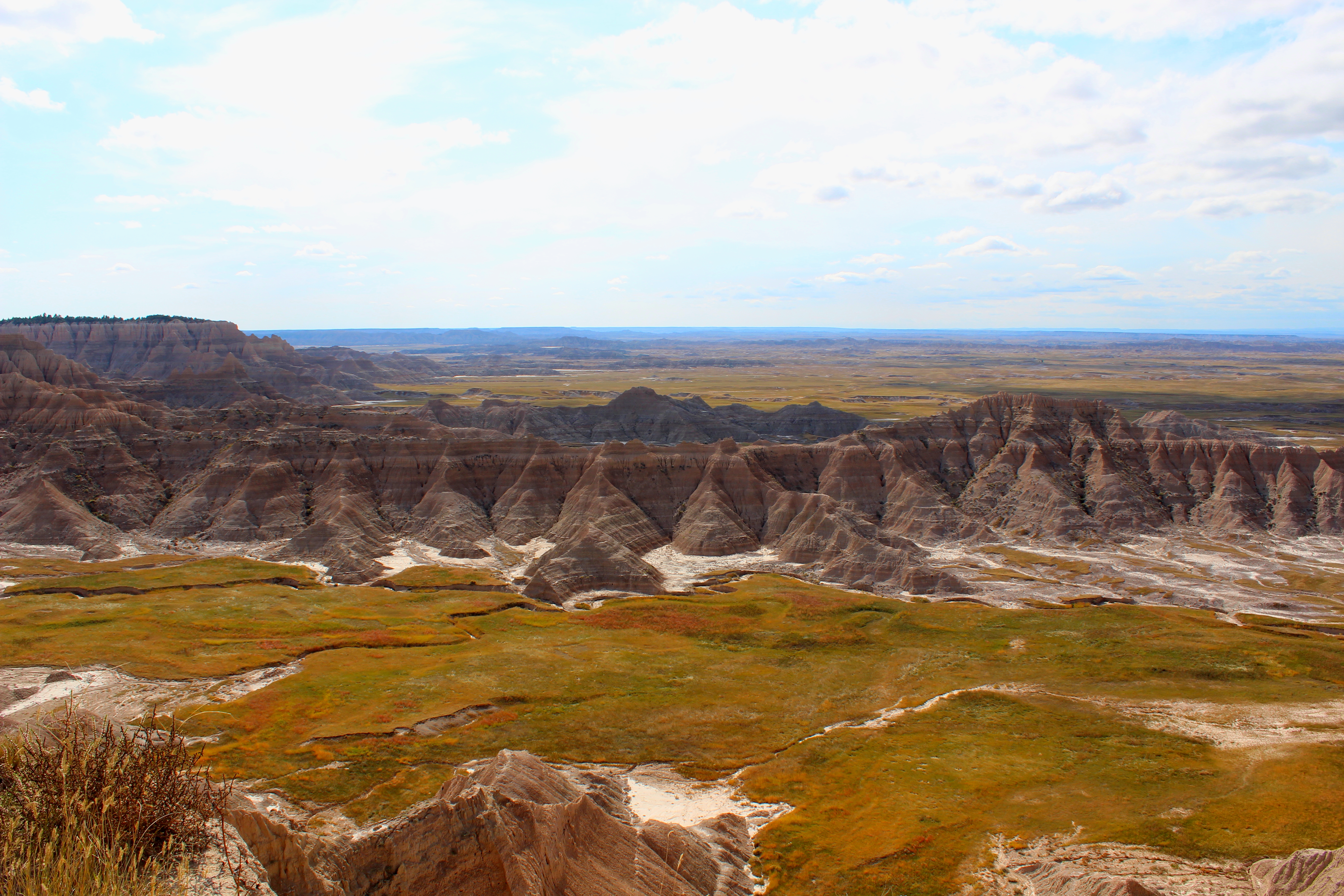
This week’s challenge is to “look up”. I just got back from a trip to Badlands National Park, where we enjoyed a marvelous sunset from atop the crest of one of the many ridges. Looking up at the sunset while looking down into the layers of colored rock was a sort of “mirrored” view. 
Thanks, Pati of Pilotfish Blog, for this challenge!
Citizen Science at Badlands National Park
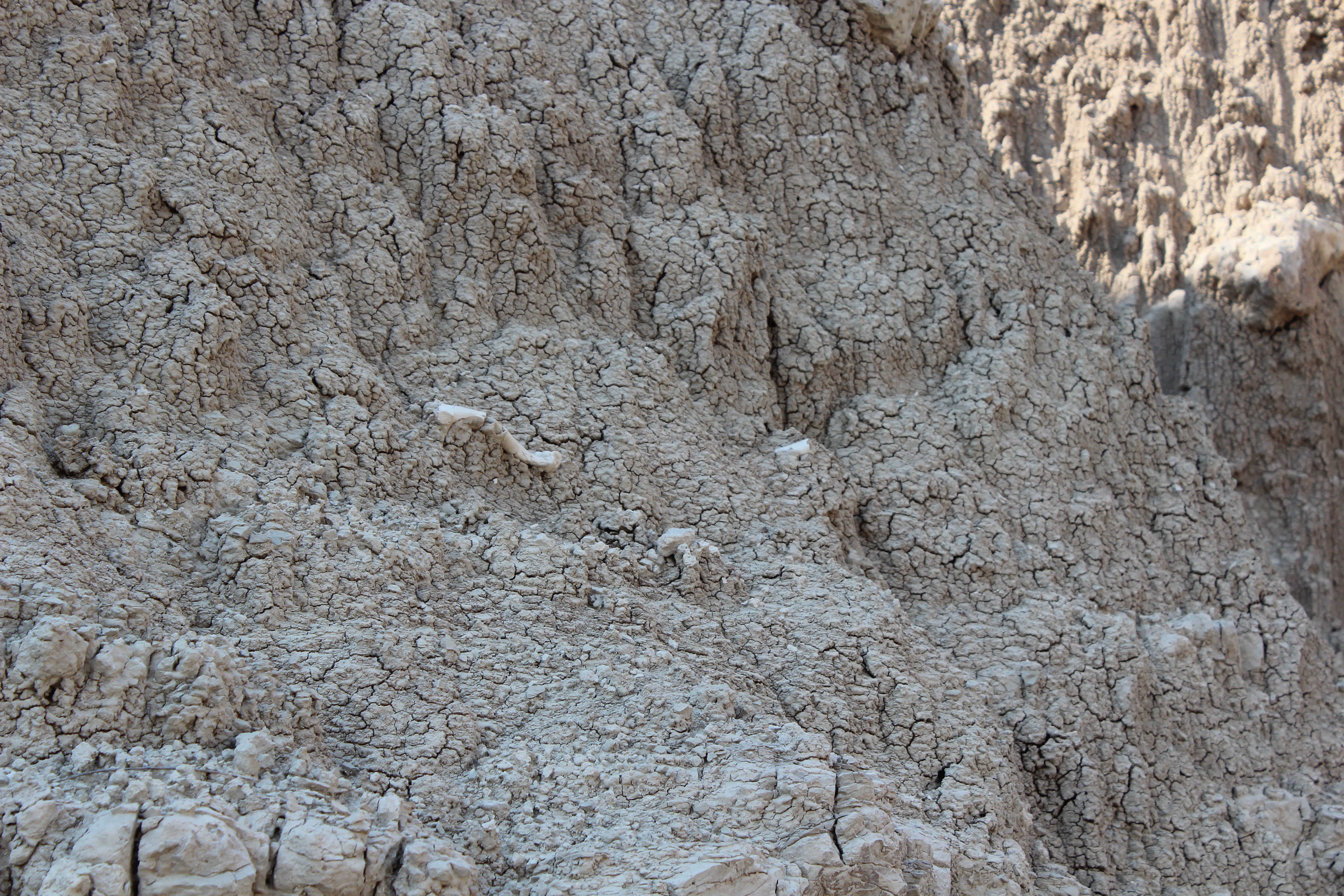
Steve & I spent 5 days at Badlands National Park in South Dakota last week. One of the highlights of our adventure was finding what I think is a fossilized bone. This post is my way of reporting that find to a Physical Science Technician in Paleontology at the park. I don’t have a GPS device to help him locate the find, so I’m walking him (and any other readers) to it through this blog post. If you happen to visit the park and find this bone (or any others), please leave it undisturbed. It is essential to have it in its original place in the sedimentary layers of rock in order to determine vital information. 
I initially spotted and photographed the bone on September 22 and filled out the reporting form at the Visitor’s Center. The next day, I returned to take additional photos to help lead the paleontology team to its location. I just got home last night, and can now download my photos to this blog and share them.
The crosswalk over Hwy 240 at the Visitors Center leads to a creek wash that starts at a lone cottonwood tree and goes west toward the rocky ridge. There is a separate rocky hill to the right of that wash. Follow the wash beyond that hill as it curves to the left. The peak with the squared-off top is a primary landmark. The fossil I saw is in the face of a hill to the left of that peak. Click on the first photo of this gallery to see the series in a slideshow.
I was absolutely thrilled and humbled to discover this little white tubular thing. I hope it’s a genuine fossil. Even if it’s not anything significant to science, the invitation to observe and participate in sharing this observation is significant to me.
I am a huge fan of the National Parks and happy to purchase an Annual Pass in support of America’s Best Idea. I hope that future generations continue to value, respect, and protect these places that show the unique and autonomous nature of the Earth.
*** Update 10/4/2018***
From a letter from the Paleontologist at the Park:
“That is a humerus or upper arm bone (the bone that articulates with the scapula in the shoulder). It looks to be in relatively complete condition, albeit weathered and fractured. It also looks like there may be additional fragments of bone eroding on that slope. Unfortunately, I can’t see enough of them to make any interpretations on what they might be.
Based on the size of the humerus and it’s general shape, however, I would make an educated guess that it probably came from an oreodont (of the family Merycoidodontidae). As you may be aware from your visit, oreodonts are the most common, abundant, and widespread mammal found in the fossil record here at Badlands. From 36 to 27 million years ago (during the Eocene and Oligocene Epochs), they were an exceptionally prosperous group of herbivores that dotted the landscape, probably living together in large herds. They would have been a key prey item for many carnivores, such as dogs and the ancestral cat-like lineage called nimravids (family Nimravidae). As a group within the animal kingdom, the last known oreodonts finally disappeared from the planet during the Pliocene Epoch some 4 to 5 million years ago.”
So very cool! *smiles*
Old Home Week
Turns out you can, indeed, go home. Expect things to have changed, expect to discover new delights. Expect to laugh and cry. Hug your loved ones. And plan to return.
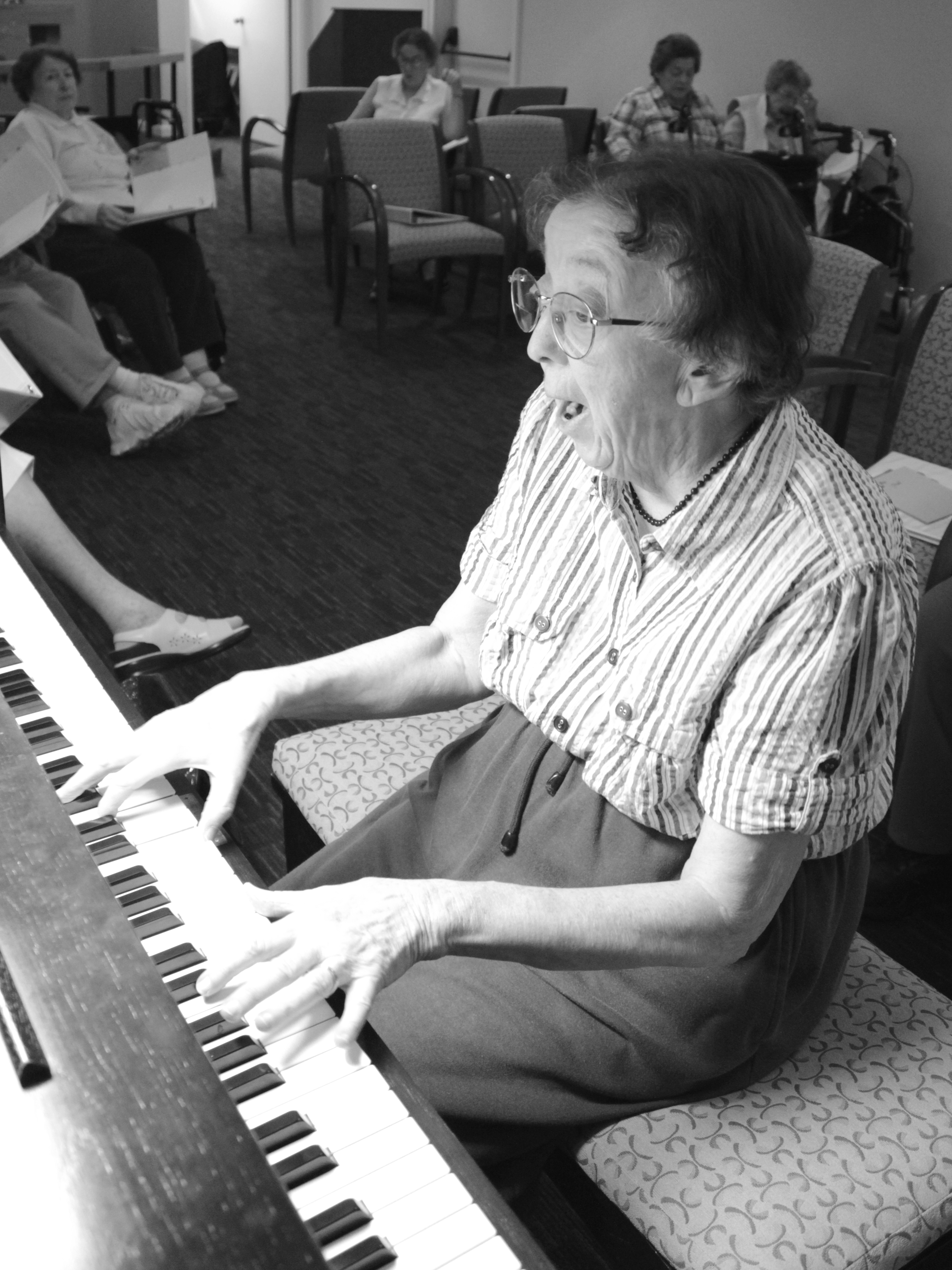
Thanks, Mom, for sharing your gifts as always: music, food, wisdom and stories. 
Thanks, Sarah, for offering me your perfectly comfortable home, your gracious listening ears, more food, and transportation. And for sharing Stanley. 
Thanks, Dharam, for sharing your presence, your insights, your music, and your fabulous hugs. And more food.

Thanks, David and Sarah, for sharing your time, your vulnerability, your smiles, your love. And food.
Thanks, Cristina, Guru & Amrit for showing up with youth and energy and honesty. And even more food. My hope for the future is greatly increased the more I get to know you.
And thanks, Val and Mike, for your hospitality, wisdom, and stories. Including great food and lots of wine!
I love having you all in my life!
Going home isn’t easy for some. When I come home to family, it can be a slugfest…but in the most delightful way.
I am truly fortunate.
Happiness Is…
Purple Days
Happy Interdependence!
We survived the festivities at Old World Wisconsin in 104 degree heat! I wore a very special costume that had only been worn once before. It was silk and “tropical weight” wool with beautiful accents of military buttons and lapels and florets.
I was interviewed by Fox 6 News about my experience wearing 19th century clothing in the heat. I relayed information about what I was wearing and how it felt and then said that I thought people in the 19th century lived more closely in harmony with their environment instead of trying to manipulate or change it. Therefore, they get used to variations in temperature and become more resilient….or something like that. Then I went into the church and played a few hymns on the pump organ while the assembly sang. Then another interpreter took over and I sang descants along to some more hymns. When that concluded…
View original post 234 more words