Unknown's avatar

Weekly Photo Challenge: State of Mind

After determining how to get from our campsite to the trailhead, we were eager to enter the designated Wilderness of this Wisconsin forest.  It had been logged more than 30 years ago and then left to return to a more natural state.  The trail was an old logging road that had not been maintained, and could barely be recognized under the summer foliage.  I felt the quiet buzz of insects around me like a choir of innocents in a holy sanctuary, the sun streaming through the new leaves as if through the stained glass of an ancient cathedral.  The forest was teeming with life while calmly silent at the same time.  I dared not speak, wanting to be absorbed into the pulsing breath of the place itself.  

the trail

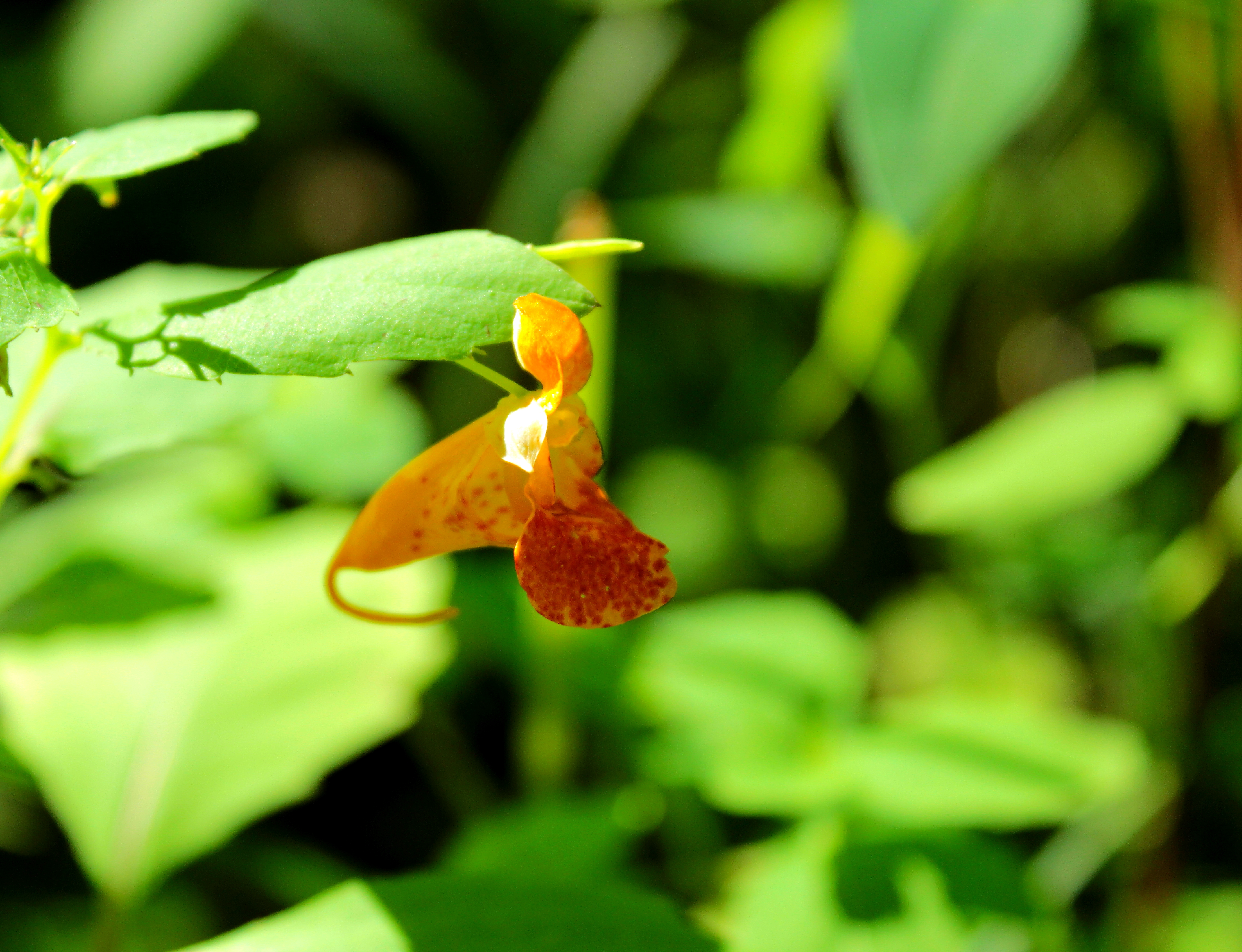
Every detail seemed to be as exquisite in artistry as a religious icon. flowerI wanted to take it all in and cherish it for eternity. 

My camera became the instrument of praise and prayer that day, and I vowed to devote myself to Wilderness protection so that humans would always have a place to experience humility. 

wilderness
State of Mind

Unknown's avatar

Weekly Photo Challenge: Wilderness Inspiration

This photo challenge is familiar.  In 2012, there was a similar challenge which I responded to in this fashion.  I still blog about all those things, but lately, I’ve come to realize that I have been going through an evolution inspired by a specific concept: WILDERNESS.  In fact, I have an entire page set up to link to my wilderness posts.  (Feel free to browse around there!)  This last weekend, Steve and I went to find some wilderness in the U.P. (the Upper Peninsula of Michigan).  Sure enough, there were 3 federally designated wilderness areas in the western portion of that state.  We went to the Sturgeon River Gorge Wilderness in the Ottawa National Forest.  In 1987, logging operations there ceased and the logging roads were left to return to wilderness.  We were told by a forest ranger that the old road is a 7.5 mile “trail” that traverses the wilderness and given a map.  She warned us, though, that it’s not maintained.  We attempted to hike from both trail heads, but only got about 50 feet along before we realized that we would be foolish to go any further.  As I headed back toward the car, I realized that I was crying.  Not because I was disappointed that I wouldn’t be able to hike there, but for a very different, special reason.  It was as if I had been invited into the sanctuary of a foreign religion or to spend half an hour on a different planet.  I was humbled.  I was in awe.  I felt a reverence for the place that put my presence in profound perspective.  It wasn’t quite like I didn’t belong; it was that I belonged no more especially than anything else there, even the tiniest fungus spore.  It was a supreme experience of equality.  I did not dominate in any way.  I jokingly told Steve that this was a place “where men are food and flies are king”, but I was feeling anything but glib in my soul. 

To find yourself in the sanctuary of wilderness is to feel the breath of the Divine all around.  Breathe it in.  Be inspired. 

Inspiration

Unknown's avatar

Morning Thoughts: Finding True Place In Wilderness

I found an essay called “The Body and The Earth” by Wendell Berry in The Unsettling of America published in 1977.  It is an extremely articulate and broad analysis of that “spherical network” that moves fluidly from agriculture, to Shakespeare and suicide, to sexual differences and divisions, and more.  Here is an excerpt from the beginning which describes the mythic human dilemma:

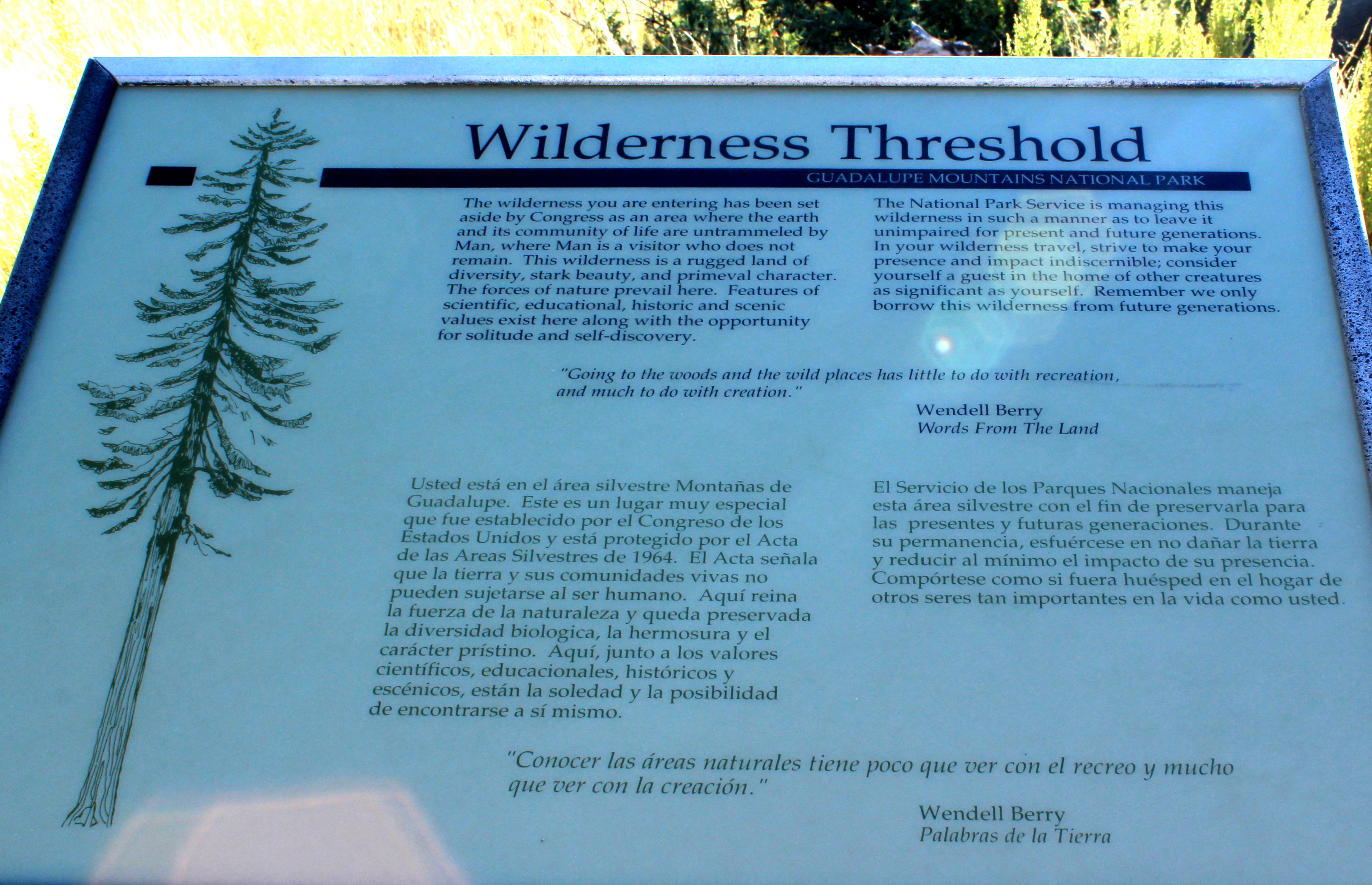
“Until modern times, we focused a great deal of the best of our thought upon such rituals of return to the human condition.  solitudeSeeking enlightenment or the Promised Land or the way home, a man would go or be forced to go into the wilderness, measure himself against the Creation, recognize finally his true place within it, and thus be saved both from pride and from despair.  wilderness threshold

“Seeing himself as a tiny member of a world he cannot comprehend or master or in any final sense possess, he cannot possibly think of himself as a god. 

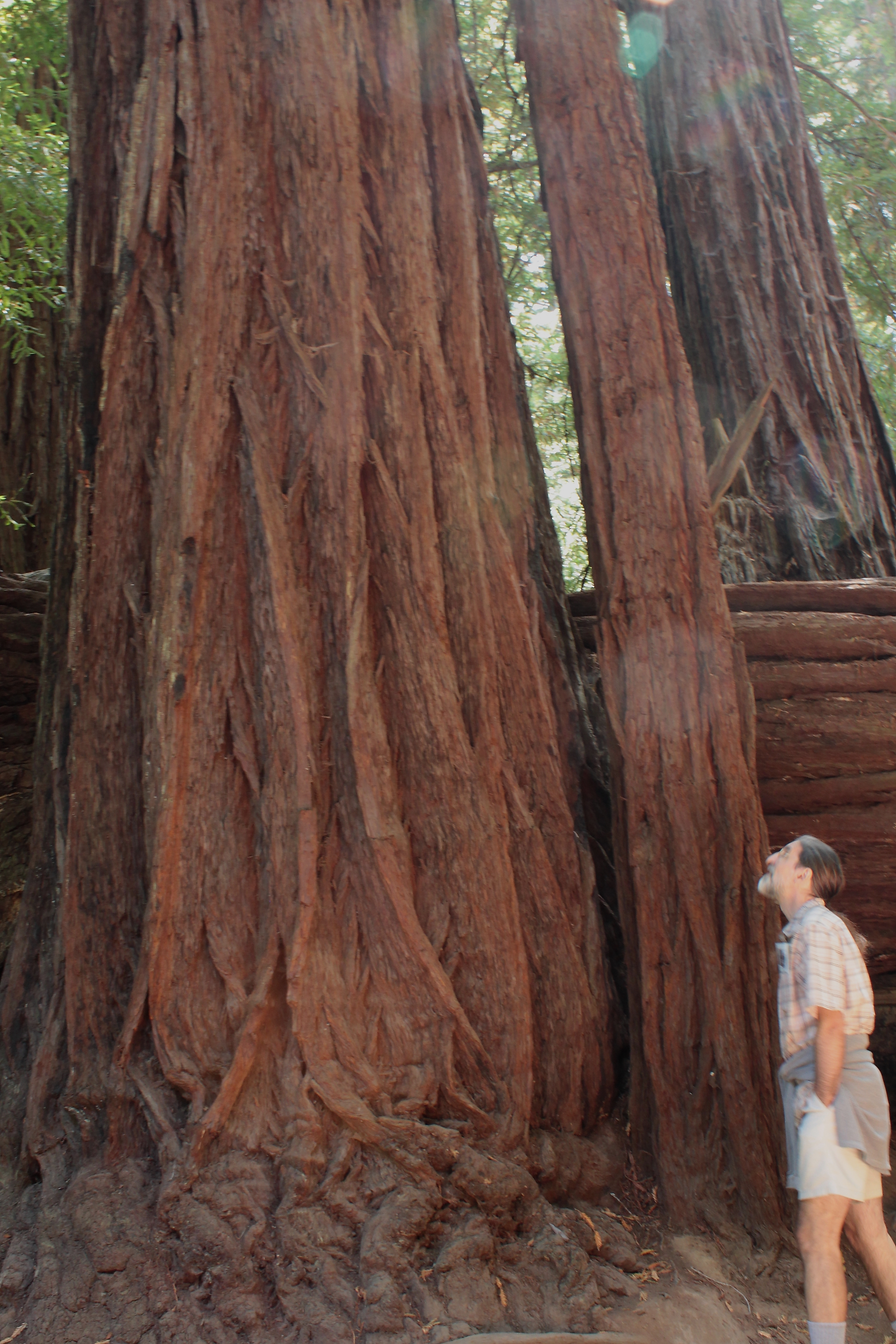
Big Basin Redwoods State Park

“And by the same token, since he shares in, depends upon, and is graced by all of which he is a part, neither can he become a fiend; he cannot descend into the final despair of destructiveness. 

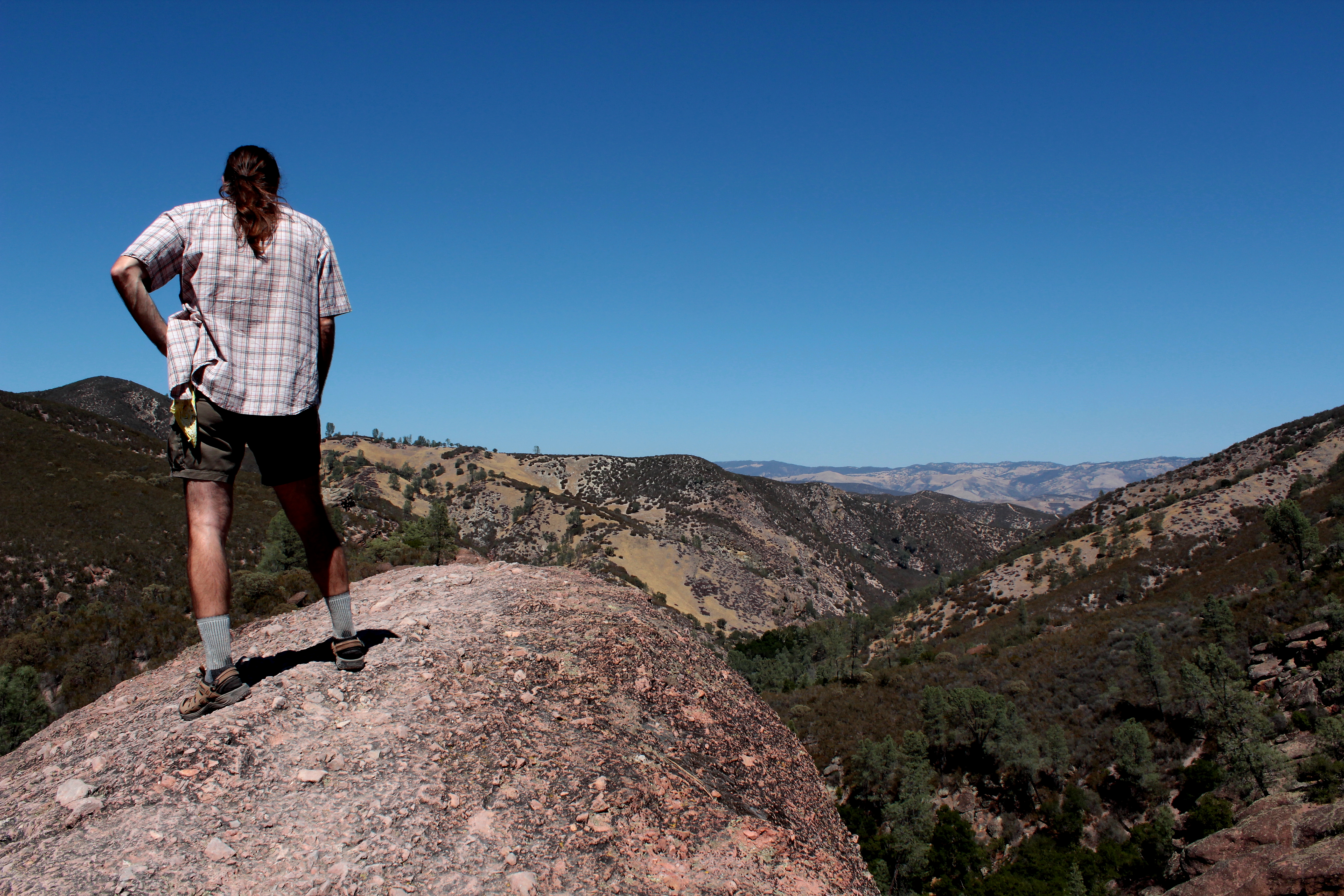
pinnacles summit

“Returning from the wilderness, he becomes a restorer of order, a preserver.  He sees the truth, recognizes his true heir, honors his forebears and his heritage, and gives his blessing to his successors.  He embodies the passing of human time, living and dying within the human limits of grief and joy.”

edge 3Human limits.  Humility.  Our struggles, our desires, our wants, our hopes and feelings of elation are not the stuff to tilt the planet.  There is a rightness outside of our sphere.  I like to remember that perspective each time I encounter the “world wide web” of hype and OMG! and products and extracting resources and cruelty and pettiness. 

Peace on earth, Priscilla

© 2014, essay and photographs, Priscilla Galasso, All rights reserved

Unknown's avatar

Prepare Ye: The Way and The Wilderness

There are many different definitions of the word ‘prepare’, and all of them are about acting decisively, with a will. Make, create, be willing…take responsibility. And there are as many ways of doing that as there are people on earth, I’m sure. The ‘how’ of preparation can be accompanied by a range of attitudes.

The Boy Scout metaphor describes one point on the spectrum. “Be Prepared” is their well-known motto. What that looks like conjures an exact check list of supplies – a camping list designed to meet any foreseeable outcome. Snake bite kit? Check. Flotation device? Check. Sunscreen and thermal underwear? Check and double check. This preparation is fueled by a desire to be in control, it seems. The responses are prescribed, preferred outcomes already decided upon. “I do not want to be cold, wet, sunburned or in pain, and I am taking action now to ensure that.” That is one attitude of preparation.

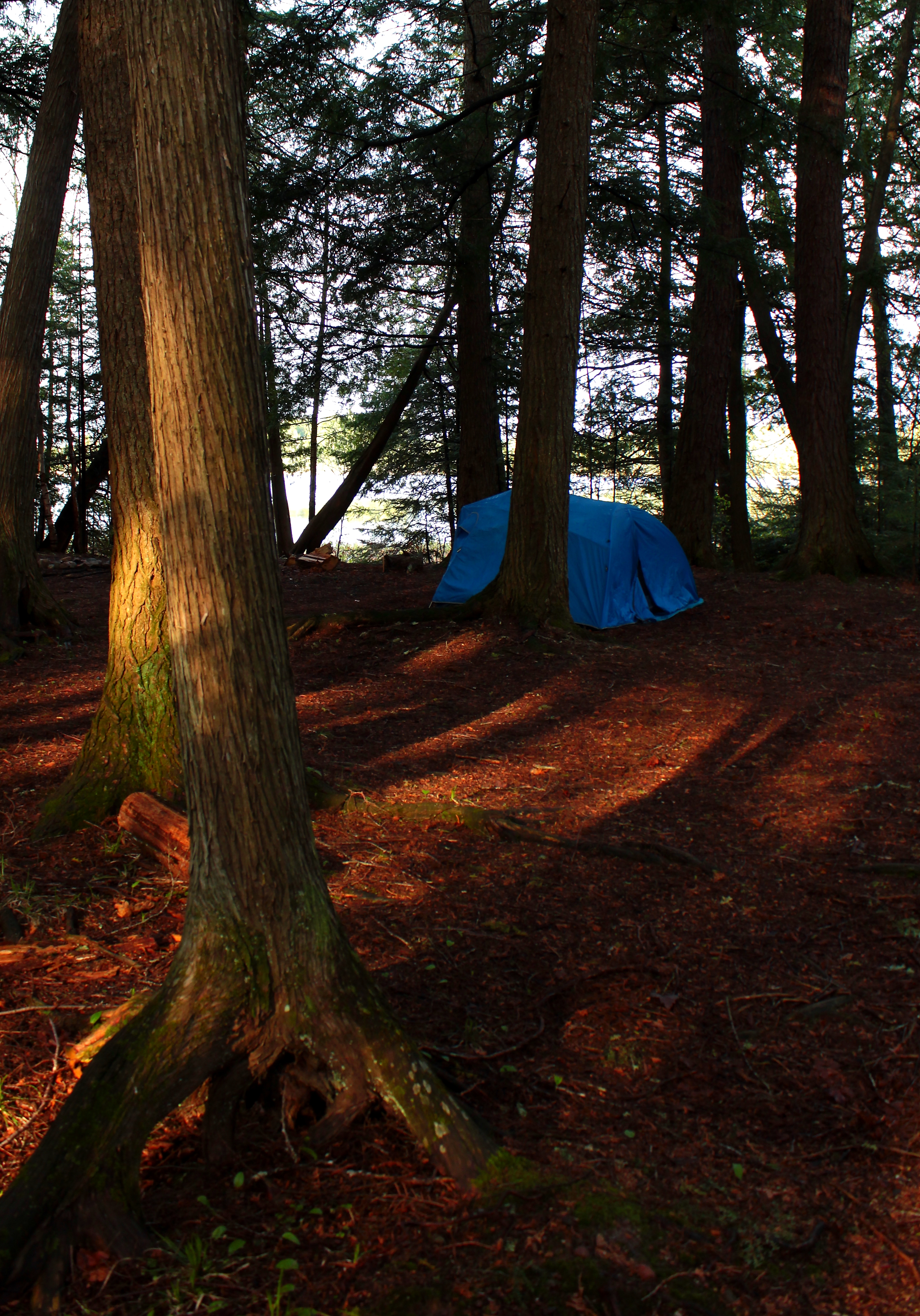
room tentAnother attitude might be illustrated by The Dancer metaphor. A dancer prepares for a pirouette by checking her starting position, aligning her hips and shoulders in a grounded plié  – but not staying in that position so long that it causes her to lose momentum. What really prepares her to execute a graceful turn is years and years of practice leading up to the moment of action. That seems to me to be a distinctly different attitude of preparation.

Of course, we can embody more than one attitude of preparation at a time. We can be both Boy Scouts and Dancers, among other things, and this helps us be better prepared for the unforeseen, mysterious, dynamic journey that is Life and better prepared for ventures in the Wilderness.

I recently attended a conference celebrating the 50th anniversary of the signing of the Wilderness Act into law in the U.S. These preserved areas of natural lands and waters maintain a special character, “untrammeled” by man and distinctly autonomous. The wilderness is what it is. You cannot predict what will happen there, and you must rely on your own preparation when you visit. By law, there will not be any man-made structures, services, or systems that will provide for you or take responsibility for you. And the experience that you have as solitary and self-reliant can change your life. It is a deeply spiritual endeavor to go into the wilderness and learn from it.
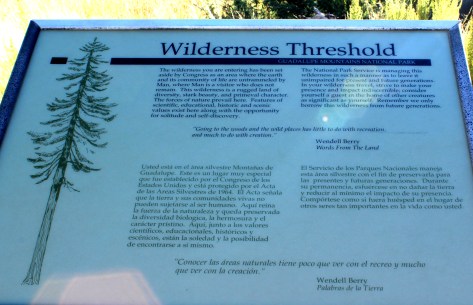
wilderness threshold

Wilderness asks you two important questions: Are you willing to go there? Are you prepared? I think that the Way – whether that be Christian, Buddhist, or any other spiritual path – asks you the same questions. May your willing preparation and practice be a life-giving process, bringing you much happiness. Peace! – Priscilla

© 2014, essay and photographs, Priscilla Galasso, All rights reserved

Unknown's avatar

Weekly Photo Challenge: Minimalist

Yucca curl - ancestral pueblo people used these fibers for many purposes.

Yucca curl

You might think that desert living is minimalist living.  I mean, what’s out there?  How do you survive on nothing? (see my post “Wilderness and the Myth of Nothing” here).  Native ancestral pueblo dwellers made a lot of useful things out of the very simple materials in their environment.  Like yucca fibers.  They’re strong and fine.  Sandals, baskets, and rope were made from them.  The rest of the plant was used for even more things like shampoo and paintbrushes.  Yeah, paintbrushes.  They had time for art in their ‘minimal’ lives.  Go figure. 

Unknown's avatar

What’s Important? – revisited

Way back in February of 2012, I wrote a post titled “What’s Important?”.  It was an essay describing the evolution of my  ideas of “right” (as in “being in right relationship with”, “righteousness”) from the evangelical Christian tradition to a broader, Buddhist-influenced experience.  It led to a string of great comments and word analysis. 

My moral development has been challenged lately by the speakers, storytellers, and advocates I heard at the Wilderness 50 conference.  What is “Right Ethic” or a right relationship with our planet?  Where do we experience the emergence of this ethic?  Does it come from the top down, imposed by authority in law?  Does it bubble up from feelings of connection to places, plants, animals, ecosystems, communities?  How do we evaluate our interactions with Earth?  And how important or trivial is that interaction in our daily lives? 

Having immersed myself in a 5-day arena of wilderness philosophy, it’s very strange to return to the Internet world and gaze on its landscape.  Yahoo! news articles bombard my senses: “How to Crack an Egg”, “Romantic Move Goes Awry”, “Horse Rescued from Pool”, J-Lo, Renee Zellweger, sports teams, iPhones, who wore it best, etc.  Is this what life on Earth is about?  Really?!  Even gazing on the more thorny parts of the landscape seems a little flat.  Is death news?  Is human drama relevant or manufactured?  And what about the lives of the non-human inhabitants of this planet?  The life of the Ebola virus, for example.  What do we really care about that, other than the way that humans are effected? 

What is important about Life?  Just my life?  Just human life?  Just life that I recognize?

The keynote speaker in many of the Wilderness 50 sessions was Dave Foreman.  He is a much-loved, original eco-warrior who is now 68 years old and retains the spit and vinegar of his activist days.  Raised in the Texas atmosphere of Biblical preachers, he knows how to tell a story and describe a cause.  He used this illustration in a few of his addresses: he visited a ficus tree, of the fig and banyan family, whose broad canopy is one of the biggest in the entire world.  It stretched over his head and spread out in a space bigger than a football field.  And each limb supported hundreds of leaves.  A massive thing, this tree!  He likened it to the Tree of Life and stood in awe.  And then he realized that human beings, our species, of which there are more than 7 billion individuals, represent just ONE leaf on this great tree.  That one little leaf right….there.  That’s us.  How important are we?  How aware are we of the rest of the tree?  Of how we influence it and how it influences us?  Do we think about that…often? ever?  Or do we pay more attention to our celebrities, bank accounts and pet peeves. 

What’s important?  What fills your landscape?

new-mexico.jpg

© 2014, essay and photographs, Priscilla Galasso, All rights reserved